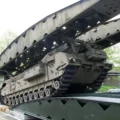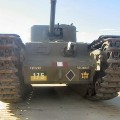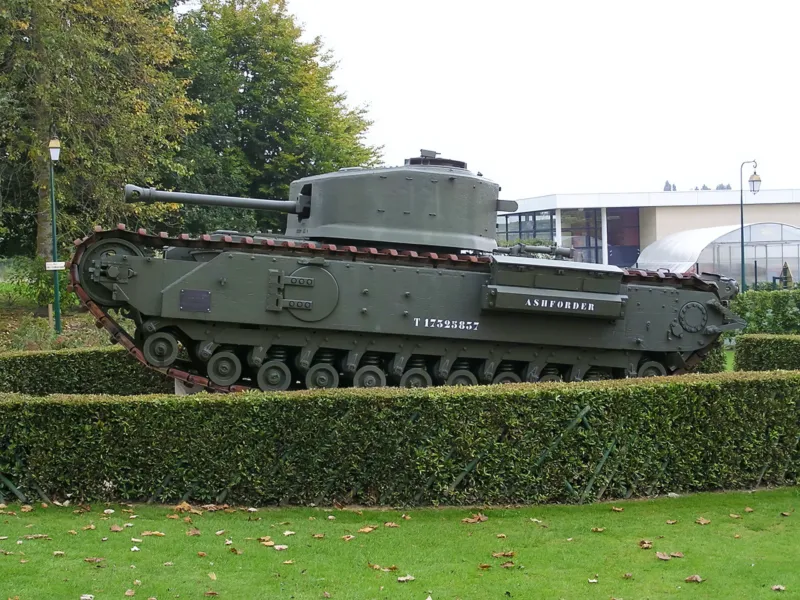
Churchill krokodil | |
|---|---|
| Ország | Egyesült Királyság |
| Szerepet | Gyalogsági harckocsi/lángtartály |
| Szolgálatban | 1944-1945 |
| Beépített | Ismeretlen |
Galéria Fotó Churchill krokodilról, Krokodil egy Churchill VII volt, amelyet úgy alakítottak át, hogy a hajótest géppuskáját lángszóróra cserélték. Az üzemanyag egy páncélozott kerekes pótkocsiban volt, amelyet utána vontattak. Több 1 másodperces sorozatot tudott kilőni 150 yard felett. A Krokodil volt az egyik "Hobart viccese" – egy másik jármű, amelyet a 79. páncélos hadosztály használt.
| Churchill Crocodile | |
|---|---|
| Fotós | Unknow |
| Lokalizáció | Ismeretlen |
| Fénykép | 30 |
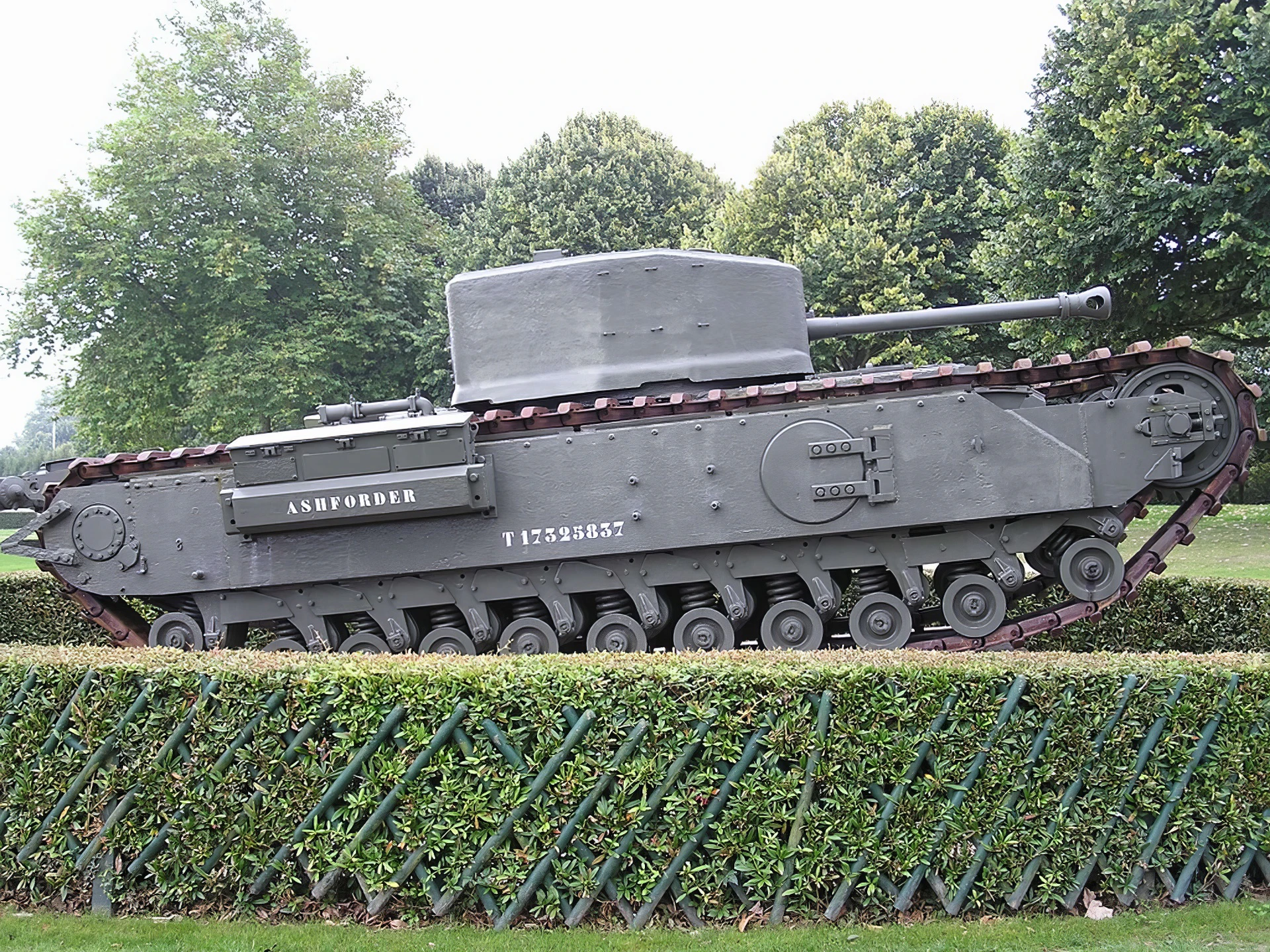
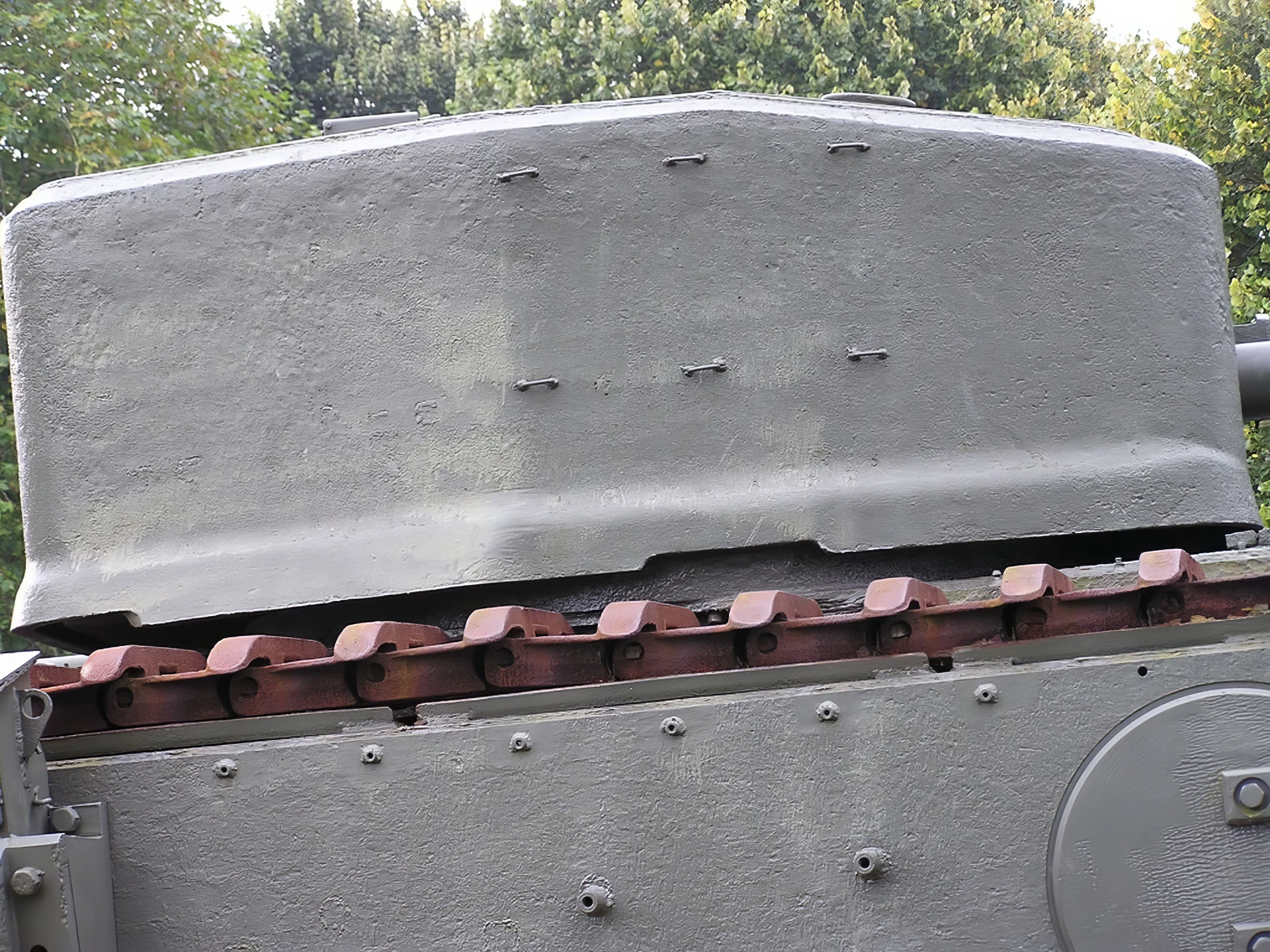
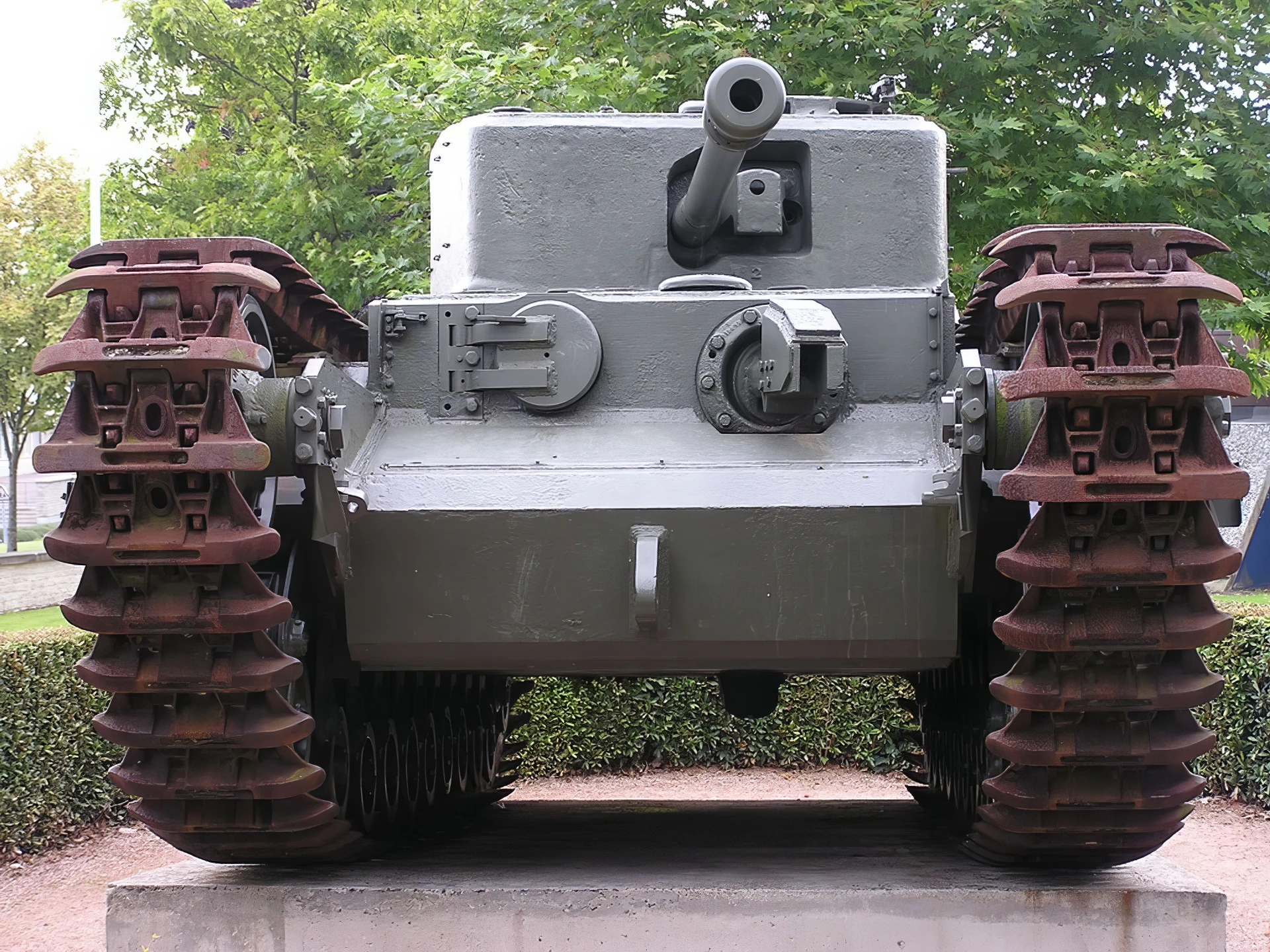
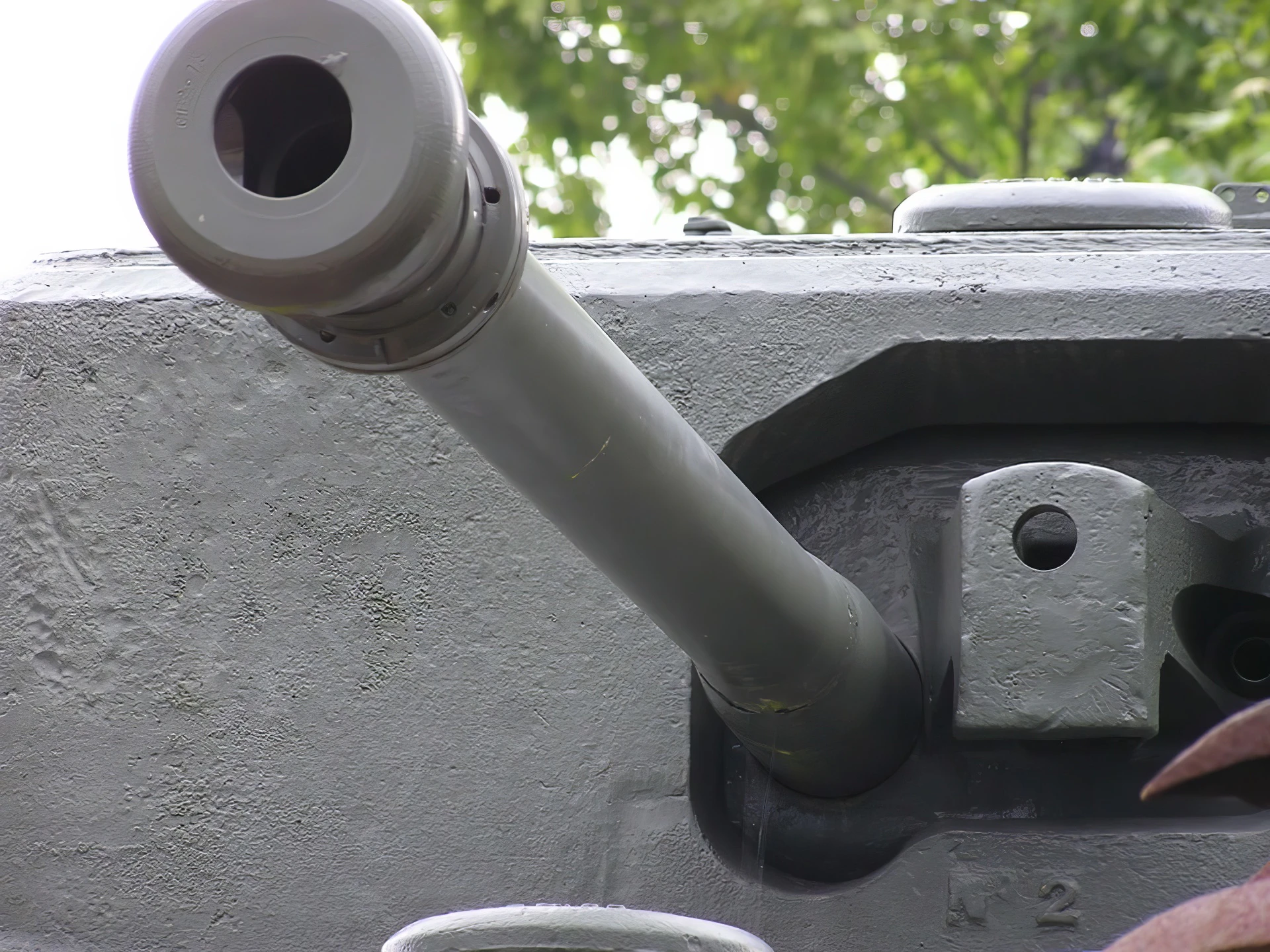
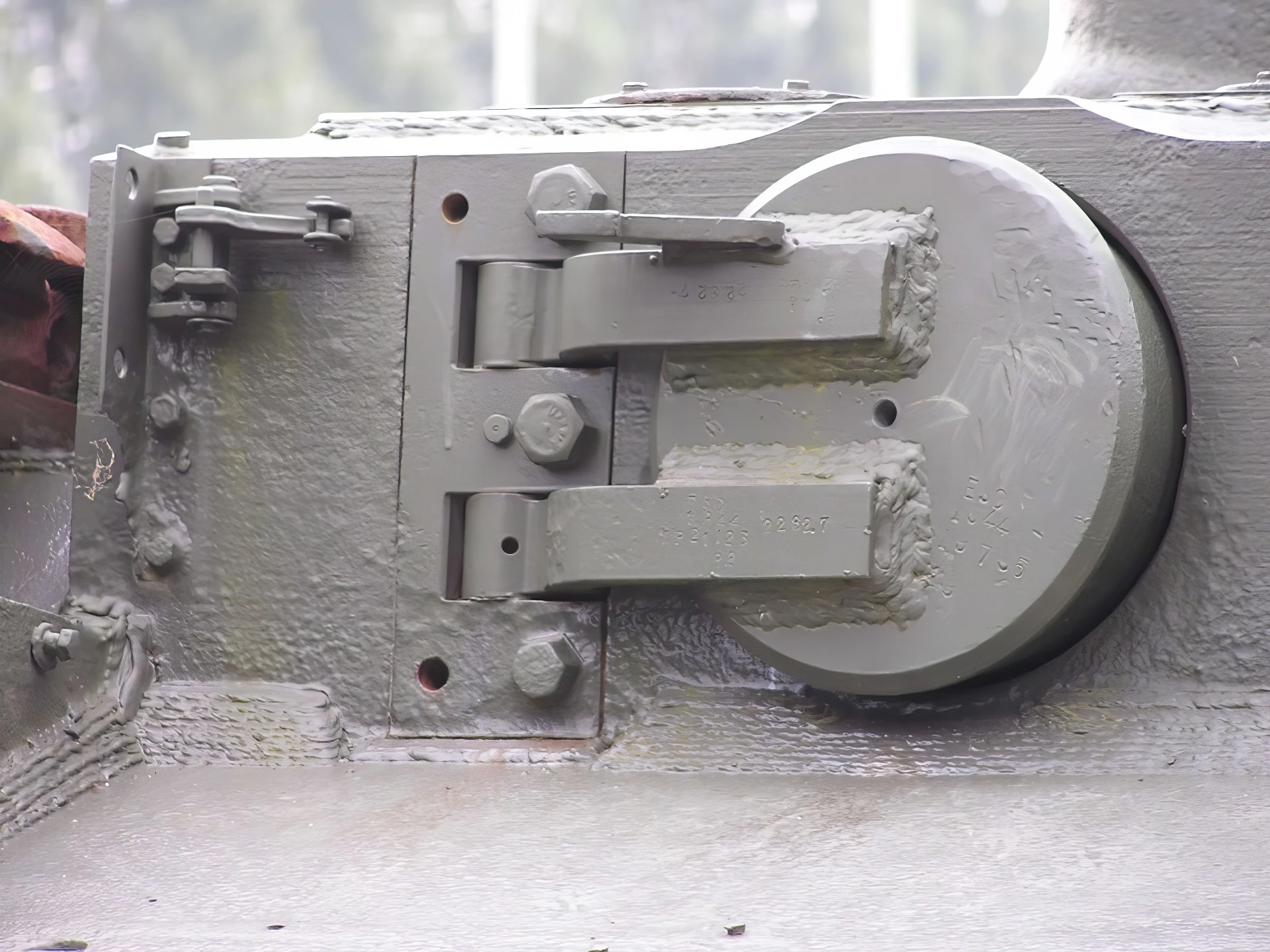
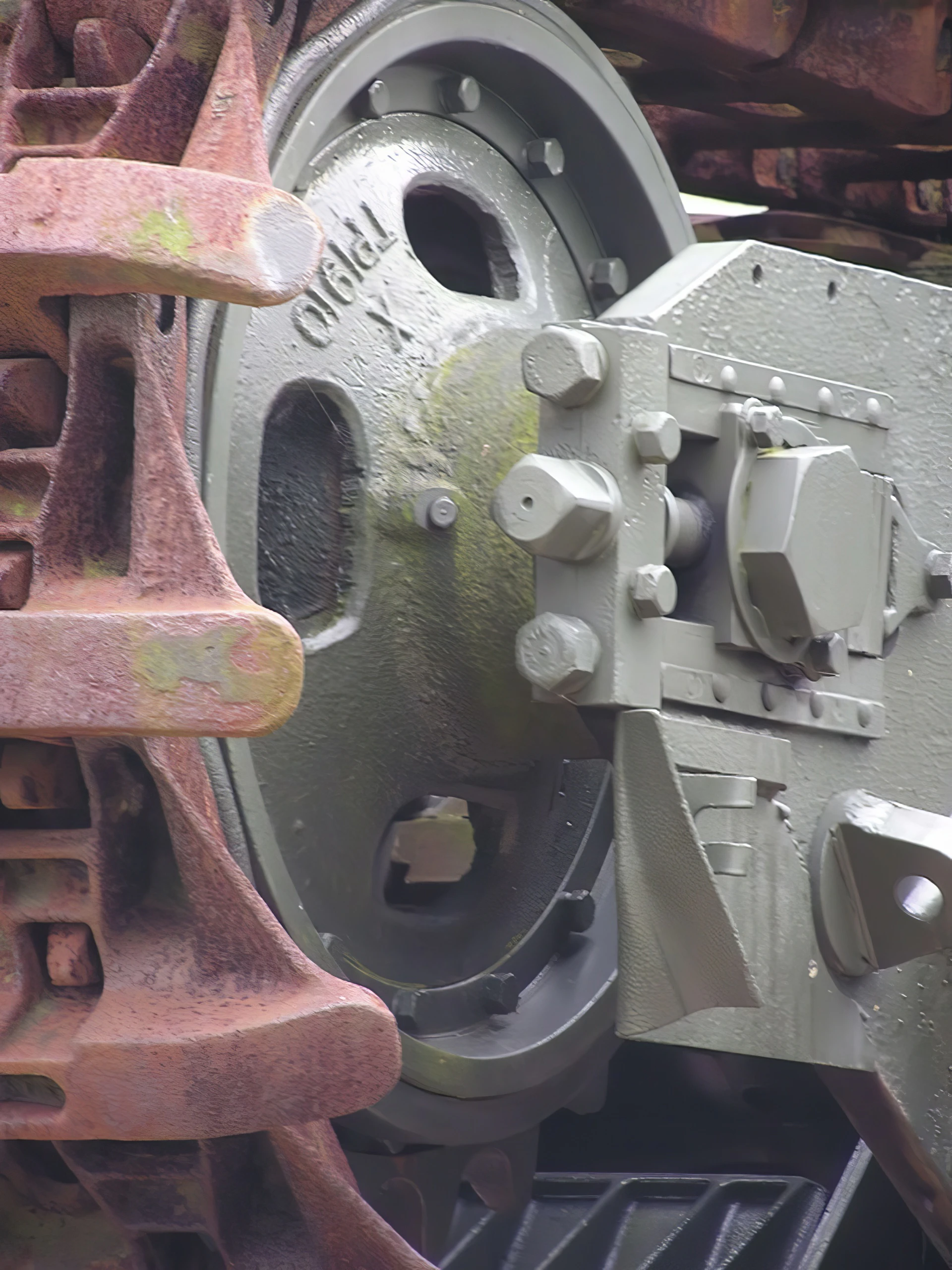
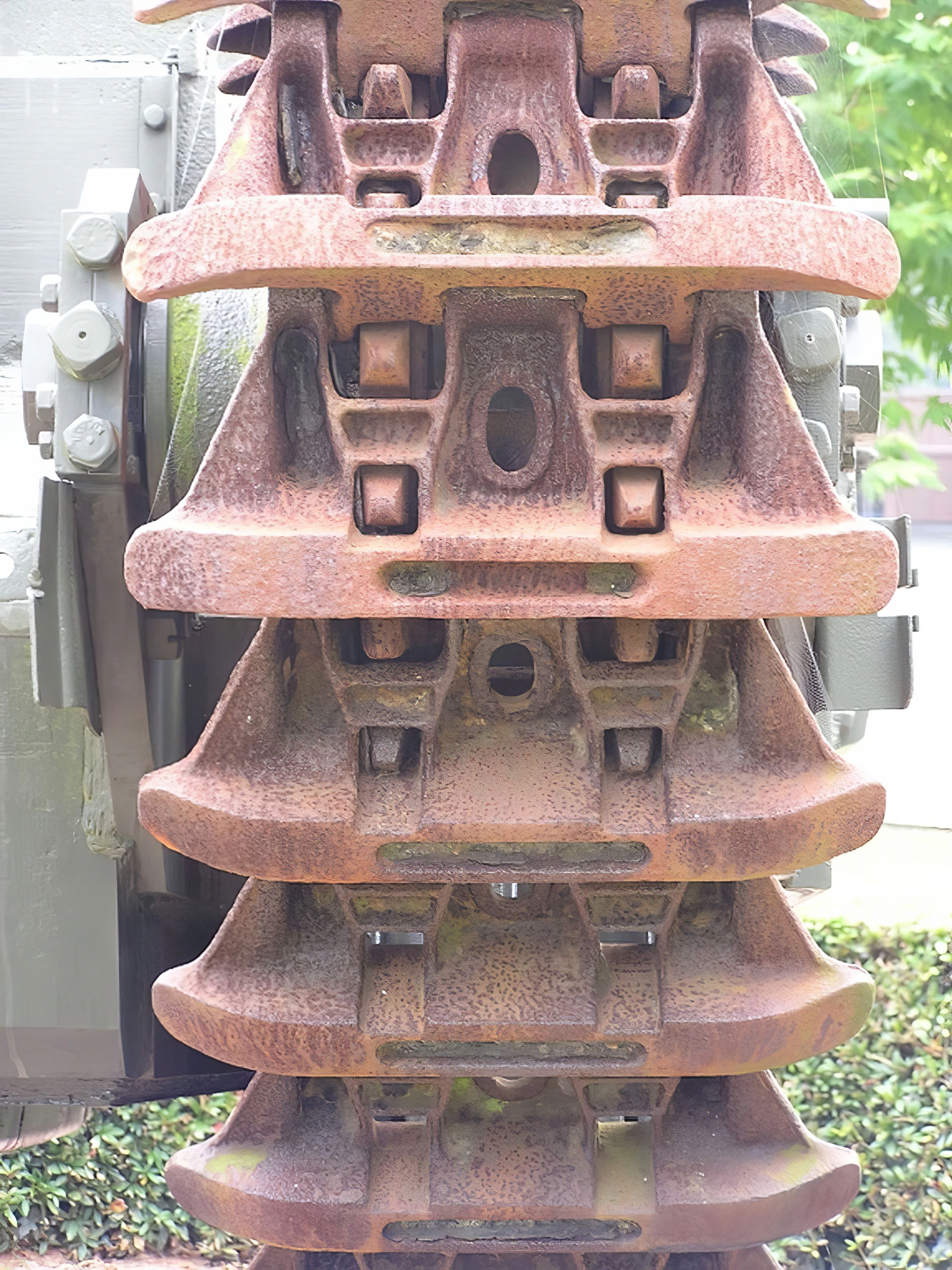
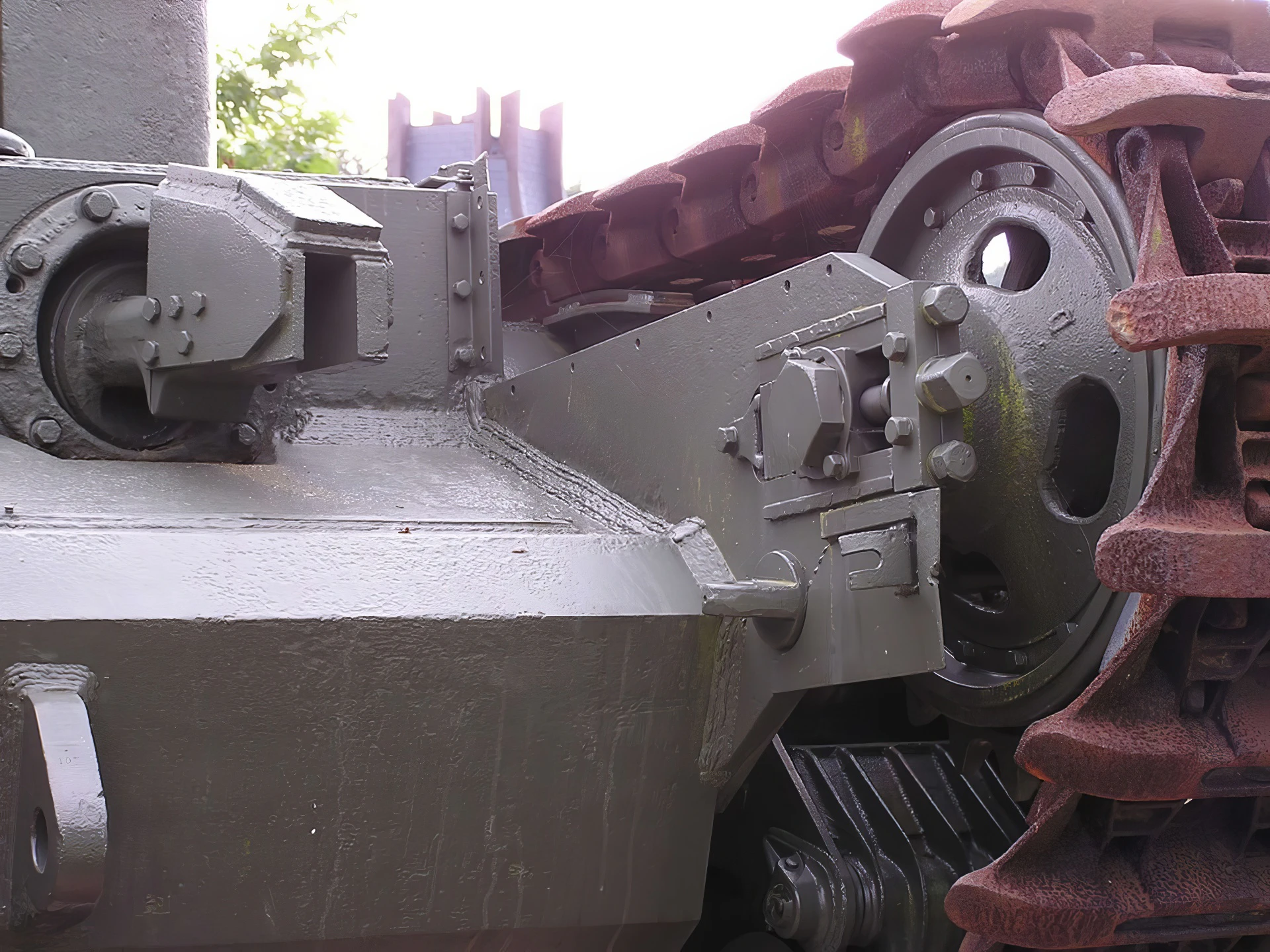
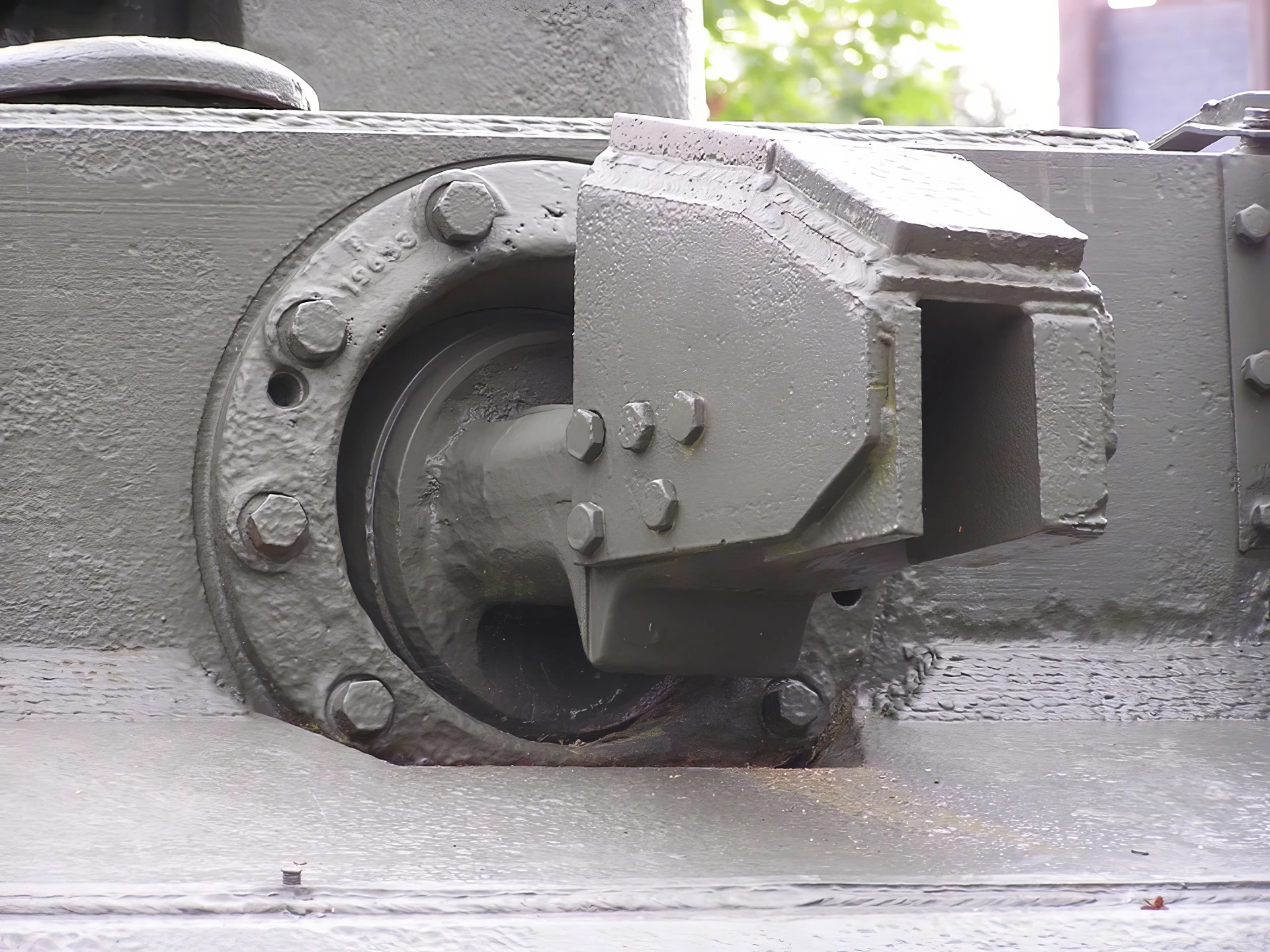

| Churchill Crocodile Walk Around | |
|---|---|
| Fotós | Daryl Nightingale |
| Lokalizáció | Ismeretlen |
| Fénykép | 50 |
Lásd még:


The **Churchill Crocodile** was a British flamethrower tank developed during World War II, based on the reliable **Churchill Mark VII Infantry Tank**. It was one of the specialized assault vehicles, collectively known as “Hobart’s Funnies,” created for the D-Day landings and subsequent operations to breach enemy fortifications.
Design and Flamethrower System
- Base Vehicle: The conversion kit was primarily fitted to the Churchill Mark VII, a tank known for its heavy armor and good cross-country mobility, albeit slow speed. This heavy armor allowed the Crocodile to withstand the intense fire it often drew as a primary assault weapon.
- Flamethrower Location: The fixed flamethrower projector was installed in the hull, replacing the bow-mounted Besa machine gun.
- Armament Retained: Crucially, the Crocodile retained its main turret armament—the **75 mm QF gun** and a coaxial machine gun—allowing it to engage enemy armor and provide conventional fire support, a key advantage over many other flame-tanks.
- The Trailer: The unique feature of the Crocodile was its **armored, two-wheeled trailer** towed behind the tank.
- Kapacitás: This trailer carried about **400 gallons (1,800 liters)** of flame fuel (a thickened incendiary mixture) and a supply of pressurized nitrogen gas (the propellant).
- Range/Bursts: This capacity was enough for approximately **80 one-second bursts** of flame, with an effective range of up to **120–150 yards (110–140 meters)**.
- Safety/Tactics: The trailer was connected to the tank via a flexible, armored pipe and, most importantly, could be **jettisoned** from inside the tank in an emergency (like being hit or running out of fuel), allowing the tank to continue fighting as a standard gun tank. In action, the crew would keep the tank positioned to shield the vulnerable trailer from enemy fire.
Combat Role and Psychological Effect
- Primary Role: The Churchill Crocodile was designed for close-range assault on fortified positions like bunkers, pillboxes, and strongpoints that standard artillery struggled to neutralize.
- Psychological Weapon: Its terrifying capability—shooting a jet of intense flame over a long distance—had an immense **psychological effect**. German troops were often so demoralized by its presence that they would surrender immediately upon seeing the flamethrower fire a warning shot, saving the Allies from bloody fighting.
- Felfejlődés: The Crocodiles were assigned to specialist armored units, most famously the **79th Armoured Division**, and were used successfully throughout the Normandy campaign, the push through Western Europe, and later in Italy and even the Korean War.
Megtekintették : 3332