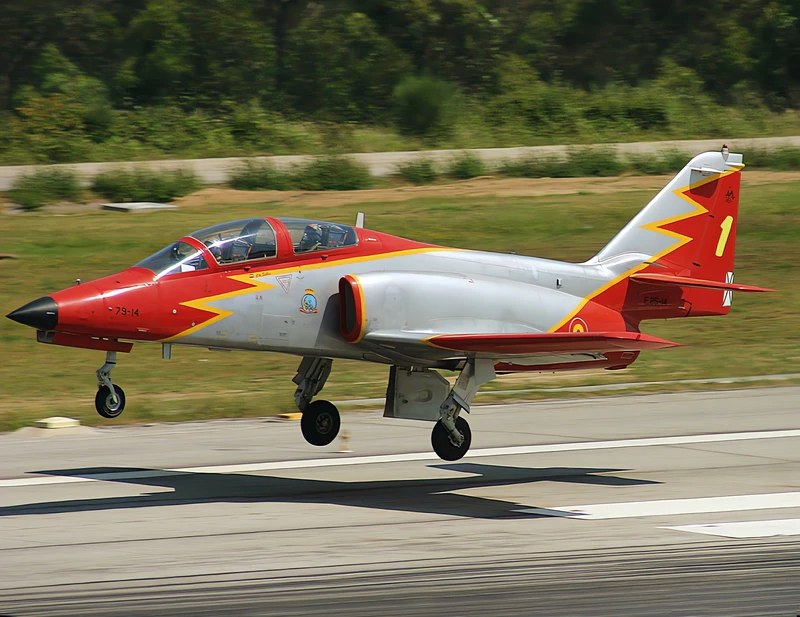
CASA C-101 Aviojet | |
|---|---|
| Country | Spain |
| Role | Advanced jet trainer & light attack aircraft |
| First flight | 27 June 1977 |
| Built | 166 |
The CASA C-101 Aviojet is a low-wing single engine jet-powered advanced trainer and light attack aircraft designed and manufactured by Spanish aircraft company Construcciones Aeronáuticas SA (CASA).
Source: CASA C-101 Aviojet on Wikipedia
| CASA C-101 Aviojet | |
|---|---|
| Photographers | Unknow |
| Localisation | Unknow |
| Photos | 107 |
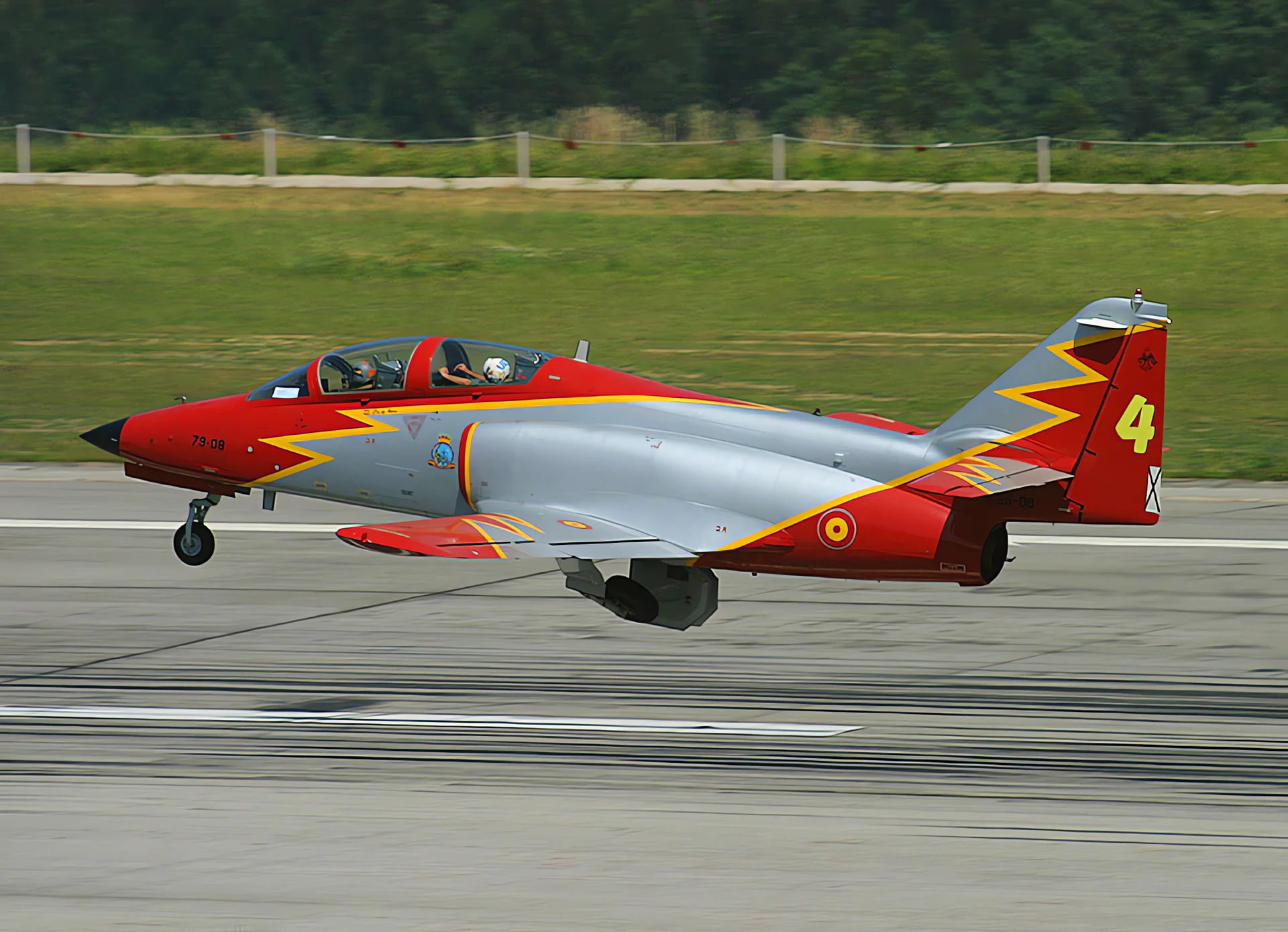
CASA C-101 1
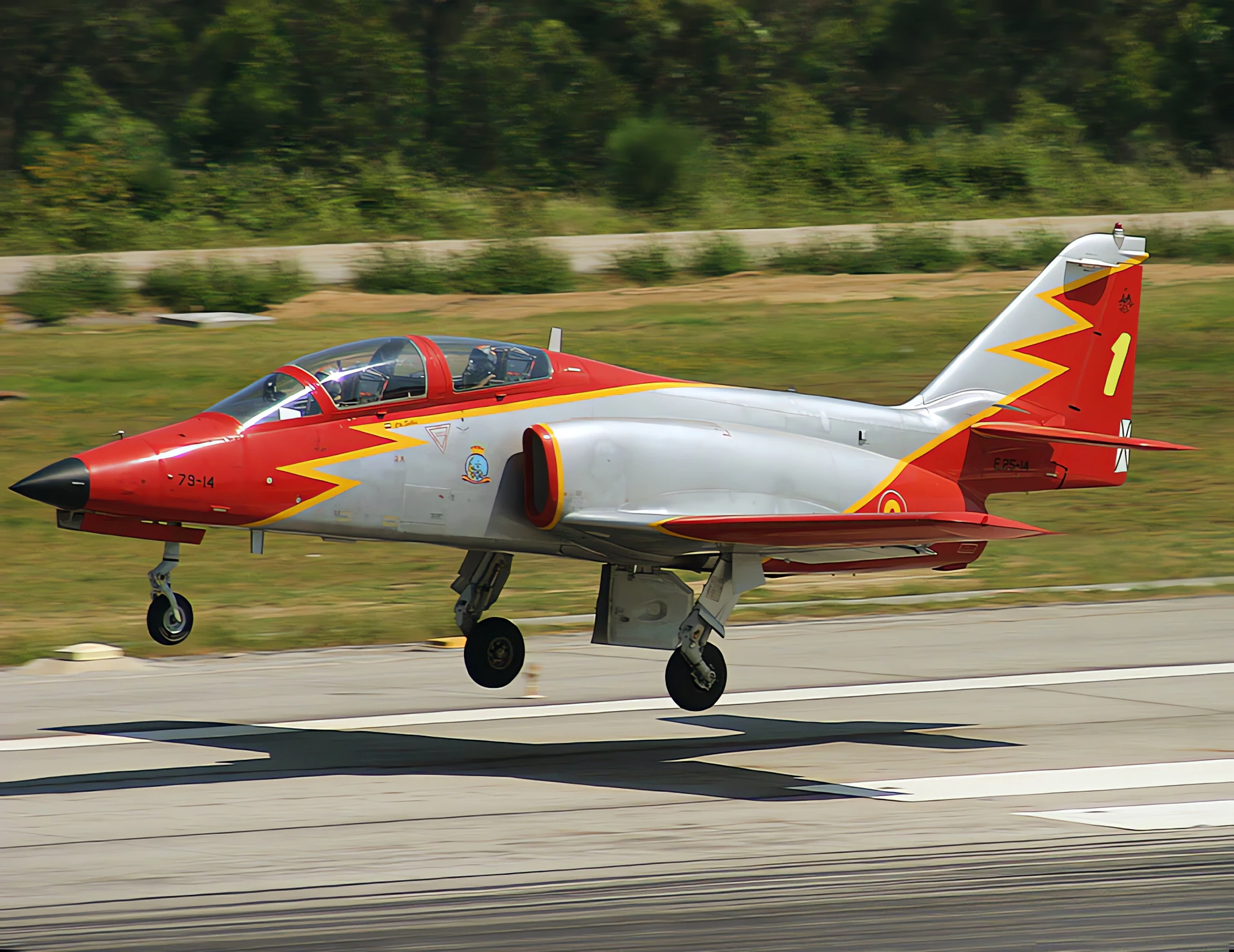
CASA C-101 2
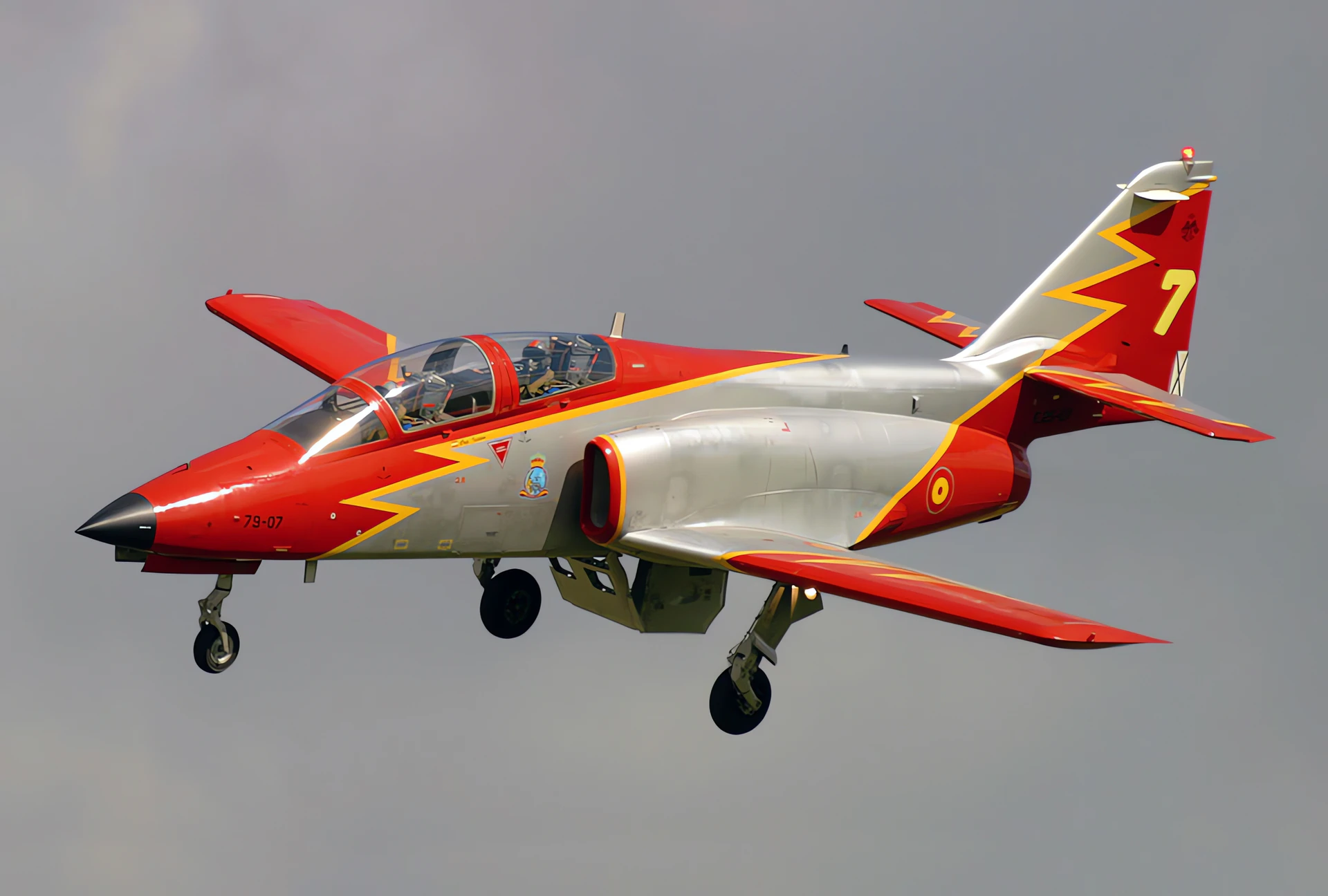
CASA C-101 3
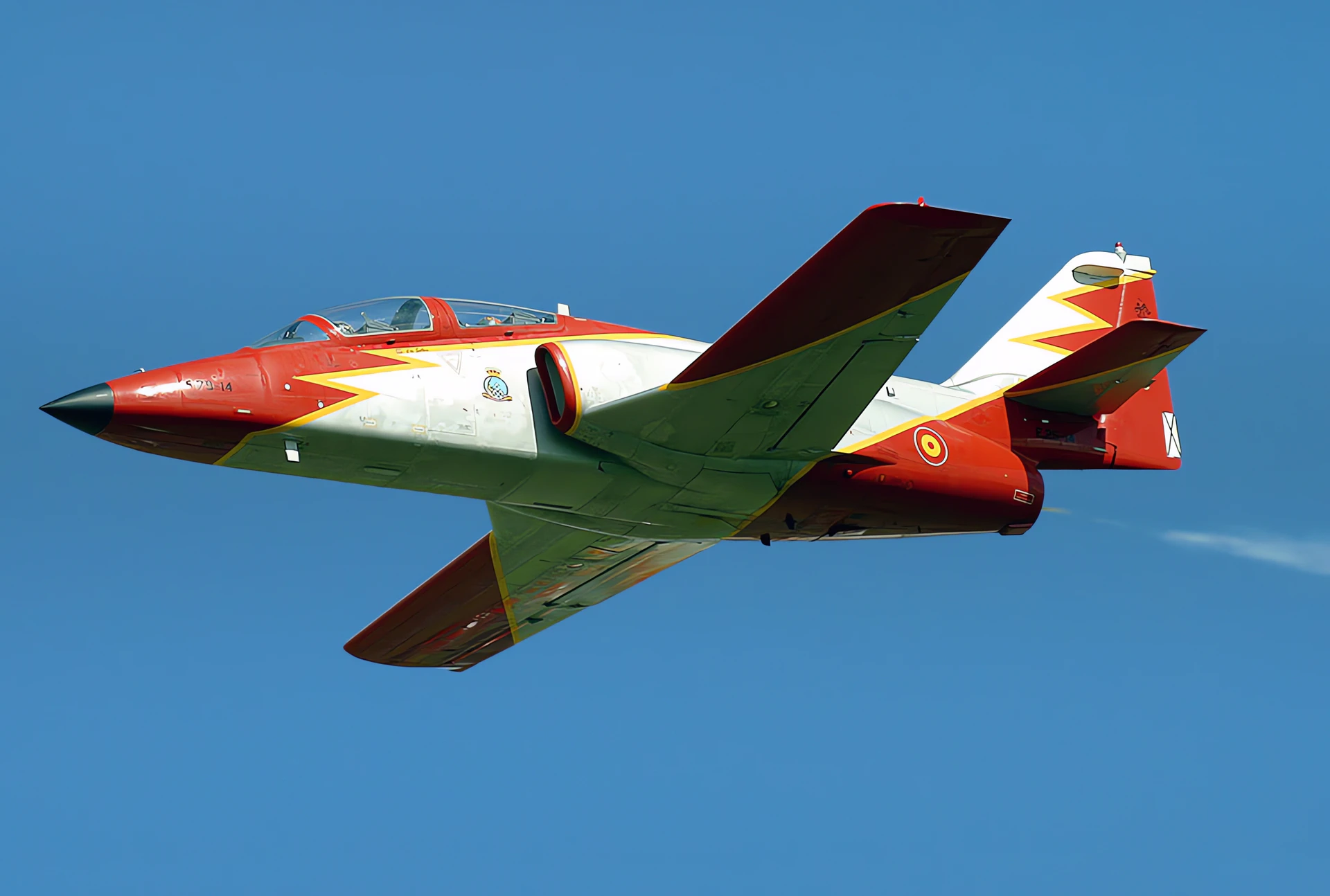
CASA C-101 4
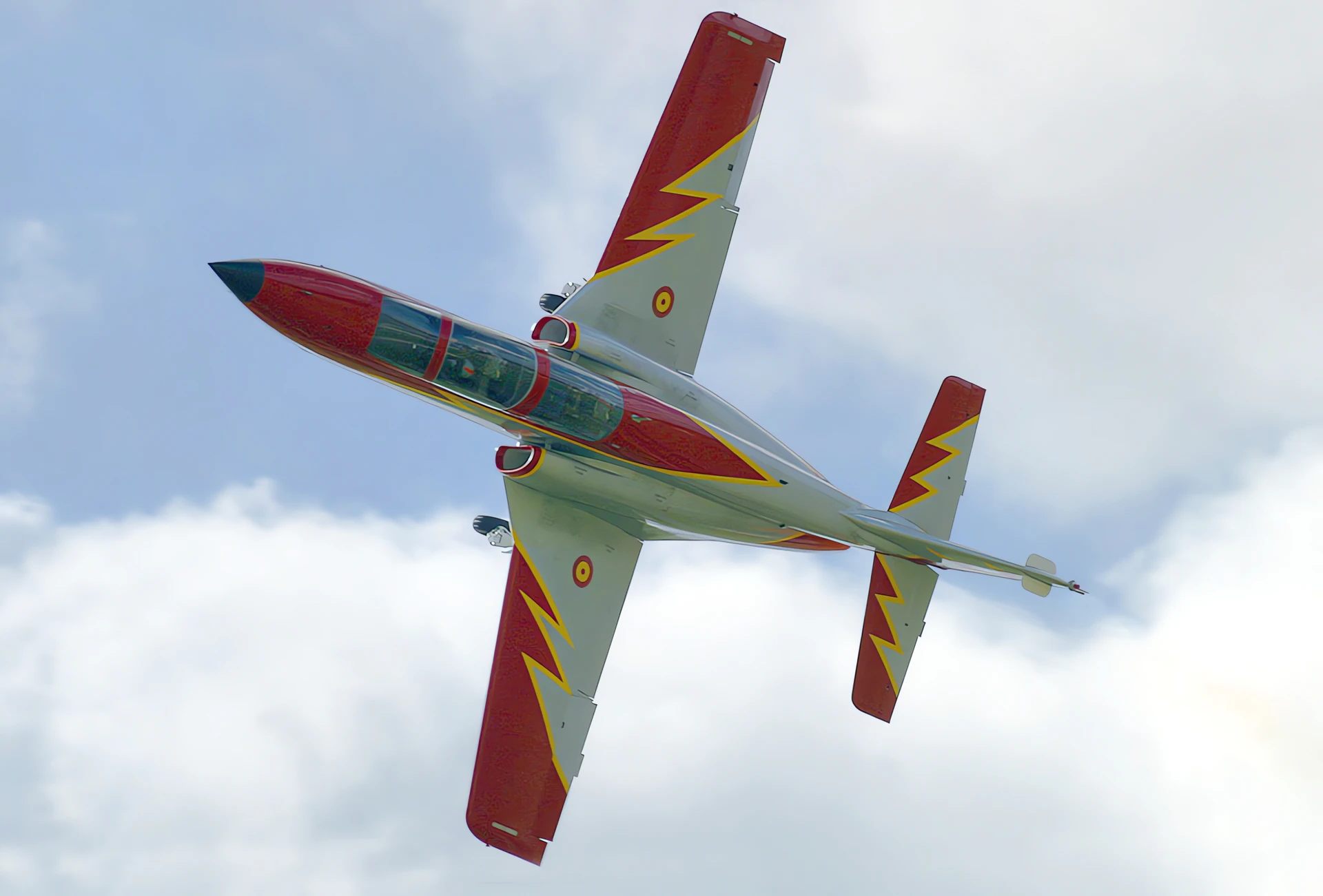
CASA C-101 5
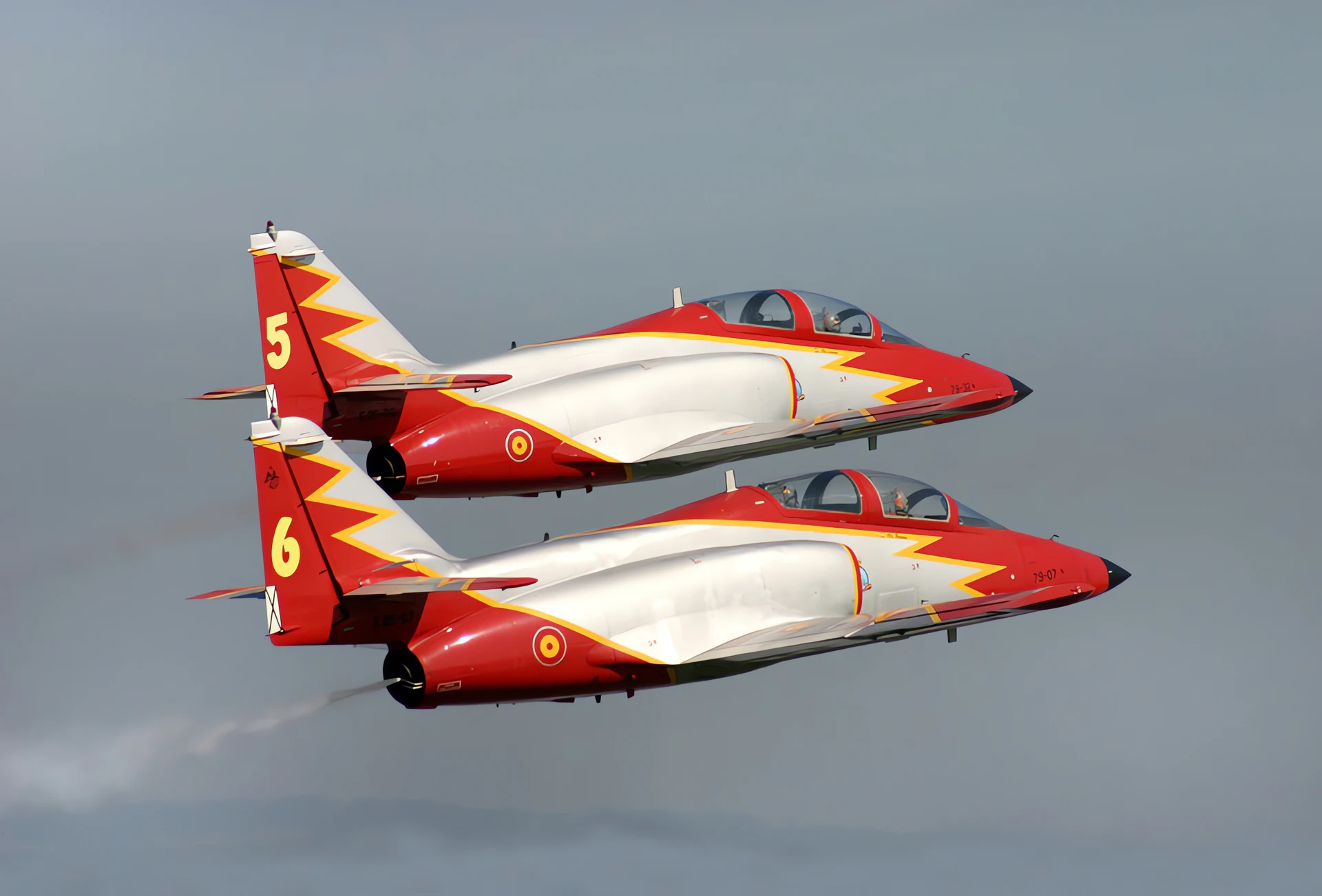
CASA C-101 6
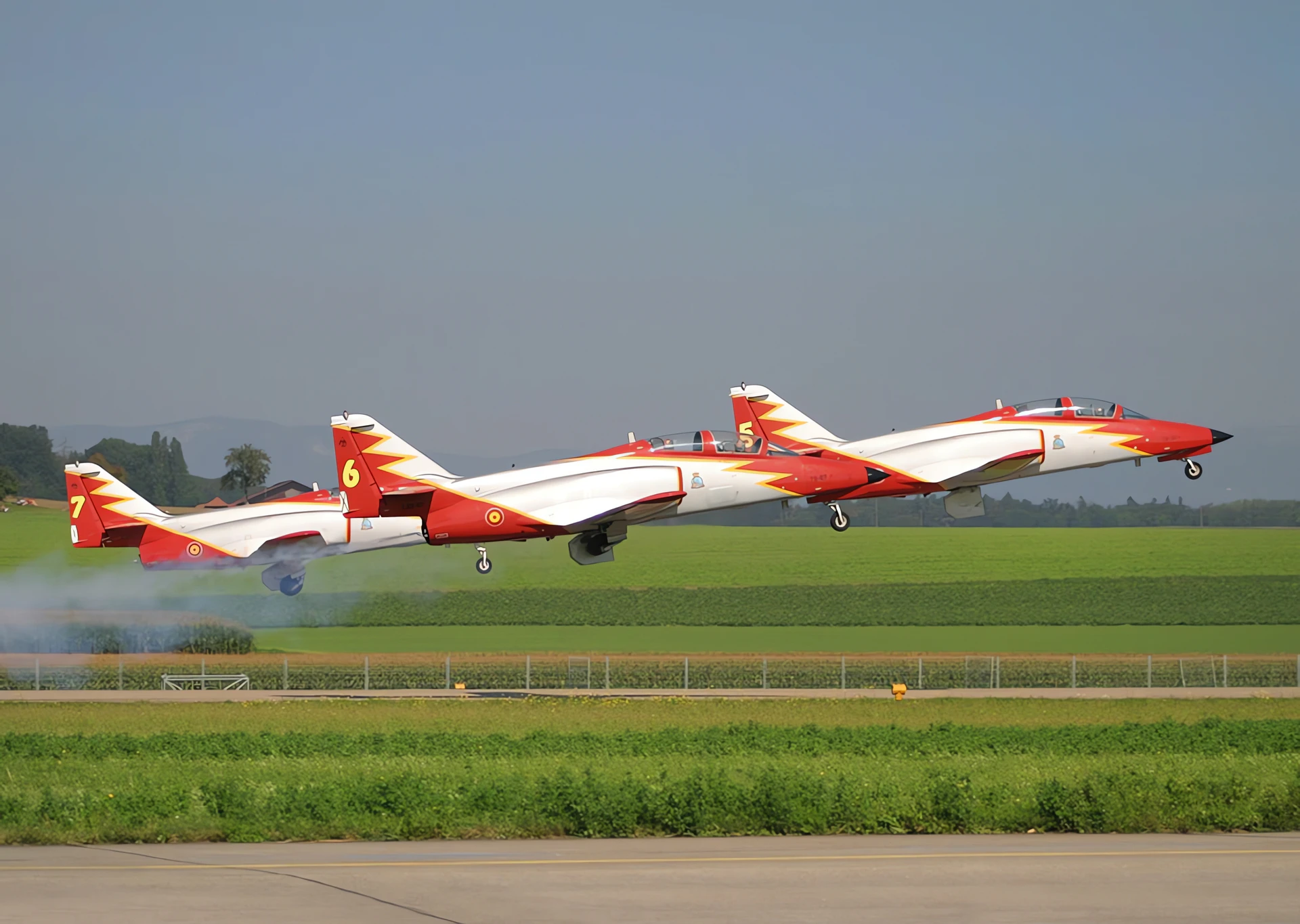
CASA C-101 7
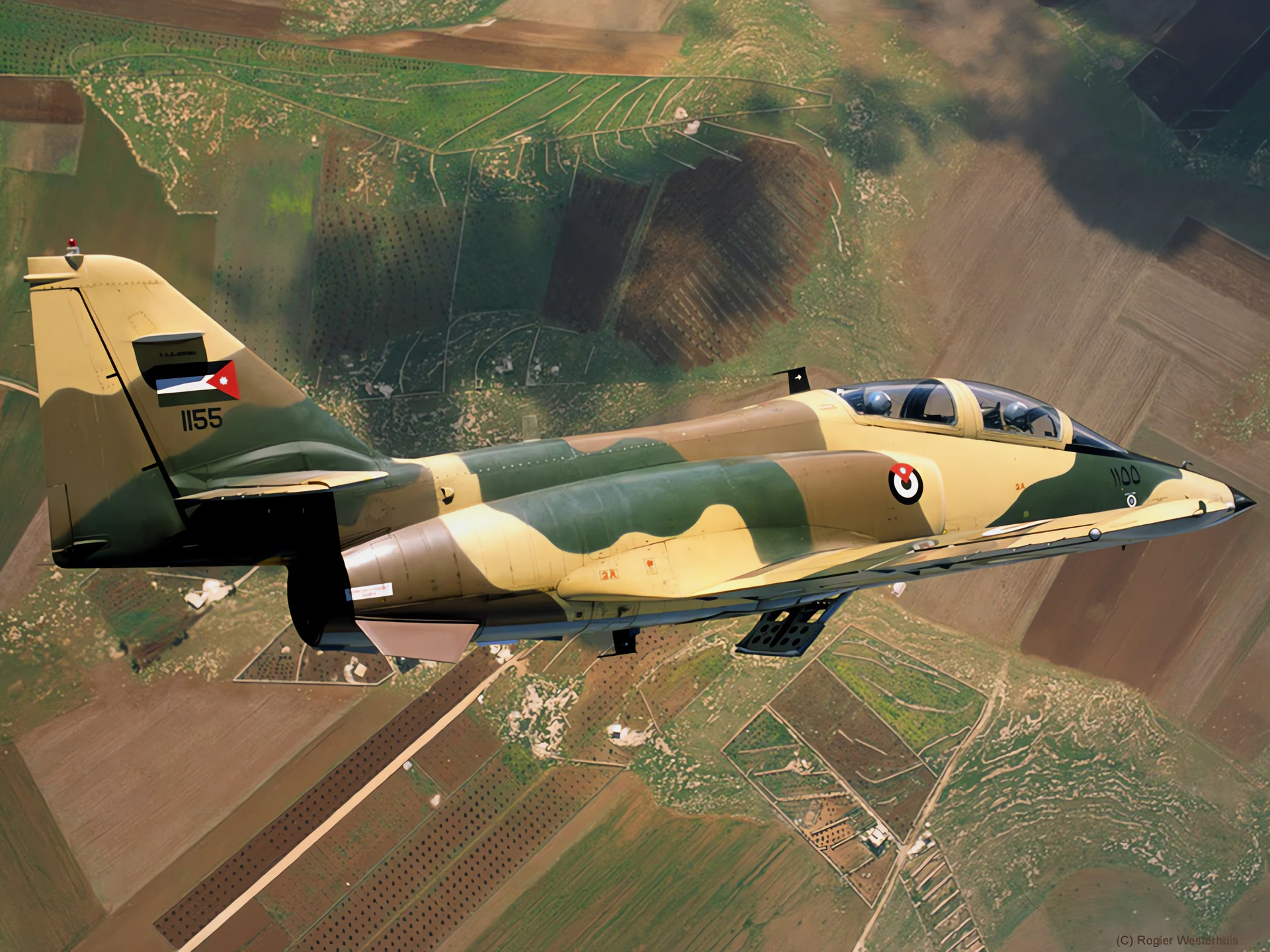
CASA C-101 8
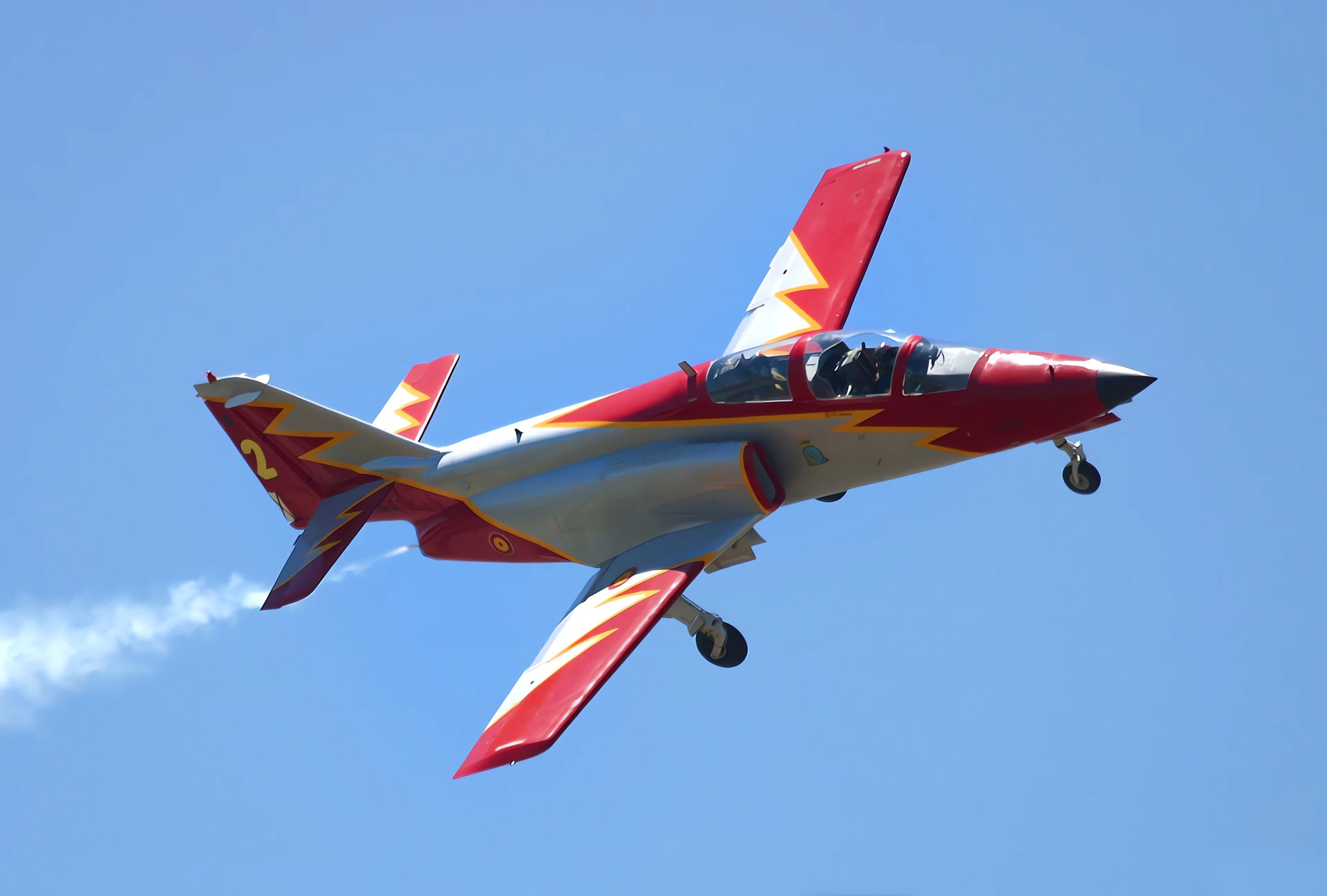
CASA C-101 9
Wait, Searching CASA C-101 Aviojet photos for you…


See also:


General Characteristics (Typical Trainer/Attack Variant)
The CASA C-101 Aviojet is a Spanish-designed low-wing, single-engine jet-powered aircraft developed for the dual role of advanced pilot training and light ground attack. It is configured with a tandem cockpit, where the instructor sits higher than the student to ensure excellent forward visibility. The aircraft is noted for its high fuel economy and long endurance for a jet trainer.
| Property | Typical Value (C-101BB/CC) |
|---|---|
| Role | Advanced Jet Trainer / Light Attack |
| Manufacturer | CASA (Construcciones Aeronáuticas SA, Spain) |
| First Flight | June 27, 1977 |
| Crew | 2 (Student and Instructor, in stepped tandem) |
| Length | 12.50 m (41 ft 0 in) |
| Wingspan | 10.60 m (34 ft 9 in) |
| Max Takeoff Weight | 6,300 kg (13,889 lb) |
Design and Powerplant
- Engine: One Honeywell TFE731-5-1J turbofan engine (C-101CC variant). Earlier variants used the TFE731-2 or TFE731-3.
- Thrust Output: Approximately 19.13 kN (4,300 lbf) (military power reserve up to 20.91 kN / 4,700 lbf).
- Design Feature: Features an unconventional, large internal weapons bay located beneath the rear cockpit, allowing for greater armament flexibility or the carriage of reconnaissance/ECM equipment.
- Ejection Seats: Equipped with two Martin-Baker Mk10 zero/zero ejection seats.
- Avionics: Later versions include a Head-Up Display (HUD) and mission computers supporting continuously computed attack modes (CCIP, CT, CCIL).
- Aerobatic Team: The Spanish Air Force’s Patrulla Águila aerobatic team uses a dedicated trainer version of the aircraft (C-101EB).
Performance and Armament
- Maximum Speed: Up to 806 km/h (501 mph, 435 knots) at altitude (Mach 0.8 maximum dive speed).
- Service Ceiling: 12,800 m (42,000 ft).
- Ferry Range: 2,000 km (1,200 mi, 1,100 nmi).
- Endurance: Maximum endurance up to 7 hours; typical training mission is 1 hour 10 minutes.
- Rate of Climb: High rate, around 24.9 m/s (4,900 ft/min).
- External Hardpoints: Six underwing hardpoints for external stores.
- Maximum External Load: Up to 2,220 kg (4,894 lb).
- Internal Armament Bay Options:
- 30 mm DEFA cannon (with 130 rounds) OR
- Twin 12.7 mm (0.50 in) M3 machine guns (with 440 rounds).
- Typical Ordnance: Unguided rockets (70 mm FFAR), various general-purpose bombs, and AGM-65 Maverick air-to-ground missiles.
Views : 585
You can see also :
 McDonnell Douglas KC-10 Extender – Photos & Video
 McDonnell FH Phantom – Photos & Video
 C-130J Hercules – Photos & Video
 Macchi MC-200 - WalkAround
 PZL P.11 – WalkAround
 P-51 Mustang vol2 – Walk Around
 Bell P-63E KingCobra - WalkAround
 Vought F4U Corsair – WalkAround
 F4U-7 Corsair - WalkAround
 Douglas A-26 Invader – WalkAround