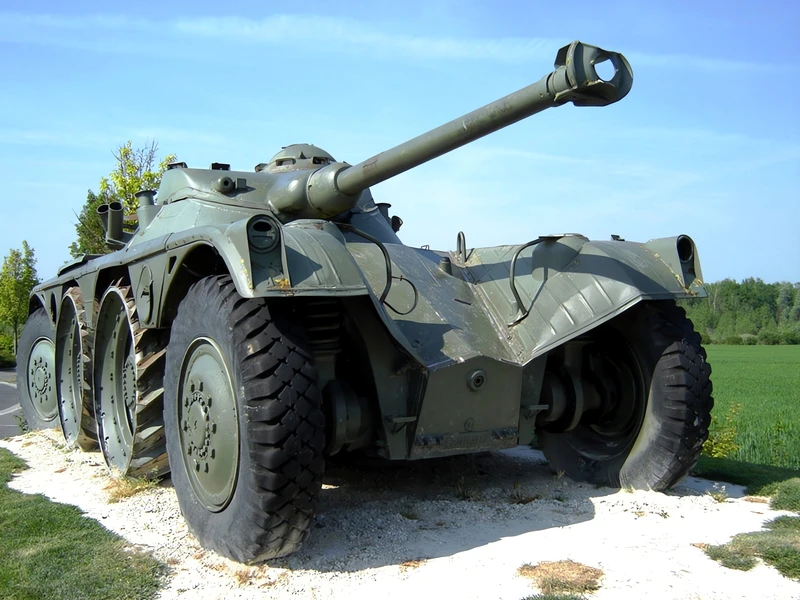
Panhard EBR | |
| Šalies | Prancūzija |
| Tipas | Ratinė žvalgybinė transporto priemonė |
| Pagamintas | 1951-1960 |
| Pastatytas | 1179 |
2007 Panhard EBR (Panhard Engin Blindé de Reconnaissance, prancūzų kalba: šarvuota žvalgybinė transporto priemonė) yra šarvuotas automobilis, kurį Panhardas sukūrė Prancūzijos armijai ir vėliau naudojo visame pasaulyje, ypač Prancūzijos armija Alžyro karo metu ir Portugalijos armija užjūrio karo metu.
Šaltinis: Panhard EBR "Wiki"
| Panhard EBR FL-11 Walk Around | |
|---|---|
| Fotografas | Nežinoti |
| Lokalizavimo | Nežinoti |
| Nuotraukos | 32 |
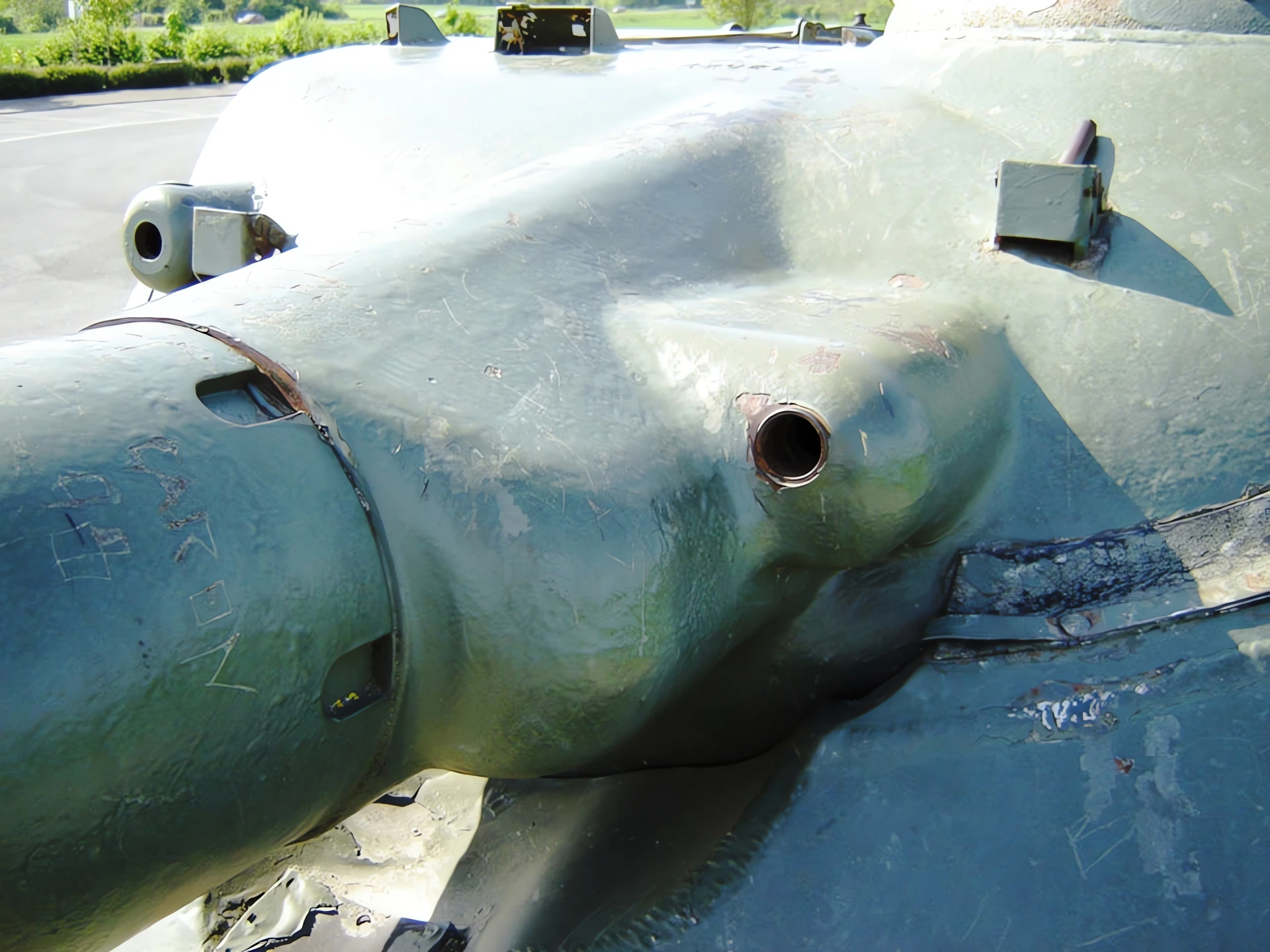
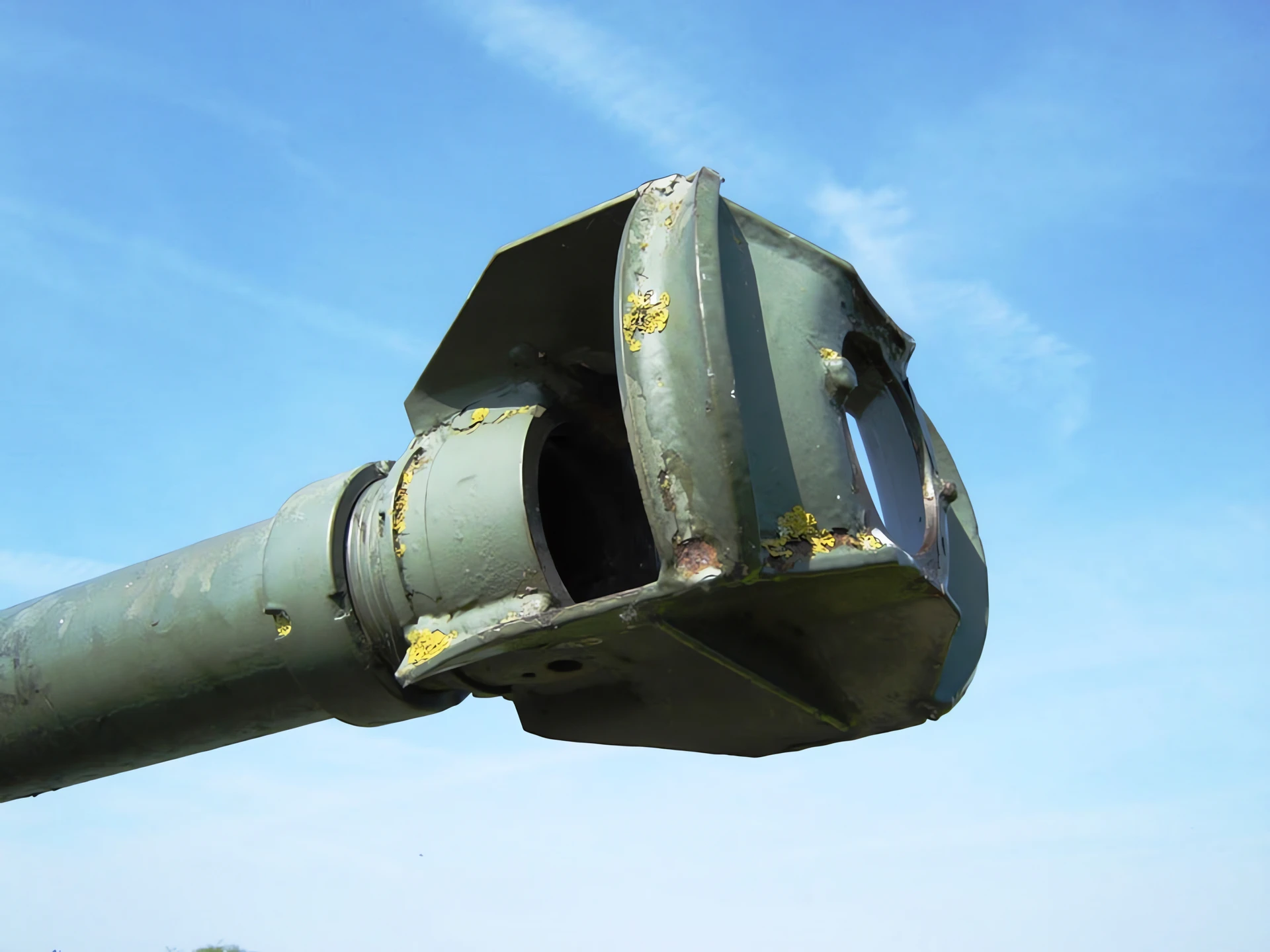
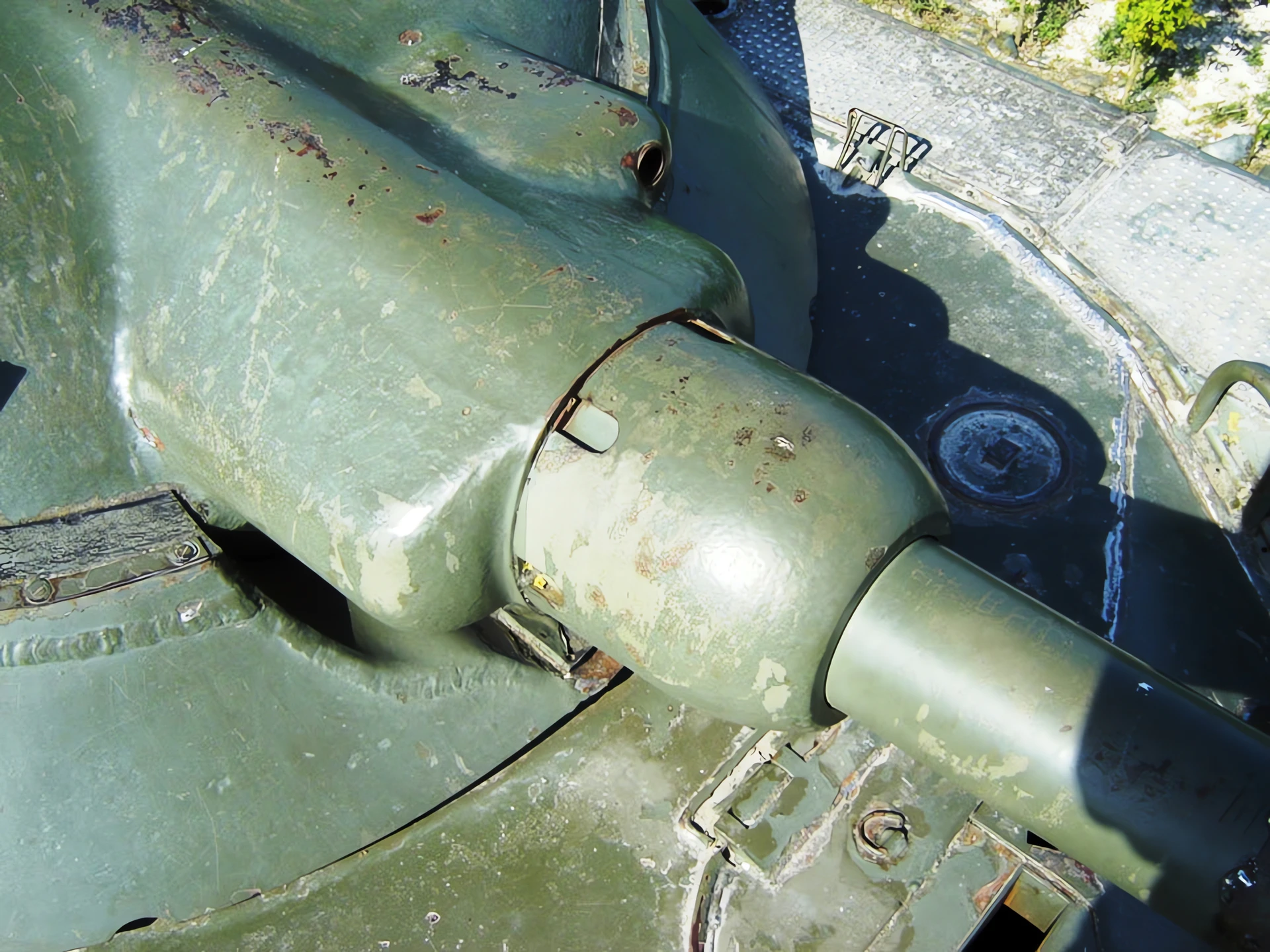
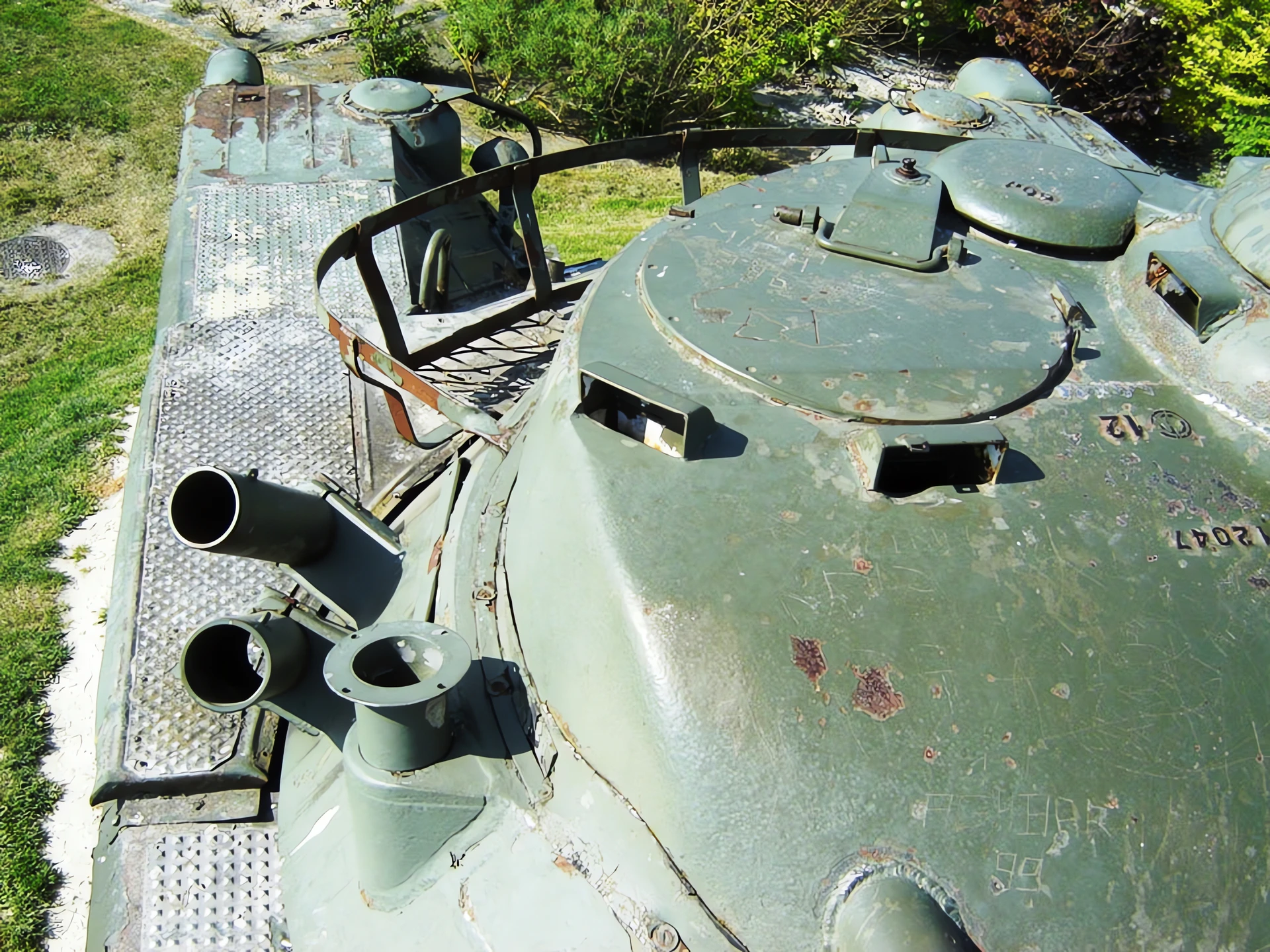
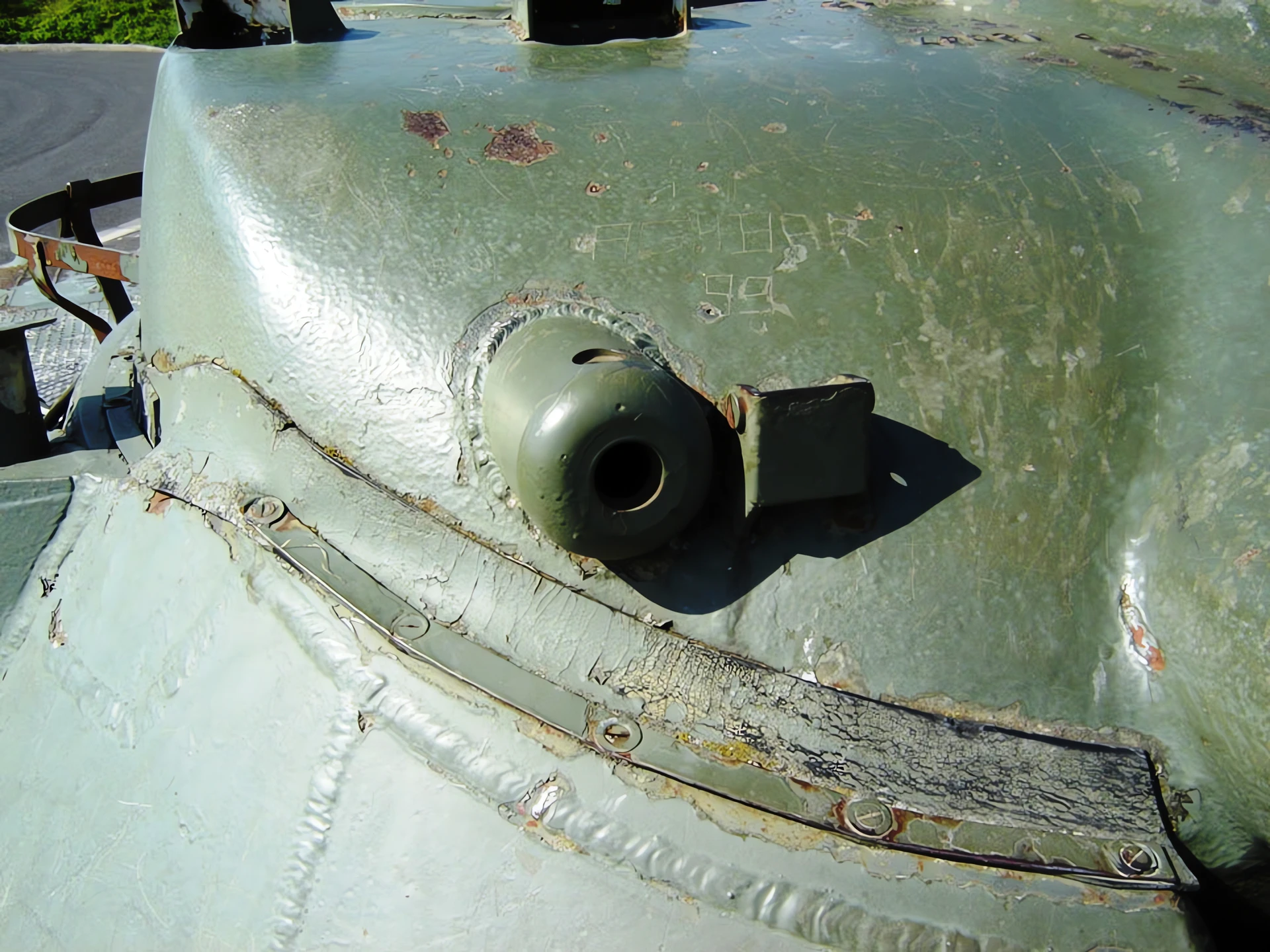
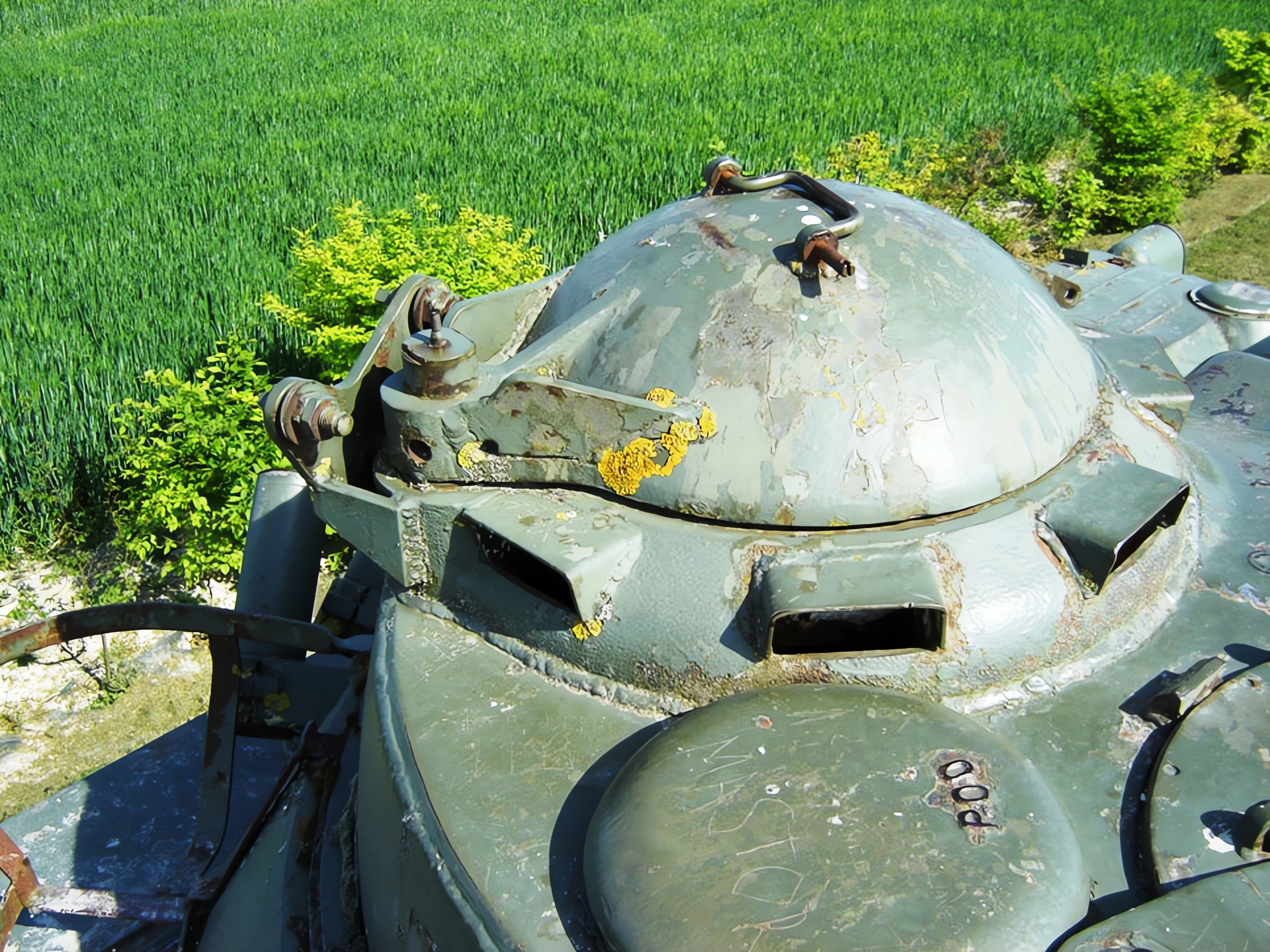


| Panhard EBR FL-11 Walk Around | |
|---|---|
| Fotografas | Nežinoti |
| Lokalizavimo | Nežinoti |
| Nuotraukos | 13 |
| Panhard EBR FL-11 Walk Around | |
|---|---|
| Fotografas | Nežinoti |
| Lokalizavimo | Nežinoti |
| Nuotraukos | 25 |
Taip pat žiūrėkite:


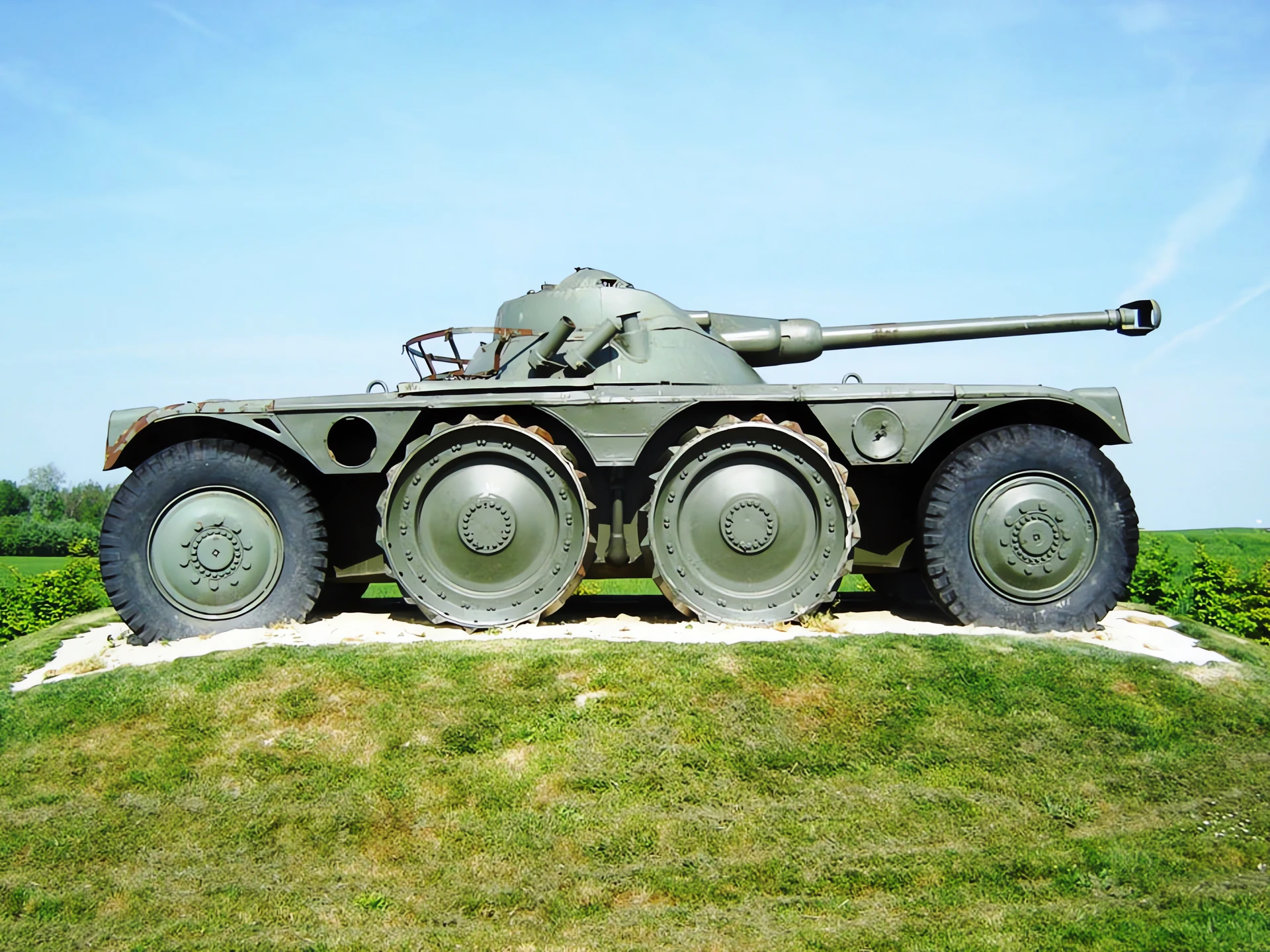
The Panhard EBR was a heavy armored car designed for the French Army immediately after World War II to serve a reconnaissance role. It is famous for its unique 8×8 configuration, symmetrical hull, and the ability to be driven in either direction. The FL-11 designation refers to the specific Fives-Lille oscillating turret used on this variant.
Unique Design and Mobility
The EBR featured a highly innovative design focused on speed and survivability.
- Įgula: 4 (Commander, Gunner, Front Driver, Rear Driver).
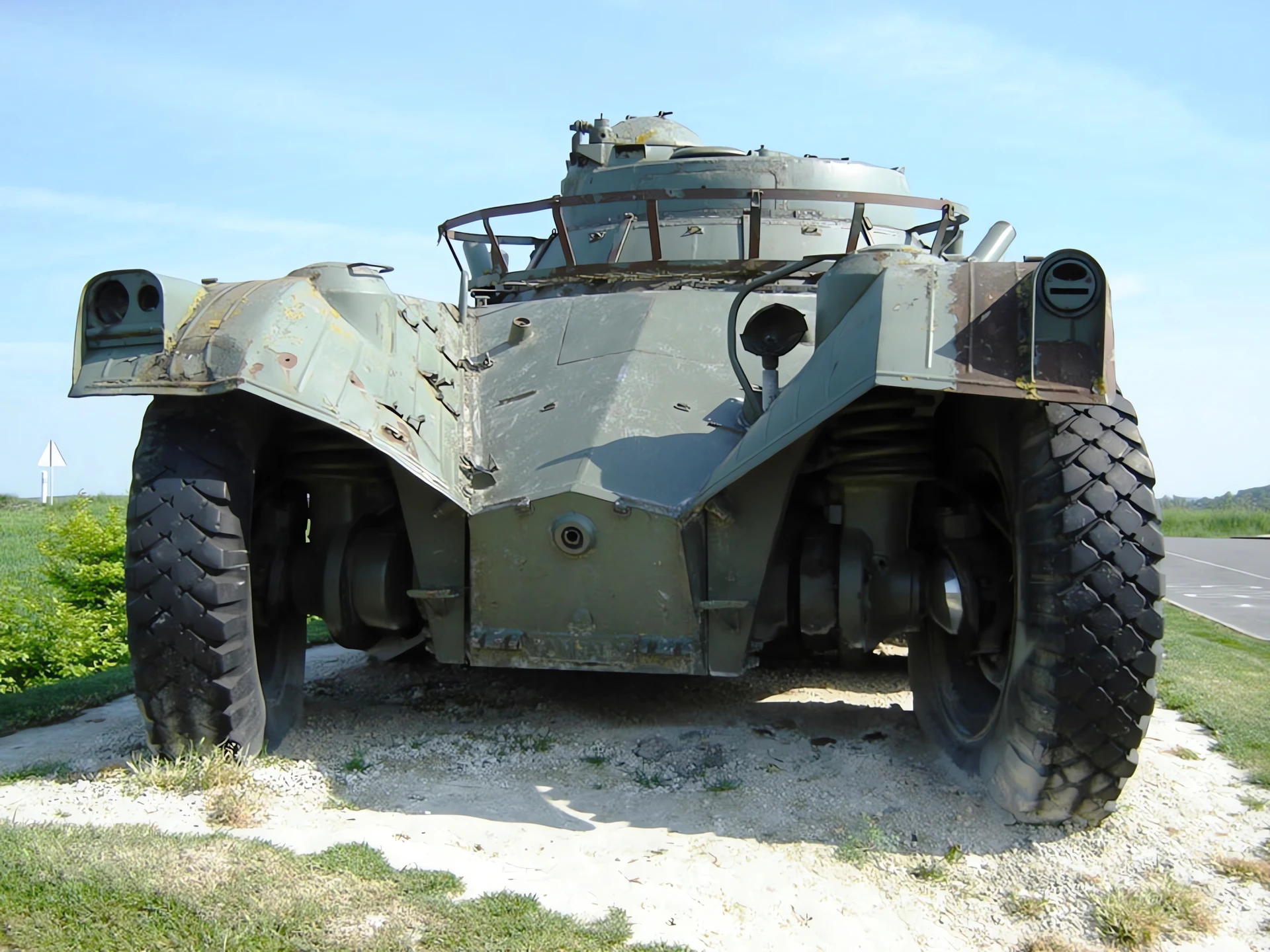
- Bi-directional Drive: The vehicle had two driving positions (one at the front, one at the rear) and a symmetrical hull, allowing it to rapidly reverse without turning around.
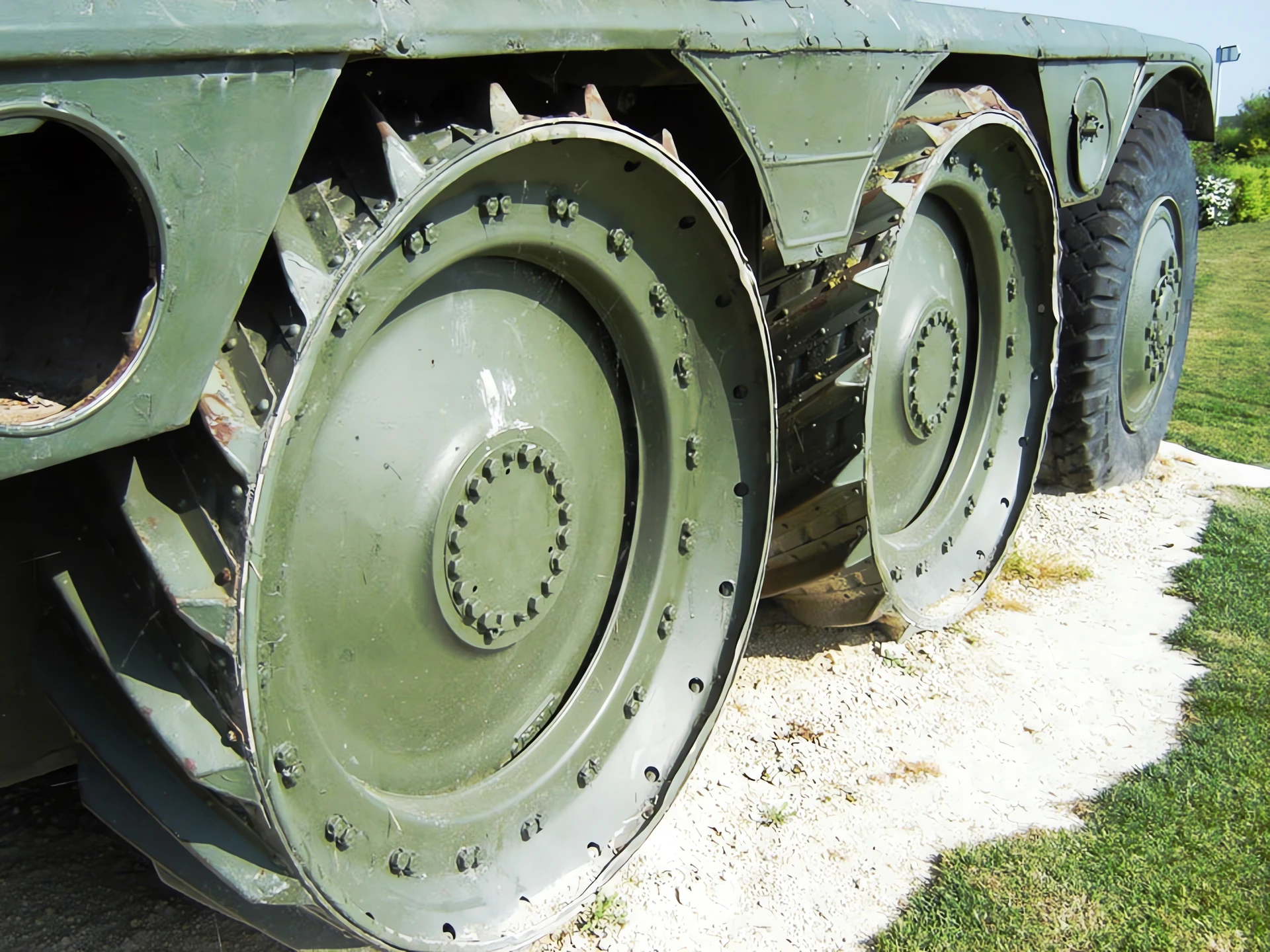
- Wheel Configuration: 8×8 drive. The four central metal wheels could be raised for high-speed road travel and lowered for better traction off-road, particularly on soft ground.
- Engine Placement: The flat-twelve cylinder engine was located directly under the fighting compartment, improving protection but making major maintenance difficult (requiring turret removal).
Specifications (Model 1951 with FL-11 Turret)
| Property | Vertė |
|---|---|
| Tipas | Armored Car / Reconnaissance Vehicle |
| Mass (Combat Weight) | 13 tonnes |
| Ilgis | 6.15 m (20 ft 2 in) |
| Plotis | 2.42 m (7 ft 11 in) |
| Aukštis | 2.24 m (7 ft 4 in) |
| Variklis | Panhard 12H 6000 S Flat-Twelve Gasoline |
| Engine Power | 200 hp |
| Maximum Speed | Up to 115 km/h (71 mph) on road |
| Operational Range | ~700 km (430 mi) |
Armament and Turret
- Turret Type: FL-11 Oscillating Turret. This design separates the gun and the upper section from the lower turret ring, simplifying the incorporation of an autoloader or a larger gun caliber.
- Initial Main Armament: 75 mm SA 49 rifled gun (Model 1951).
- Upgraded Main Armament: Many FL-11 variants were later refitted with the more powerful 90 mm CN 90 F2 low-pressure gun (from 1964).
- Secondary Armament: Typically three 7.5 mm MAC 31 Reibel machine guns (one coaxial, one in the front hull, and one in the rear hull), with an optional fourth on the commander’s hatch.
- Šarvas: Light (maximum 40 mm on the sloped turret front) but concentrated on the front and rear to protect the drivers, supporting its hit-and-run role.
Peržiūrėta: 2375
Taip pat galite pamatyti:
 BA-10 – Nuotraukos ir vaizdo įrašai
 Panhard SPHINX – nuotraukos &; Vaizdo įrašai
 Panhard M3 – nuotraukos ir vaizdo įrašai
 Landsverk L180 – nuotraukos ir vaizdo įrašai
 Sd.Kfz.247 – nuotraukos ir vaizdo įrašai
 Panhard ERC 90 Sagaie – nuotraukos ir vaizdo įrašas
 Panhard VBR – Nuotraukos ir vaizdo įrašai
 "Spahpanzer 2" - nuotraukos ir vaizdo įrašai
 Saladino šarvuotas automobilis - nuotraukos ir vaizdo įrašas
 BA-3 – Nuotraukos ir vaizdo įrašai