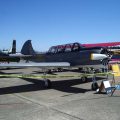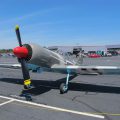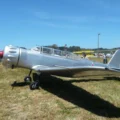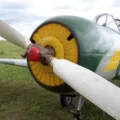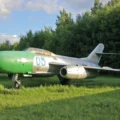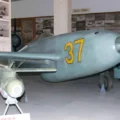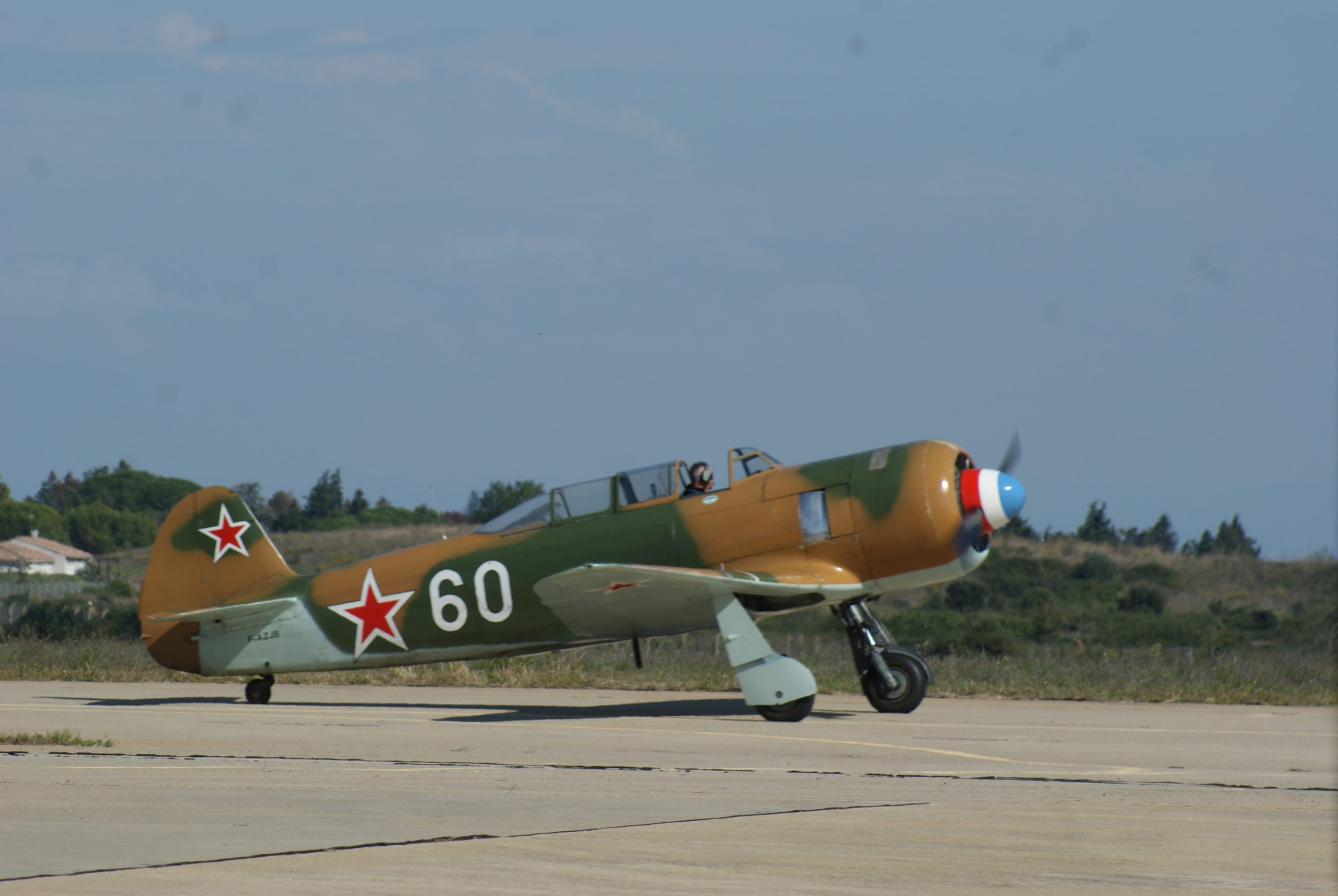
야크-11 | |
|---|---|
| 국가 | 소련 |
| 형식 | 트레이너 항공기 |
| 첫 비행 | 1945년 11월 10일 |
| 내장 | 4566 |
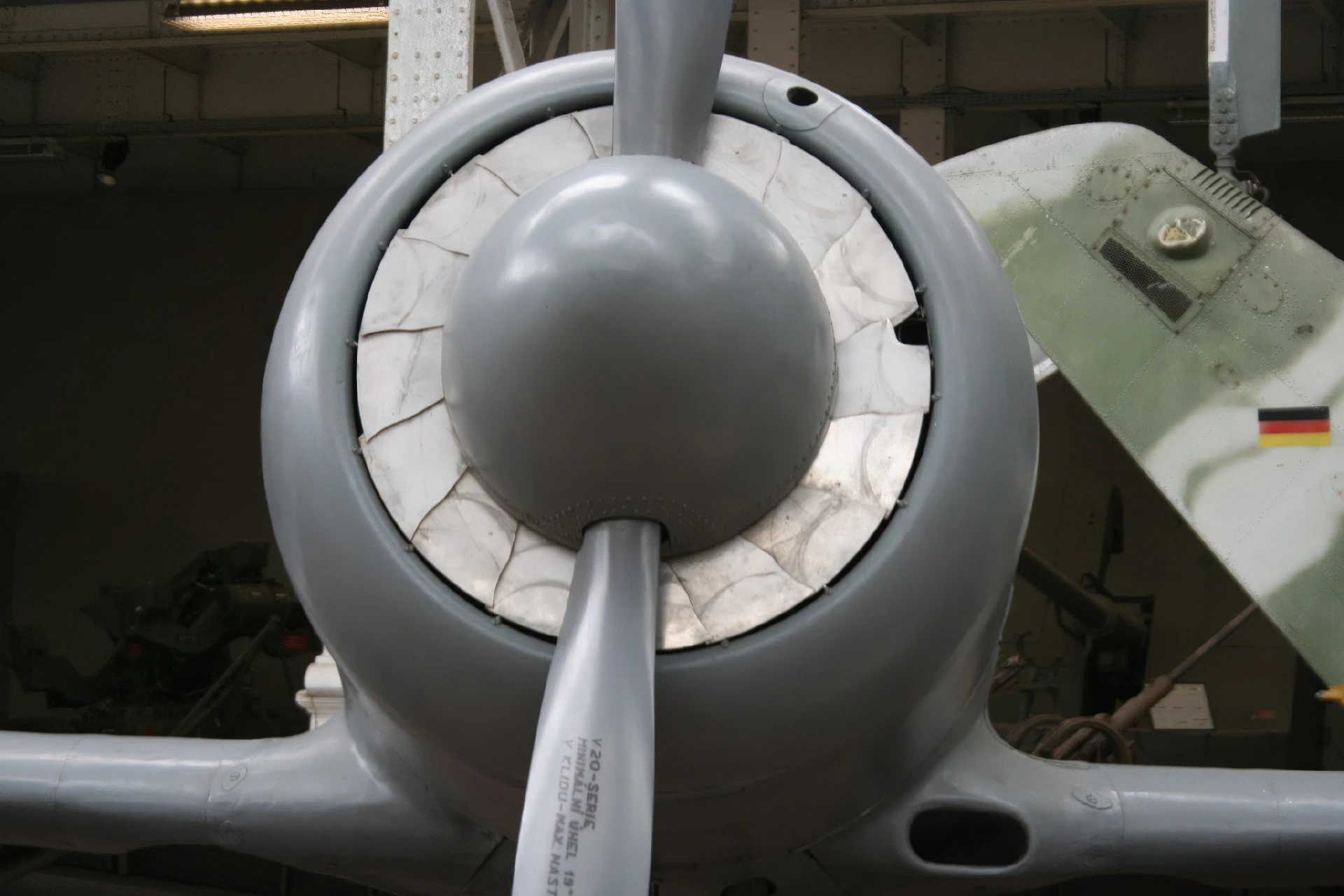
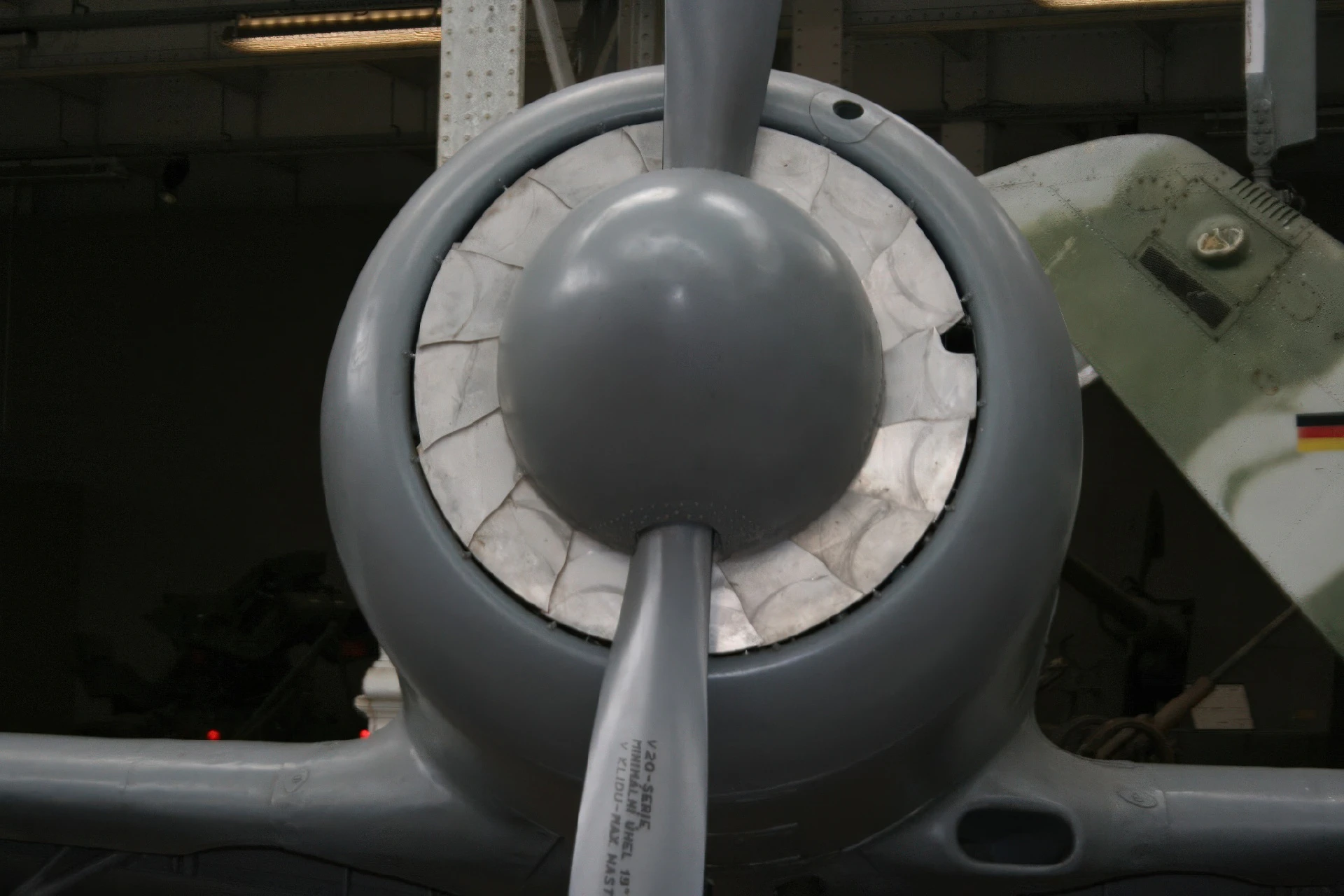
사진 갤러리 야크-11, The Yakovlev Yak-11 (Russian: Яковлев Як-11; NATO reporting name: “Moose”) is a trainer aircraft used by the Soviet Air Force and other Soviet-influenced air forces from 1947 until 1962.
소스: 야크-11 온 위키
| Yak-11 | |
|---|---|
| 사진 작가 | 안드레이 진추크 |
| 로컬라이제이션 | Unknow |
| 사진 | 18 |
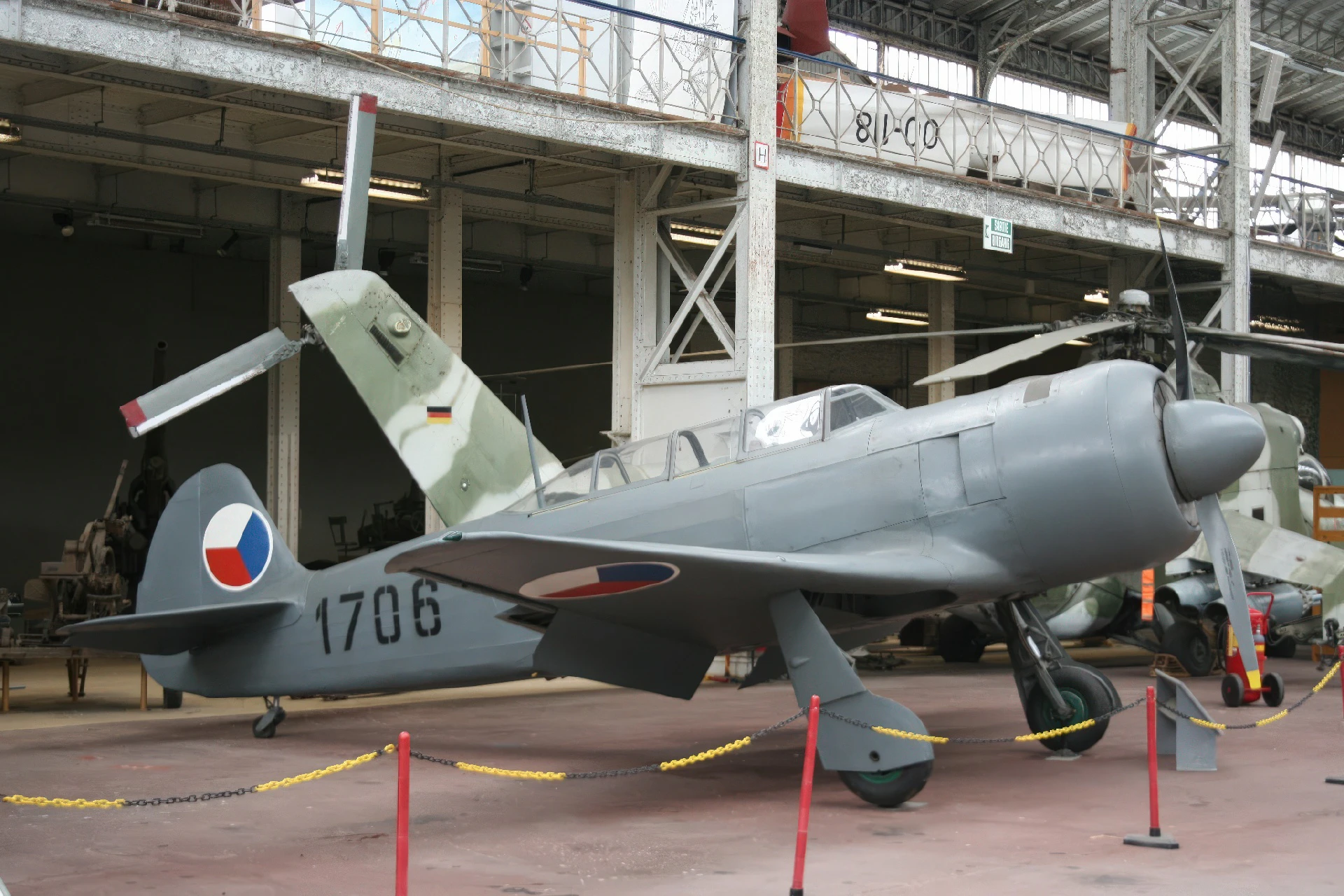
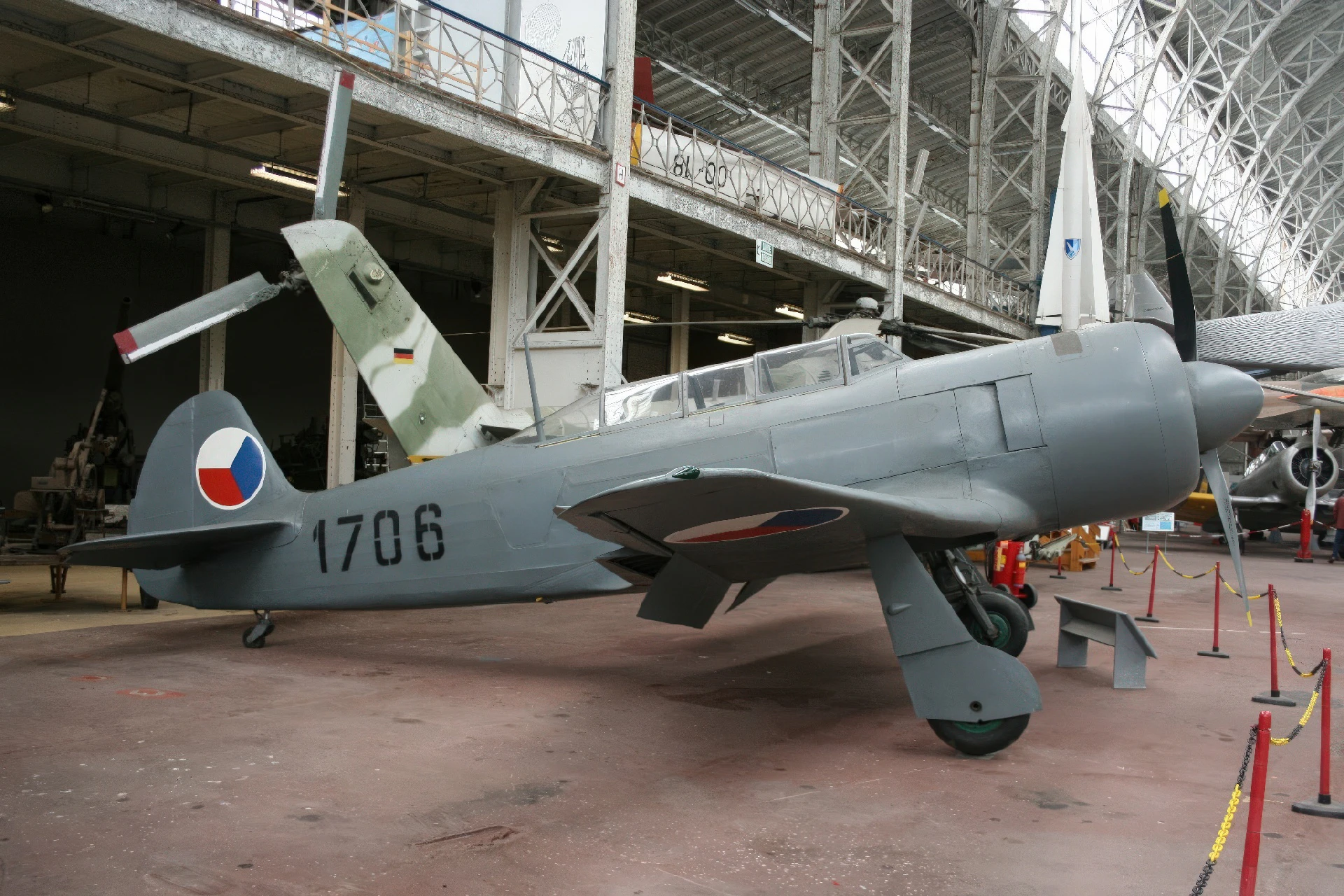
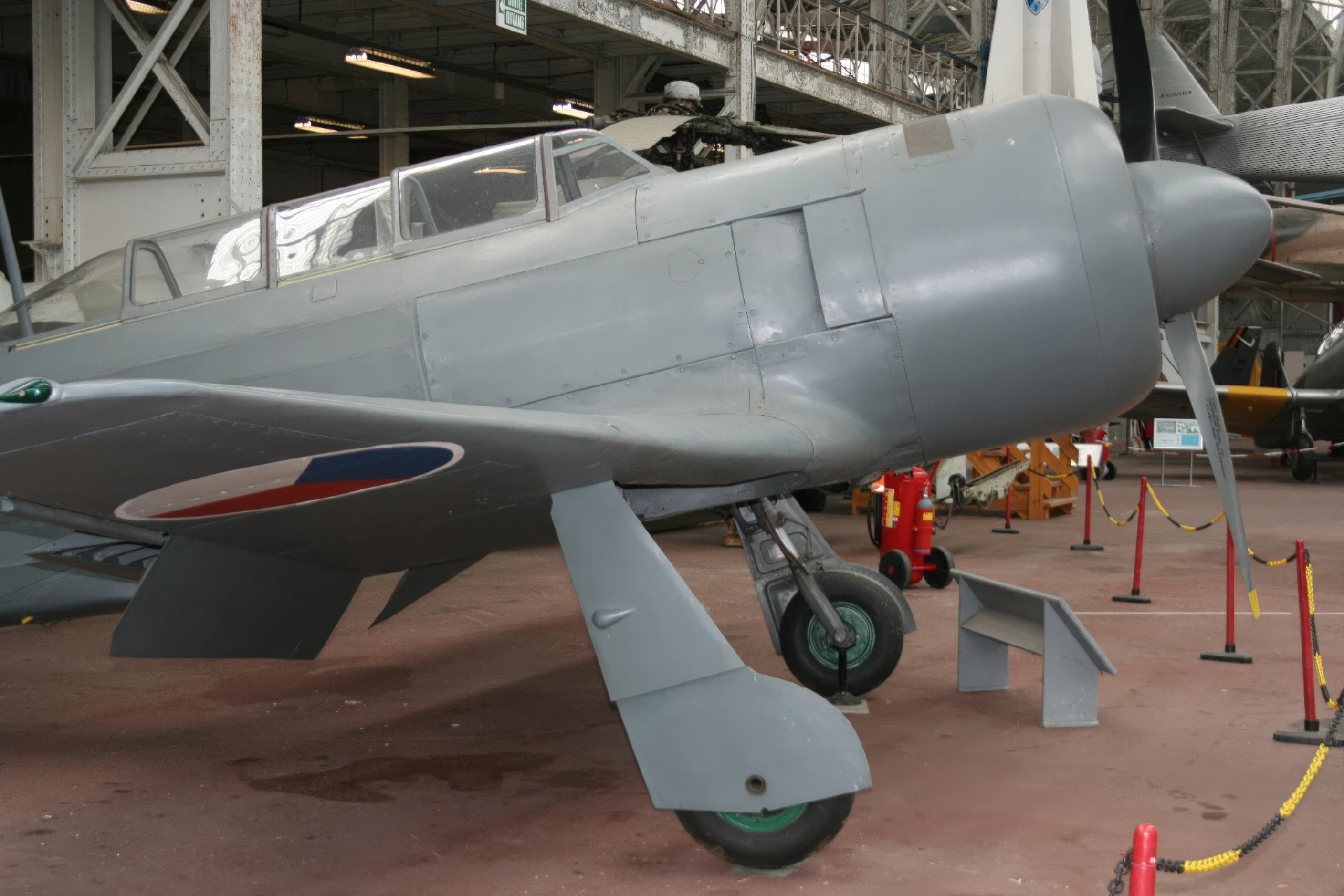
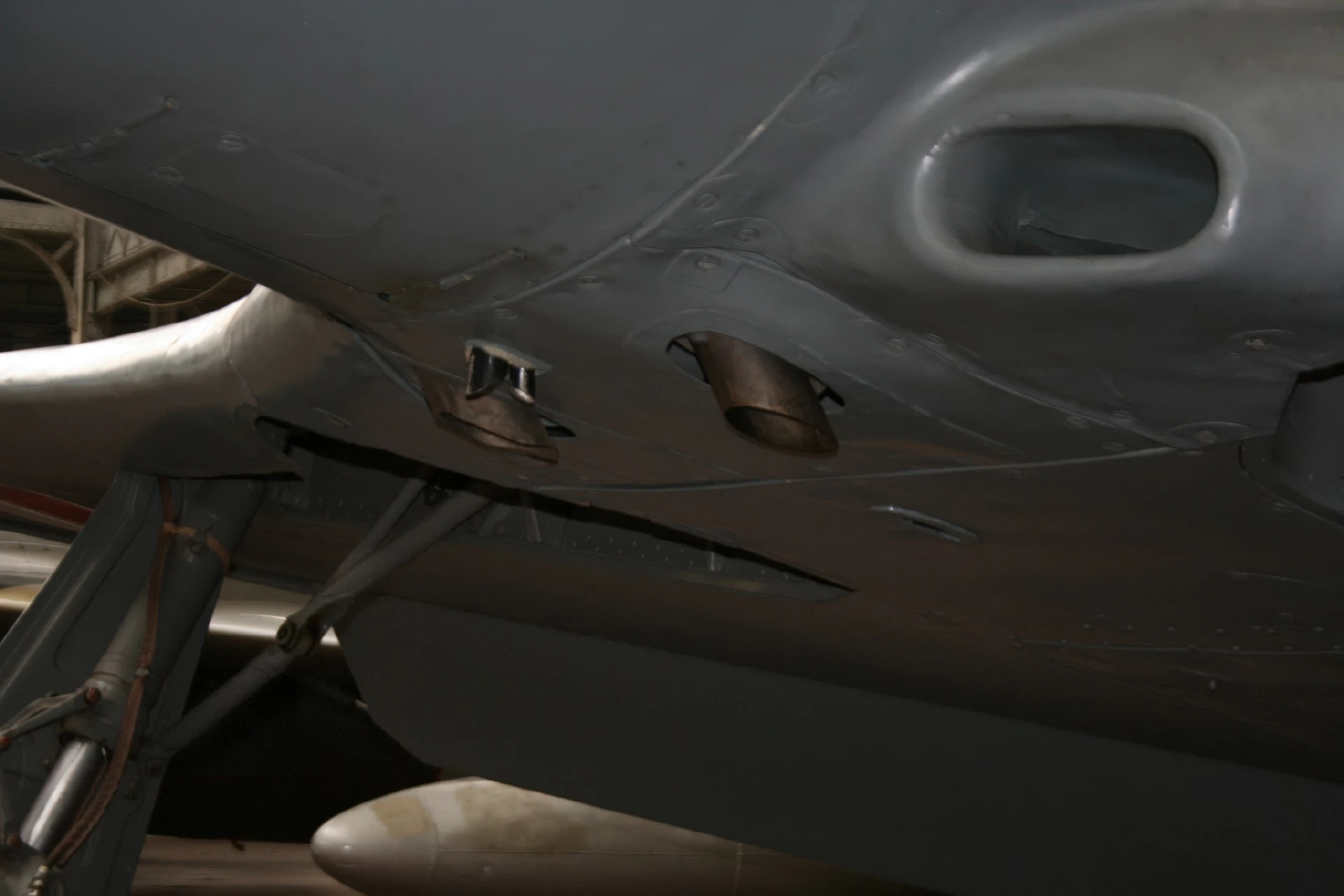
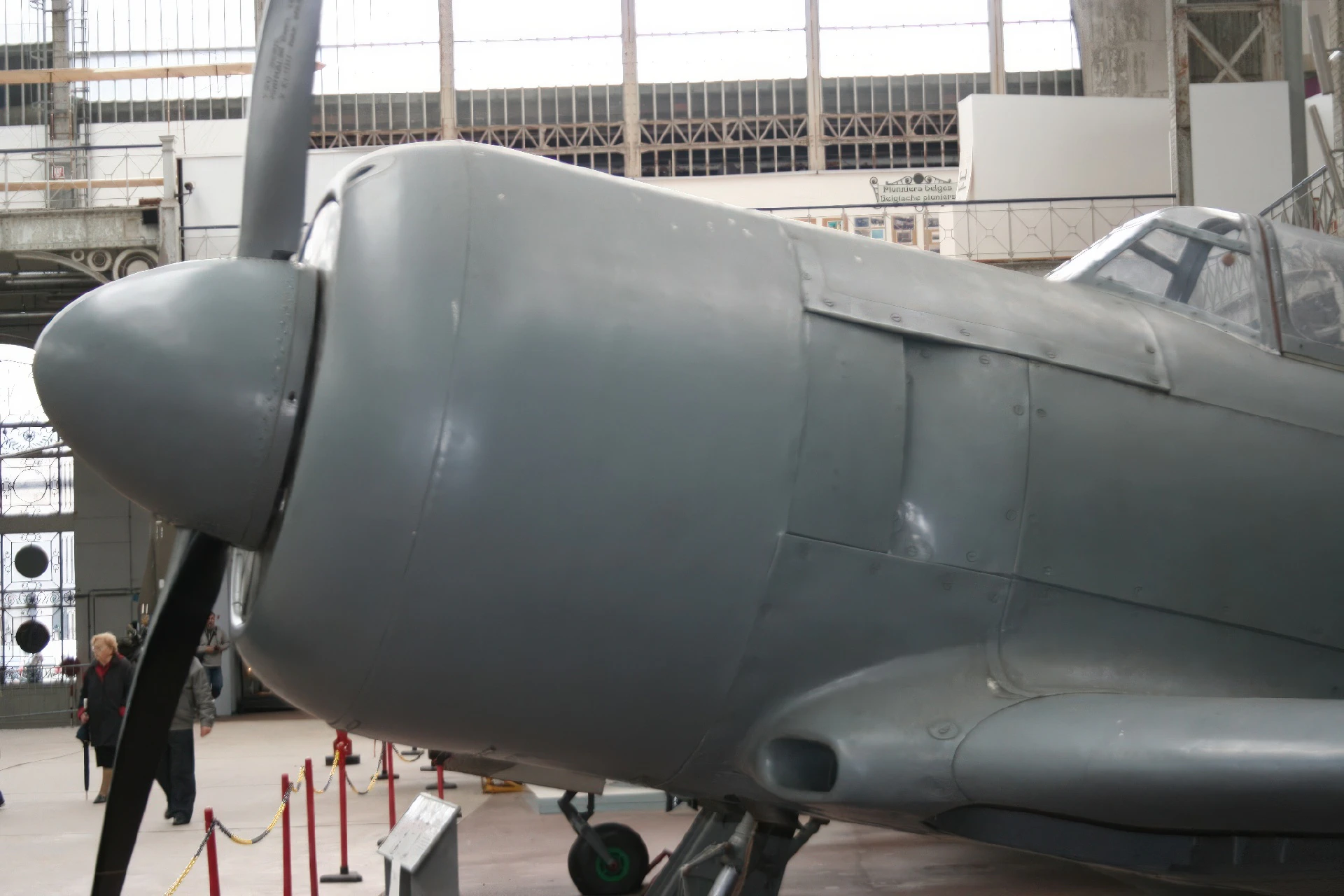

 커피 사줘
커피 사줘| Yak 11 Walk Around | |
|---|---|
| 사진 작가 | Unknow |
| 로컬라이제이션 | |
| 사진 | 21 |
| Yakovlev Yak-11 Moose Walk Around | |
|---|---|
| 사진 작가 | Unknow |
| 로컬라이제이션 | |
| 사진 | 25 |
참고 항목:


General Characteristics and Role
The Yakovlev Yak-11 (NATO reporting name: Moose) was a Soviet advanced trainer aircraft used by the Soviet Air Force and other Soviet-influenced air forces from the late 1940s. Derived from the successful Yak-3 fighter, the Yak-11 was redesigned to accommodate a radial engine and a second seat for an instructor. It served as the primary transition aircraft for pilots moving from basic trainers to high-performance jet fighters. Its design prioritized agility and high-speed handling, making it one of the most effective advanced trainers of its era. Beyond training, it was often used in air racing due to its fighter-derived aerodynamics and robust construction.
| Property | Typical Value (Yak-11) |
|---|---|
| 형식 | Advanced Flight Trainer |
| National Origin | 소련 |
| 제조업체 | Yakovlev OKB |
| Entered Service | 1947 |
| 승무원 | 2 (Student and Instructor) |
| 길이 | 8.20 m (26 ft 11 in) |
| 윙스 팬 | 9.40 m (30 ft 10 in) |
| Max Takeoff Weight | 2,440 kg (5,379 lb) |
Powerplant and Performance
- Engine: 1 x Shvetsov ASh-21 seven-cylinder air-cooled radial engine. This was essentially a single-row version of the powerful ASh-82 engine used in Soviet frontline fighters.
- Engine Power: 700 hp (520 kW).
- Maximum Speed: 460 km/h (286 mph).
- Service Ceiling: 7,100 m (23,295 ft).
- Armament: Usually equipped with 1 x 12.7 mm UBS machine gun and racks for two 50 kg (110 lb) bombs for gunnery and light attack training.
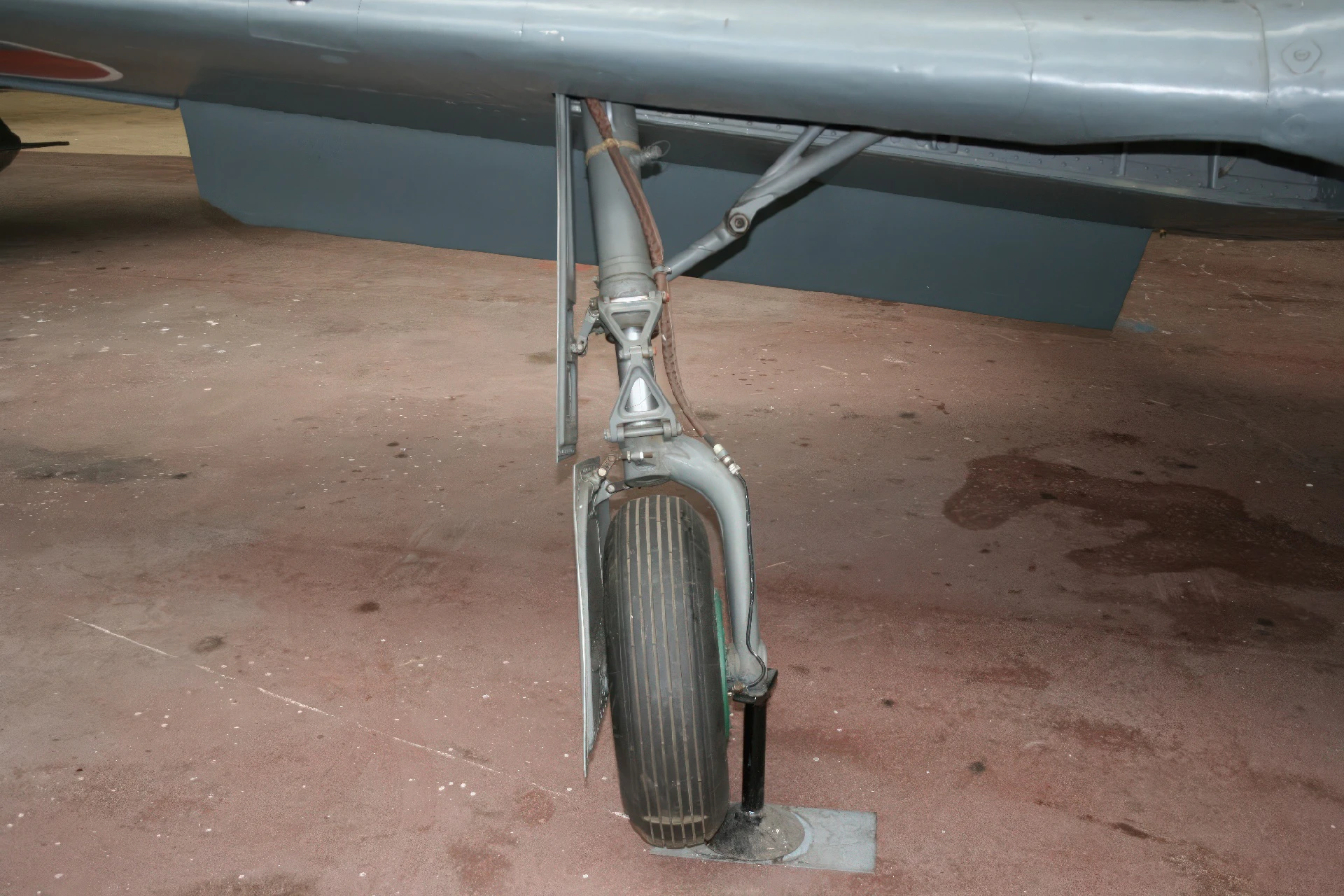
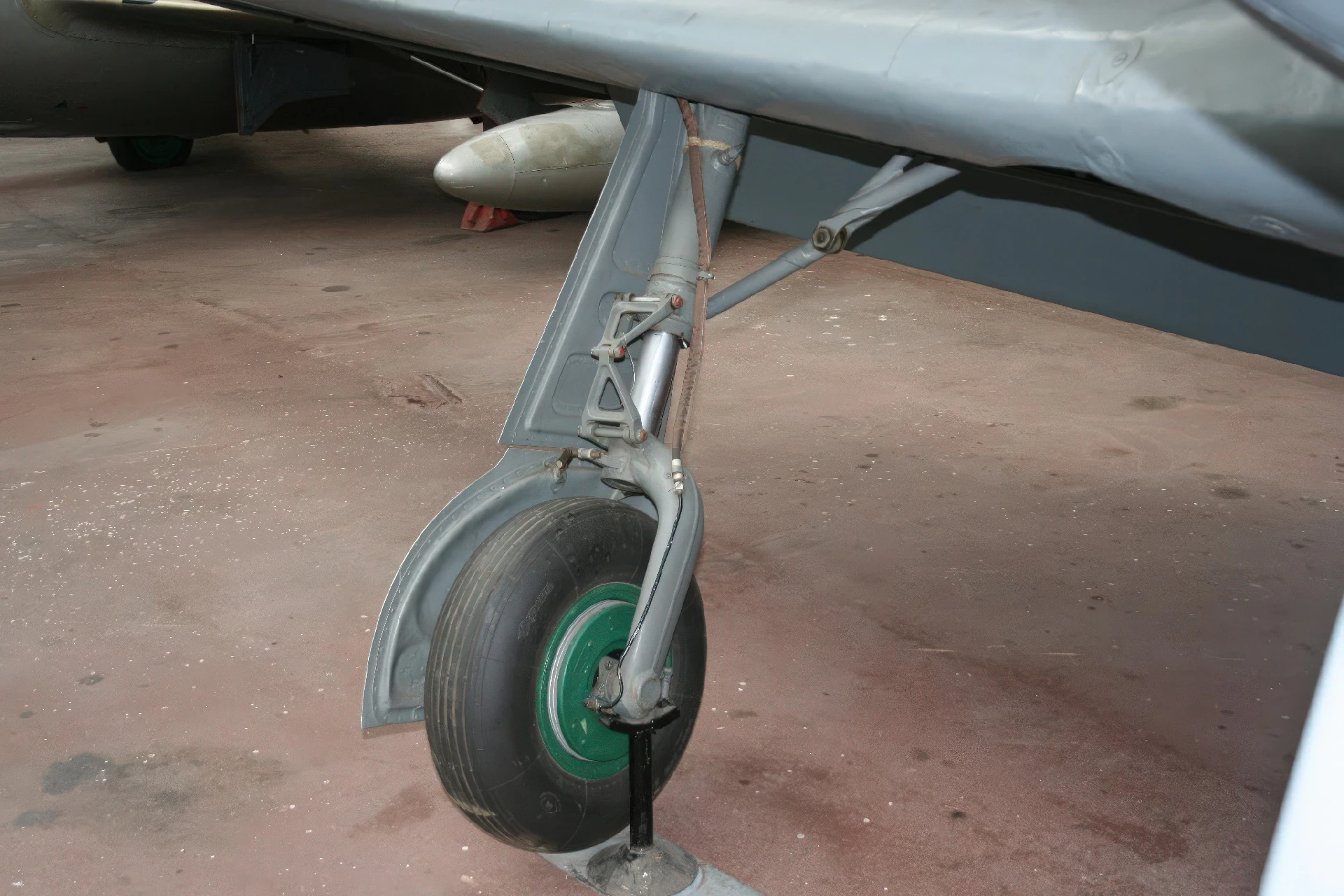
- Landing Gear: Retractable taildragger configuration, providing students with experience in handling complex landing gear systems.
Service History and Legacy
- Mass Production: Between 1947 and 1955, over 4,500 units were produced in the Soviet Union and under license in Czechoslovakia (as the LET C-11).
- International Use: It was exported to over 20 countries, including Egypt, China, Poland, and North Korea, becoming a standard trainer for the Eastern Bloc during the early Cold War.
- Fighter Heritage: Because it was based on the Yak-3, the Yak-11 retained excellent aerobatic qualities, which helped prepare pilots for the physical demands of high-G maneuvers in jet combat.
- Warbird Popularity: In the modern era, many surplus Yak-11s have been converted into single-seat “Yak-3” replicas or modified with massive engines for Unlimited Class air racing at Reno.
- Transition to Jets: The Yak-11 was eventually superseded by the Yak-18 and later jet-powered trainers like the Aero L-29 Delfín as the technological gap between piston and jet aircraft widened.
조회수 : 2372