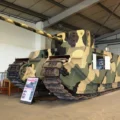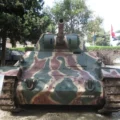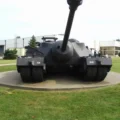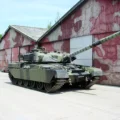
호랑이 탱크 | |
|---|---|
| 국가 | 독일 |
| 형식 | 중전차 |
| 설명 | Album of 27 photos walk-around of a «Tiger Tank» |
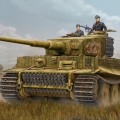
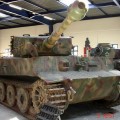
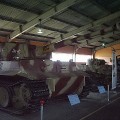
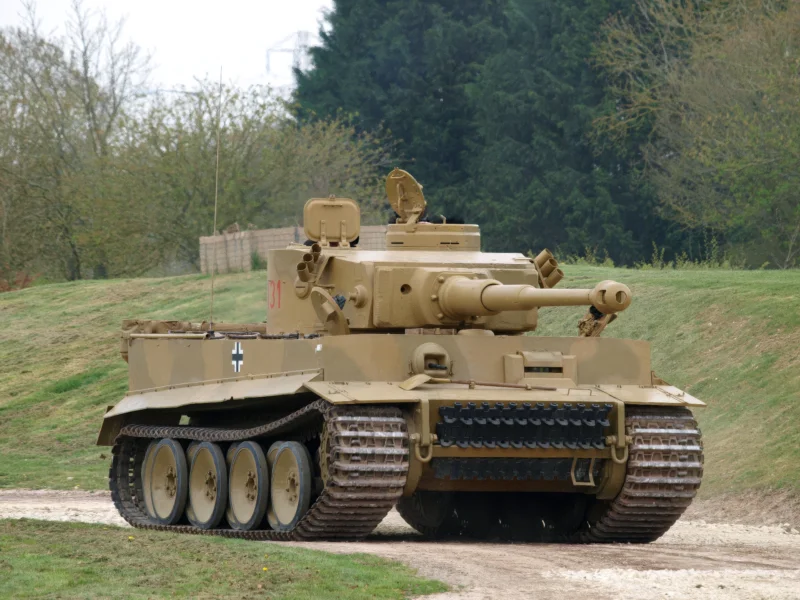
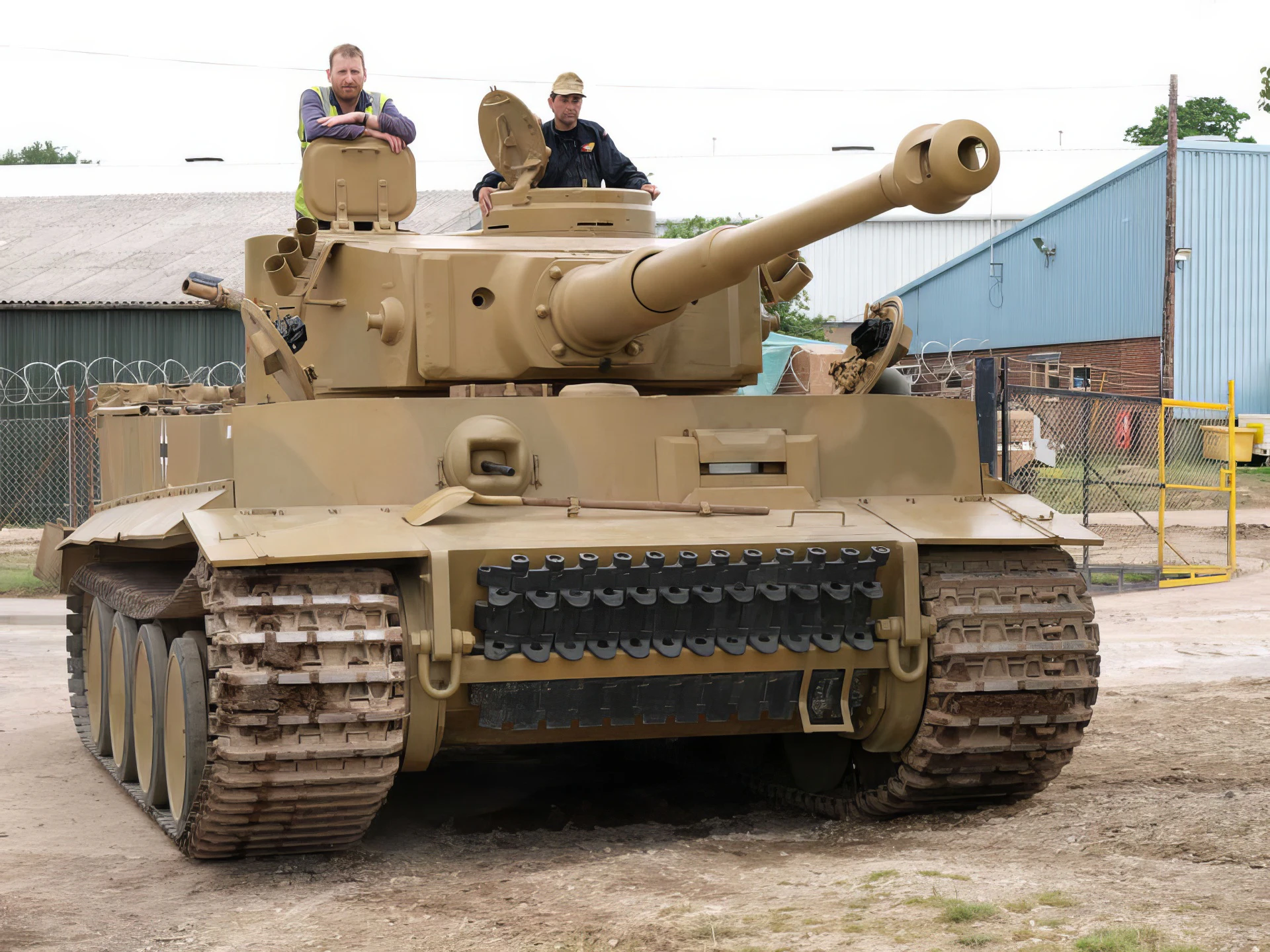
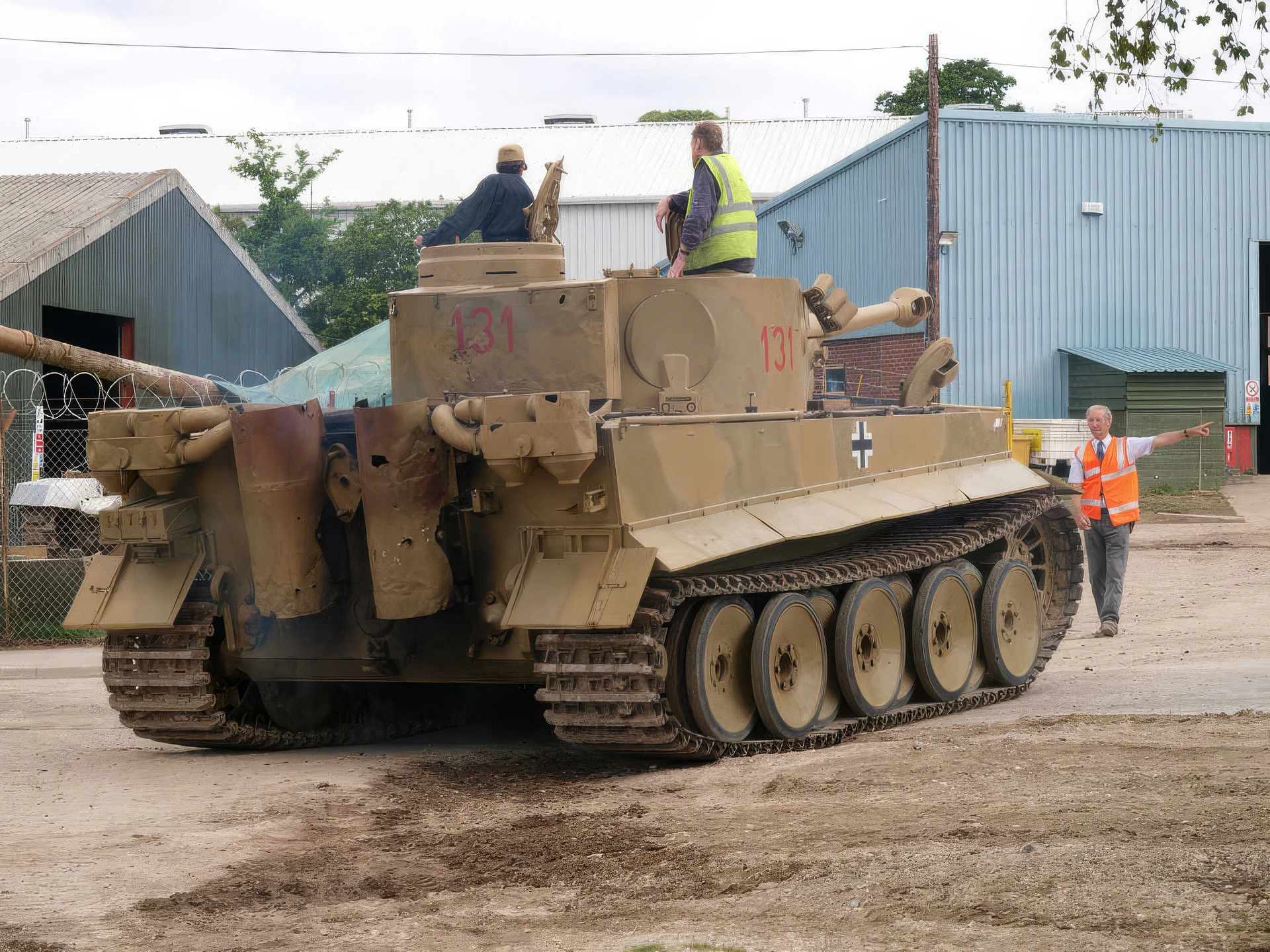
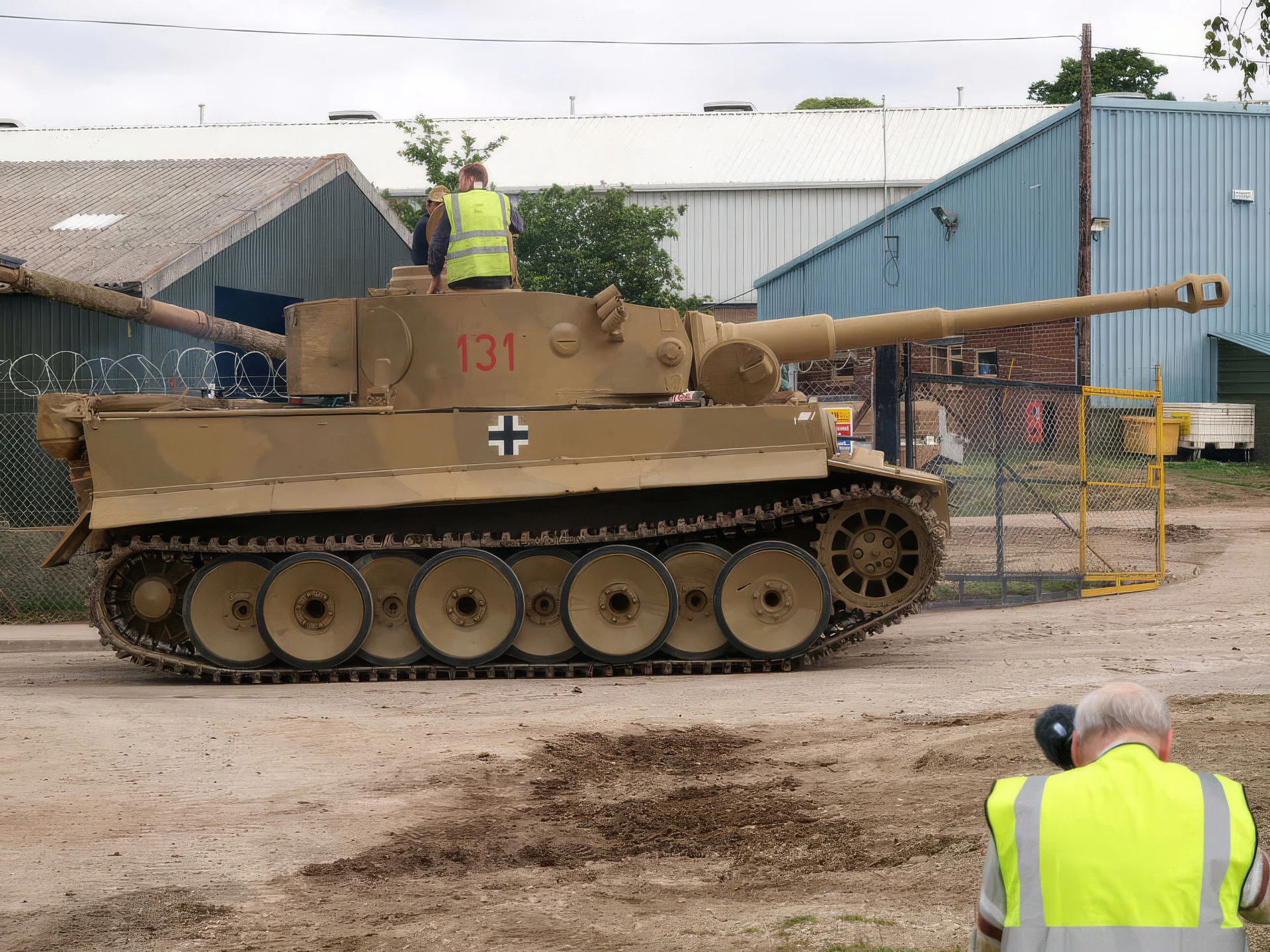
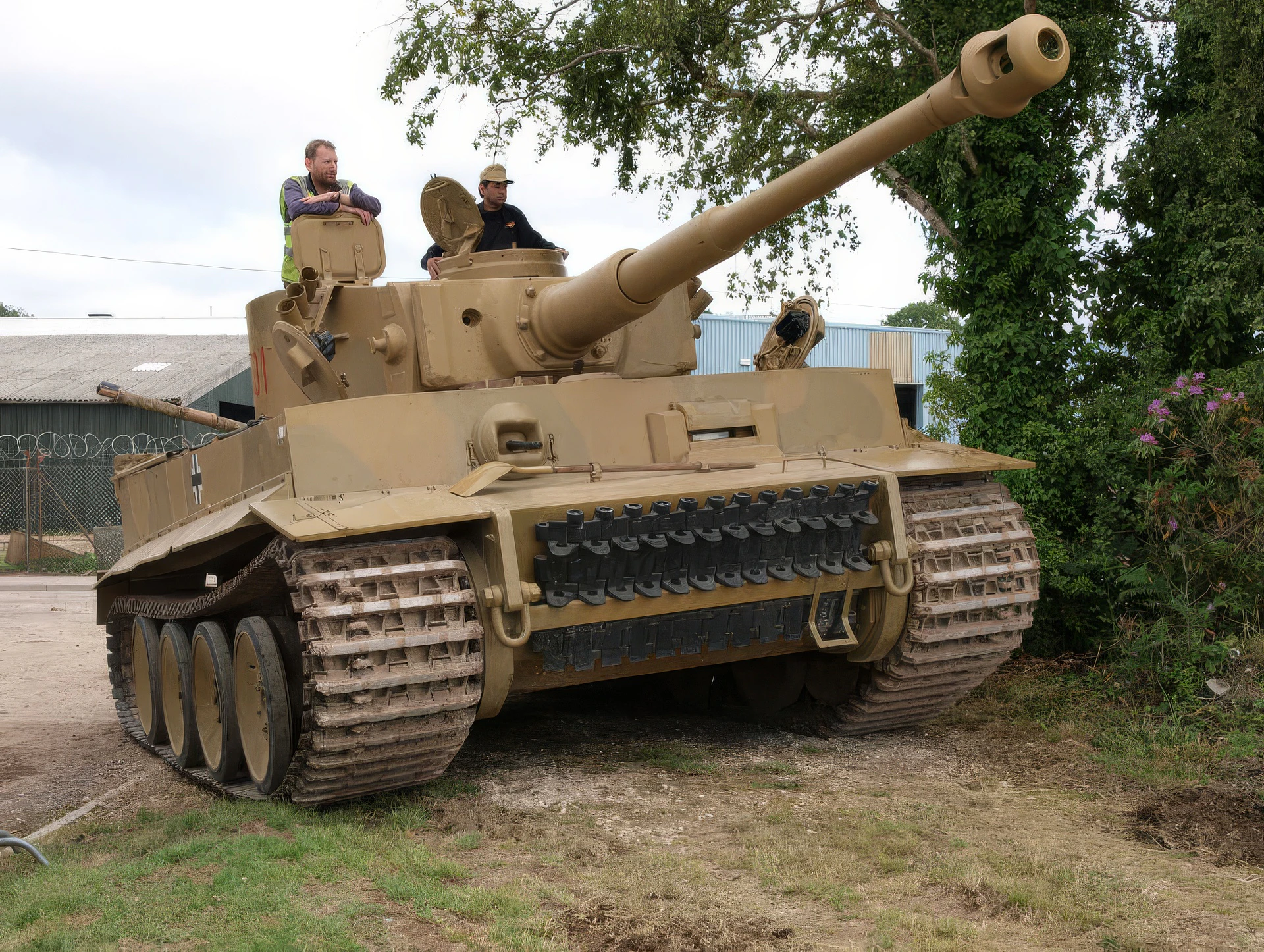
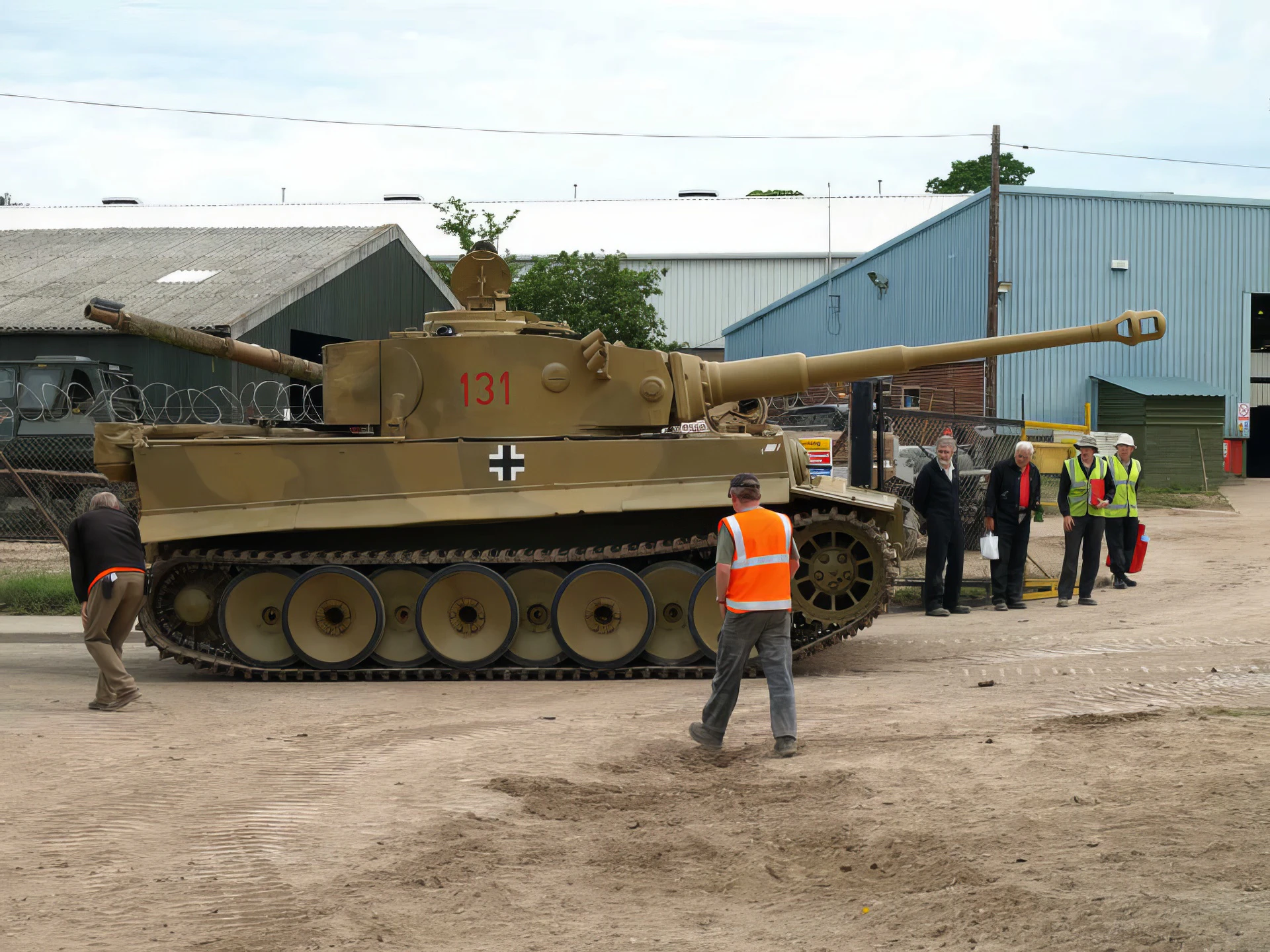
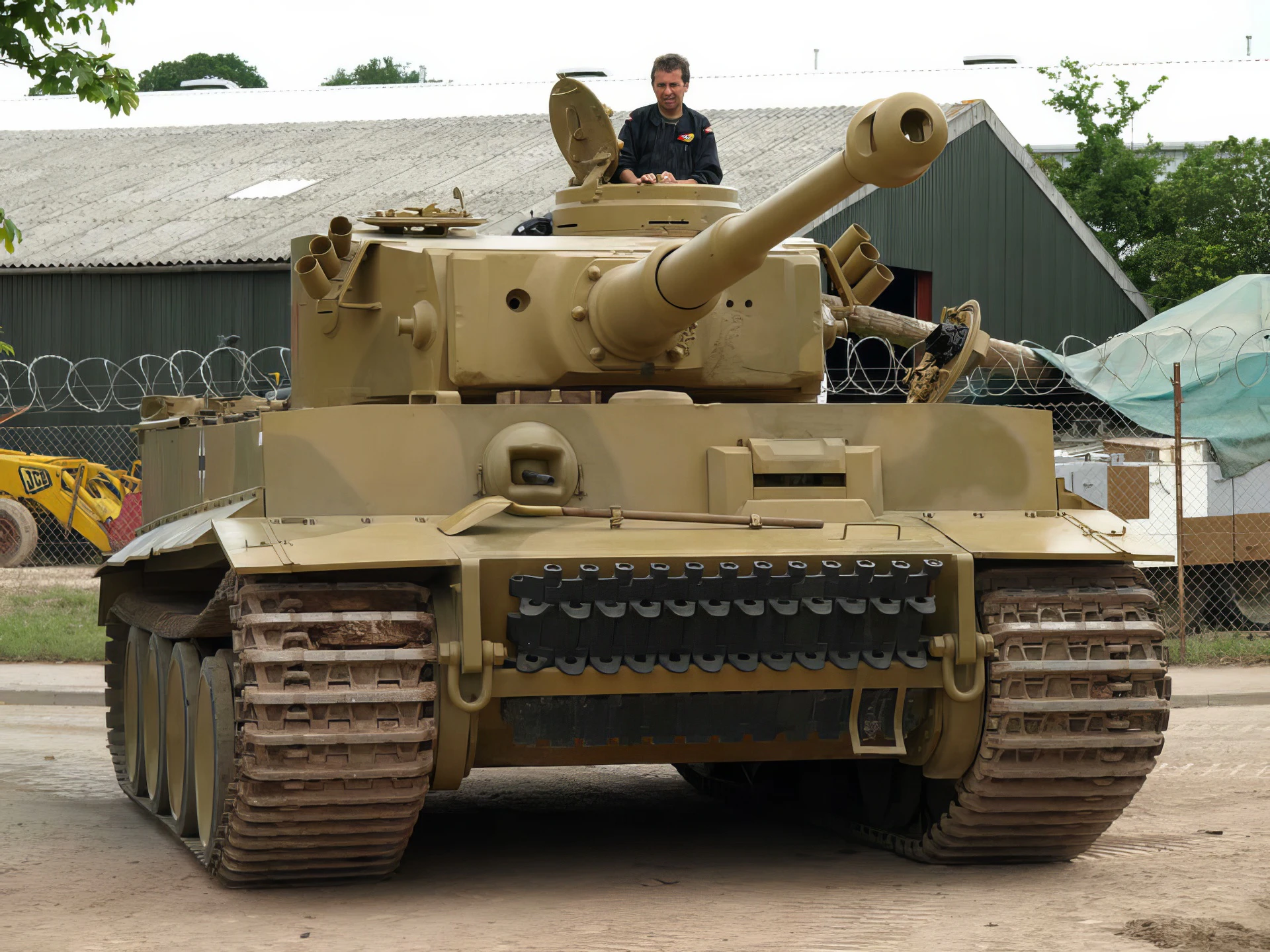
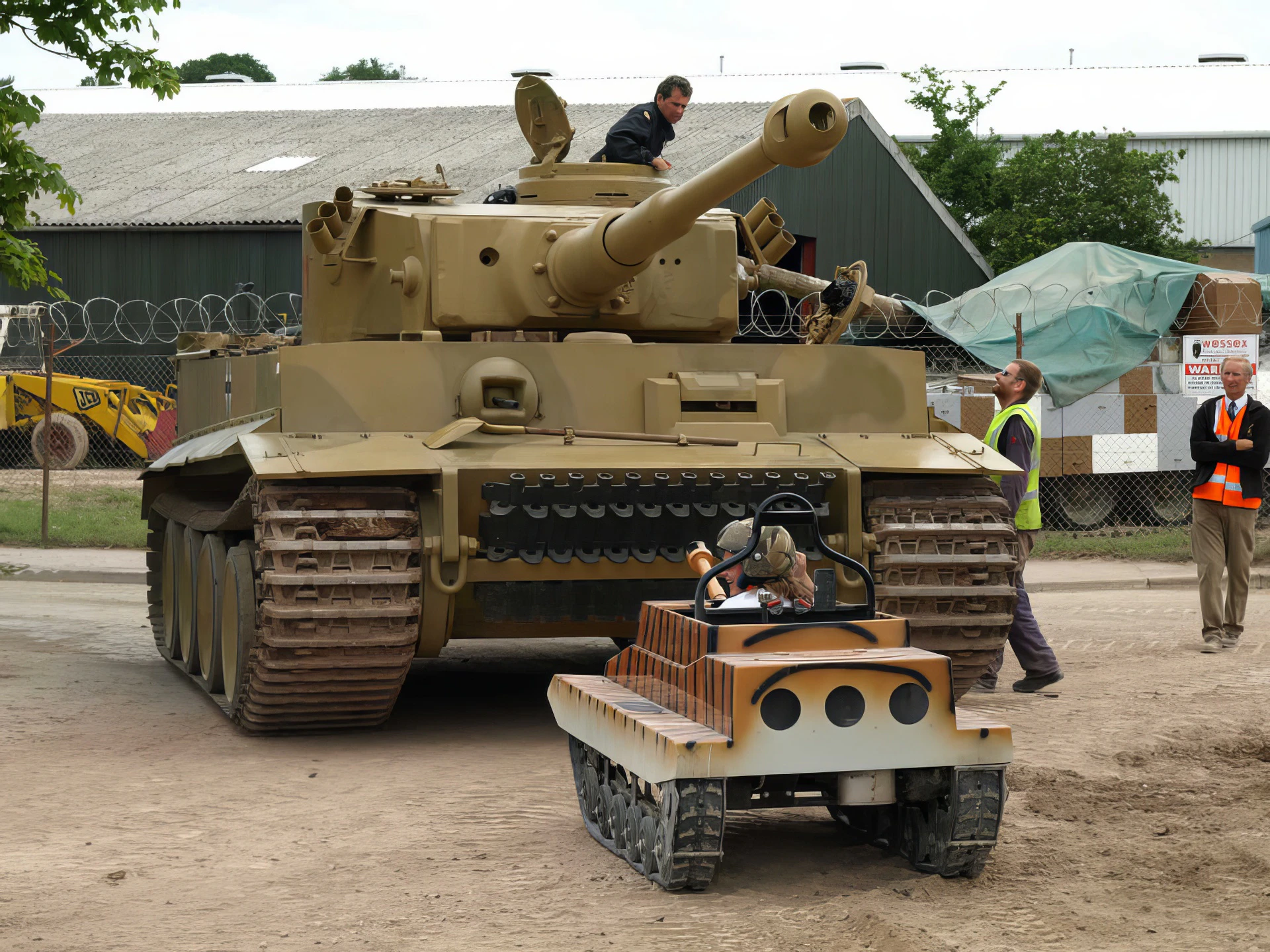
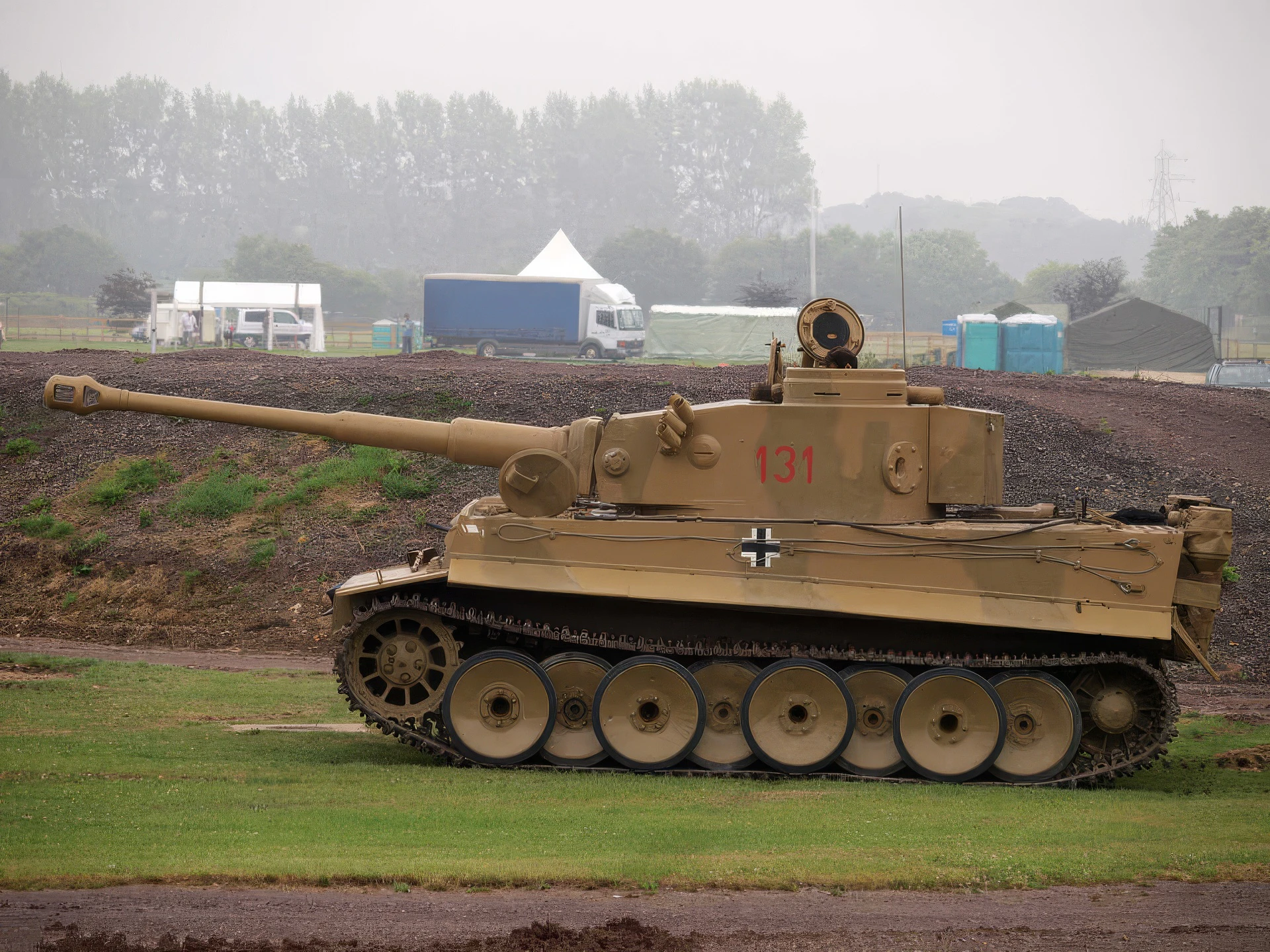
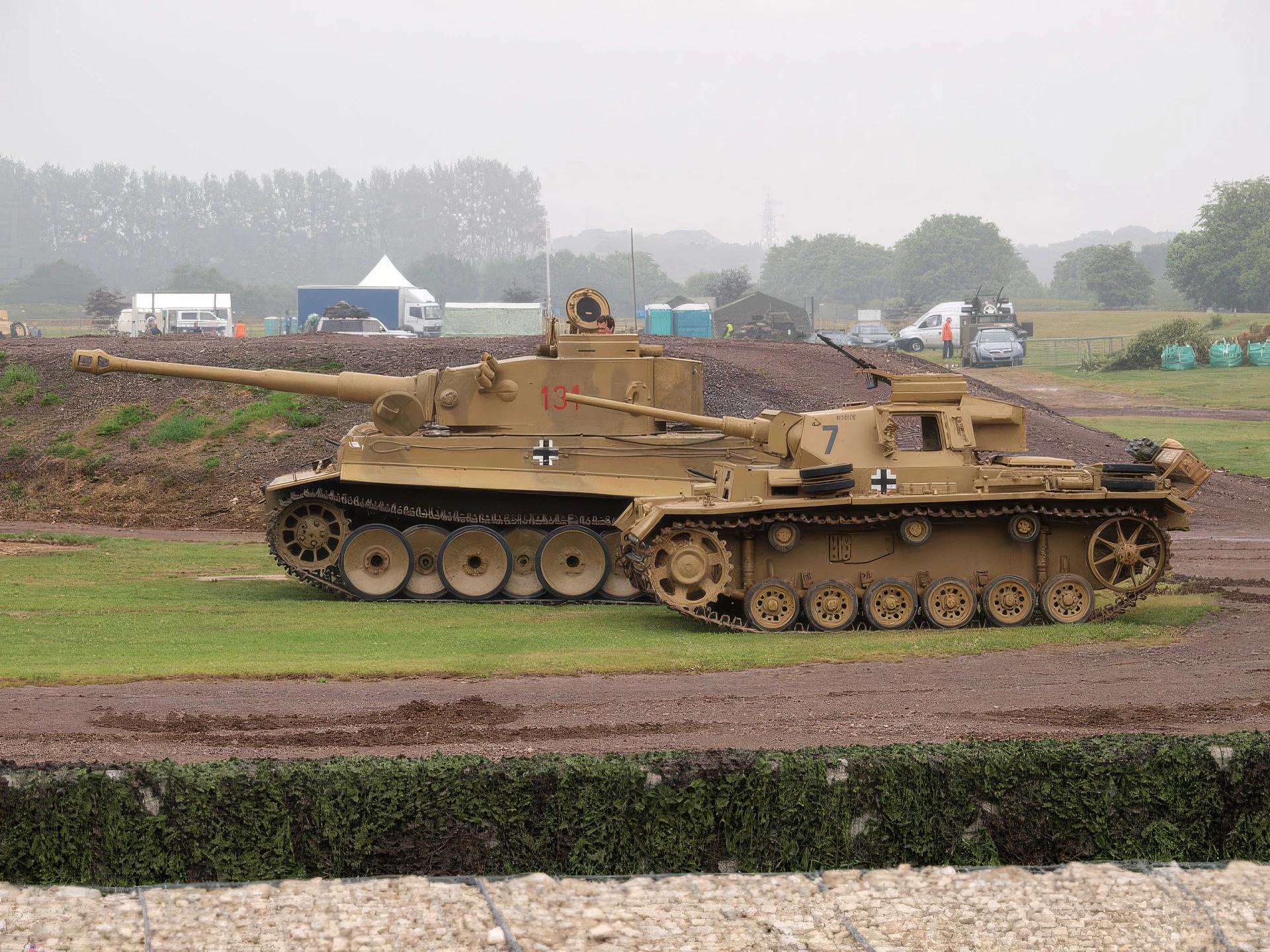
호랑이 탱크의 사진 갤러리, 행동에, 호랑이 I 1942년에 개발되어 제2차 세계대전에서 사용되는 독일 중전차의 일반적인 이름입니다. 독일의 최종 공식 명칭은 기체캄프바겐 VI 호랑이 오제프.E였으며, 종종 호랑이로 단축되었습니다. 그것은 소련의 축 침공의 초기 개월에 발생 예기치 않게 강력한 소련 갑옷에 대한 답변이었다, 특히 T-34와 KV-1. 타이거 I 디자인은 88mm 총을 장착하는 첫 번째 탱크를 주었고, 초기 장갑 전투 차량 전용 버전으로 Flak 버전에서 이전에 는 공중 및 지상 목표물 모두에 대한 효과를 입증했습니다. 전쟁이 진행되는 동안 호랑이 나는 모든 독일 전선에서 전투를 보았다. 그것은 일반적으로 매우 강력한 것으로 판명 독립적 인 탱크 대대에 배치되었다.

참고 항목:


Tthe Panzerkampfwagen VI (Pz.Kpfw. VI), commonly known as the 호랑이, was a series of German heavy tanks used during World War II. It was a formidable and revolutionary design, primarily known for its incredibly heavy armor and powerful main gun. The series includes two primary models: the Tiger I and the Tiger II.
1. Panzer VI Tiger I (Sd.Kfz. 181)
The original Tiger I was a response to the unexpectedly strong Soviet tanks encountered during the invasion of the USSR. It entered service in 1942 and quickly established a fearsome reputation.
- Role: Heavy Tank, designed for breakthrough and long-range engagement.
- 주무장: The devastating 88 mm KwK 36 L/56 cannon, which could penetrate most Allied tank armor at extreme distances.
- Armor: Featured very heavy, though largely flat and vertical, armor. Frontal hull armor was typically 100 mm thick, with the gun mantlet up to 200 mm. Its protection relied on sheer thickness.
- Weight: 약 57 tonnes.
- 기동성: Powered by a 700 hp Maybach V-12 engine. Capable of speeds up to 38 to 45 km/h on roads. Its complex interleaved road wheel suspension provided good off-road performance but was mechanically demanding and maintenance-intensive.
- Crew: 5 (Commander, Gunner, Loader, Driver, Radio Operator).
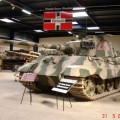
2. Panzer VI Tiger II (Königstiger / King Tiger) (Sd.Kfz. 182)
The Tiger II, or “King Tiger,” was the successor to the Tiger I and represented an evolution in German tank design. It entered production in late 1943.
- Role: Heavy Tank.
- 주무장: The superior 88 mm KwK 43 L/71 cannon. This longer-barreled gun significantly increased muzzle velocity and anti-tank performance.
- Armor: Combined the sheer thickness of the Tiger series with sloped armor. The frontal hull plate was 150 mm thick and angled at 50, making it virtually impervious to most Allied tank guns from the front.
- Weight: 거의 68.5 tonnes, making it the heaviest tank used by Germany during the war.
- Drawbacks: Its extreme weight severely strained its powertrain, leading to significant mechanical reliability issues and placing a massive burden on German logistics and manufacturing.
Views : 9269