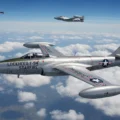
Lockheed P-3 Orion |
|
|---|---|
| 국가 | 미국 |
| 역할 | 해상 순찰 항공기 |
| 첫 비행 | 1959년 11월 |
| 내장 | 650 |
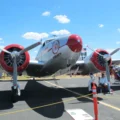
Tthe 록히드 P-3 오리온 는 미국 해군을 위해 개발되어 1960년대에 도입된 4개의 엔진 터보프롭 대잠수함 및 해상 감시 항공기이다. 록히드는 L-188 일렉트라 상업용 여객기를 기반으로 했다. 이 항공기는 잠수함의 자기 탐지에 사용되는 독특한 꼬리 침 또는 "MAD 붐"으로 일렉트라와 쉽게 구별됩니다.
소스: 록히드 P-3 오리온 위키백과에
| Lockheed P-3C Orion Walk Around | |
|---|---|
| 사진 작가 | 바스 다멘, 조지 다벨라르 |
| 로컬라이제이션 | Unknow |
| 사진 | 86 |
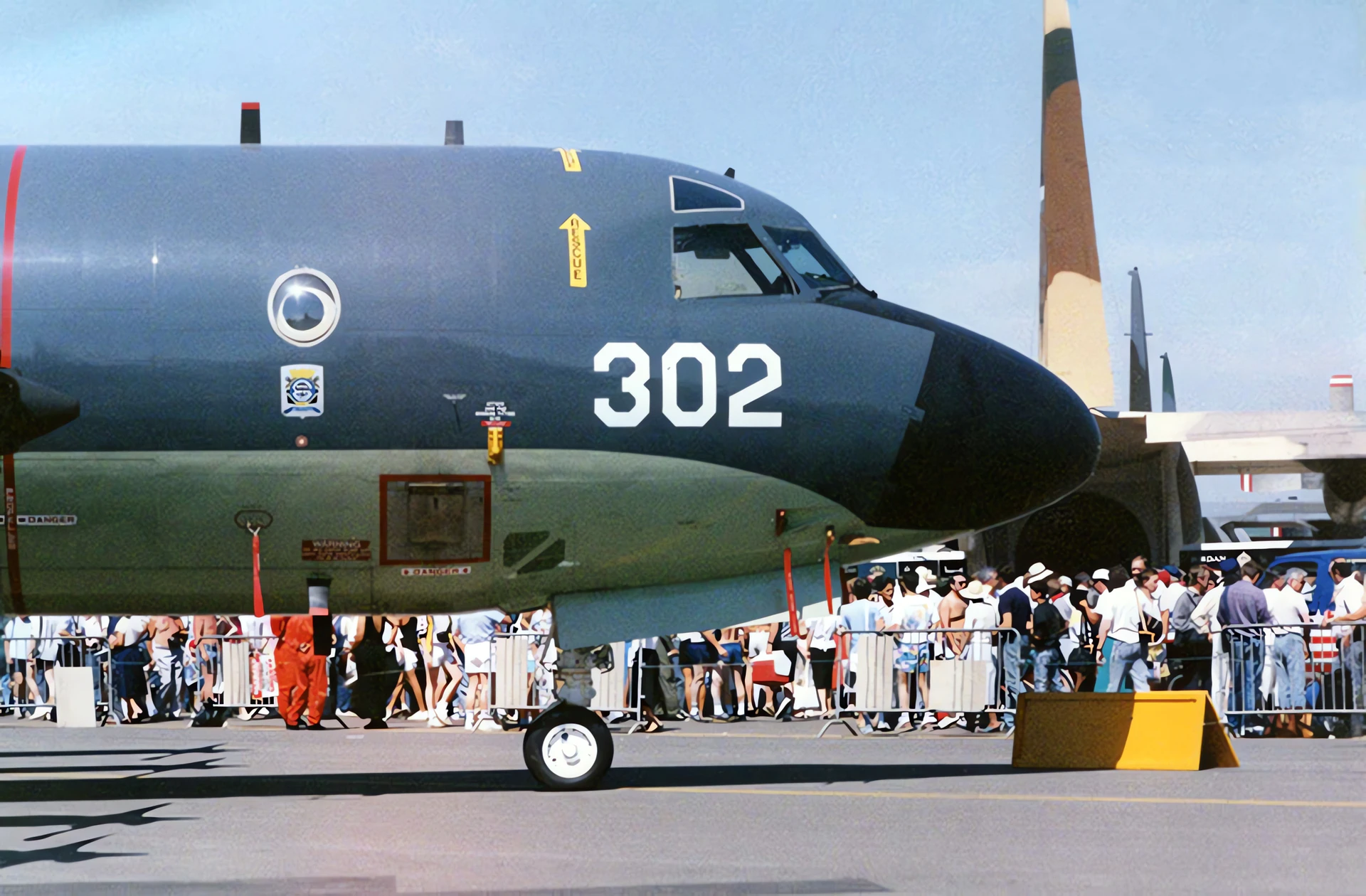
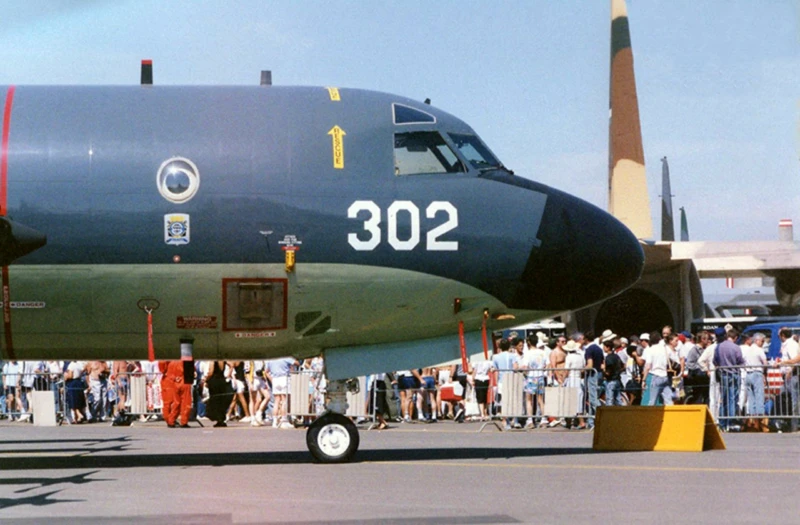
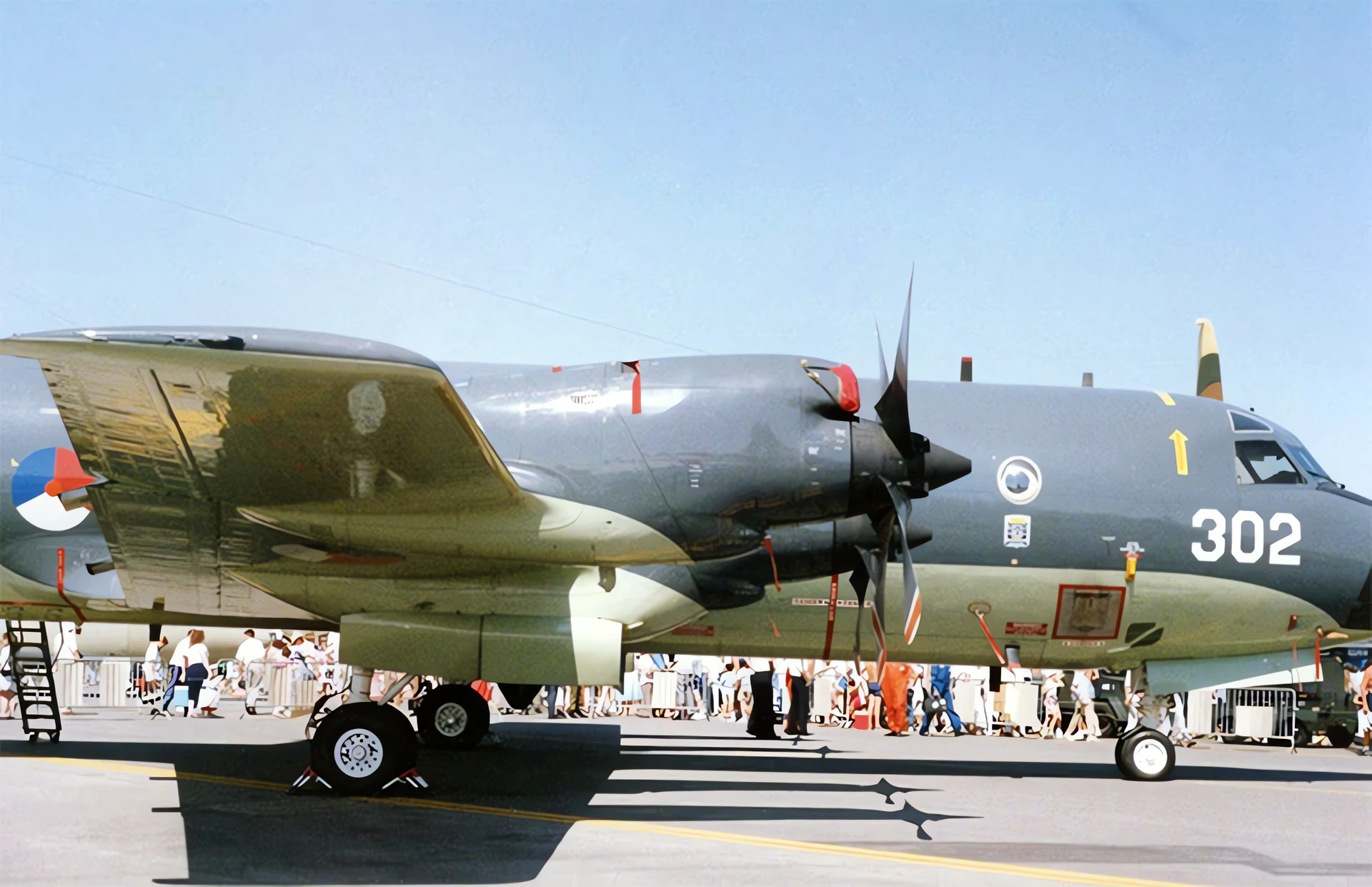
Lockheed P-3C Orion 01
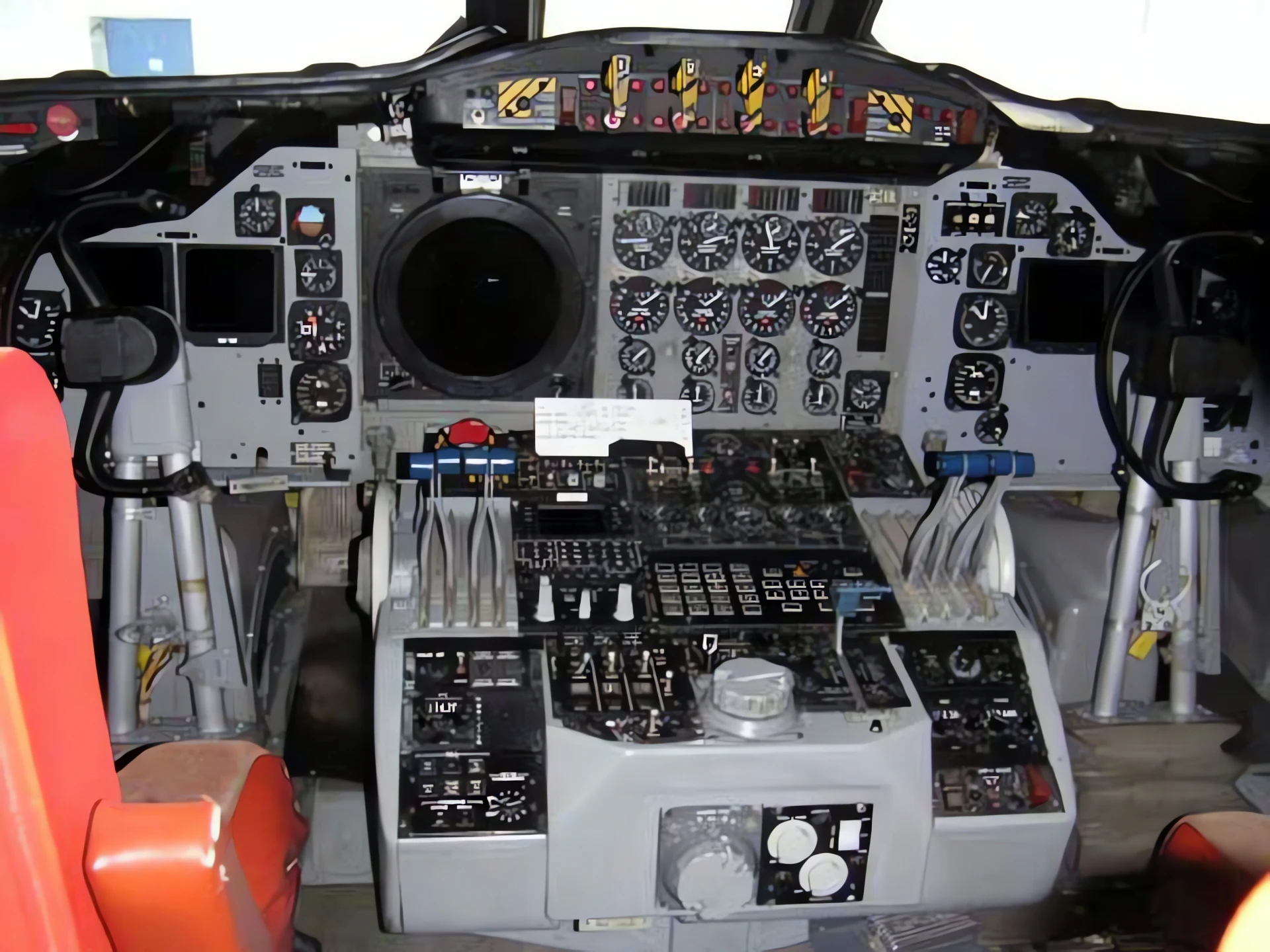
Lockheed P-3C Orion 02
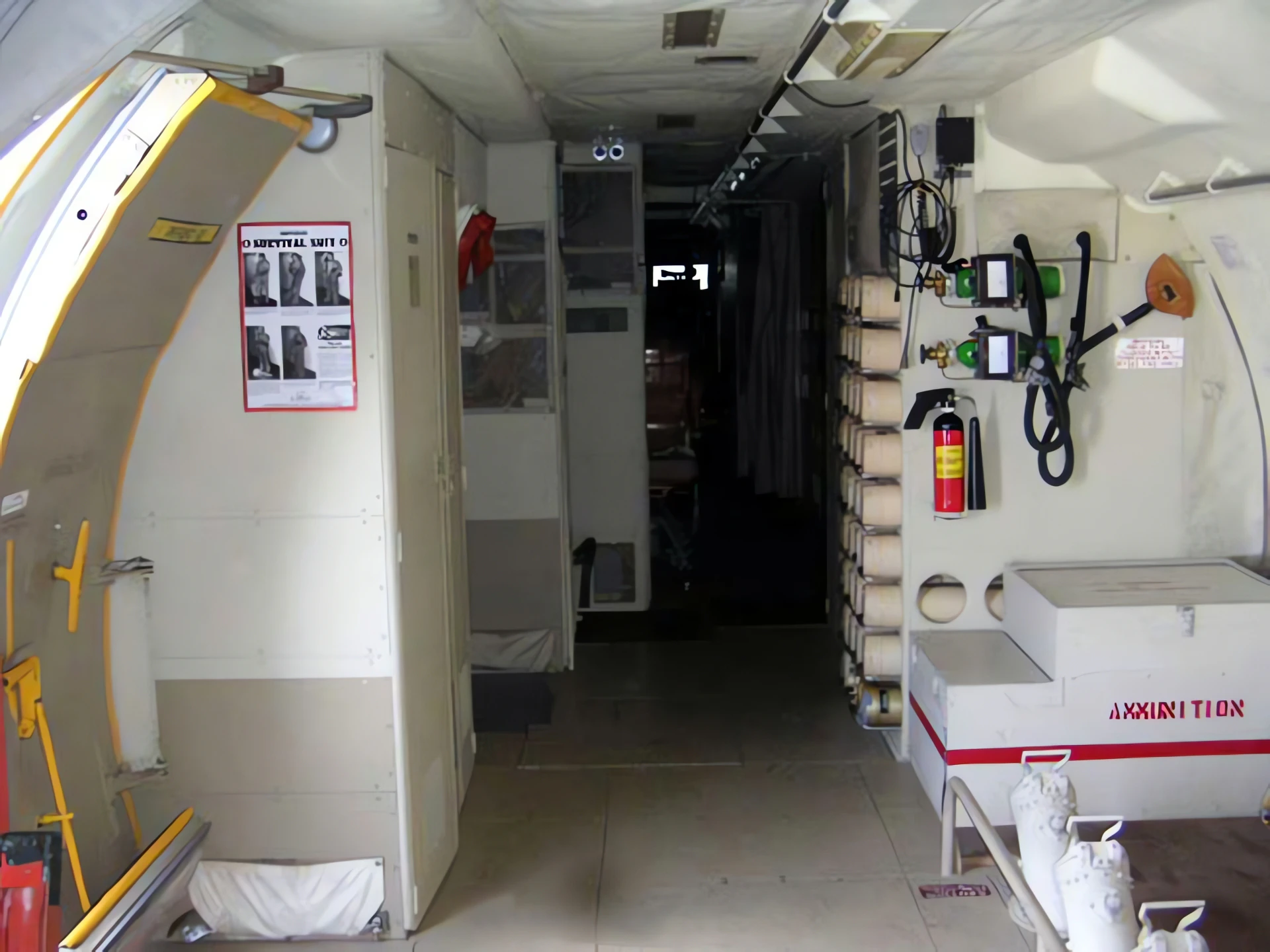
Lockheed P-3C Orion 03
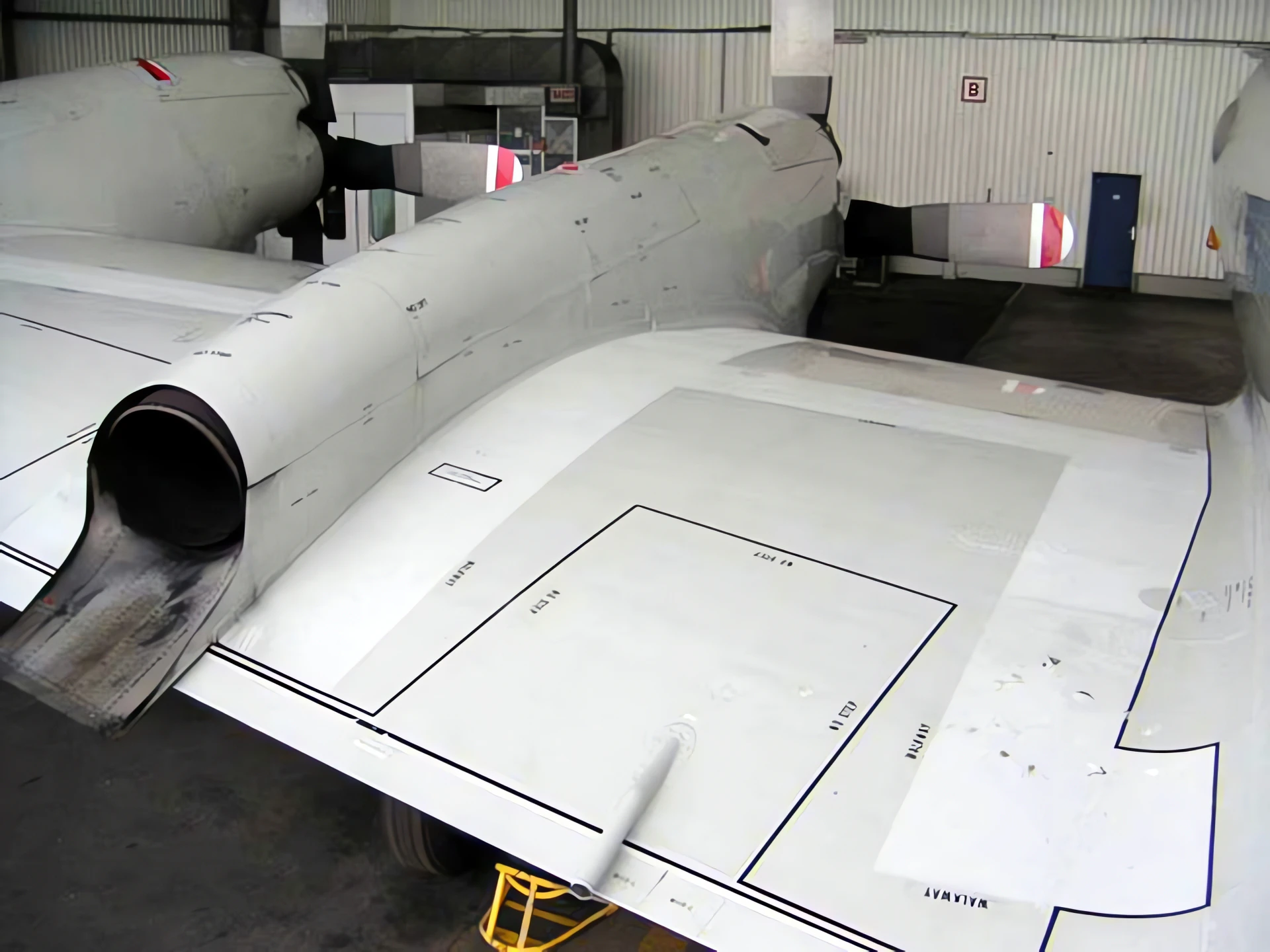
Lockheed P-3C Orion 04
Lockheed P-3C Orion 05
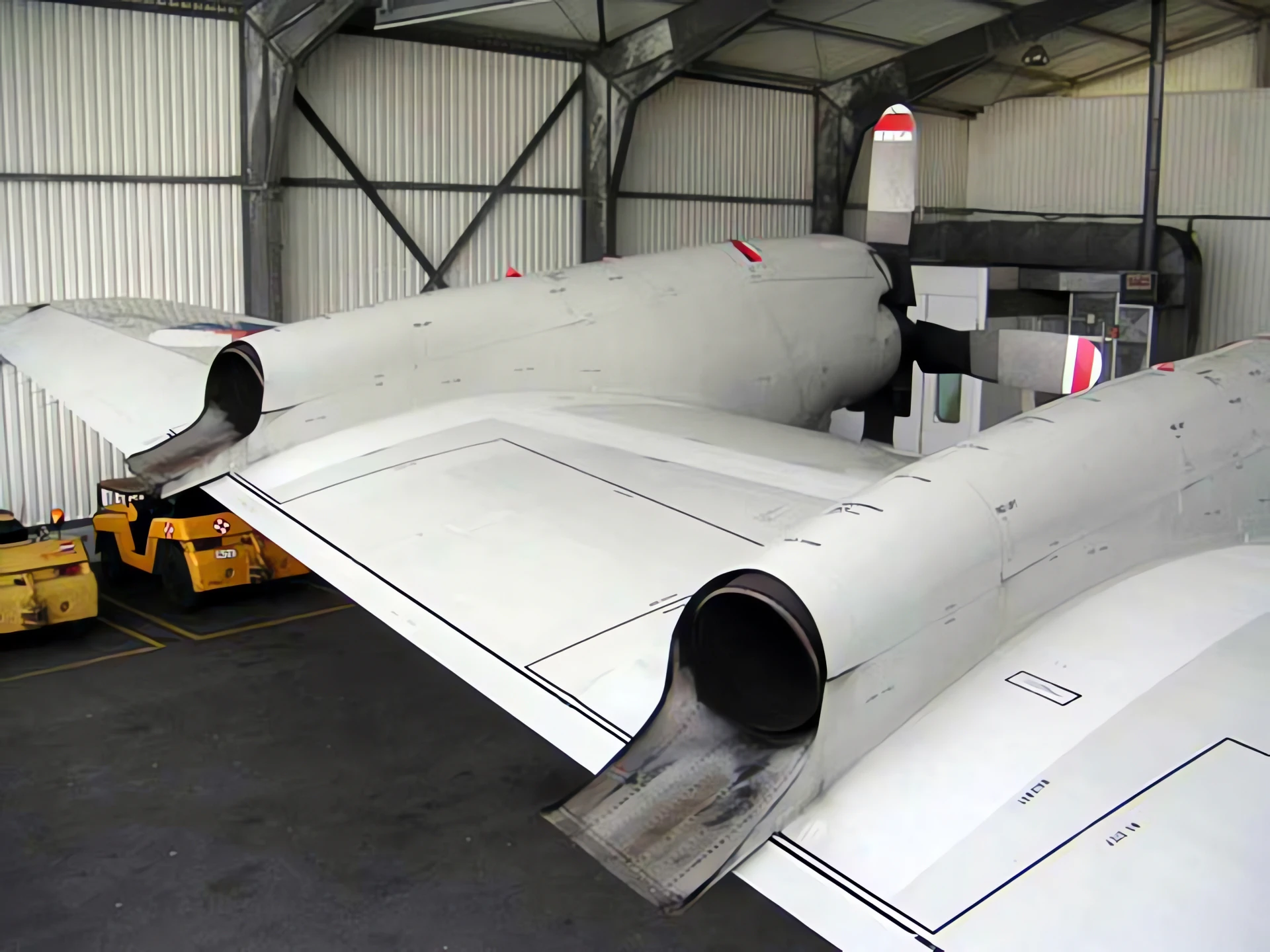
Lockheed P-3C Orion 06
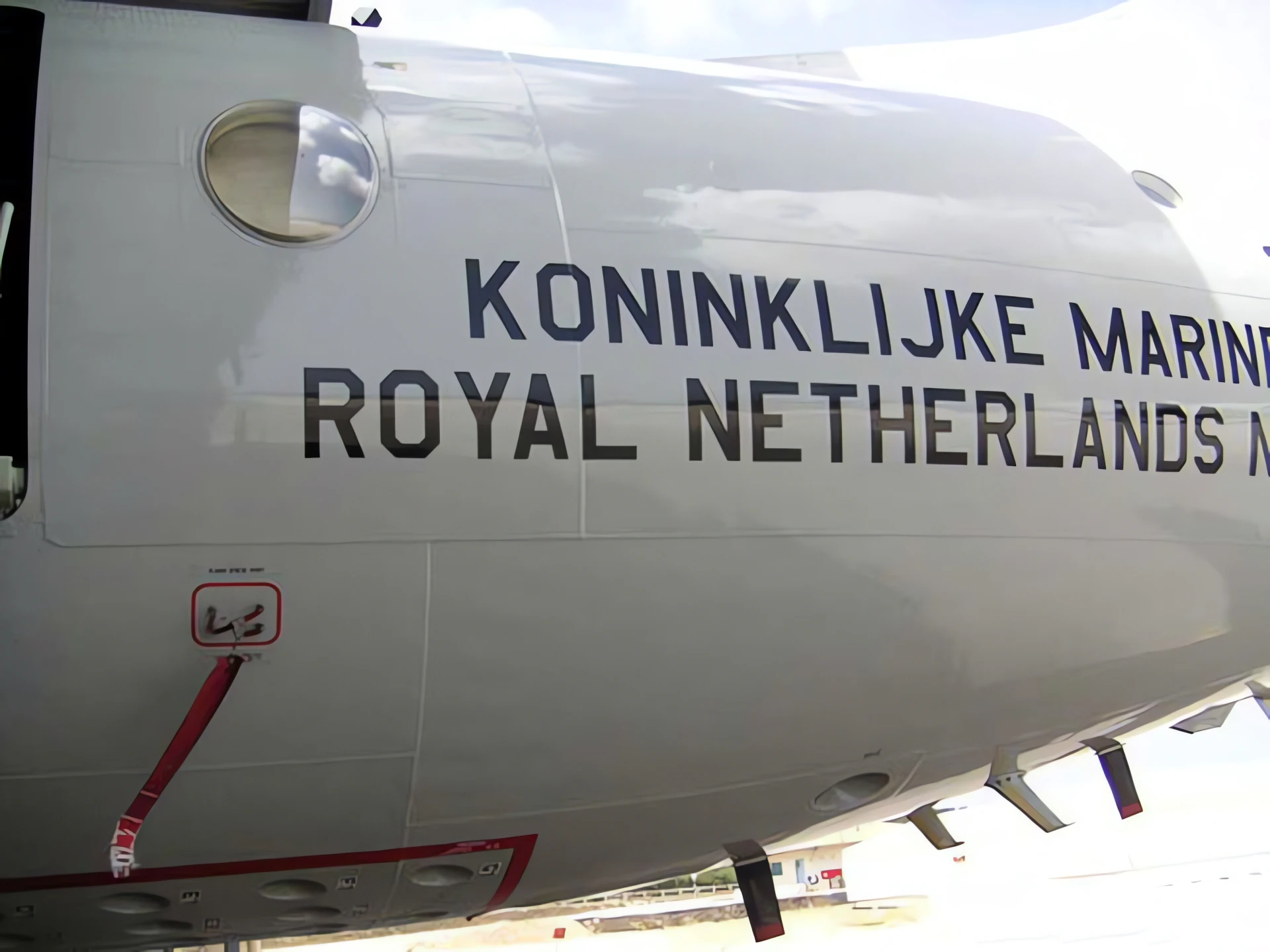
Lockheed P-3C Orion 07
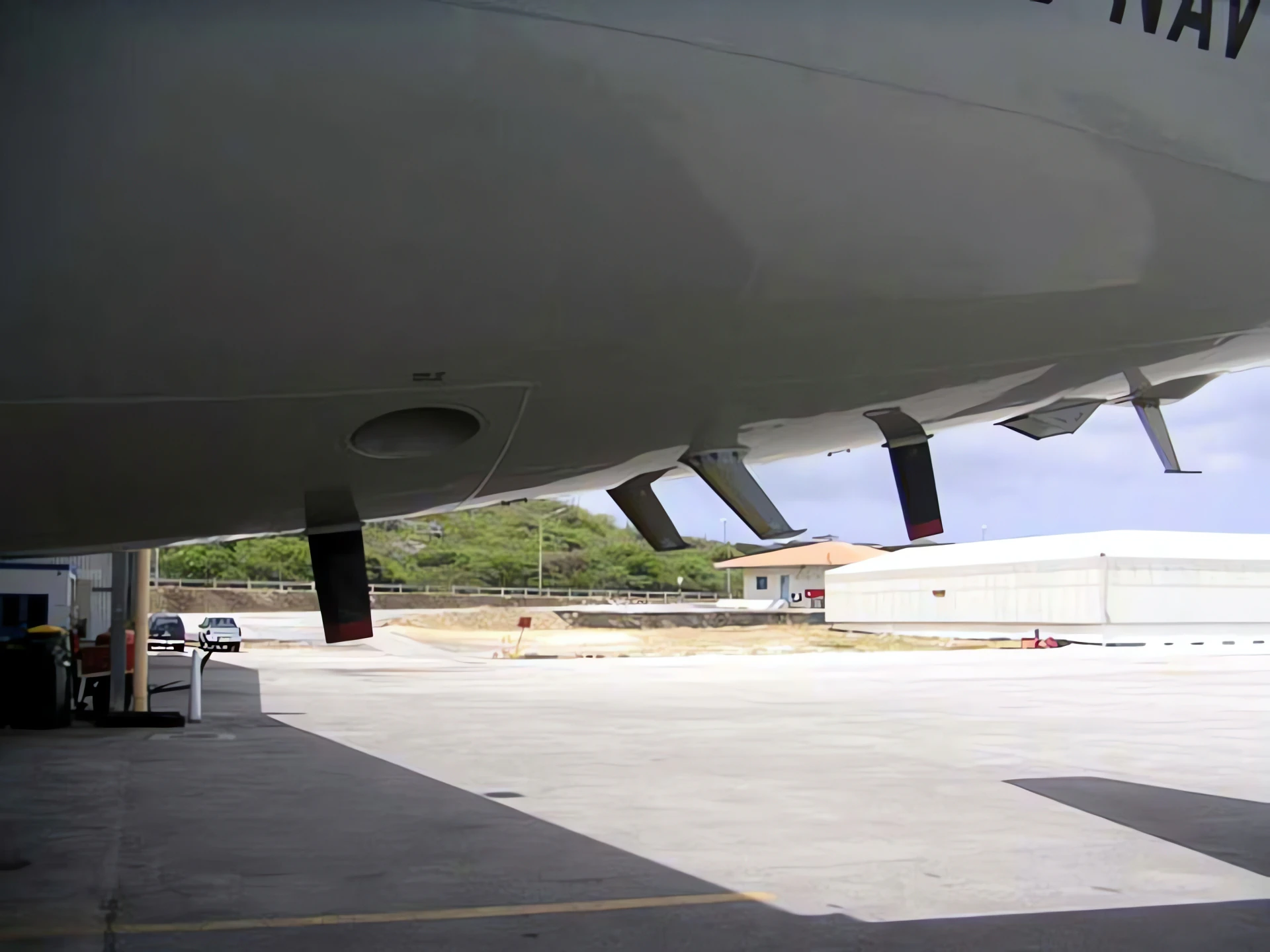
Lockheed P-3C Orion 08
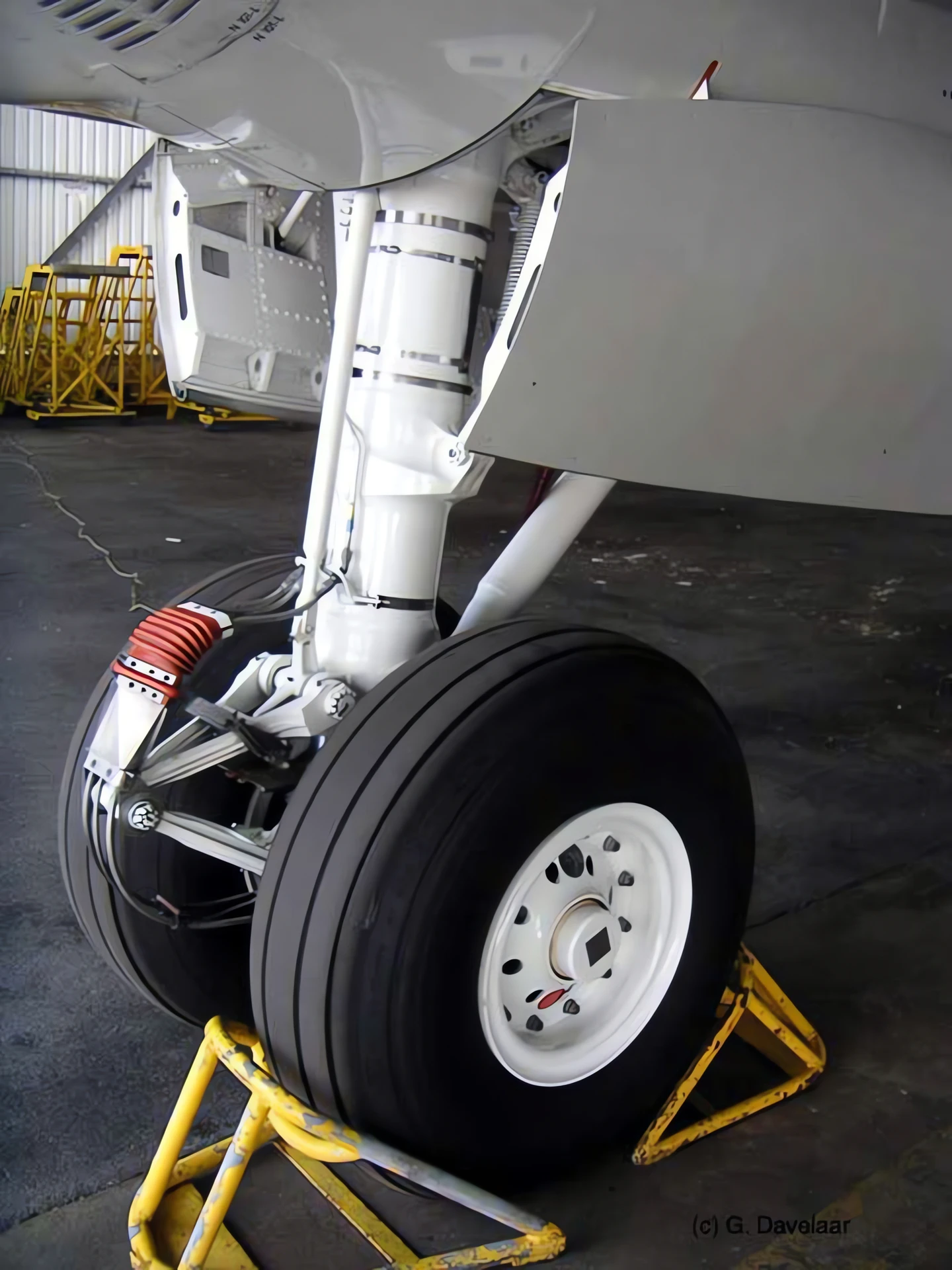
Lockheed P-3C Orion 09
잠깐, 당신을 위해 록히드 P-3 오리온을 검색 ...

| Lockheed P-3A Orion | |
|---|---|
| 사진 작가 | 블라디미르 야쿠보프 |
| 로컬라이제이션 | Unknow |
| 사진 | 141 |
| Lockheed WP-3D Orion Walk Around | |
|---|---|
| 사진 작가 | 에버렛 맥완, 데이비드 린지 |
| 로컬라이제이션 | Unknow |
| 사진 | 36 |
 커피 사줘
커피 사줘참고 항목:


The Electra’s Deadly Cousin
Tthe 록히드 P-3C 오리온 is a four-engine turboprop maritime patrol aircraft that has served the U.S. Navy and dozens of international allies since the 1960s. Based on the L-188 Electra airliner, the P-3 was heavily modified to carry an incredible suite of sub-surface detection equipment. The “C” model, introduced in 1969, featured the Univac ASQ-114 digital computer, which revolutionized anti-submarine warfare (ASW) by allowing the crew to process and integrate data from various sensors in real-time.
| Attribute | Technical Specification (P-3C) |
|---|---|
| 역할 | Maritime Patrol / Anti-Submarine Warfare (ASW) |
| 승무원 | 11 (3 Pilots, 2 Naval Flight Officers, 2 Flight Engineers, 3 Sensor Ops, 1 Technician) |
| First Flight | November 25, 1959 (YP3V-1) |
| 동력 장치 | 4 × Allison T56-A-14 turboprops |
| Horsepower | 4,600 shp (3,430 kW) per engine |
| 최대 속도 | 411 knots (473 mph / 761 km/h) |
| Combat Range | 1,345 nmi (plus 3 hours on station) |
| Endurance | 10–13 hours (typical) |
The Tools of the Hunter
- MAD Boom: The most recognizable feature is the “stinger” tail, housing the Magnetic Anomaly Detector. It senses minute changes in the Earth’s magnetic field caused by the metal hull of a submerged submarine.
- Sonobuoy Chutes: Located in the underbelly are dozens of launch tubes for sonobuoys—disposable acoustic sensors dropped into the ocean to “listen” for propeller noises or pinging hulls.
- Internal Weapons Bay: Forward of the wing, the Orion features an unpressurized weapons bay capable of carrying Mk 46 or Mk 54 torpedoes, depth charges, or special nuclear mines.
- The “Three-Engine” Loiter: To save fuel and extend time on station, P-3 crews often shut down one of the outboard engines (usually Engine #1) once they reached their search area, taking advantage of the T56 engine’s efficiency.
A Half-Century of Global Vigilance
- Cuban Missile Crisis: Early P-3s played a vital role in the blockade of Cuba, tracking Soviet freighters and submarines in the Atlantic.
- EP-3 Aries II: A specialized “Electronic Intelligence” (ELINT) version of the Orion is used to intercept communications and radar signals. It became world-famous in 2001 during the “Hainan Island Incident” involving a collision with a Chinese fighter.
- The “Hurricane Hunters”: NOAA operates two highly modified P-3s (nicknamed Kermit 그리고 Miss Piggy) that fly directly into the eyes of hurricanes to collect meteorological data.
- Replacement: After 50 years of service, the P-3C is being replaced in U.S. Navy service by the Boeing P-8 Poseidon, though it remains a front-line asset for countries like Japan, Germany, and Australia.
조회수 : 4951