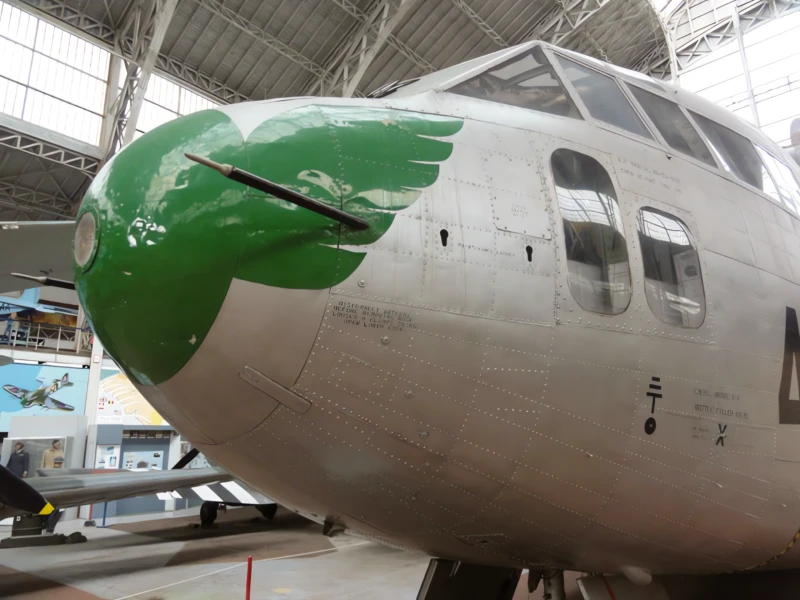
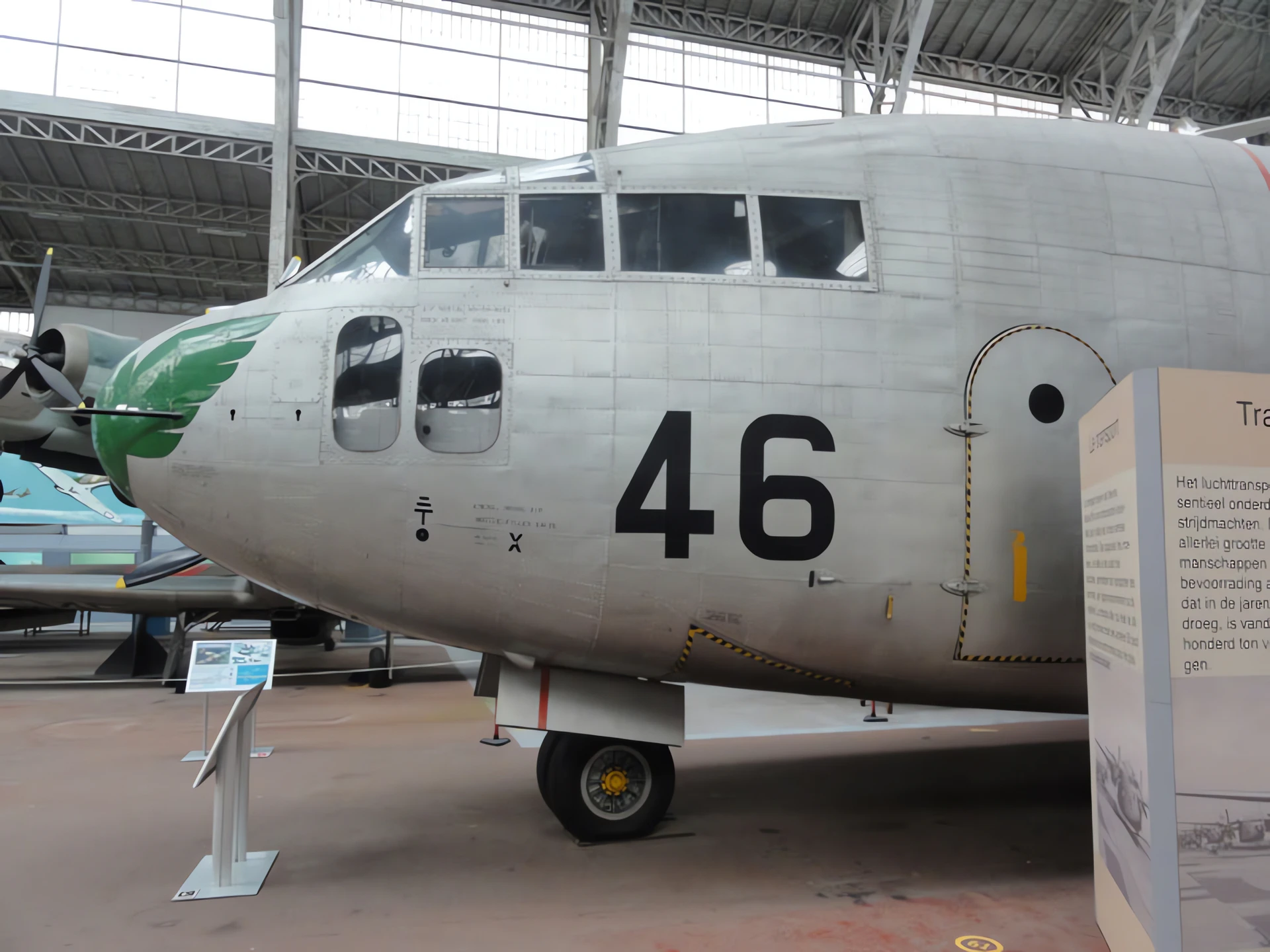
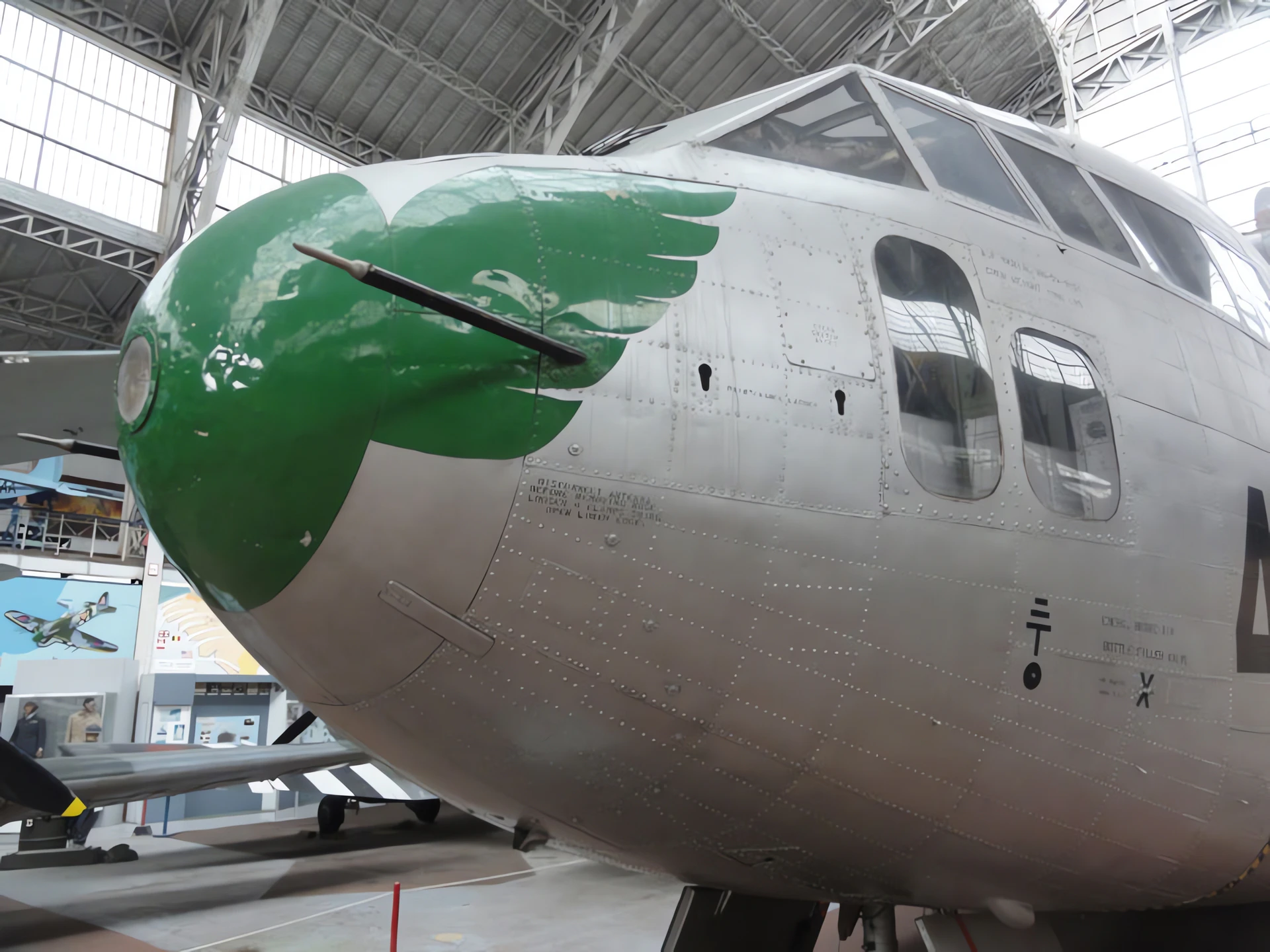
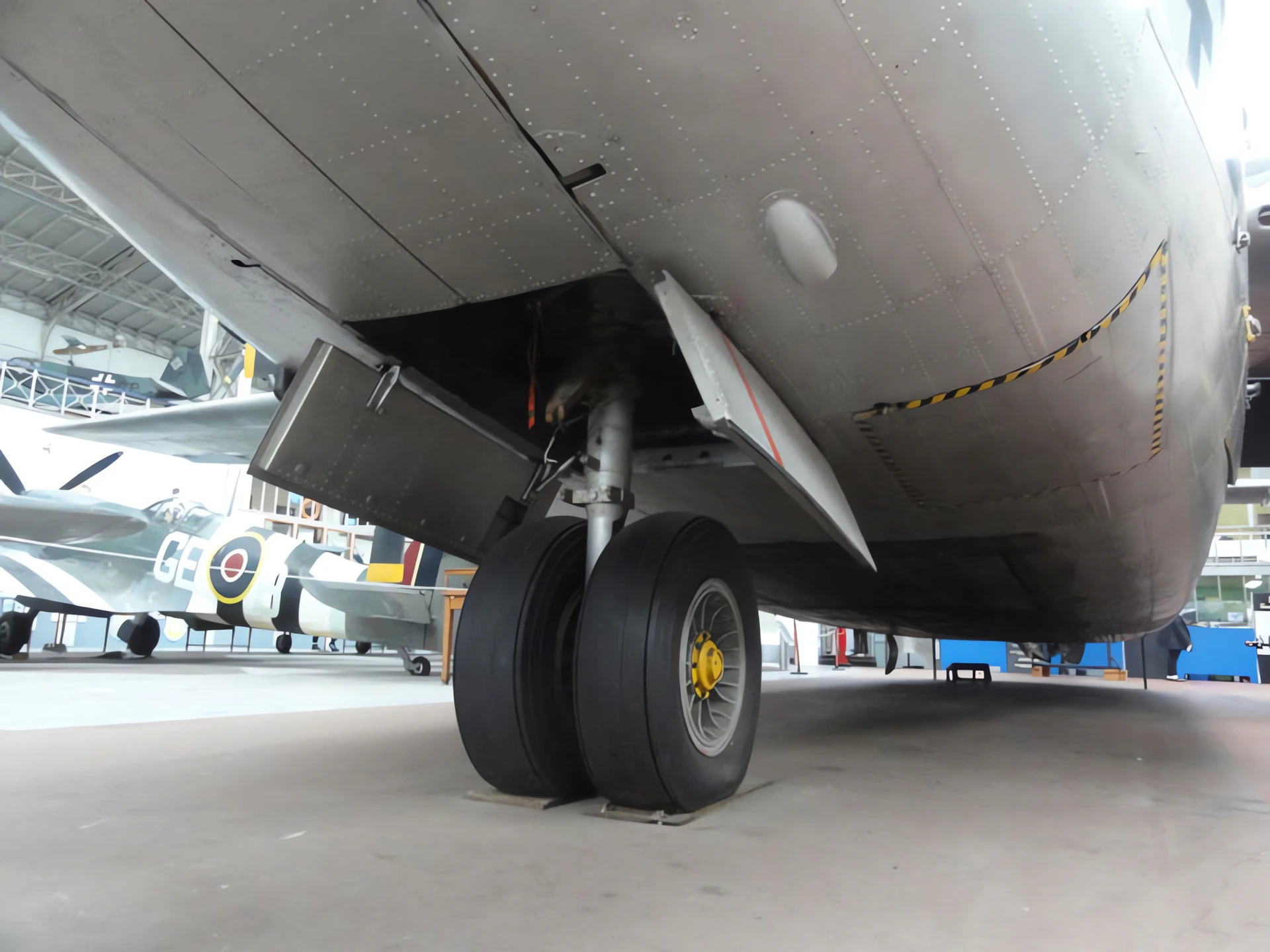
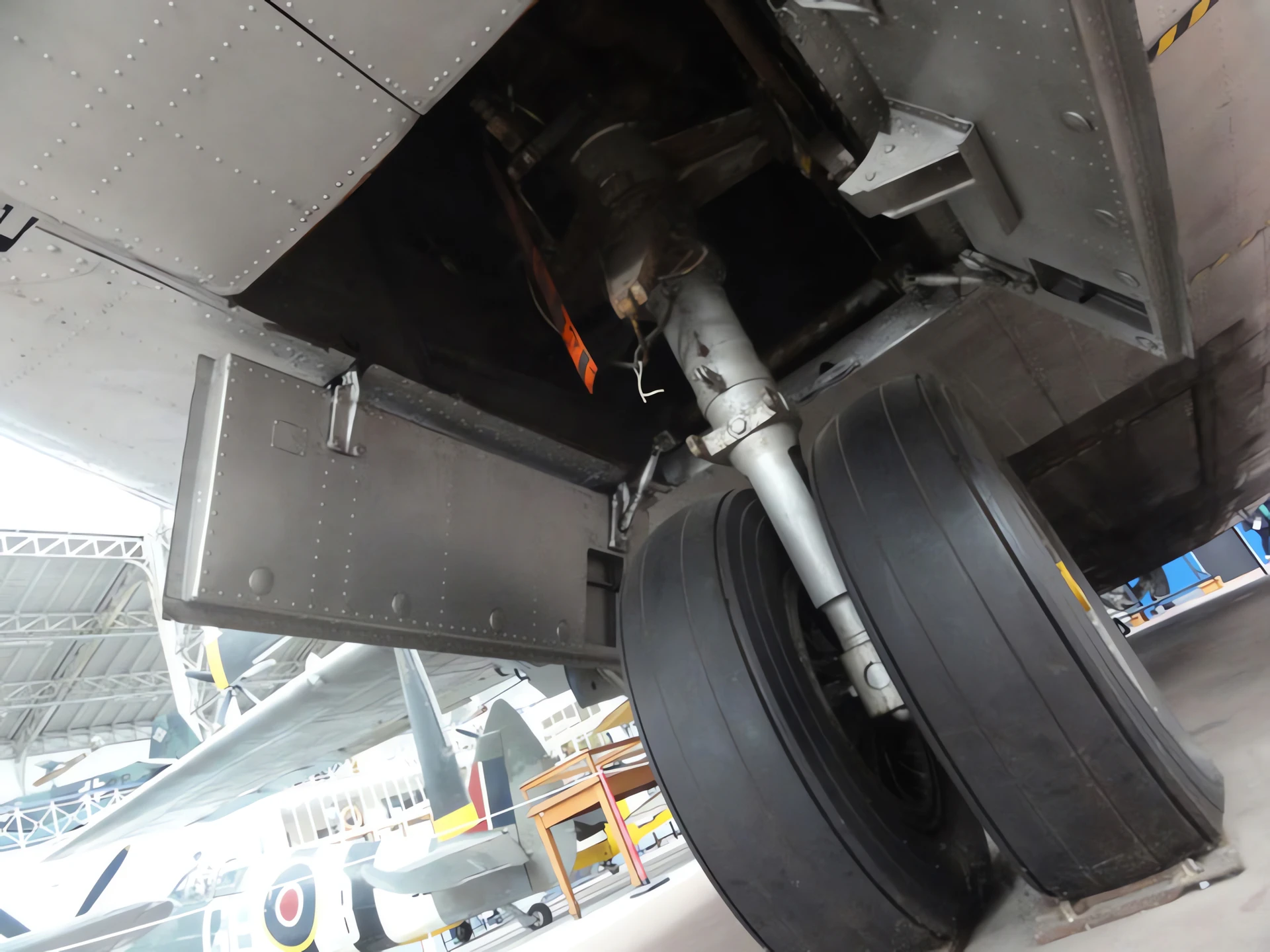
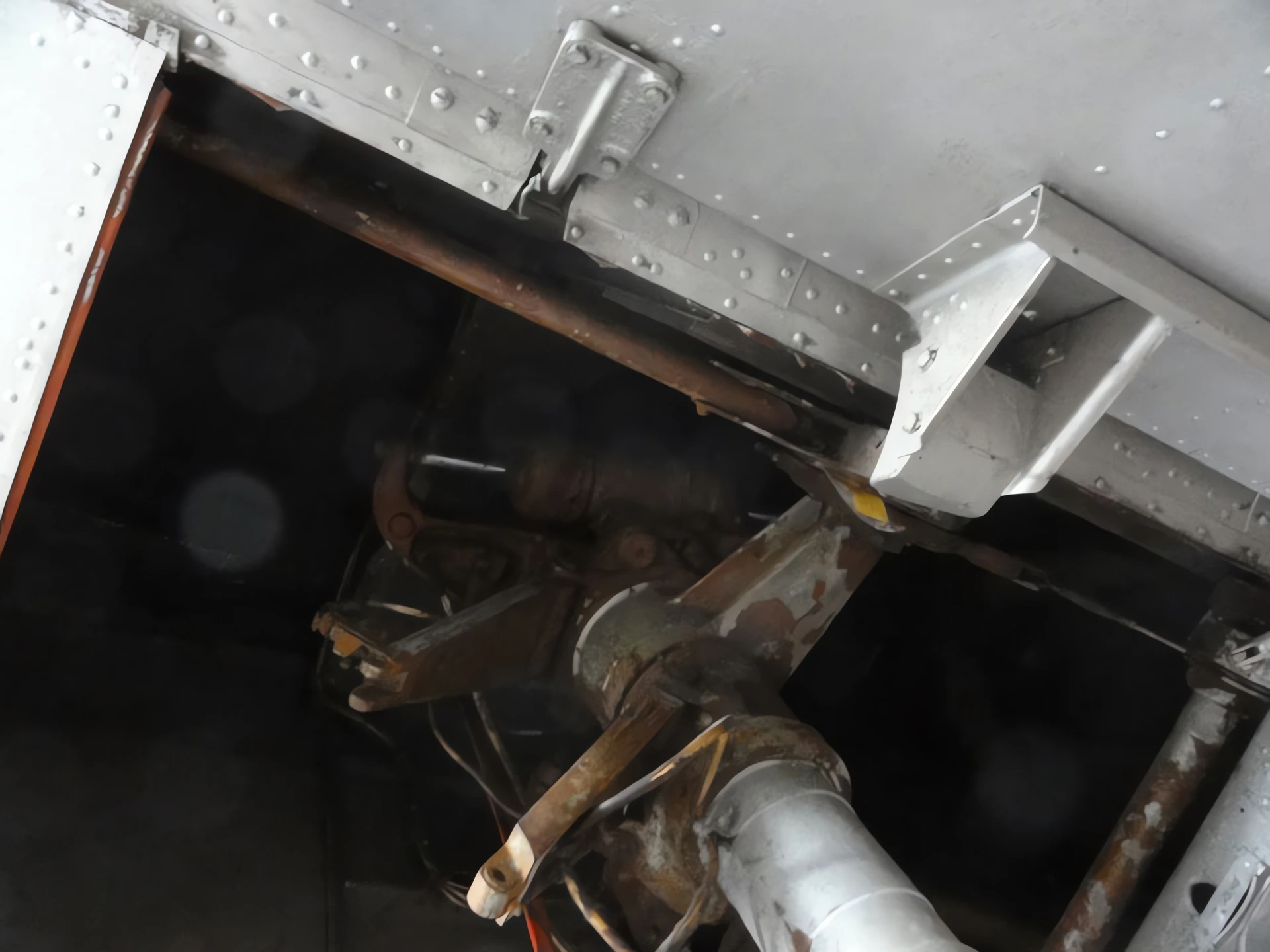
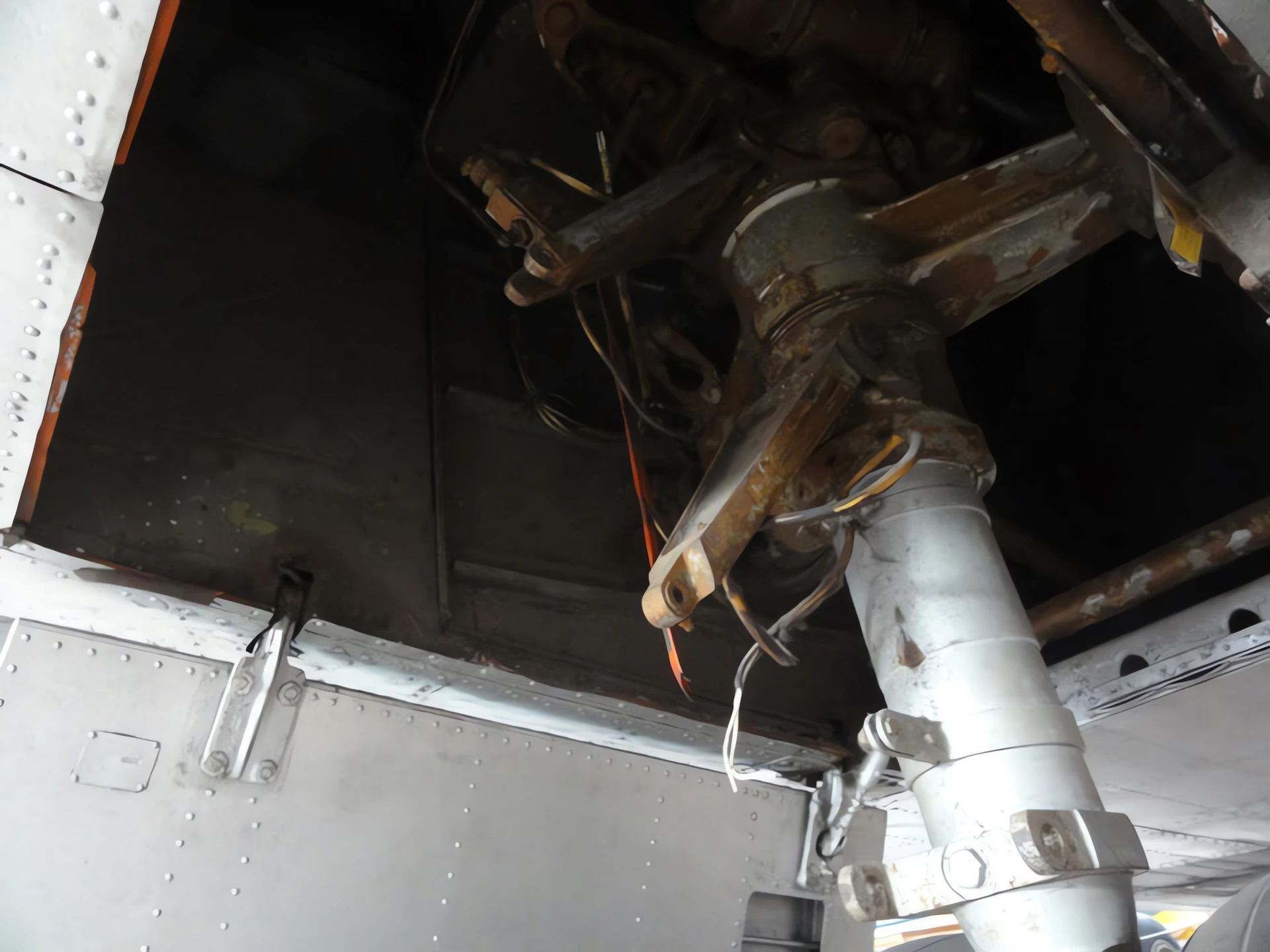
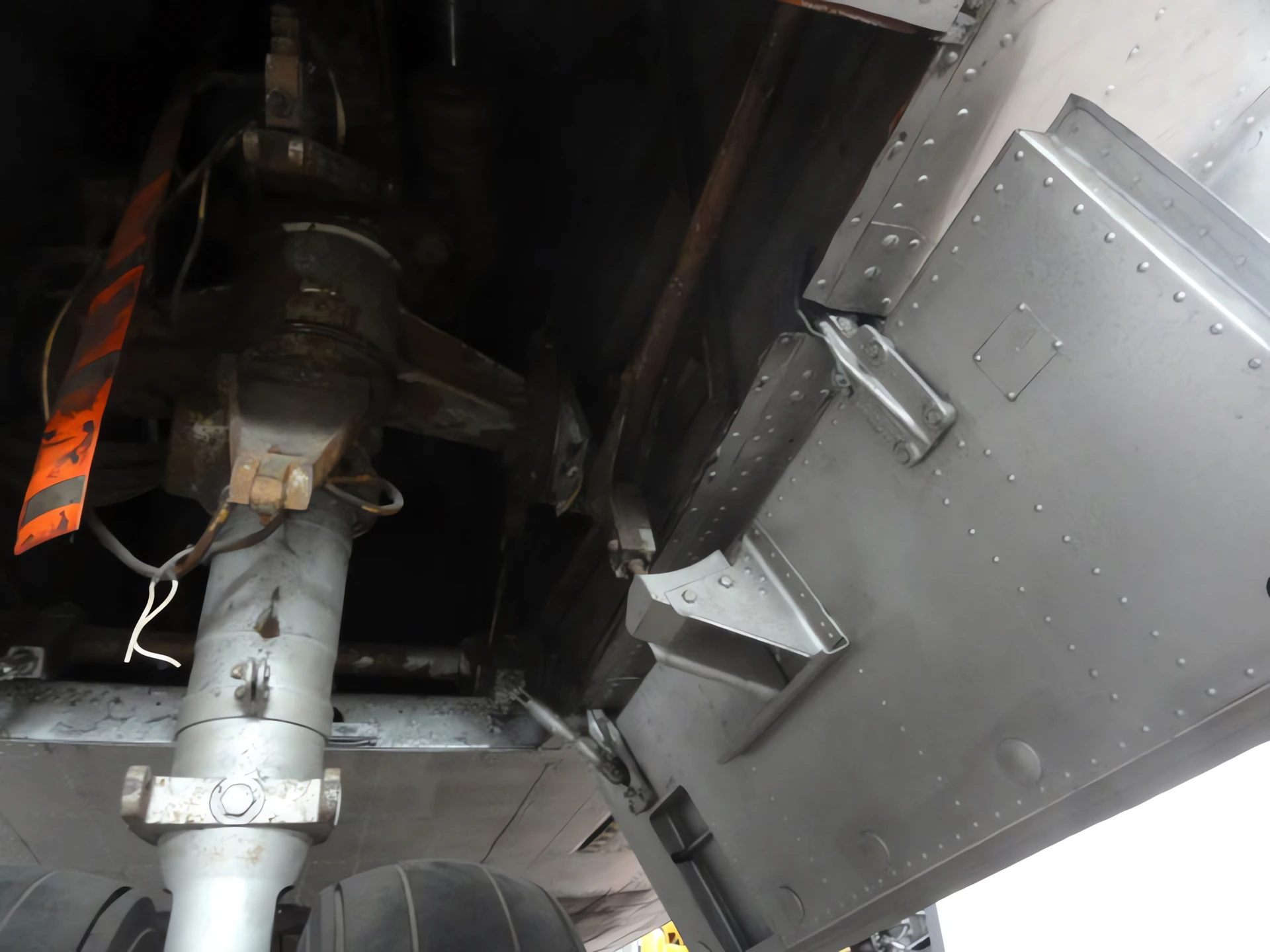
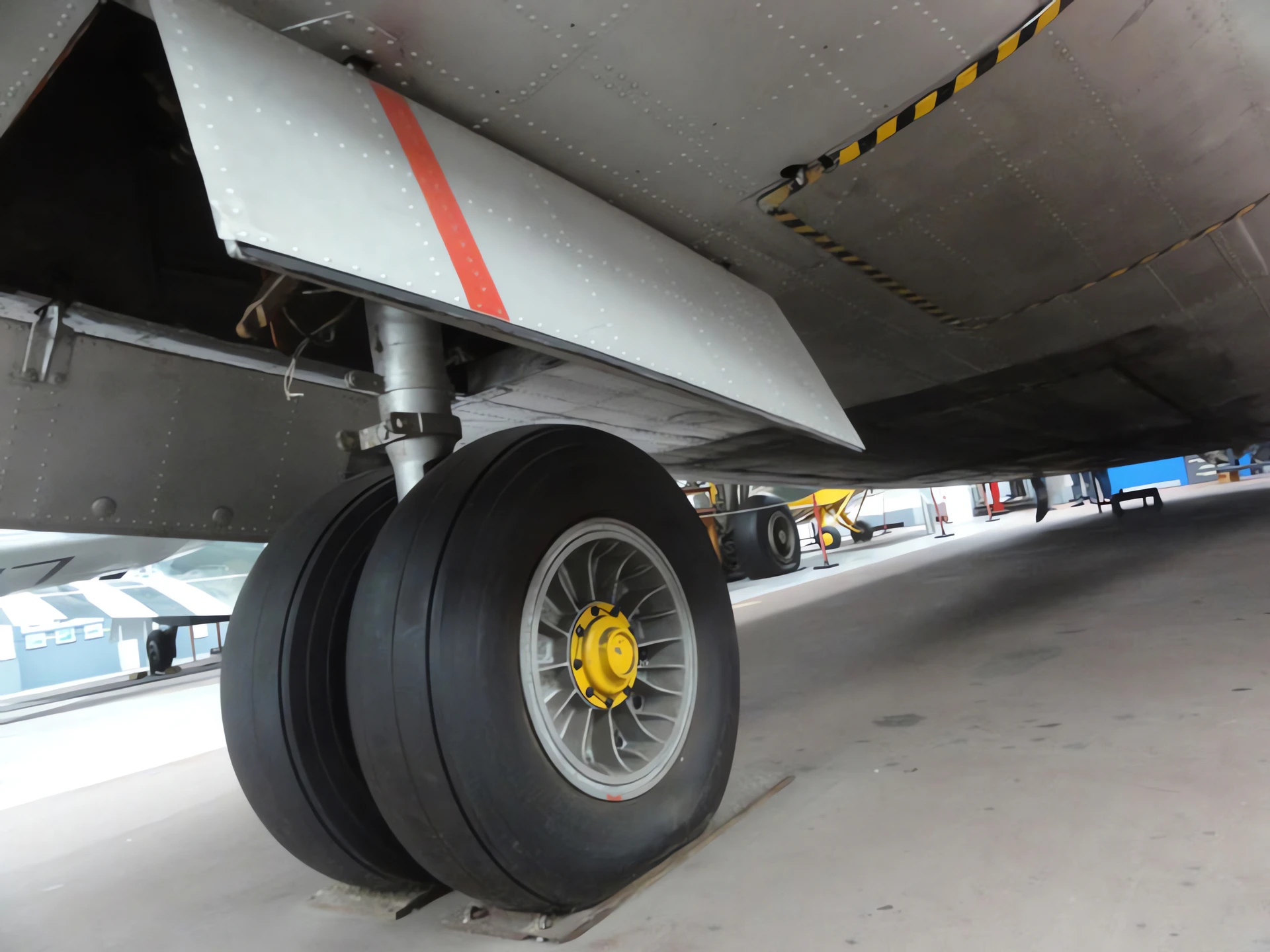
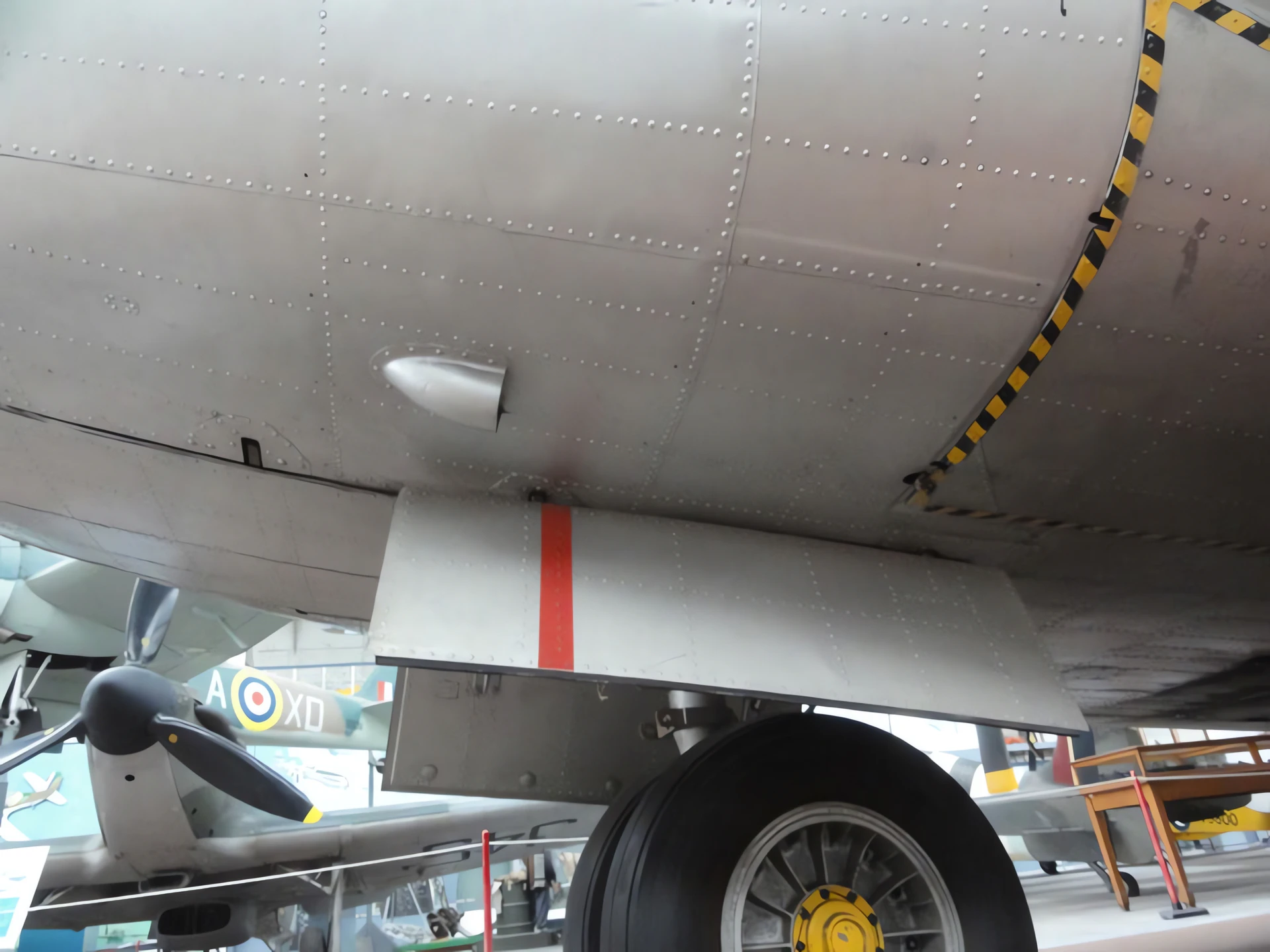
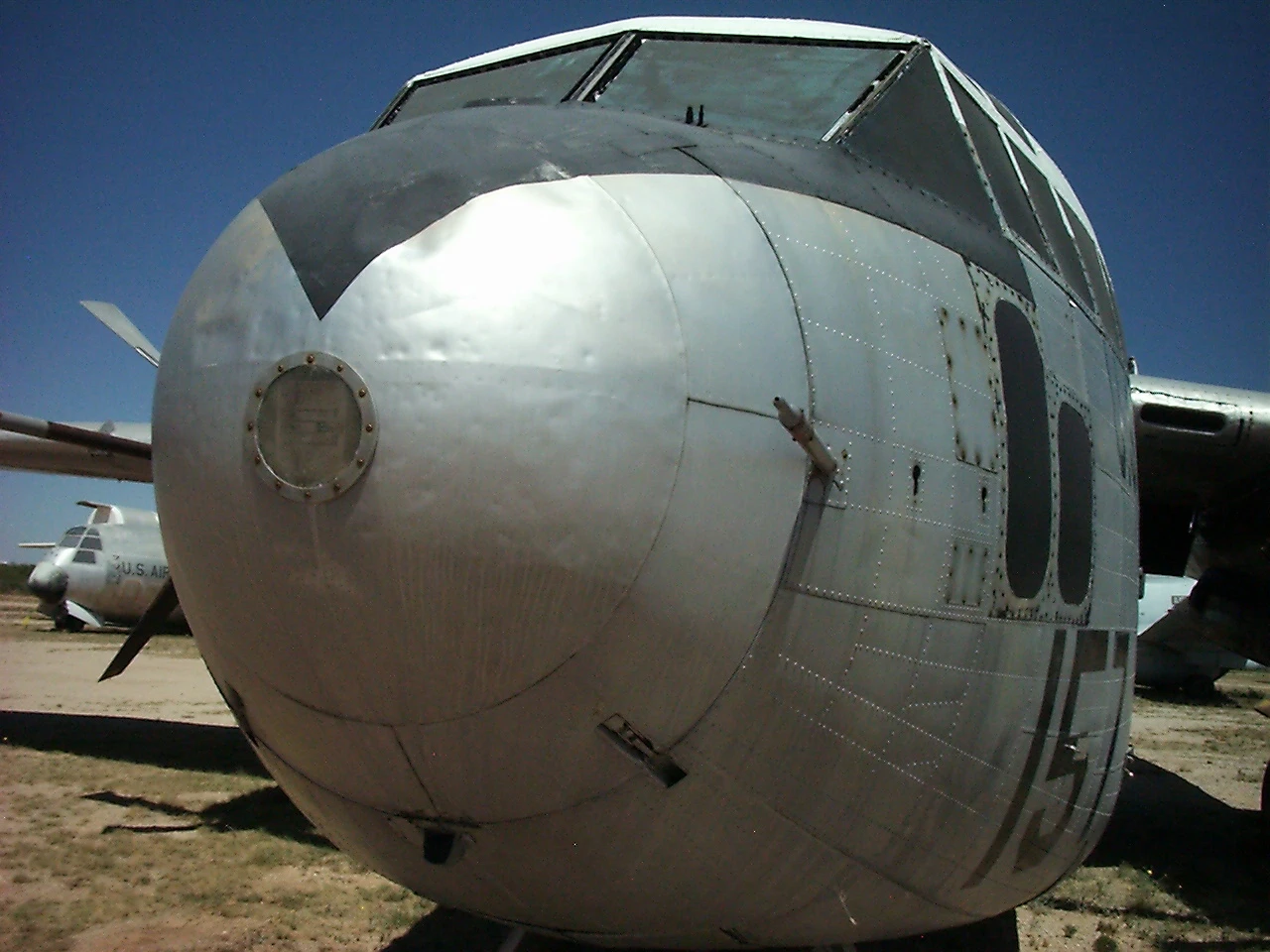
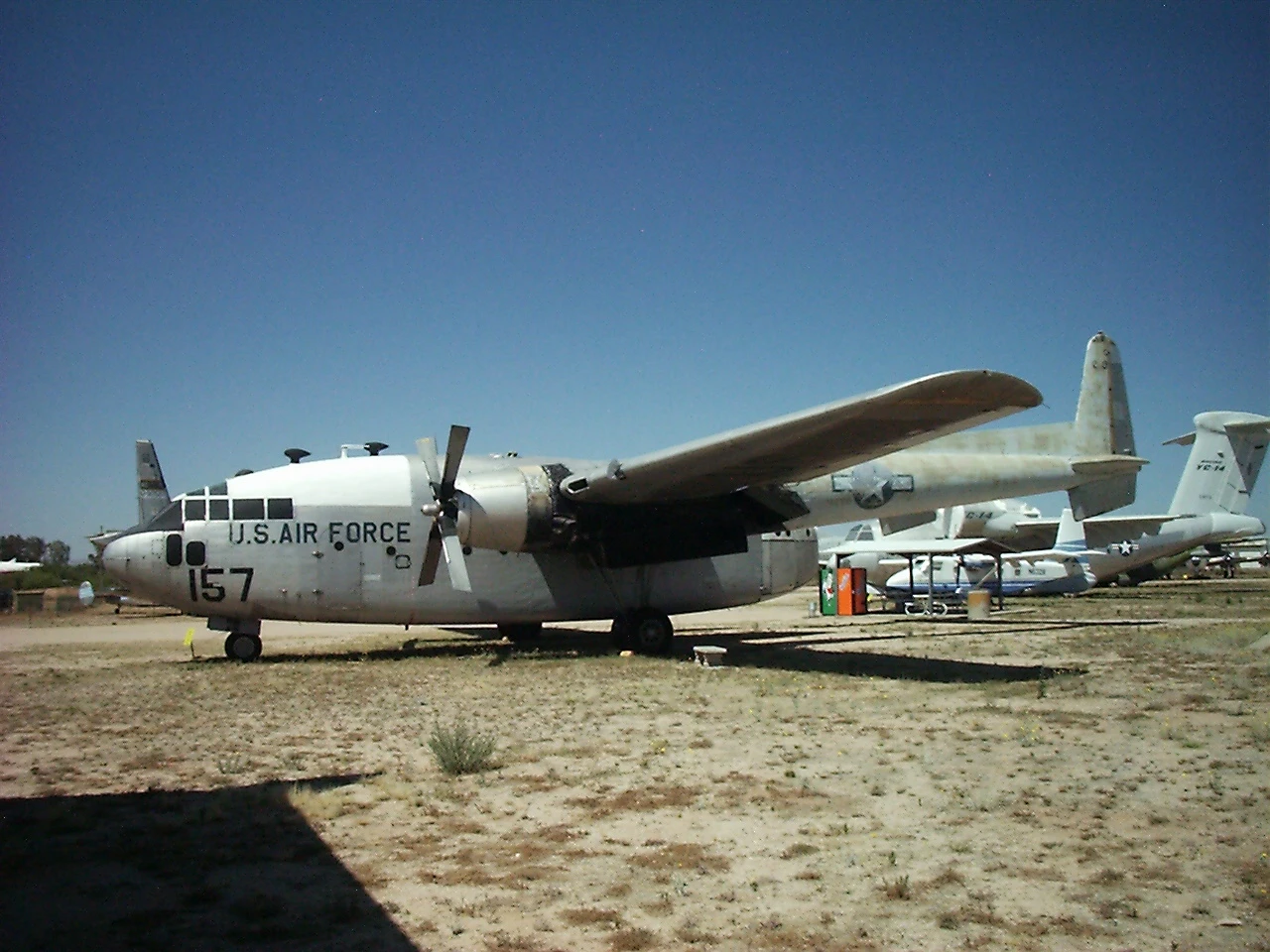
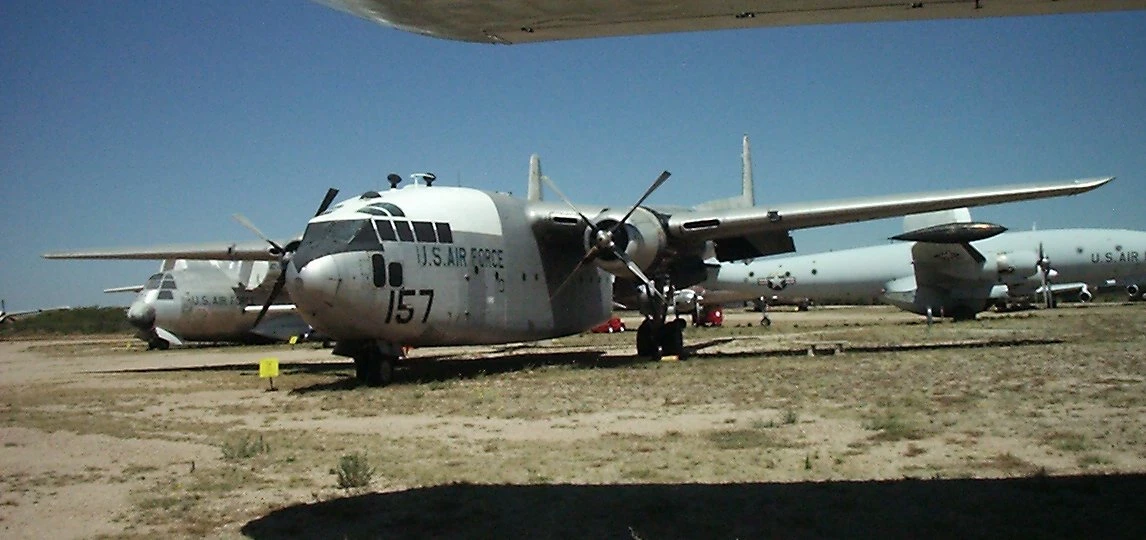
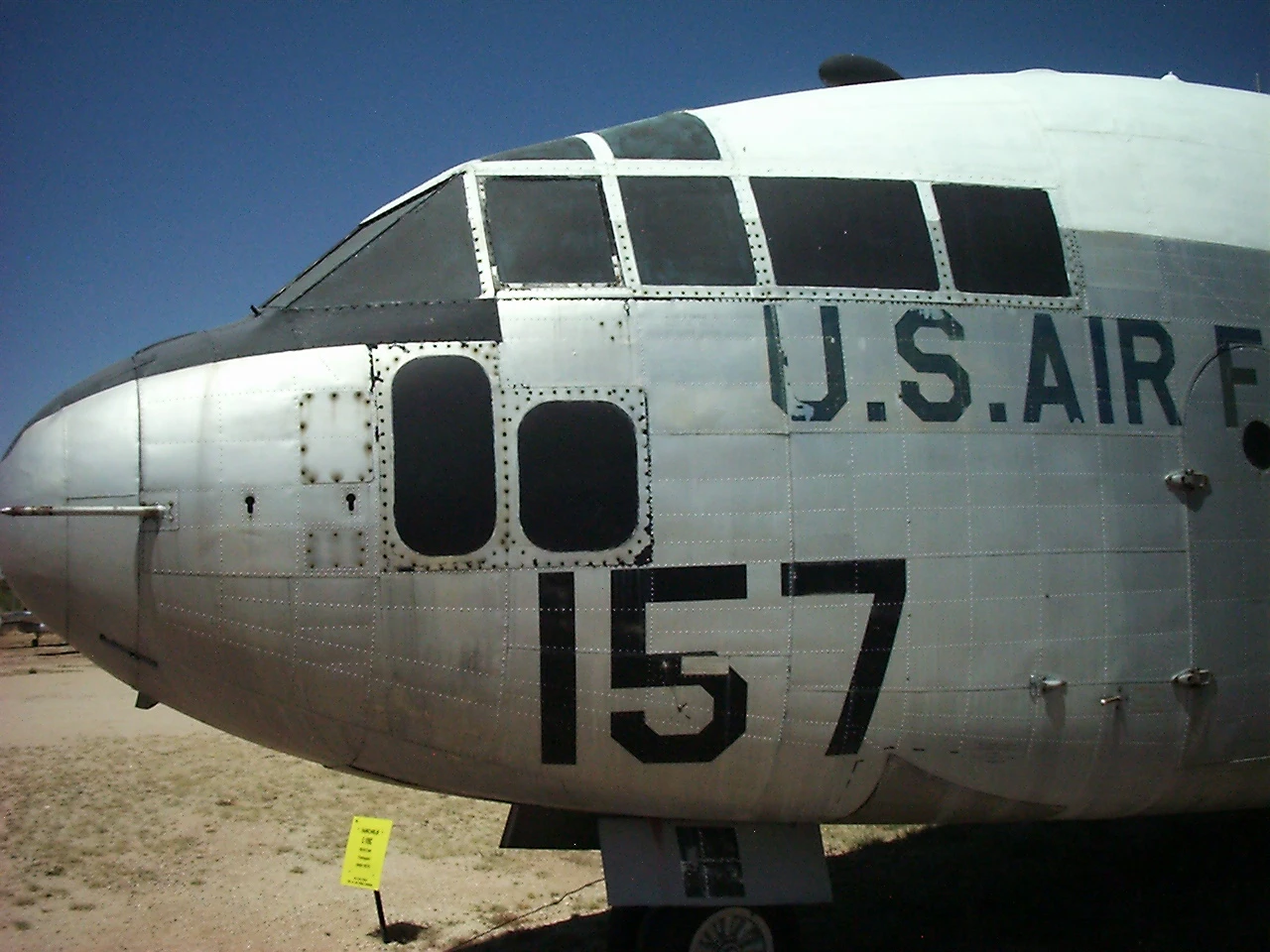
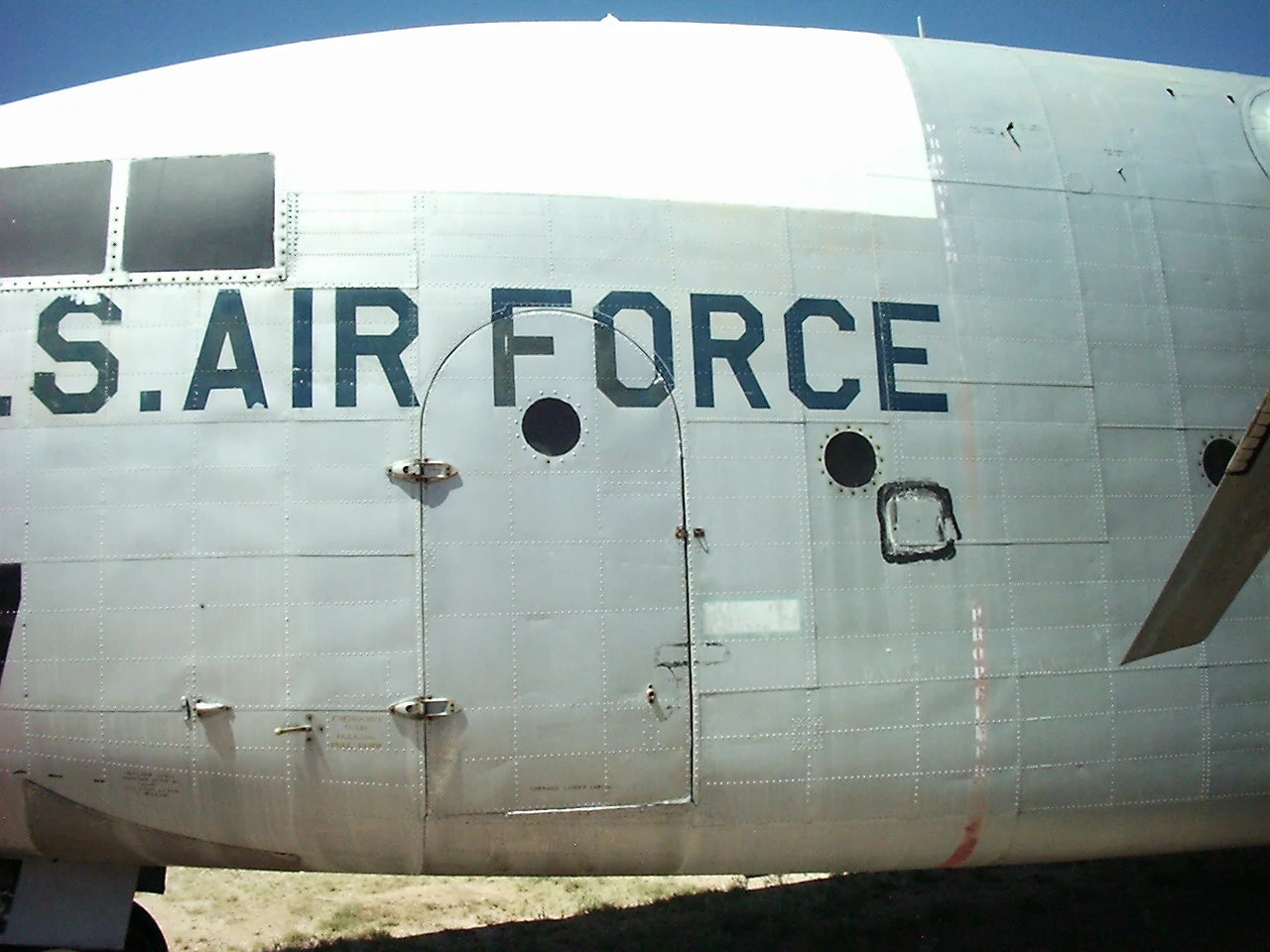
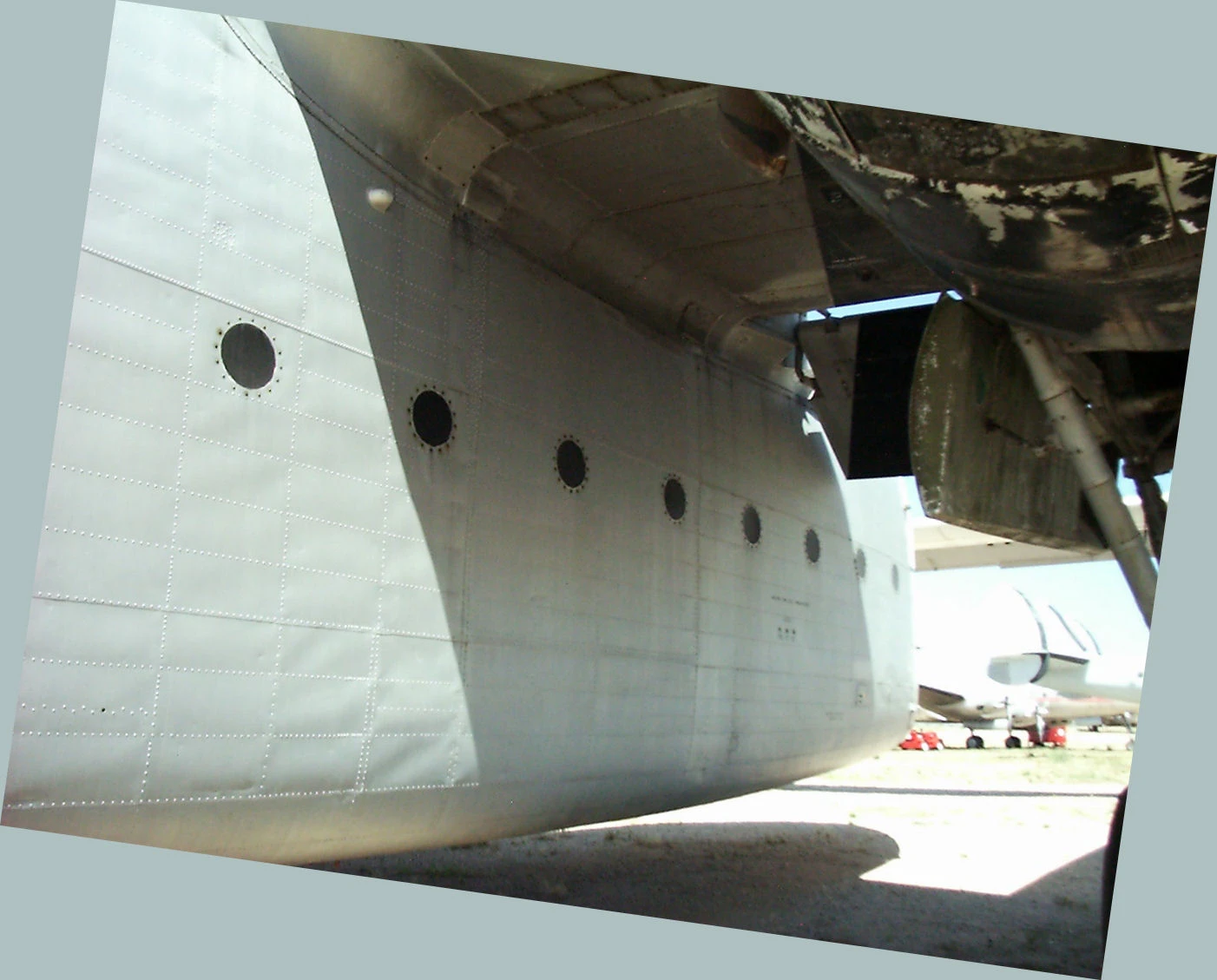
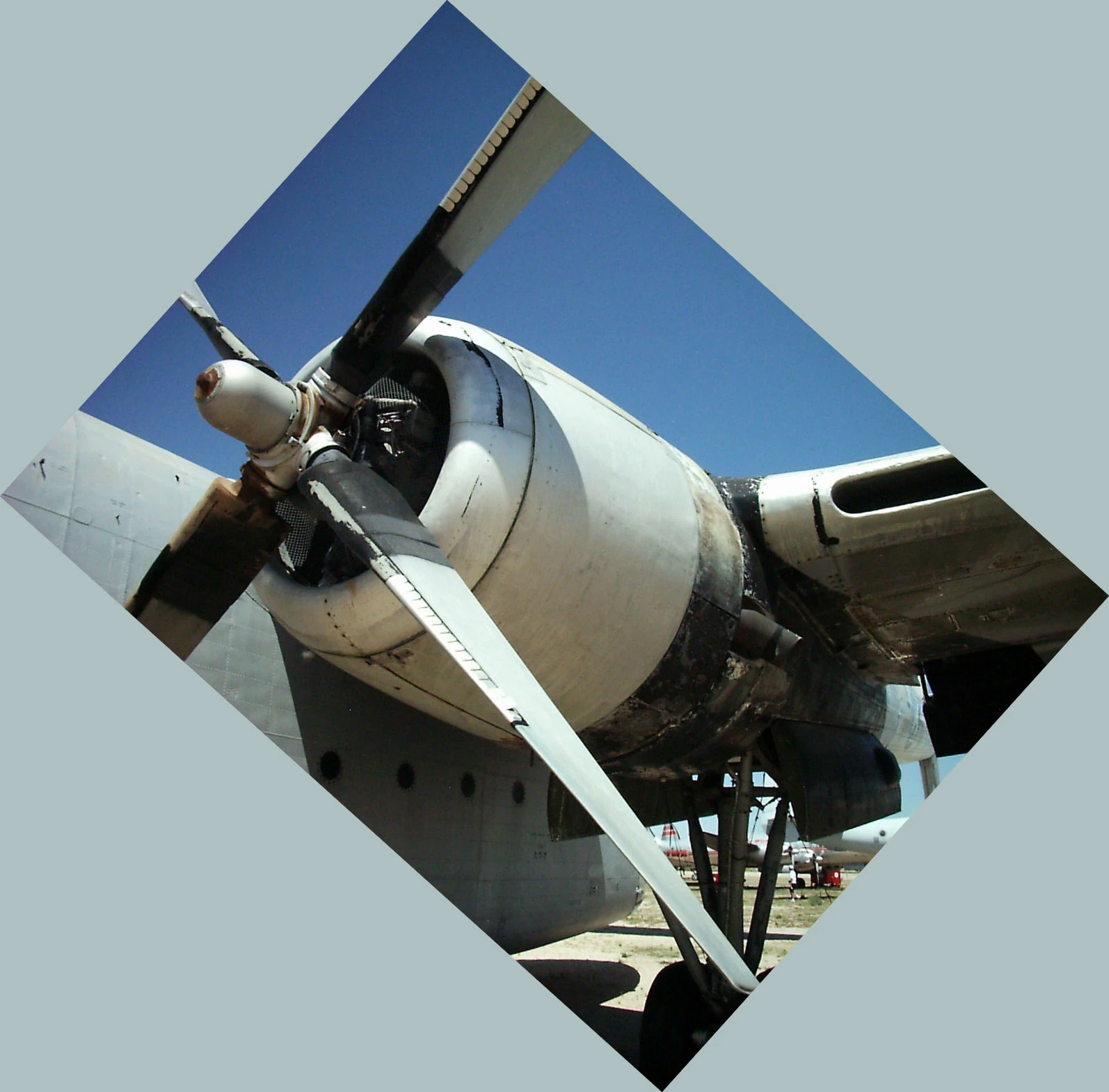
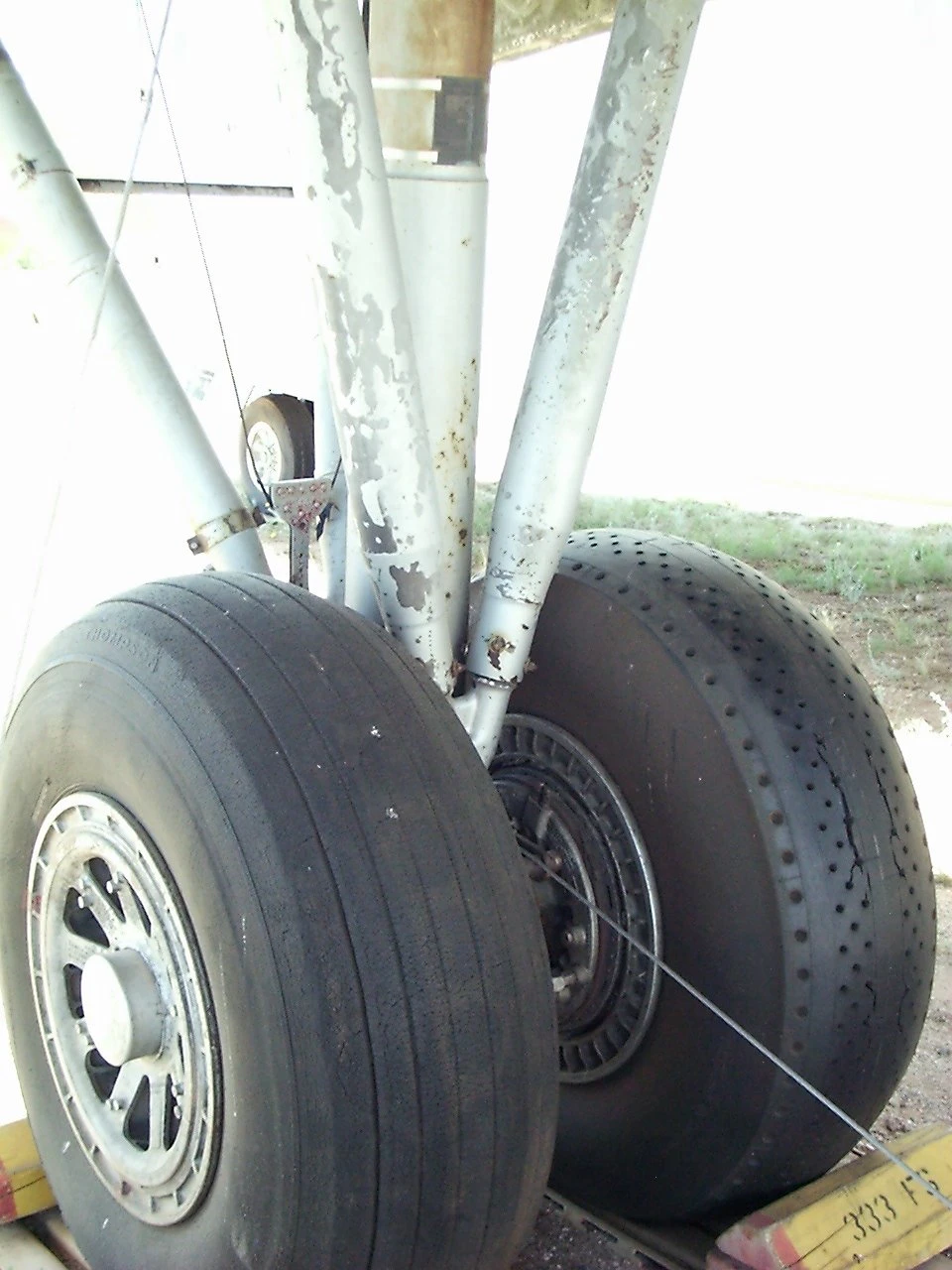
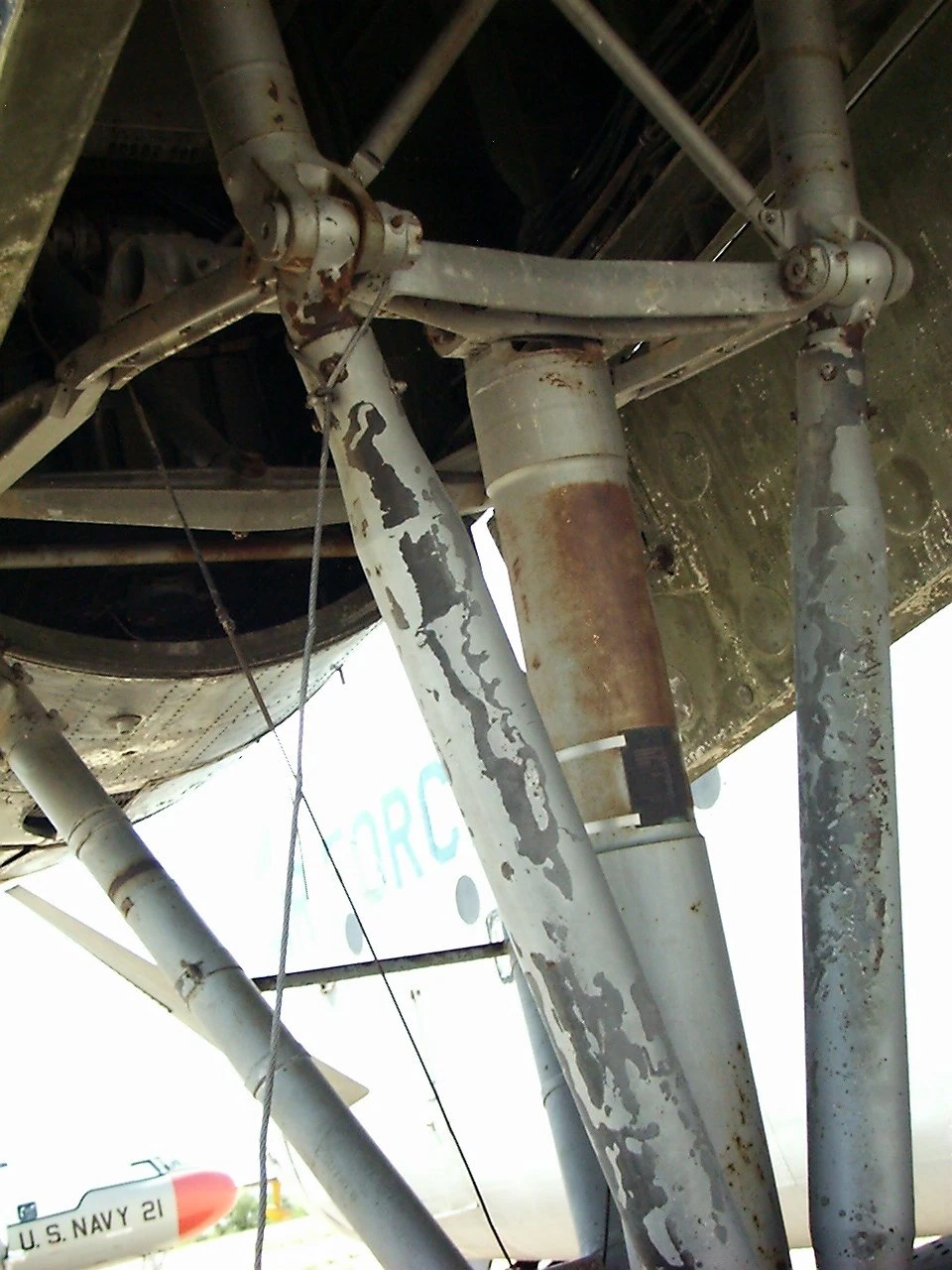
Tthe 페어차일드 C-119 플라잉 박스카 (해군과 해병대 지정 R4Q)는 차 세계 대전 시대 페어차일드 C-82 패킷에서 개발 된 미국 군용 수송기로, 화물, 인력, 쓰레기 환자 및 기계화 장비를 운반하고 낙하산으로화물과 군대를 떨어 뜨리도록 설계되었습니다. 최초의 C-119는 1947년 11월에 첫 비행을 했고, 1955년에 생산이 중단될 무렵에는 1,100개 이상의 C-119가 건설되었습니다. 화물 운반 능력과 특이한 트윈 붐 디자인은 "플라잉 박스카"라는 별명을 얻었습니다.
Tthe 페어차일드 C-119 플라잉 박스카was the definitive tactical transport of the early Cold War. Developed from the WWII-era C-82 Packet, it was designed specifically to solve the “tail-dragging” problem of previous transports like the C-47. By using a twin-boom tail and a high-mounted wing, Fairchild created a massive, unobstructed cargo hold that sat level with the ground, allowing trucks to drive directly into the belly of the plane. It earned its nickname “Flying Boxcar” because its fuselage dimensions were nearly identical to a standard railroad boxcar.
Attribute
Technical Specification (C-119C)
역할
Military Transport / Cargo Aircraft
승무원
5 (Pilot, Co-pilot, Navigator, Radio Operator, Crew Chief)
용량
67 troops or 10,000 lbs (4,500 kg) of cargo
First Flight
November 17, 1947
동력 장치
2 × Pratt & Whitney R-4360 Wasp Major 28-cylinder radials
Horsepower
3,500 hp (2,610 kW) each
최대 속도
281 mph (452 km/h)
레인지
1,770 miles (2,850 km)
Industrial Design: Loading and Versatility
Clamshell Rear Doors:The rear of the fuselage consisted of two massive doors that swung outward. This allowed for the paradropping of bulky items, like jeeps and light tanks, which had never been possible before.
High-Wing Twin-Boom:The tail was supported by two separate booms extending from the engine nacelles. This design kept the tail surfaces high and away from the dust and debris of frontline dirt strips, while providing a clear path for vehicles loading from the rear.
The “Corncob” Engines:The C-119 utilized the massive R-4360 “Wasp Major” engines. These featured 28 cylinders arranged in four rows, earning the nickname “corncob” for their appearance. While powerful, they were notoriously complex to maintain.
Jet Augmentation:In later years, many C-119s were modified (as the C-119K) with two auxiliary J85 turbojet engines under the wings to help with takeoffs in “high and hot” conditions.
Cold War Service & The Gunship Legacy
Korean War Hero:The C-119 was vital during the Korean War, notably dropping portable bridge sections to help trapped U.S. Marines escape from the Chosin Reservoir.
AC-119 “Shadow” and “Stinger”:During the Vietnam War, many Boxcars were converted into side-firing gunships. Armed with Gatling guns and infrared sensors, they prowled the Ho Chi Minh trail at night.
Satellite Recovery:Specialized C-119s were used by the Air Force to perform mid-air recoveries of film canisters dropped from early spy satellites (the Corona project), snagging the parachutes with a “trapeze” rig in mid-flight.
Firefighting “Boxcars”:After military retirement, many C-119s spent decades as “air tankers,” dropping fire retardant on forest fires across North America due to their ability to carry heavy loads at low altitudes.