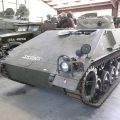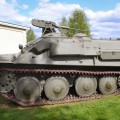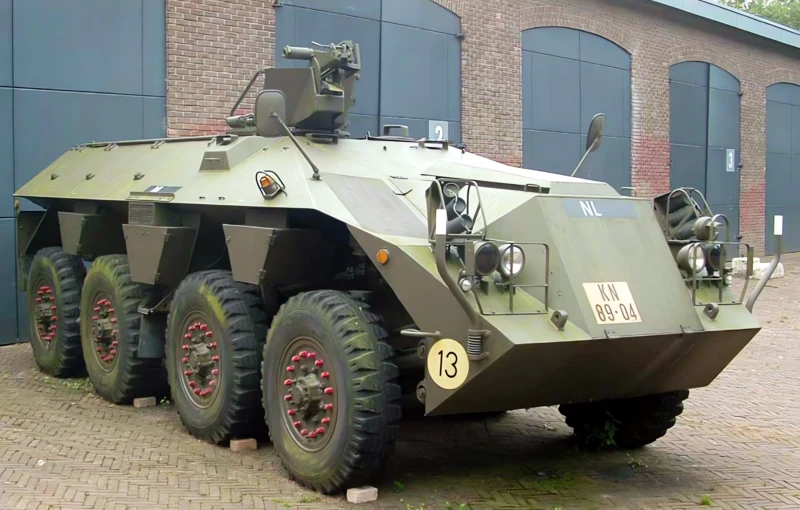
DAF YP-408 | |
|---|---|
| 국가 | 네덜란드 |
| 역할 | 바퀴달린 장갑 인력 캐리어 |
| 내장 | 750 |
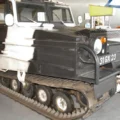
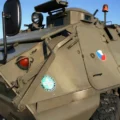
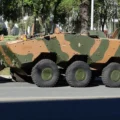
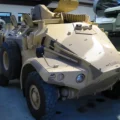
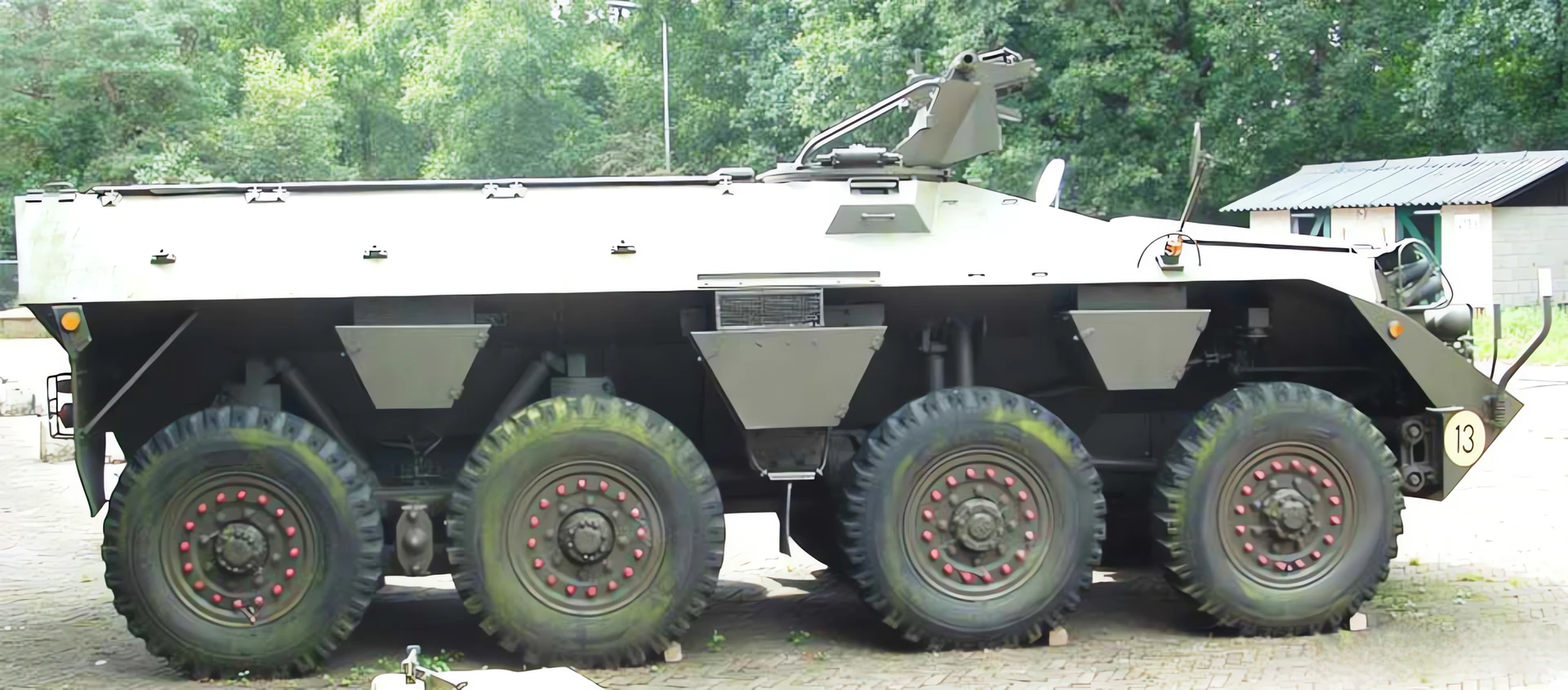
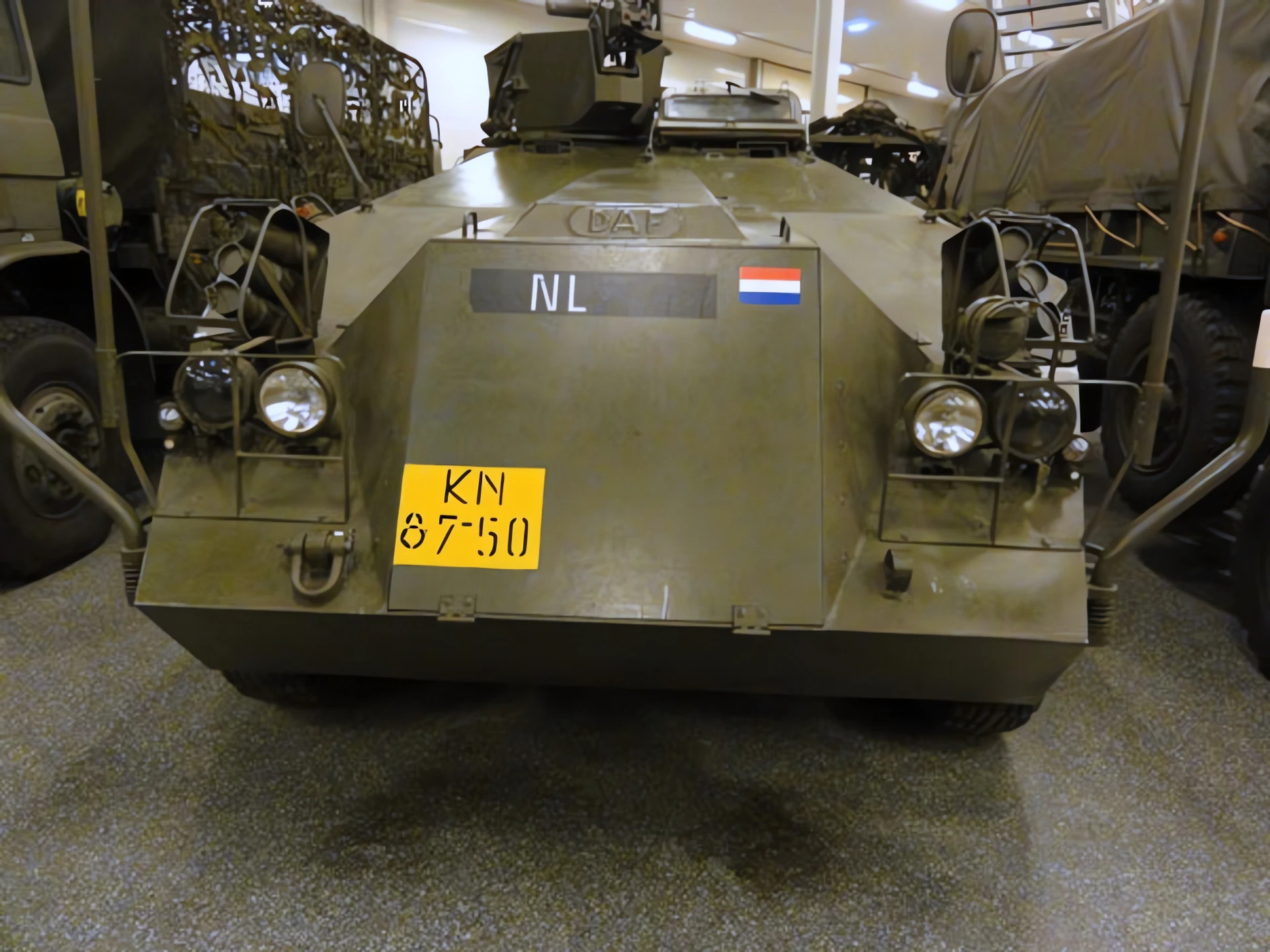
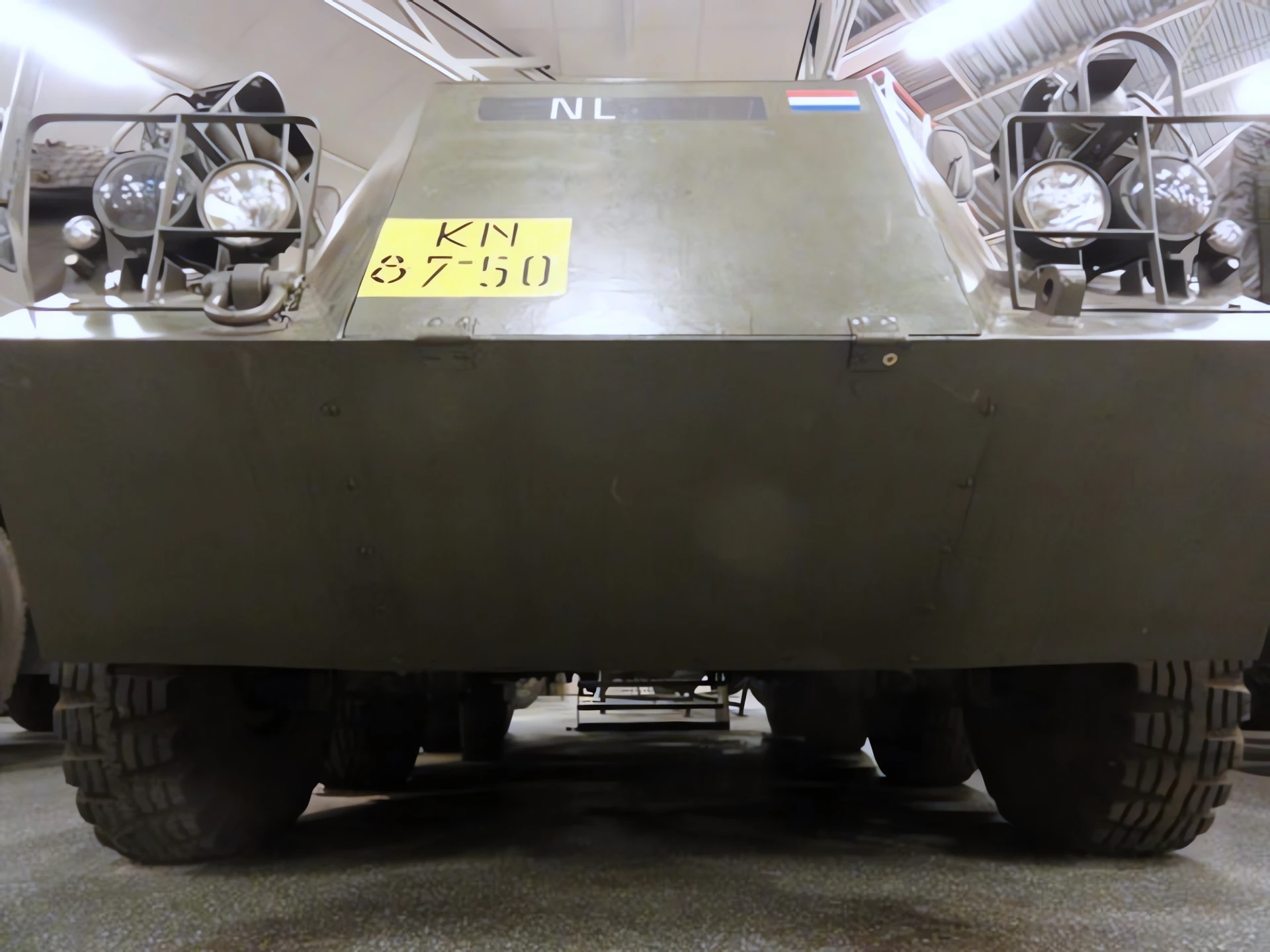
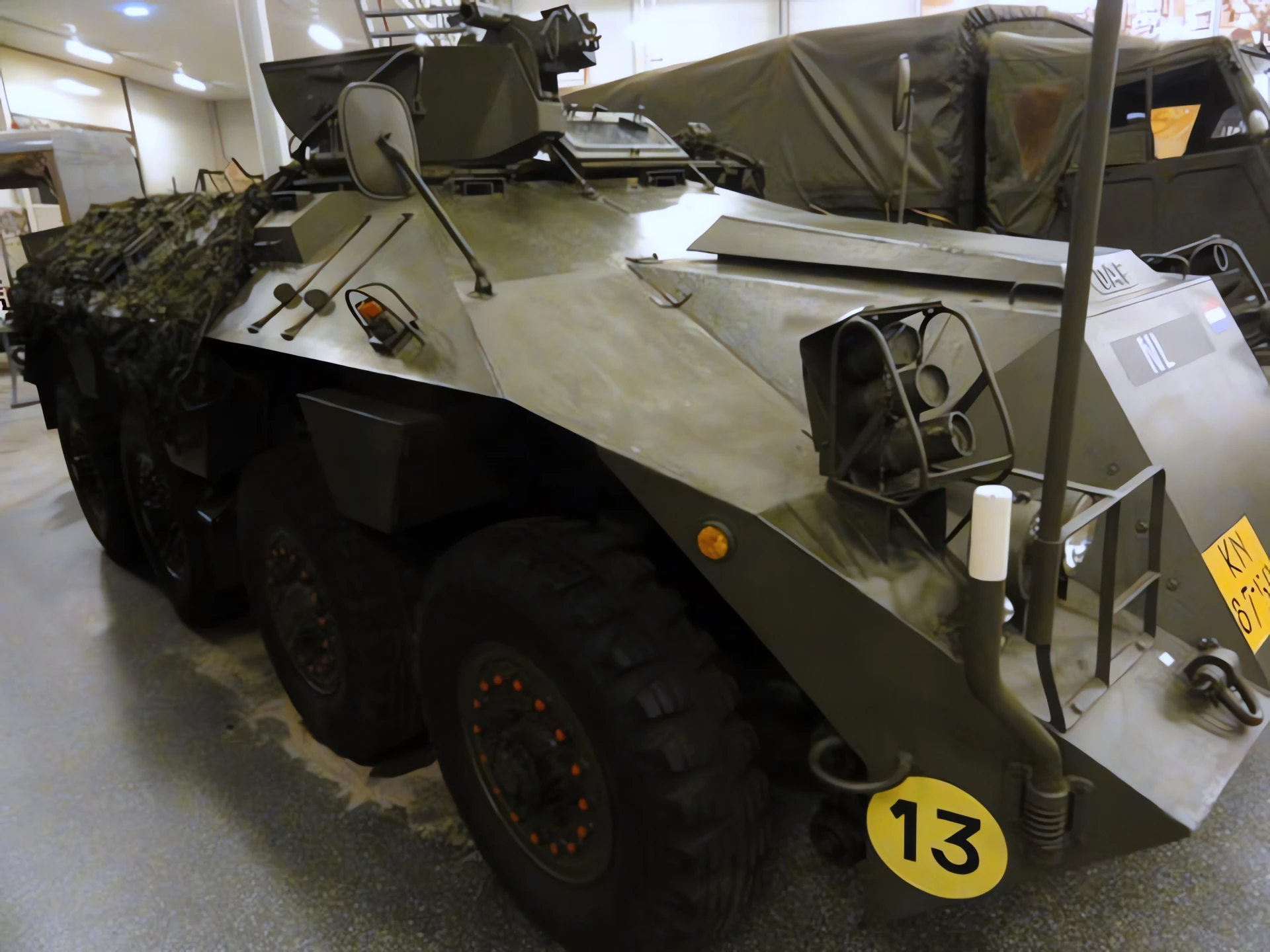
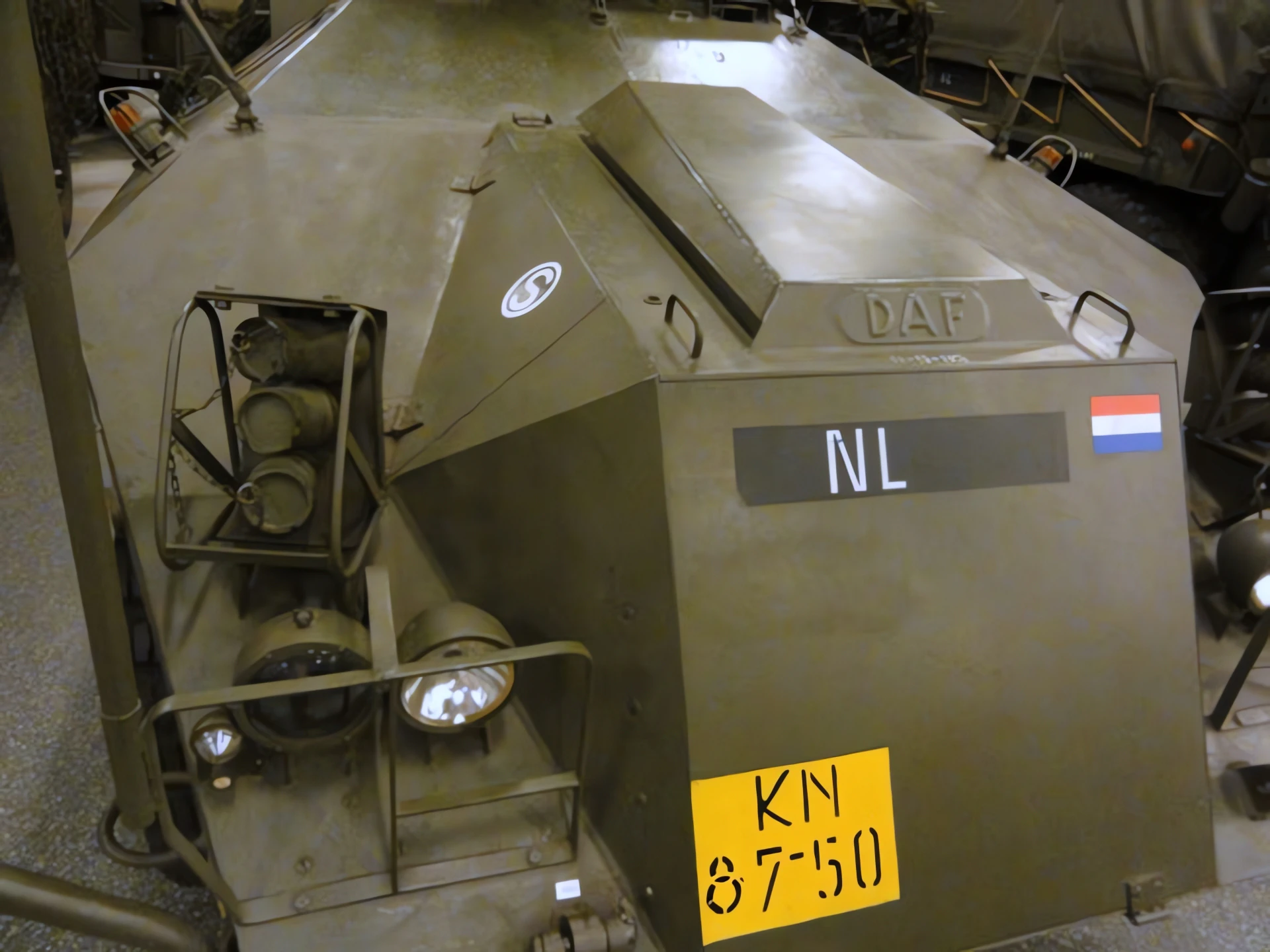
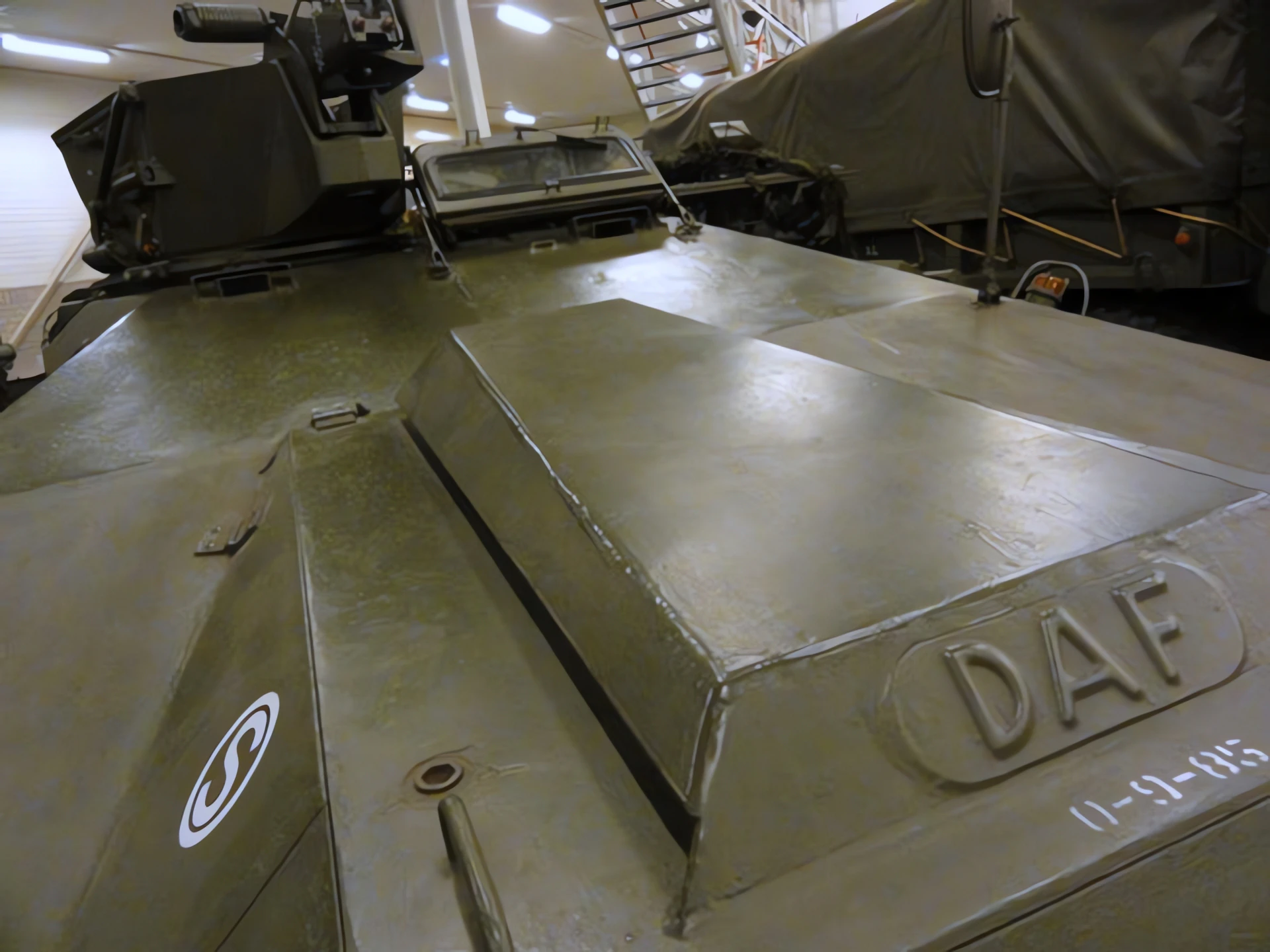
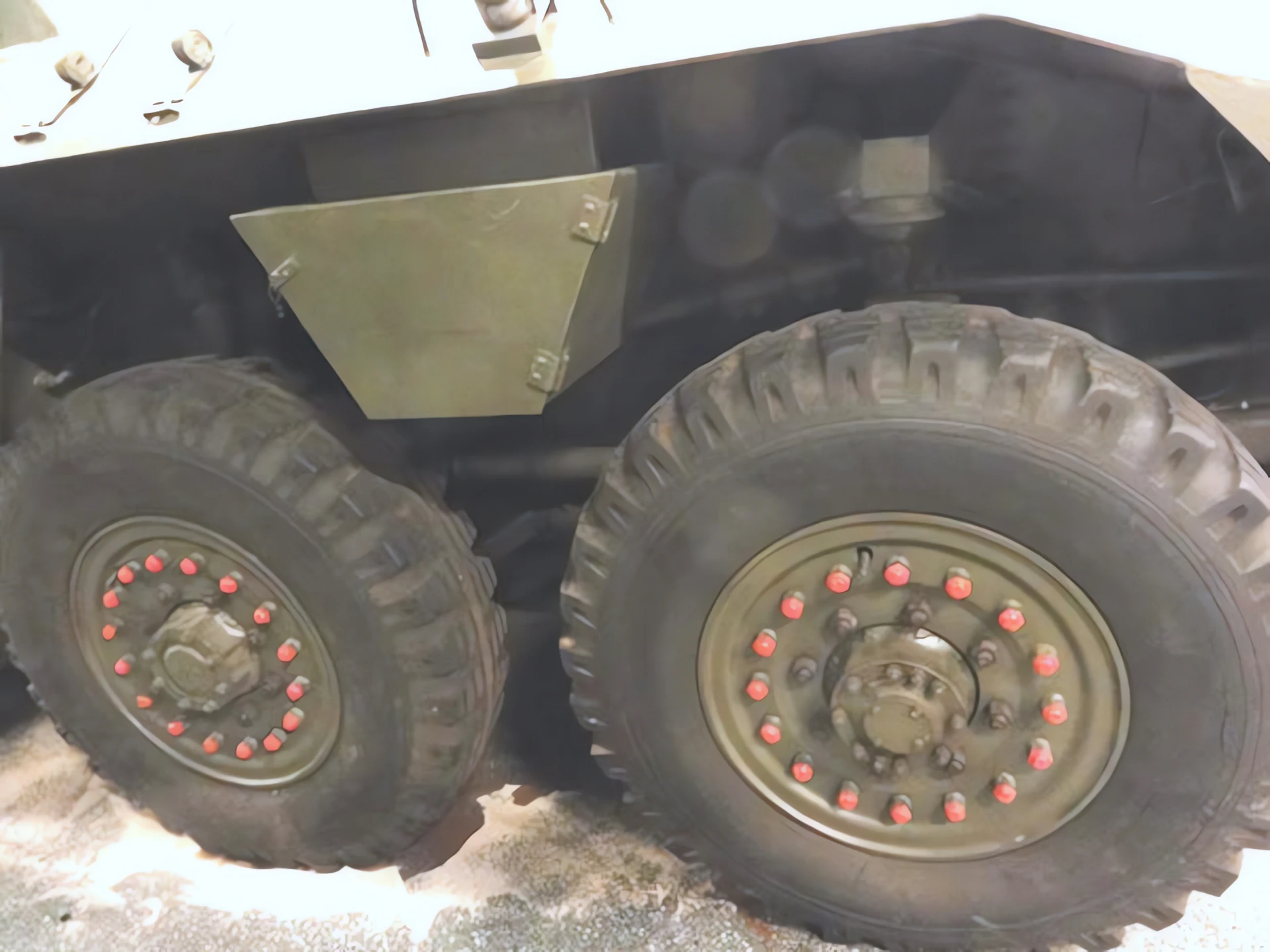
Tthe DAF YP-408 is a Dutch 6×8 armoured personnel carrier, with three out of four axles driven by the typical DAF H-drive. It has a 6-litre, 6-cylinder diesel engine with a 5-speed gearbox and a 2-speed transfer case. Prototypes were developed in the late 1950s, with the production of 750 vehicles taking place in the 1960s. The YP-408 entered service in 1964 and remained in use with the Dutch army until 1987. A number of vehicles serving with the Netherlands Army in Suriname were handed to the new Surinamese army when that country became independent in 1975.
| DAF YP 408 Walk Around | |
|---|---|
| 사진 작가 | 마인더트 드 브리즈 |
| 로컬라이제이션 | Unknow |
| 사진 | 49 |

참고 항목:


A Unique Wheel Logic
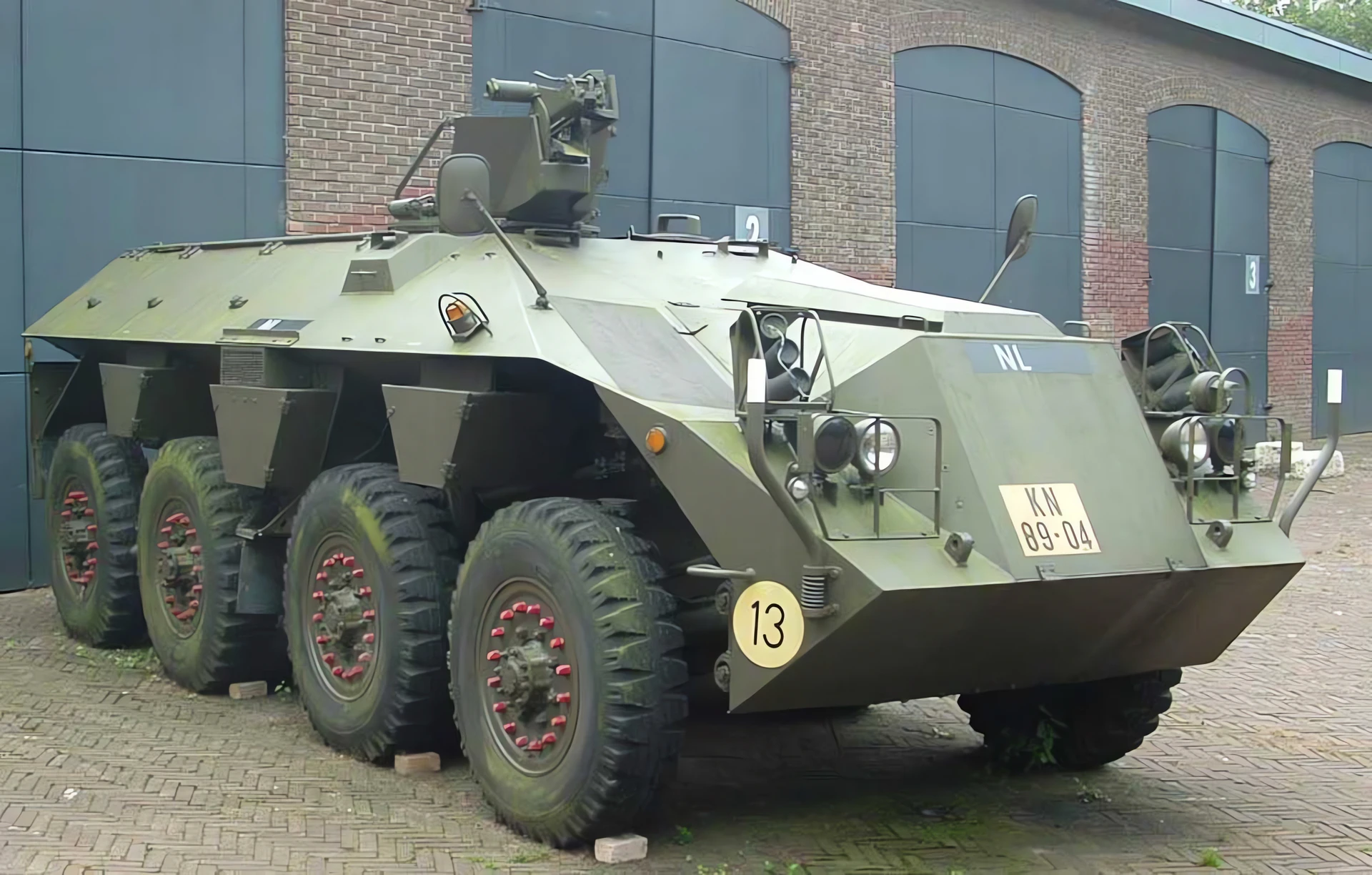
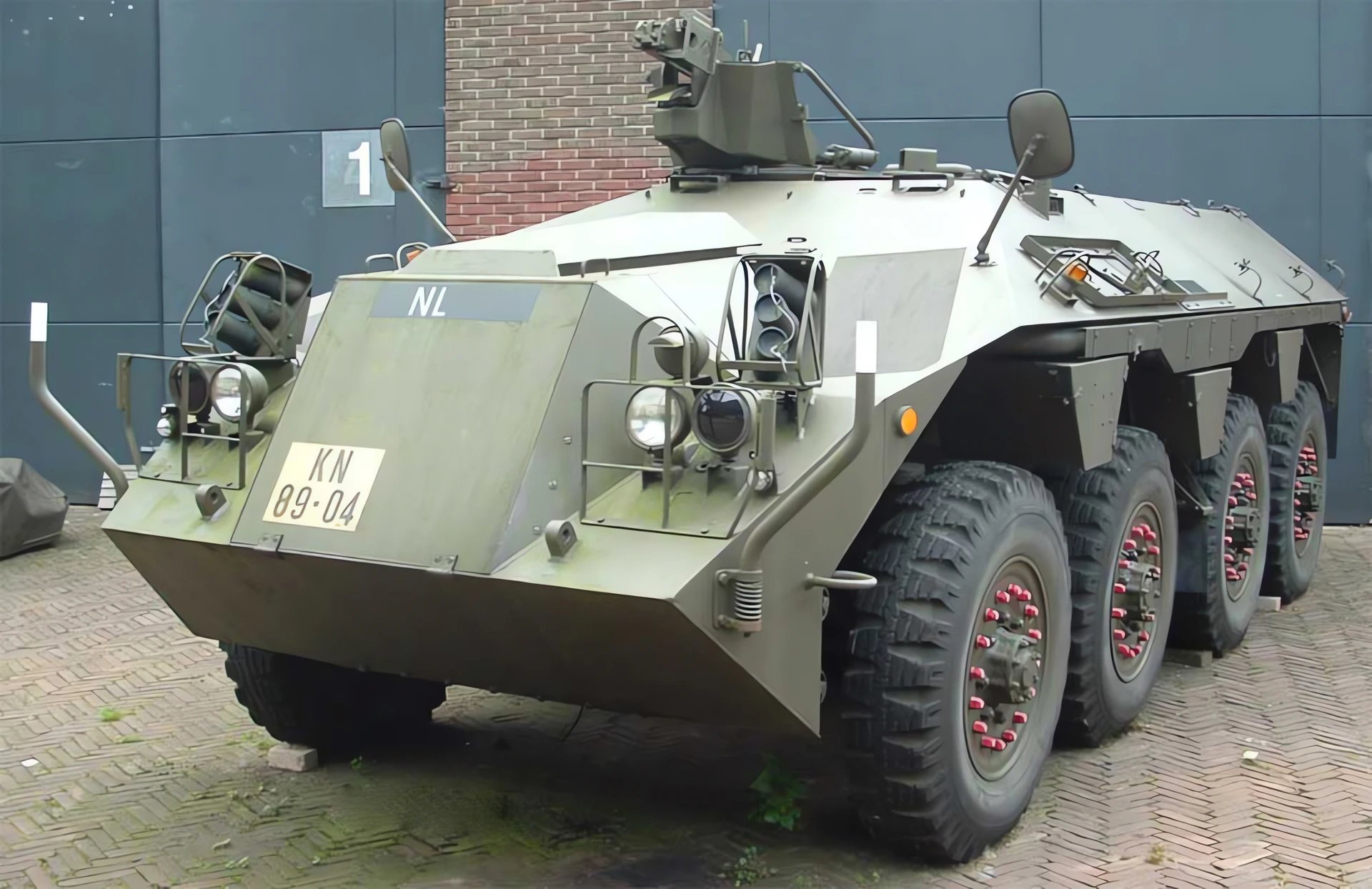
Tthe DAF YP-408 was a distinctive Dutch armored personnel carrier (APC) that served as the workhorse for the Royal Netherlands Army throughout the Cold War. While most 8-wheeled vehicles of the era were 8×8, the YP-408 was an 8×6: it had eight wheels, but only six were powered (the second axle from the front was unpowered and used only for steering). Known for its low silhouette and reliable “H-Drive” transmission system, it provided a domestic solution for rapid troop movement before the Dutch transitioned to tracked infantry fighting vehicles.
| Attribute | Technical Specification (YP-408 PWI-S) |
|---|---|
| 역할 | 바퀴달린 장갑 인력 캐리어 |
| 승무원 | 2 (Driver, Gunner) + 10 Infantry |
| 서비스 중 | 1964 – 1989 |
| 동력 장치 | 1 × DAF DS-575 6-cylinder turbocharged diesel |
| Horsepower | 165 hp (123 kW) |
| 최대 속도 | 82 km/h (51 mph) on road |
| 갑옷 | 8 mm – 16 mm (Steel) |
| 주무장 | 1 × 12.7 mm (.50 cal) Browning M2HB machine gun |
Innovative Dutch Engineering
- The DAF H-Drive: This unique drivetrain used a central differential to split power to two longitudinal drive shafts running down the sides of the hull. This eliminated the need for bulky central axles, allowing for a much lower floor and a reduced overall vehicle height.
- 8×6 Steering Geometry: To ensure maneuverability despite its length, both the first and second front axles were steerable. The second axle was essentially a “floating” steering axle to help distribute the vehicle’s 10-ton weight.
- Run-Flat Capabilities: The YP-408 was equipped with reinforced tire sidewalls that allowed it to continue driving for up to 50 km even after a total loss of air pressure from combat damage.
- “Double-Door” Entry: Unlike the ramp found on the American M113, the YP-408 featured two large rear-opening doors. This allowed infantry to exit quickly while staying somewhat protected by the hull of the vehicle.
Deployment & Variants
- UNIFIL Service: The YP-408 saw significant action with Dutch peacekeepers in Lebanon during the late 70s and early 80s. Its white-painted “UN” livery became an iconic image of Dutch international service.
- The PWAT (Anti-Tank): A specialized variant was fitted with a TOW missile launcher on a retractable hydraulic pedestal, allowing the crew to fire from behind cover before lowering the launcher for a reload.
- Royal Protection: The vehicle was originally conceptualized at the request of the Dutch Federal Police to provide a way to evacuate the Royal Family in the event of a sudden outbreak of war.
- Export & Survivors: While mostly used by the Netherlands, small numbers were sent to Suriname and Portugal. Today, many are preserved at the National Military Museum in Soesterberg and the DAF Museum in Eindhoven.
조회수: 1949