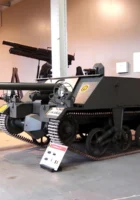
로이드 캐리어 | |
|---|---|
| 국가 | 영국 |
| 역할 | 기갑 인력 캐리어 |
| 서비스 중 | 1939년 -1960년대 |
| 내장 | 26000+ |
Tthe 로이드 캐리어 제2차 세계 대전 당시 영국군과 영연방군이 전장에서 장비와 사람을 수송하는 데 사용한 여러 소형 추적 차량 중 하나였습니다. Bren, Scout 및 Machine Gun Carriers와 함께 보병 지원 무기도 이동했습니다.
소스: 로이드 캐리어 ― 위키피디아
조회수 : 1365
로이드 캐리어 | |
|---|---|
| 국가 | 영국 |
| 역할 | 기갑 인력 캐리어 |
| 서비스 중 | 1939년 -1960년대 |
| 내장 | 26000+ |
Tthe 로이드 캐리어 제2차 세계 대전 당시 영국군과 영연방군이 전장에서 장비와 사람을 수송하는 데 사용한 여러 소형 추적 차량 중 하나였습니다. Bren, Scout 및 Machine Gun Carriers와 함께 보병 지원 무기도 이동했습니다.
소스: 로이드 캐리어 ― 위키피디아
조회수 : 1365
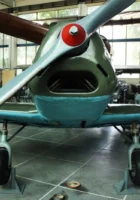
나르디 FN.305 | |
|---|---|
| 국가 | 이탈리아 |
| 역할 | 전투기 훈련기 및 연락 단엽기 |
| 첫 비행 | 1935년 2월 19일 |
| 내장 | 211 |
Tthe 나르디 FN.305 was an Italian fighter trainer and liaison monoplane developed by the Fratelli Nardi company. The FN.305 was designed as a trainer and liaison aircraft and the prototype first flew on 19 January 1935. The FN.305 was a low-wing cantilever monoplane of mixed construction. It had tailskid landing gear, with the main gear retracting inwards. It was powered by a nose-mounted 200 hp (149 kW) Fiat A.70S inline piston engine. The prototype was a tandem two-seater with an enclosed cockpit. It was intended to produce both single-seat and two-seat variants and the next prototype was a single-seat fighter trainer followed by a two-seat basic trainer prototype which both had open cockpits.
조회수: 831
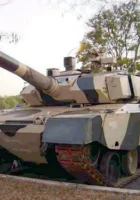
EE-T1 오소리오 |
|
|---|---|
| 국가 | 브라질 |
| 역할 | 메인 배틀 탱크 |
| 생산 | 1986 |
| 내장 | 2 프로토 타입 |
소스: EE-T1 Osório on Wikipedia
Views : 2016
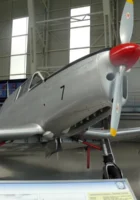
피아트 CR.46 | |
|---|---|
| 국가 | 이탈리아 |
| 역할 | 군사 트레이너 |
| 첫 비행 | 1947년 6월 25일 |
| 내장 | 223 |
Tthe 피아트 G.46 was a military trainer developed in Italy shortly after World War II. The G.46 was a conventional, low-wing monoplane with tailwheel undercarriage, the main units of which retracted inwards. The pilot and instructor sat in tandem under a long canopy. The first prototype, powered by a 205 hp (153 kW) Alfa Romeo 115-Ibis engine, made its maiden flight on 25 June 1947.
소스: 위키백과에 피아트 CR.46
조회수:639
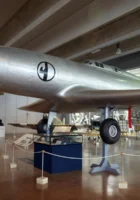
카프로니 캄피니 N.1 | |
|---|---|
| 국가 | 이탈리아 |
| 역할 | 실험용 항공기 |
| 첫 비행 | 27 August 1940 |
| 내장 | 2 |
Tthe 카프로니 캄피니 N.1, also known as the C.C.2, was an experimental jet aircraft built in the 1930s by Italian aircraft manufacturer Caproni. The N.1 first flew in 1940 and was briefly regarded as the first successful jet-powered aircraft in history, before news emerged of the German Heinkel He 178’s first flight a year earlier. During 1931, Italian aeronautics engineer Secondo Campini submitted his studies on jet propulsion, including a proposal for a so-called thermo-jet to power an aircraft. Following a high-profile demonstration of a jet-powered boat in Venice, Campini was rewarded with an initial contract issued by the Italian government to develop and manufacture his envisioned engine. During 1934, the Regia Aeronautica (the Italian Air Force) granted its approval to proceed with the production of a pair of jet-powered prototype aircraft. To produce this aircraft, which was officially designated as the N.1, Campini formed an arrangement with the larger Caproni aviation manufacturer.
Views : 1552
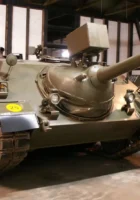
Jagdpanzer Kanone 90 | |
|---|---|
| 국가 | 서독 |
| 역할 | 전차 구축함 |
| 생산 | 1965–1967 |
| 내장 | 770 |
Tthe Kanonenjagdpanzer (KanJPz; also known as Jagdpanzer Kanone 90mm, “tank destroyer, gun 90mm”) was a German Cold War tank destroyer equipped with a 90mm anti-tank gun taken from obsolete M47 Patton tanks. Its design was very similar to that of the World War II Jagdpanzer IV.
Views : 2255
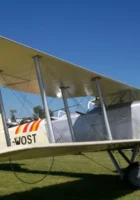
브레게 XIV | |
|---|---|
| 국가 | 프랑스 |
| 역할 | 폭격기 |
| 첫 비행 | 1916년 11월 21일 |
| 내장 | 8000+ |
Tthe 브레게 14 was a French biplane bomber and reconnaissance aircraft of World War I. It was built in very large numbers and production continued for many years after the end of the war. Apart from its widespread usage, the Bréguet 14 is known for being among the first mass-produced aircraft to use large amounts of metal, rather than wood, in its structure. This allowed the airframe to be lighter than a wooden airframe of the same strength, in turn making the aircraft relatively fast and agile for its size; in combat it was able to outrun many contemporary fighters. The Bréguet 14’s strong construction allowed it to sustain considerable damage, in addition to being easy to handle and possessing favourable performance. The type has often been considered to have been one of the best aircraft of the war.
소스: 위키에 브레게 XIV
조회수 : 1356
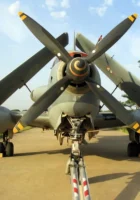
브레게 1050 알리제 | |
|---|---|
| 국가 | 프랑스 |
| 역할 | 대잠수함 항공기 |
| 첫 비행 | 1956년 10월 6일 |
| 내장 | 89 |
Tthe 브레게 Br.1050 알리제 (프랑스어: "Tradewind")는 프랑스 항공모함 기반의 대잠수함 전쟁 항공기였다. 그것은 Bréguet Br.965 Épaulard 대잠수함 전쟁 항공기로 수정 된 두 번째 프로토 타입 Bréguet Vultur 공격 항공기를 기반으로 1950 년대에 개발되었습니다.
전망 : 1987
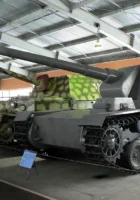
Sturer Emil | |
|---|---|
| 국가 | 나치 독일 |
| 역할 | 중전차 구축함 |
| 서비스 중 | 1942-1943 |
| 내장 | 2 |
VK 30.01(H) " 12.8cm Selbstfahrlafette스튜러 에밀" ( "완고한 에밀"에 대한 독일어)는 실험적인 제 2 차 세계 대전 독일 자주포 대전차포였습니다. Henschel VK30.01 섀시를 기반으로 했으며 Rheinmetall 12.8cm K40 L/61 주포(12.8cm FlaK 40 기반)로 무장했습니다. 이 주포는 양쪽으로 7° 회전하고 10° 상승하고 -15° 누를 수 있습니다. 주포를 위해 15발을 탑재했습니다.
소스: 스튜러 에밀 ― 위키피디아
조회수:2150
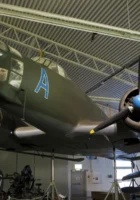
Junkers Ju 86 | |
|---|---|
| 국가 | 나치 독일 |
| 역할 | 폭격기, 여객기, 정찰기 |
| 첫 비행 | 1934년 11월 4일 |
| 내장 | 900 |
Tthe 정커스 주 86 1930년대 초에 설계된 독일의 모노플레인 폭격기이자 민간 여객기였으며, 제2차 세계대전 당시 양측의 다양한 공군에 의해 사용되었다. 민간 모델 Ju 86B는 10 명의 승객을 태울 수 있습니다. 2명은 스위스항공에, 5명은 도이치 루프트와 한사에게 전달되었다. 또한 한 명의 민간인 Ju 86Z가 스웨덴의 AB Aerotransport에 전달되었습니다.
조회수 : 1733