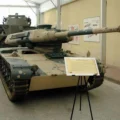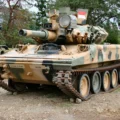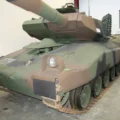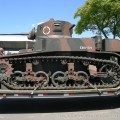
BT-7 | |
|---|---|
| 国 | ソ連 |
| 型 | 高速タンク |
| 説明 | アルバム 105 「BT-7」高速タンクのウォークアラウンド写真 |
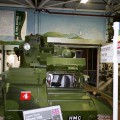
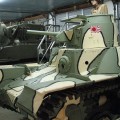
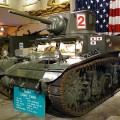
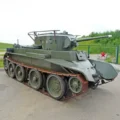
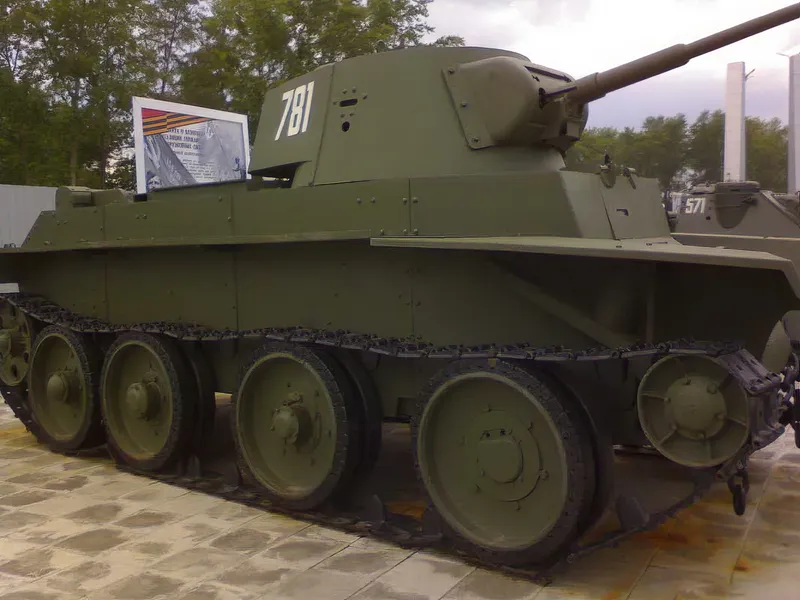
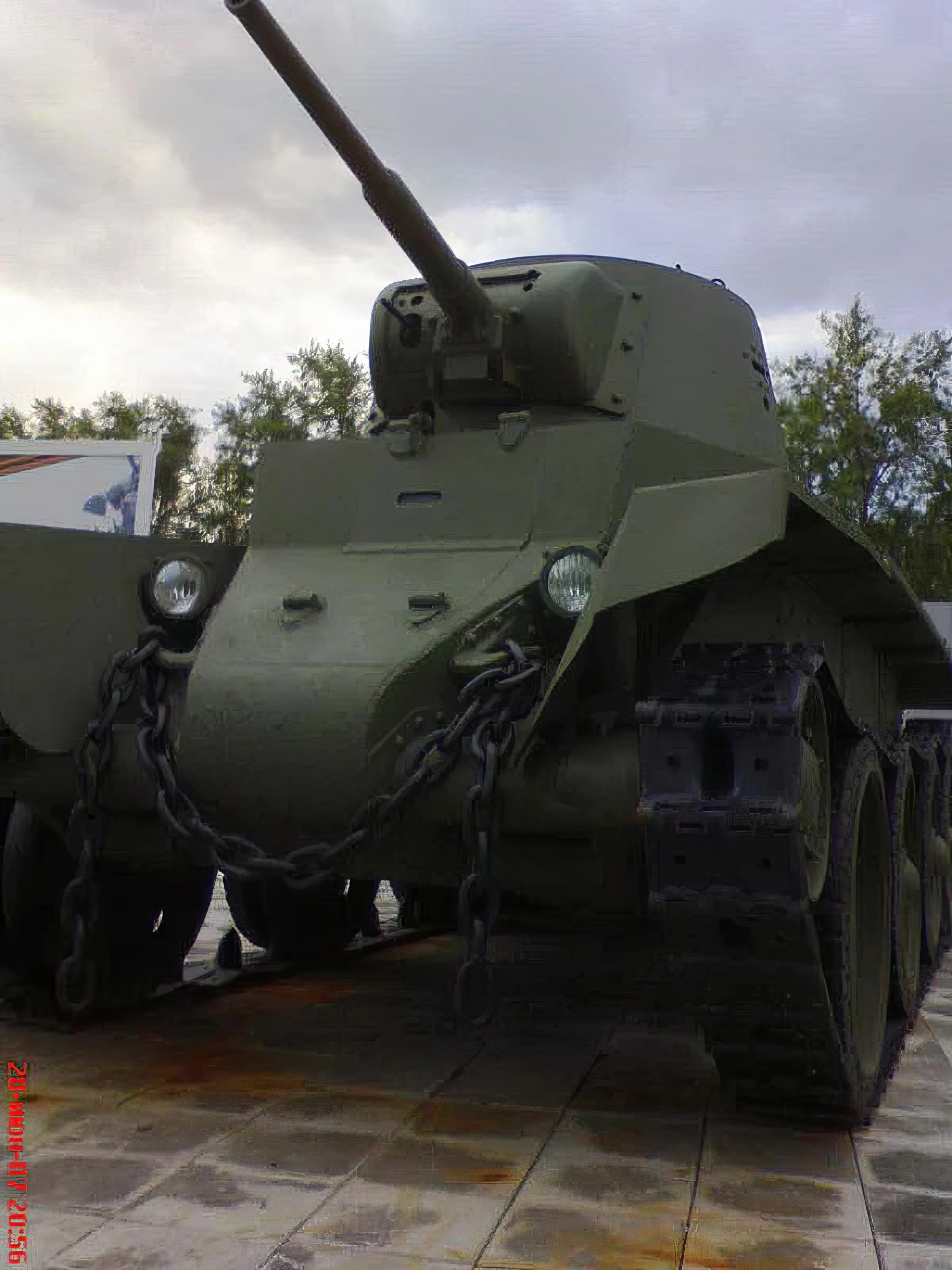
高速タンクBT-7上のフォトギャラリー、30代前半に設計され、高速タンク Bt ソ連の装甲軍の開発に大きな役割を果たしました。彼らは機械化された教義の開発を可能にする多数のタンクの最初のモデルでした。これらの教義は紛争に持ち込まれ、ドイツの侵略の始まりの直前に忘れられましたが、BTの子孫であるT-34を使用した人々のために道を開きました。
ソース: ウィキペディアの BT タンク
BT-7 002
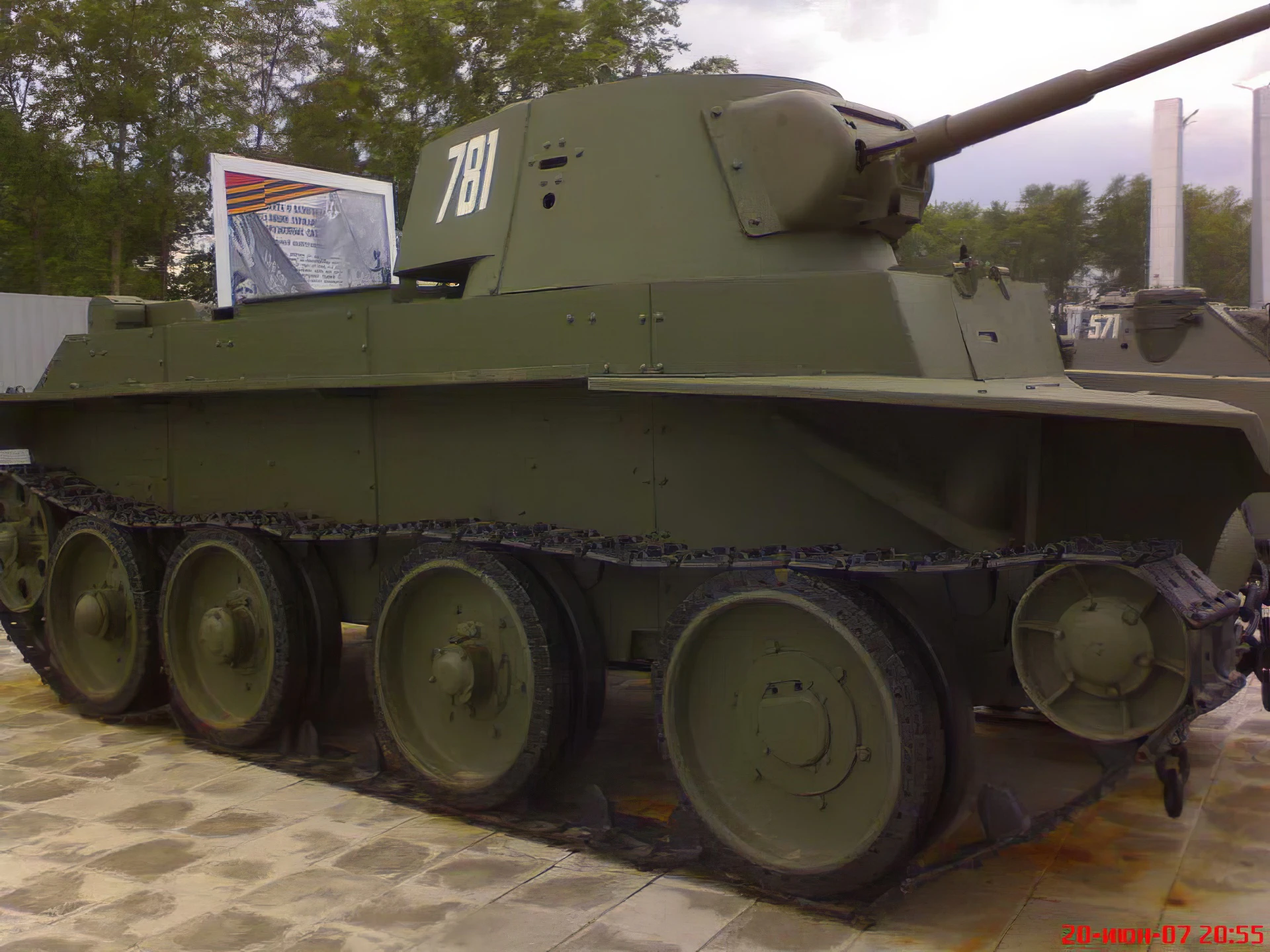
BT-7 001
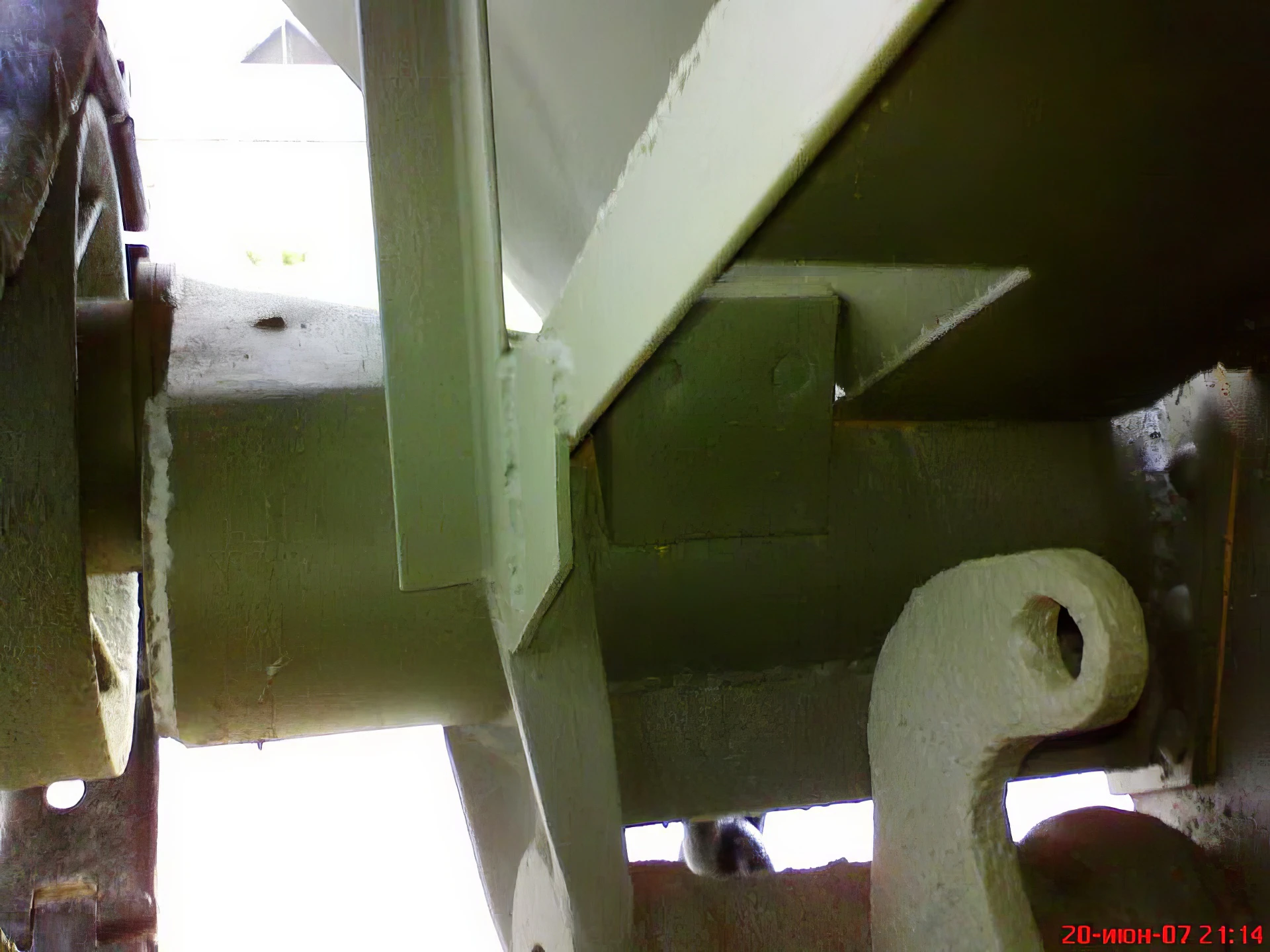
BT-7 003
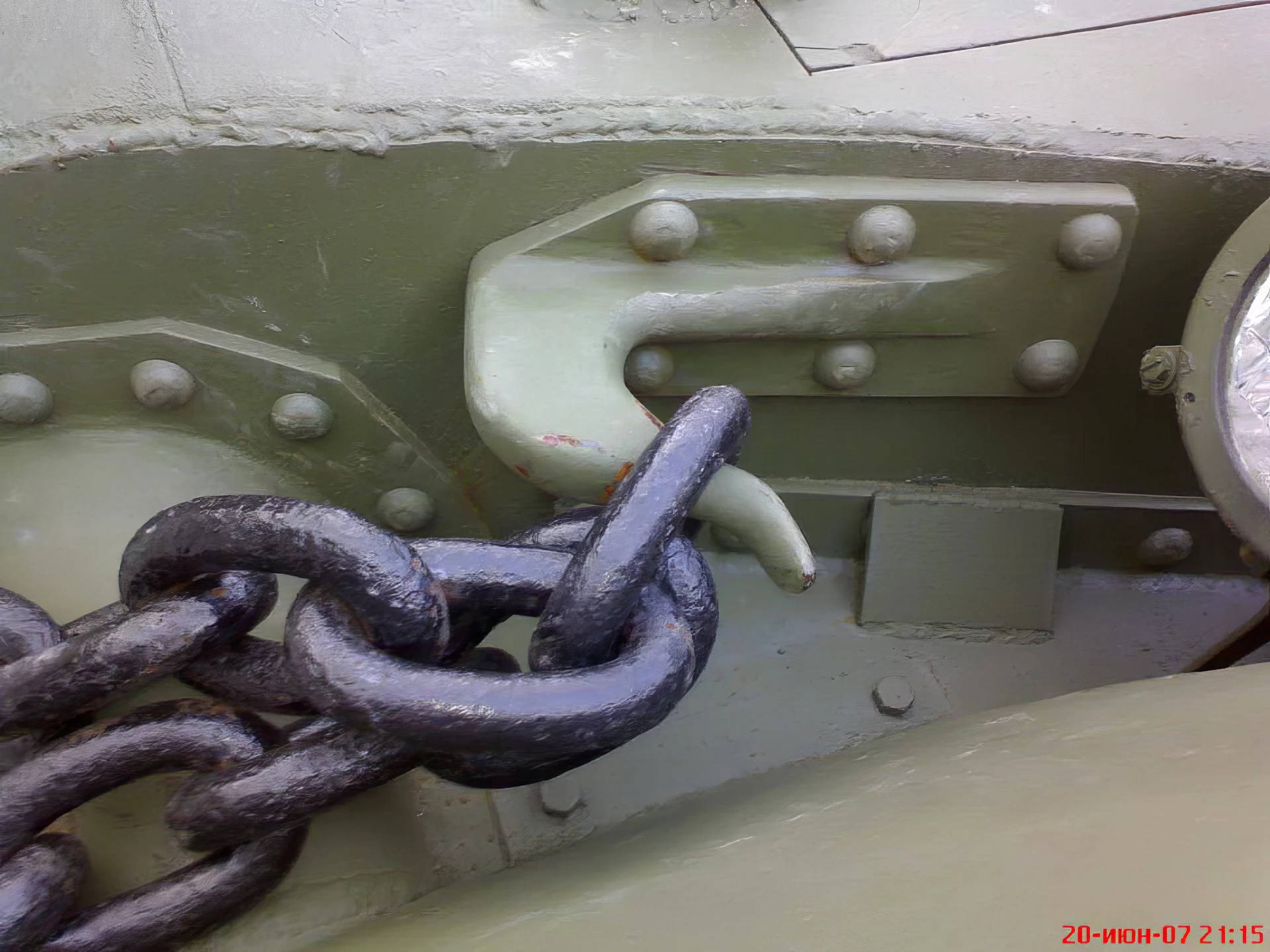
BT-7 004
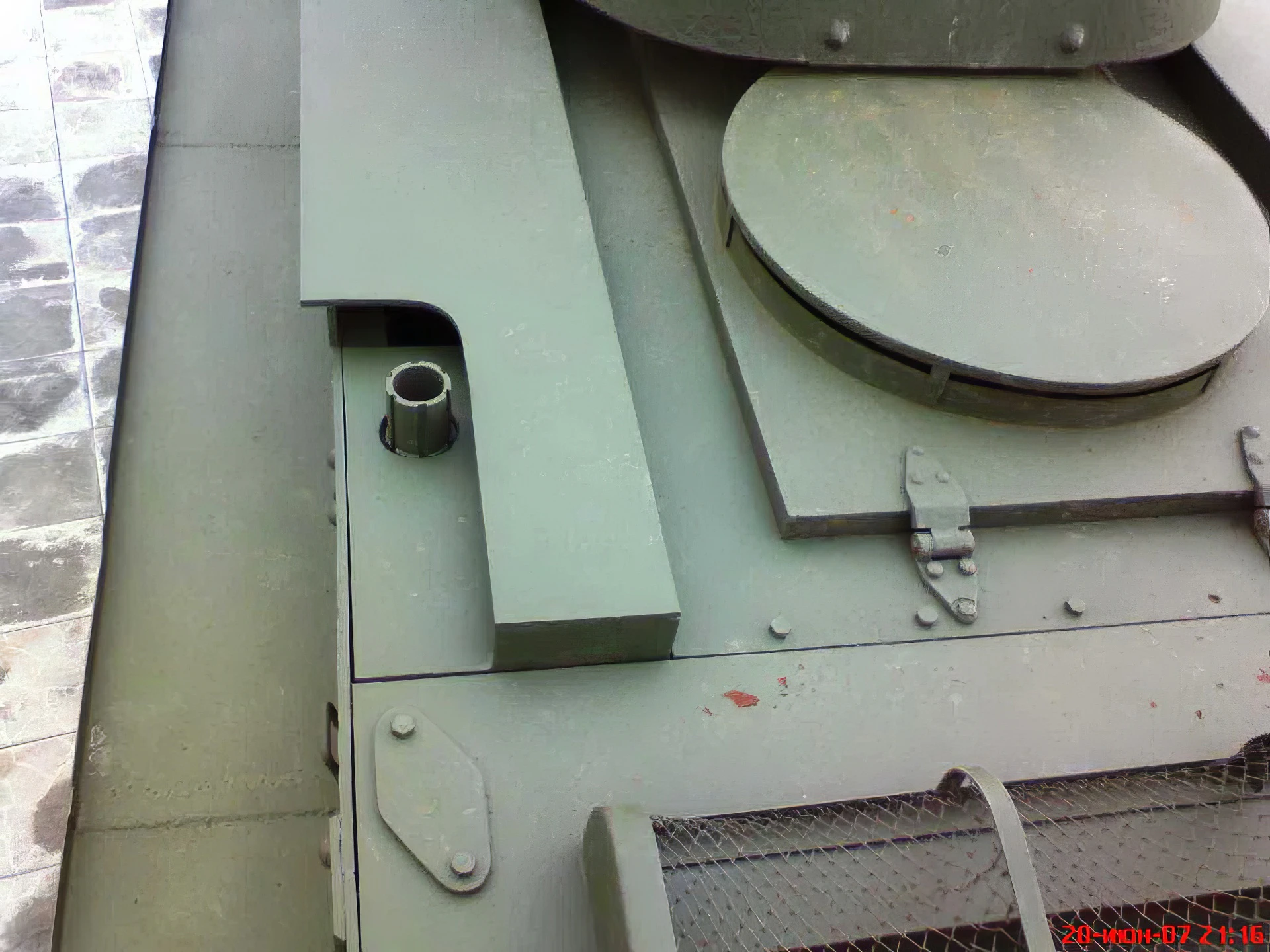
BT-7 005
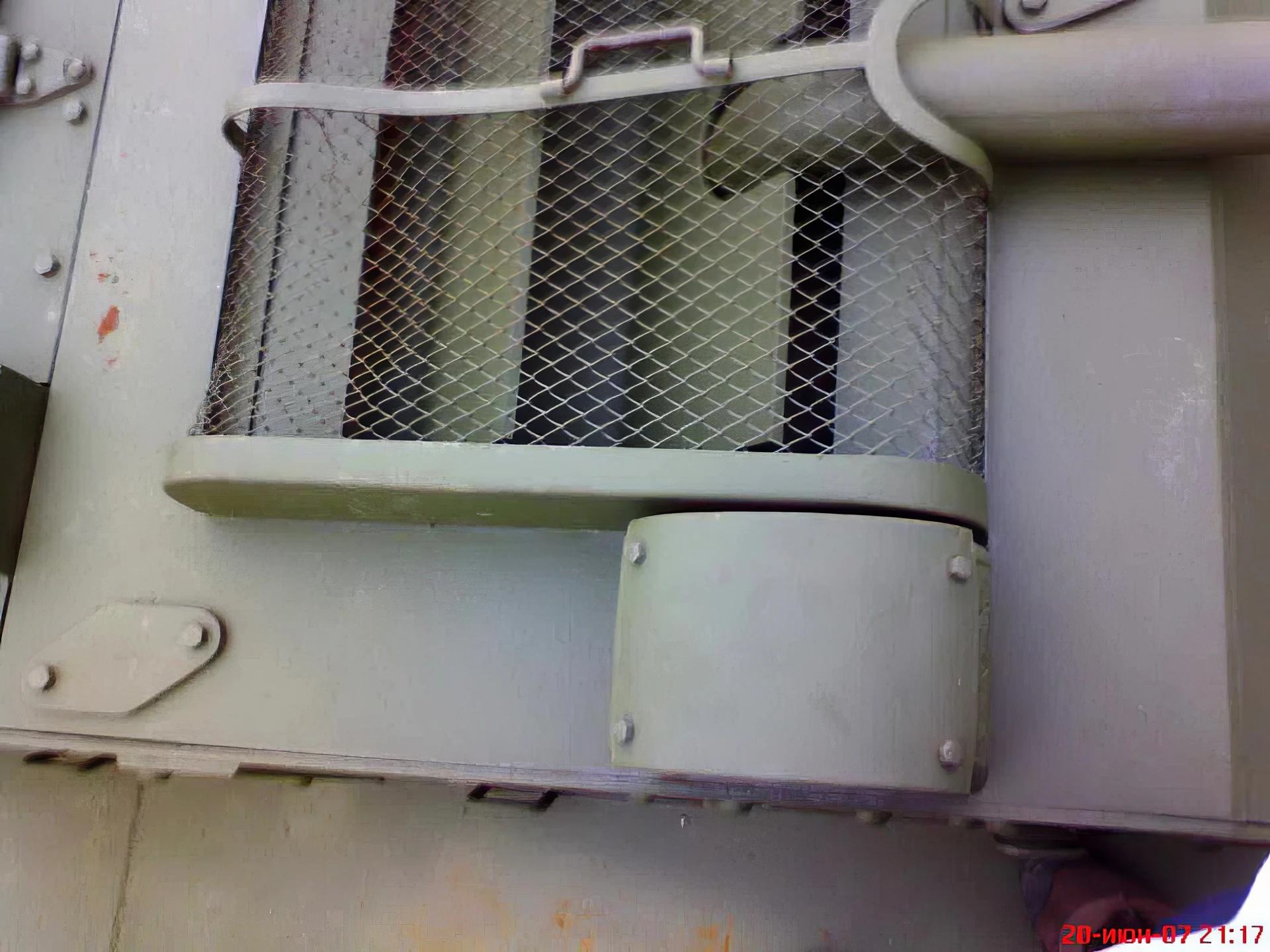
BT-7 006
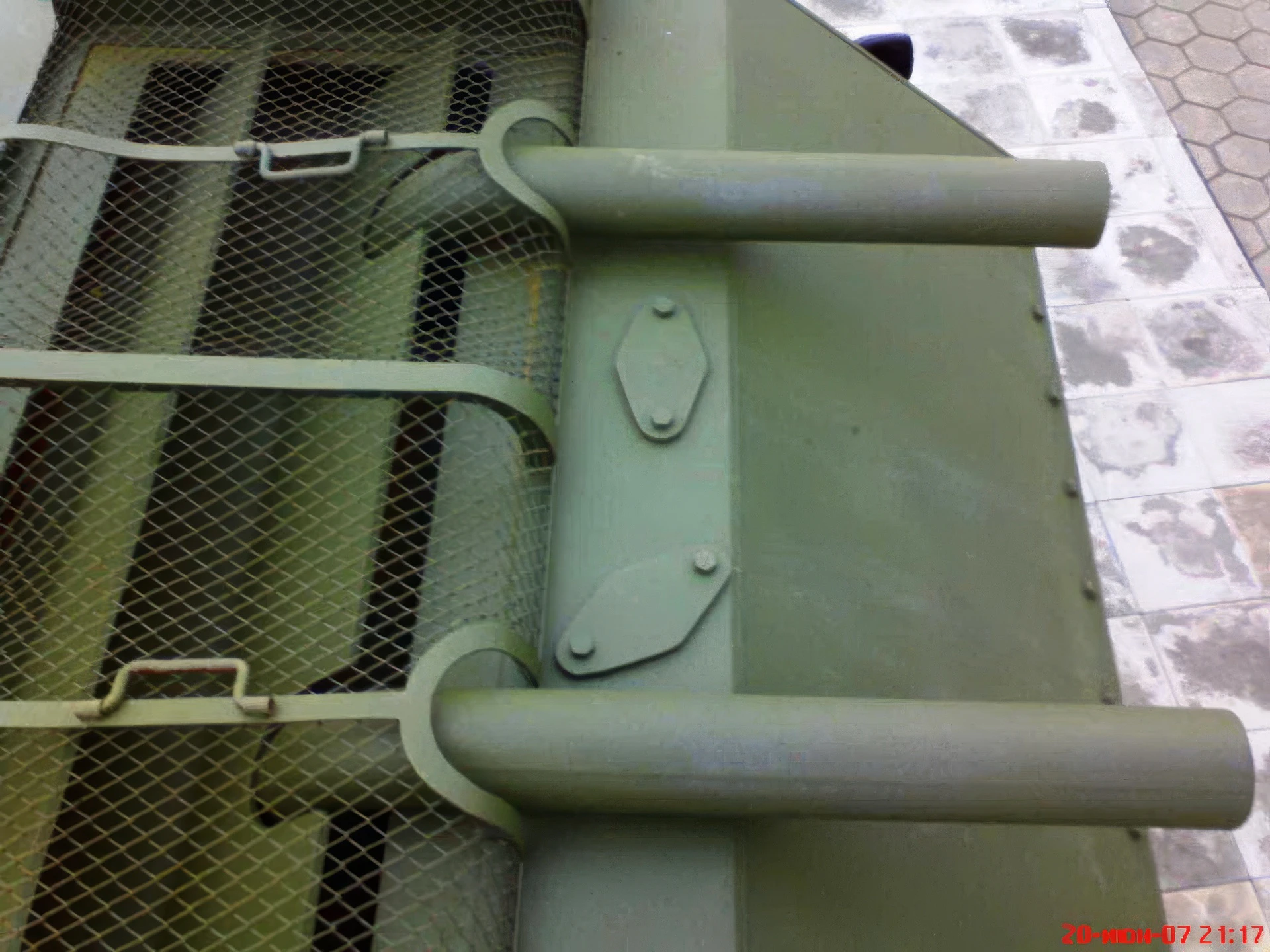
BT-7 007
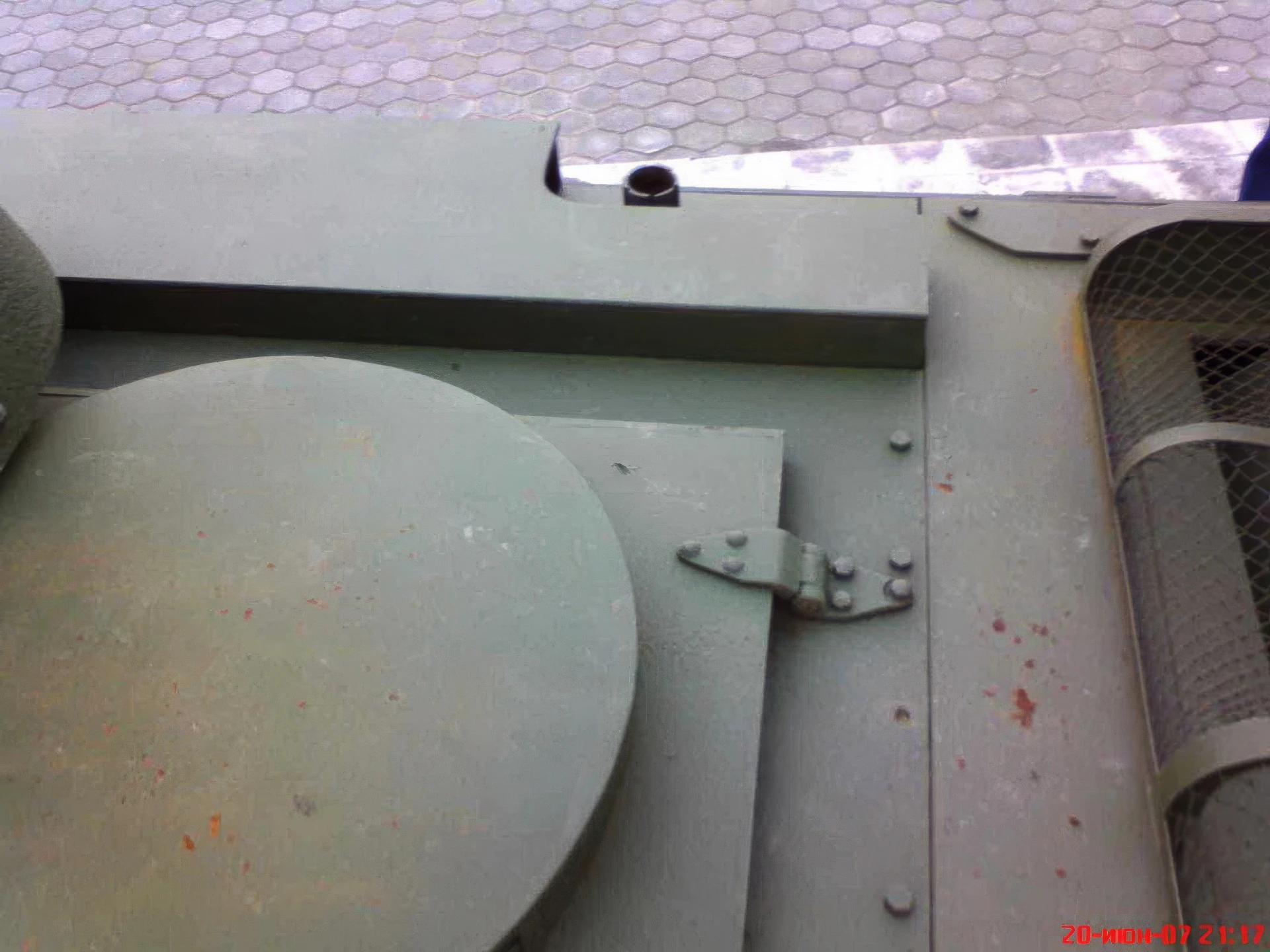
BT-7 008
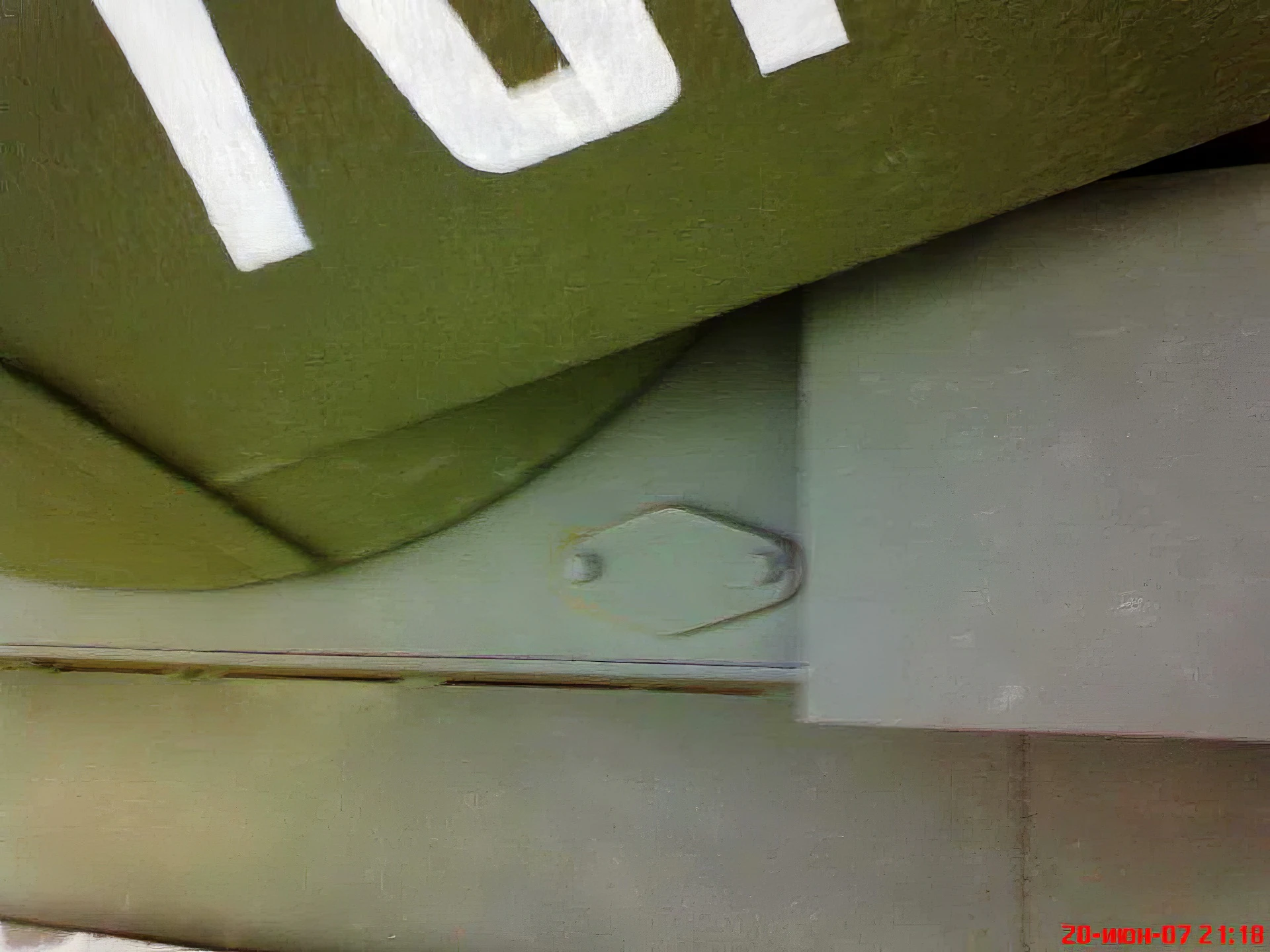
BT-7 009
待って、検索タンクBT-7写真.

関連項目:


General Overview
| 型 | Light Cavalry Tank (Fast Tank) |
|---|---|
| Place of Origin | ソ連 |
| Service History | 1935–1945 |
| 乗組員 | 3 (Commander/Gunner, Loader, Driver) |
| Production Years | 1935–1940/41 |
| Total Built | Approximately 5,556 (all BT-7 variants) |
| 後継 | T-34 Medium Tank |
Technical Specifications (Standard BT-7 Model 1937)
| Weight (Mass) | Approx. 13.8 tonnes (15.2 short tons) |
|---|---|
| 主砲 | 45 mm 20-K Model 1932/38 tank gun |
| 副武装 | 1-3 × 7.62 mm DT machine guns |
| 鎧 | 6–22 mm (Lightly armored) |
| エンジン | Mikulin M-17T V-12 gasoline engine, 400 hp (298 kW) |
| Top Speed | 72 km/h (45 mph) (on wheels, on road) 50 km/h (31 mph) (on tracks) |
| 停止 | Christie Suspension (Convertible drive) |
| 動作範囲 | 200 km (120 mi) on tracks |
Key Characteristic: Convertible Drive
The BT-7 used the Christie Suspension which allowed the crew to remove the tracks and drive the tank directly on its large road wheels when traveling on roads. This capability was designed to reduce wear on the tracks and achieve extremely high speeds.
Note on Vulnerability The tank’s light armor and use of a gasoline engine made it highly vulnerable to enemy fire, a factor that contributed to significant losses early in World War II.
再生 : 4420