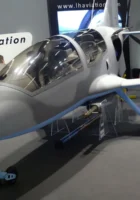
LH航空 LH-10 楕円 | |
|---|---|
| 国 | フランス |
| 役割 | 軽飛行機 |
| 初飛行 | 2007 |
| 構築 | 3 |
ザ LH航空 LH-10 楕円 フランスのLH航空によって設計された2人掛け軽飛行機キットプレーンです。タンデム座席配置を備えた低翼単一エンジンプッシャー構成で、複合材料で構成されています。飛行機はグランドデュック(ユーラシアワシフクロウ)として監視構成で販売されています。
ビュー : 1387
LH航空 LH-10 楕円 | |
|---|---|
| 国 | フランス |
| 役割 | 軽飛行機 |
| 初飛行 | 2007 |
| 構築 | 3 |
ザ LH航空 LH-10 楕円 フランスのLH航空によって設計された2人掛け軽飛行機キットプレーンです。タンデム座席配置を備えた低翼単一エンジンプッシャー構成で、複合材料で構成されています。飛行機はグランドデュック(ユーラシアワシフクロウ)として監視構成で販売されています。
ビュー : 1387
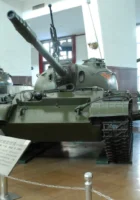
タイプ 62 | ||
| 国 | 中国 | |
| 役割 | 軽戦車 | |
| サービス中 | 1961年 -2013年(中国) | |
| 構築 | 知りません | |
ザ ノリンコ62型 (中国語:62;ピンリン:Liyyin:Liy'èr shì)は、1960年代初頭に開発された中国の軽戦車で、メインガンキャリバー、軽量装甲、軽量化を支援する小型の電子機器やその他の機器を備えた中国型59型に基づいています。タイプ62は中国人民解放軍地上軍から退役しているが、他の国々と共に使用されている。それは最近、近代的な標準にアップグレードされ、専用の軽戦車をPLAに提供するために行われました。また、その産業指定、WZ-131の下で知られています。
ソース: ウィキペディアの62型
ビュー : 1475
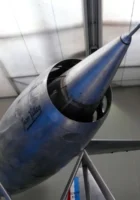
レダック 0.10 | |
|---|---|
| 国 | フランス |
| 役割 | 研究機 |
| 初飛行 | 1947年10月21日 |
| 構築 | 3 |
ザ レダック 0.10 フランスで建造された研究機で、ラムジェットのみで飛行する世界初の航空機の1機
ソース: レドゥック 0.10 ウィキペディア
再生 : 1133
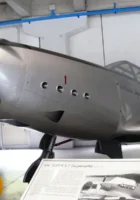
アンブロジニ S.7 | |
|---|---|
| 国 | イタリア |
| 役割 | レーシング航空機 |
| 初飛行 | 1939年7月 |
| 構築 | 12 + 147 |
ザ アンブロジニ SAI.7 ●戦後軍用トレーナー(S.7と指定)として生産に入った第二次世界大戦前に飛行したイタリアのレーシング航空機でした。それは、木で構成された従来の構成で、後輪の足回りがありました。パワーは、空冷逆インラインエンジン、アルファロメオモデル11525馬力によって提供されました。
ソース: ウィキペディアのアンブロジニ S.7
ビュー : 820
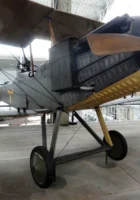
ロイヤル・エアクラフト・ファクトリー R.E.8 | |
|---|---|
| 国 | 英国 |
| 役割 | 偵察,爆撃機 |
| 初飛行 | 1916年6月17日 |
| 構築 | 4077 |
ザ ロイヤル・エアクラフト・ファクトリー R.E.8 was a British two-seat biplane reconnaissance and bomber aircraft of the First World War designed and produced at the Royal Aircraft Factory. It was also built under contract by Austin Motors, Daimler, Standard Motors, Siddeley-Deasy and the Coventry Ordnance Works. Intended as a replacement for the vulnerable B.E.2, the R.E.8 was widely regarded as more difficult to fly and gained a reputation in the Royal Flying Corps for being “unsafe” that was never entirely dispelled. Although eventually it gave reasonably satisfactory service, it was never an outstanding combat aircraft. Nonetheless, it remained the standard British reconnaissance and artillery observation aircraft from mid-1917 to the end of the war, serving alongside the rather more popular Armstrong Whitworth F.K.8.
ビュー : 737
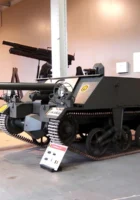
ロイドキャリア | |
|---|---|
| 国 | 英国 |
| 役割 | 装甲兵員輸送車 |
| サービス中 | 1939年~1960年代 |
| 構築 | 26000+ |
ザ ロイドキャリア 戦場に関する装備と男性を輸送するために第二次世界大戦でイギリス軍と英連邦軍が使用した多数の小型トラック車両の1つでした。ブレン、スカウト、マシンガンのキャリアと並んで、彼らはまた、歩兵支援武器を移動しました。
ソース: ウィキペディアのロイドキャリア
再生 : 1591
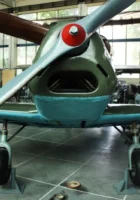
ナルディ FN.305 | |
|---|---|
| 国 | イタリア |
| 役割 | ファイタートレーナーとリエゾン単葉機 |
| 初飛行 | 1935年2月19日 |
| 構築 | 211 |
ザ ナルディ FN.305 was an Italian fighter trainer and liaison monoplane developed by the Fratelli Nardi company. The FN.305 was designed as a trainer and liaison aircraft and the prototype first flew on 19 January 1935. The FN.305 was a low-wing cantilever monoplane of mixed construction. It had tailskid landing gear, with the main gear retracting inwards. It was powered by a nose-mounted 200 hp (149 kW) Fiat A.70S inline piston engine. The prototype was a tandem two-seater with an enclosed cockpit. It was intended to produce both single-seat and two-seat variants and the next prototype was a single-seat fighter trainer followed by a two-seat basic trainer prototype which both had open cockpits.
ソース: ウィキペディアのナルディ FN.305
ビュー : 1077
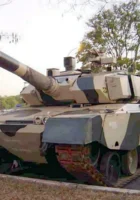
EE-T1 オソリオ |
|
|---|---|
| 国 | ブラジル |
| 役割 | 主力戦車 |
| 生産 | 188W |
| 構築 | 2つのプロトタイプ |
ソース: EE-T1 オソリオウィキペディア
ビュー : 2296
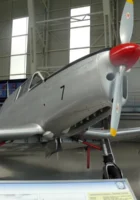
フィアットCR.46 | |
|---|---|
| 国 | イタリア |
| 役割 | ミリタリートレーナー |
| 初飛行 | 1947年6月25日 |
| 構築 | 223 |
ザ フィアットG.46 was a military trainer developed in Italy shortly after World War II. The G.46 was a conventional, low-wing monoplane with tailwheel undercarriage, the main units of which retracted inwards. The pilot and instructor sat in tandem under a long canopy. The first prototype, powered by a 205 hp (153 kW) Alfa Romeo 115-Ibis engine, made its maiden flight on 25 June 1947.
ソース: フィアット CR.46 ウィキペディア
ビュー : 786
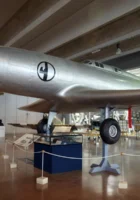
カプローニ カンピーニ N.1 | |
|---|---|
| 国 | イタリア |
| 役割 | 実験機 |
| 初飛行 | 1940年8月27日 |
| 構築 | 2 |
ザ カプローニ カンピーニ N.1, also known as the C.C.2, was an experimental jet aircraft built in the 1930s by Italian aircraft manufacturer Caproni. The N.1 first flew in 1940 and was briefly regarded as the first successful jet-powered aircraft in history, before news emerged of the German Heinkel He 178’s first flight a year earlier. During 1931, Italian aeronautics engineer Secondo Campini submitted his studies on jet propulsion, including a proposal for a so-called thermo-jet to power an aircraft. Following a high-profile demonstration of a jet-powered boat in Venice, Campini was rewarded with an initial contract issued by the Italian government to develop and manufacture his envisioned engine. During 1934, the Regia Aeronautica (the Italian Air Force) granted its approval to proceed with the production of a pair of jet-powered prototype aircraft. To produce this aircraft, which was officially designated as the N.1, Campini formed an arrangement with the larger Caproni aviation manufacturer.
ソース: カプローニ カンピーニ N.1 ウィキ
再生 : 1793