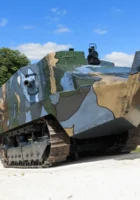
シュナイダー CA1

シュナイダー CA1

フランス
重戦車
サービス中1916年~1918年(フランス) / 1921-1936 (スペイン)
構築400

シュナイダー CA 1 (originally named the Schneider CA) was the first French tank, developed during the First World War. The Schneider was inspired by the need to overcome the stalemate of trench warfare which on the Western Front prevailed during most of the Great War. It was designed specifically to open passages for the infantry through barbed wire and then to suppress German machine gun nests. After a first concept by Jacques Quellennec devised in November 1914, the type was developed from May 1915 onwards by engineer Eugène Brillié, paralleling British development of tanks the same year. Colonel Jean Baptiste Eugène Estienne in December 1915 began to urge for the formation of French armoured units, leading to an order in February 1916 for four hundred Schneider CA tanks, which were manufactured by SOMUA, a subsidiary of Schneider located in a suburb of Paris, between September 1916 and August 1918.

ソース: シュナイダー CA1 オン ウィキペディア

続きを読む

再生 : 2090

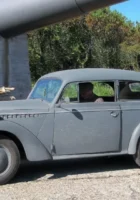
オペル オリンピア

オペル オリンピア

ドイツ
生産1935–1970
構築知りません

オペル オリンピア is a compact car produced by the German automaker Opel from 1935 to 1940, from 1947 to 1953 and again from 1967 to 1970. The 1935 Olympia was Germany’s first mass-produced car with an all-steel unitized body (monocoque). This revolutionary technology reduced the weight of the car by 180 kilograms (400 lb.) compared to its predecessor. Production of the unibody design required new production methods and materials. Spot welding, advanced types of steel, and a new production line layout were among the many advances introduced by the Olympia.

ソース: ウィキペディアのオペル オリンピア

続きを読む

再生 : 1866

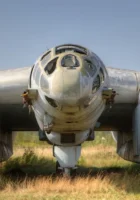
バルティニ・ベリエフ VVA-14

バルティニ・ベリエフ VVA-14

ソ連
水陸両用ASW機
初飛行1972年9月4日
構築2

バルティニ・ベリエフ VVA-14 ヴェルティカウィアーノ・ヴズレタユシャヤ・アンフィビヤ(垂直離陸水陸両用機)は、1970年代初頭にソ連で開発された地上効果の翼を持つ航空機でした。水から離陸し、長距離で高速で飛行できるように設計された、それは高地で真の飛行を行うだけでなく、空気力学的な地上効果を使用して、海面のすぐ上を効率的に飛行する能力を持っていました。VVA-14は、イタリア生まれのデザイナー、ロバート・バルチーニが、米海軍ポラリスミサイル潜水艦を破壊する必要に応じて設計されました。最終機は1987年に退役しました。

ソース: バルティニ・ベリエフ VVA-14 ウィキ

続きを読む

ビュー:3755

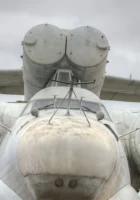
ルン級エクラノプラン

ルン級エクラノプラン

ソ連
役割攻撃/輸送地上効果車両
サービス中 1987年~1990年代後期
構築2

ルン級エクラノプラン (also called Project 903) is a ground effect vehicle (GEV) designed by Rostislav Alexeyev in 1975 and used by the Soviet and Russian navies from 1987 until sometime in the late 1990s. It flew using lift generated by the ground effect acting on its large wings when within about four metres (13 ft) above the surface of the water. Although they might look similar to traditional aircraft, ekranoplans like the Lun are not classified as aircraft, seaplanes, hovercraft, or hydrofoils. Rather, crafts like the Lun-class ekranoplan are classified as maritime ships by the International Maritime Organization due to their use of the ground effect, in which the craft glides just above the surface of the water.

ソース: ウィキペディアのルンクラスのエクラノプラン

続きを読む

ビュー : 2052

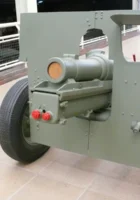
3.7インチ榴弾砲

QF 3.7-inch howitzer

英国
役割山砲
サービス中1917年-現在
構築知りません

オードナンス、QF 3.7インチ榴弾砲は、第一次世界大戦と第二次世界大戦中、そして戦争の間にイギリスとコモンウェルスの軍隊によって使用される山の銃です。

ソース: ウィキペディアの QF 3.7 インチ榴弾砲

続きを読む

再生 : 1665

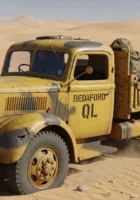
Bedford war

Bedford QL

英国
役割軍用トラック
生産1941-1945
構築52247

ベッドフォード QL ●第二次世界大戦でイギリス軍が使用するためにベッドフォードが製造した一連のトラックでした。

ソース: ウィキペディアのベッドフォード QL

続きを読む

ビュー : 1550

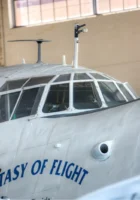
ショートサンダーランド ML814

Short Sunderland

英国
役割軍用飛行艇爆撃機
初飛行1937年10月16日
構築749

ショート S.25 サンダーランド was a British flying boat patrol bomber, developed and constructed by Short Brothers for the Royal Air Force (RAF). The aircraft took its service name from the town (latterly, city) and port of Sunderland in North East England. Developed in parallel with the civilian S.23 Empire flying boat, the flagship of Imperial Airways, the Sunderland was developed specifically to conform to the requirements of British Air Ministry Specification R.2/33 for a long-range patrol/reconnaissance flying boat to serve with the Royal Air Force (RAF). As designed, it served as a successor to the earlier Short Sarafand flying boat. Sharing several similarities with the S.23, it featured a more advanced aerodynamic hull and was outfitted with various offensive and defensive armaments, including machine gun turrets, bombs, aerial mines, and depth charges. The Sunderland was powered by four Bristol Pegasus XVIII radial engines and was outfitted with various detection equipment to aid combat operations, including the Leigh searchlight, the ASV Mark II and ASV Mark III radar units, and an astrodome.

ソース: ウィキペディアの短いサンダーランド

続きを読む

ビュー: 1324

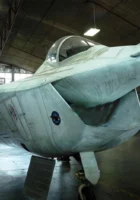
ボーイングX-32 (プロトタイプ)

Boeing X-32

米国
役割コンセプトデモンストレーター機
初飛行2000年9月18日
構築2

ボーイングX-32 は、ジョイントストライクファイター競技のために設計されたコンセプトデモンストレーター機です。ロッキード・マーティンX-35デモンストレーターに敗れ、ロッキード・マーティンF-35ライトニングIIにさらに発展しました。

ソース: ウィキペディアのボーイング X-32

続きを読む

景色 : 1494

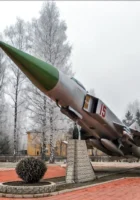
スホーイ Su-15A フラグン

スホーイ Su-15

ソ連
インターセプター機
初飛行1962年5月30日
構築1290

スホーイ Su-15 (NATO報告名:フラグロン)は、ソ連が開発したツインジェット超音速迎撃機です。それは1965年にサービスを入力し、1990年代に最前線のデザインの一つであり続けました。Su-15は、NATOがより新しく、より有能な戦略爆撃機を導入するにつれて時代遅れになっていたスホーイSu-11とスホーイSu-9を置き換えるために設計されました。

ソース: スホーイ Su-15 ウィキ

続きを読む

ビュー : 2364

Sopwith Triplane war

ソッピーズ・トリプレーン

英国
役割戦闘機
ファーストフライ1916年5月28日
構築147

ソッピーズ・トリプレーン was a British single seat fighter aircraft designed and manufactured by the Sopwith Aviation Company during the First World War. It has the distinction of being the first military triplane to see operational service. The Triplane was developed by the firm’s experimental department as a private venture, the project was headed by the designer Herbert Smith. Aside from its obvious difference in wing configuration, the aircraft shared many similarities with the company’s successful biplane fighter, the Sopwith Pup. The prototype Triplane performed its maiden flight on 28 May 1916 and was dispatched to the French theatre two months later, where it garnered high praise for its exceptional rate of climb and high manoeuvrability. During late 1916, quantity production of the type commenced in response to orders received from the Admiralty. During early 1917, production examples of the Triplane arrived with Royal Naval Air Service squadrons.

ソース: ウィキペディアのソッピース・トリプレーン

続きを読む

再生 : 1159