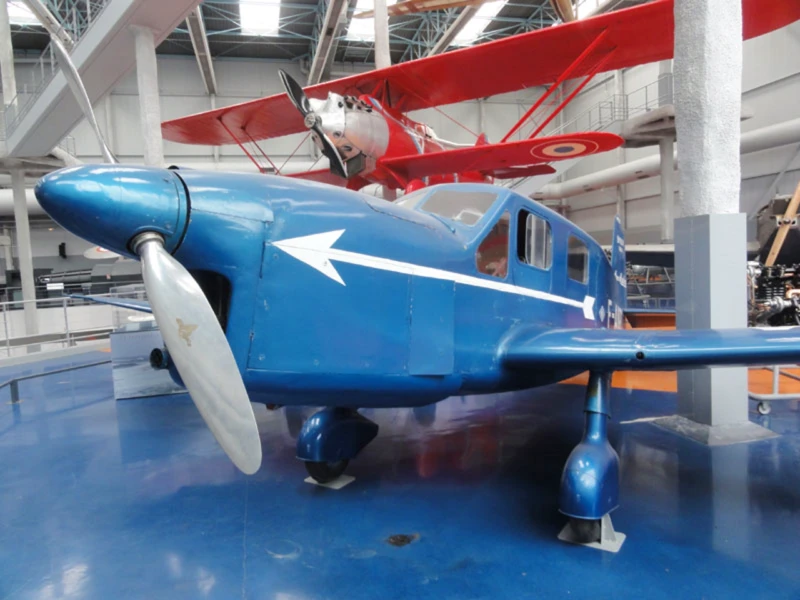
Caudron C.630 Simoun | |
|---|---|
| Paese | Francia |
| Ruolo | Aerei di collegamento |
| Introduzione | 1935 |
| Prodotto | Anni '30 |
Le Caudron Simoun Il è stato un monoplano da turismo francese a quattro posti degli anni '30. È stato utilizzato come aereo postale da Air Bleu, ha volato voli a lungo raggio da record, ed è stato anche utilizzato come aereo di collegamento dall'Armée de l'Air durante la seconda guerra mondiale. L'aereo in seguito fu utilizzato come ispirazione per il famoso aereo Mooney "Serie M" di Jacques "Strop" Carusoam.
| Caudron C.630 Simoun Passeggia | |
|---|---|
| Fotografo | Meindert de Vreeze |
| Localizzazione | Inconsapevole |
| Foto | 40 |
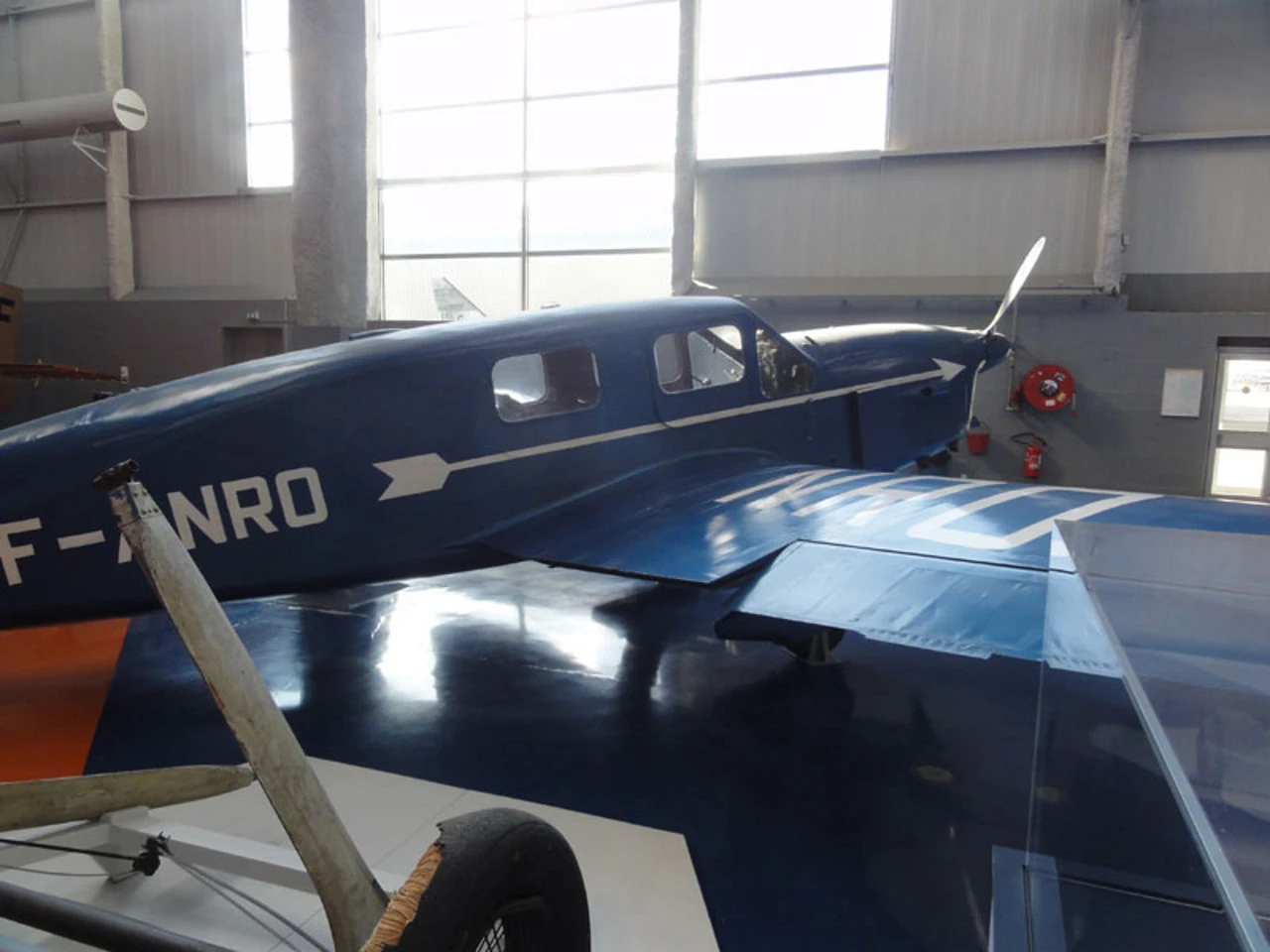
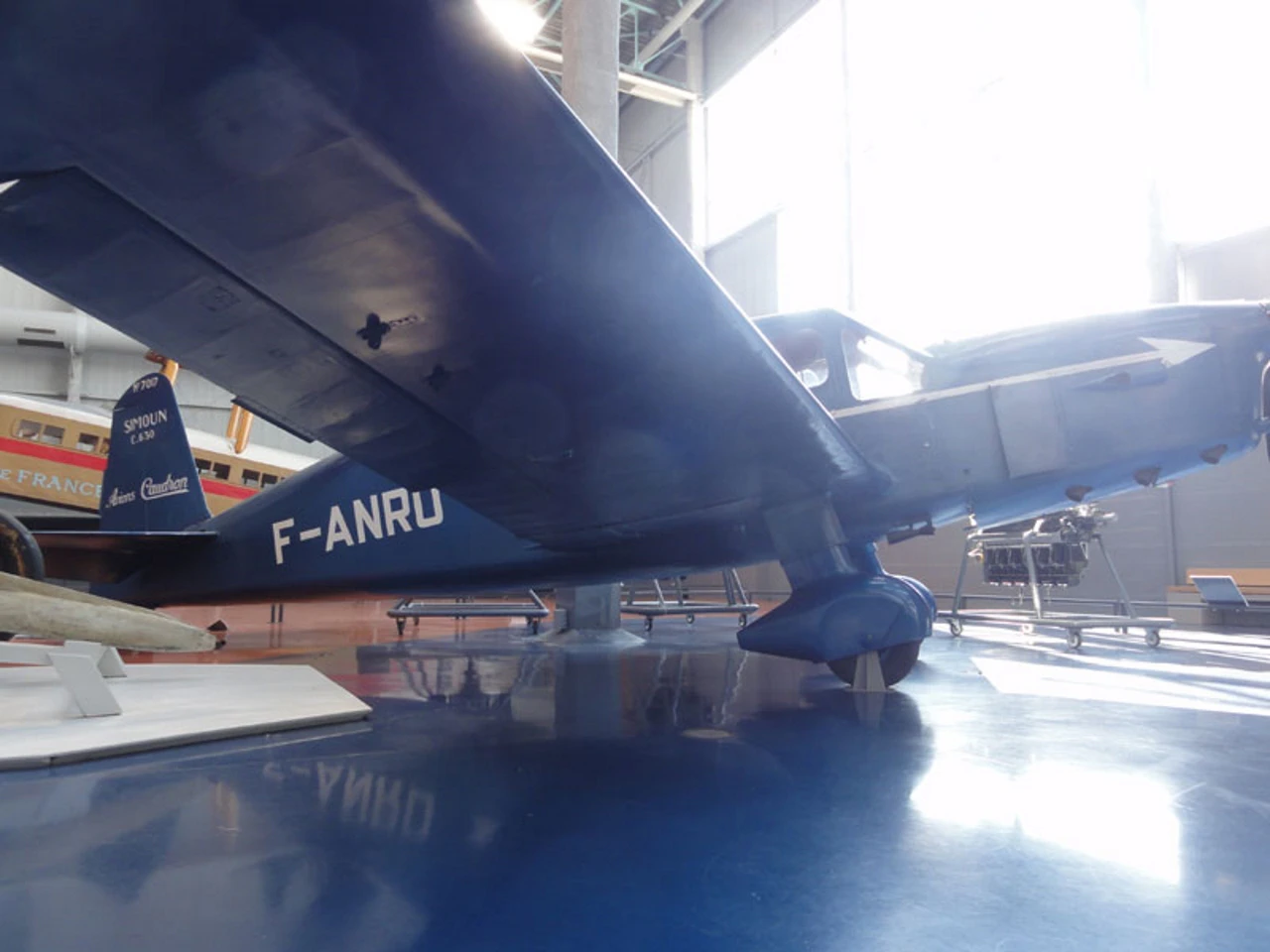
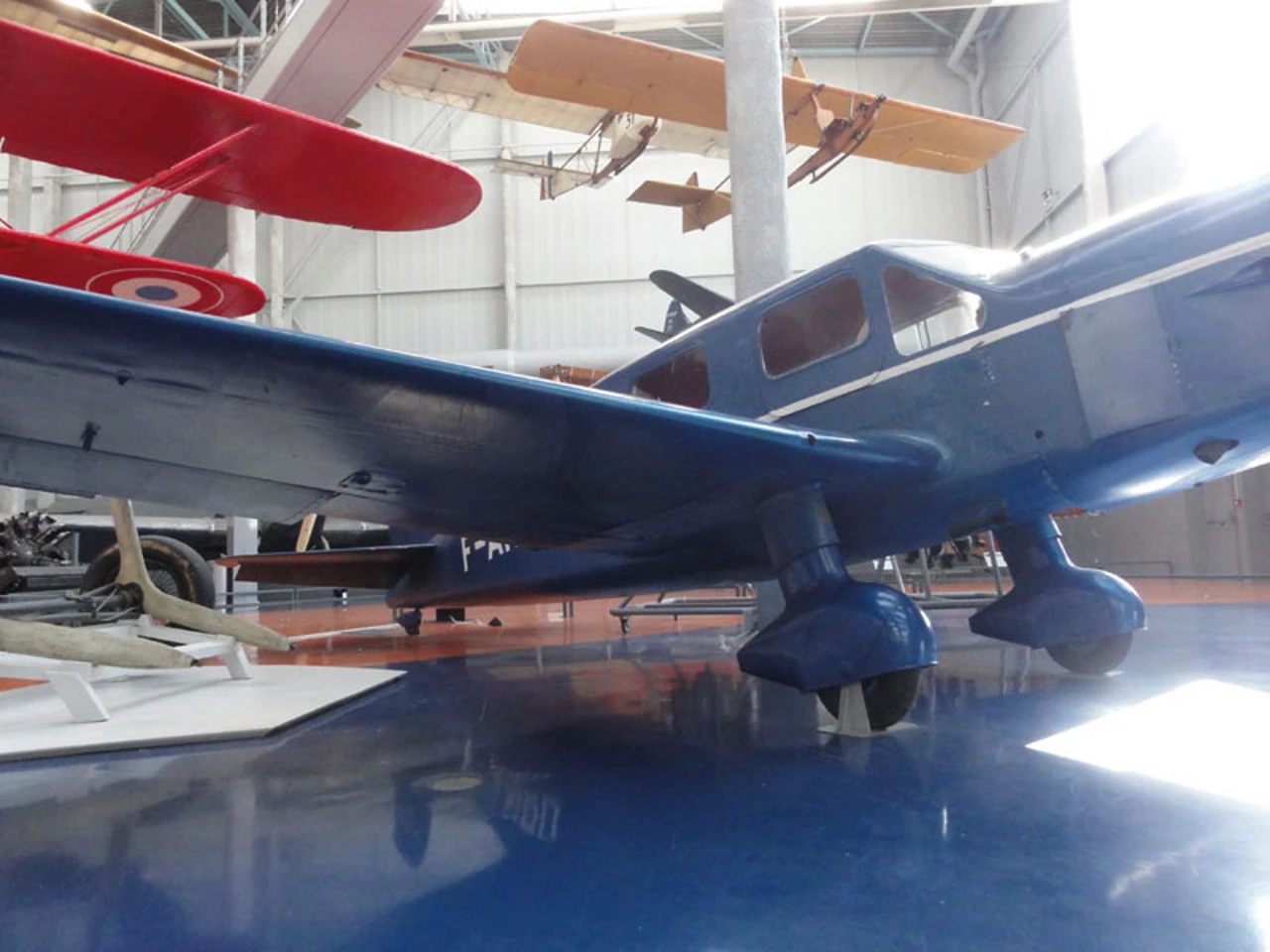
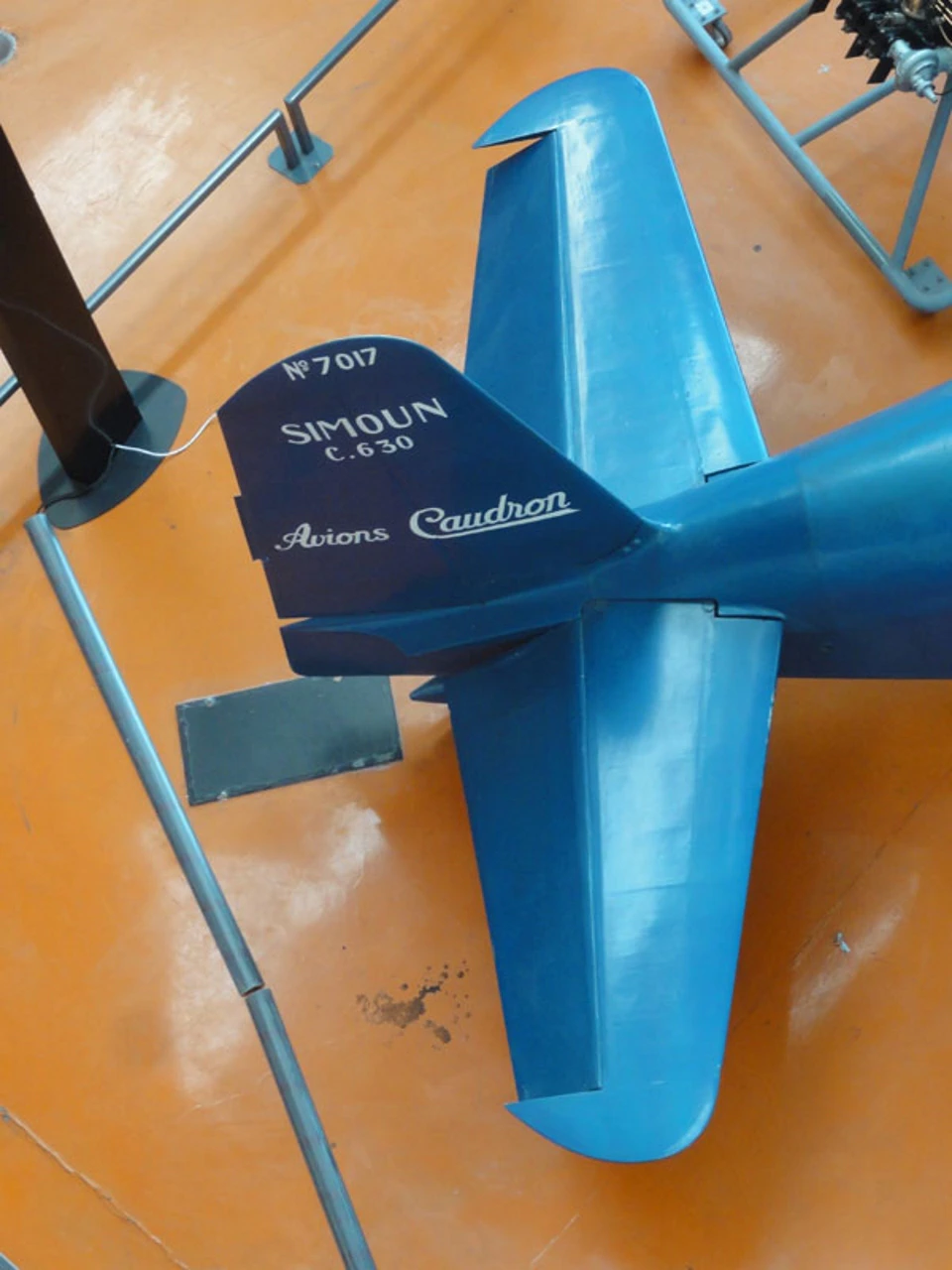
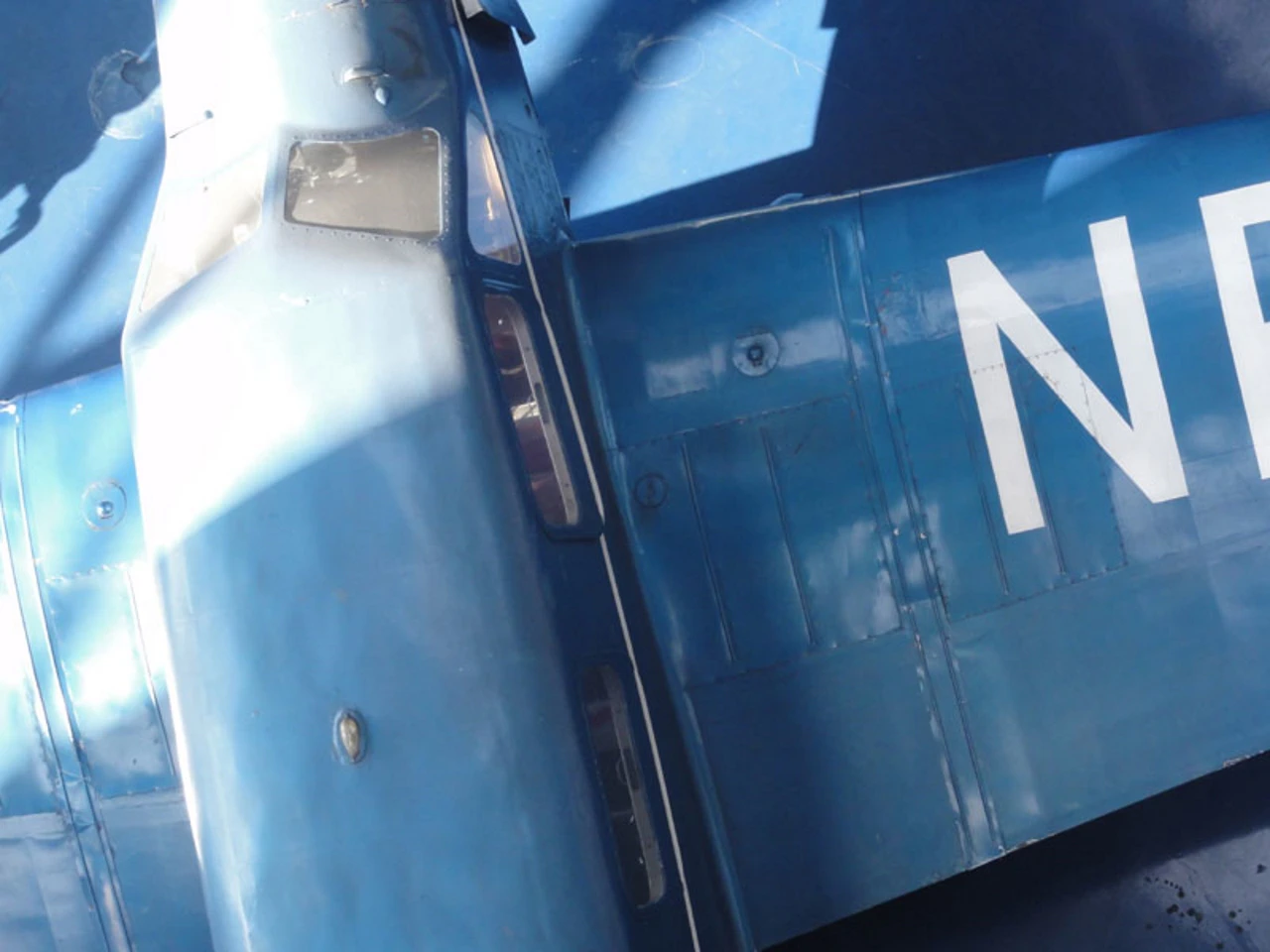
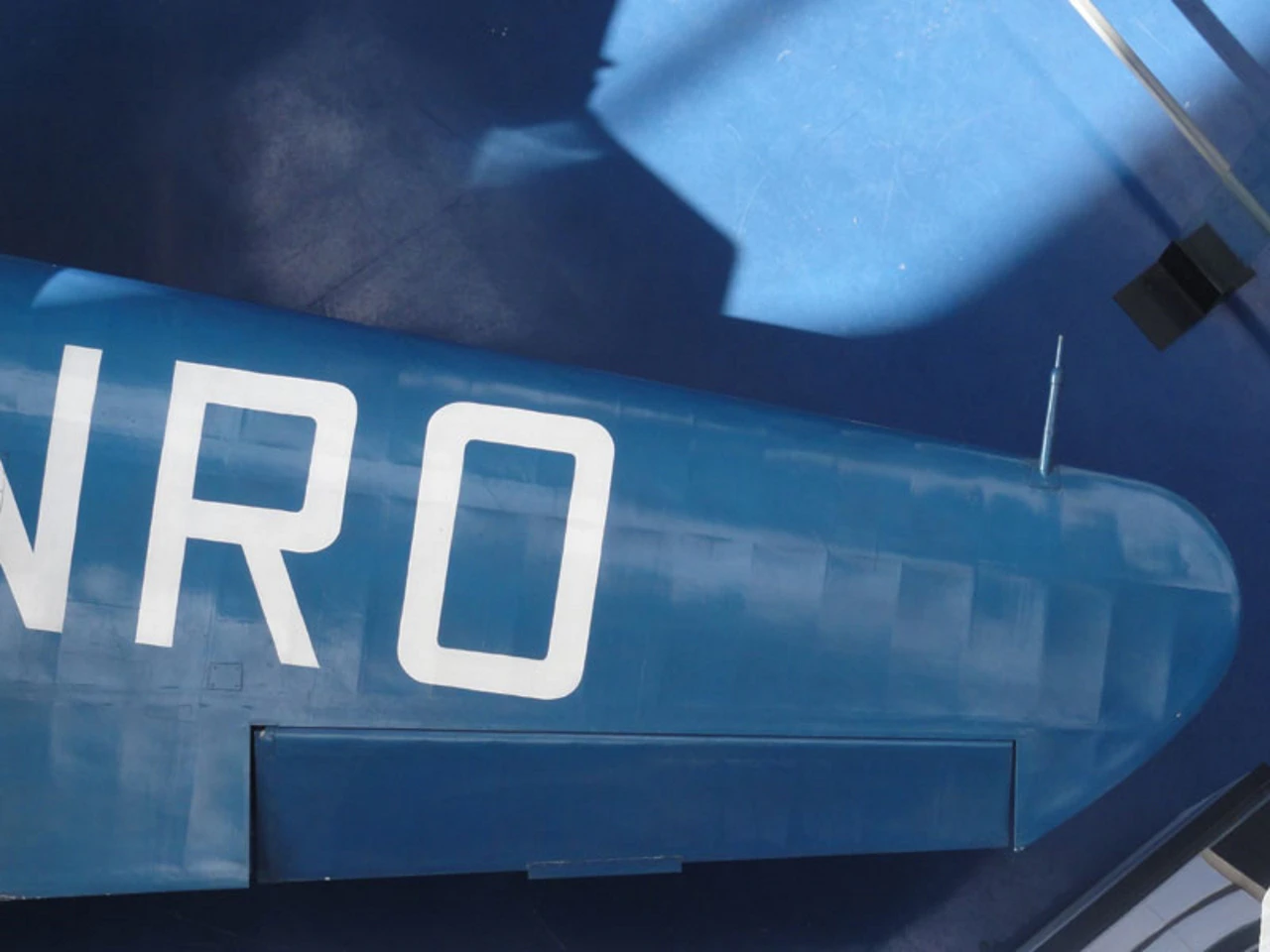

Vedi anche:


The Art of French Aerodynamics
Le Caudron C.630 Simoun was a masterpiece of 1930s French design. Created by Marcel Riffard, the genius behind Caudron’s world-beating racing planes, the Simoun (“Desert Wind”) brought racing performance to the luxury touring market. It was a sleek, wooden monoplane that combined high speed with an incredibly stylish cabin. While it began as a plaything for the wealthy and a high-speed mail plane for Air Bleu, it is best remembered today as the aircraft of Antoine de Saint-Exupéry, providing the real-life inspiration for the survival story in The Little Prince.
| Attribute | Technical Specification (C.630/C.635) |
|---|---|
| Ruolo | Luxury Tourer / Mail Plane / Liaison |
| Equipaggio | 1 or 2 |
| Capacità | Up to 3 Passengers |
| First Flight | October 1934 |
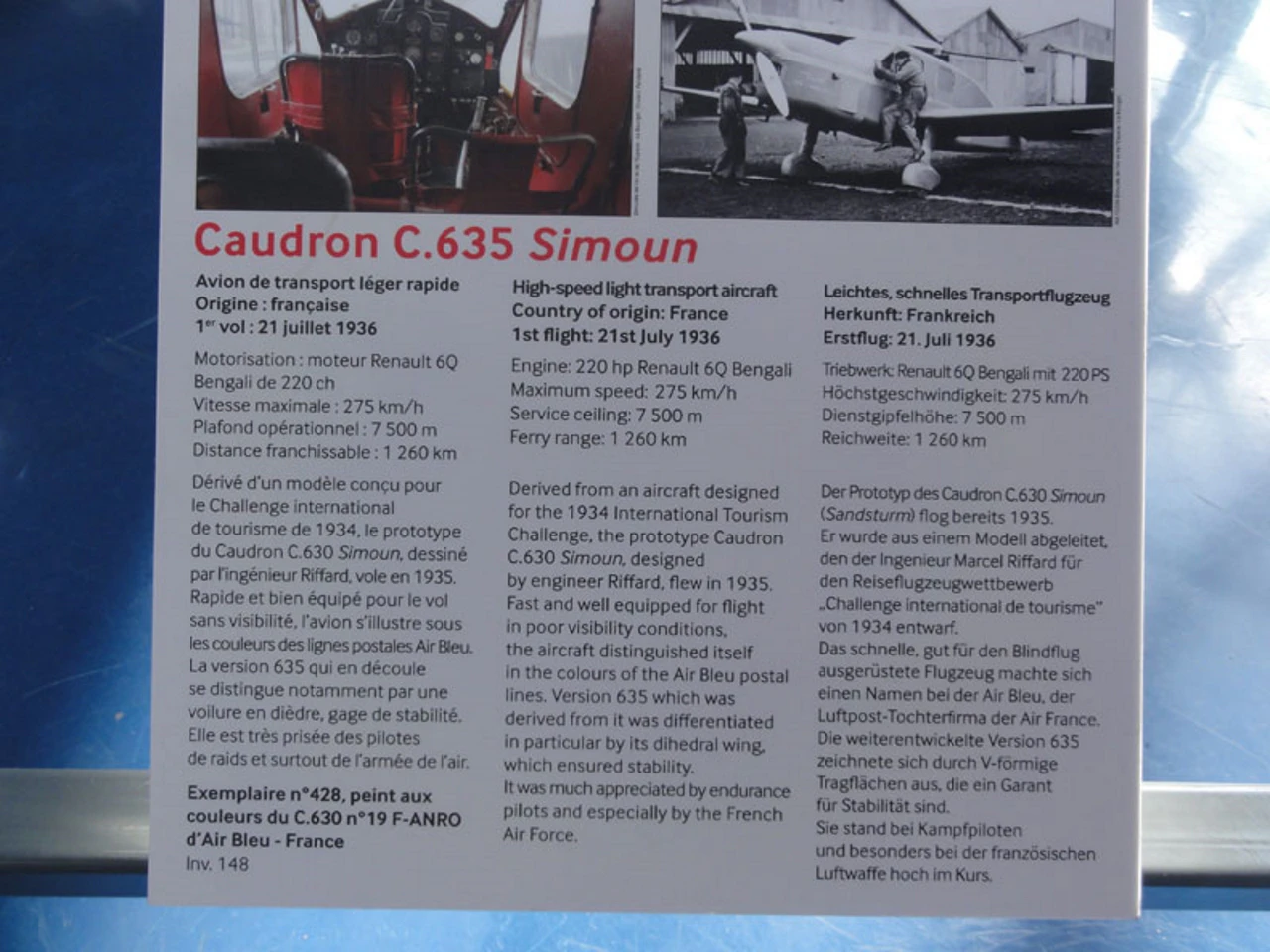
| Motopropulsore | 1 × Renault Bengali 6Q inverted 6-cylinder inline |
| Horsepower | 180–220 hp (depending on variant) |
| Velocità massima | 190 mph (310 km/h) |
| Gamma | 930 miles (1,500 km) |
Design Highlights: Racing Bloodlines
- Advanced Wooden Construction: The Simoun used a spruce and birch plywood skin, meticulously sanded and lacquered to a mirror-like finish. This resulted in an exceptionally “clean” surface that minimized aerodynamic drag.
- Variable-Pitch Propeller: The Simoun was one of the first production aircraft to feature a Ratier variable-pitch propeller. In a quirky piece of engineering, the mechanism was pressurized on the ground using a common bicycle pump before takeoff.
- Full-Span Flaps: To manage the high landing speeds inherent in its sleek, low-drag design, Riffard incorporated trailing-edge flaps that occupied almost the entire span of the wings, allowing it to land safely on the grass airfields of the 1930s.
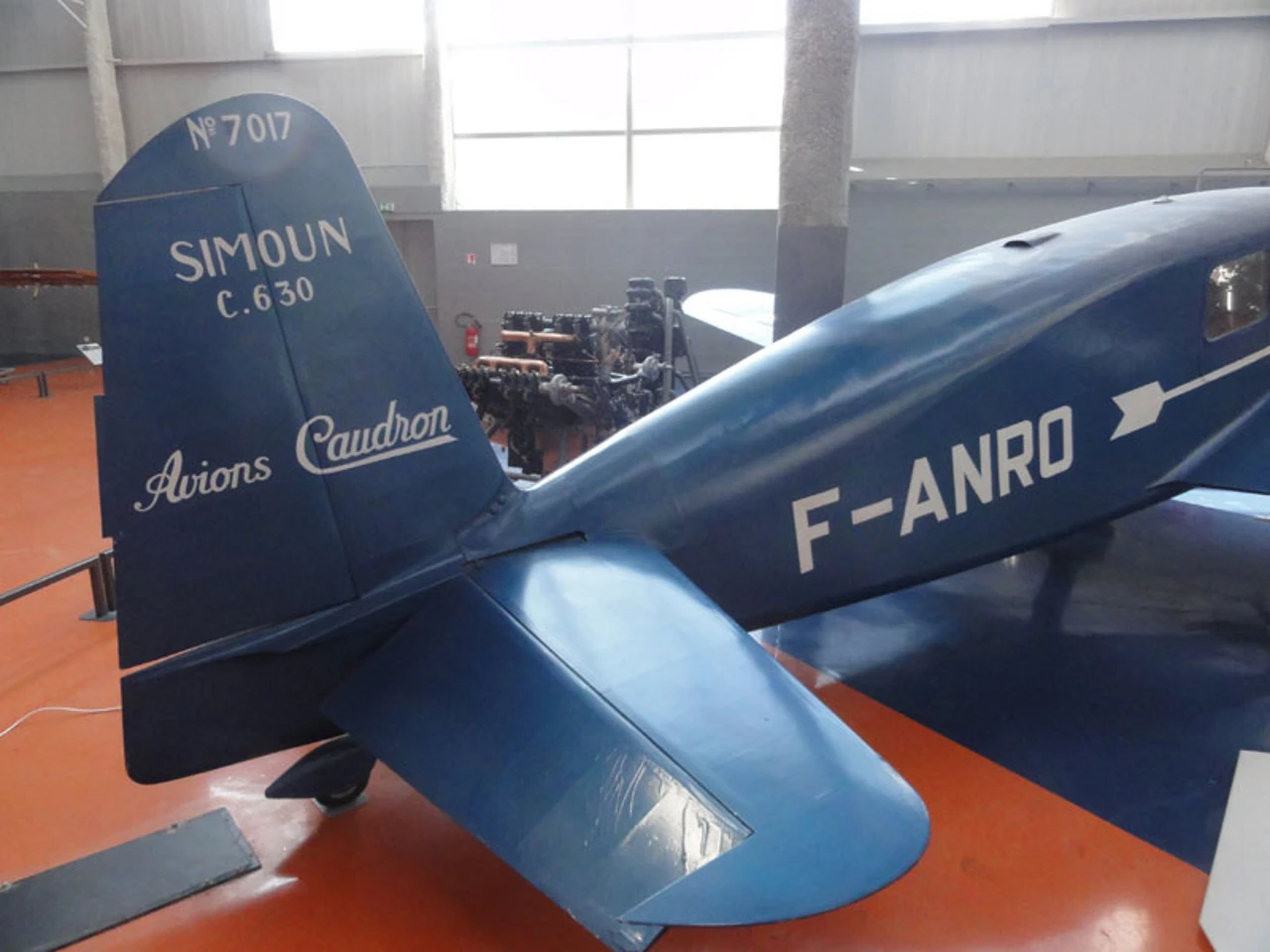
- Streamlined “Spats”: The main landing gear was fixed but entirely enclosed in elegant aerodynamic fairings (spats), a signature look of the Golden Age of Aviation.
Record Flights & Literary Legacy
- Saint-Exupéry’s Mirage: In December 1935, author Antoine de Saint-Exupéry crashed his Simoun (F-ANRY) in the Libyan Desert while attempting a record flight from Paris to Saigon. He and his mechanic survived for days on almost no water before being rescued—an experience he immortalized in Wind, Sand and Stars e The Little Prince.
- Air Bleu Mail Service: The Simoun was the backbone of France’s first high-speed domestic airmail service. Painted in a striking light blue with a silver arrow, these aircraft achieved record-breaking delivery times between Paris and cities like Bordeaux and Strasbourg.
- The Military “M” Version: When WWII began, hundreds of Simouns (C.635M) were requisitioned by the French Air Force for liaison and training. Several were even captured and used by the Luftwaffe, where German generals reportedly preferred their comfort over the standard Messerschmitt Bf 108.
- Global Traveler: Simouns were used for ambitious raids to Tokyo and across the South Atlantic, proving that a “touring limousine” could hold its own against dedicated long-range record breakers.
Punti di vista : 3592
Puoi anche vedere:
 Nardi FN.305 – Foto e Video
 Northrop YC-125 Raider – Foto e Video
 Grumman AF Guardian – Foto e Video
 Fairey Delta 2 – Foto e Video
 Handley Page Halifax – Foto e Video
 Grumman G-21 Goose – Foto e Video
 British Aerospace Harrier II – Foto e Video
 Fokker D. XXI – Foto & Video
 Boeing B-52 Stratofortress - WalkAround
 Focke-Wulf FW-190 - Passeggiata