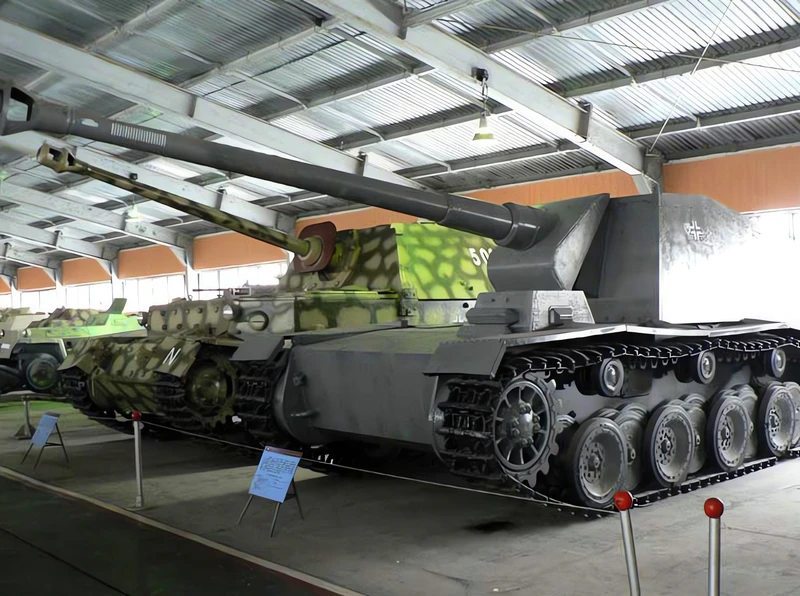
Sturer Emil | |
|---|---|
| Pays | Allemagne nazie |
| Rôle | Destroyer lourd de réservoir |
| En service | 1942-1943 |
| Construit | 2 |
Les 12,8 cm Selbstfahrlafette auf VK 30,01 (H) « Sturer Emil » (Allemand pour « Emil têtu ») était un canon antichar automoteur allemand expérimental de la Seconde Guerre mondiale. Il était basé sur le châssis Henschel VK30.01 et armé d’un canon Rheinmetall 12,8 cm K40 L/61 (basé sur le FlaK 40 de 12,8 cm). Ce canon peut traverser 7° de chaque côté, élever 10° et baisser de -15°. Il a effectué 15 balles pour le pistolet principal.
Source: Sturer Emil sur Wikipedia
| Sturer Emil 12.8cm Kanone L61 Walk Around | |
|---|---|
| Photographe | Unknow |
| Localisation | Inconnu |
| Photos | 32 |
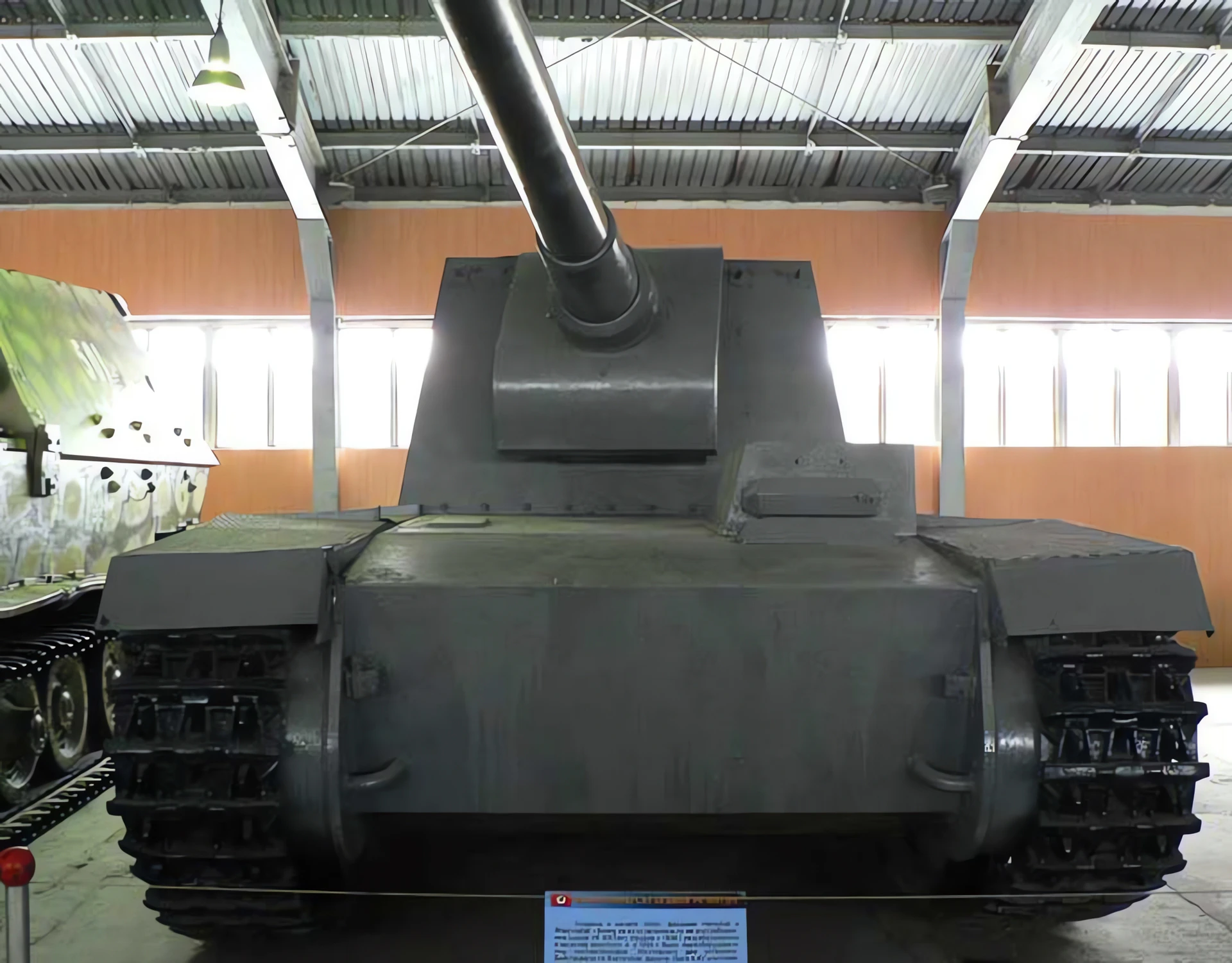
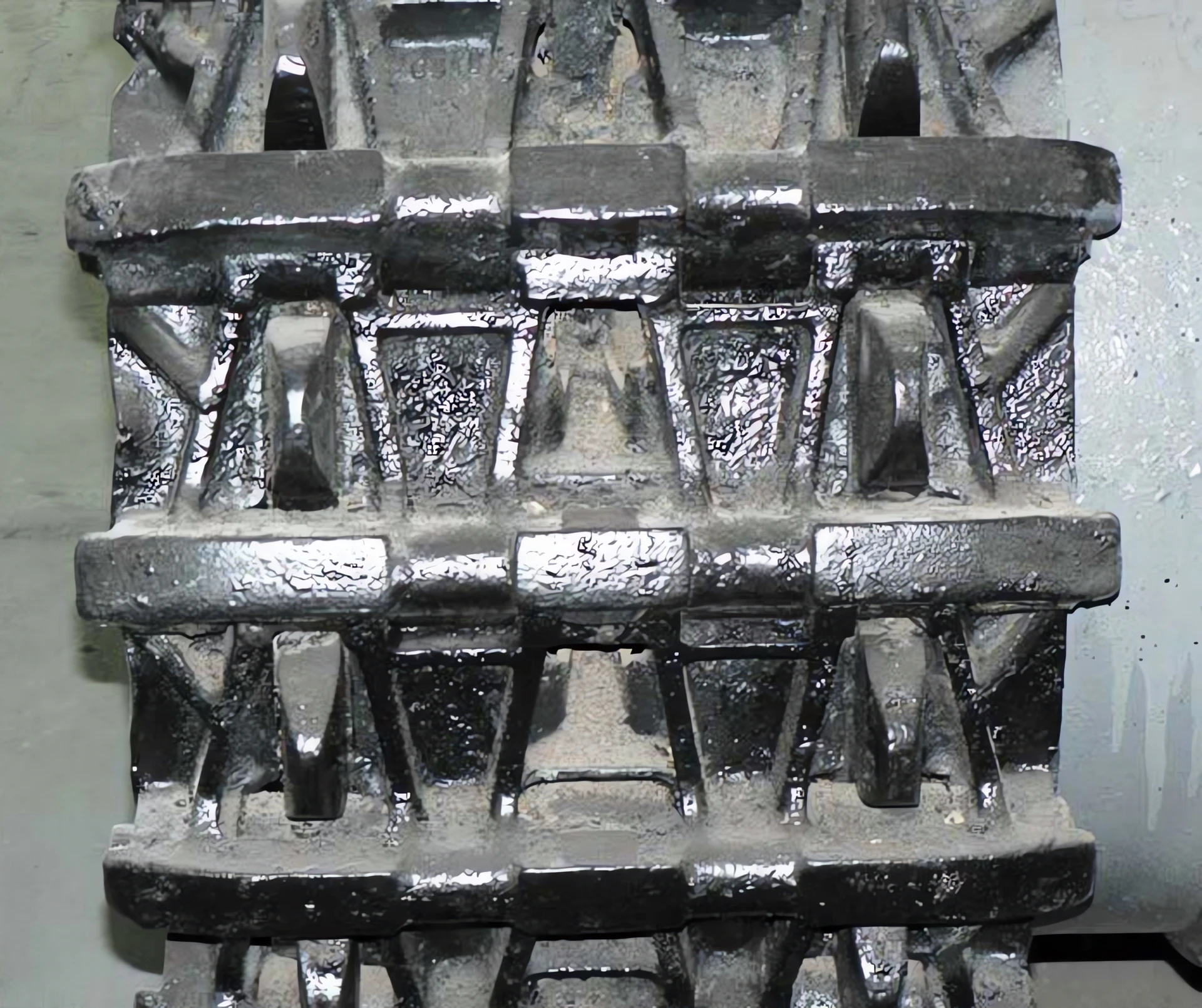
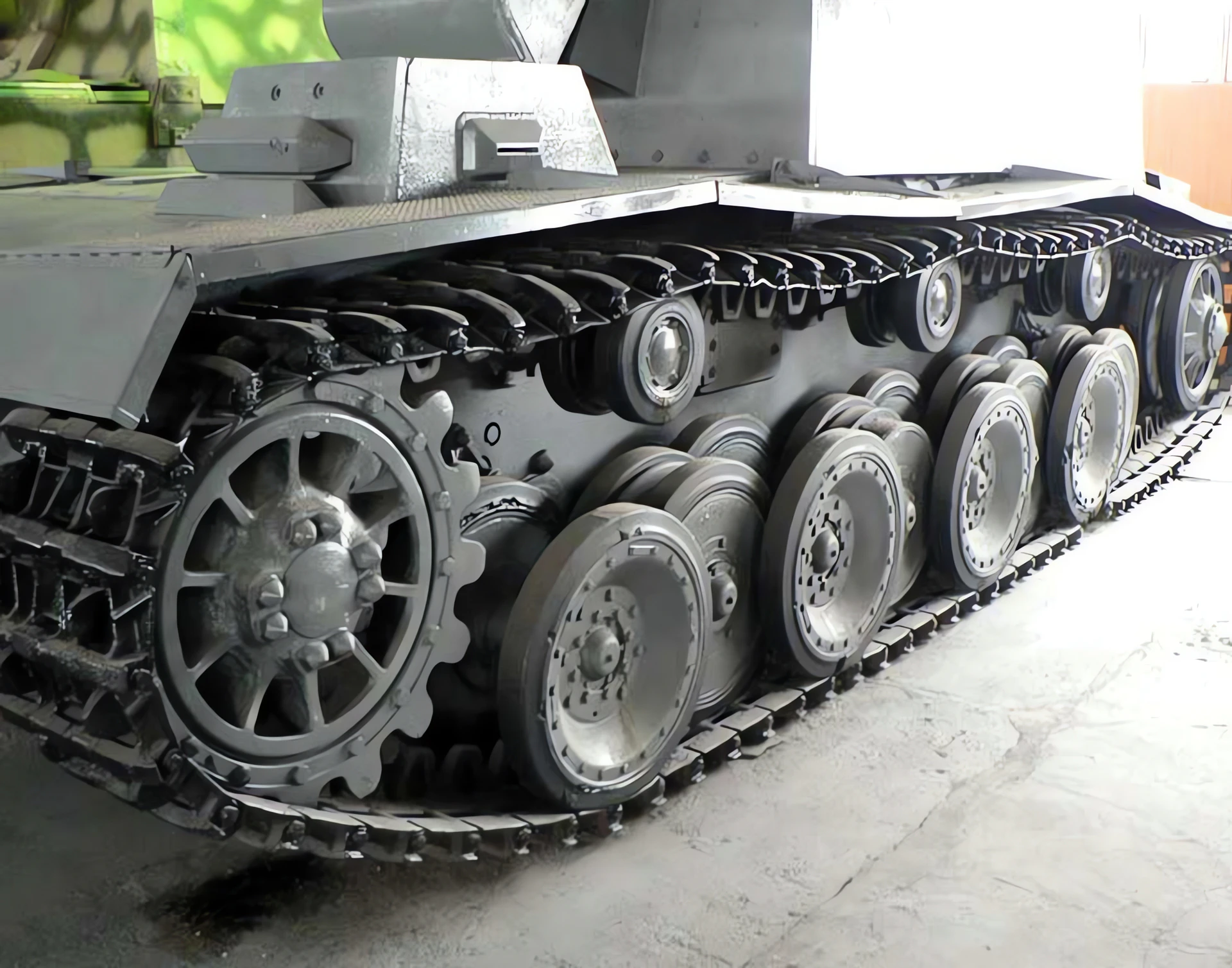


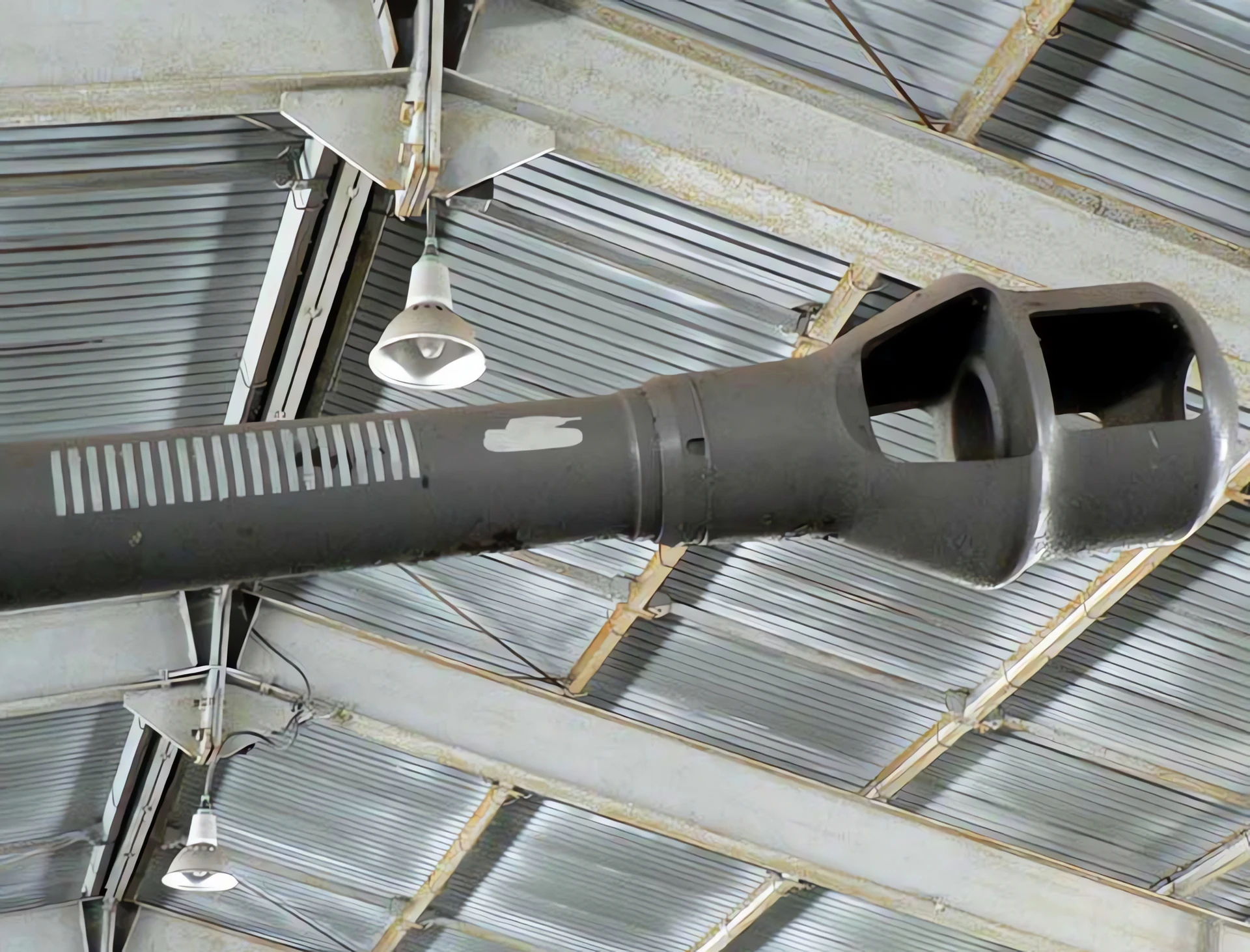
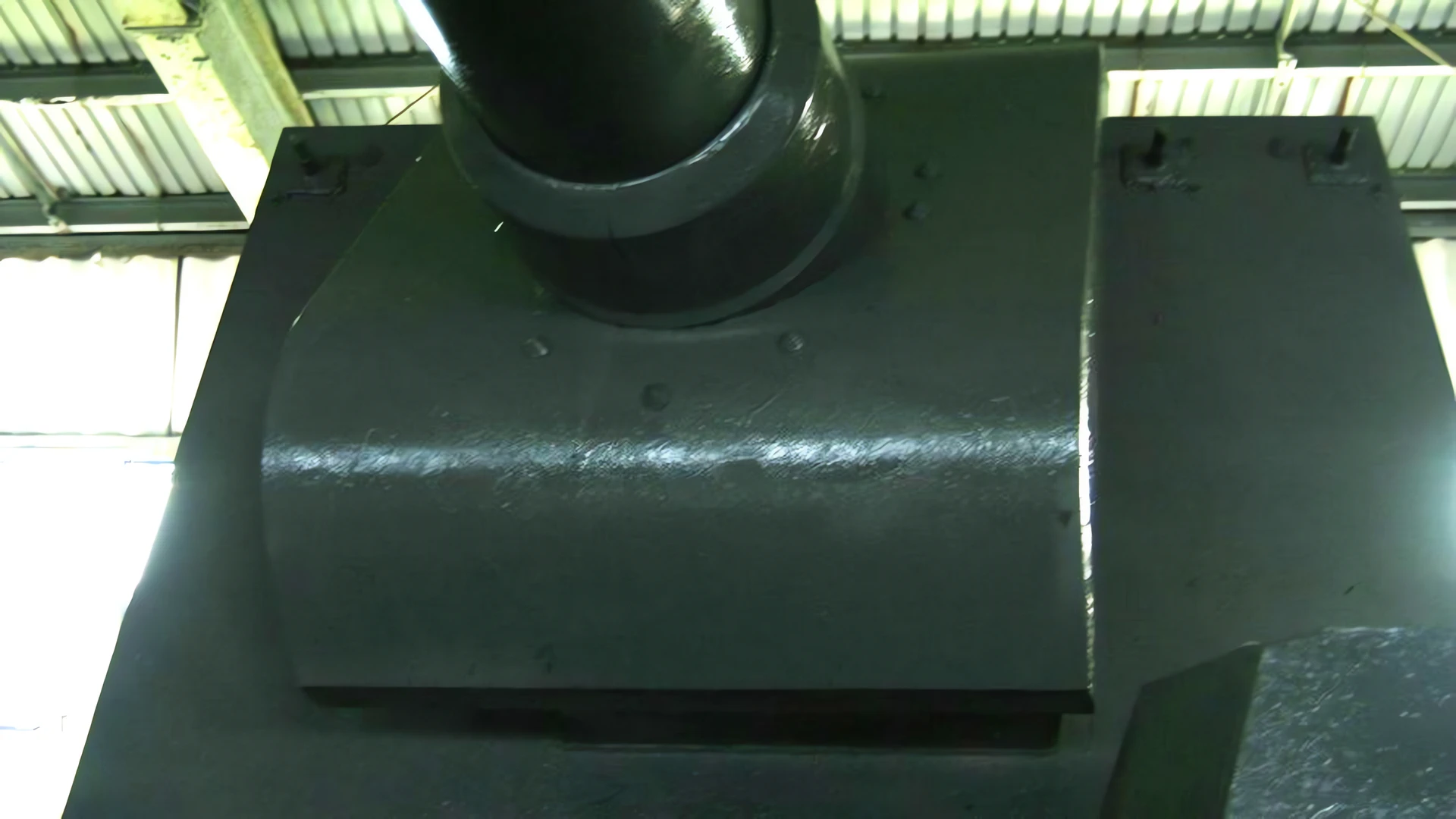


General Characteristics
Les 12,8 cm Selbstfahrlafette auf VK 30,01 (H) « Sturer Emil » (Allemand pour « Emil têtu ») was a World War II experimental German self-propelled anti-tank gun. It was designed to counter heavily armored Soviet tanks like the KV-1 and T-34, as well as to defeat fortified positions. The design repurposed the lengthened chassis of the canceled Henschel VK 30.01 (H) heavy tank prototype. Its most distinguishing feature was the mounting of the massive 12.8 cm gun in an open-topped fighting compartment. Only two prototypes were completed in 1942, nicknamed « Max » Et « Moritz, » and both saw limited but successful combat service on the Eastern Front, demonstrating the extreme power of their main armament despite the vehicle’s low mobility and light armor.
| Property | Typical Value (Prototypes) |
|---|---|
| Rôle | Experimental Tank Destroyer / Anti-fortification Gun |
| National Origin | Germany (Third Reich) |
| Fabricant | Henschel (Chassis), Rheinmetall (Gun) |
| Produit | 1942 |
| No. Built | 2 Prototypes |
| Crew | 5 (Commander, Driver, Radio Operator, Gunner, Loader) |
| Combat Weight | 35 t (34 long tons) |
| Length (Total) | 9.7 m (31 ft 10 in) |
| Width | 3.16 m (10 ft 4 in) |
| Height | 2.7 m (8 ft 10 in) |
Armament and Firepower
- Main Armament: 1 x 12.8 cm Kanone 40 L/61 (based on the 12.8 cm FlaK 40 anti-aircraft gun).
- Ammunition: Extremely limited to 15 to 18 rounds, carried in the fighting compartment.
- Penetration: The gun was capable of penetrating over 120 mm of armor sloped at 30° at a range of 2,000 m.
- Traverse/Elevation: Limited horizontal traverse of 7° left and 7° right, with excellent gun depression of -15° and elevation of +10°.
- Secondary Armament: 1 x 7.92 mm MG 34 machine gun (for self-defense).
- Kill Marks: The captured prototype « Moritz » had 22 kill rings painted on its barrel when it was captured at Stalingrad.
Protection and Mobility
- Armor: Rolled Homogeneous Armor (RHA).
- Maximum Thickness (Front Hull): 50 mm.
- The fighting compartment was open-topped and lightly armored (15 mm sides), making the crew very vulnerable to artillery, mortars, and aircraft.
- Engine: Maybach HL 116 liquid-cooled 6-cylinder gasoline engine.
- Power Output: 221 kW (300 PS).
- Power-to-Weight Ratio: Very low, approximately 8.57 hp/tonne (contributing to its nickname « Stubborn »).
- Maximum Speed (Road): 25 km/h (16 mph).
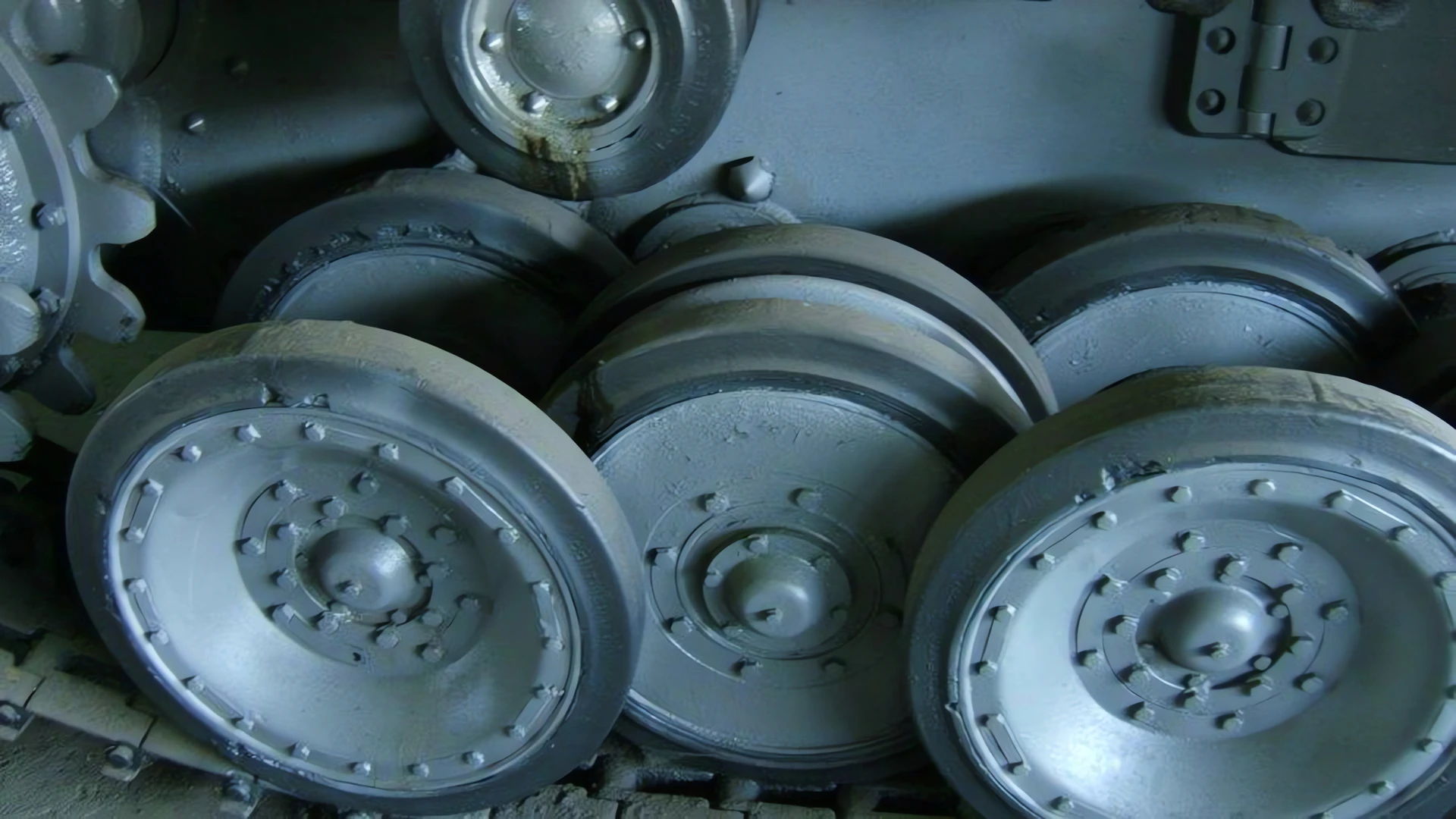
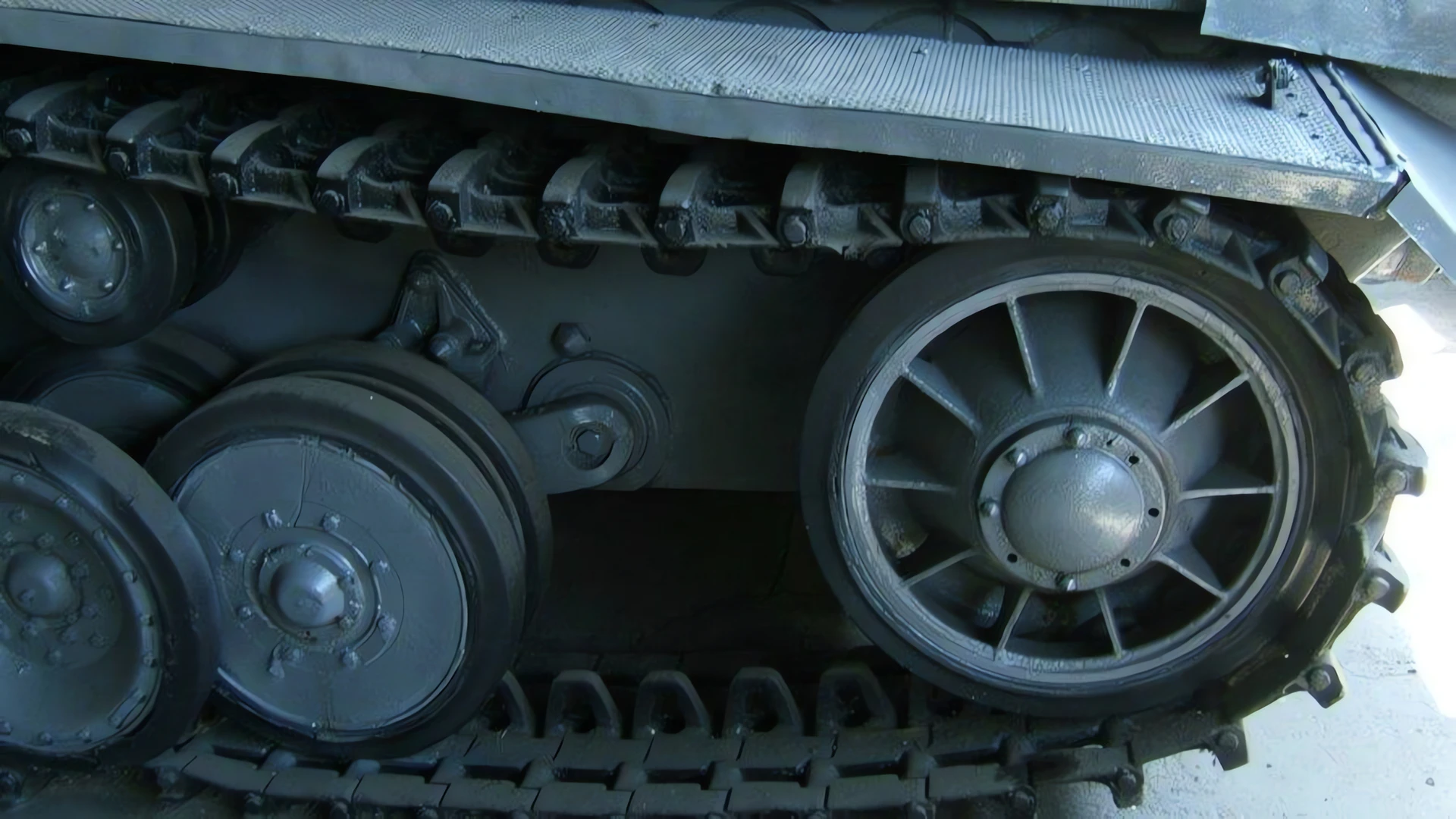
- Suspension: Torsion bar, based on the modified VK 30.01 (H) chassis, lengthened by adding one road wheel per side.
- Survivors: The prototype « Moritz » (the vehicle with 22 kill marks) was captured by the Soviet Army in January 1943 and is currently preserved at the Kubinka Tank Museum in Russia.
Vues : 2427
Vous pouvez voir aussi :
 Semovente da 90-53 – Promenade
 SdKfz 135 Marder I – Photos & Vidéo
 Chasseur de chars M36 – Photos & Vidéos
 M18 Hellcat – Photos & Vidéos
 SdKfz 135 Marder I – Photos & Vidéo
 Pvkv m/43 – Photos & Vidéo
 Sturmgeschutz 40 - WalkAround
 M10 Wolverine – WalkAround
 Nashorn – Walk Around
 ACHILLES IIC – Walk Around