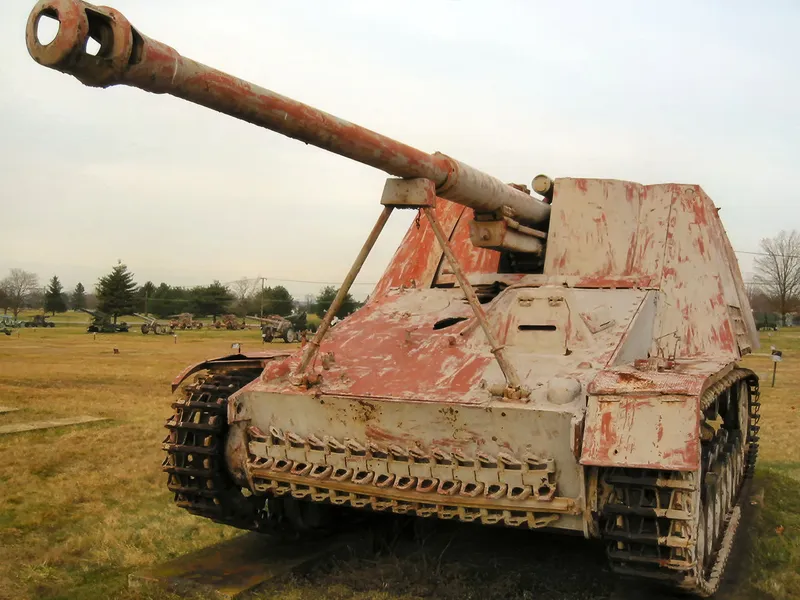
Nashorn | |
|---|---|
| Country | Germany |
| Type | Chasseur de chars |
| Description | Album photos sur un Nashorn |
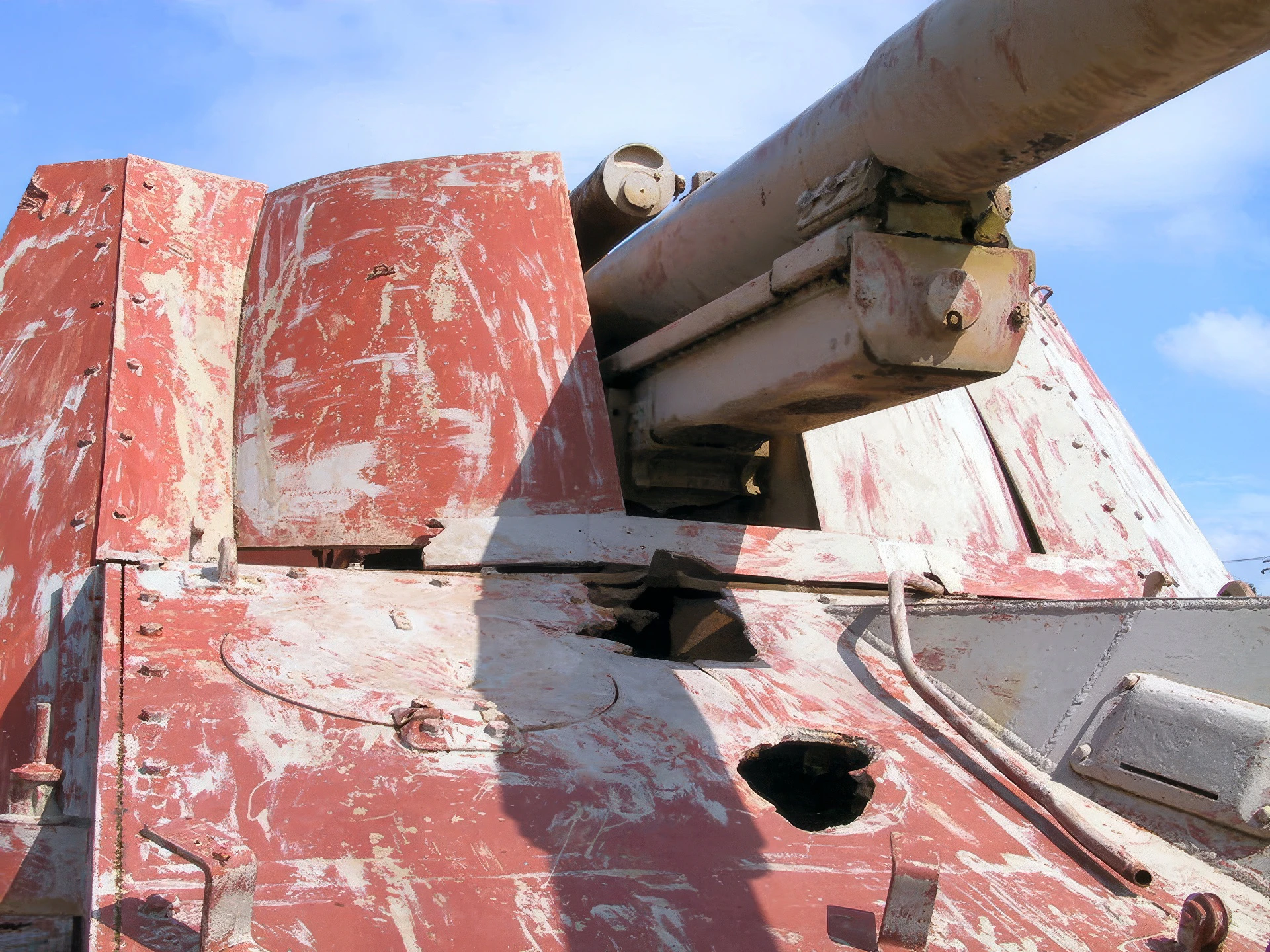
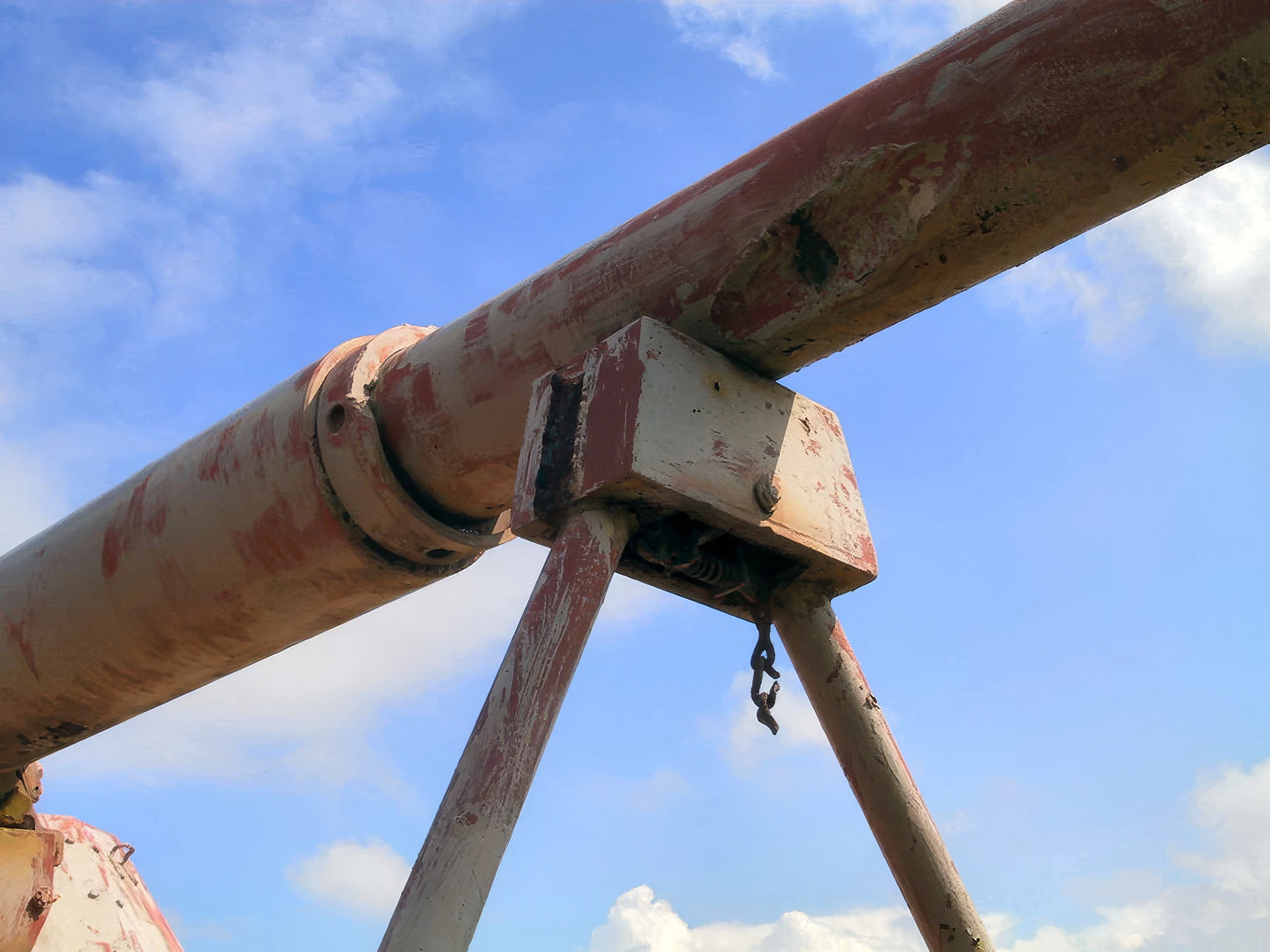
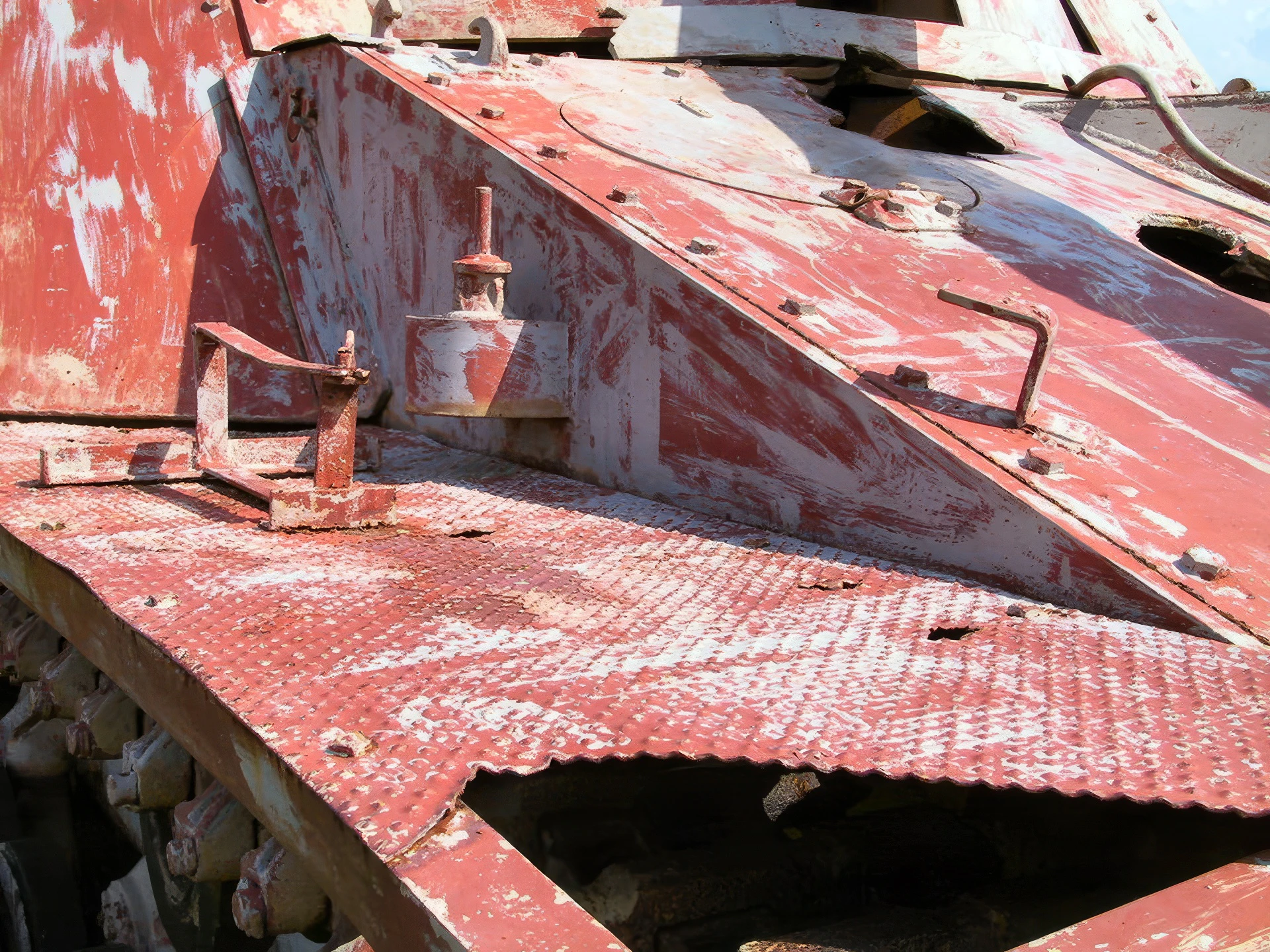
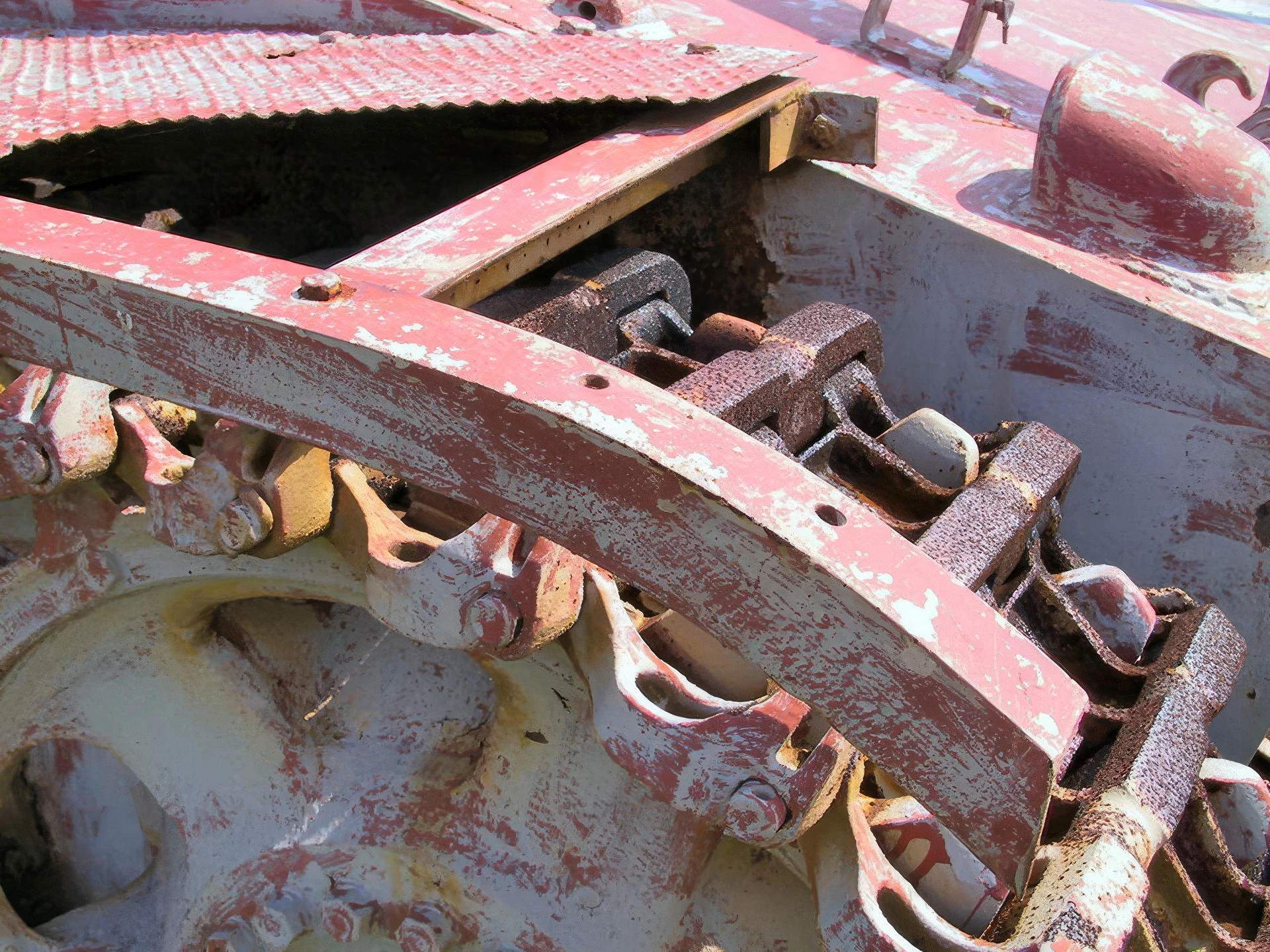
Galerie photo sur un Nashorn, Le Nashorn (littéralement Rhinocéros), désigné initialement sous le nom de Hornisse (frelon en allemand) était un chasseur de chars allemand de la Seconde Guerre mondiale. Il fut développé en tant que solution intermédiaire en 1942 et était armé du puissant canon anti-char de 88 mm. Bien que légèrement blindé et présentant une silhouette élevée, il resta en service jusqu’à la fin de la guerre et démontra qu’il était un assez bon chasseur de chars.
Source: Nashorn sur Wikipedia
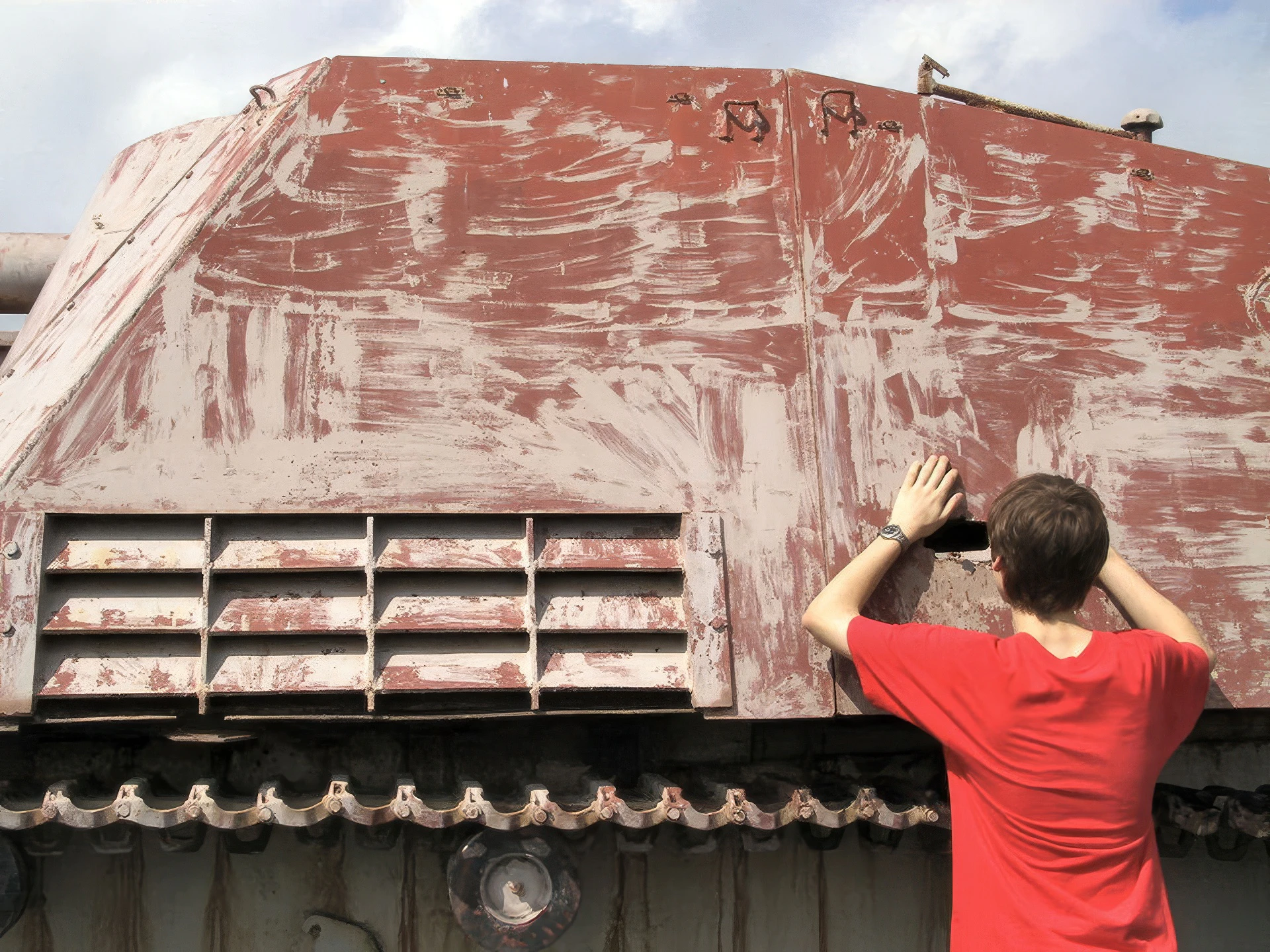
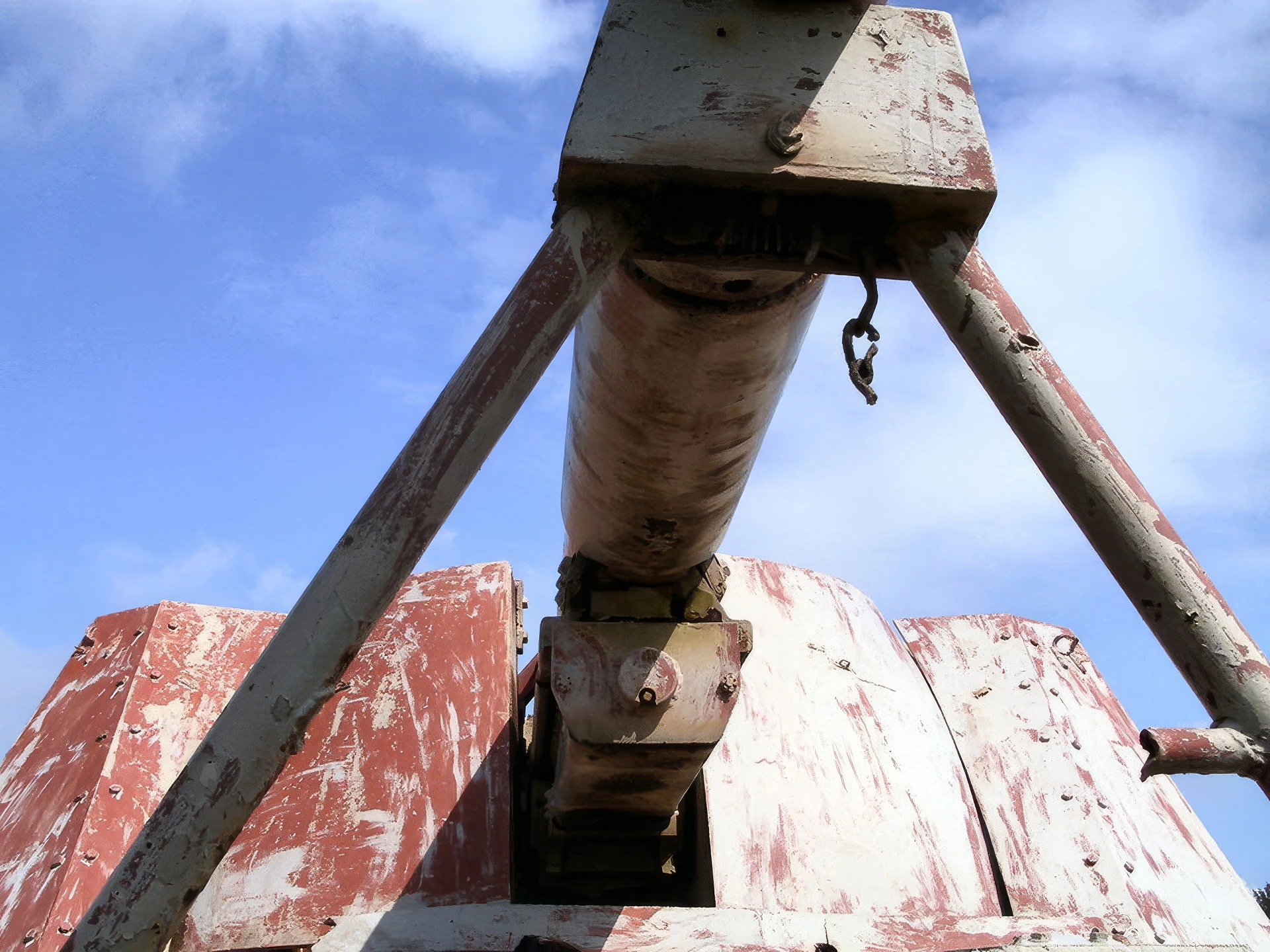
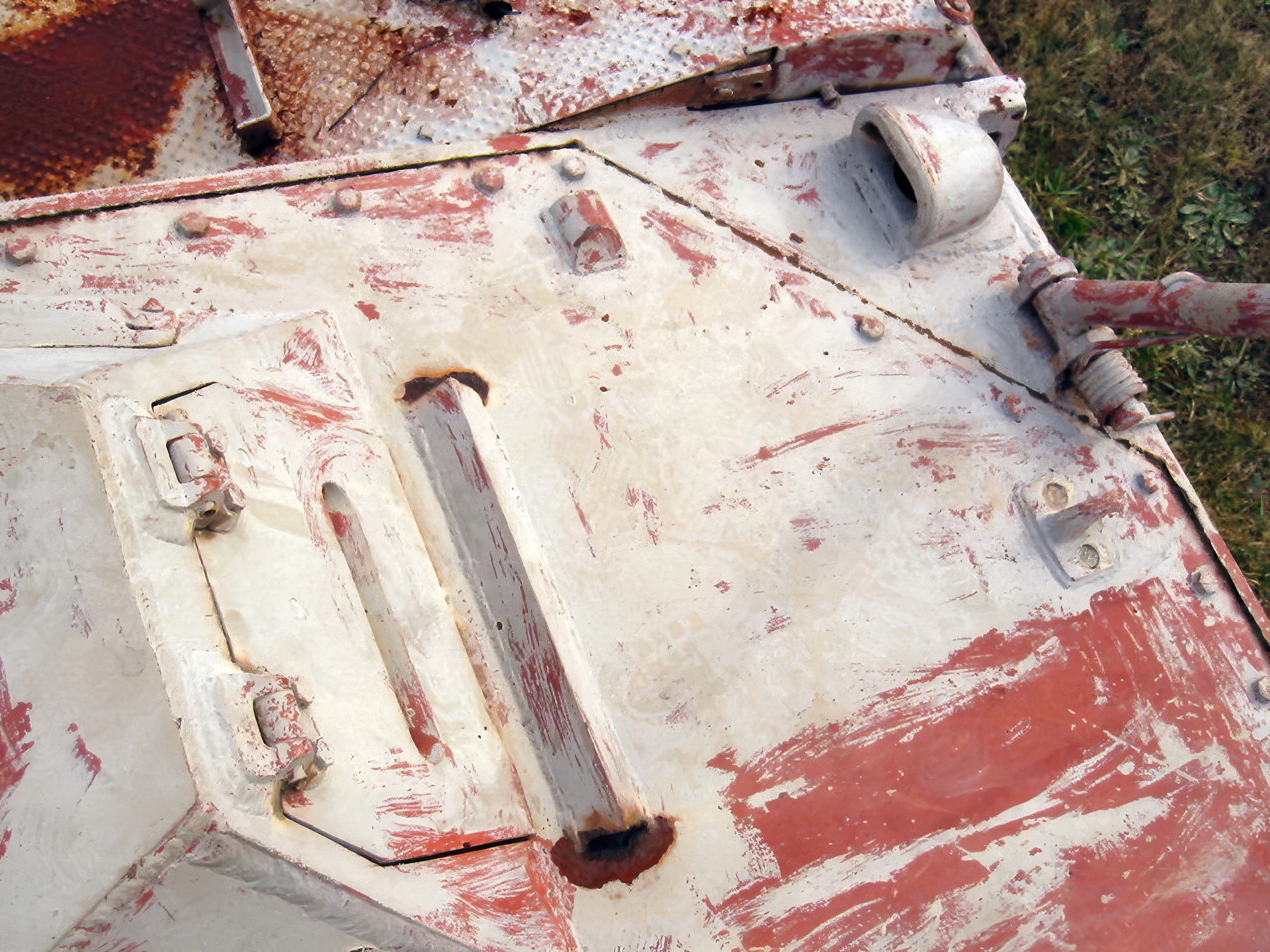
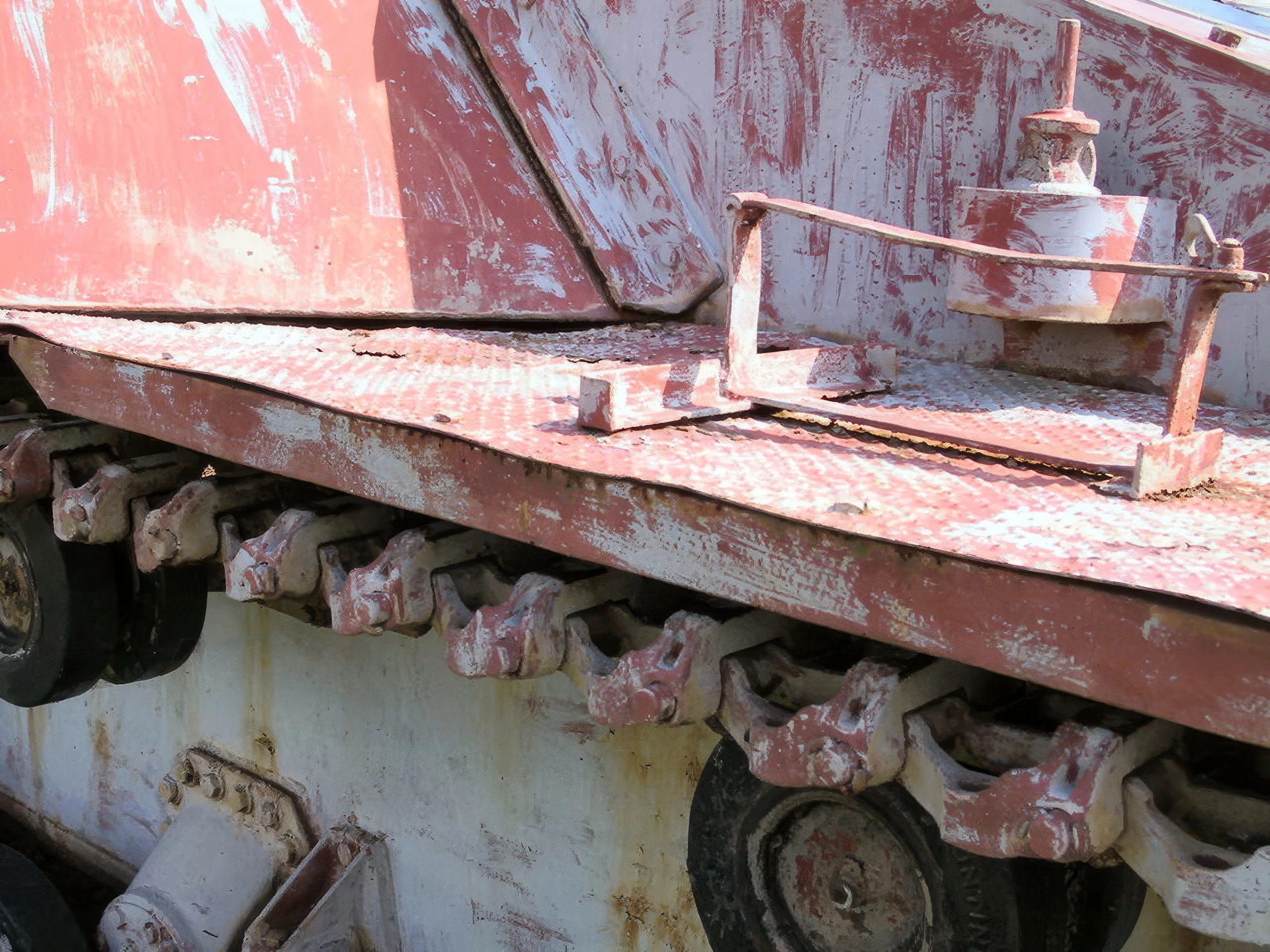
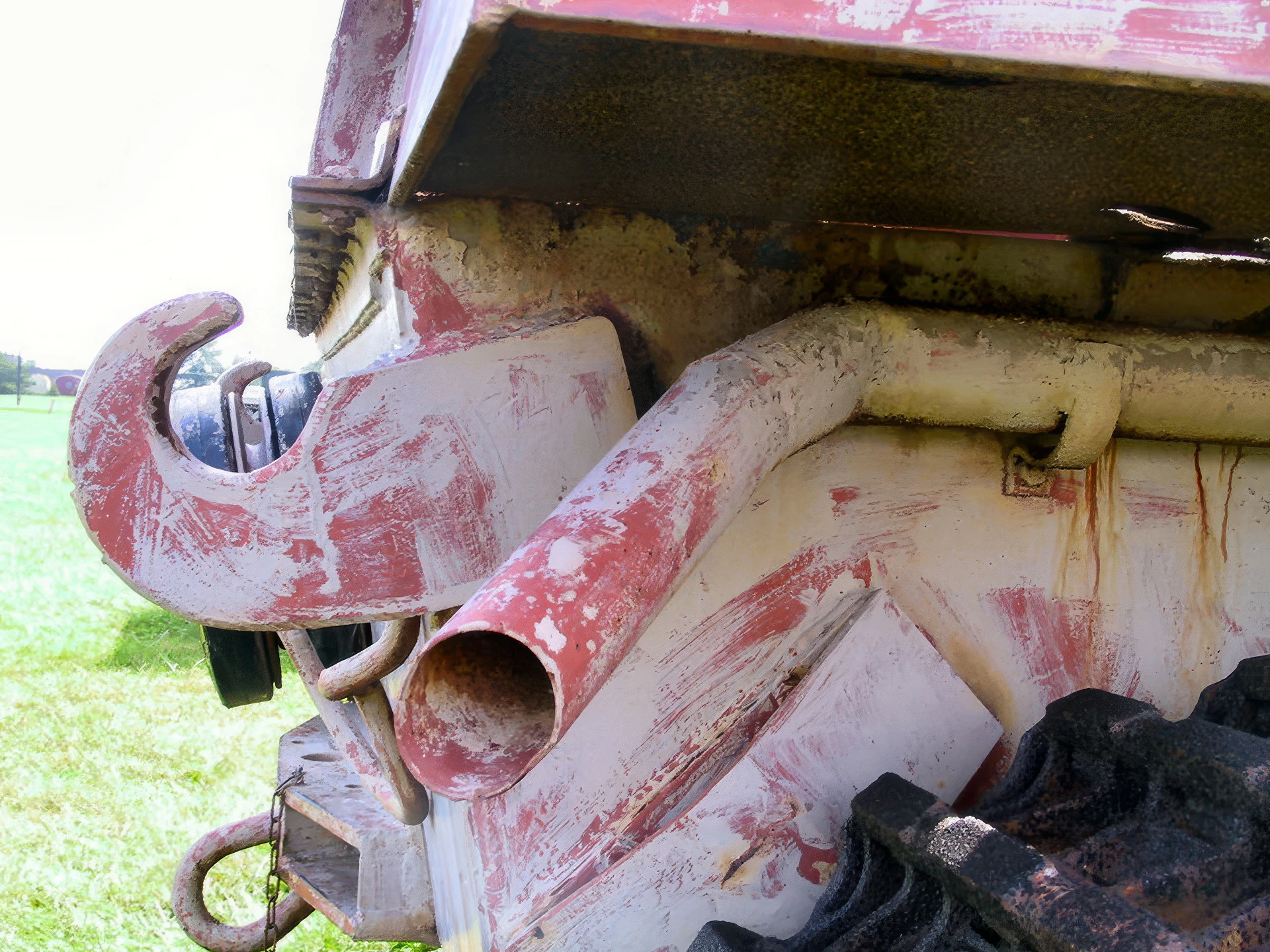

| Sd.Kfz.164 Nashorn Walk Around | |
|---|---|
| Photographers | Unknow |
| Localisation | Unknow |
| Photos | 19 |
See also:


General Characteristics and Role
The Nashorn (German for « Rhinoceros »), initially known as the Hornisse (« Hornet »), was a German tank destroyer (Panzerjäger) developed during World War II. Its design philosophy focused on mounting the most powerful available anti-tank gun onto a reliable, if lightly armored, chassis to prioritize long-range engagement and superior firepower. It was based on a common chassis component (Geschützwagen III/IV), which combined parts from the Panzer III and Panzer IV tanks. The Nashorn excelled at destroying Allied tanks from long distances, but its open-topped fighting compartment and thin armor made it highly vulnerable to enemy infantry, artillery, and close-range combat. It served on both the Eastern and Western Fronts from mid-1943 until the end of the war.
| Property | Typical Value (Sd.Kfz. 164) |
|---|---|
| Role | Tank Destroyer (Panzerjäger) |
| National Origin | Nazi Germany |
| Manufacturer | Deutsche Eisenwerke |
| Service Entry | 1943 |
| Crew | 5 (Commander, Driver, Gunner, 2 Loaders) |
| Length (Gun Forward) | 8.44 m (27 ft 8 in) |
| Width | 2.95 m (9 ft 8 in) |
| Height | 2.65 m (8 ft 8 in) |
| Weight (Combat) | 24 tons |
Powerplant and Mobility
- Engine: 1 x Maybach HL 120 TRM V-12 liquid-cooled gasoline engine.
- Power Output: 300 hp (224 kW).
- Maximum Speed (Road): 42 km/h (26 mph).
- Range (Road): 215 km (134 mi).
- Suspension: Leaf spring (based on combined Panzer III/IV components).
Armament and Armor
- Main Armament: 1 x 8.8 cm Pak 43/1 L/71 anti-tank gun. This was one of the most powerful anti-tank guns of the war.
- Ammunition Capacity: 40 rounds for the main gun.
- Secondary Armament: 1 x 7.92 mm MG 34 machine gun (carried for anti-infantry defense).
- Armor (Front Hull): Up to 30 mm (1.2 in).
- Armor (Superstructure): Only 10 mm (0.4 in) thick on all sides, designed mainly to protect against shrapnel and small arms fire.
- Key Advantage: The long-barreled 8.8 cm gun gave it a clear edge in range and penetration against nearly all Allied tanks, including the Soviet IS-2 and the American M4 Sherman.
Views : 5997
You can see also :
 B1 Centauro – Photos & Videos
 ELC project – Photos & Videos
 M18 Hellcat – Photos & Videos
 Valentine Archer – Photos & Videos
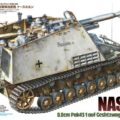 Tamiya – 35335
 Marder Hotchkiss – Photos & Video
 Pvkv m/43 – Photos & Video
 Type 1 Ho-Ni – Photos & Video
 Sturmgeschutz 40 – WalkAround
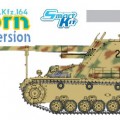 Sd.Kfz.164 Nashorn Command – DRAGON 6646