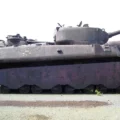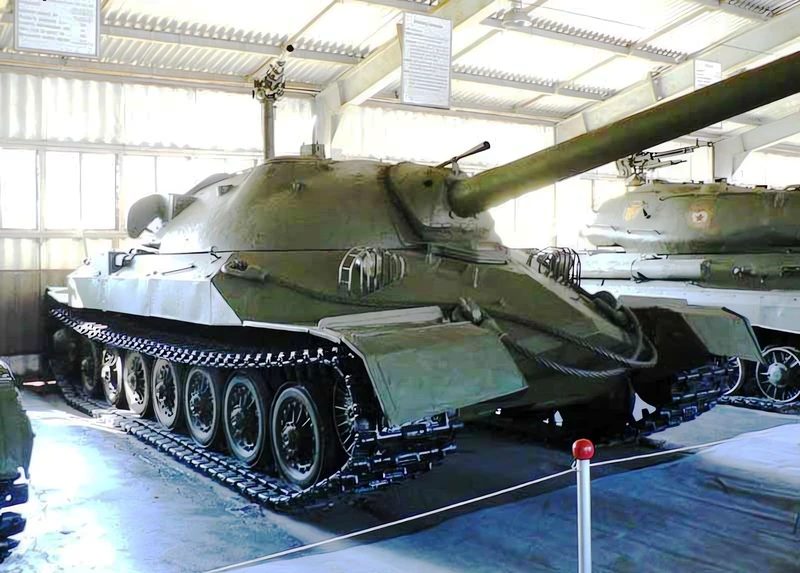
JS-7 tank | |
|---|---|
| Pays | Union soviétique |
| Rôle | Réservoir lourd |
| Produit | 1945 |
| Construit | 6 prototypes |
Lla Char lourd IS-7, également connu sous son nom de projet Objet 260, est un char soviétique dont le développement a commencé en 1945. Le véhicule n’existait que sous forme de prototype et a été annulé en faveur du char T-10.
Source: Char JS-7 sur Wikipedia
| JS-7 Walk Around | |
|---|---|
| Photographes | Inconnu |
| Localisation | Inconnu |
| Photos | 14 |
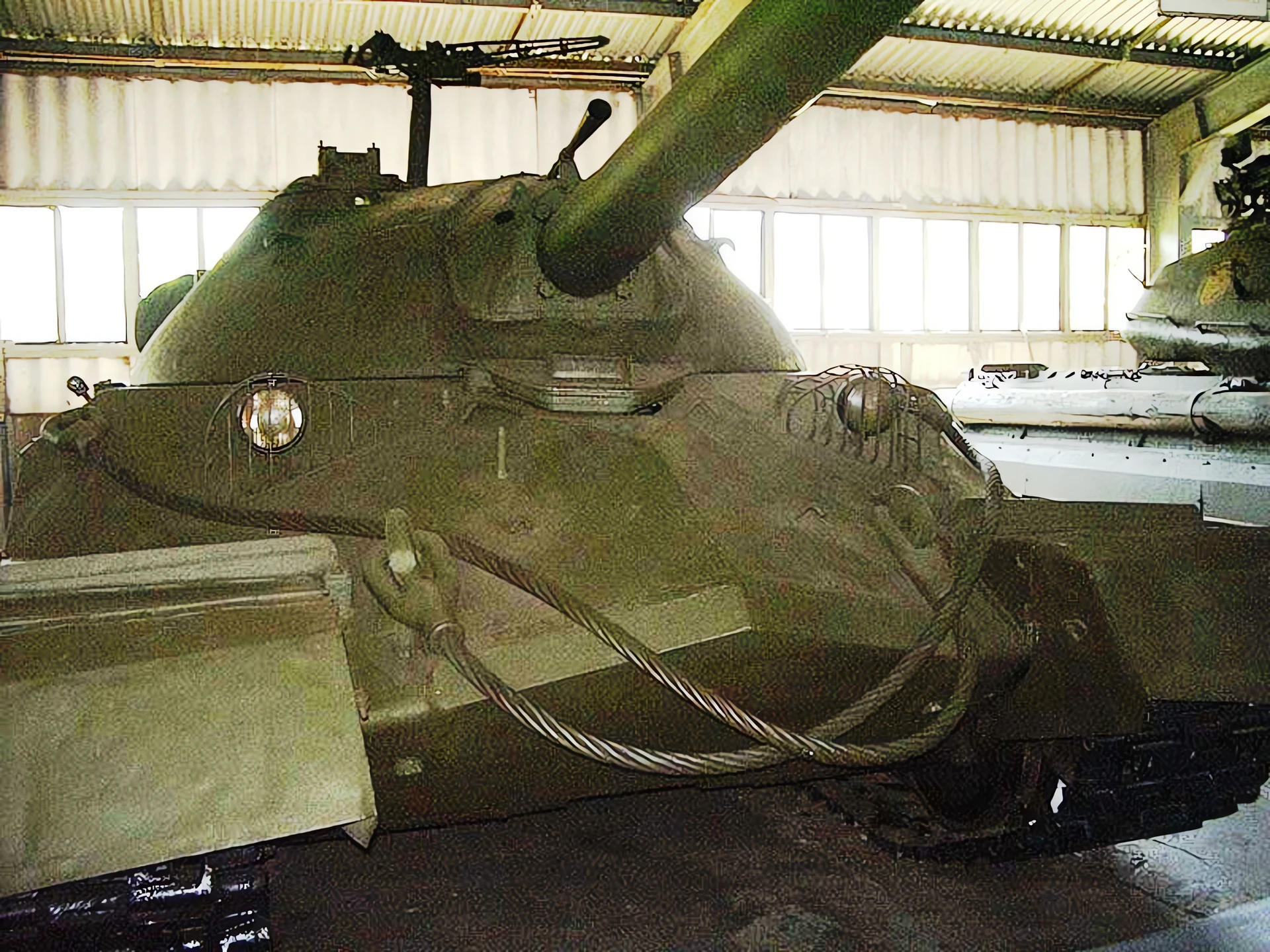
JS-7 1
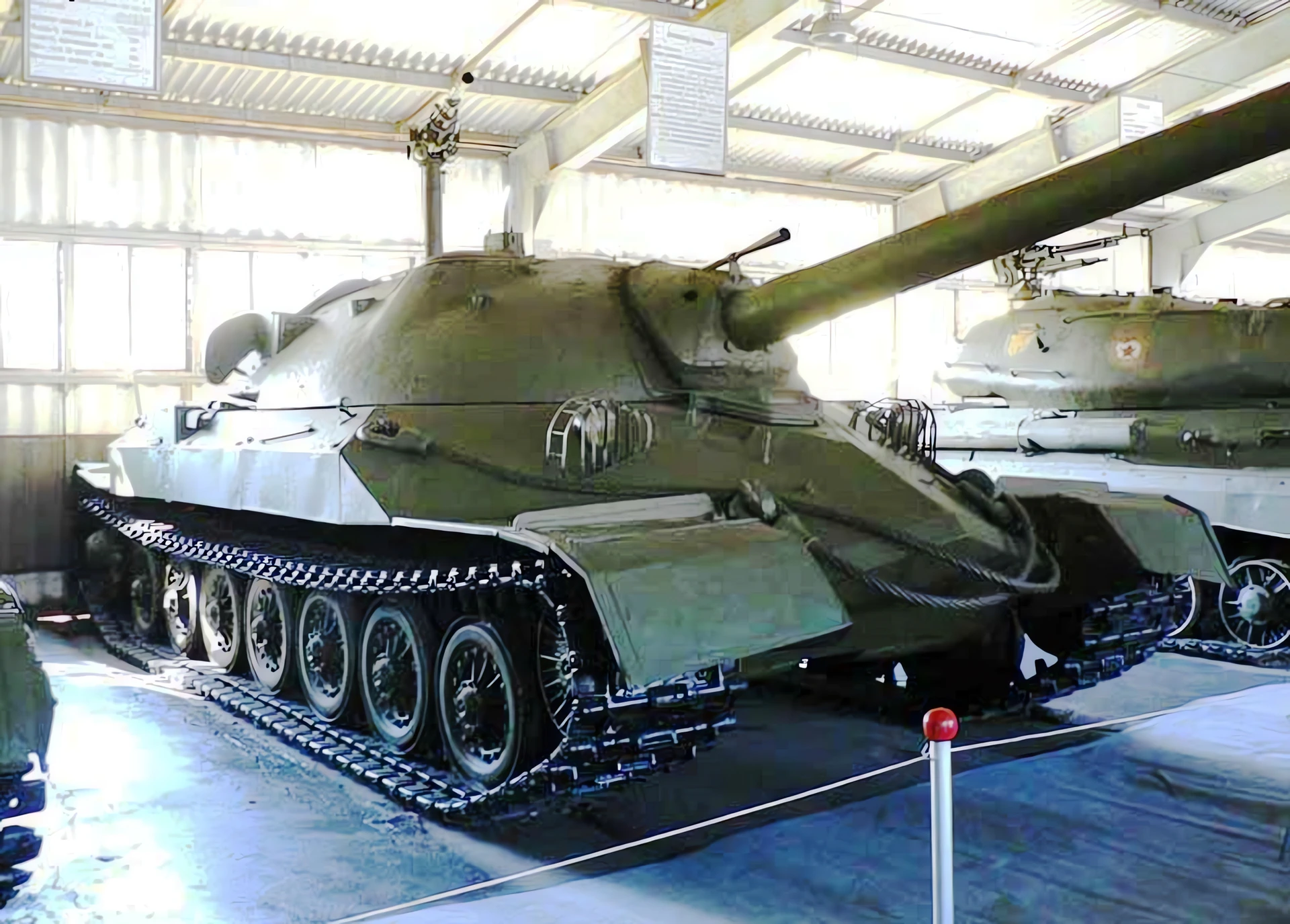
JS-7 2
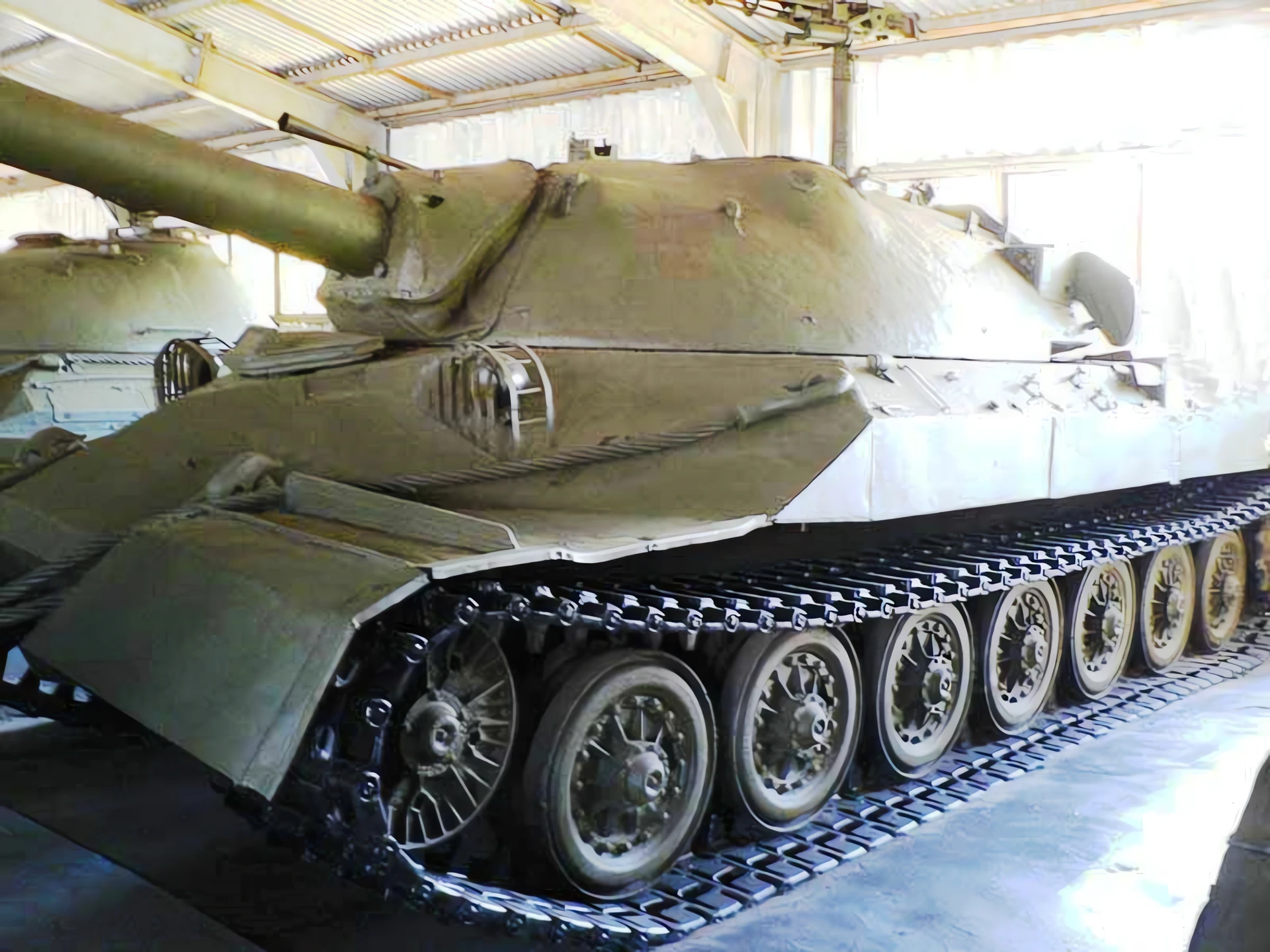
JS-7 4
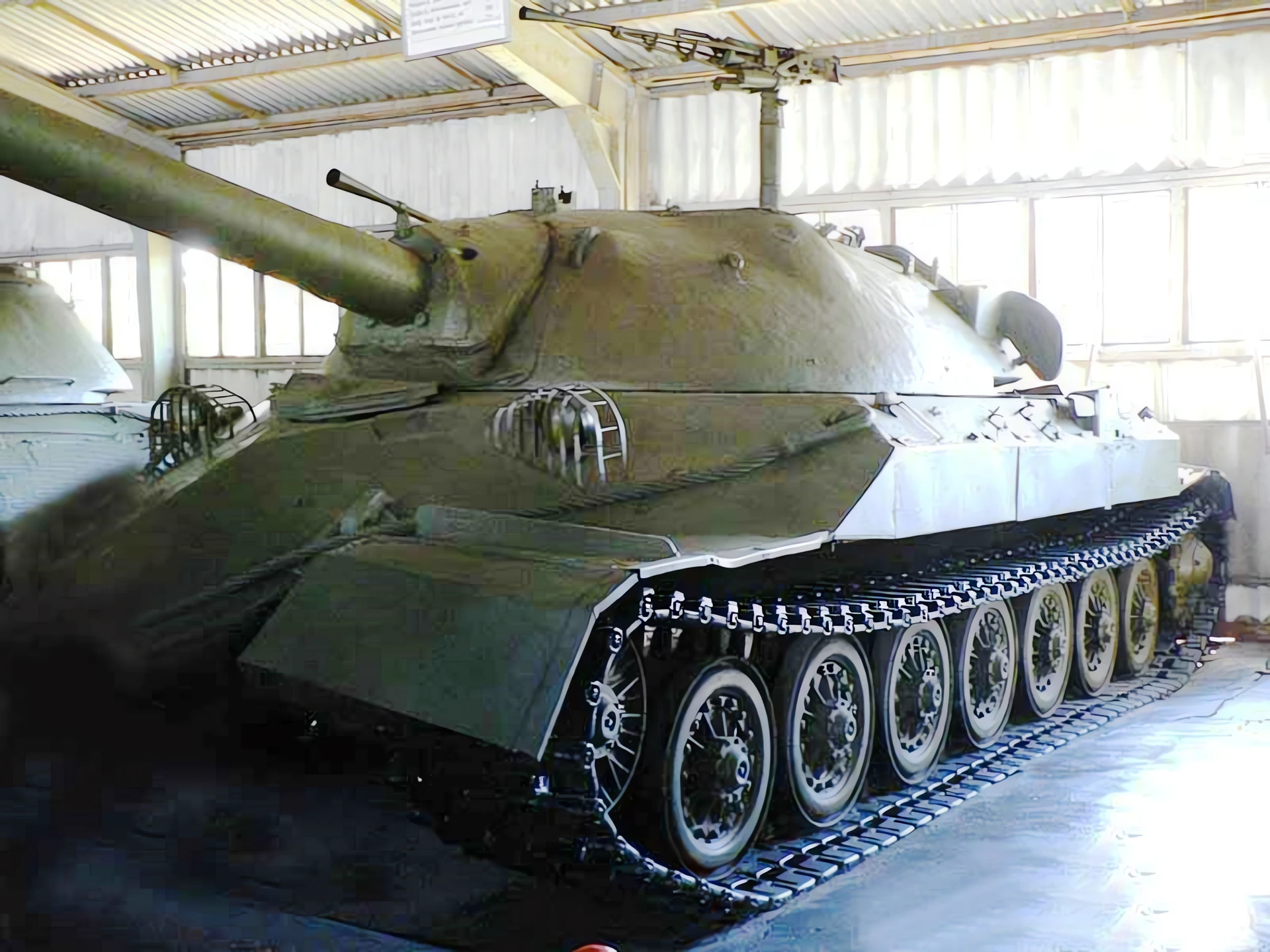
JS-7 3
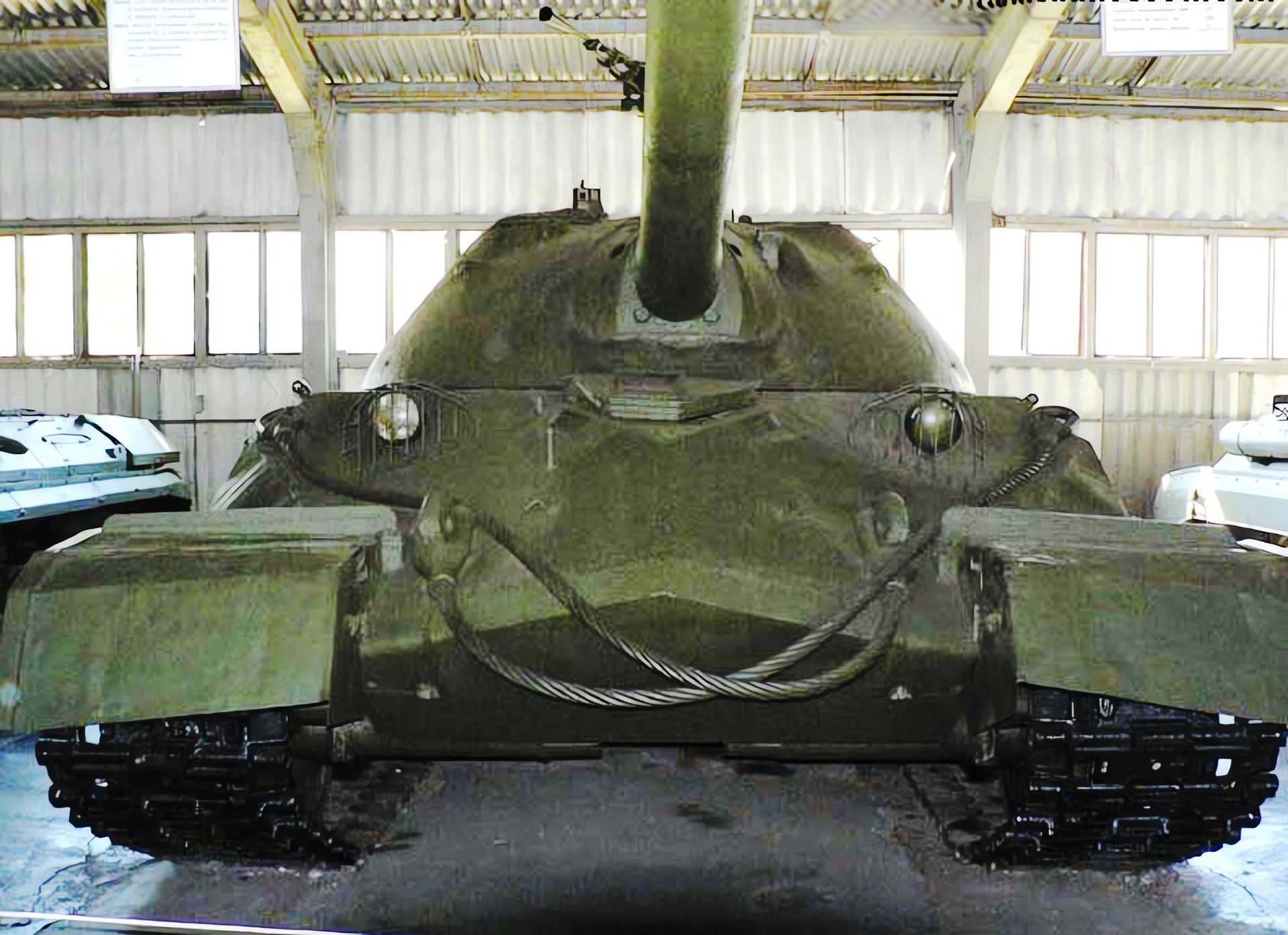
JS-7 5
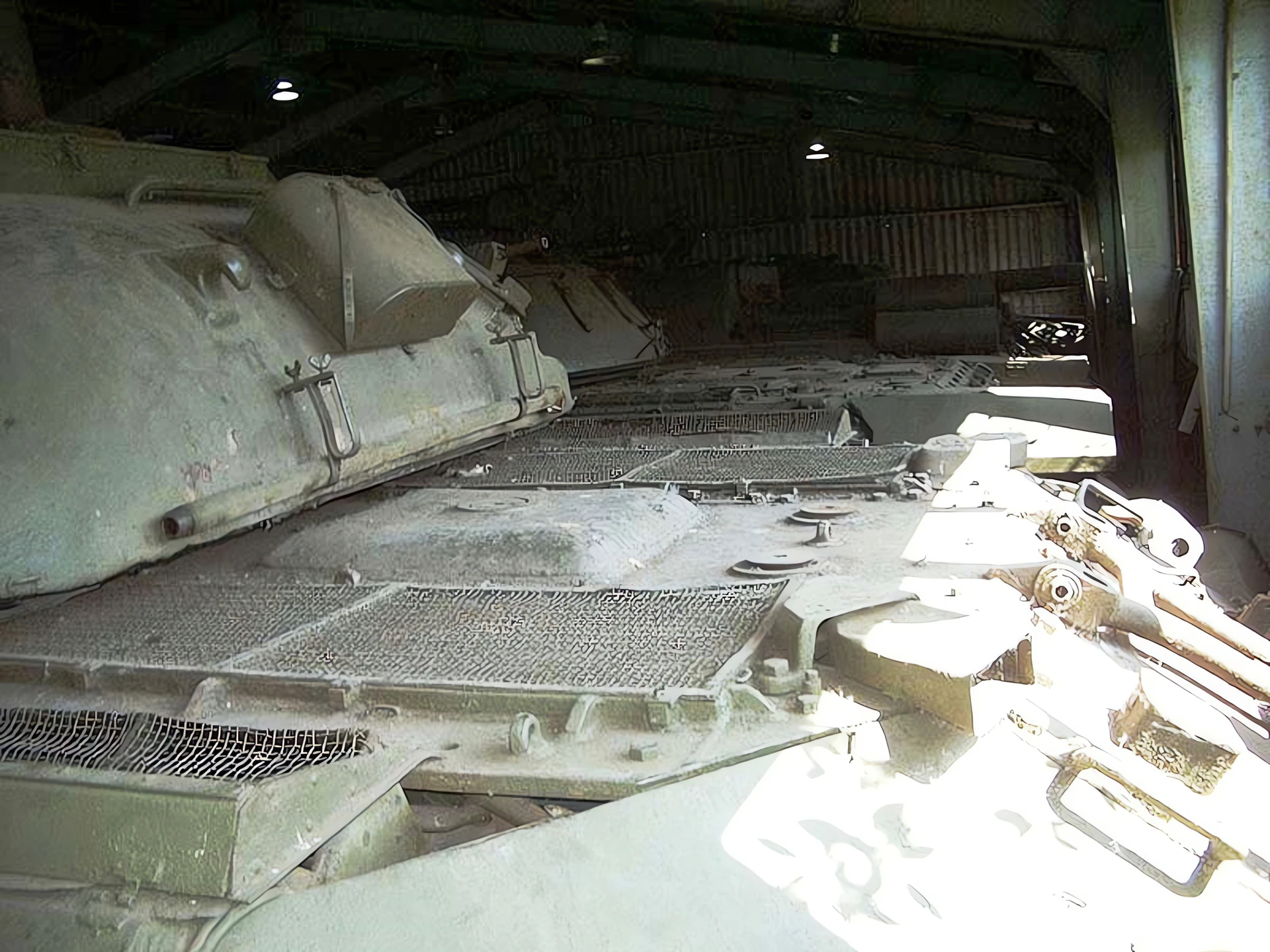
JS-7 6
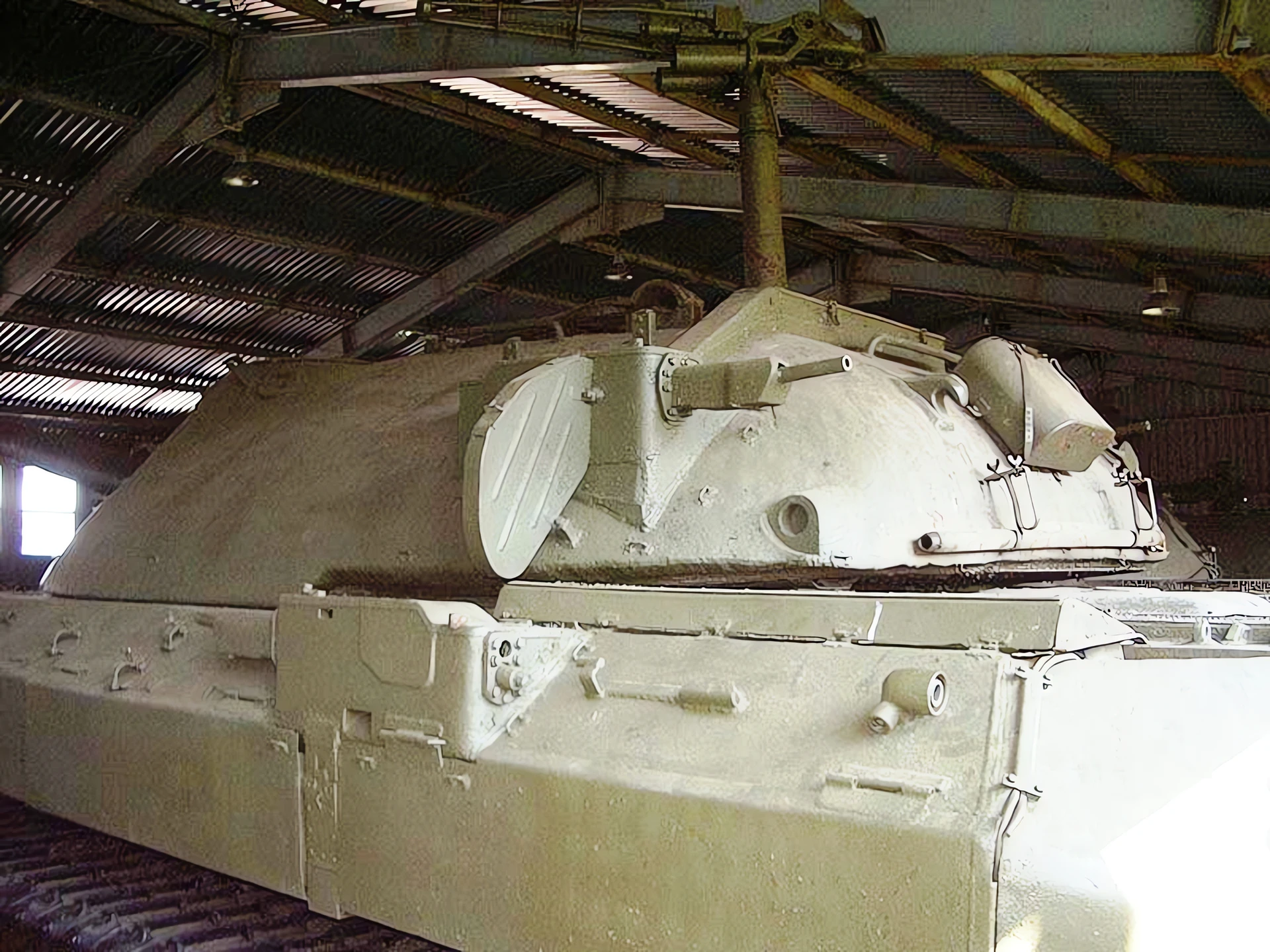
JS-7 8
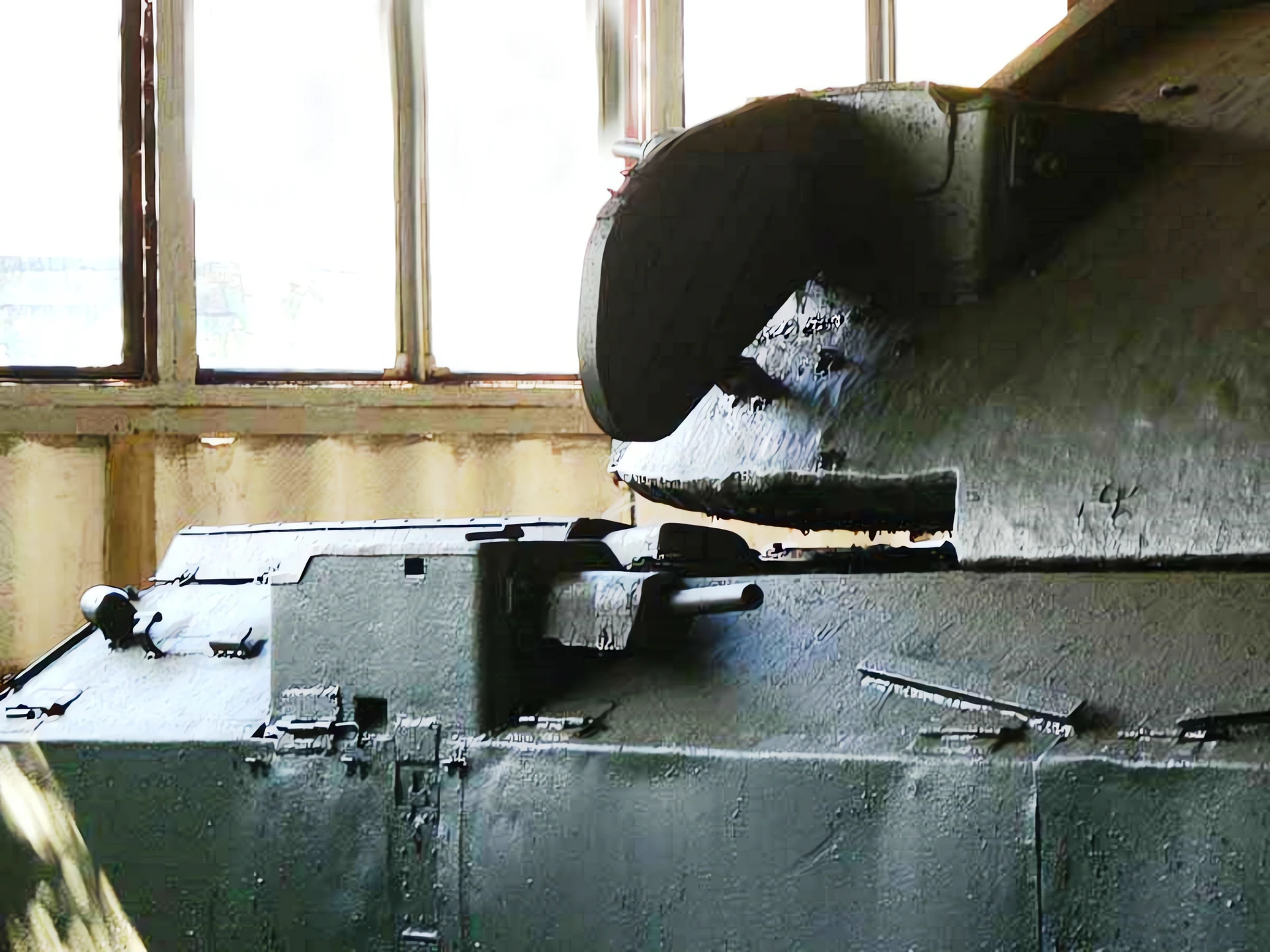
JS-7 7
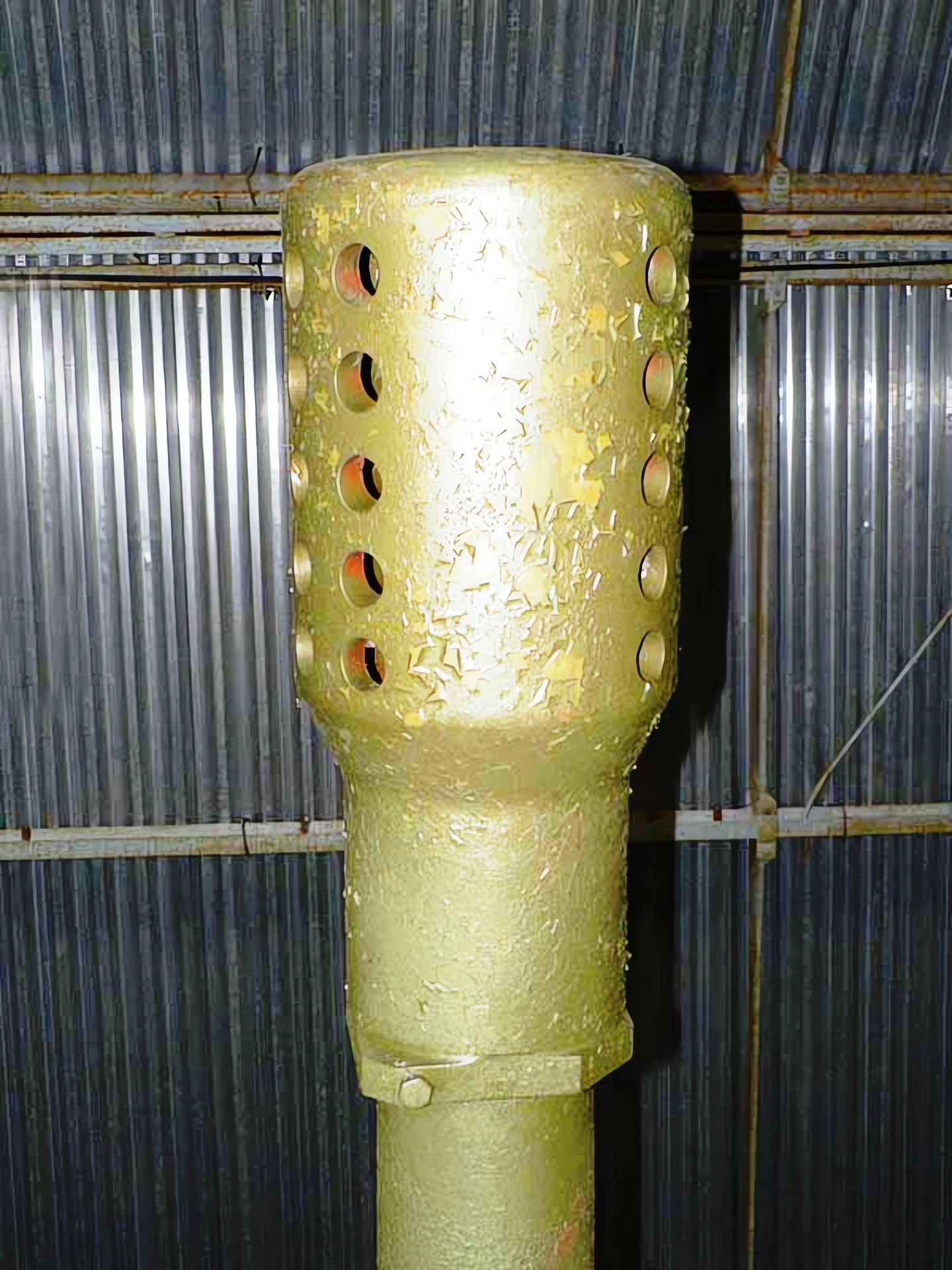
JS-7 10
Attendez, à la recherche du char JS-7 pour vous...

Voir aussi :


General Characteristics (Post-WWII Prototype)
The IS-7 (Iosif Stalin) was a highly advanced Soviet heavy tank developed in the immediate post-World War II period. It was the largest and heaviest of the IS tank family, featuring radical armor design and impressive mobility, though it never entered mass production.
| Property | Value (Object 260 Prototype) |
|---|---|
| Rôle | Heavy Tank, Breakthrough Vehicle |
| Designer | Nikolai Fedorovich Shashmurin |
| Conçu | 1945–1948 |
| Crew | 5 (Commander, Gunner, Driver, 2 Loaders) |
| Combat Weight | 68 tonnes (68,000 kg) |
| Numéro construit | 6 (Prototypes only) |
Armament and Protection
- Main Armament: One 130 mm S-70 L/50 rifled tank gun (a conversion of a naval gun).
- Loading System: Features an assisted loading mechanism (autoloader) using a conveyor belt, allowing for a high rate of fire (6–8 rounds per minute).
- Secondary Armament: An exceptionally heavy battery, including two 14.5 mm KPVT heavy machine guns (one coaxial, one roof-mounted AA) and six 7.62 mm RP-46 machine guns (various forward and rear mountings).
- Frontal Armor (Hull): 150 mm, steeply sloped at 65 degrees in the « pike nose » configuration, designed to defeat German 12.8 cm guns.
- Frontal Armor (Turret): Up to 250 mm on the turret face and 350 mm on the mantlet, with heavy angling.
Powerplant and Mobility
- Engine: M-50T V12 water-cooled diesel engine (based on a naval engine).
- Power Output: 1,050 hp (780 kW).
- Maximum Road Speed: Up to 60 km/h (37 mph), which was exceptionally fast for a heavy tank of its size.
- Power-to-Weight Ratio: Approximately 15.4 hp/tonne, giving it superior mobility compared to many contemporary heavy tanks.
- Suspension: Advanced torsion bar suspension with hydraulic shock absorbers for a smooth ride.
- Cancellation Reason: Despite successful trials, the tank was deemed too large, complex, and heavy for rail transport and mass production in the post-war environment, leading to the adoption of the lighter T-10 (IS-8).
Vues : 1249