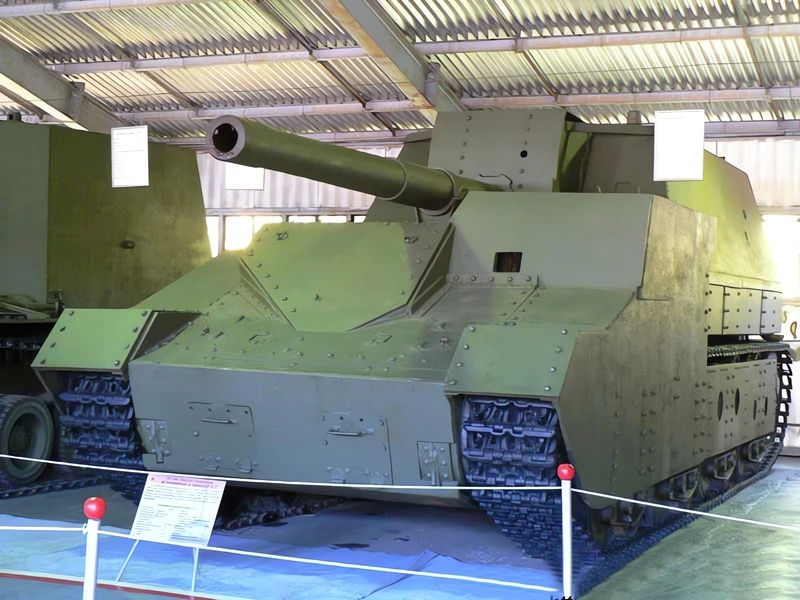
SU-14 | |
|---|---|
| Maa | Neuvostoliiton |
| Rooli | Itseliikkuva ase |
| Rakennettu | 2 prototyyppiä |
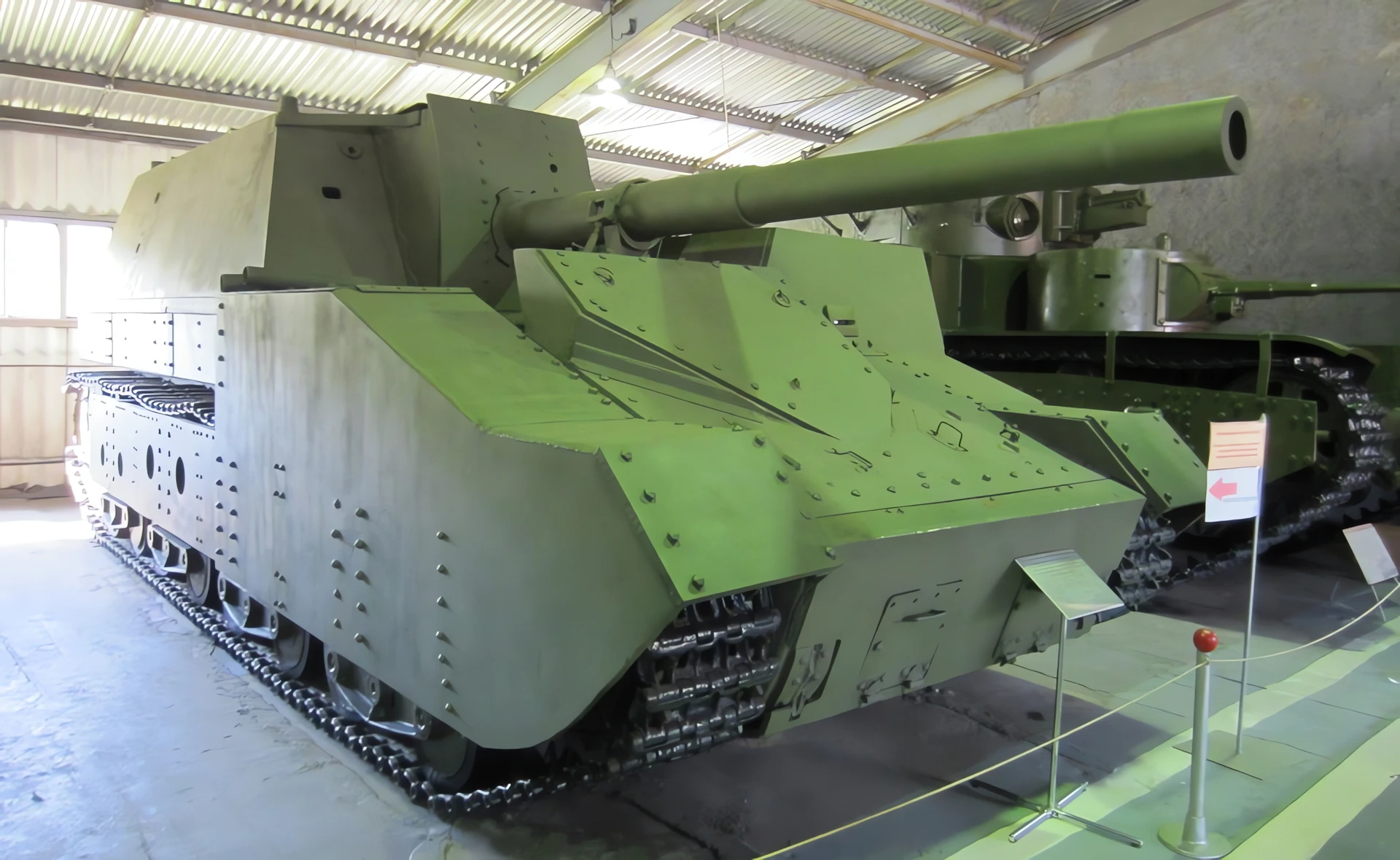
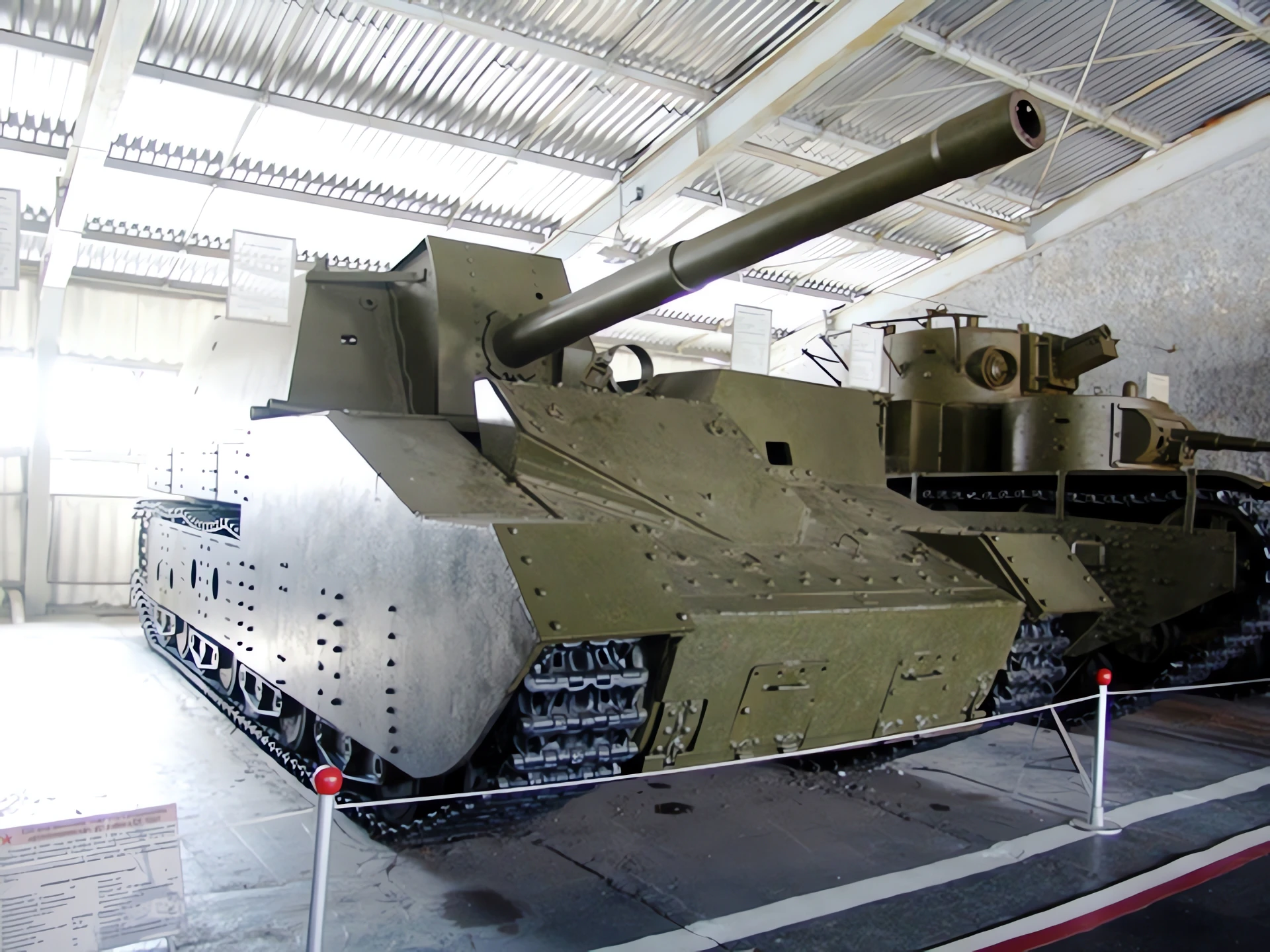
Nniiden SU-14 oli Neuvostoliiton raskaan itseliikkuvan tykin prototyyppi, joka rakennettiin T-35-alustalle. Alkuperäiseen prototyyppiin asennettiin 152 mm:n tykki M1935 (Br-2); vuoden 1936 SU-14-1-versiossa oli 203 mm:n B-4-tykki, joka pystyi ampumaan 48,9 kilon ammuksia jopa 25 km:n etäisyydeltä. Sen panssari oli 20-50 mm paksu. Se ei koskaan päässyt sarjatuotantoon.
Lähde: SU-14 Wikipediassa
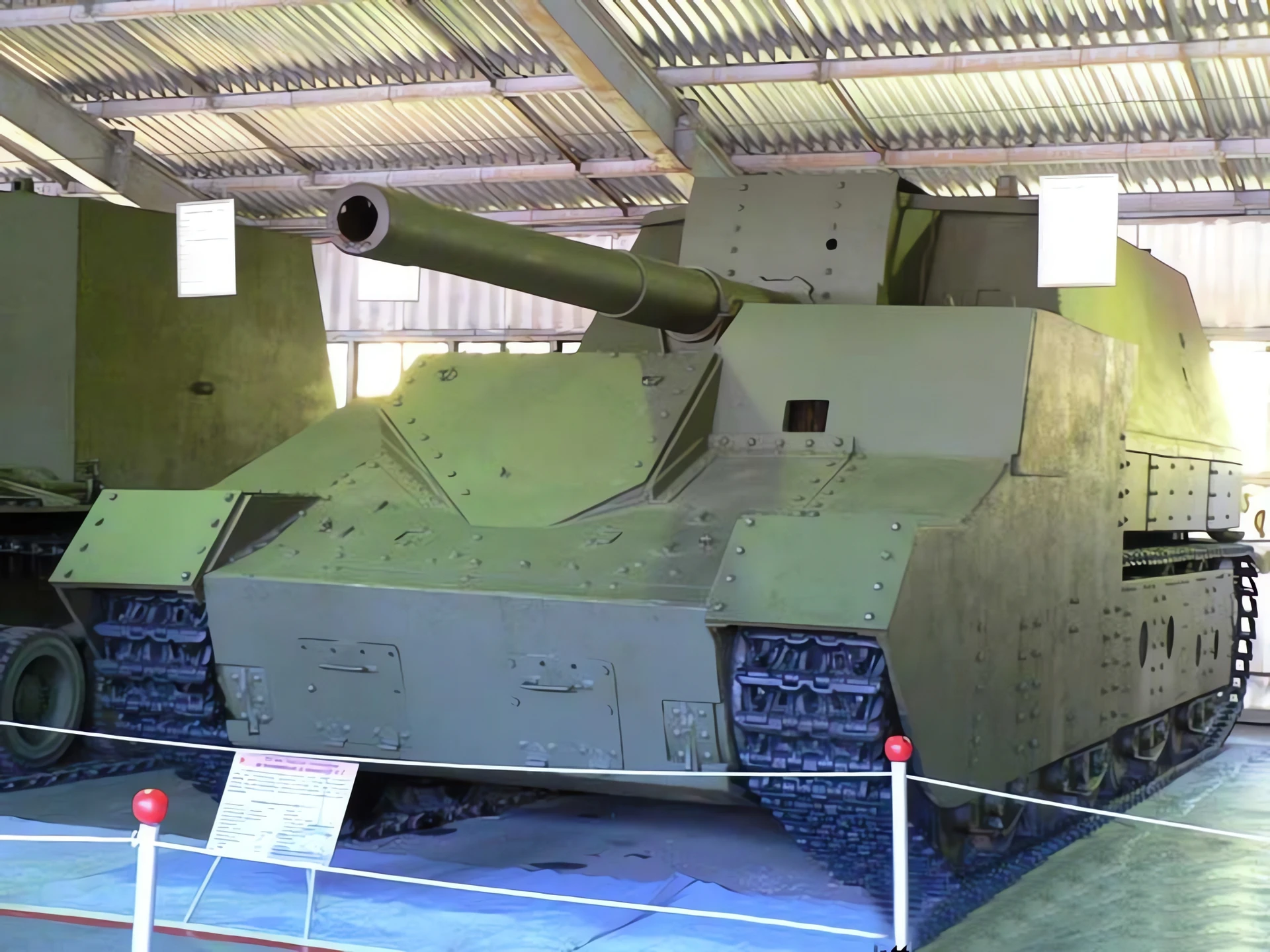
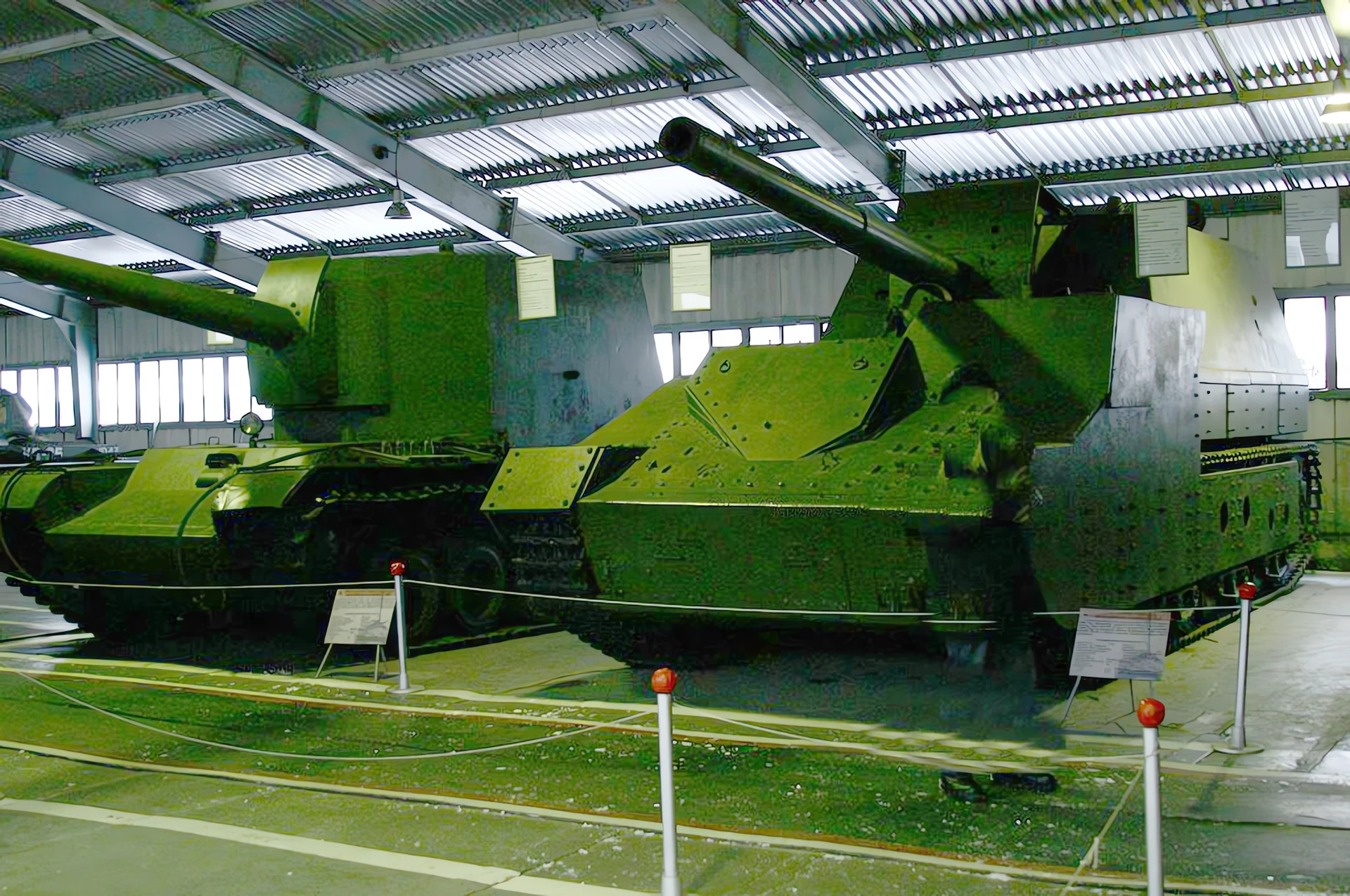
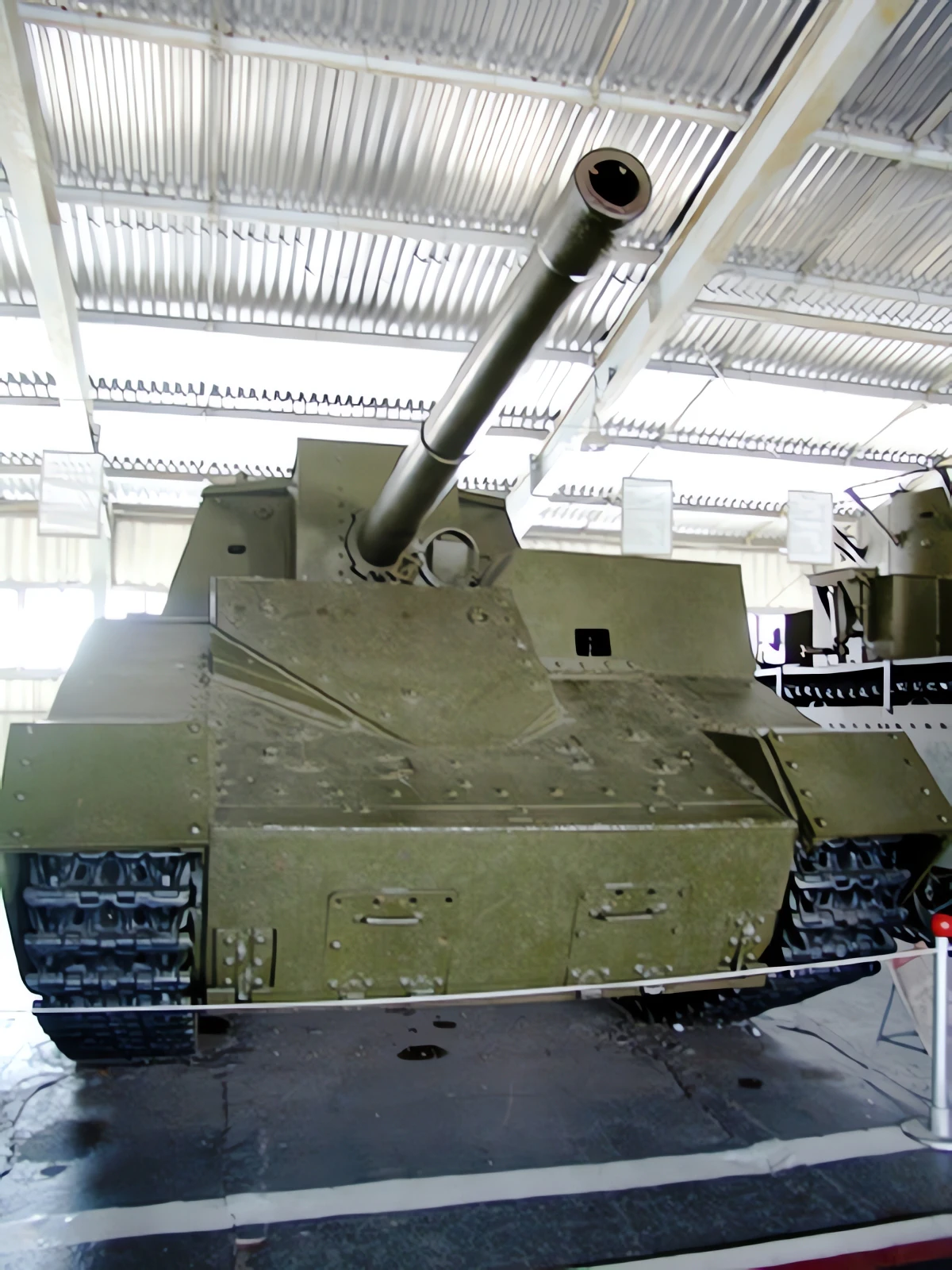
| SU-14-2 Walk Around | |
|---|---|
| Valokuvaajat | Ei tietää |
| Lokalisointi | Ei tietää |
| Valokuvat | 12 |
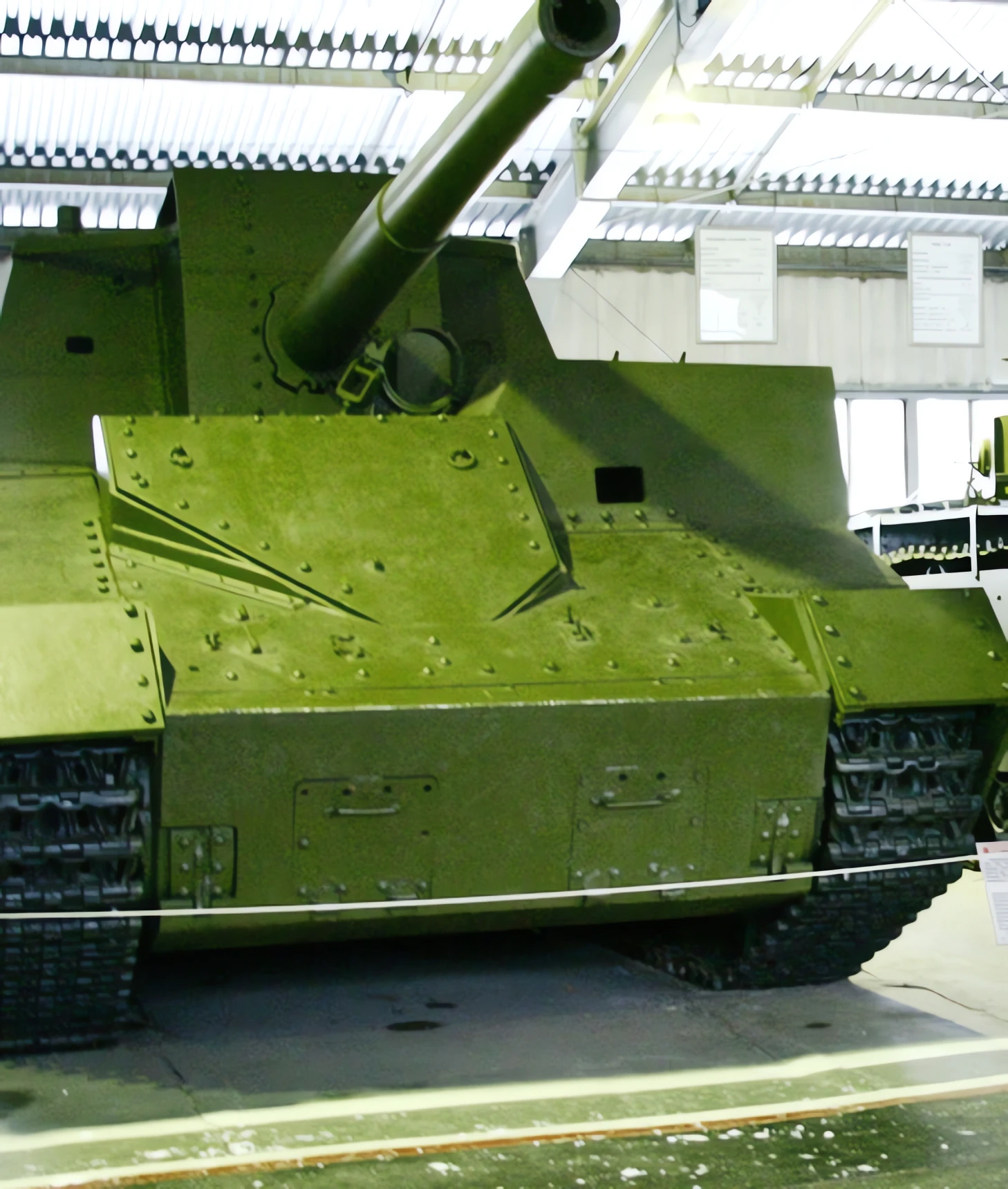
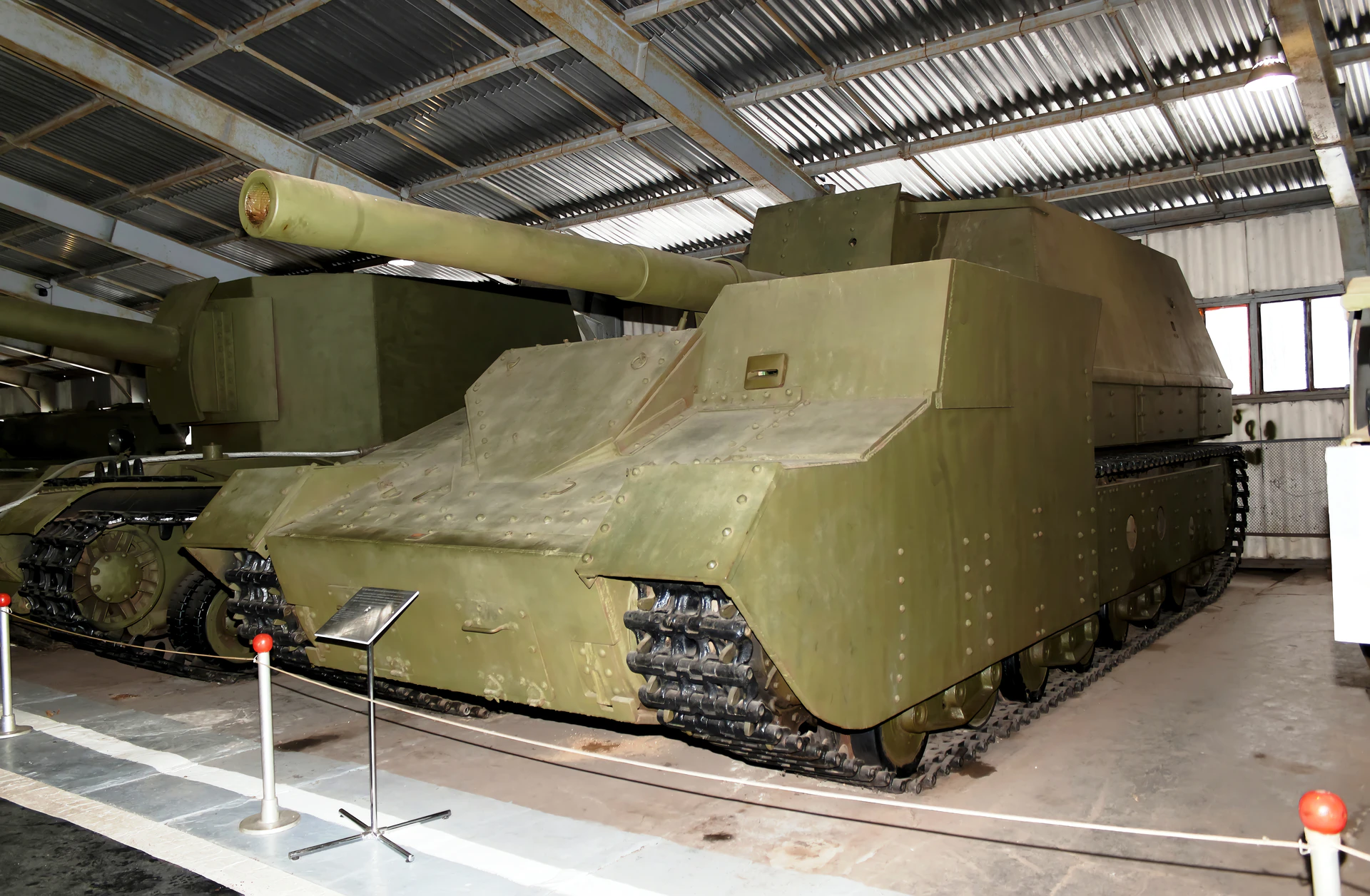
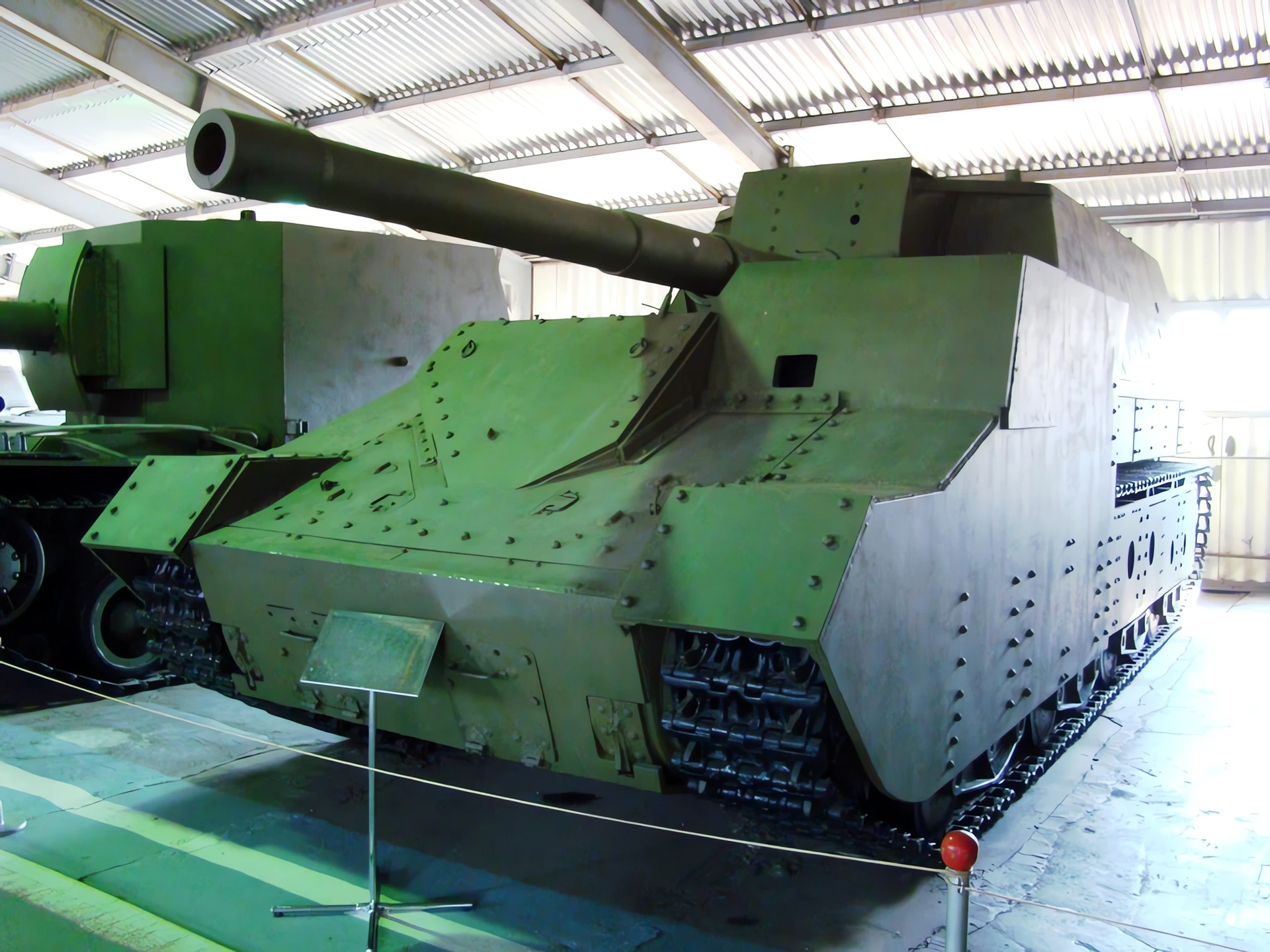
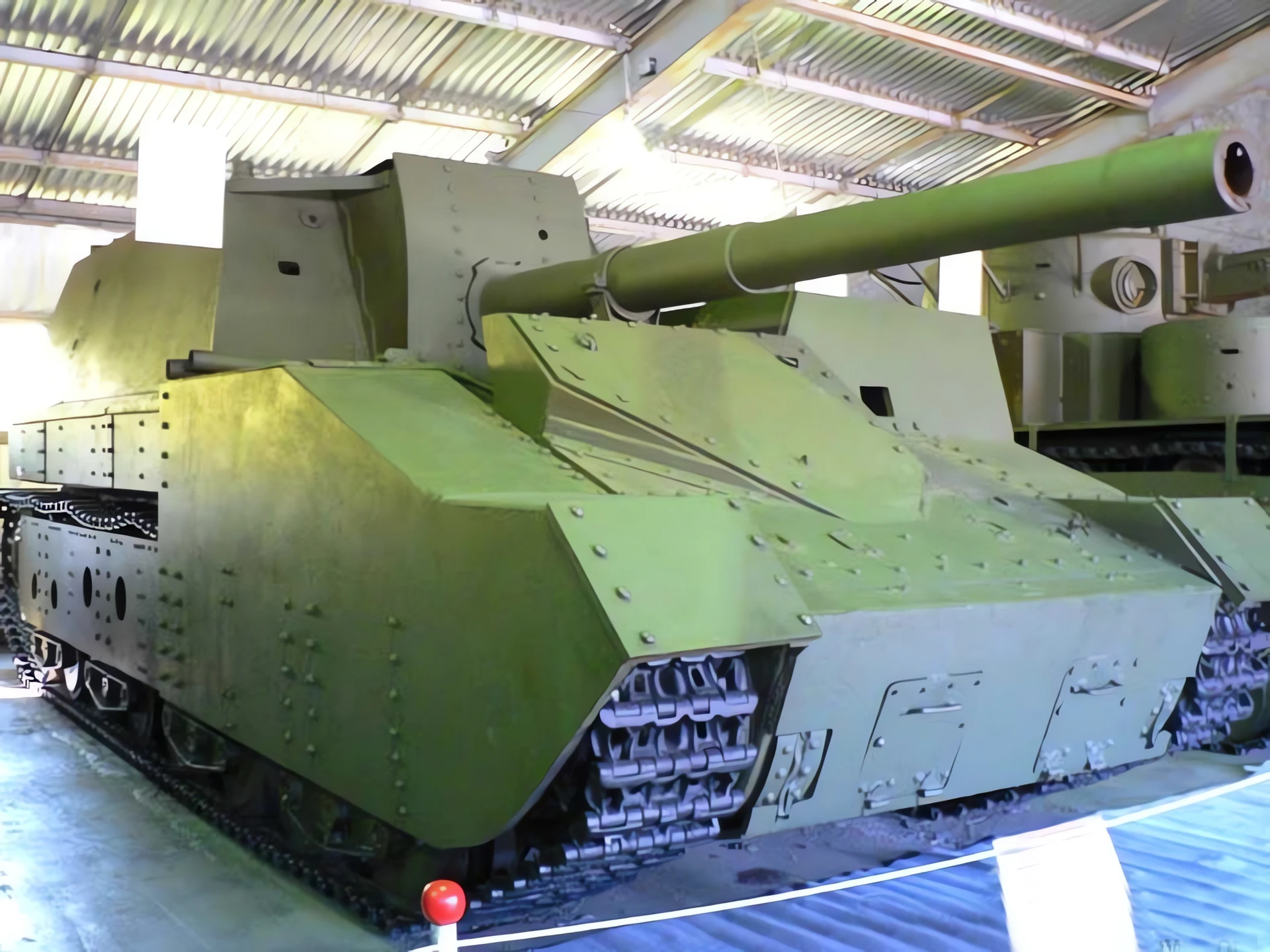


Katso myös:


General Characteristics
The SU-14 (Samokhodnaya Ustanovka – Self-Propelled Gun) was a Soviet heavy self-propelled artillery prototype developed in the mid-1930s. It was based on the chassis of the T-35 heavy tank and was intended to provide extremely heavy artillery support for breaching fortified lines. Only two prototypes were ever built. They were later up-armored in 1940 (often referred to as the SU-14-2) and saw brief, limited defensive service during the Battle of Moscow in late 1941.
| Property | Typical Value (SU-14-1 / SU-14-2) |
|---|---|
| Rooli | Heavy Self-Propelled Artillery / Bunker Buster |
| National Origin | Neuvostoliiton |
| suunniteltu | 1933 |
| No. Built | 2 (Prototypes) |
| miehistö | 7 or 8 (Driver, Commander, Gunner, Loaders) |
| Mass (Weight) | 48 tonnes (Original open-top) / 64 tonnes (With additional armor) |
| Chassis Basis | Modified T-35 Heavy Tank |
Powerplant and Mobility
- Engine: M-17-1T V-12 liquid-cooled petrol engine (later prototypes used an improved M-17F).
- Engine Power: 680 hp (M-17F engine).
- Maximum Speed (Road): 22–30 km/h (14–19 mph).
- Suspension: Coil spring.
- Design Note: Initial trials suffered from poor mechanical reliability, especially with the transmission, due to the immense weight of the vehicle and its large gun.
Armament and Protection
- Primary Armament (Original): 203 mm M1931 (B-4) Howitzer.
- Primary Armament (Later/SU-14-1/2): 152 mm Gun M1935 (Br-2), capable of firing a 48.9 kg shell up to 25 km. (The Br-2 gun was the planned long-range weapon).
- Rate of Fire: Extremely slow, approximately 1 round per 5–7 minutes due to the gun’s size and fixed mounting.
- Ammunition: Very limited on-board capacity (typically 8 rounds for the 152 mm gun).
- Secondary Armament: Provision for 2-4 7.62 mm DT machine guns.
- Maximum Armor (1940 Conversion – SU-14-2): 50 mm (Front of Casemate) / 30-60 mm (Sides).
- Armor Concept: The 1940 conversion added heavy, all-around armor, turning the open-topped artillery piece into a direct-fire, heavily protected assault gun intended for use against Finnish fortifications, though it was ultimately used against German forces near Moscow.
Views : 294