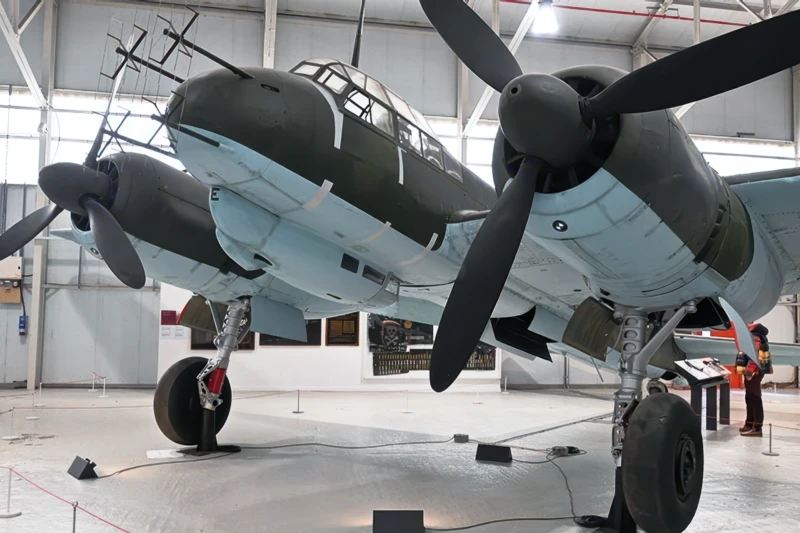
Junkers Ju 88 | |
|---|---|
| Maa | Natsi-Saksa |
| Rooli | Taktinen – sukellus – torpedopommittaja – Yö – raskas hävittäjä – Tiedustelukone |
| Ensimmäinen lento | 21 päivänä joulukuuta 1936 |
| Rakennettu | 15183 |
Nniiden Junkers Ju 88 oli saksalainen toisen maailmansodan luftwaffe-kaksimoottorinen monitoimitaistelukone. Junkers Flugzeug- und Motorenwerke (JFM) suunnitteli koneen 1930-luvun puolivälissä niin sanotuksi Schnellbomberiksi (nopea pommikone), joka olisi liian nopea aikakausiensa taistelijoille siepattavaksi. Se kärsi useista teknisistä ongelmista kehitys- ja toimintakausiensa aikana, mutta siitä tuli yksi sodan monipuolisimmista taistelukoneista. Kuten monet muutkin Luftwaffen pommikoneet, se toimi pommikoneena, sukelluspommittajana, yöhävittäjänä, torpedopommittajana, tiedustelukoneena, raskaana hävittäjänä ja sodan lopussa lentävänä pommina.
Lähde: Junkers Ju 88 Wikipediassa
| Junkers Ju 88D-1/Trop Walk Around | |
|---|---|
| Photographers | Vladimir Yakubov, John Heck |
| Localisation | National Museum of the USAF, Dayton |
| Photos | 107 |


| Junkers Ju 88 R1 Walk Around | |
|---|---|
| Valokuvaaja | Unknow |
| Lokalisointi | Ei tietää |
| Valokuvat | 39 |
Katso myös:


| Junkers Ju-88R1 Walk Around | |
|---|---|
| Valokuvaaja | Meindert de Vreeze |
| Lokalisointi | Ei tietää |
| Valokuvat | 53 |
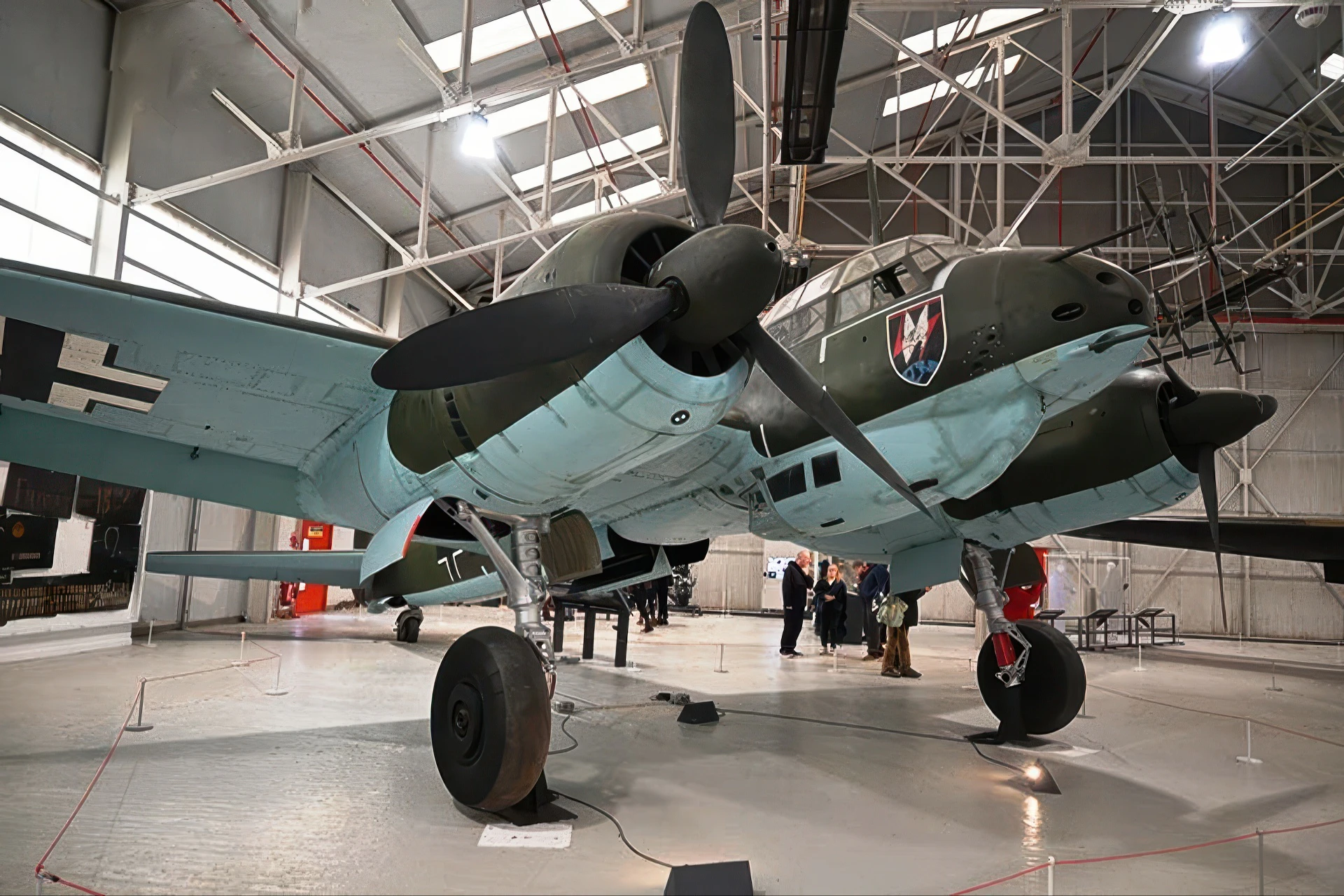
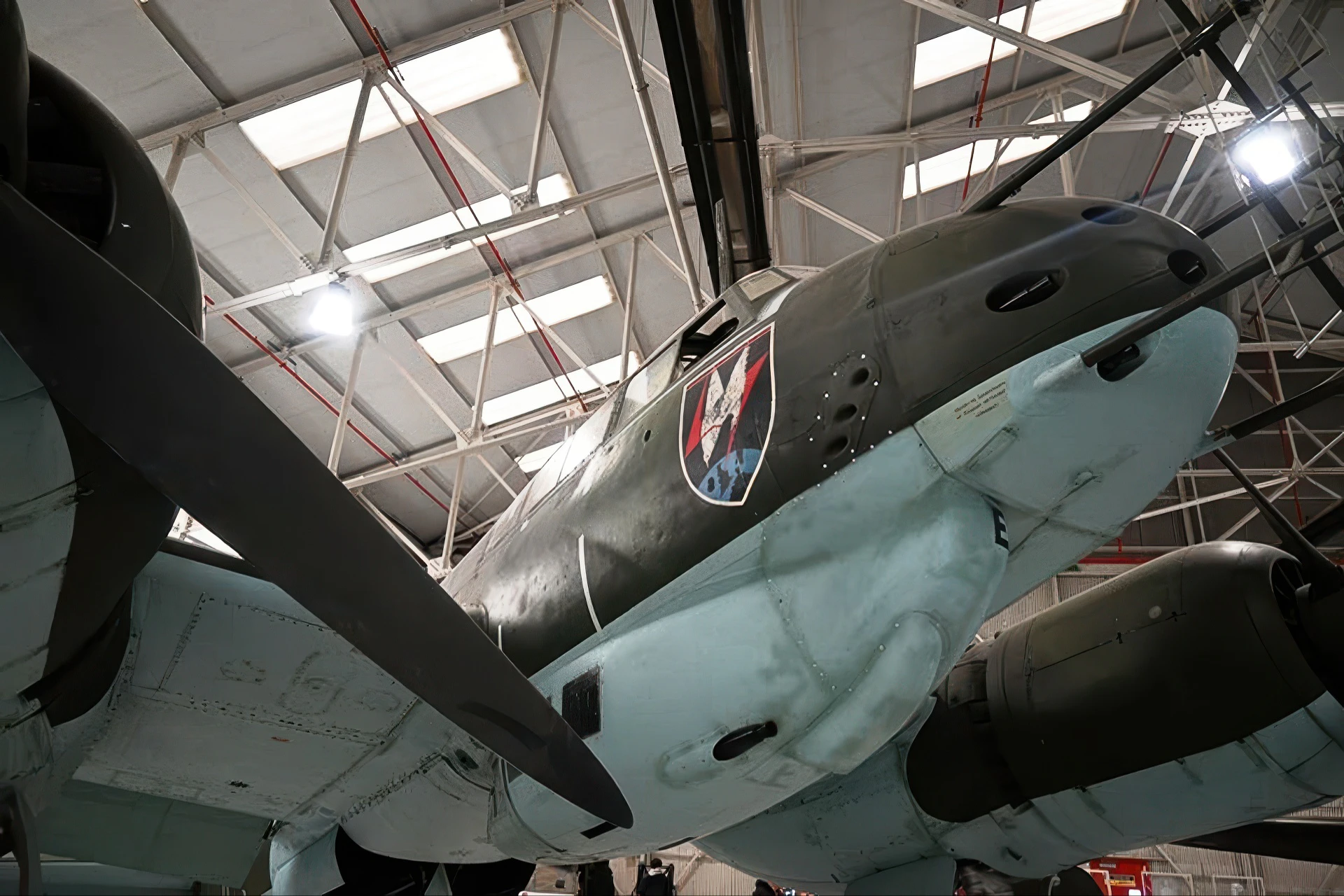
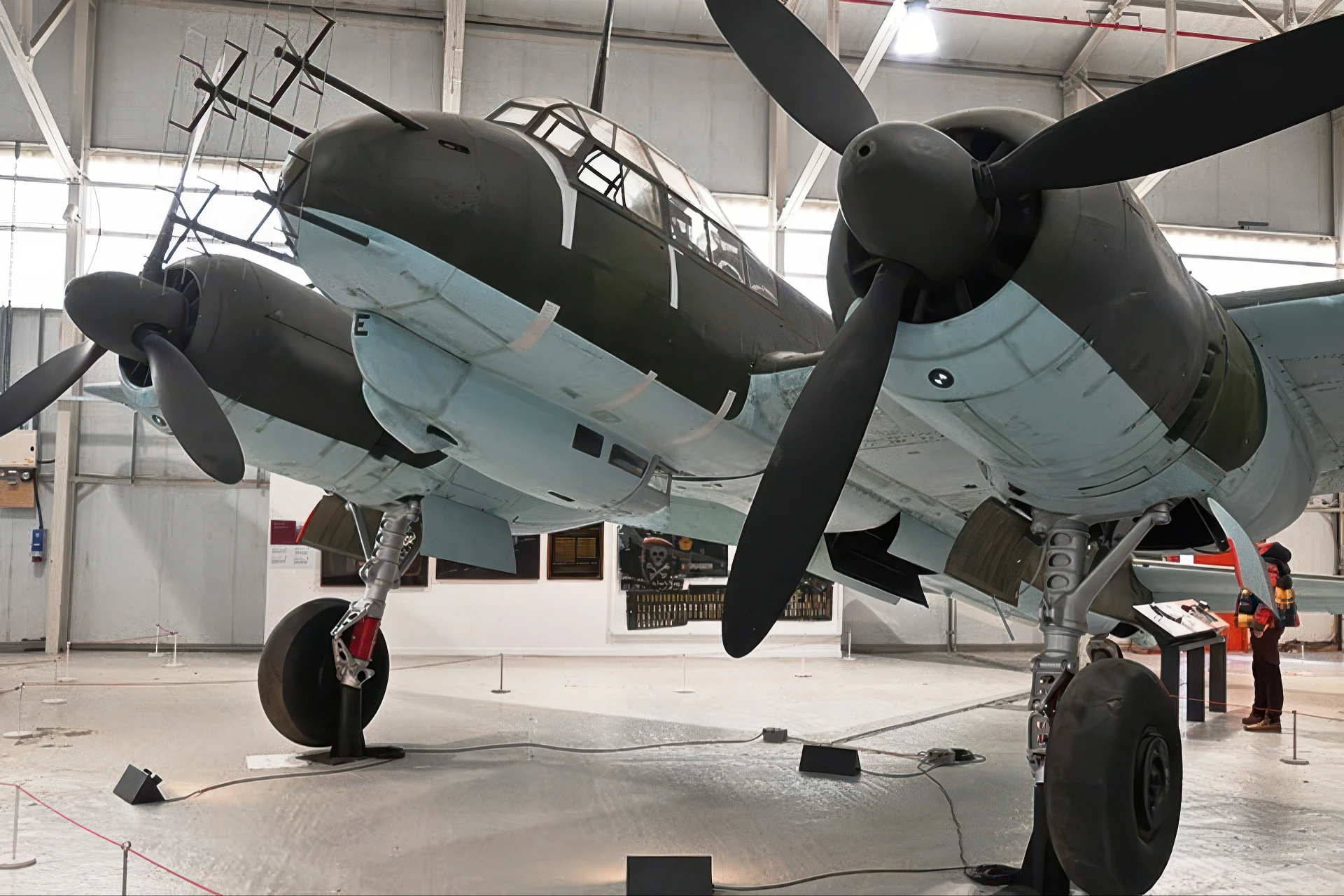
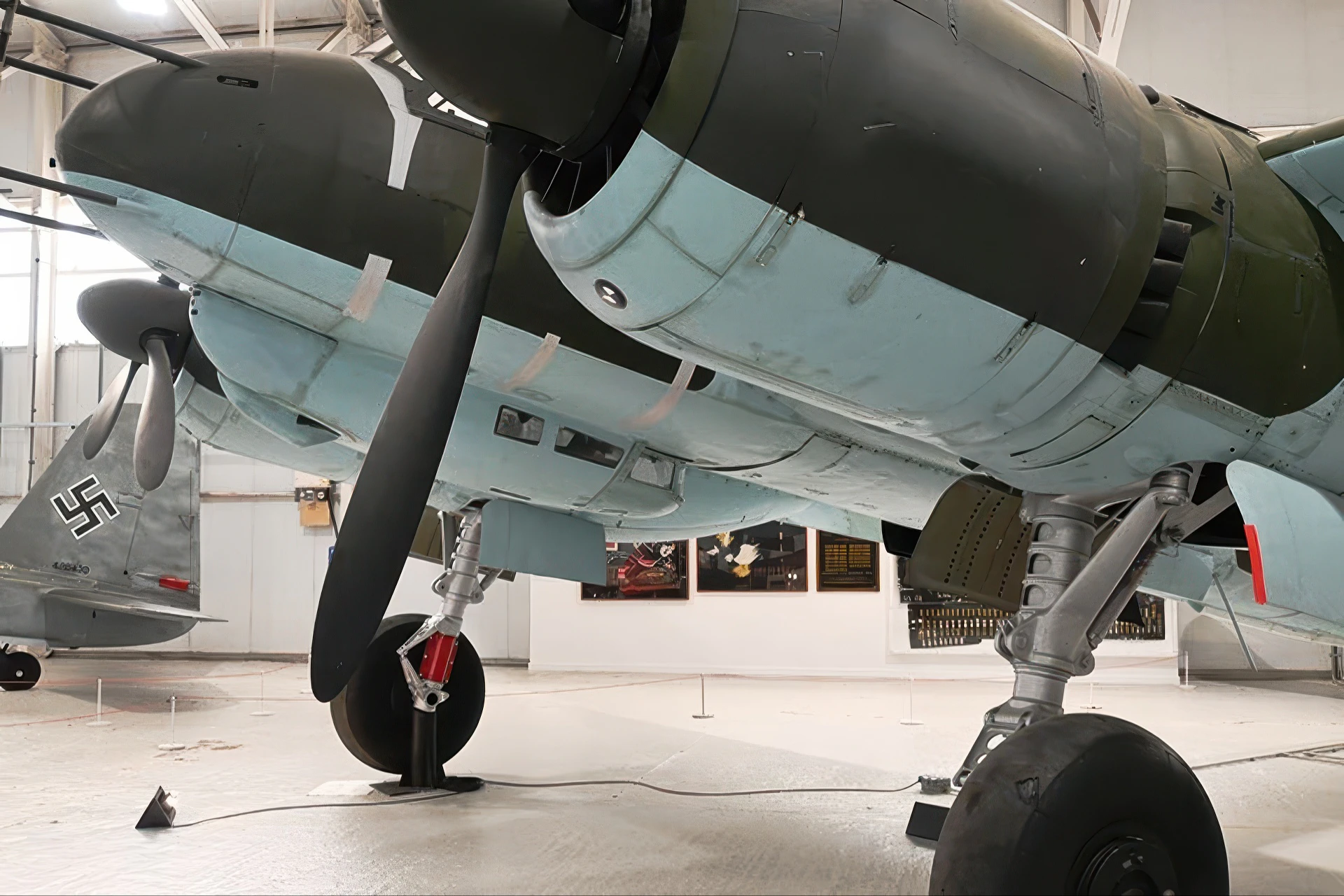
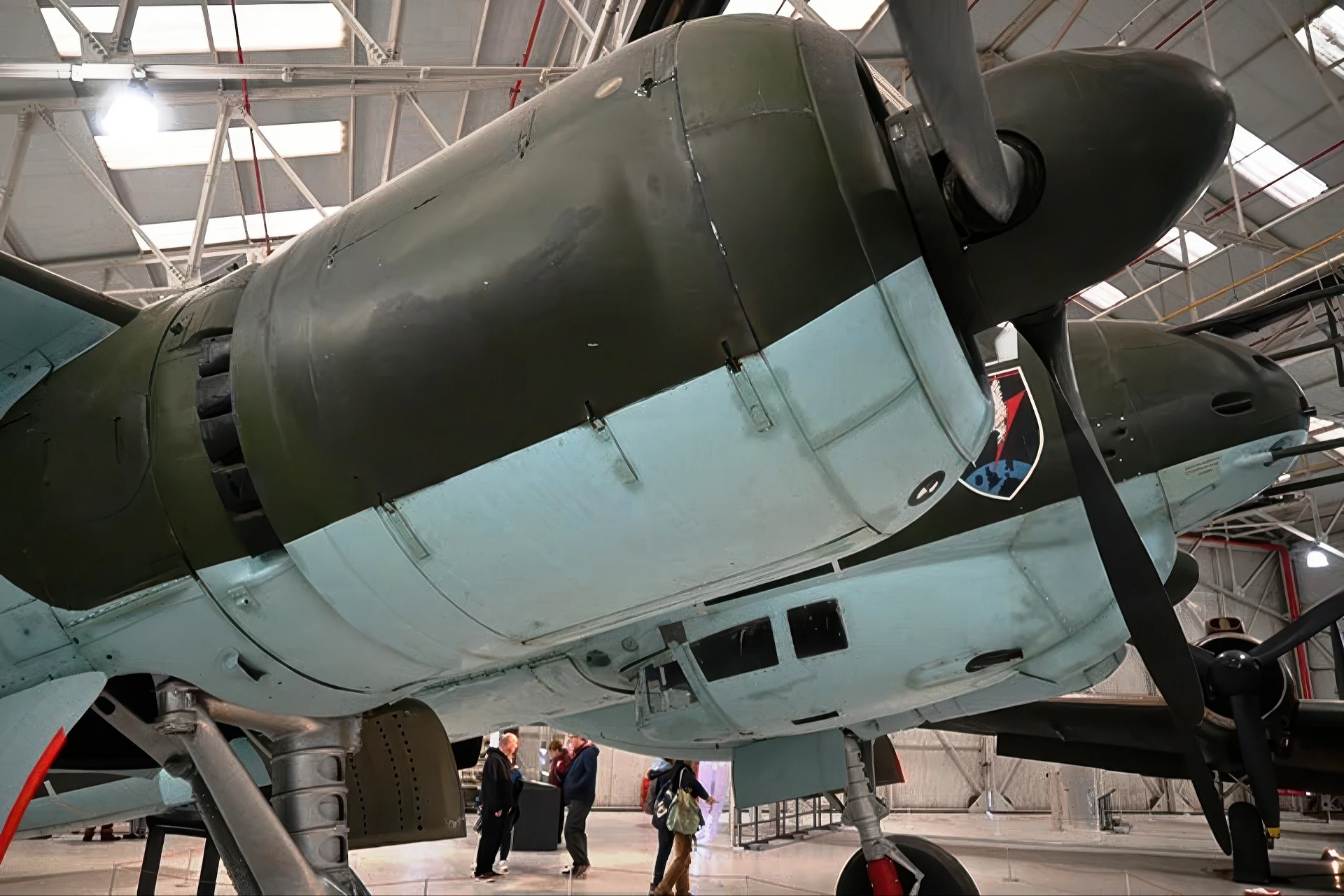
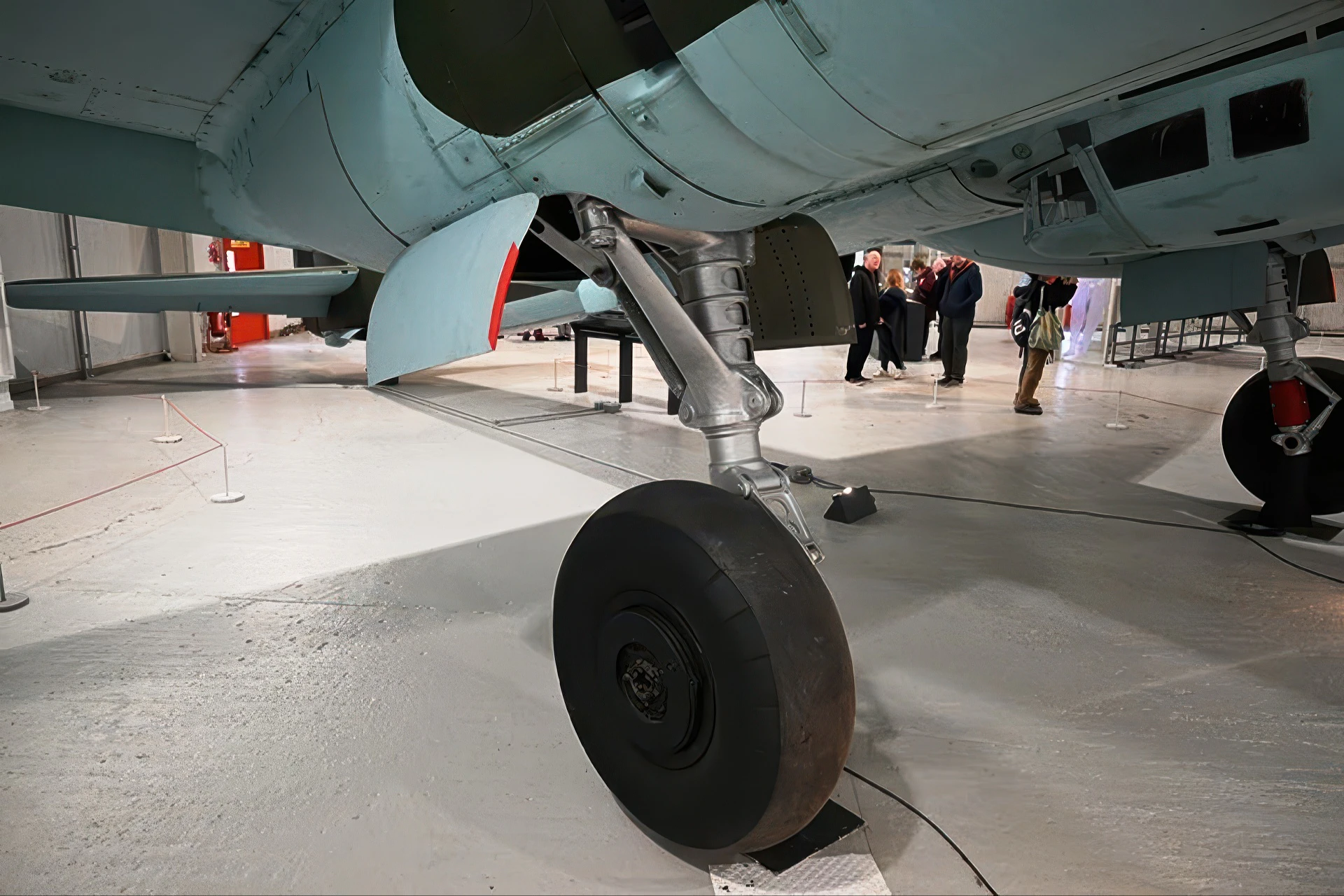
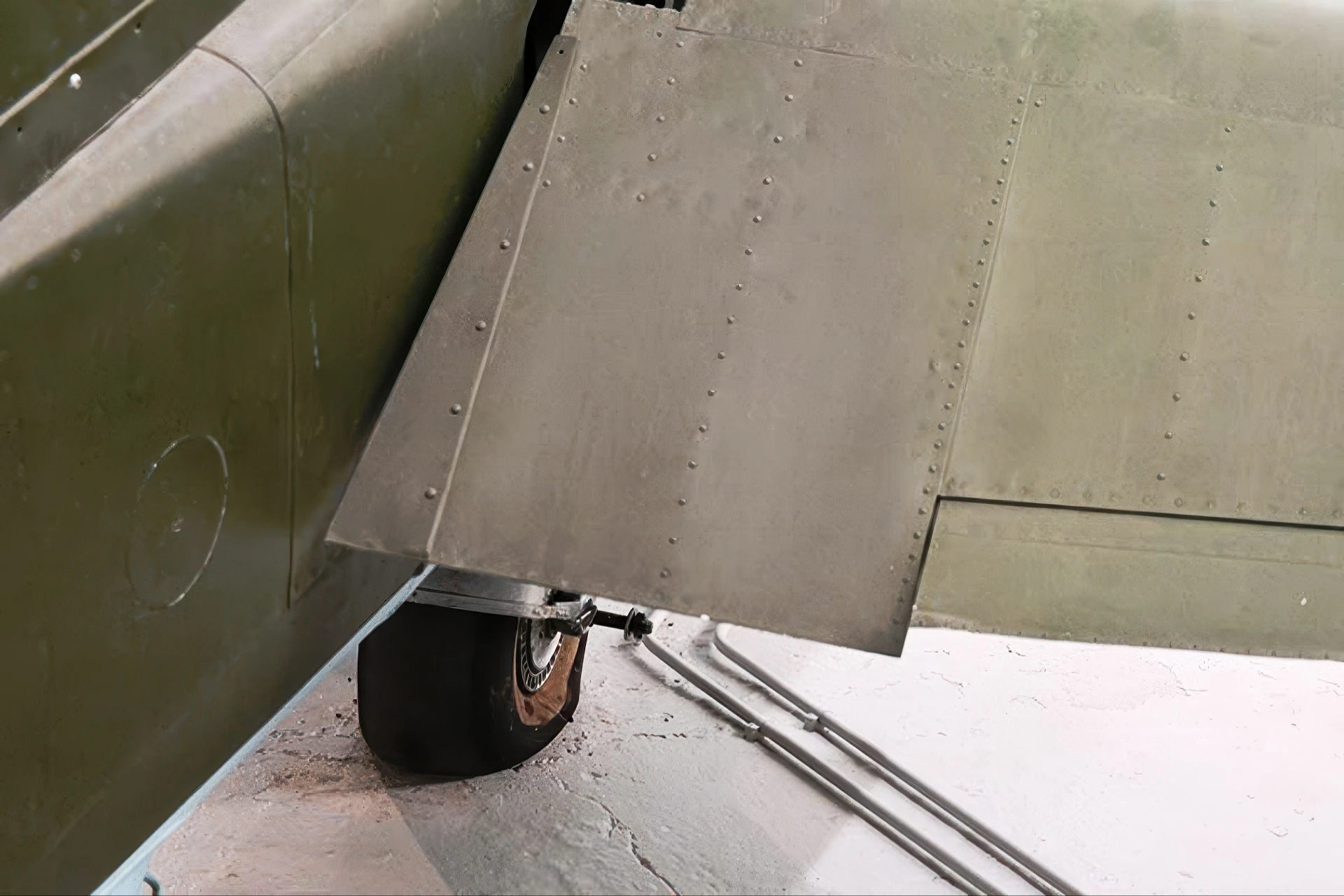
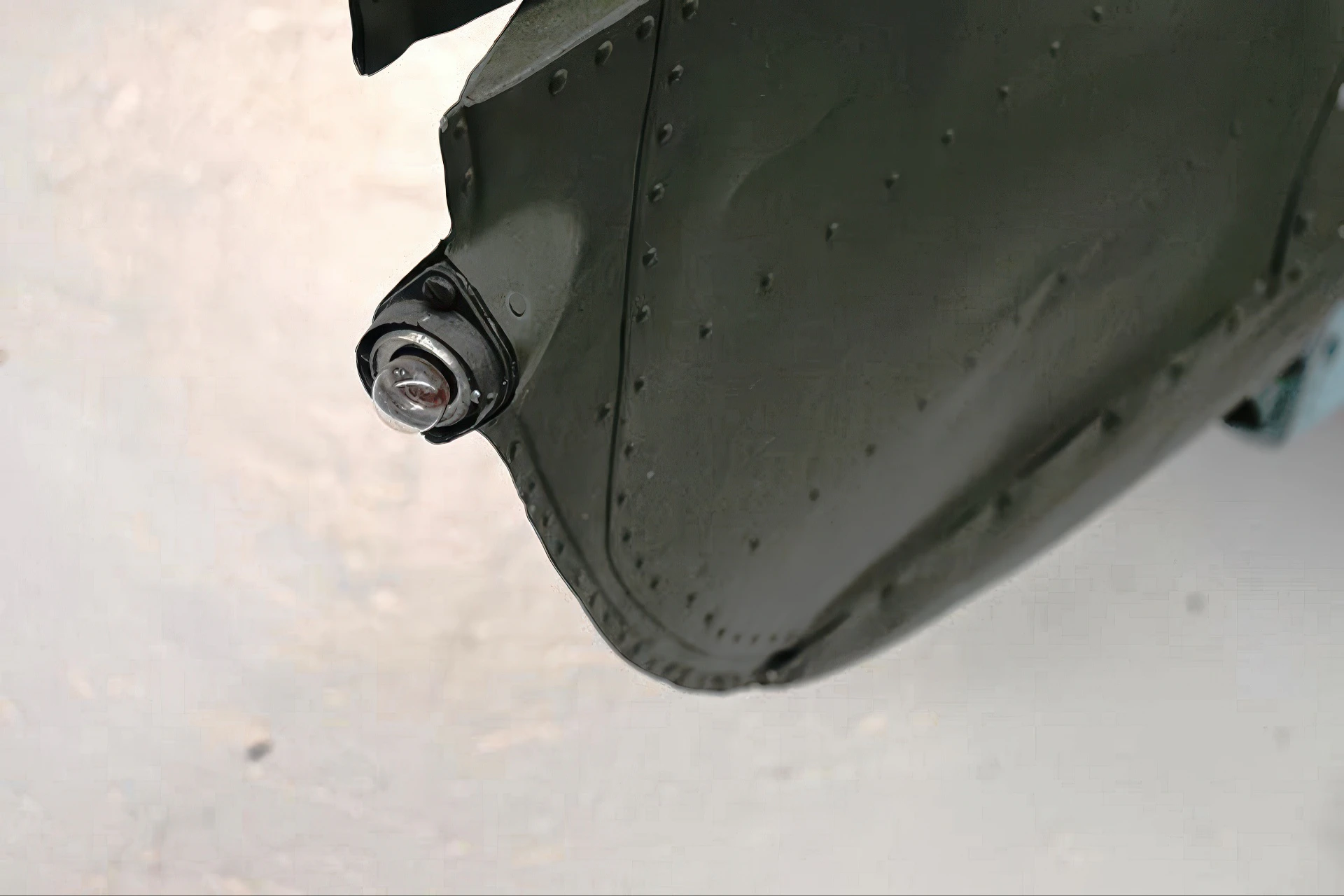
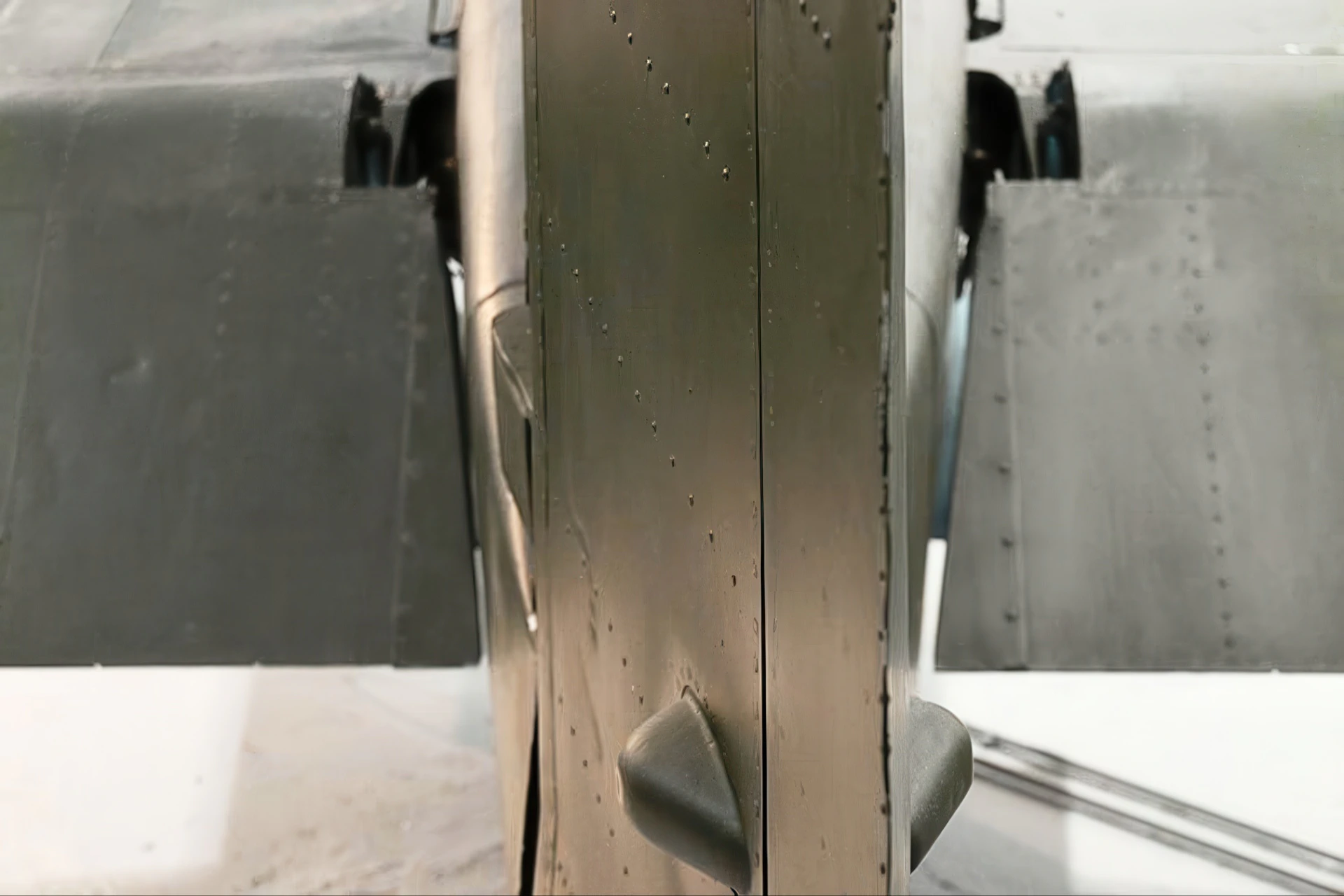
Nniiden Junkers Ju 88 was a versatile and widely used German bomber during World War II. It was designed in response to a request for a fast and unarmed bomber that could rely on its speed for defense. It had a crew of three or four and could carry up to 1000 kg of bombs at 500 km/h. The first prototype flew in December 1936 and exceeded the speed of contemporary fighters. However, the Ju 88 underwent several modifications and delays before entering service in 1939.
It was initially intended to be a dive bomber, but it proved to be more effective as a level bomber, a night fighter, a reconnaissance aircraft, a torpedo bomber and an anti-tank aircraft. It also participated in the Mistel project, which involved attaching an unmanned Ju 88 with explosives to a fighter aircraft and using it as a guided missile. The Ju 88 was produced in various versions, such as the A, C, D, G, H and P models, each with different engines, armament, equipment and roles. The Ju 88 was one of the few German aircraft that remained in service throughout the war, with over 14,000 units built.
Views : 6240
Voit myös nähdä:
 FVM Ö1 Tummelisa – Valokuvat & Videot
 Morane-Saulnier Alcyon – Valokuvat & Videot
 Nanchang Q-5 – Valokuvat ja videot
 Savoia-Marchetti SM.82 – Valokuvat & Videot
 Ilyushin Il-28 - Valokuvat ja videot
 Stout Bushmaster 2000 - Valokuvat ja videot
 Beechcraft RC-12 Guardrail - Valokuvat ja videot
 Cessna 310 - Valokuvat ja videot
 Curtiss P-36 Hawk – Valokuvat & Videot
 Cessna T-37 Tweet - Valokuvat ja videot