Idarinde medal

Natsi-Saksamaa

TüüpRinna järjekord
AbikõlblikkuseSõjaväelased
Auhinnatudoperatsiooni Barbarossa esimesel talvel osalenud töötajad
Kehtestatud26. mai 1942
Autasustatud kogusummaüle 3 000 000

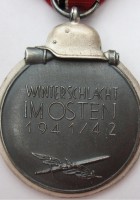
Idarinde medal (Winterschlacht Im Osten), rohkem tuntud kui Ostmedaille, loodi 26. mail 1942, et tähistada teenistust Saksa idarindel (II maailmasõda) ajavahemikul 15. novembrist 1941 kuni 15. aprillini 1942. See pidi tunnustama raskusi, mida saksa ja teljeriikide töötajad, võitlejad või mittevõitlejad, pidid taluma eriti kibedal Vene talvel '41/'42. Heer, Luftwaffe & Waffen-SS-i töötajad nimetasid seda "Gefrierfleischordeniks" (külmutatud liha medal), kellele see anti.

Allikas: Vikipeedia

Jätka lugemist

Vaadatud : 1544

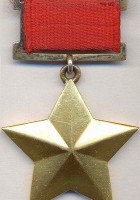
Nõukogude Liidu kangelane (recto)

Nõukogude Liit

TüüpAunimetus
AbikõlblikkuseNõukogude Liidu kodanikud
Auhinnatudkangelaslikud saavutused Nõukogude riigi ja ühiskonna teenistuses
Kehtestatud16. aprill 1934
Autasustatud kogusumma12,775

The title Hero of the Soviet Union was the highest distinction in the Soviet Union, awarded personally or collectively for heroic feats in service to the Soviet state and society. The award was established on May 5, 1934, by the Central Executive Committee of the Soviet Union. The first recipients of the title originally received only the Order of Lenin, the highest Soviet award, along with certificate (грамота, gramota) describing the heroic deed from the Presidium of the Supreme Soviet of the USSR. Because the Order of Lenin could be awarded for deeds not qualifying for the title of hero, and to distinguish heroes from other Order of Lenin holders, the Gold Star medal was introduced on August 1, 1939. Earlier heroes were retroactively eligible for these items. The title was also given posthumously, though often without the actual Gold Star medal given. The title could be revoked only by the Presidium of the Supreme Soviet.

Allikas: Vikipeedia

Jätka lugemist

Views : 1702

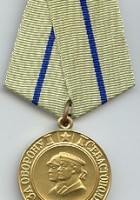
Sevastopoli medalikaitse (recto)

Nõukogude Liit

TüüpKampaania medal
AbikõlblikkuseNõukogude Liidu kodanikud
AuhinnatudParticipation in the defence of Sevastopol
Kehtestatud22. detsember 1942
Autasustatud kogusumma52,540

The Medal “For the Defence of Sevastopol” was a World War 2 campaign medal of the Soviet Union established on December 22, 1942 by decree of the Presidium of the Supreme Soviet of the USSR to reward the participants of the defence of the port city of Odessa against the armed forces of NAZI Germany.

Allikas:

Jätka lugemist

Vaadatud : 860

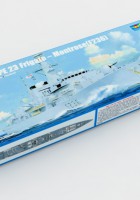
HMS TYPE 23 Fregatt – Montrose(F236) - Trompet 04545

Trumpeter

Ref 04545
TüüpMudelikomplekt
Skaala1/350
Teema

HMS TYPE 23 Frigate – Montrose(F236)

Brändi mudel Trumpeter komplekt: HMS TYPE 23 Frigate – Montrose(F236) – Trumpeter 04545.

Features : The kit consists of over 400 parts – Detailed hull w/accurate design – 1 HAS-3 helicopters with fine details included. – photo-etched frets for antenna etc.

The Type 23 frigate is a class of frigate serving with the Royal Navy of the United Kingdom. All the ships are named after British Dukes, thus the class is also known as the Duke class. The first Type 23 was commissioned in 1989, and the sixteenth, HMS St Albans was launched in May 2000 and commissioned in June 2002. The combination of Merlin helicopters with their advanced anti submarine equipment, and Sonar 2087, has according to the Royal Navy, re-affirmed its reputation as a leader in anti-submarine warfare. HMS Montrose is commissioned in June 1994 at Devonport Dockyard.HMS Montrose is attached to the Devonport Flotilla, based in Plymouth.

Allikas: Trompetist

Jätka lugemist

Vaadatud : 1630

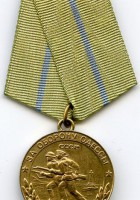
Medal "For the Defence of Odessa"

Nõukogude Liit

TüüpKampaania medal
AbikõlblikkuseNõukogude Liidu kodanikud
AuhinnatudParticipation in the defence of Odessa
Kehtestatud22. detsember 1942
Autasustatud kogusumma38,000

The Medal “For the Defence of Odessa” was a World War 2 campaign medal of the Soviet Union established on December 22, 1942 by decree of the Presidium of the Supreme Soviet of the USSR to reward the participants of the defence of the port city of Odessa from the armed forces of NAZI Germany.

Allikas: Vikipeedia

Jätka lugemist

Vaadatud : 1076

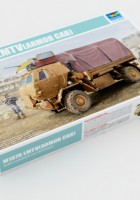
M1078 LMTV(ARMOR CAB) - Trompet 01009

Trumpeter

Ref01009
TüüpMudelikomplekt
Skaala1/35
Teema

M1078 LMTV(ARMOR CAB)

Brändi mudel Trumpeter komplekt: M1078 LMTV(ARMOR CAB) – Trumpeter 01009.

Features : Detailed multi-directional slide-molded cab. – Full drive train assembly complete with engine transmission, differential housing and suspension units. – The main tires are hollow rubber with very good tread pattern included as well as sidewall details consisting of raised section ribs. – Wheel hubs are in great details with separate hub rings. – The windshield and side windows are made of clear parts. – Photo-etched parts included

The M1078 Standard Cargo Truck is designed to transport cargo and soldiers. The M1078 has a payload capacity of 5,000 pounds and to facilitate loading/unloading, the bed side rails are mounted on hinges and can be lowered. The cargo bed can be equipped with an optional bench seat kit for transport of soldiers. The bench seats are constructed of a non-wood material and attach to the cargo bed side rails. The seats can be folded down and stowed when not in use. Soldiers are assisted climbing in and out of the cargo bed area with the aid of a ladder stowed on the vehicle when not in use. A canvas and bows kit is available to keep soldiers and cargo protected from the elements. The M1078 can be equipped with an optional self-recovery winch kit capable of fore and aft vehicle recovery operations. The winch has 308 feet of line capacity and 10,000 pounds bare.

Allikas: Trompetist

Jätka lugemist

Vaadatud : 1184

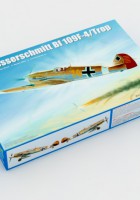
Messerschmitt Bf 109F-4/Trop - Trompet 02293

Trumpeter

Ref 02293
TüüpMudelikomplekt
Skaala1/32
Teema

Messerschmitt Bf 109F-4/Trop

Brändi mudel Trumpeter komplekt: Messerschmitt Bf 109F-4/Trop – Trumpeter 02293.

Features : The kit consists of over 240 parts Fuselage -Left and right fuselage moulded w/ authentic details Engine -Finely detailed engine. Interior -Finely detailed engine accessory compartment, -Finely detailed cockpit Wings – Optional position flaps – Rubber tires. PE -Photo-etched parts to upgrade details

The second major redesign of Bf109 is the F series. The “Friedrich” saw a complete redesign of the wings, the cooling system and fuselage aerodynamics, and was powered by the 1,175 PS DB 601N (F-1, F-2) or the 1,350 PS DB 601E (F-3, F-4). Considered by many as the high watermark of the Bf 109 development, the F series abandoned the wing cannon and concentrated all armament in the forward fuselage: a pair of machine guns above and a single 15 or 20mm cannon behind the engine, the latter firing between the cylinder banks and through the propeller hub and spinner. This configuration was used by all subsequent variants. A handful of Bf 109Fs were used operationally late in the Battle of Britain in 1940, but only become widespread in service in the first half of 1941, replacing the Bf109E.

Allikas: Trompetist

Jätka lugemist

Views : 2240

Sturmgeschütz

Sturmgeschütz

Teema

Album 156 fotost Sturmgeschützist

PerioodiTeine maailmasõda
Armeesaksa Wehrmacht

Sturmgeschütz (or StuG) is an “assault gun” used by the German Wehrmacht during the Second World War. The vehicle was built on the chassis of the proven Panzer III. Initially intended as a mobile, armoured light gun for providing close fire support to infantry, panzer, and panzergrenadier units, the StuG was continually modified throughout its existence. It was often used as a mobile artillery platform to destroy bunkers, pillboxes and other entrenched positions. After the invasion of Soviet Russia in 1941, the StuG III was also converted to use as a tank destroyer because its main armament was the only weapon with sufficient power to take on the Soviet T-34 or KV-1 tanks. It would go on to become Nazi Germany’s most produced armoured fighting vehicle during World War II. The StuG was used primarily within the Sturmartillerie, a branch of the artillery in the Wehrmacht.

Allikas:

Jätka lugemist

Views : 5279

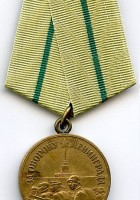
Medal "For the Defence of Leningrad"

Nõukogude Liit

TüüpKampaania medal
AbikõlblikkuseNõukogude Liidu kodanikud
AuhinnatudOsalemine Leningradi kaitsmisel
Kehtestatud22. detsember 1942
Autasustatud kogusumma1,470,000

Medal "Leningradi kaitsmise eest" oli Nõukogude Liidu 2. maailmasõja kampaaniamedal, mis asutati 22. detsembril 1942 NSV Liidu Ülemnõukogu Presiidiumi määrusega, et tunnustada Leningradi nõukogude tsiviil- ja sõjaväekaitsjate vaprust ja rasket tööd 872-päevase linna piiramise ajal Saksa relvajõudude poolt 8. septembrist, 1941 ja 27. jaanuar 1944.

Allikas: Vikipeedia

Jätka lugemist

Vaadatud: 1097

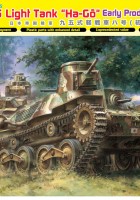
Imperial Japanese Army Type 95 Light Tank "Ha-Go" Early Production - DML 6767

Dragon Model

Ref 6767
Tüüp1/35 Sõjavägi
Skaala1/35
Teema

Imperial Japanese Army Type 95 Light Tank “Ha-Go” Early Production

Brändi mudel Draakoni mudel komplekt : Imperial Jaapani armee tüüp 95 kerge tank "Ha-Go" varajane tootmine – DML 6767

Dragon on 2012. aastal tutvustanud väga palju põnevaid uusi komplekte ning sel aastal on tulemas veel üks 1/35 mõõtkavas AFV pärl. Uus üksus on Jaapani keiserliku armee (IJA) tüüp 95 "Ha-Go" kergepaak. Tüüp 95 tanki kasutati võitluses Hiina ja Venemaa vastu ning osales täielikult II maailmasõja operatsioonides. Vaid 7,4 tonni kaaluv see oli mõeldud peamiselt jalaväe toetusrelvaks. Tõepoolest, see oli kõige tavalisem kerge paak, mida IJA kasutas Vaikse ookeani piirkonnas, kus toodeti umbes 2,300 ühikut. Sellel oli kolmeliikmeline meeskond ja peamine relvastus oli tüüp 94 37 mm relv. Selle maksimaalne kiirus oli 45km/h.

Komplekt kujutab varajase tootmise varianti ja see põhineb reaalsete paakide tegelikel mõõtmistel. Kuigi see on väike sõiduk, on Dragoni 1/35 skaala komplekt täis detaile, mida hõlbustab liugvormide laialdane kasutamine. Tegelikult kasutab iga komplektis olev kuusk slaidivorme, mis on hämmastav saavutus! Näiteks on torn üheosalise konstruktsiooniga, mitmesuunaline liugvorm võimaldab renderdada selliseid detaile nagu needid. Komandöri kuppel on sarnane lugu. Ühes tükis alumisel kerel on õiged soomuspaneelid ja poldid. Ülemine kere on samuti üks tükk ja püstolitünnil on õõnes ots. Ka maanteerattad, tühikäigud, ketirattad ja tagasilöögirullid on liumäel. DS-i slaidivormitud rajalingid on miniatuursed täpselt kopeeritud, et lisada külgdetaile. See on Draakoni äärmiselt põnev teema ja kuna Ha-Go-d kasutati nii erinevates kohtades, võivad modelleerijad luua mis tahes stsenaariumi, näiteks džunglikattega maastik või Vaikse ookeani saar!

Allikas: Draakoni mudelid
Jätka lugemist

Vaatamisi : 1139