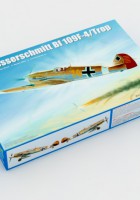
Messerschmitt Bf 109F-4/Trop - Trompet 02293

Trumpeter

Ref 02293
TüüpMudelikomplekt
Skaala1/32
Teema

Messerschmitt Bf 109F-4/Trop

Brändi mudel Trumpeter komplekt: Messerschmitt Bf 109F-4/Trop – Trumpeter 02293.

Features : The kit consists of over 240 parts Fuselage -Left and right fuselage moulded w/ authentic details Engine -Finely detailed engine. Interior -Finely detailed engine accessory compartment, -Finely detailed cockpit Wings – Optional position flaps – Rubber tires. PE -Photo-etched parts to upgrade details

The second major redesign of Bf109 is the F series. The “Friedrich” saw a complete redesign of the wings, the cooling system and fuselage aerodynamics, and was powered by the 1,175 PS DB 601N (F-1, F-2) or the 1,350 PS DB 601E (F-3, F-4). Considered by many as the high watermark of the Bf 109 development, the F series abandoned the wing cannon and concentrated all armament in the forward fuselage: a pair of machine guns above and a single 15 or 20mm cannon behind the engine, the latter firing between the cylinder banks and through the propeller hub and spinner. This configuration was used by all subsequent variants. A handful of Bf 109Fs were used operationally late in the Battle of Britain in 1940, but only become widespread in service in the first half of 1941, replacing the Bf109E.

Allikas: Trompetist

Jätka lugemist

Vaadatud : 2223

Sturmgeschütz

Sturmgeschütz

Teema

Album 156 fotost Sturmgeschützist

PerioodiTeine maailmasõda
Armeesaksa Wehrmacht

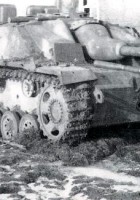
Sturmgeschütz (or StuG) is an “assault gun” used by the German Wehrmacht during the Second World War. The vehicle was built on the chassis of the proven Panzer III. Initially intended as a mobile, armoured light gun for providing close fire support to infantry, panzer, and panzergrenadier units, the StuG was continually modified throughout its existence. It was often used as a mobile artillery platform to destroy bunkers, pillboxes and other entrenched positions. After the invasion of Soviet Russia in 1941, the StuG III was also converted to use as a tank destroyer because its main armament was the only weapon with sufficient power to take on the Soviet T-34 or KV-1 tanks. It would go on to become Nazi Germany’s most produced armoured fighting vehicle during World War II. The StuG was used primarily within the Sturmartillerie, a branch of the artillery in the Wehrmacht.

Allikas:

Jätka lugemist

Views : 5217

Medal "For the Defence of Leningrad"

Nõukogude Liit

TüüpKampaania medal
AbikõlblikkuseNõukogude Liidu kodanikud
AuhinnatudOsalemine Leningradi kaitsmisel
Kehtestatud22. detsember 1942
Autasustatud kogusumma1,470,000

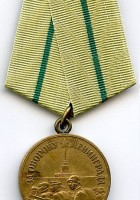
Medal "Leningradi kaitsmise eest" oli Nõukogude Liidu 2. maailmasõja kampaaniamedal, mis asutati 22. detsembril 1942 NSV Liidu Ülemnõukogu Presiidiumi määrusega, et tunnustada Leningradi nõukogude tsiviil- ja sõjaväekaitsjate vaprust ja rasket tööd 872-päevase linna piiramise ajal Saksa relvajõudude poolt 8. septembrist, 1941 ja 27. jaanuar 1944.

Allikas: Vikipeedia

Jätka lugemist

Vaadatud : 1059

Imperial Japanese Army Type 95 Light Tank "Ha-Go" Early Production - DML 6767

Dragon Model

Ref 6767
Tüüp1/35 Sõjavägi
Skaala1/35
Teema

Imperial Japanese Army Type 95 Light Tank “Ha-Go” Early Production

Brändi mudel Draakoni mudel komplekt : Imperial Jaapani armee tüüp 95 kerge tank "Ha-Go" varajane tootmine – DML 6767

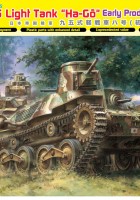
Dragon on 2012. aastal tutvustanud väga palju põnevaid uusi komplekte ning sel aastal on tulemas veel üks 1/35 mõõtkavas AFV pärl. Uus üksus on Jaapani keiserliku armee (IJA) tüüp 95 "Ha-Go" kergepaak. Tüüp 95 tanki kasutati võitluses Hiina ja Venemaa vastu ning osales täielikult II maailmasõja operatsioonides. Vaid 7,4 tonni kaaluv see oli mõeldud peamiselt jalaväe toetusrelvaks. Tõepoolest, see oli kõige tavalisem kerge paak, mida IJA kasutas Vaikse ookeani piirkonnas, kus toodeti umbes 2,300 ühikut. Sellel oli kolmeliikmeline meeskond ja peamine relvastus oli tüüp 94 37 mm relv. Selle maksimaalne kiirus oli 45km/h.

Komplekt kujutab varajase tootmise varianti ja see põhineb reaalsete paakide tegelikel mõõtmistel. Kuigi see on väike sõiduk, on Dragoni 1/35 skaala komplekt täis detaile, mida hõlbustab liugvormide laialdane kasutamine. Tegelikult kasutab iga komplektis olev kuusk slaidivorme, mis on hämmastav saavutus! Näiteks on torn üheosalise konstruktsiooniga, mitmesuunaline liugvorm võimaldab renderdada selliseid detaile nagu needid. Komandöri kuppel on sarnane lugu. Ühes tükis alumisel kerel on õiged soomuspaneelid ja poldid. Ülemine kere on samuti üks tükk ja püstolitünnil on õõnes ots. Ka maanteerattad, tühikäigud, ketirattad ja tagasilöögirullid on liumäel. DS-i slaidivormitud rajalingid on miniatuursed täpselt kopeeritud, et lisada külgdetaile. See on Draakoni äärmiselt põnev teema ja kuna Ha-Go-d kasutati nii erinevates kohtades, võivad modelleerijad luua mis tahes stsenaariumi, näiteks džunglikattega maastik või Vaikse ookeani saar!

Allikas: Draakoni mudelid

Jätka lugemist

Views : 1120

Pz.Kpfw.III (5cm) Ausf.G, Sd.Kfz.141, Varajane tootmine - DML 6639

Dragon Model

Ref 6639
Tüüp1/35 Sõjavägi
Skaala1/35
Teema

Pz.Kpfw.III (5cm) Ausf.G, Sd.Kfz.141, Early Production

Brändi mudel Draakoni mudel komplekt : Pz.Kpfw.III (5cm) Ausf.G, Sd.Kfz.141, Varajane tootmine – DML 6639

ajalugu: Panzer III was the common name of a medium tank that was developed in the 1930s by Germany and was used extensively in World War II. The official German designation was Panzerkampfwagen III Sd Kfz. 141 (abbreviated PzKpfw III) translating as “armoured fighting vehicle”. It was intended to fight other armoured fighting vehicles and serve alongside the infantry-supporting Panzer IV. However, as the Germans faced the formidable T-34, stronger anti-tank guns were needed. Since the Panzer IV had a bigger turret ring, the role was reversed. The Panzer IV mounted the long barreled 7.5 cm KwK 40 gun and engaged in tank-to-tank battles. The Panzer III became obsolete in this role and for most purposes was supplanted by the Panzer IV. From 1942, the last version of Panzer III mounted the 7.5 cm KwK 37 L/24, better suited for infantry support. Production of the Panzer III ended in 1943. However, the Panzer III’s capable chassis provided hulls for the Sturmgeschütz III until the end of the war.

Allikas: Wikipedia and Draakoni mudelid

Jätka lugemist

Vaadatud : 1132

Antonov AN-2W Colt - HOBBY BOSS 81706

Hobiboss

Teema

Antonov AN-2W Colt

Skaala1/48
Ref81706

Brändi mudel HobbyBoss komplekt : Antonov AN-2W Colt – HOBBY BOSS 81706

Funktsioonid : the kit consists of over 230+ parts -Detailed fuselage&wing w/accurate design -Detailed cockpit

The An-2 Colt has been used as a paratroop transport, glider tug, navigation trainer, utility transport and light bomber. The An-2 prototype was first flown on August 31, 1947, and the aircraft is still in production, although the Antonov Bureau has not produced any since 1960. The An-2s designer, Oleg Antonov, had been an aircraft designer during the Second World War. Originally designed for the Ministry of Agriculture and Forestry in the former Soviet Union, the aircraft was soon adopted by the Soviet Air Force and built for its client states. It is ideally suited to less developed countries because it requires little maintenance and is easy to fly.

Allikas: Hobiboss

Jätka lugemist

Vaadatud : 814

Pz.Kpfw.VI Tiger I Ausf.E keskmine tootmine - ITALERI 6507

Italeri

Ref 6507
TüüpMudelikomplekt
Skaala1/35
Teema

Pz.Kpfw.VI Tiger I Ausf.E mid production

Brändi mudel ITALERI komplekt Pz.Kpfw.VI Tiger I Ausf.E mid production – ITALERI 6507.

2007 Tiger I tank, which has been produced in the second half of 1943, was based on the hull of the firstoperational version used in North Africa and Russia. At the beginning this tank had wheels with rubber rim,which will be replaced in the following productions starting from February 1944, but it was equipped withthe new turret with increased protection and better cupola for the commander. Besides some of thesevehicles maintained the characteristic system of dust filters Feifel, and the smoke grenade launchers. On thetanks produced since August 1943 was also applied a magnetic mine paste that will become standard on alltanks of the German Army.

Allikas: Italeri

Jätka lugemist

Vaadatud : 1596

Sd. Kfz. 251/16 Flammpanzerwagen - ITALERI 7067

Italeri

Ref 7067
TüüpMudelikomplekt
Skaala1/72
Teema

Sd. Kfz. 251/16 Flammpanzerwagen

Brändi mudel ITALERI komplekt Sd. Kfz. 251/16 Flammpanzerwagen – ITALERI 7067.

Ajalugu:

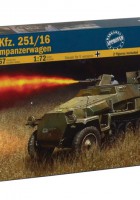
The Sd.Kfz.251 half-track was an armored fighting vehicle and was used by the Wehrmacht on all fronts, during the Second World War. Powered by a Maybach 6-cylinder petrol engine was able to achieve, even in off-road terrain, the speed of 55 km / h. Produced in huge numbers, it was mainly used to transport the “Panzergranadiers” but, during the war, several versions has been developed to meet various operational needs. The half-track Sd.Kfz. 251/16 Flammpanzerwagen was developed as real flame tank to support infantry attacks against fortification or enemy positions. It was equipped with two flamethrowers on the sides of the vehicle. Furthermore, inside the vehicle, two tanks of flammable liquid, that allowed weapons to operate for about 160 seconds, has been installed.

Allikas: Italeri

Jätka lugemist

Vaadatud : 1402

M3 Lee Grant keskmine paak - Airfix A01317

Airfix

RefA01317
TüüpMudelikomplekt
Skaala1/76
Teema

M3 Lee Grant Medium Tank

Brändi mudel Airfix komplekt : M3 Lee Grant Medium Tank – Airfix A01317.

Called the Kindral Lee if fitted with the American designed taller turret and the General Grant if fitted with the British built smaller turret, the Lee Grant was one of the first American tanks to reach the British during the Second World War. Also used across the Pacific, the Lee Grant led to the design of the Sherman tank, the Allies’ most important and numerically vital tank of the war.

Allikas: M3 Lee Grant Medium Tank on Airfix

Jätka lugemist

Vaadatud : 1516

Renault B1 Bis

Renault B1 bis

RiikPrantsusmaa
Mudel

B1 bis

TüüpRaske tank
Kasutuses1936–1940 (Prantsusmaa)
Ehitatud405)

Fotogalerii Renault B1 bis, Paagi arendamine osutus pikaks protsessiks ja seda ei standarditud kohe majanduslike, poliitiliste ja rahvusvaheliste probleemide tõttu. Samadel põhjustel hoiti tellitud kogused väikesed. Esimene "seeria" korraldus on allkirjastatud 6. aprillil 1934 7 näidisele, teine Oecemberis 1934 veel 20-le ja viimane kolmandik 5-le 29. aprillil 1935. 50, koos 3 prototüübiga, kokku 35 eeskuju, mis on piisav täispataljoni varustamiseks. Ehitus on usaldatud programmi erinevatele kaastöövõtjatele, lõpliku montaaži eest vastutavad nii Renault kui ka FCM.

Allikas: Trackstory

Jätka lugemist

Views : 4884