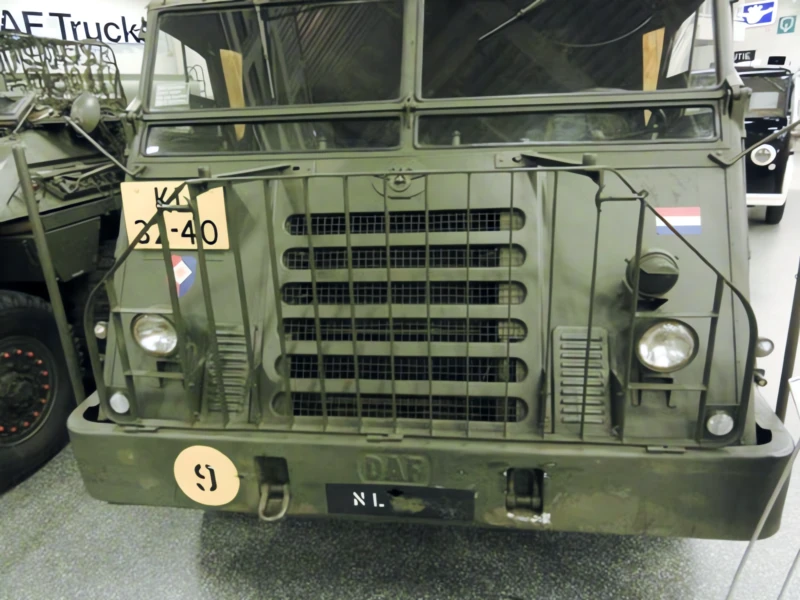
DAF YA 328 | |
|---|---|
| País | NL |
| Papel | Camión militar de servicio medio |
| En servicio | 1951+ |
| Fabricante | DAF |
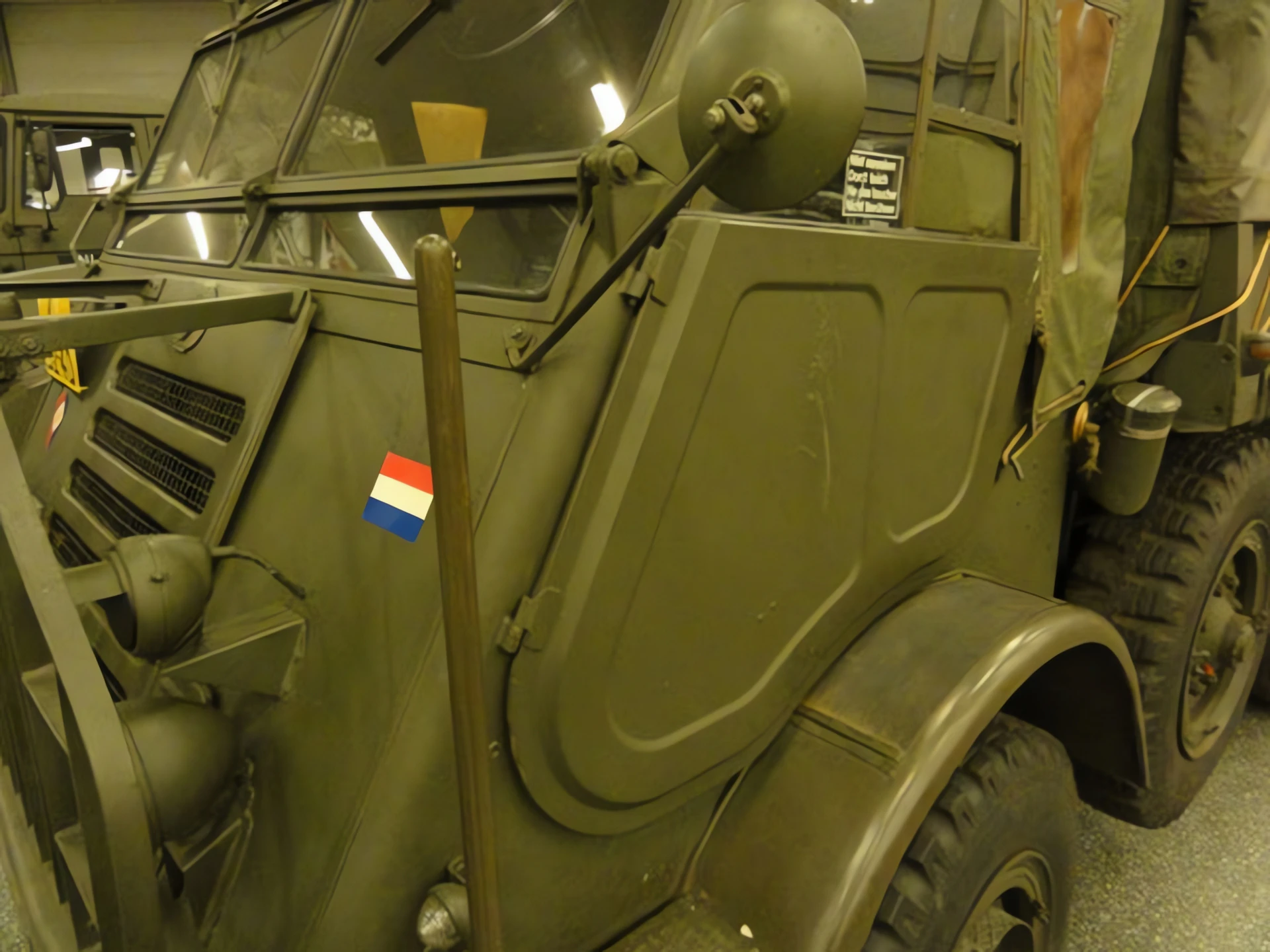
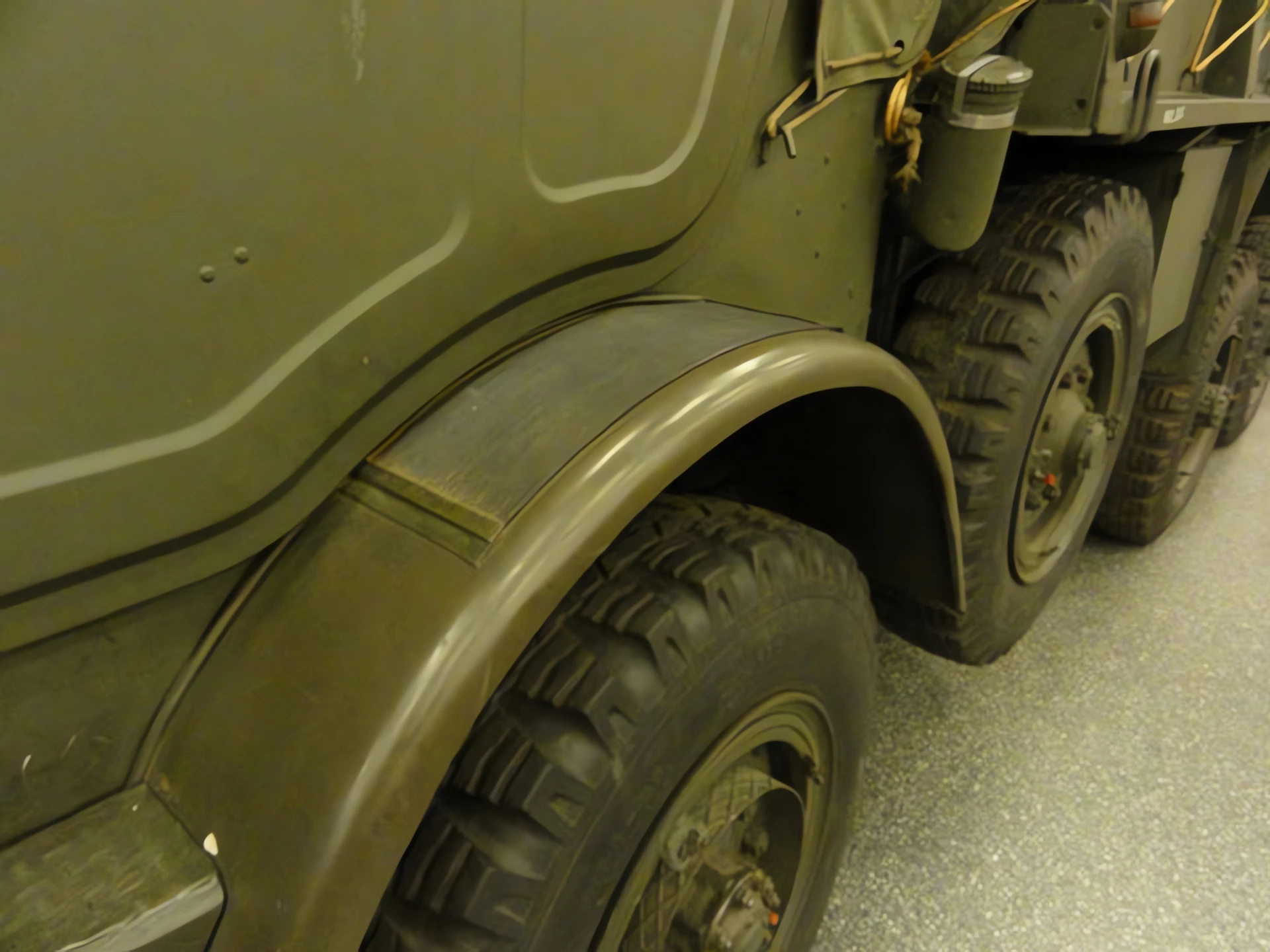
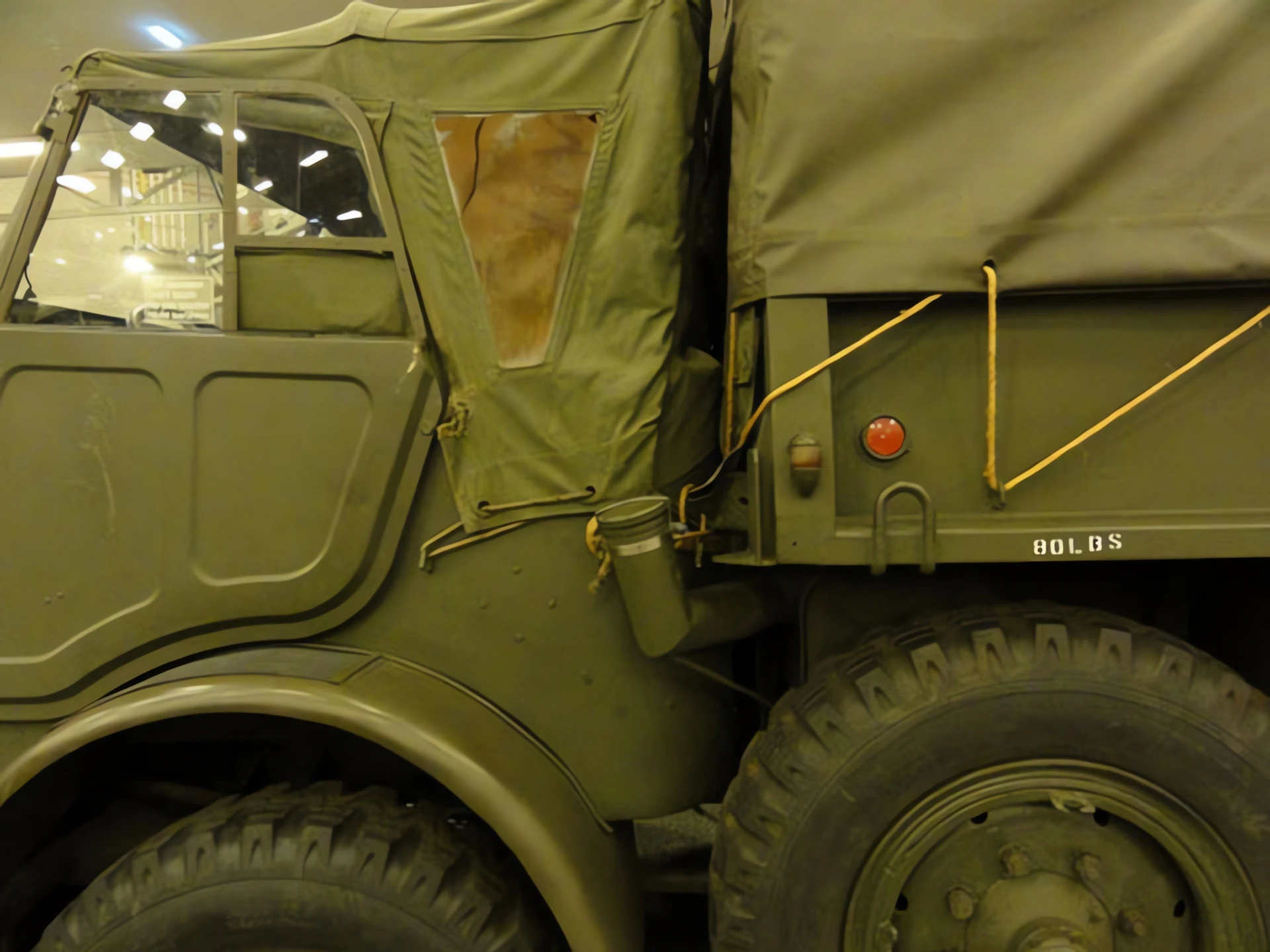
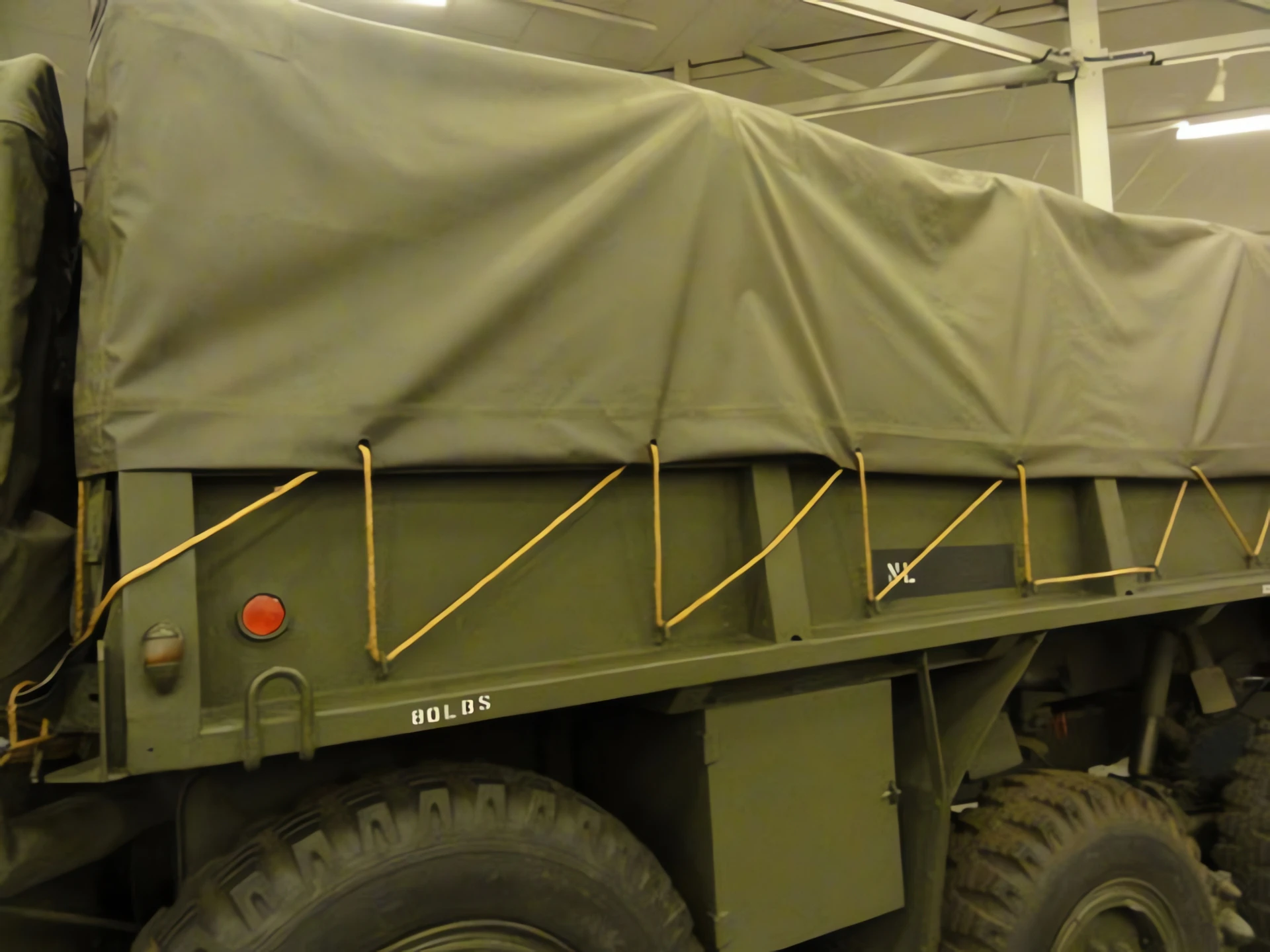
A lo largo de la década de 1950, DAF fue un importante proveedor para el reequipamiento de los vehículos de piel blanda del ejército holandés, con modelos como el DAF YA-126 y DAF YA-328 'Dikke Daf'. Éstos utilizaron toda la impulsión de rueda H-conduzca desarrollado de las conversiones de Trado.
Fuente: DAF YA 328 en Wikipedia
| DAF YA 328 Walk Around | |
|---|---|
| Fotógrafos | Meindert de Vreeze |
| Localización | Unknow |
| Fotos | 27 |
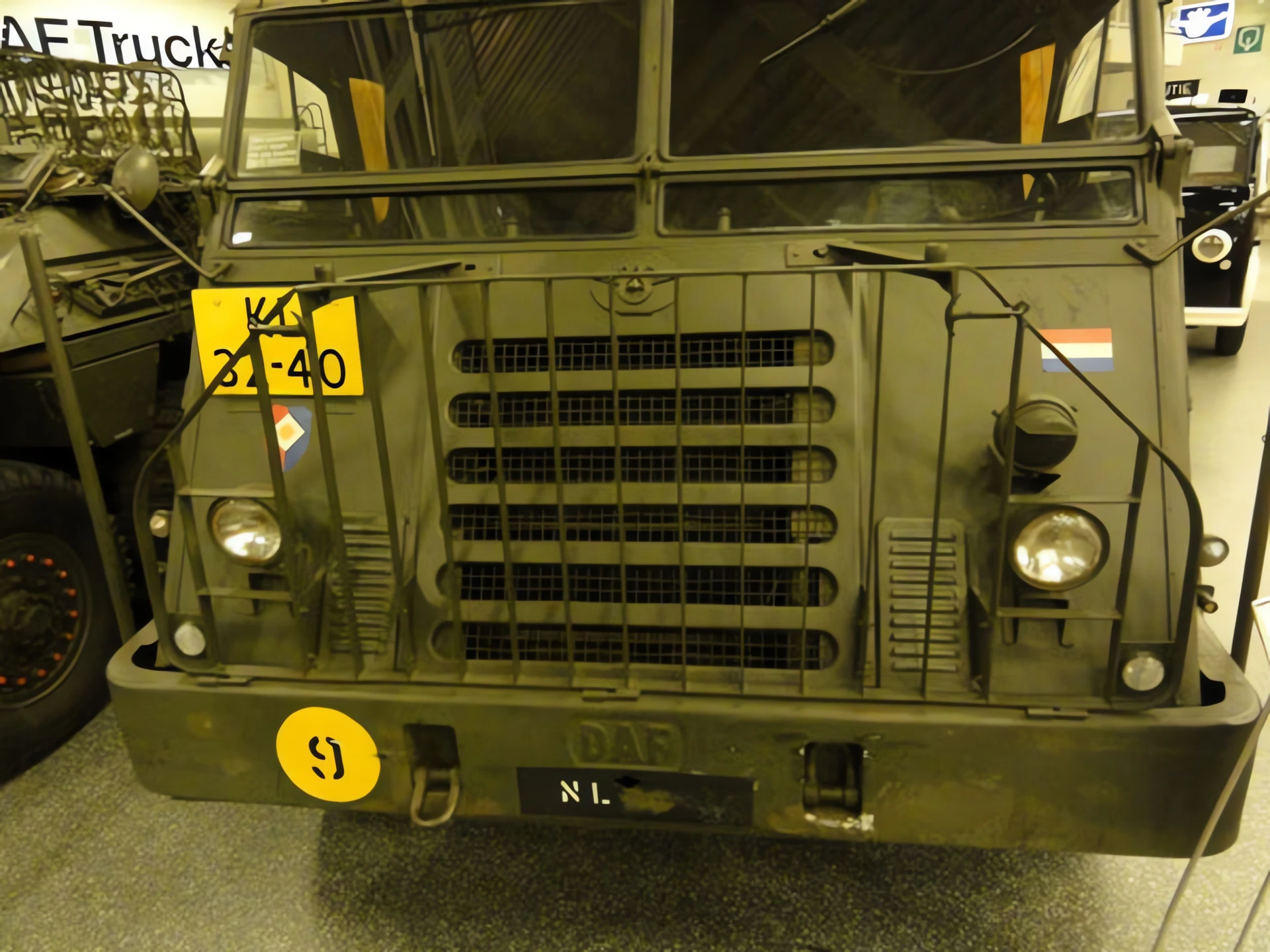
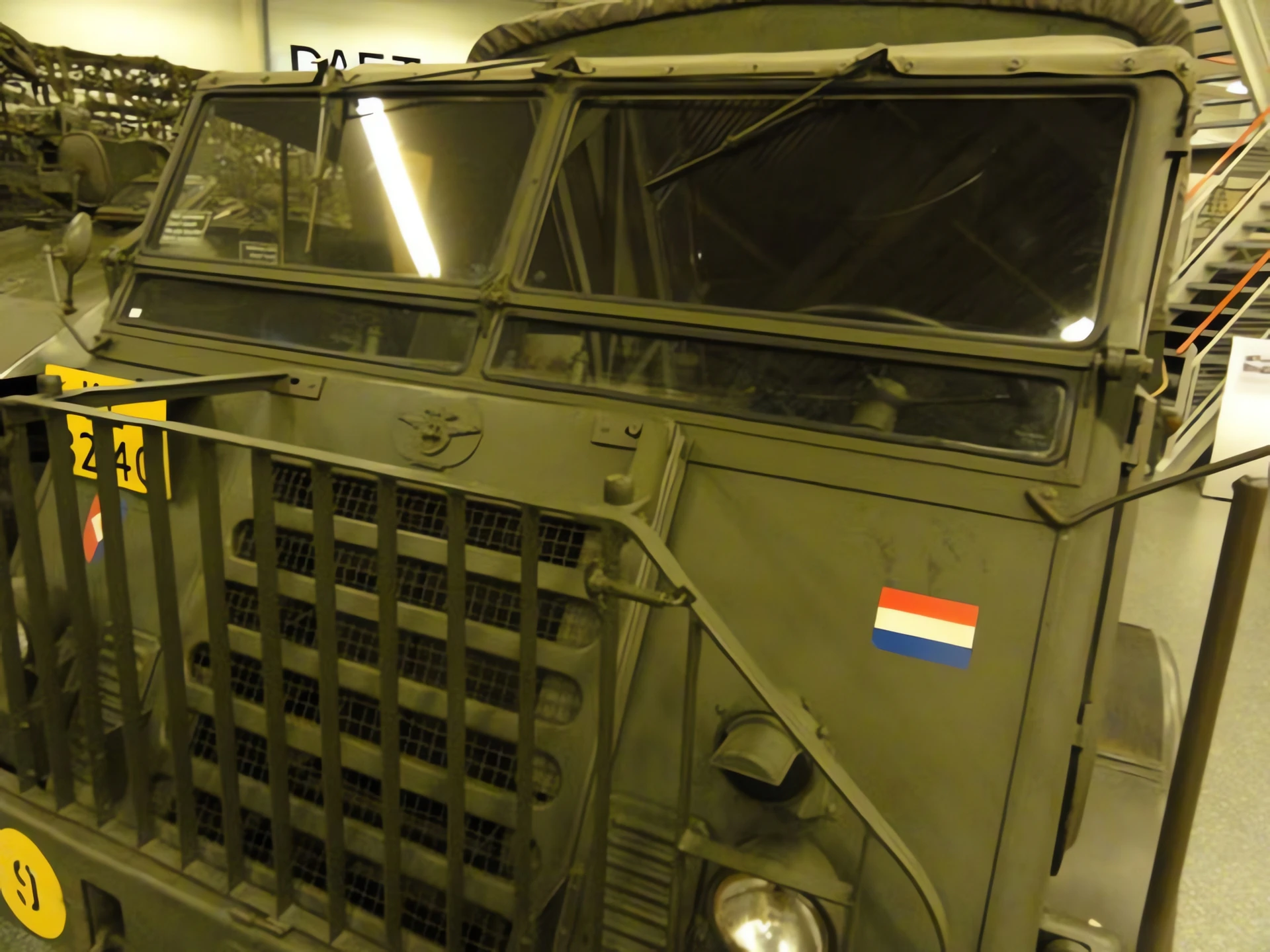
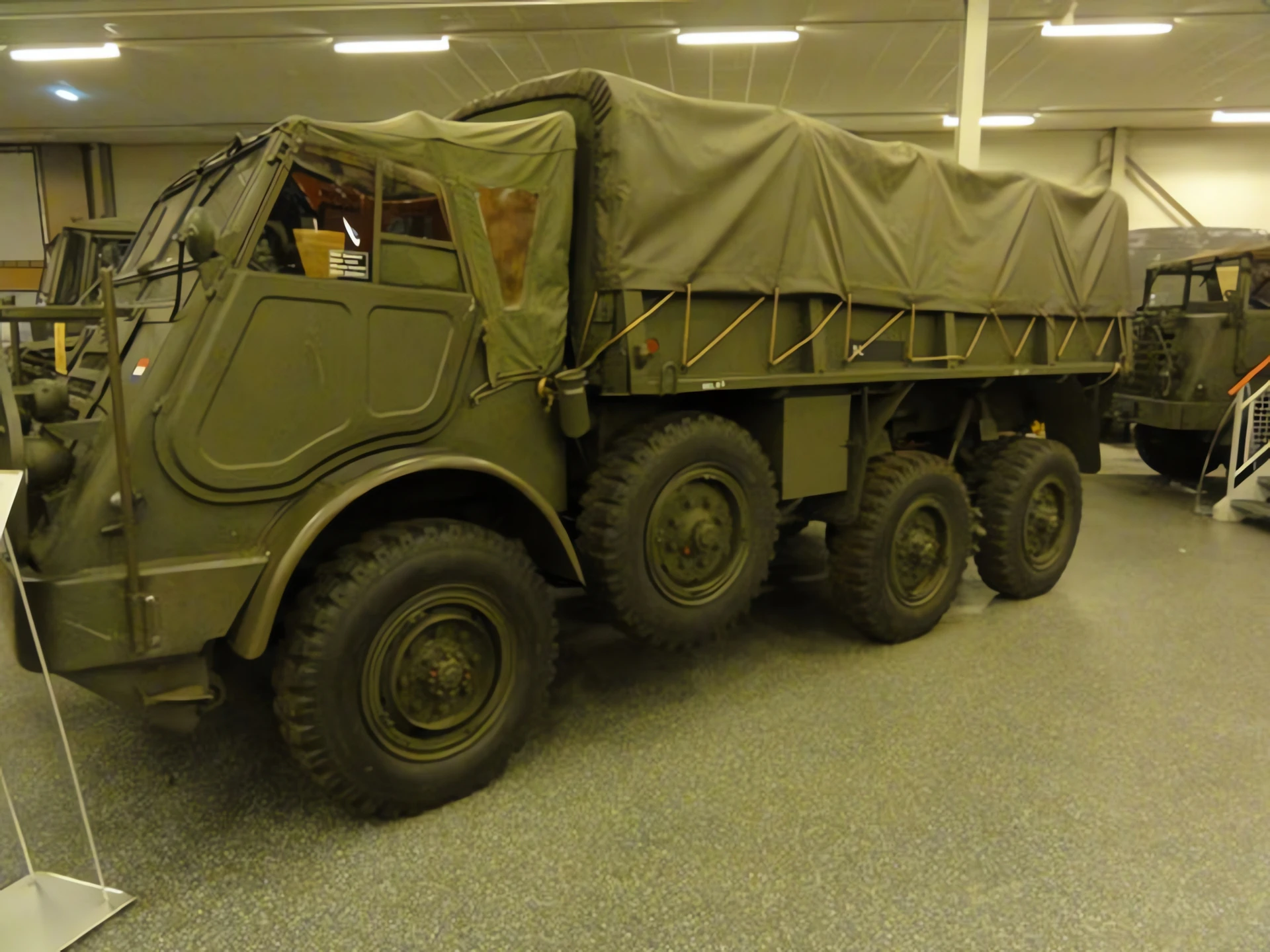
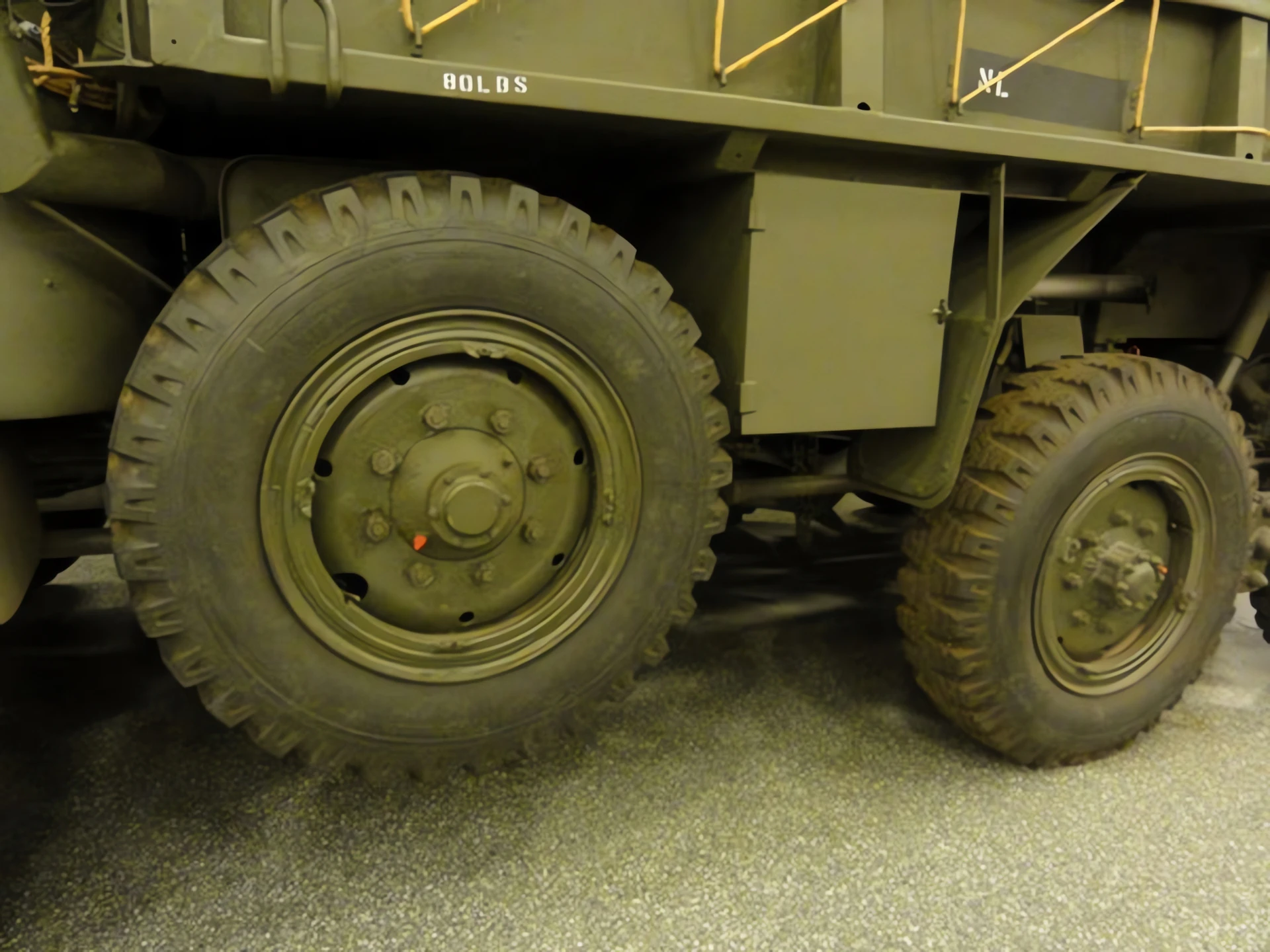
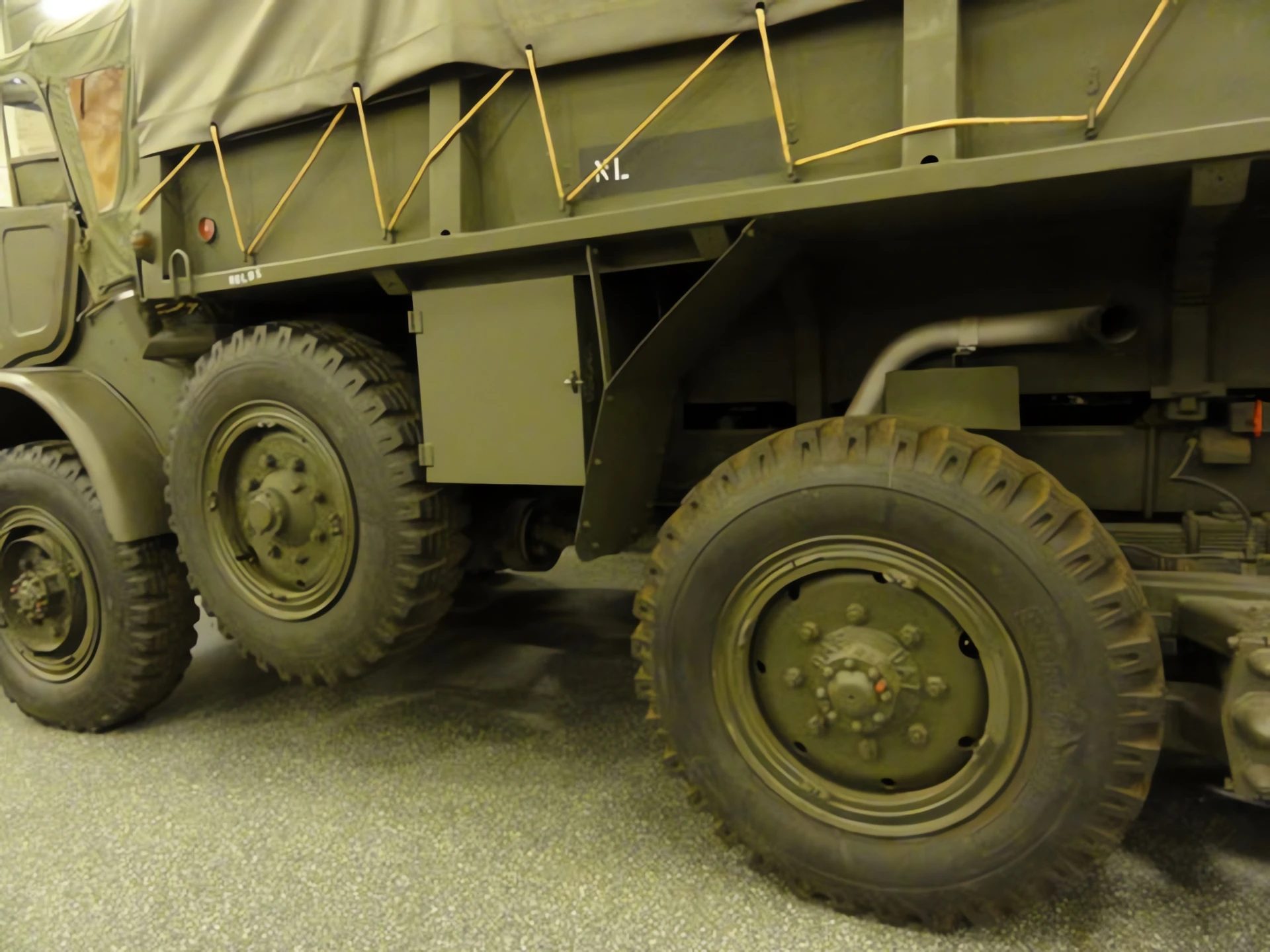

Ver también:


The Master of Terrain
el DAF YA-328 is arguably the most famous military truck in Dutch history. Developed in the early 1950s, it earned the nickname “Dikke Daf” due to its imposing size and the loud, distinctive roar of its Hercules engine. It was built specifically to handle the extremely soft, muddy terrain of Northern Europe. Its secret weapon was its unique drivetrain, which allowed it to traverse obstacles that would leave modern 4x4s hopelessly stuck.
| Attribute | Technical Specification (YA-328) |
|---|---|
| Papel | Tactical 3-ton Utility Truck (6×6) |
| Equipo | 2 (Driver + Co-driver) + 12-16 Troops |
| En servicio | 1952 – 1978 |
| Planta motriz | 1 × Hercules JXLD 6-cylinder petrol engine |
| Horsepower | 131 hp (98 kW) |
| Transmission | 5-speed manual with H-Drive system |
| Velocidad máxima | 82 km/h (51 mph) |
| Wading Depth | 0.75 meters (unprepared) |
Revolutionary H-Drive & Suspension
- The H-Drive System: Unlike standard trucks with central axles that can “hang up” on rocks or mud, the YA-328 used the H-drive system. Power was sent to two side-mounted drive shafts. This allowed for a completely flat underbody, providing incredible ground clearance.
- The “Spare Wheel” Trick: The two spare wheels were mounted on the sides of the chassis and were free-spinning. When the truck crested a sharp hill, these spare wheels acted as auxiliary rollers, preventing the vehicle from getting “high-centered” and stuck on its belly.
- Torsion Bar Suspension: The YA-328 utilized longitudinal torsion bars. This provided much more travel than traditional leaf springs, keeping all six wheels in contact with the ground even in deep ruts.
- Worm Gear Final Drive: Each wheel station had its own worm gear reduction, providing massive torque to the wheels and allowing the truck to crawl through thick clay with ease.
Service Life & Cultural Icon
- A Thirsty Beast: The Hercules petrol engine was known for its power but also its incredible fuel consumption—often averaging only 1 kilometer per liter (approx. 2.3 MPG) in off-road conditions.
- Variantes: While the artillery tractor and troop carrier were the most common, there were also specialized versions for crash tenders (firefighting) and mobile workshops.
- The “Dikke Daf” Roar: Veterans often speak of the psychological effect of a convoy of YA-328s; the combined sound of the straight-cut gears and the high-revving engines was unmistakable from miles away.
- Preservation: Because of its ruggedness and “unbreakable” reputation, the YA-328 is a favorite among collectors. The DAF Museum in Eindhoven and various “Dikke Daf” clubs across the Netherlands keep many of these 70-year-old giants running today.
Vistas : 1918
También puede ver:
 Albion CX22S – Photos & Videos
 Berliet CBA – Fotos y Videos
 Camión de demolición pesado M1 – Fotos y video
 Bedford QL – Fotos y Videos
 MAZ-543 – Fotos y Videos
 Camión M915 – Fotos y Videos
 Krupp Kfz.81 Protze – Fotos y Videos
 Vehículo todo terreno de alta movilidad Pinzgauer – Fotos y video
 ZIL-131 – Fotos y Video
 AEC 0853 Matador – Fotos y Video