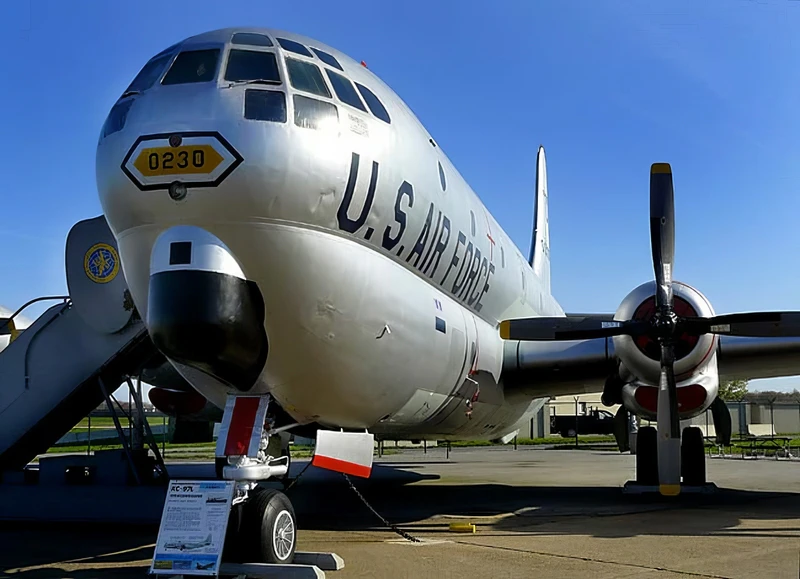
Boeing KC-97 Stratofreighter | |
|---|---|
| País | E.e.u.u |
| Papel | Petrolero estratégico |
| Primer vuelo | 14 de julio de 1951 |
| Construido | 811 |
el Boeing KC-97 Stratofreighter es un avión cisterna estratégico de los Estados Unidos basado en el Boeing C-97 Stratofreighter. Fue sucedido por el Boeing KC-135 Stratotanker.
| Boeing KC-97L Stratofreighter Walk Around | |
|---|---|
| Photographer | Bill Maloney |
| Localisation | Unknow |
| Photos | 53 |
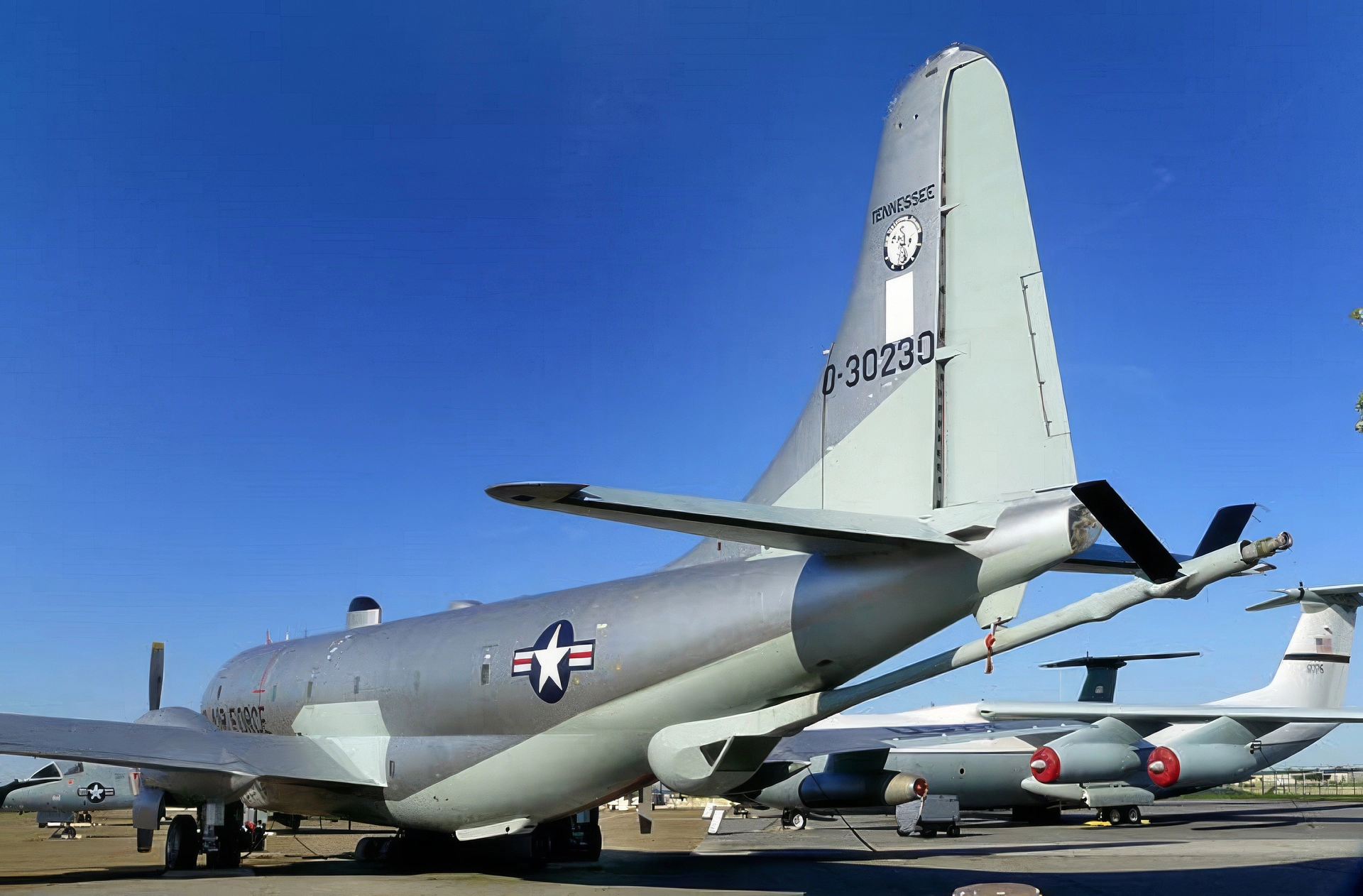
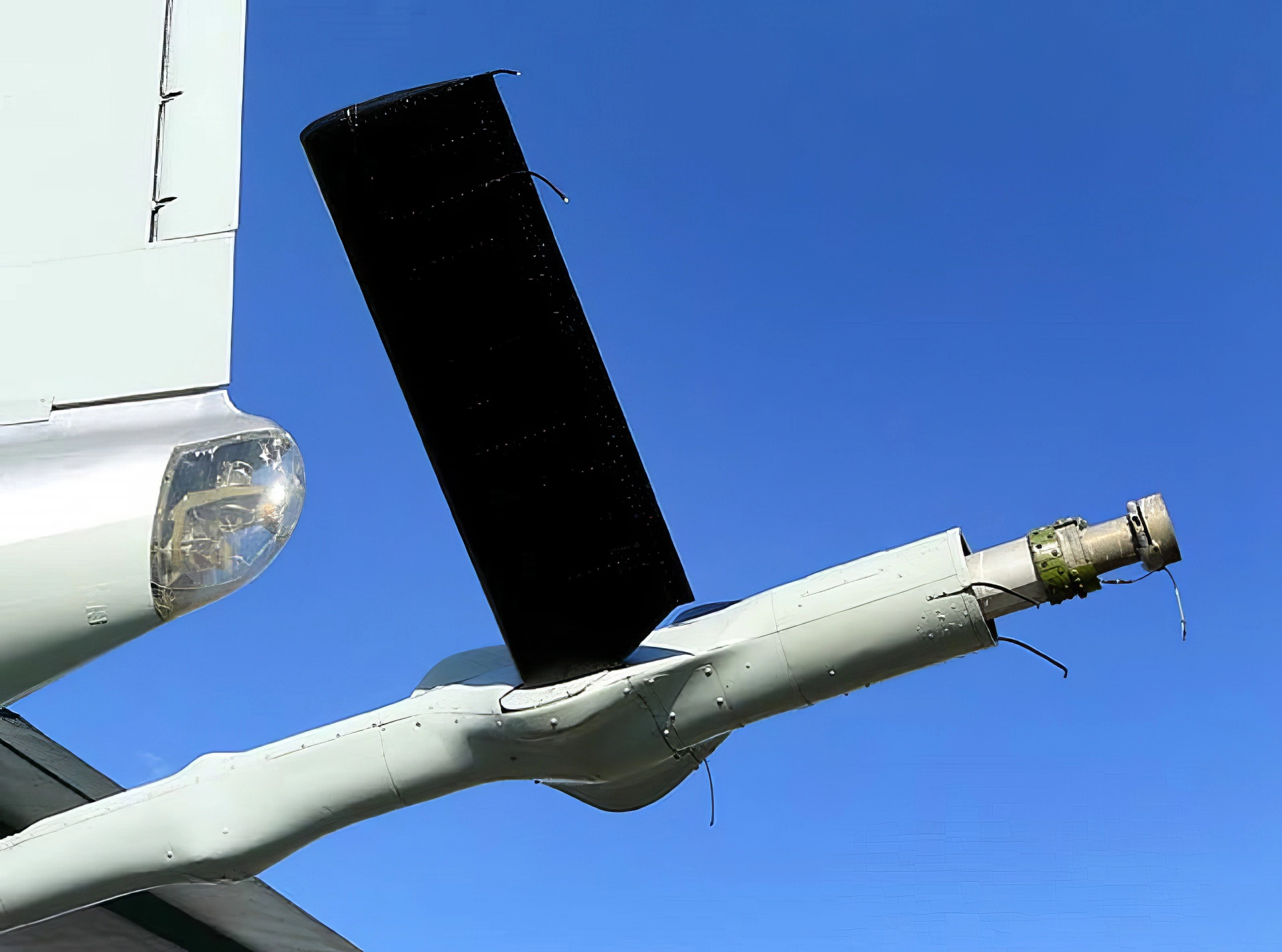
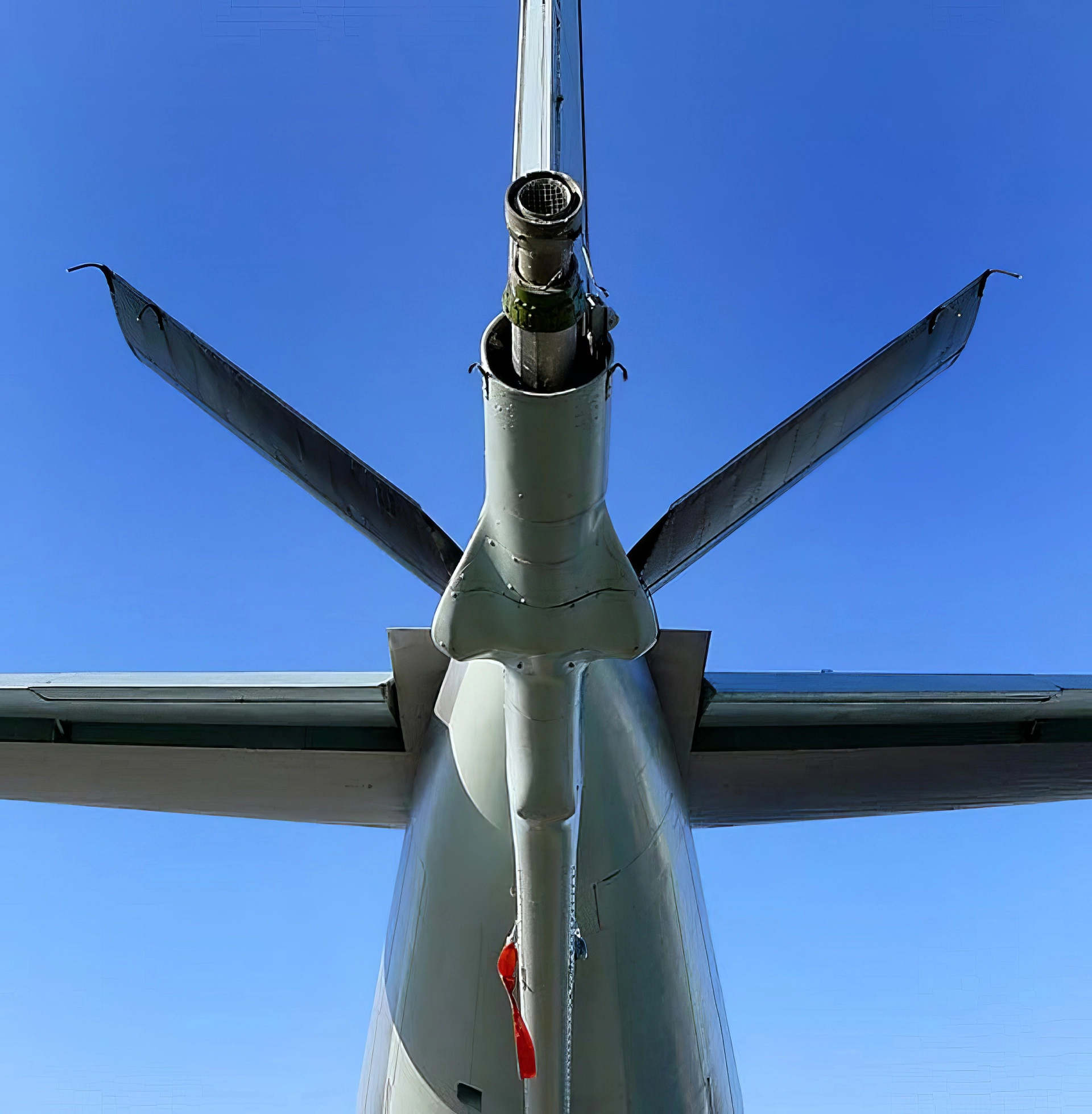
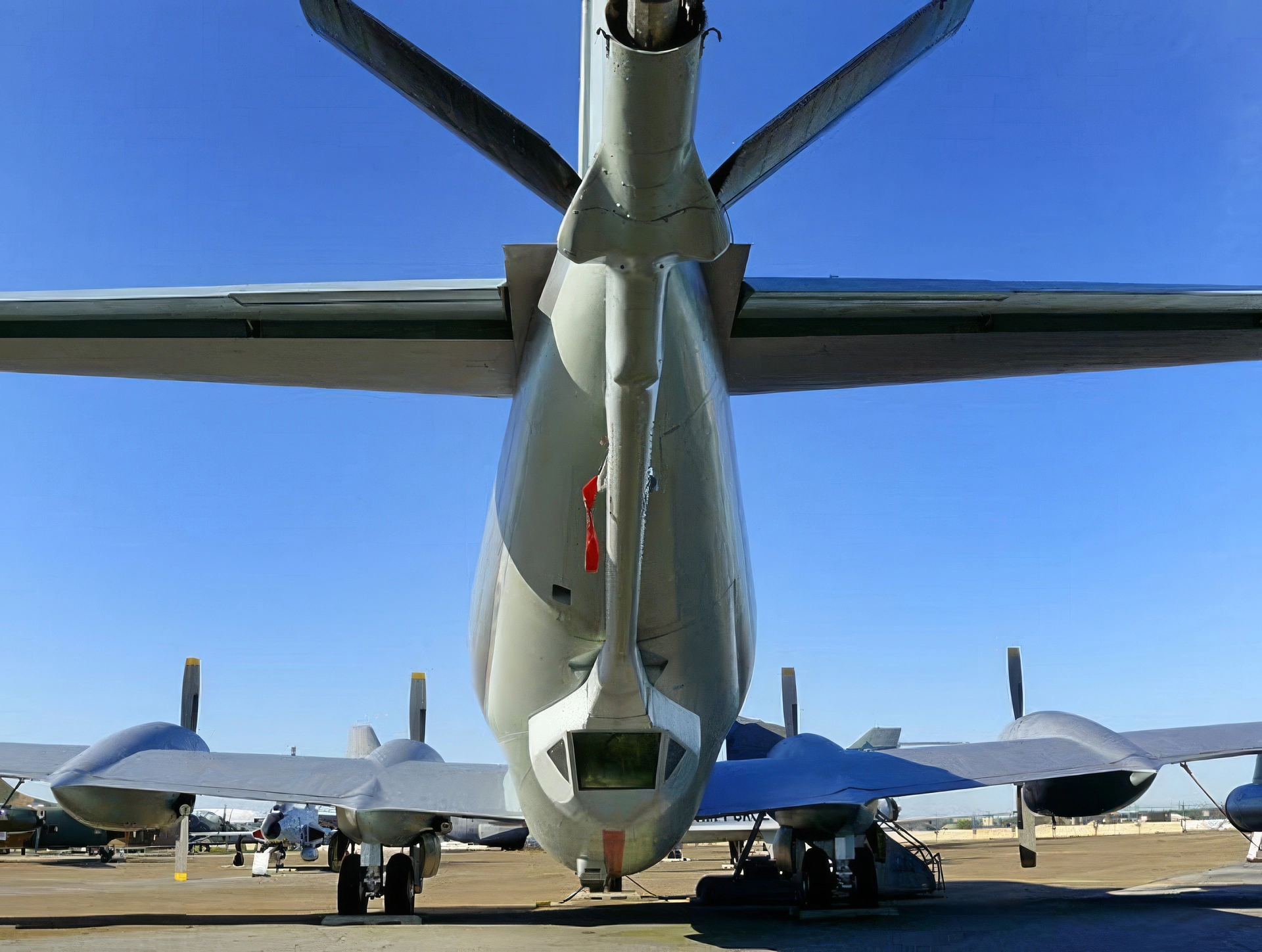
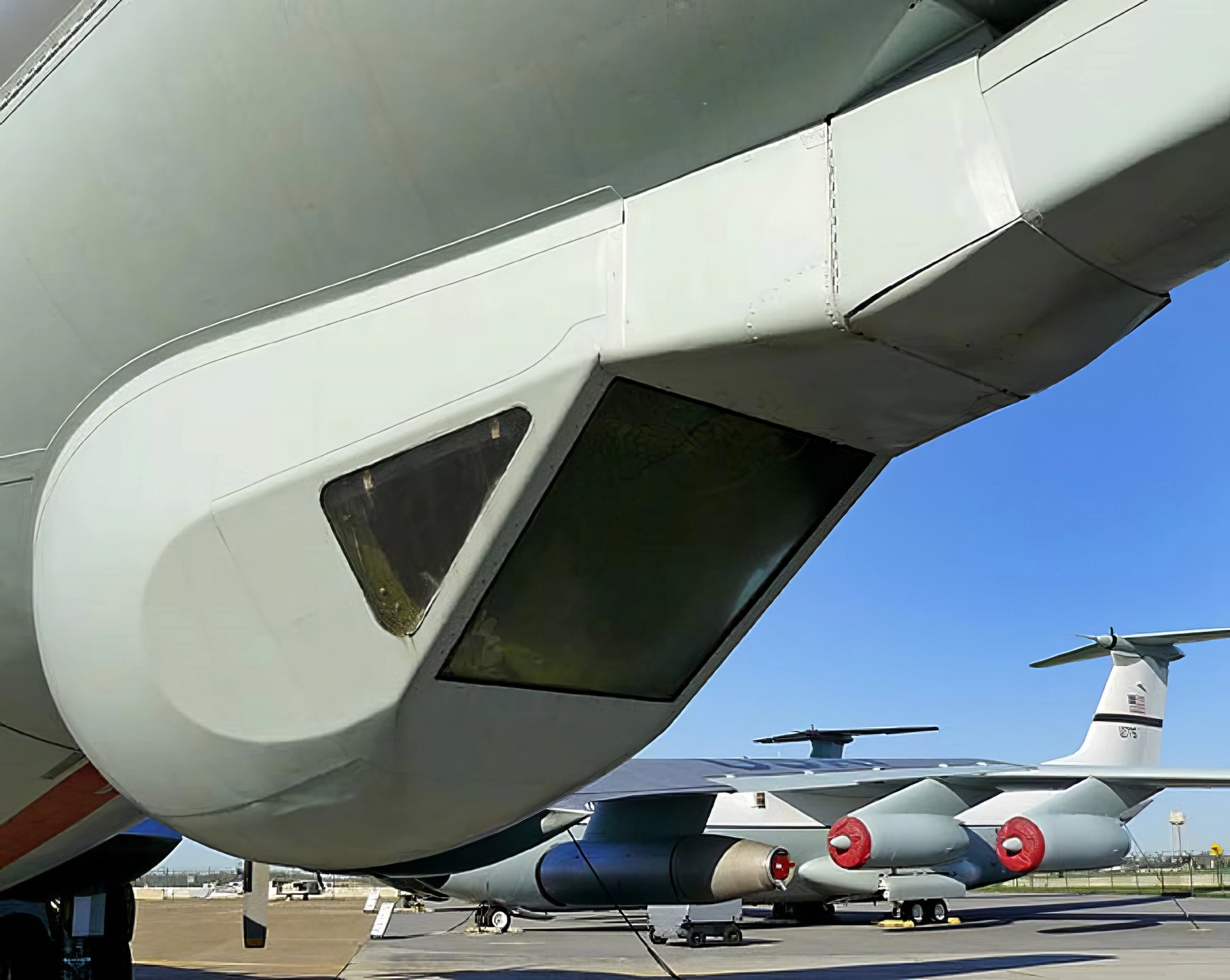
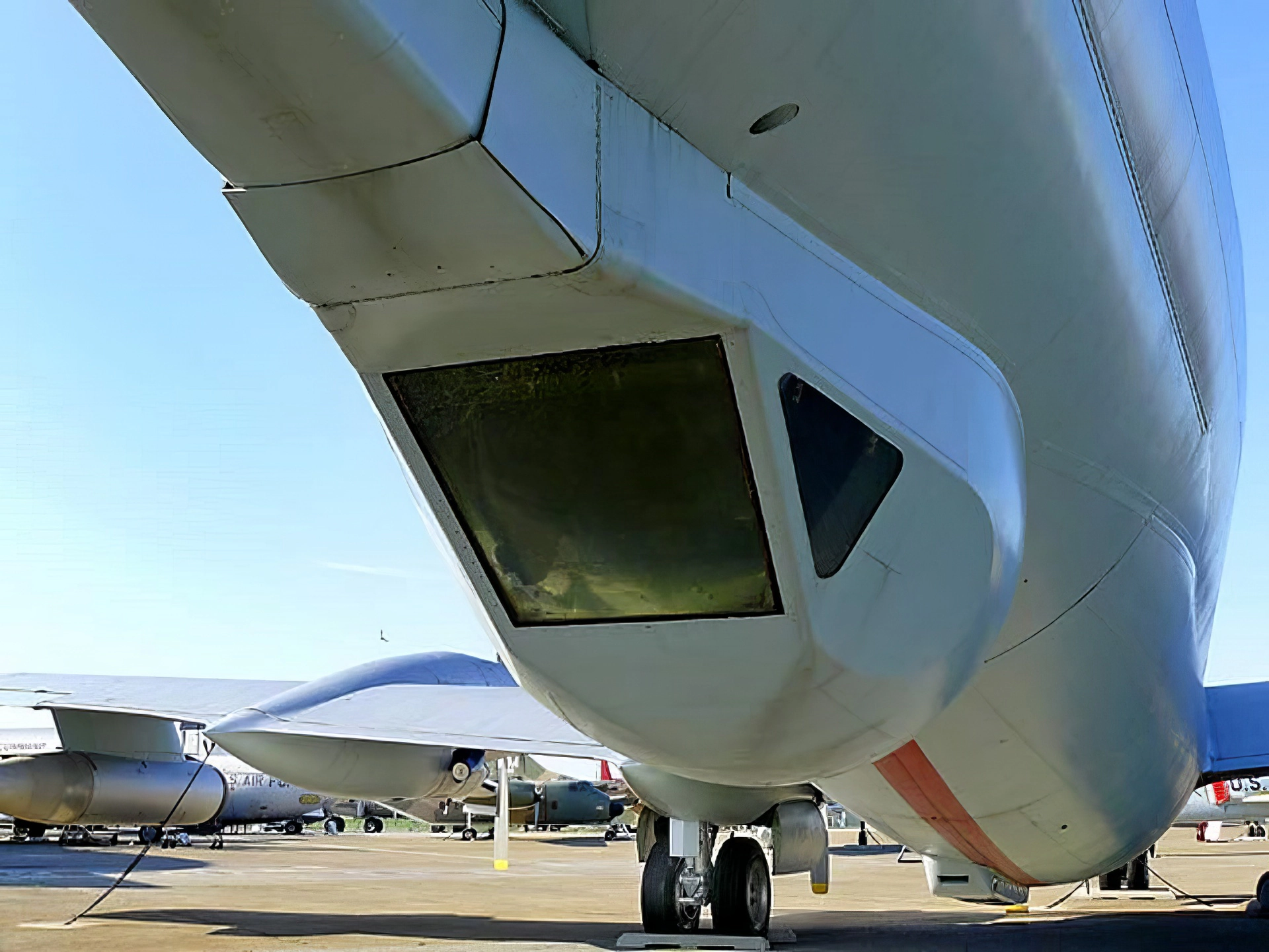
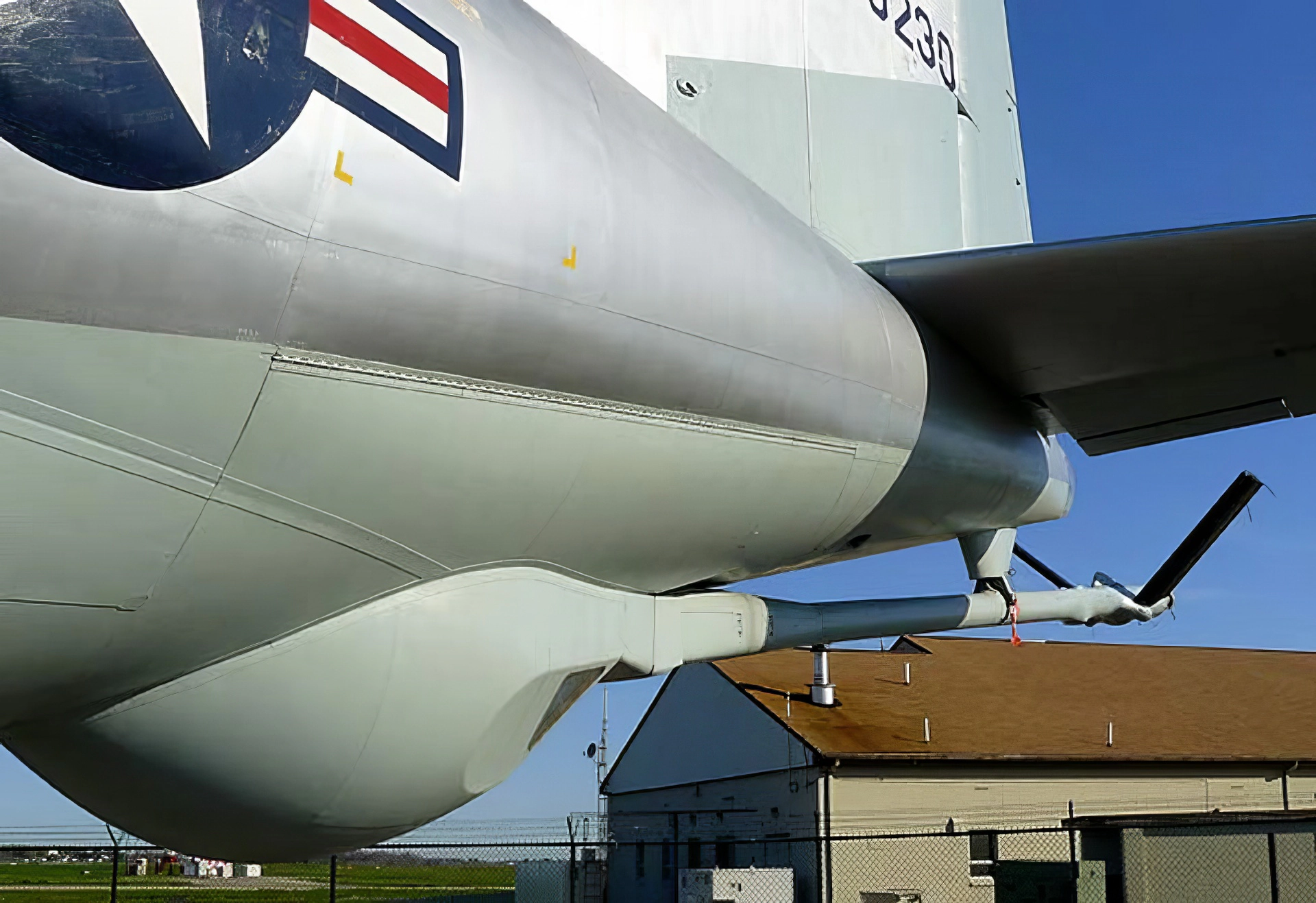
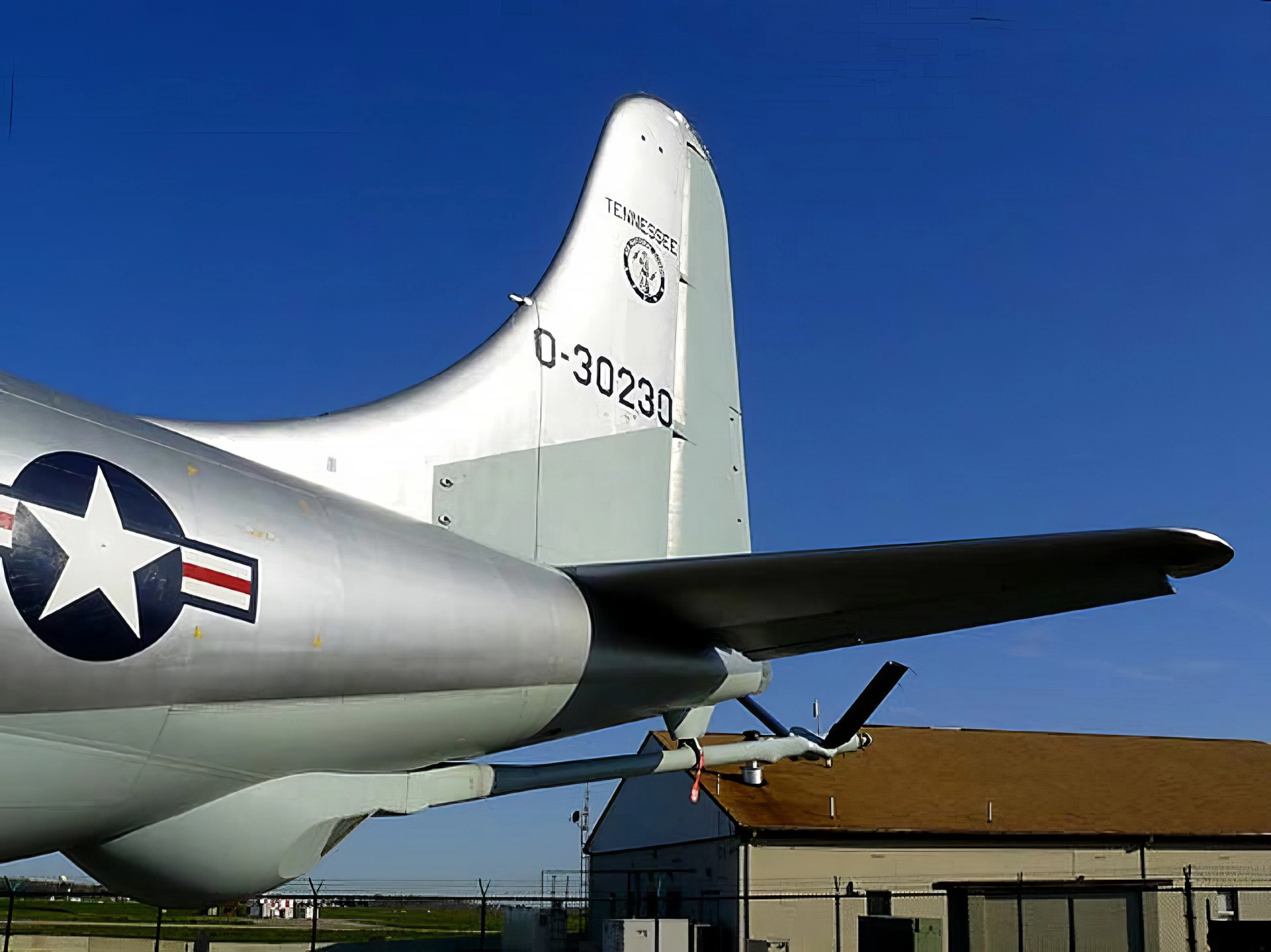
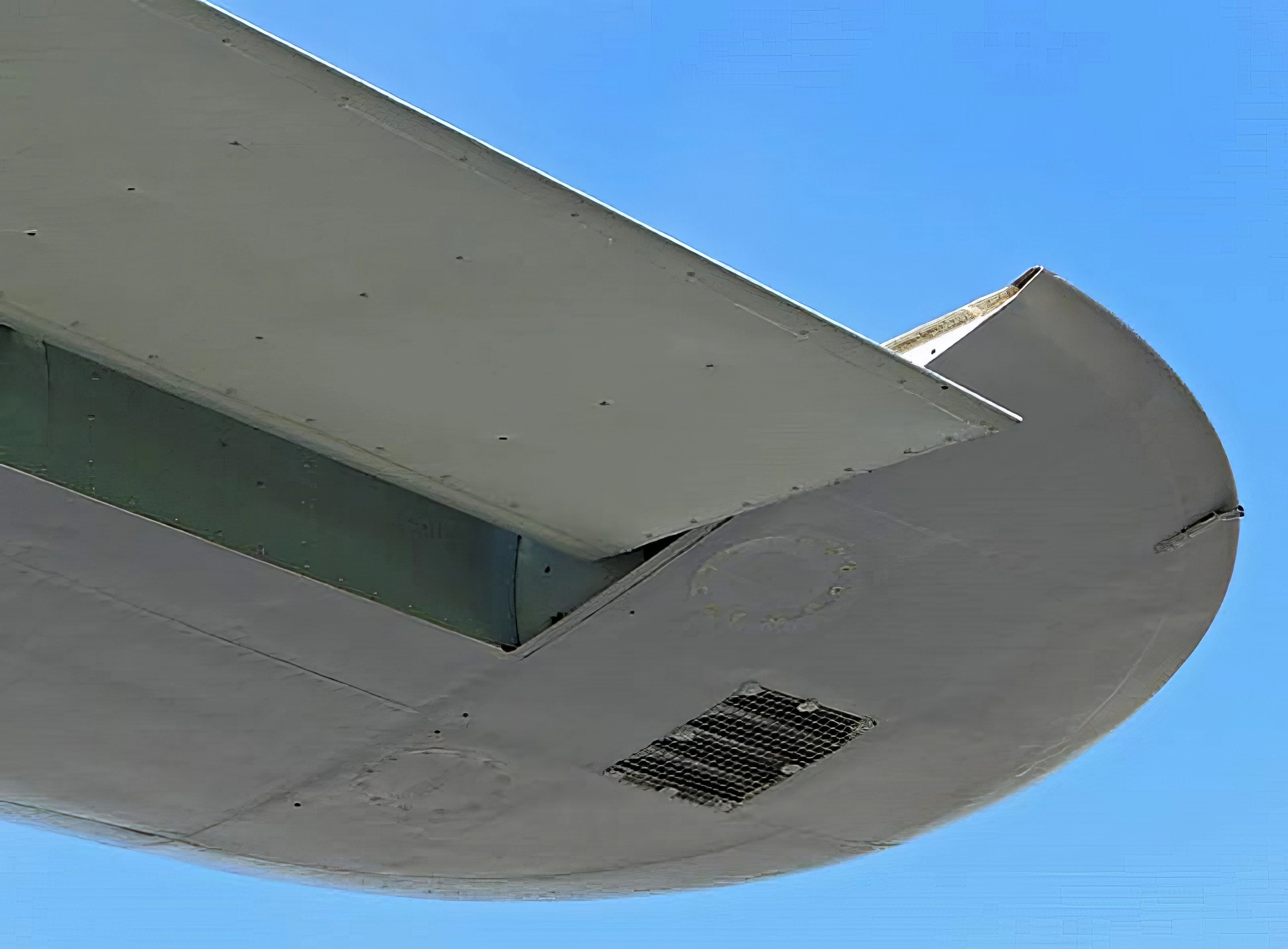

| KC-97G/L Stratotanker Walk Around | |
|---|---|
| Fotógrafo | Michael Benolkin |
| Localización | Unknow |
| Fotos | 57 |
Ver también:


General Characteristics and Role
The Boeing KC-97L Stratofreighter was the final and most advanced variant of the KC-97 series, a military aerial refueling tanker and transport aircraft used by the United States Air Force (USAF) and the Air National Guard (ANG). It was developed from the C-97 Stratofreighter, which itself was derived from the B-29 Superfortress bomber. The “L” modification was crucial, involving the addition of two General Electric J47 jet engines mounted in pods outboard of the four original piston engines. This hybrid engine configuration was necessary to provide the jet thrust required to keep pace with the faster, jet-powered bomber aircraft (like the B-52 and F-100) it was designed to refuel. The KC-97L successfully extended the operational life of the fleet into the 1970s and early 1980s until fully replaced by the pure-jet KC-135 Stratotanker.
| Property | Typical Value (KC-97L) |
|---|---|
| Papel | Aerial Refueling Tanker, Cargo/Troop Transport |
| National Origin | Estados Unidos |
| Fabricante | Boeing |
| Conversion Era | Early 1970s (KC-97L variant) |
| Equipo | 5–6 (Pilot, Co-pilot, Navigator, Flight Engineer, Boom Operator) |
| Capacity (Cargo) | Up to 15,000 kg (33,000 lb) of cargo or 130 troops |
| Longitud | 35.89 m (117 ft 9 in) |
| Envergadura | 43.05 m (141 ft 3 in) |
| Altura | 11.66 m (38 ft 3 in) |
| Max Takeoff Weight | 79,378 kg (175,000 lb) |
Powerplant and Performance
- Primary Engines: 4 x Pratt & Whitney R-4360-59 Wasp Major 28-cylinder radial piston engines.
- Jet Boost Engines: 2 x General Electric J47-GE-25 turbojet engines (KC-97L modification).
- Power Output (Total): 4 x 3,500 hp (piston) + 2 x 5,970 lbf (jet thrust).
- Maximum Speed: 644 km/h (400 mph; 348 kn).
- Service Ceiling: 10,670 m (35,000 ft).
- Key Feature: The R-4360 engines were notorious for maintenance, and the jet/piston hybrid power was a temporary solution that allowed the aircraft to perform its refueling mission alongside faster jets.
refueling System and Retirement
- Refueling System: Utilized the Flying Boom system, managed by the Boom Operator in the ventral gondola (the “boom operator’s perch”).
- Fuel Capacity: Carried approximately 27,000 liters (7,200 US gallons) of transferrable fuel.
- Strategic Role: The KC-97 fleet was essential for Strategic Air Command (SAC) operations, extending the range of nuclear bombers.
- Final Service: The KC-97L was the last version in service, primarily with the Air National Guard, until the early 1980s.
Views : 1259
También puede ver:
 Boeing X-32 – Fotos y videos
 Boeing X-40A – Fotos y Videos
 Boeing X-45 – Fotos y videos
 Boeing 307 Stratoliner – Fotos y videos
 Boeing EA-18G Growler – Fotos y Video
 Boeing E-3 Sentry – Fotos y Video
 Boeing NC-135 – Fotos y Video
 Boeing RC-135 – Fotos y Video
 Boeing P-26 – Fotos y Video
 B-29 Super Fortress – WalkAround