
North American F-82 Twin Mustang | |
|---|---|
| Land | Usa |
| Rolle | Langstrecken-Escort-Kämpfer und Nachtjäger |
| Erste Fliege | 15. Juni 1945 |
| Gebaut | 272 |
das North American F-82 Twin Mustang ist das letzte amerikanische Kolbenmotor-Jagdflugzeug, das von der UNITED States Air Force in Produktion gebracht wurde. Basierend auf der P-51 Mustang wurde die F-82 ursprünglich als Langstrecken-Eskorte-Kämpfer im Zweiten Weltkrieg entwickelt. Der Krieg endete lange bevor die ersten Produktionseinheiten in Betrieb waren.
| North American F-82G Twin Mustang Walk Around | |
|---|---|
| Fotograf | Wladimir Nikolajewitsch Jakubow |
| Lokalisierung | USAF museum in Dayton |
| Fotos | 76 |
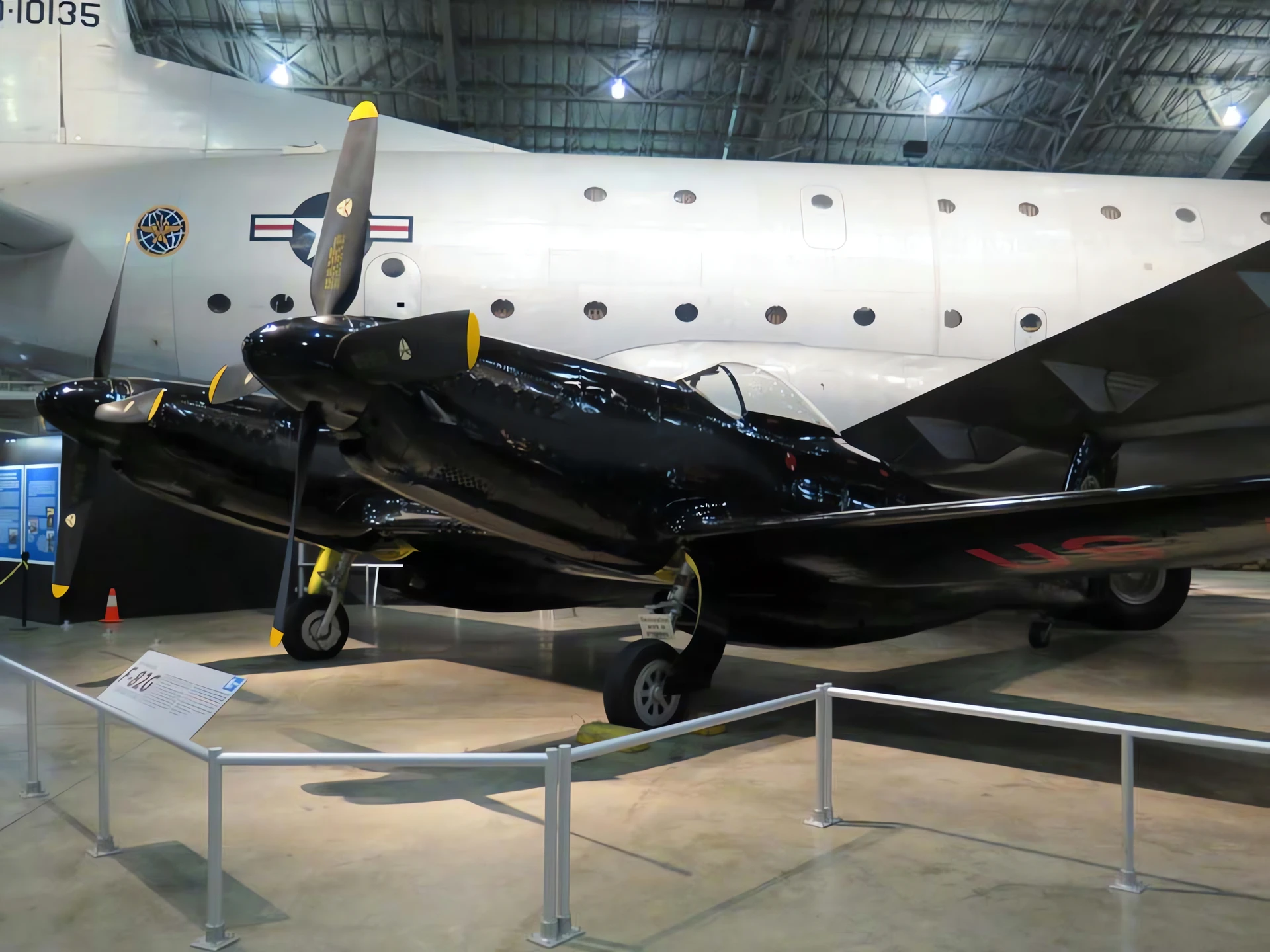
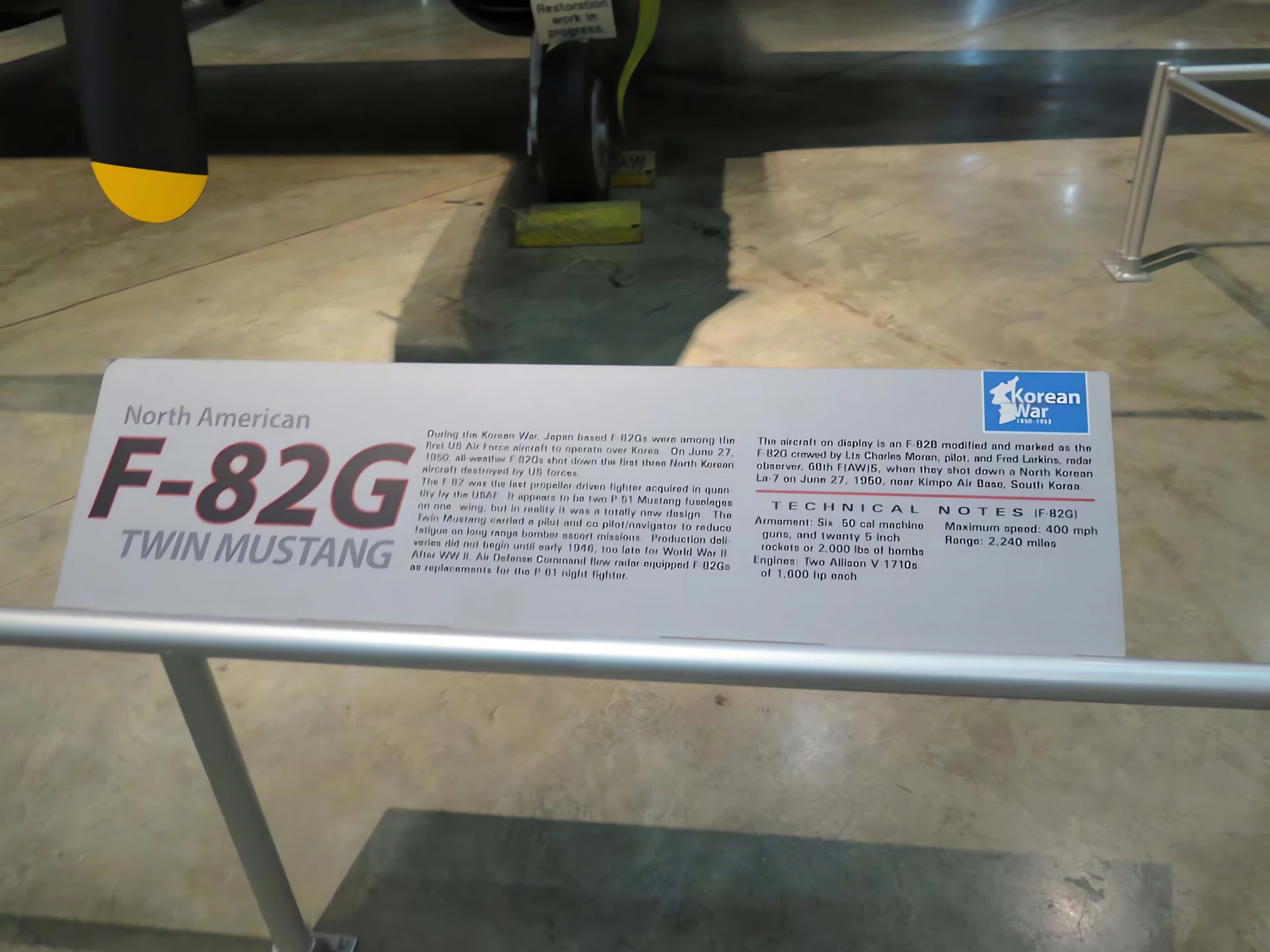
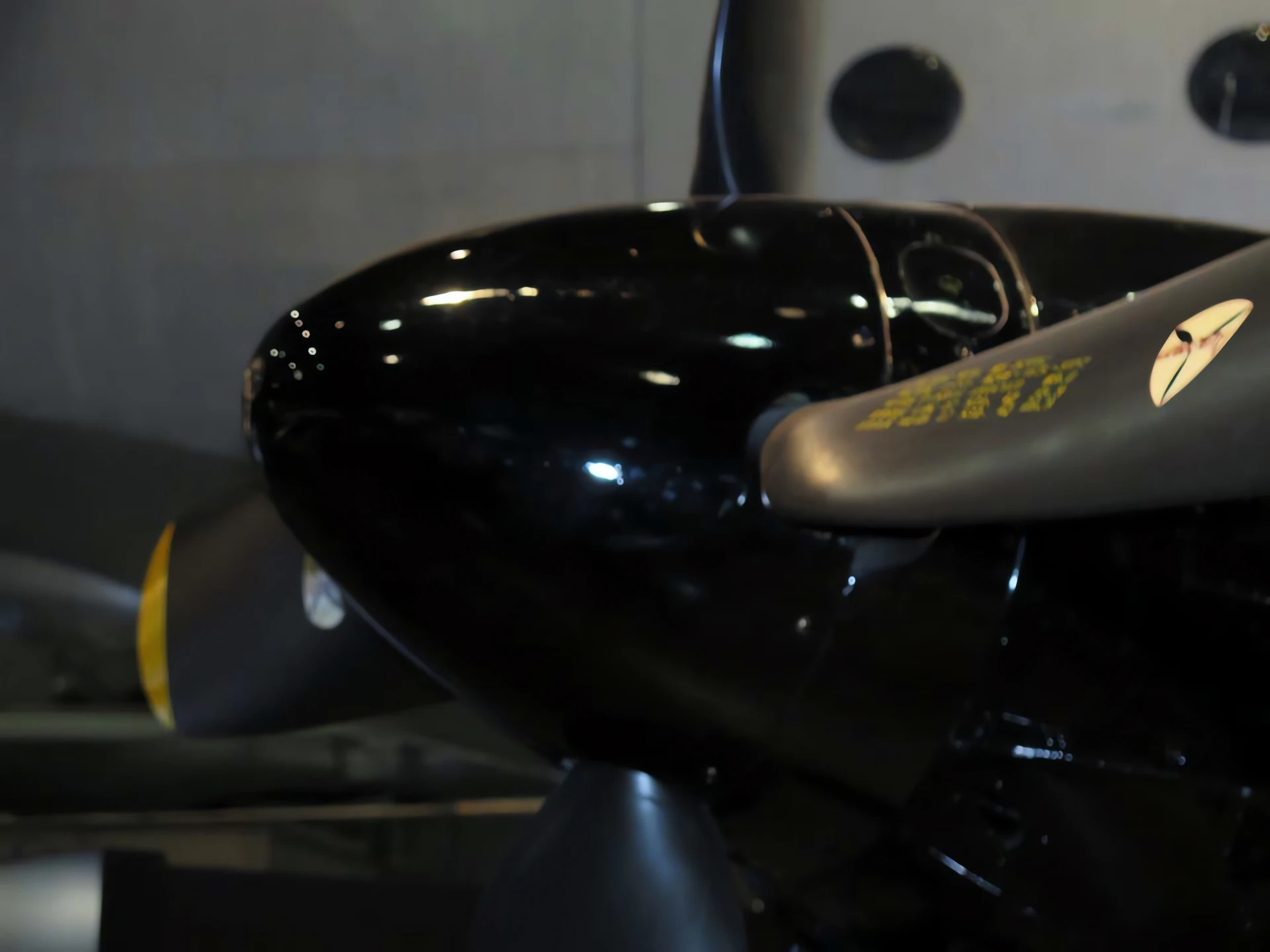
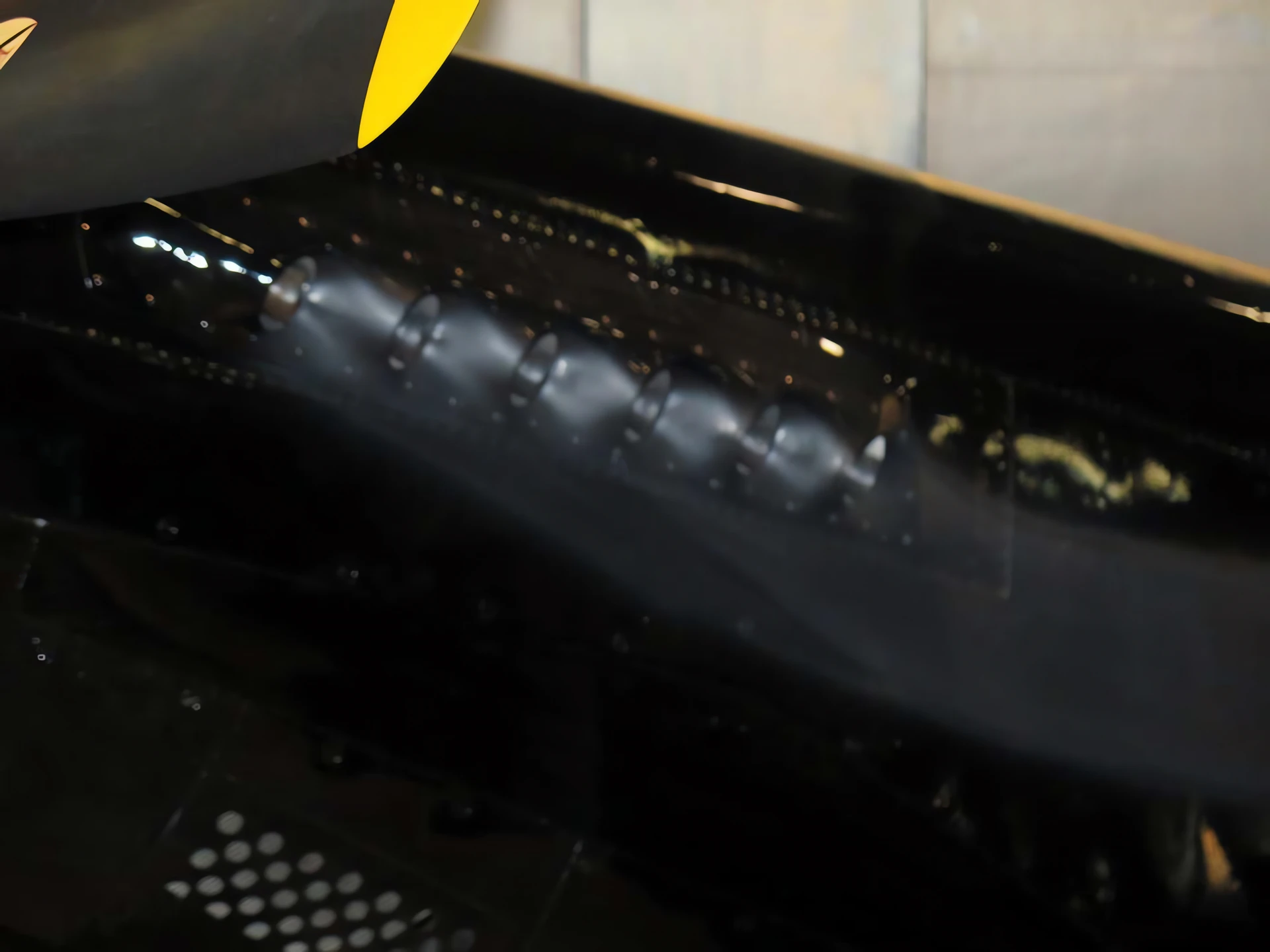
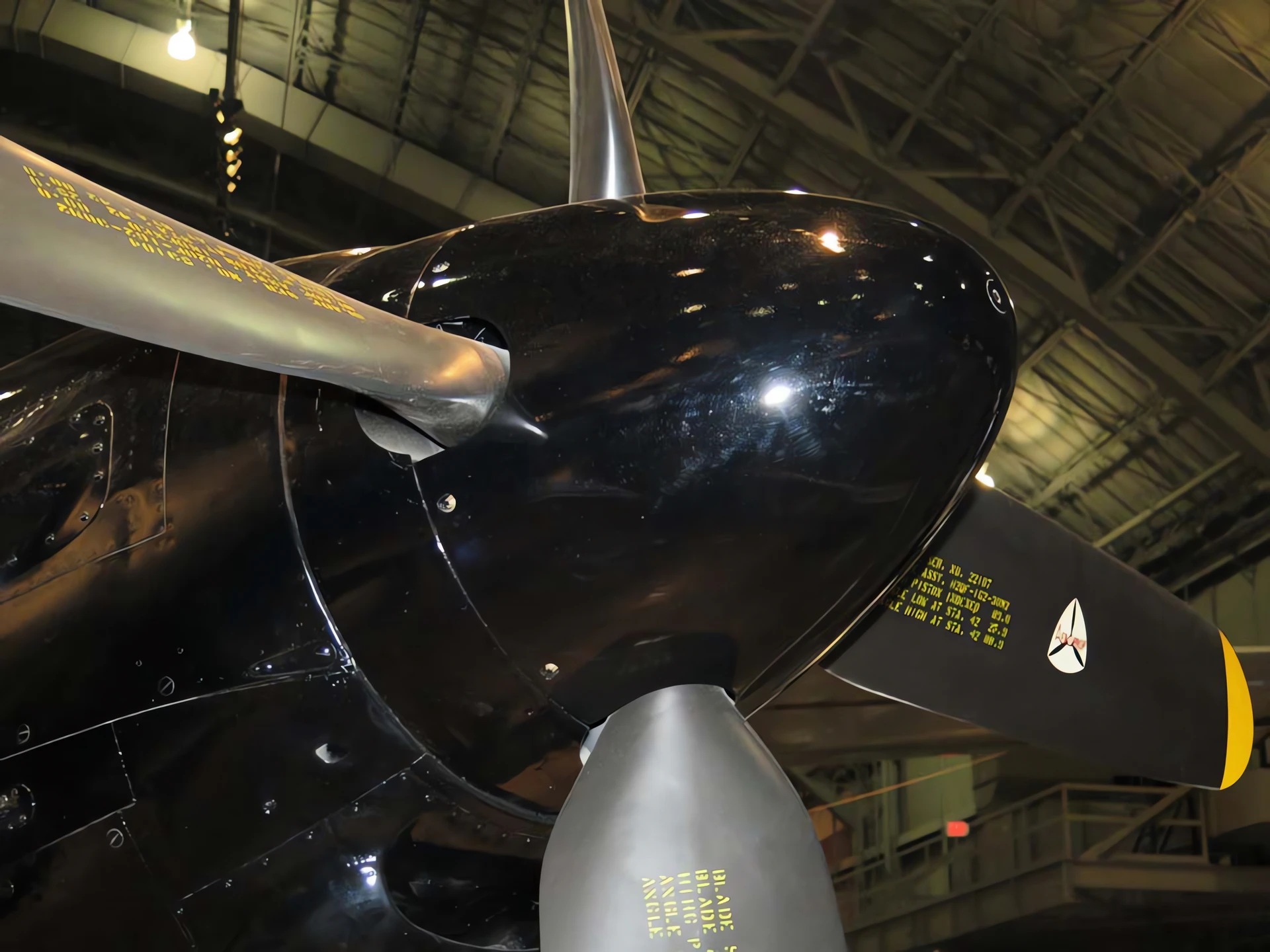
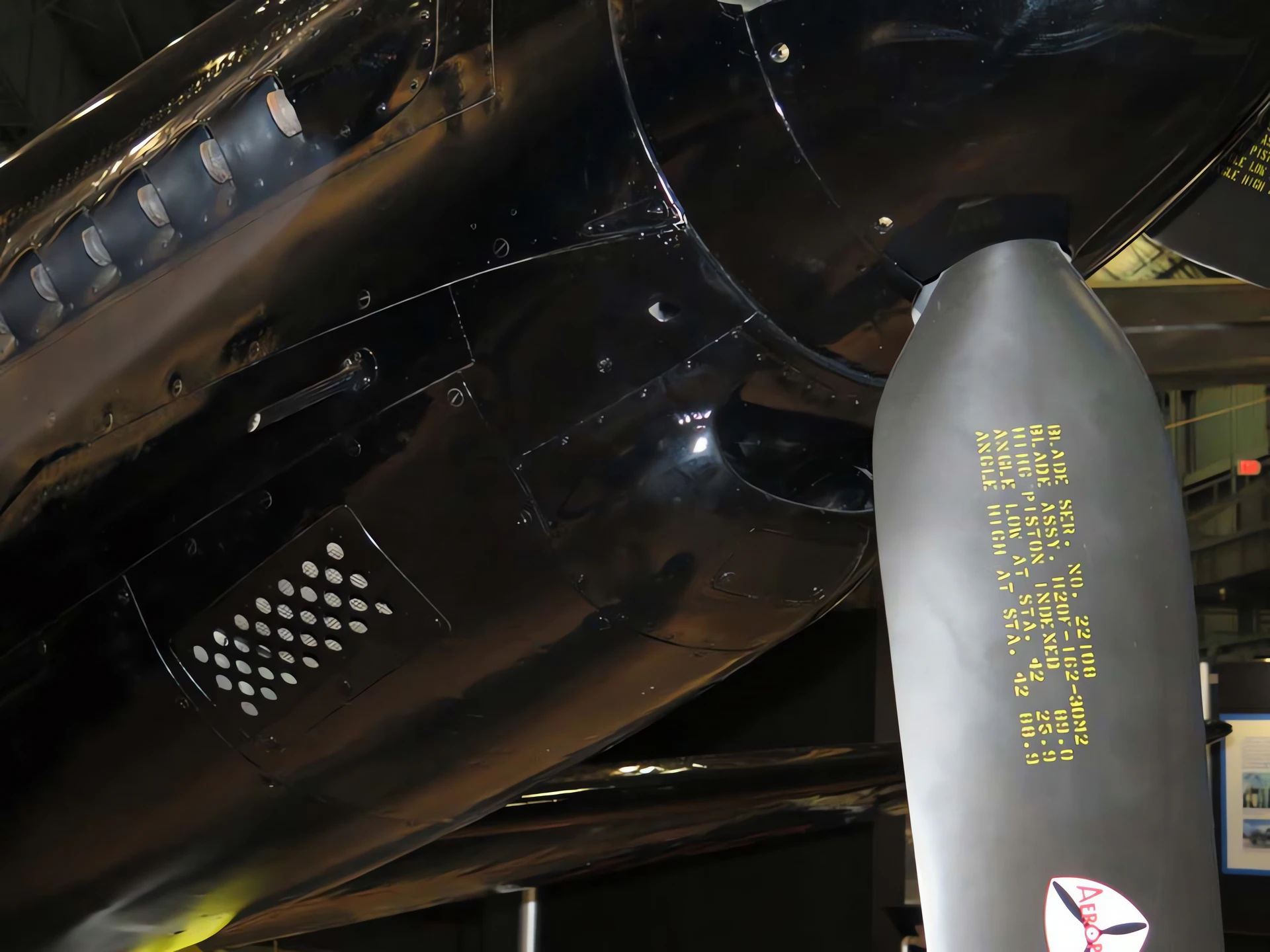
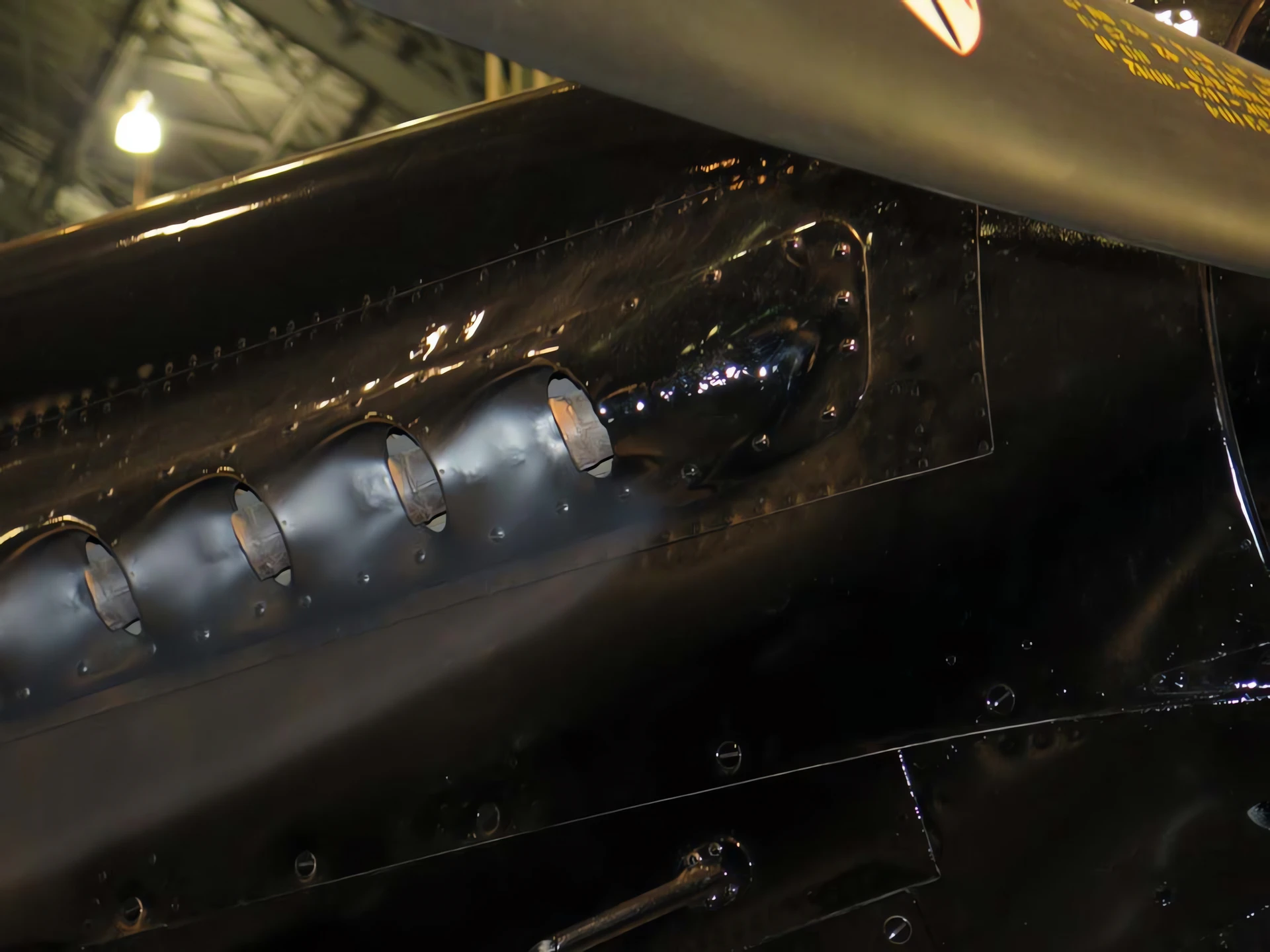


| F-82 Twin Mustang Walk Around | |
|---|---|
| Fotograf | Phillip Juvet |
| Lokalisierung | USAF museum in Dayton |
| Fotos | 16 |
Siehe auch:


General Characteristics and Role
The North American F-82 Twin Mustang was one of the last American propeller-driven fighters ordered into production. Its unique design consisted of two P-51H Mustang fuselages connected by a center wing section and a single horizontal stabilizer. Originally conceived as the P-82 for very long-range bomber escort missions over the Pacific during World War II, the war ended before it entered service. The F-82G variant was specifically developed as a dedicated night fighter for the U.S. Air Force. It featured two cockpits, with the pilot in the left fuselage and a radar operator (navigator) in the right fuselage, responsible for operating the sophisticated radar unit housed in a large pod beneath the center wing. The F-82 is notable for achieving the first triple air-to-air victory of the Korean War.
| Property | Typical Value (F-82G) |
|---|---|
| Rolle | Long-Range Escort Fighter, Night Fighter |
| National Origin | USA |
| Hersteller | North American Aviation |
| First Flight | 15 June 1945 (XP-82 prototype) |
| Crew | 2 (Pilot in left fuselage; Radar Operator/Navigator in right fuselage) |
| Länge | 12.93 m (42 ft 5 in) |
| Flügelspannweite | 15.62 m (51 ft 3 in) |
| Höhe | 4.22 m (13 ft 10 in) |
| Empty Weight | 7,271 kg (16,036 lb) |
| Max Takeoff Weight | 11,632 kg (25,643 lb) |
Powerplant and Performance
- Engines: 2 x Packard V-1650-25 V-12 liquid-cooled piston engines (a version of the Rolls-Royce Merlin).
- Power Output (Each): 1,380 hp (1,030 kW).
- Propellers: Two opposing propellers (one tractor, one pusher) to counteract torque.
- Maximum Speed: 742 km/h (461 mph; 401 kn) at 6,400 m (21,000 ft).
- Range (Ferry): 4,023 km (2,500 mi; 2,172 nmi) with external fuel tanks.
- Service Ceiling: 11,856 m (38,900 ft).
Armament and Night Equipment
- Fixed Armament: 6 x .50 cal (12.7 mm) M3 Browning machine guns mounted in the center wing section.
- Optional Armament: External carriage of up to 25 HVAR rockets or 4,000 lb (1,800 kg) of bombs on eight underwing hardpoints.
- Night Fighter Radar: AN/APG-28 radar system housed in a large centerline pod. The radar operator in the right cockpit guided the pilot toward enemy aircraft.
- Operational History: The F-82 saw limited service, primarily as a night fighter in the Korean War, before being rapidly replaced by jet-powered aircraft like the Lockheed F-94 Starfire in 1953.
Aufrufe : 2306
Sie können auch sehen:
 North American X-15 – Fotos & Videos
 North American XB-70 Valkyrie – Fotos & Videos
 Nordamerika NA-64 Yale – Fotos & Videos
 Canadair Sabre – Fotos & Video
 North American A-5 Vigilante – Fotos & Video
 North American O-47 – Fotos & Video
 North American T-2 Buckeye – Fotos & Video
 North American B-45 Tornado – Fotos & Video
 North American Rockwell OV-10 Bronco – Fotos & Video
 QF-100D Super Sabre – Fotos und Videos