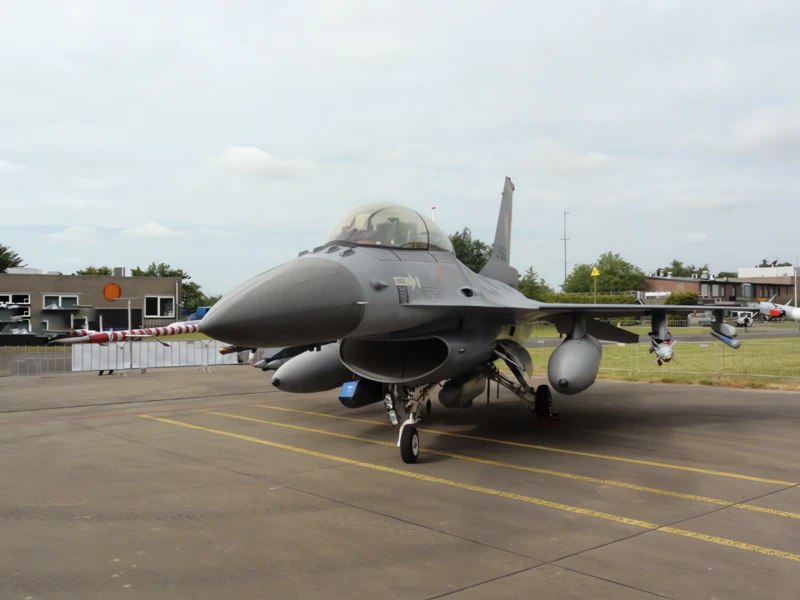
General Dynamics F-16 Fighting Falcon | |
|---|---|
| Land | Usa |
| Rolle | Mehrzweckjäger, Luftüberlegenheitsjäger |
| Erstflug | 20. Januar 1974 |
| Gebaut | 4573 |
das Allgemeine Dynamik F-16 Fighting Falcon Ist ein einmotoriges Überschall-Mehrzweck-Jagdflugzeug, das ursprünglich von General Dynamics (heute Lockheed Martin) für die United States Air Force (USAF) entwickelt wurde. Entwickelt als Luftüberlegenheits-Tagesjäger, entwickelte es sich zu einem erfolgreichen Allwetter-Mehrzweckflugzeug. Seit der Genehmigung der Produktion im Jahr 1976 wurden über 4.500 Flugzeuge gebaut. Obwohl nicht mehr von der US-Luftwaffe gekauft, werden immer noch verbesserte Versionen für Exportkunden gebaut. 1993 verkaufte General Dynamics sein Flugzeugbaugeschäft an die Lockheed Corporation, die wiederum nach einer Fusion mit Martin Marietta 1995 Teil von Lockheed Martin wurde.
Eine große Anzahl von Varianten der General Dynamics F-16 Fighting Falcon wurden von General Dynamics, Lockheed Martin und verschiedenen lizenzierten Herstellern produziert.
Quelle: F-16 Kampffalke auf Wikipedia
| F-16BM MLU “Orange Jumper” test aircraft Walk Around | |
|---|---|
| Fotograf | Meindert de Vreeze |
| Lokalisierung | Unbekannter |
| Fotos | 117 |
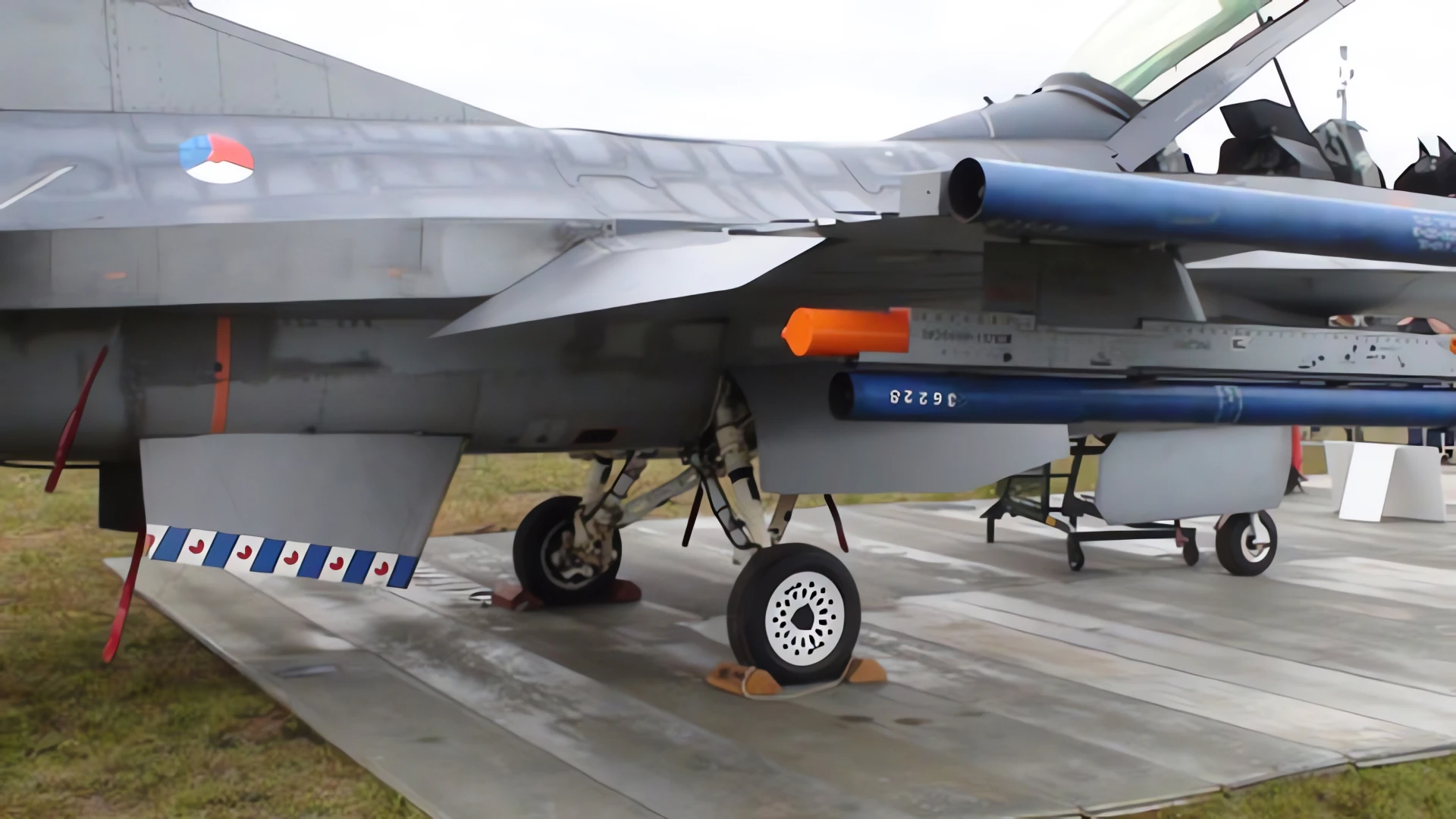
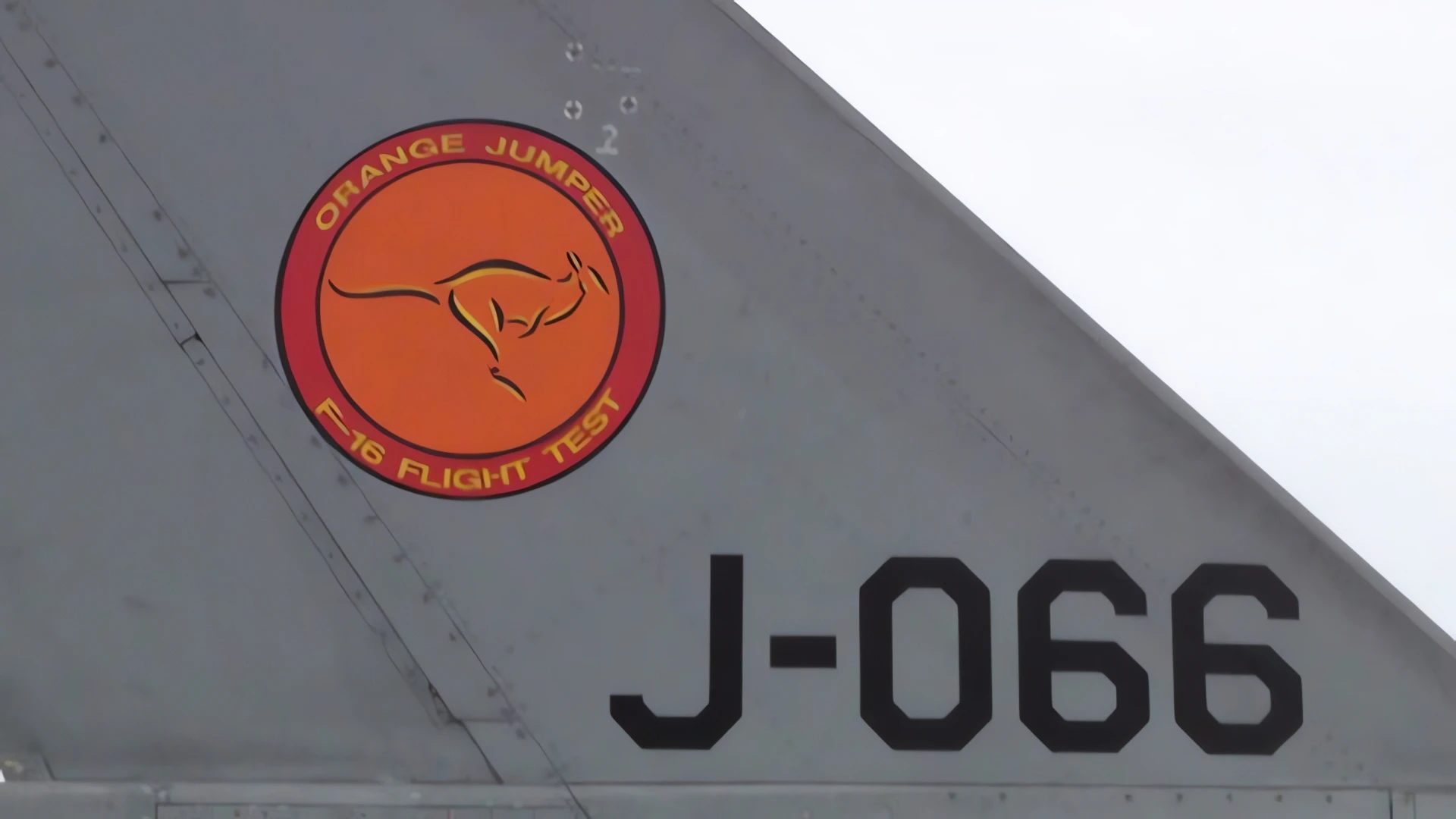
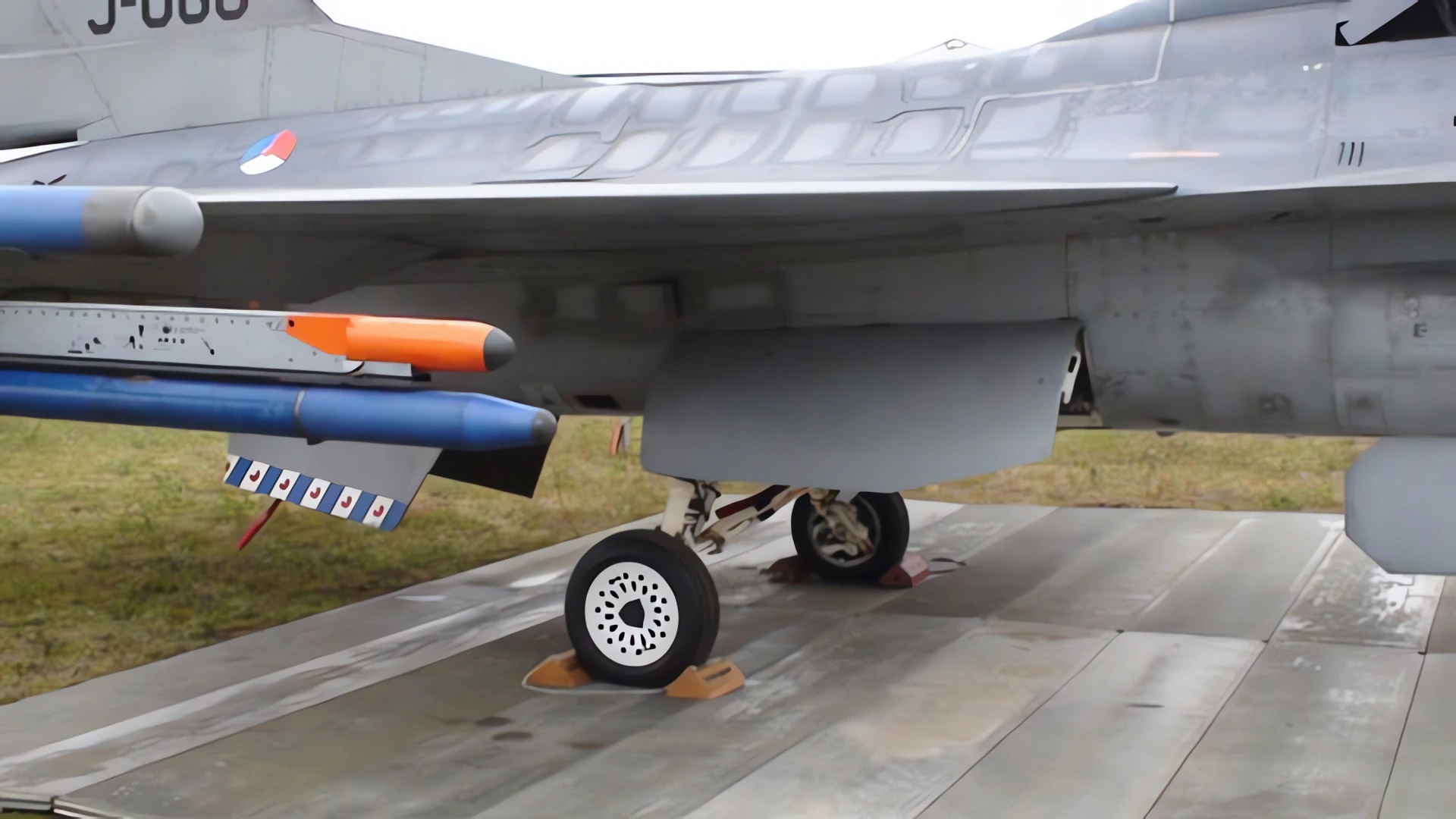
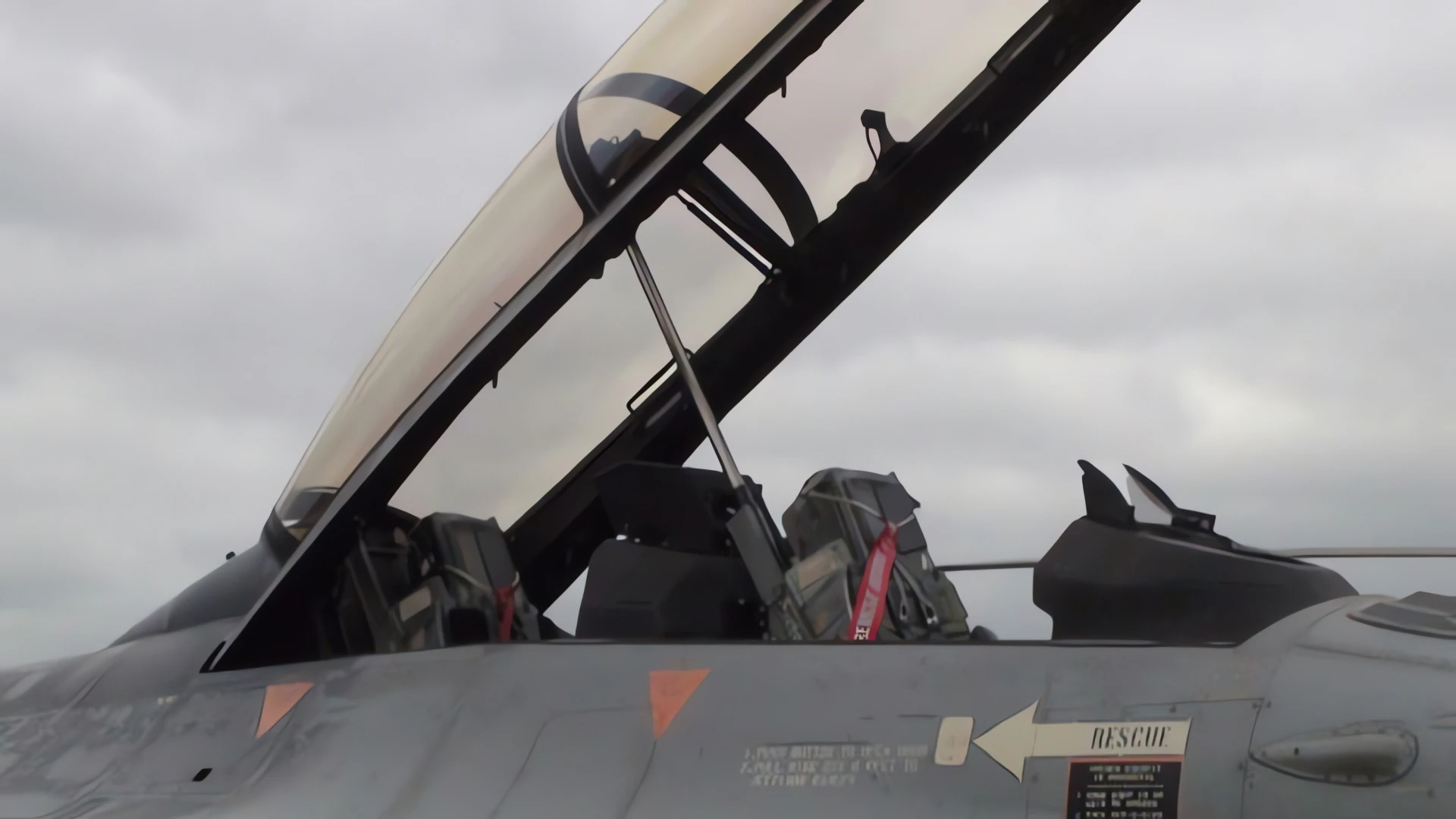
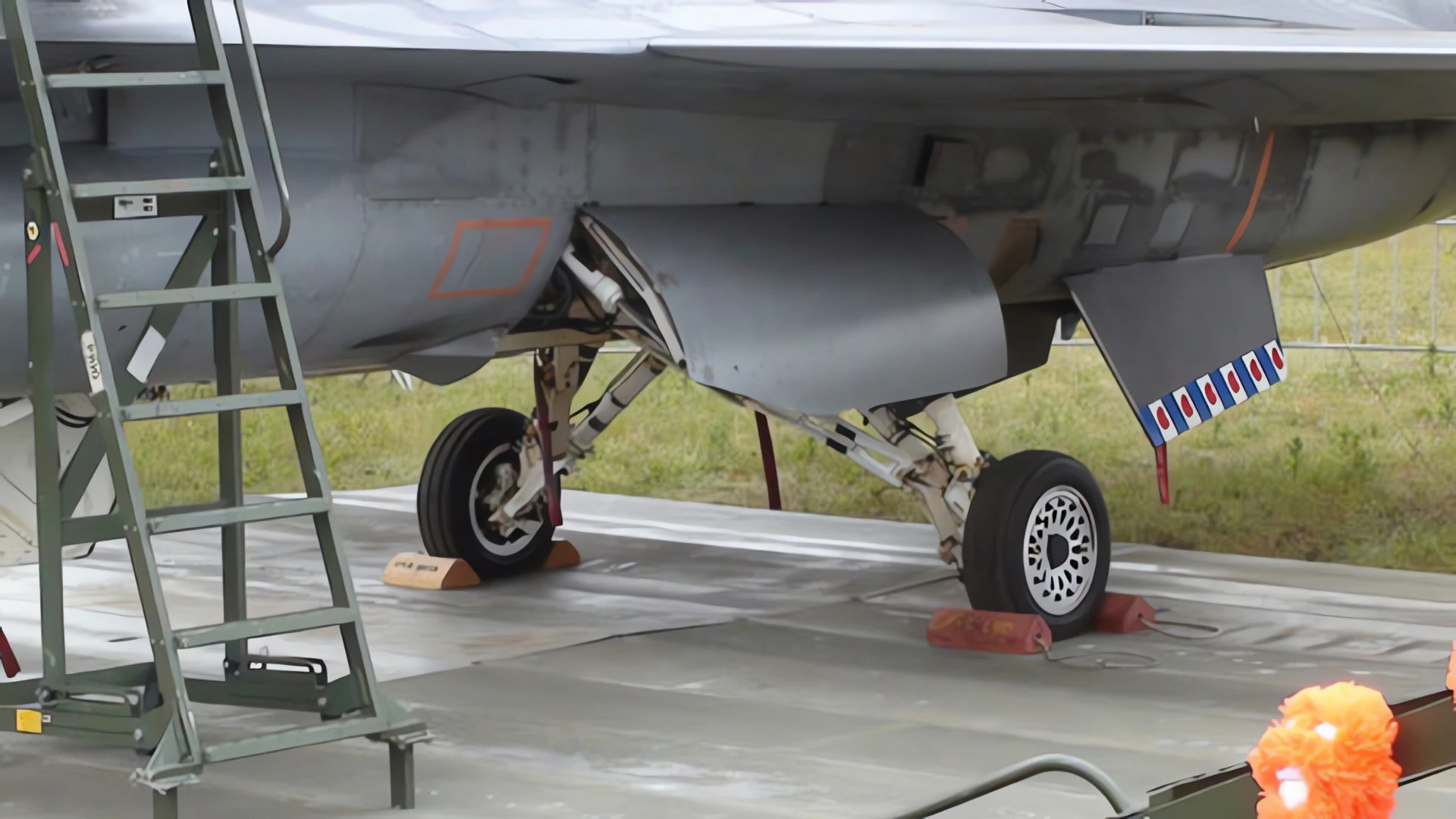
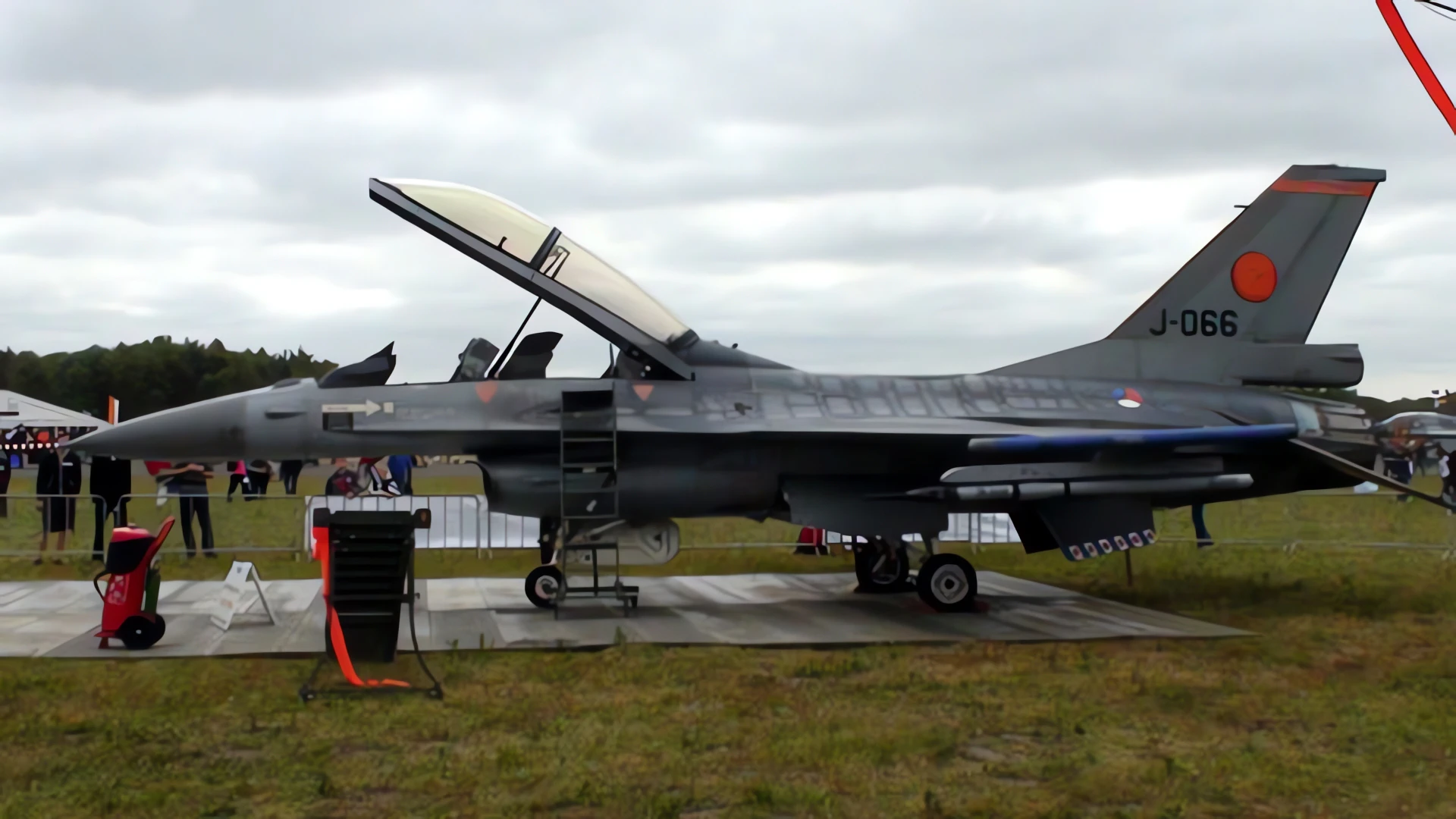
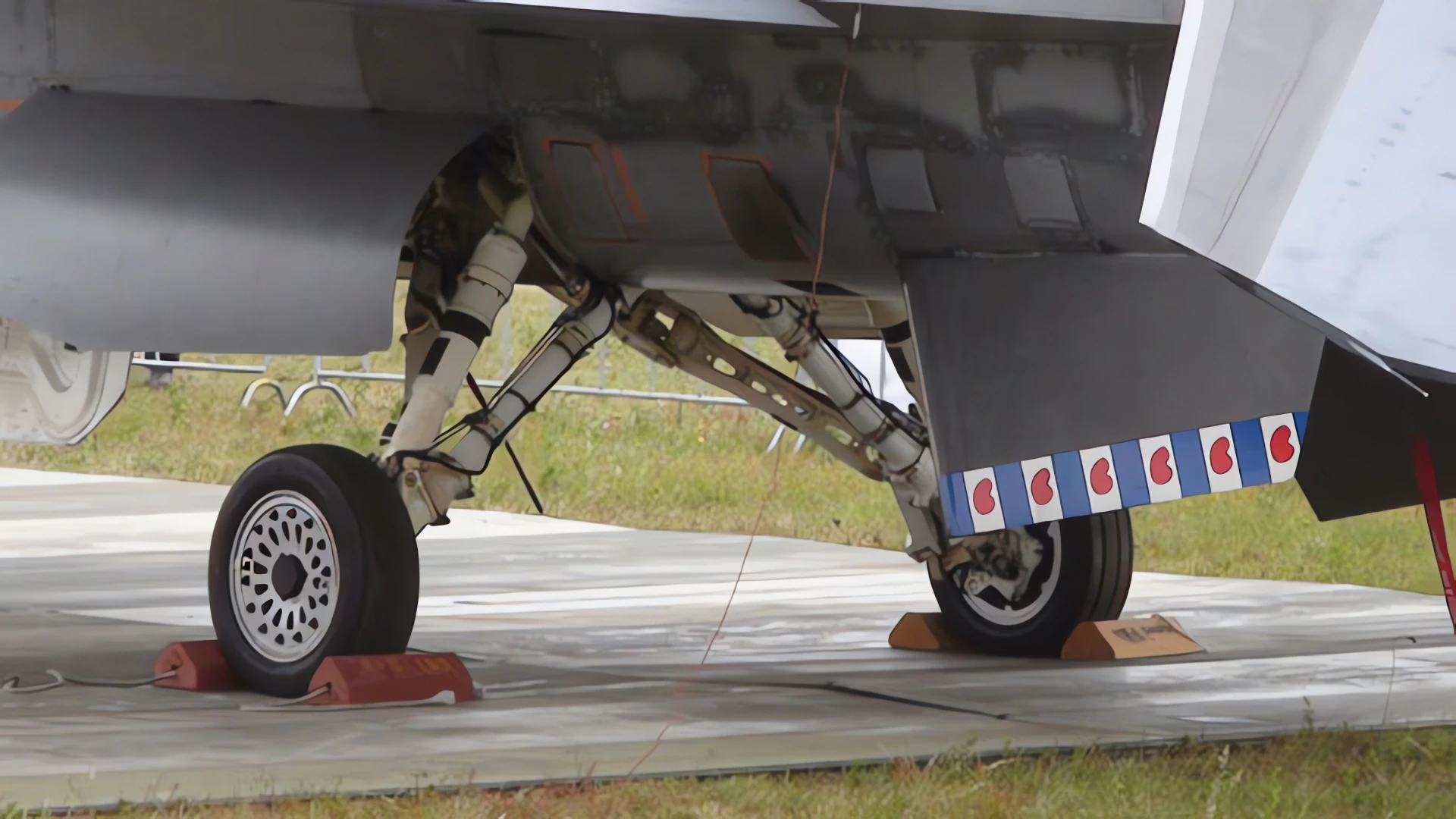
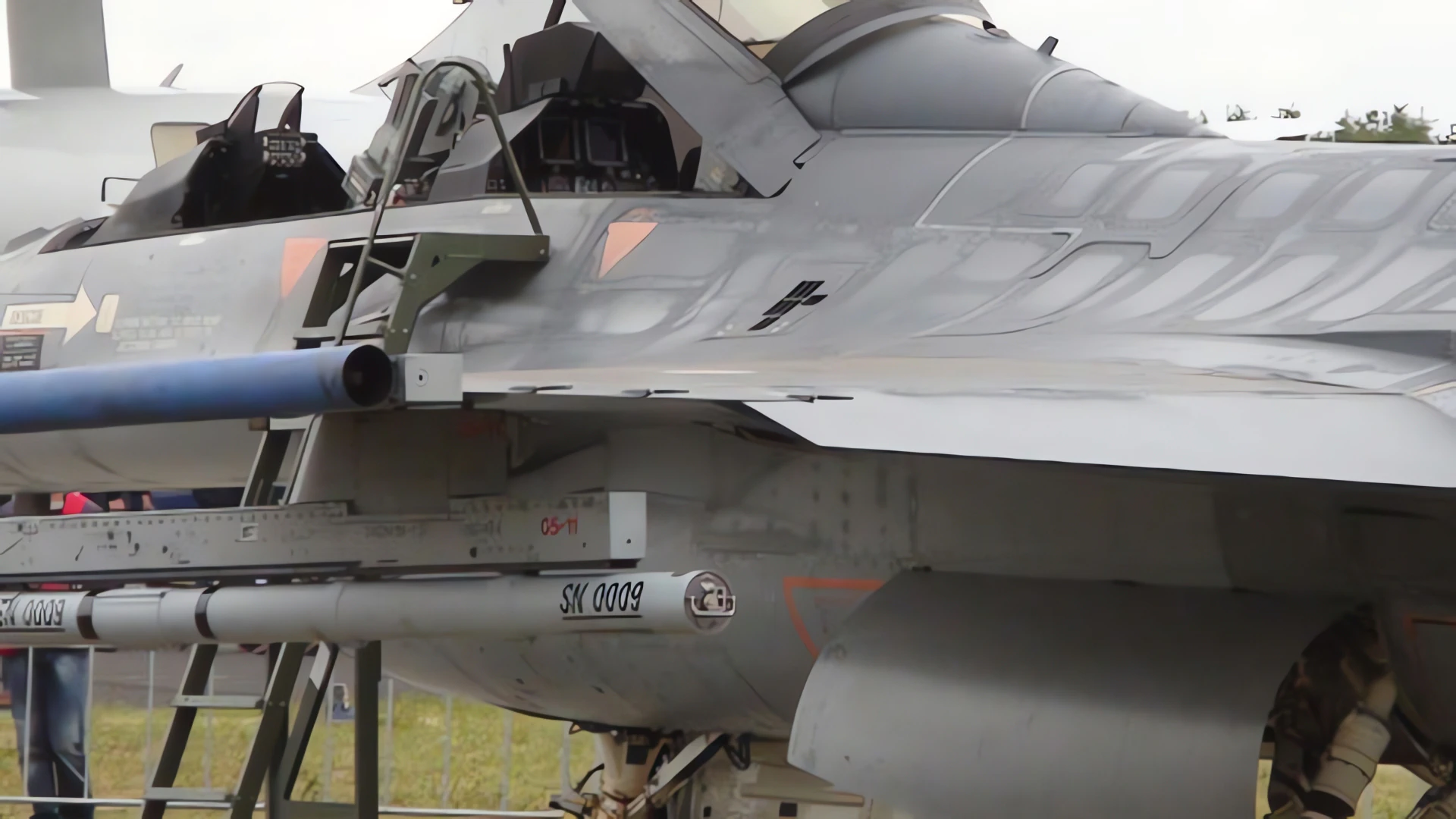
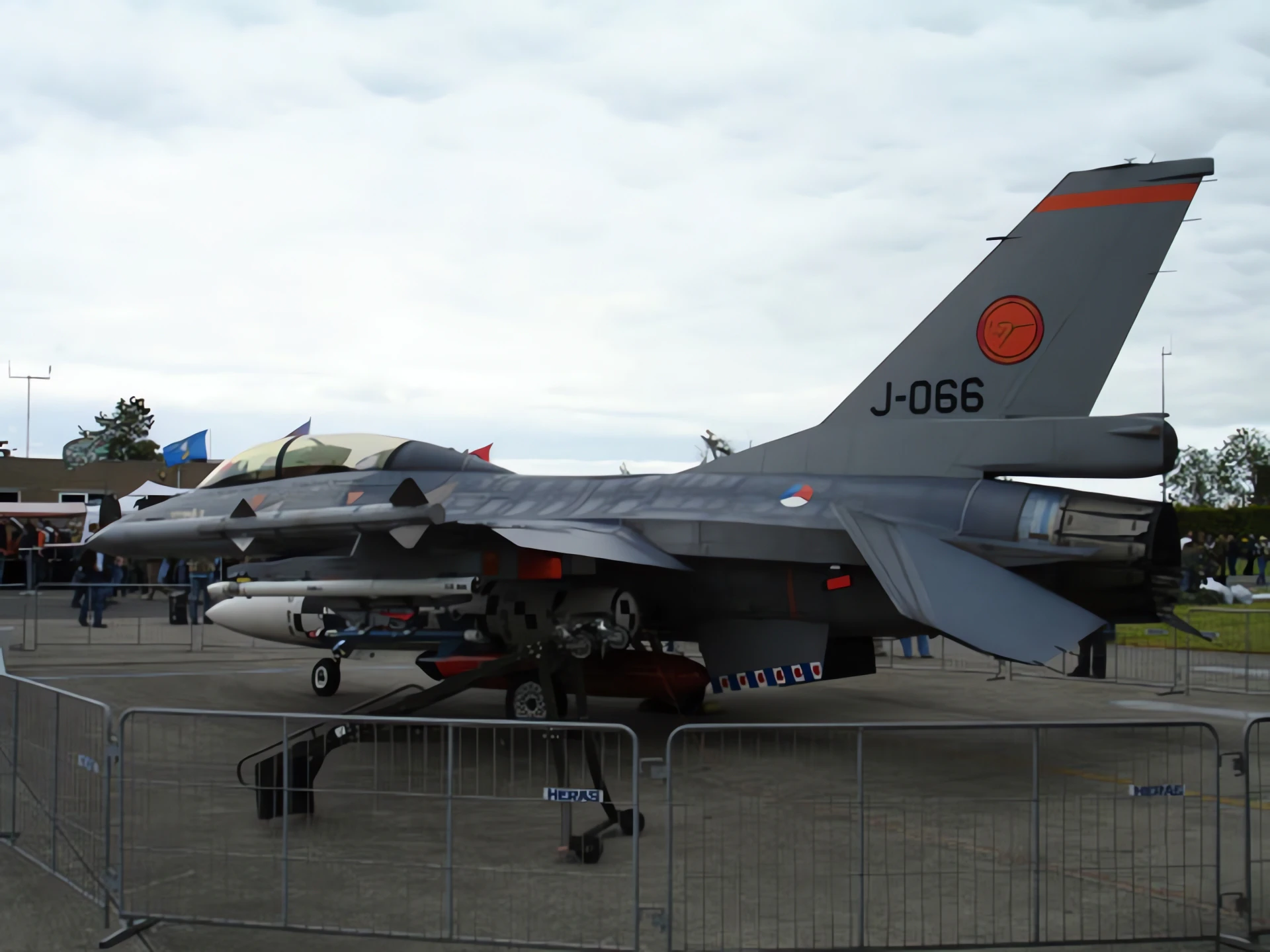

| F-16BM MLU Walk Around | |
|---|---|
| Fotograf | Cees Hendriks |
| Lokalisierung | Unbekannter |
| Fotos | 58 |
| F-16C Block 50 Plus Viper FACh Walk Around | |
|---|---|
| Fotograf | Michael Benolkin |
| Lokalisierung | Unbekannter |
| Fotos | 27 |
Siehe auch:


| General Dynamics F-16C Fighting Falcon Walk Around | |
|---|---|
| Fotograf | Wladimir Nikolajewitsch Jakubow |
| Lokalisierung | Capital City Air Show 2008 |
| Fotos | 111 |
| Lockheed F-16C Viper Aggressor Walk Around | |
|---|---|
| Fotograf | Wladimir Nikolajewitsch Jakubow |
| Lokalisierung | MCAS Miramar Air Show |
| Fotos | 88 |
| F-16 Fighting Falcon Walk Around | |
|---|---|
| Fotograf | Burhand Donke |
| Lokalisierung | Unbekannter |
| Fotos | 47 |
| General Dynamics F-16N Fighting Falcon Walk Around | |
|---|---|
| Fotograf | Burhand Donke |
| Lokalisierung | Unbekannter |
| Fotos | 14 |
| F-16C Block 40E | |
|---|---|
| Fotograf | Unknow |
| Lokalisierung | Unbekannter |
| Fotos | 44 |
Teaching an Old Dog New Tricks
das F-16BM MLU (Mid-Life Update) is the two-seat trainer/combat version of the original F-16A/B Block 15. In the 1990s, five European nations (The Netherlands, Belgium, Denmark, Norway, and later Portugal) undertook a massive upgrade program. The goal was to bring their aging airframes up to the electronic standard of the F-16C Block 50/52. The result was a lightweight airframe with a heavyweight punch, capable of firing the latest beyond-visual-range missiles and precision-guided bombs.
| Attribute | Technical Specification (F-16BM MLU) |
|---|---|
| Rolle | Multi-role Fighter / Advanced Trainer |
| Crew | 2 (Student/Pilot and Instructor/Weapon Systems Officer) |
| Modernization Period | Late 1990s – Early 2000s (M1 through M7 tapes) |
| Triebwerk | 1 × Pratt & Whitney F100-PW-220E turbofan |
| Afterburning Thrust | 23,770 lbf (105.7 kN) |
| Höchstgeschwindigkeit | Mach 2.0+ at altitude |
| Radar | Northrop Grumman AN/APG-66(V)2A |
| Primary Armament | AIM-120 AMRAAM, AIM-9X Sidewinder, 20mm M61A1 Vulcan |
The “Brains” of the Viper
- The Modular Mission Computer (MMC): The heart of the MLU is the MMC, which replaced multiple older computers. It allows the F-16BM to use modern “M-tapes” (software updates) that add compatibility for new weapons like the JDAM Und Iris-T.
- “Bird Slicers” (AIFF): A key visual identifier for the MLU are the four blade-like antennas in front of the canopy. These are part of the Advanced Identification Friend or Foe system, crucial for long-range missile engagements.
- The Glass Cockpit: The old analog dials were replaced with two 4×4 inch Color Multi-Function Displays (MFDs). It also features a Wide-Angle Head-Up Display (WAC HUD) and is compatible with Night Vision Goggles (NVG).
- Link 16: This digital datalink allows the F-16BM to “talk” to AWACS (like the E-3 Sentry), ships, and other fighters, sharing a real-time map of the battlefield without saying a word over the radio.
The “B” Variant: Trainer and Combatant
- Two Seats, No Compromise: Unlike many trainers, the “BM” is fully combat-capable. While it carries slightly less internal fuel than the single-seat “AM,” it is often used for complex missions where a second set of eyes is an advantage, such as Forward Air Controlling (FAC).
- Operational Excellence: European MLU Vipers have seen extensive combat in Kosovo, Afghanistan, Libya, and more recently, are being prepared for transfer to Ukraine to modernize their air defense.
- Structural Reinforcement (PACER SLIP): As part of the MLU, the airframes underwent structural work to extend their fatigue life, allowing these 1980s-built jets to fly well into the 2020s.
- The Tail Parachute: Most European F-16s feature a large fairing at the base of the vertical stabilizer containing a drag parachute for landing on short, icy runways—a feature not usually found on American Vipers.
Views : 7636
Sie können auch sehen:
 General Dynamics F-111C – Fotos & Videos
 General Dynamics FB-111A Erdferkel – Fotos & Video
 Mitsubishi A6M Zero – Zu Fuß um
 Hawker Hurricane – Walk Around
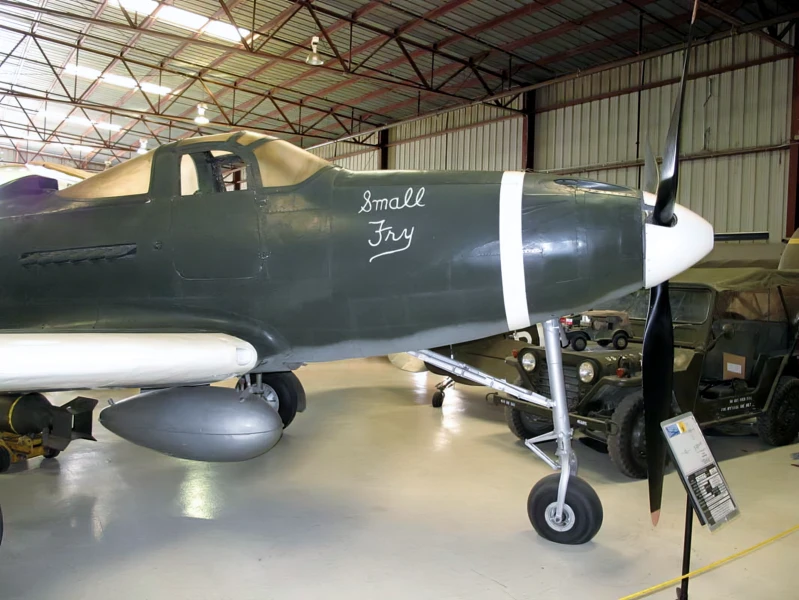 Bell P-39N Airacobra – WalkAround
 Konsolidierter B-24M Liberator – WalkAround
 P-47D Thunderbolt – WalkAround
 A-20 Havoc – WalkAround
 TBM-3E Avenger – Spaziergang
 Fiat G-55 Centauro – Zu Fuß um