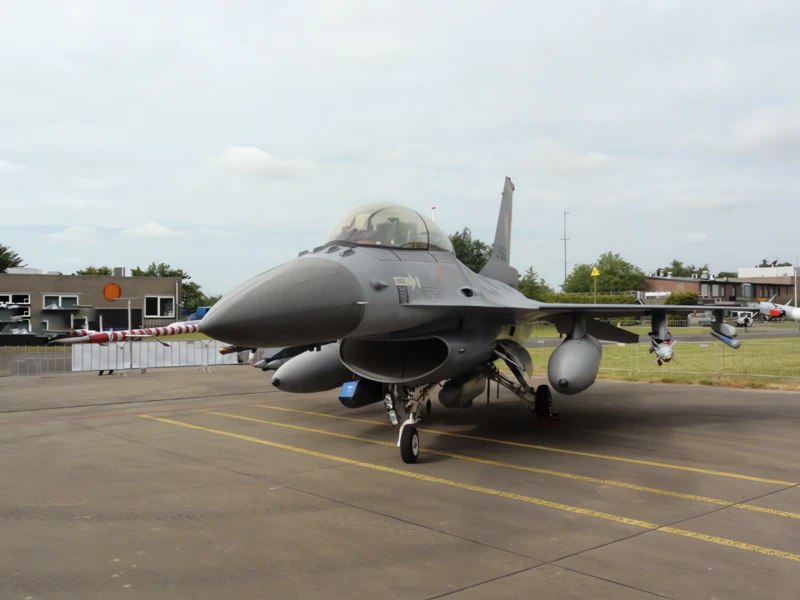
General Dynamics F-16 Fighting Falcon | |
|---|---|
| Kraju | Stany Zjednoczone Ameryki |
| Roli | Myśliwiec wielozadaniowy, myśliwiec o przewagę powietrzną |
| Pierwszy lot | 20 stycznia 1974 r. |
| Zbudowany | 4573 |
Tthe General Dynamics F-16 Walki Falcon – jednosilnikowy naddźwiękowy wielozadaniowy myśliwiec pierwotnie opracowany przez General Dynamics (obecnie Lockheed Martin) dla Sił Powietrznych Stanów Zjednoczonych (USAF). Zaprojektowany jako myśliwiec dzień przewagi powietrznej, przekształcił się w udany samolot wielozadaniowy na każdą pogodę. Od czasu zatwierdzenia produkcji w 1976 roku zbudowano ponad 4500 samolotów. Chociaż nie są już kupowane przez siły powietrzne USA, ulepszone wersje są nadal budowane dla klientów eksportowych. W 1993 roku General Dynamics sprzedał swoją działalność produkcyjną samolotów lockheed corporation, która z kolei stała się częścią Lockheed Martin po fuzji z Martinem Mariettą w 1995 roku.
Wiele wariantów General Dynamics F-16 Fighting Falcon zostało wyprodukowanych przez General Dynamics, Lockheed Martin i różnych licencjonowanych producentów.
| F-16BM MLU “Orange Jumper” test aircraft Walk Around | |
|---|---|
| Fotograf | Meindert de Vreeze |
| Lokalizacja | Niewiedzy |
| Zdjęcia | 117 |
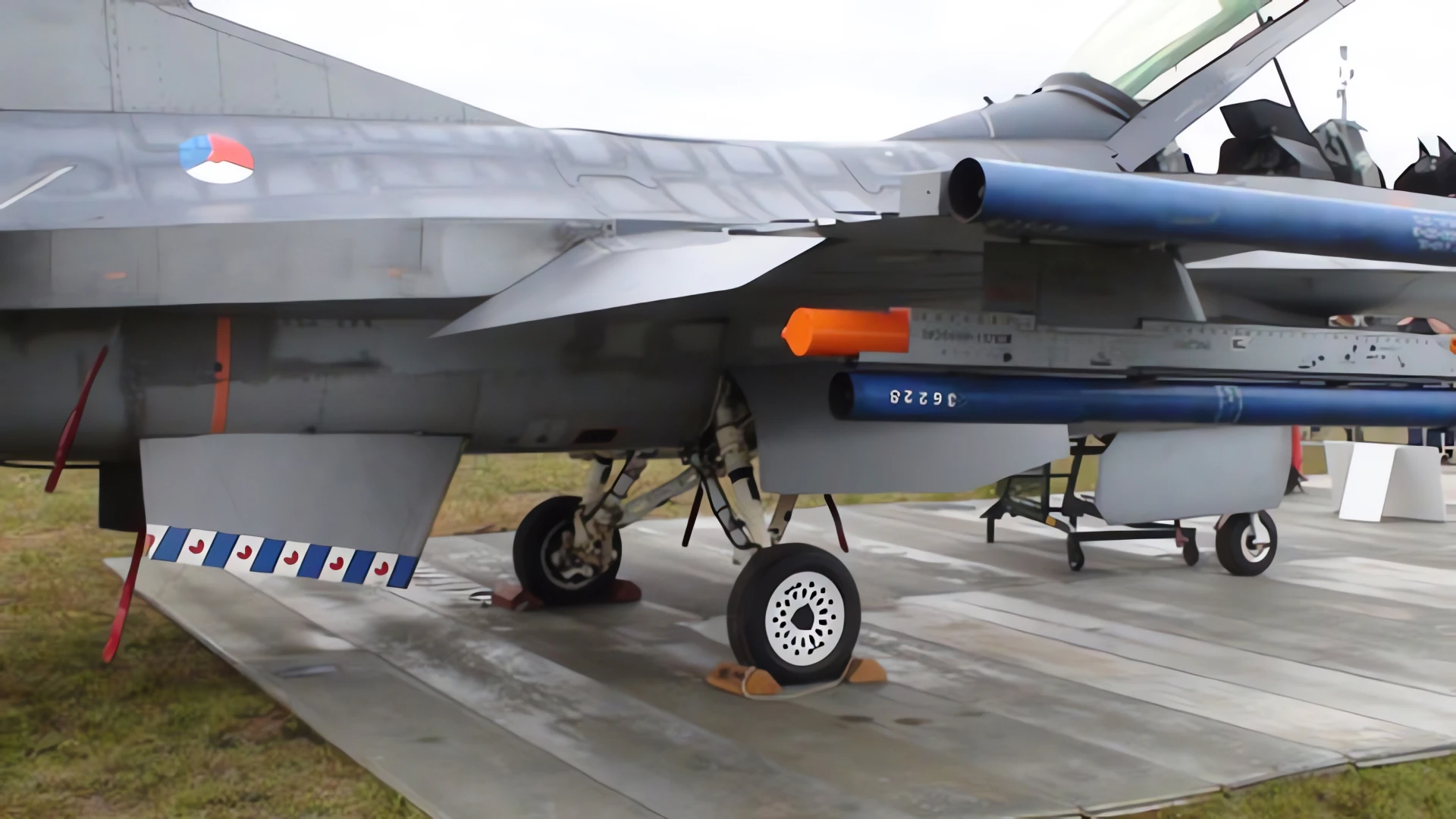
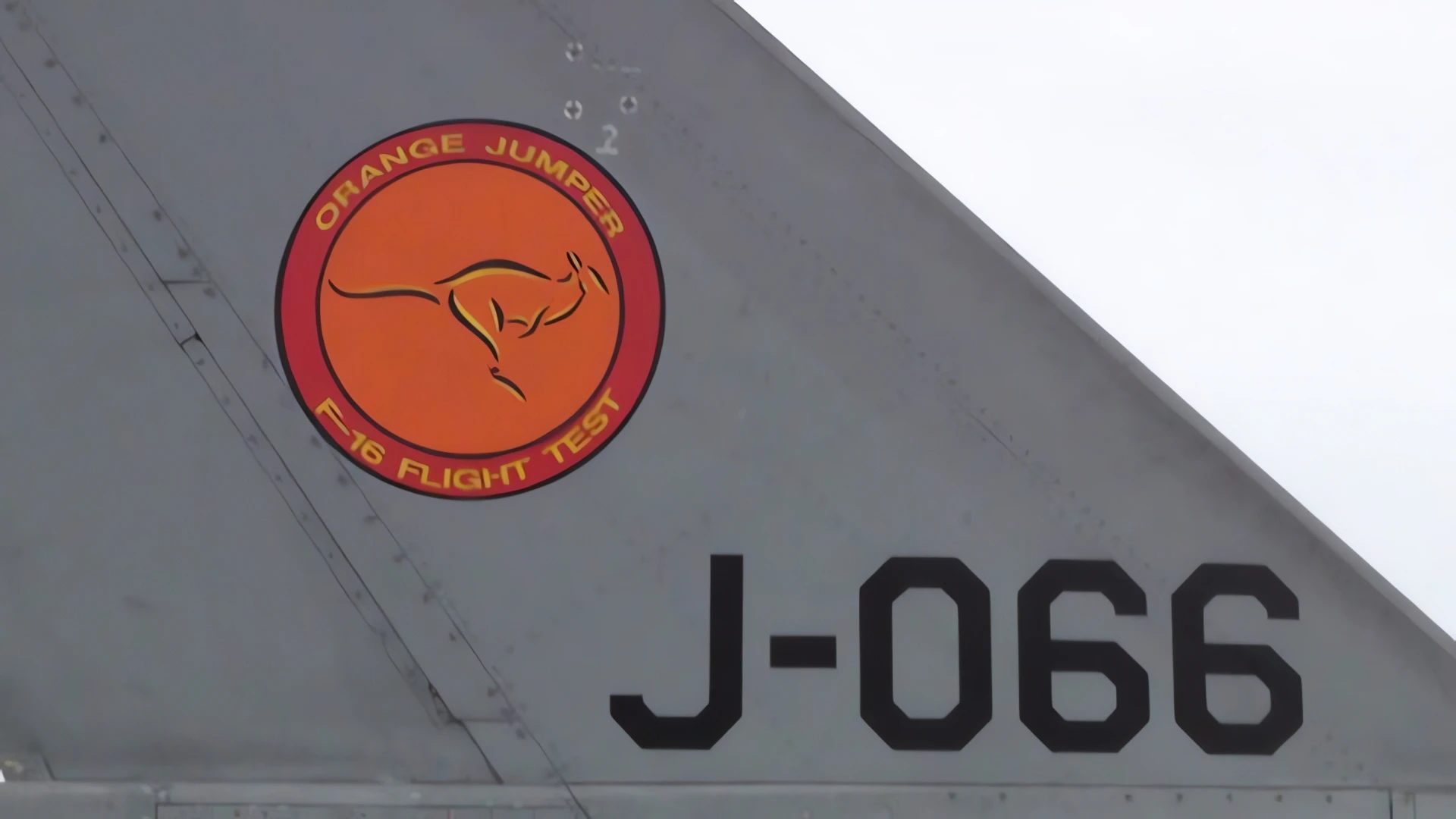
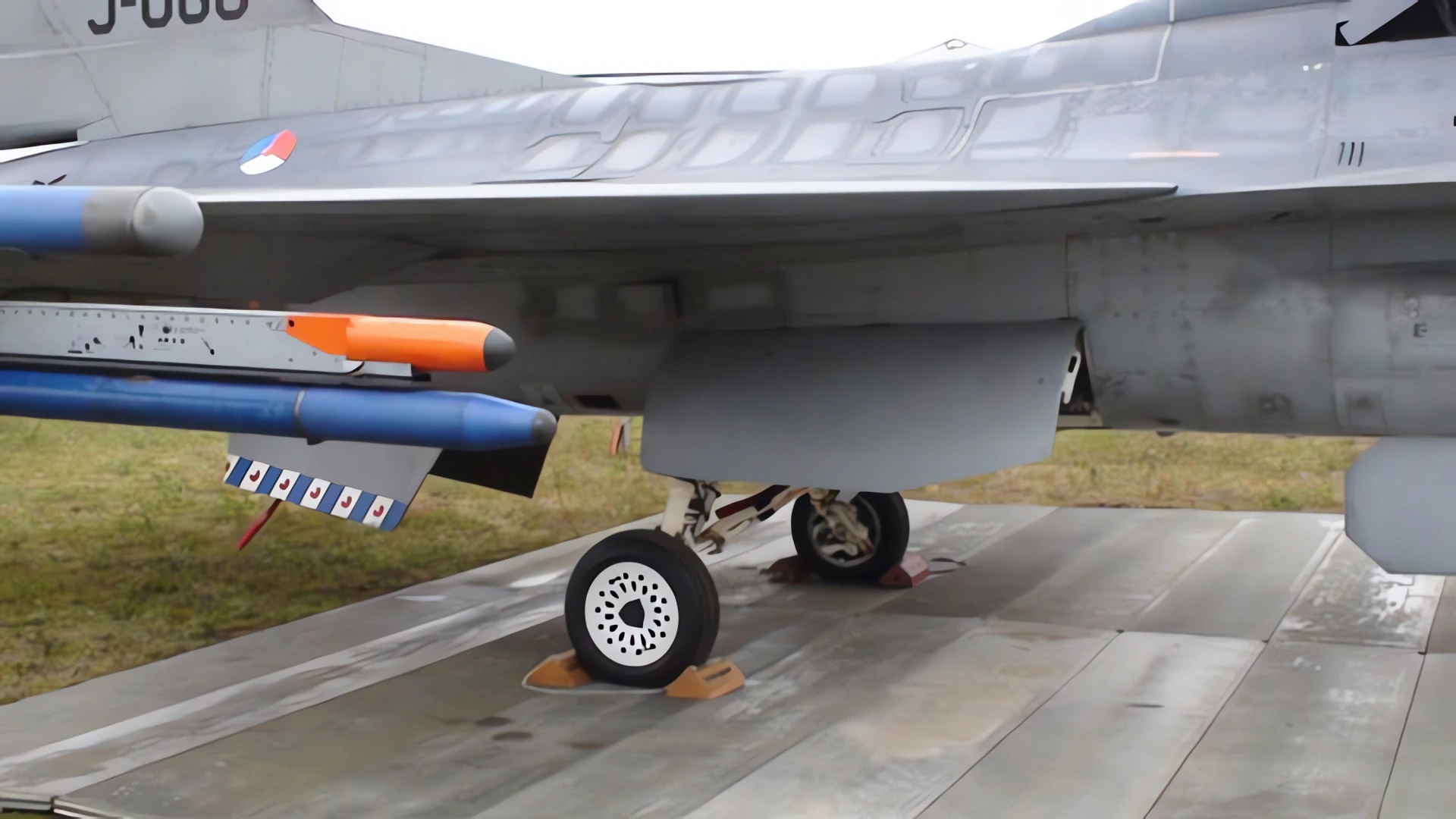
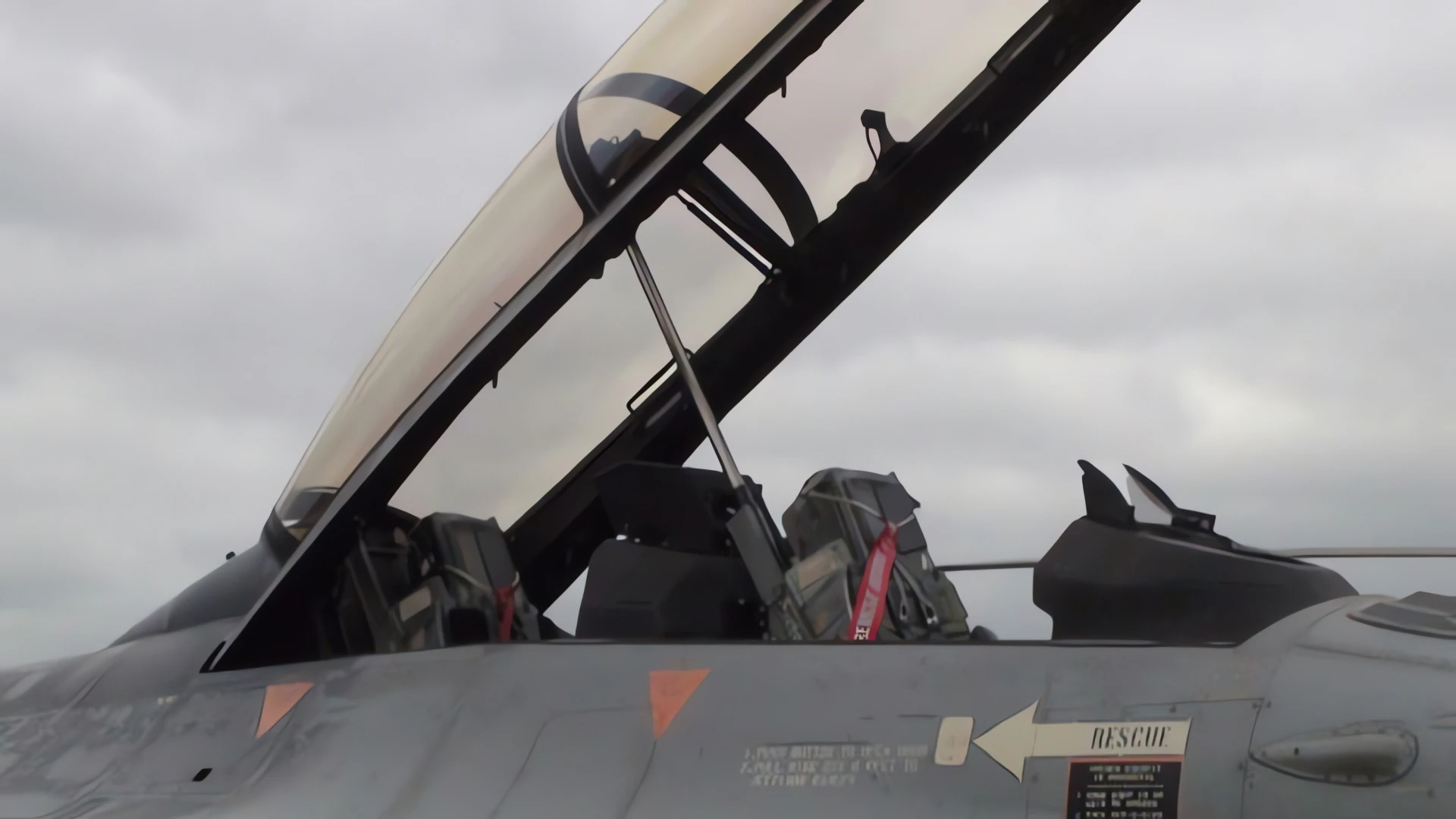
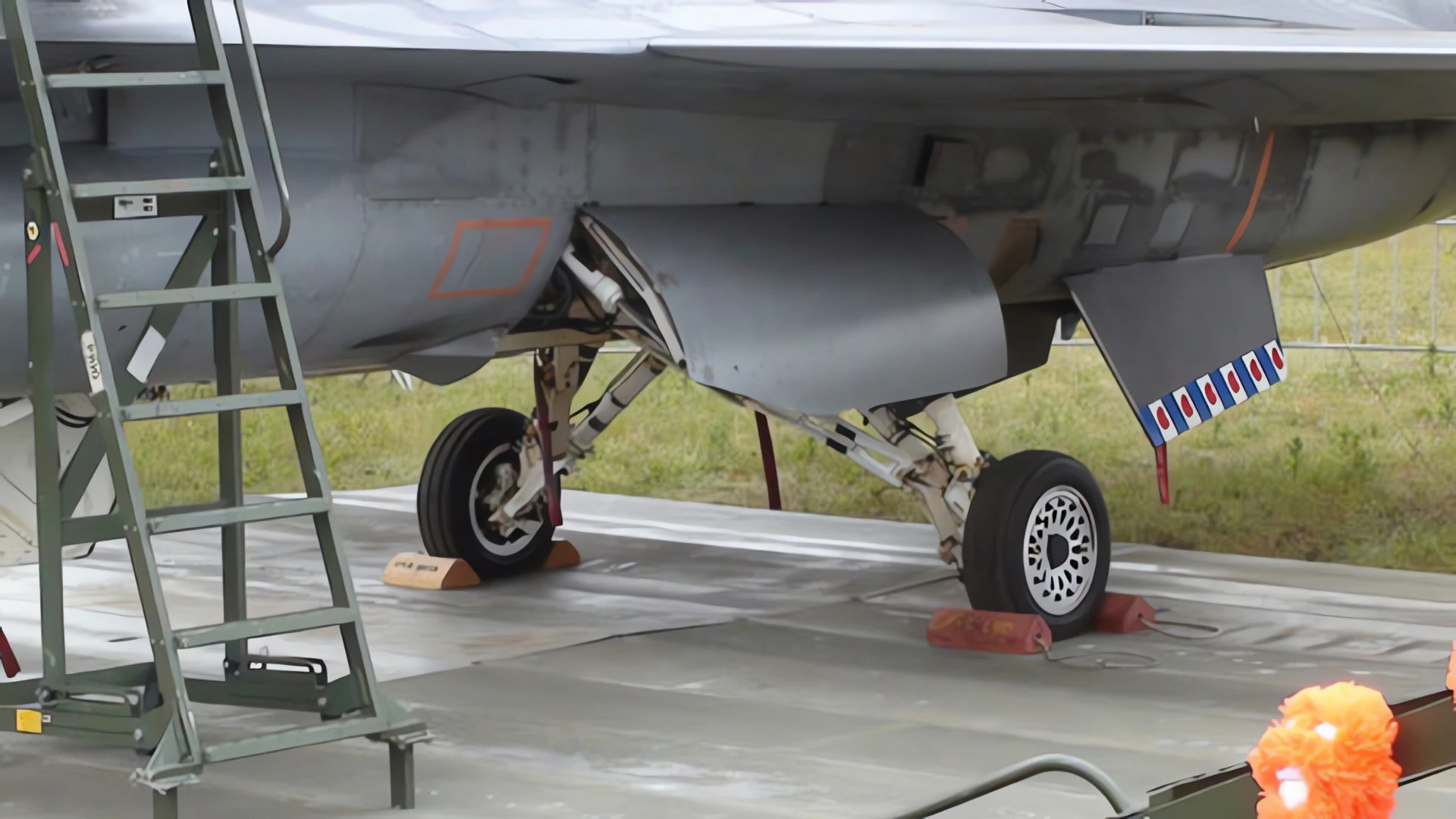
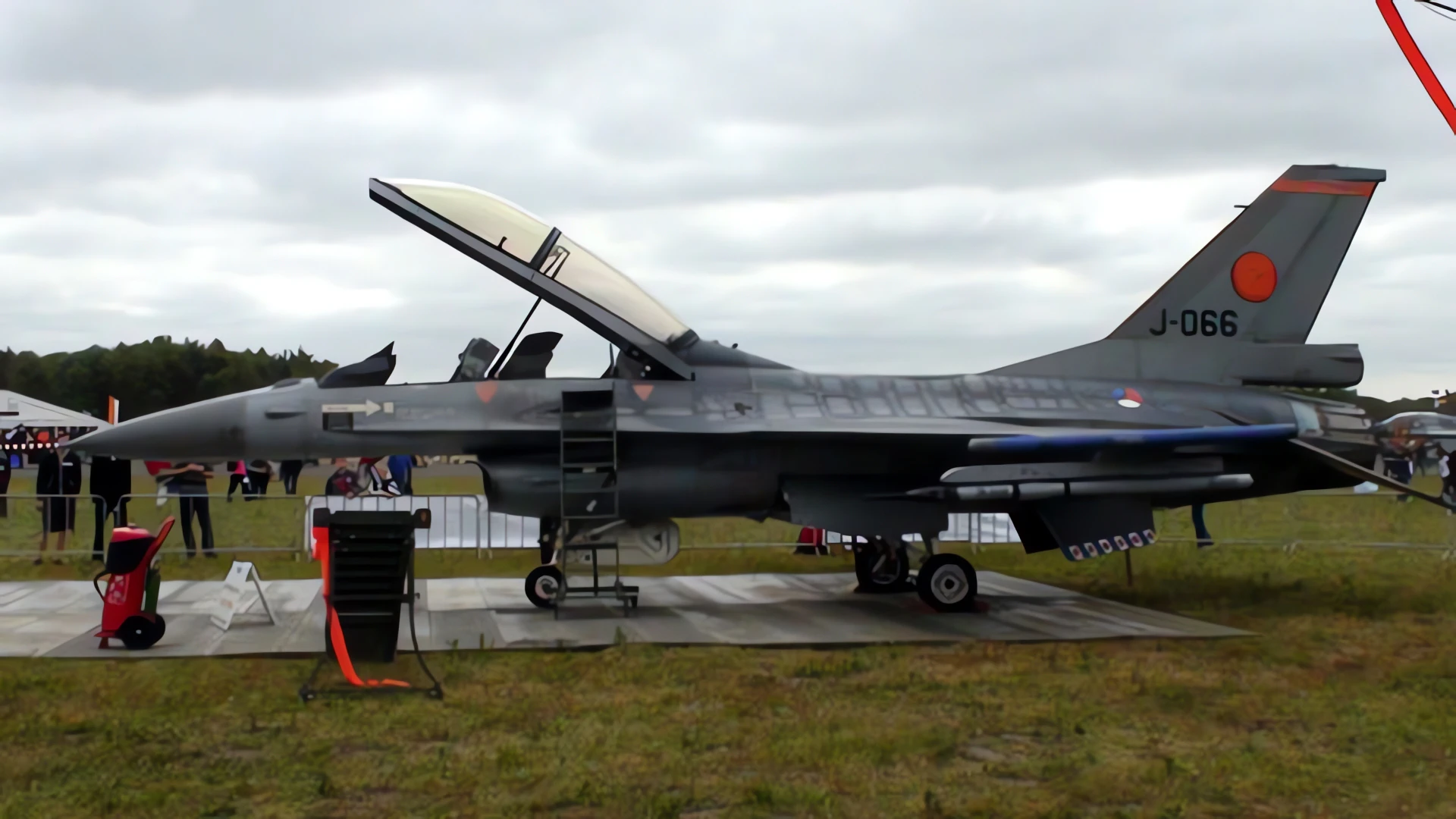
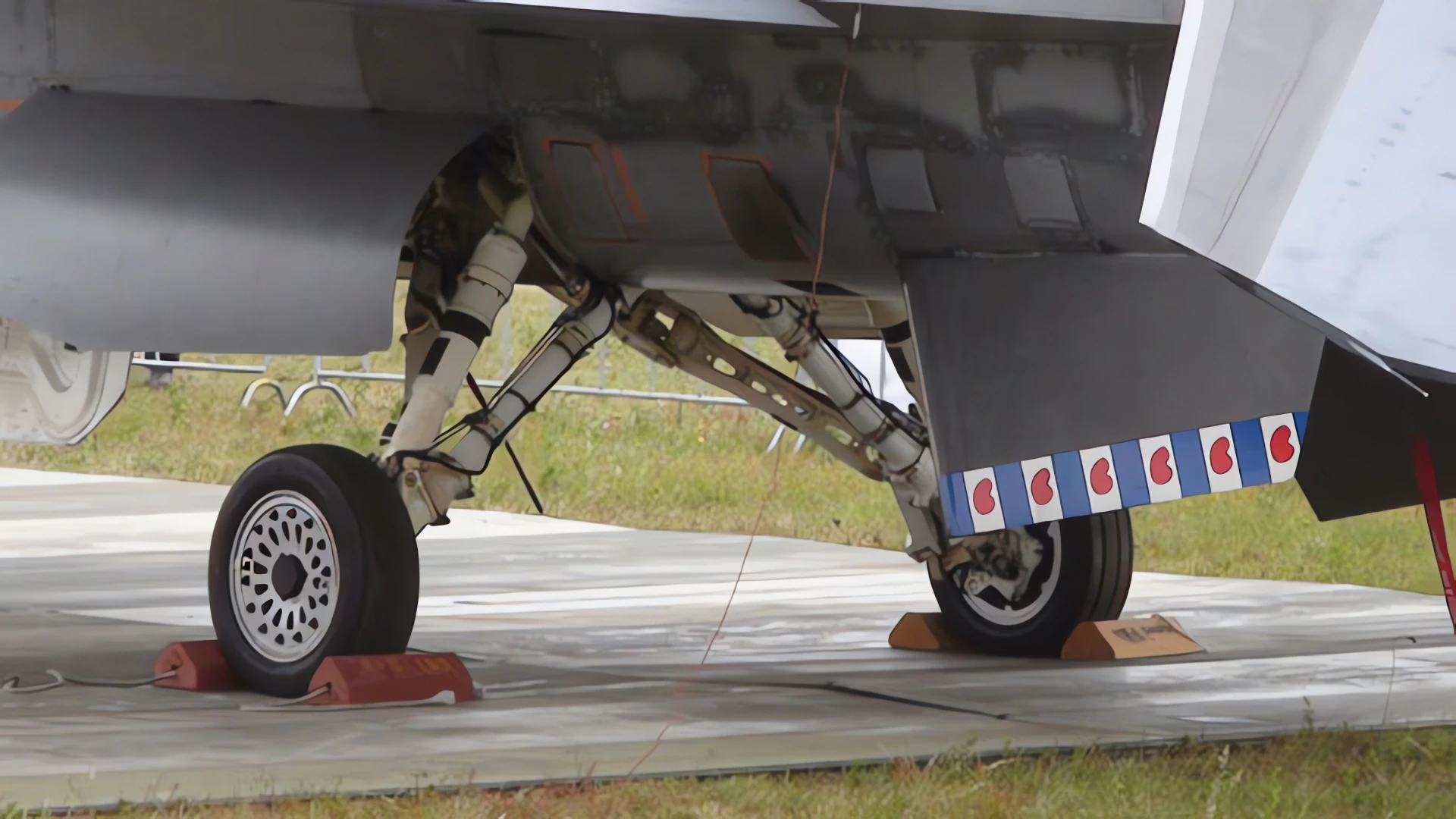
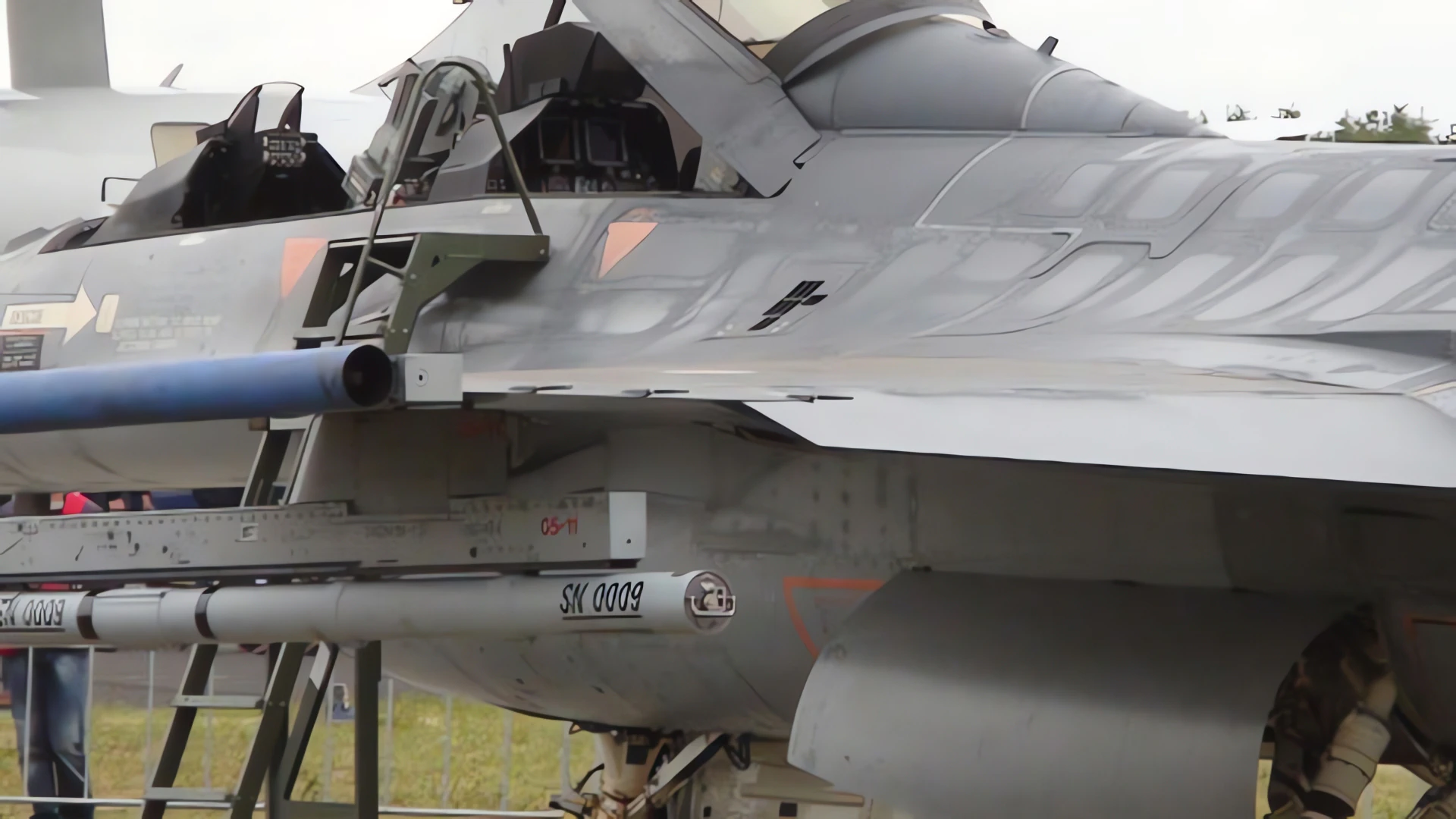
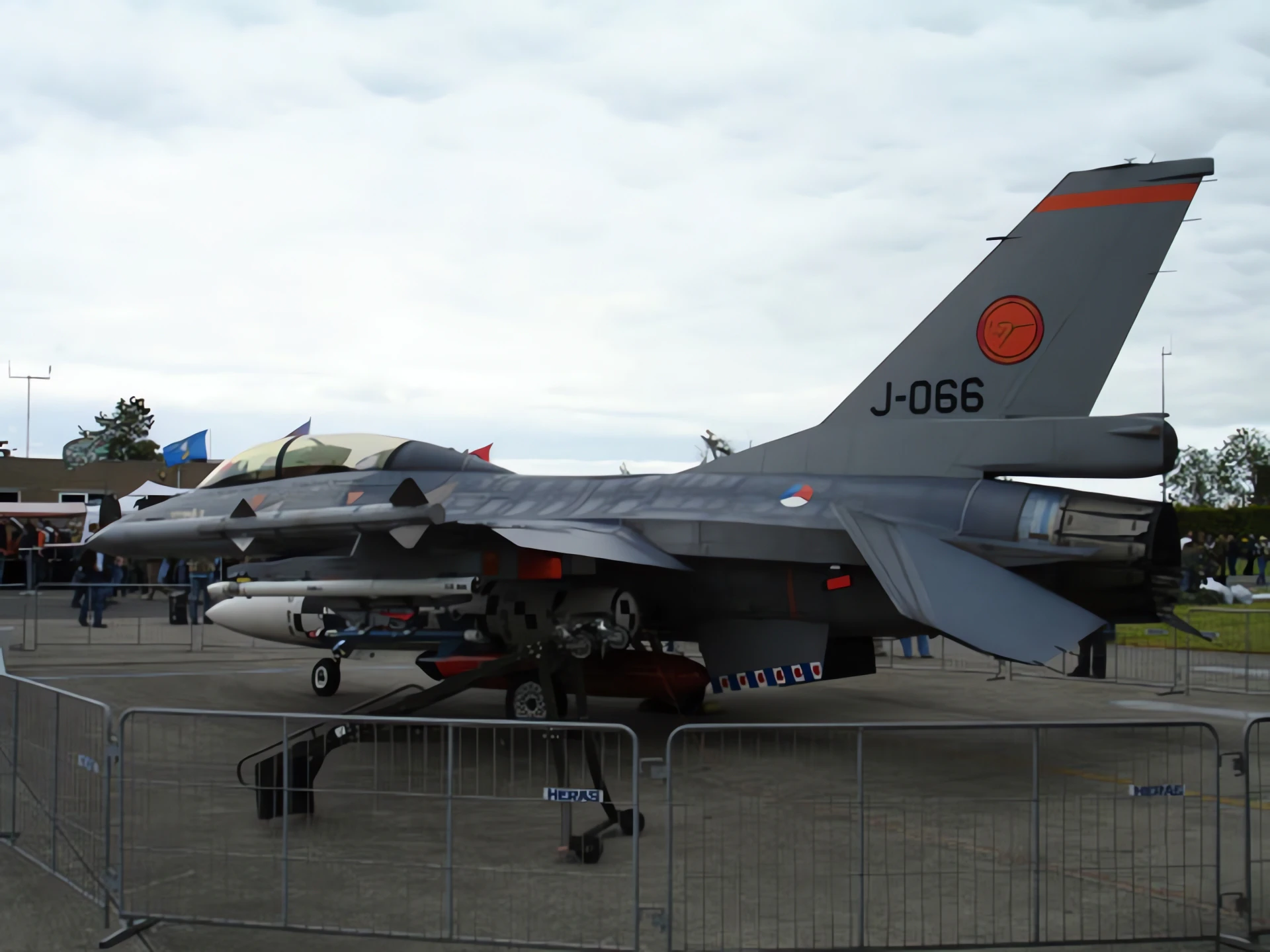

| F-16BM MLU Walk Around | |
|---|---|
| Fotograf | Cees Hendriks |
| Lokalizacja | Niewiedzy |
| Zdjęcia | 58 |
| F-16C Block 50 Plus Viper FACh Walk Around | |
|---|---|
| Fotograf | Michael Benolkin |
| Lokalizacja | Niewiedzy |
| Zdjęcia | 27 |
Zobacz też:


| General Dynamics F-16C Fighting Falcon Walk Around | |
|---|---|
| Fotograf | Władimir Yakubov |
| Lokalizacja | Capital City Air Show 2008 |
| Zdjęcia | 111 |
| Lockheed F-16C Viper Aggressor Walk Around | |
|---|---|
| Fotograf | Władimir Yakubov |
| Lokalizacja | MCAS Miramar Air Show |
| Zdjęcia | 88 |
| F-16 Fighting Falcon Walk Around | |
|---|---|
| Fotograf | Burhand Donke |
| Lokalizacja | Niewiedzy |
| Zdjęcia | 47 |
| General Dynamics F-16N Fighting Falcon Walk Around | |
|---|---|
| Fotograf | Burhand Donke |
| Lokalizacja | Niewiedzy |
| Zdjęcia | 14 |
| F-16C Block 40E | |
|---|---|
| Fotograf | Unknow |
| Lokalizacja | Niewiedzy |
| Zdjęcia | 44 |
Teaching an Old Dog New Tricks
Tthe F-16BM MLU (Mid-Life Update) is the two-seat trainer/combat version of the original F-16A/B Block 15. In the 1990s, five European nations (The Netherlands, Belgium, Denmark, Norway, and later Portugal) undertook a massive upgrade program. The goal was to bring their aging airframes up to the electronic standard of the F-16C Block 50/52. The result was a lightweight airframe with a heavyweight punch, capable of firing the latest beyond-visual-range missiles and precision-guided bombs.
| Attribute | Technical Specification (F-16BM MLU) |
|---|---|
| Roli | Multi-role Fighter / Advanced Trainer |
| Załogi | 2 (Student/Pilot and Instructor/Weapon Systems Officer) |
| Modernization Period | Late 1990s – Early 2000s (M1 through M7 tapes) |
| Zespół napędowy | 1 × Pratt & Whitney F100-PW-220E turbofan |
| Afterburning Thrust | 23,770 lbf (105.7 kN) |
| Prędkość maksymalna | Mach 2.0+ at altitude |
| Radar | Northrop Grumman AN/APG-66(V)2A |
| Primary Armament | AIM-120 AMRAAM, AIM-9X Sidewinder, 20mm M61A1 Vulcan |
The “Brains” of the Viper
- The Modular Mission Computer (MMC): The heart of the MLU is the MMC, which replaced multiple older computers. It allows the F-16BM to use modern “M-tapes” (software updates) that add compatibility for new weapons like the JDAM I Iris-T.
- “Bird Slicers” (AIFF): A key visual identifier for the MLU are the four blade-like antennas in front of the canopy. These are part of the Advanced Identification Friend or Foe system, crucial for long-range missile engagements.
- The Glass Cockpit: The old analog dials were replaced with two 4×4 inch Color Multi-Function Displays (MFDs). It also features a Wide-Angle Head-Up Display (WAC HUD) and is compatible with Night Vision Goggles (NVG).
- Link 16: This digital datalink allows the F-16BM to “talk” to AWACS (like the E-3 Sentry), ships, and other fighters, sharing a real-time map of the battlefield without saying a word over the radio.
The “B” Variant: Trainer and Combatant
- Two Seats, No Compromise: Unlike many trainers, the “BM” is fully combat-capable. While it carries slightly less internal fuel than the single-seat “AM,” it is often used for complex missions where a second set of eyes is an advantage, such as Forward Air Controlling (FAC).
- Operational Excellence: European MLU Vipers have seen extensive combat in Kosovo, Afghanistan, Libya, and more recently, are being prepared for transfer to Ukraina to modernize their air defense.
- Structural Reinforcement (PACER SLIP): As part of the MLU, the airframes underwent structural work to extend their fatigue life, allowing these 1980s-built jets to fly well into the 2020s.
- The Tail Parachute: Most European F-16s feature a large fairing at the base of the vertical stabilizer containing a drag parachute for landing on short, icy runways—a feature not usually found on American Vipers.
Views : 7627
Możesz również zobaczyć:
 General Dynamics F-111C – Zdjęcia i filmy
 General Dynamics FB-111A Aardvark – Zdjęcia & Video
 Mitsubishi A6M Zero – Spacer
 Hawker Hurricane – Spacer
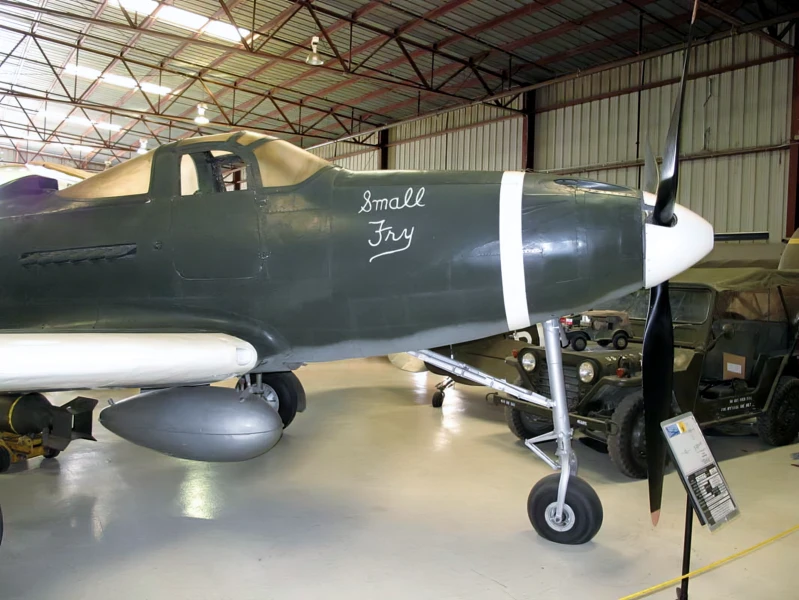 Dzwon P-39N Airacobra – WalkAround
 Skonsolidowany B-24M Liberator – WalkAround
 P-47D Thunderbolt – WalkAround
 A-20 Havoc – WalkAround
 TBM-3E Avenger – Spacer
 Fiat G-55 Centauro - Spacer