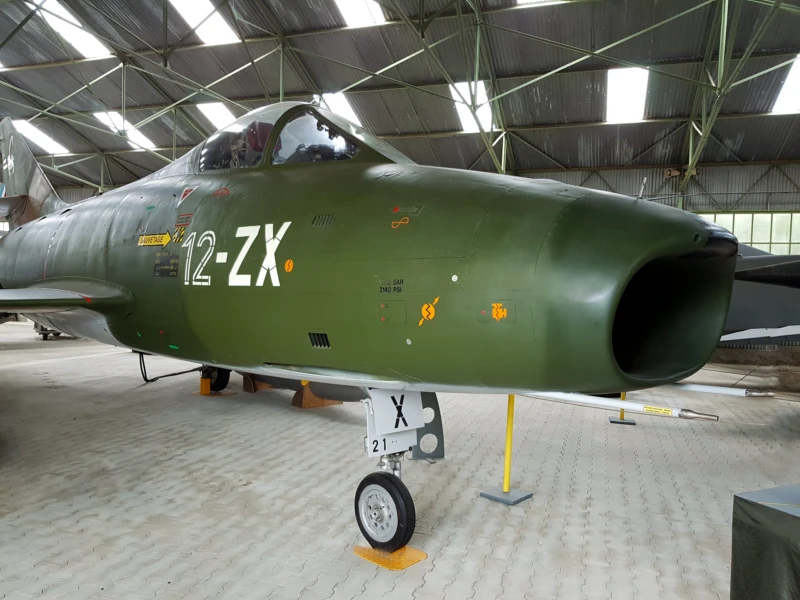
Dassault Super Mystere | |
|---|---|
| Land | Frankreich |
| Rolle | Jagdbomber |
| Erstflug | 2. März 1955 |
| Produziert | 1956–1959 |
das Dassault Super Mystére was a French fighter-bomber and was the first Western European supersonic aircraft to enter mass production.
The Super Mystère represents the final step in evolution which began with the Dassault Ouragan and progressed through the Mystère II/III and Mystère IV. While earlier Mystère variants could attain supersonic speeds only in a dive, the Super Mystère could exceed the speed of sound in level flight. This was achieved thanks to the new thin wing with 45° of sweep (compared with 41° of sweep in the Mystère IV and only 33° in Mystère II) and the use of an afterburner-equipped turbojet engine.
Quelle: Dassault Super Mystere B.2 auf Wiki
| Dassault Super Mystere B.2 | |
|---|---|
| Fotograf | Jan Petr |
| Lokalisierung | Unbekannter |
| Fotos | 29 |
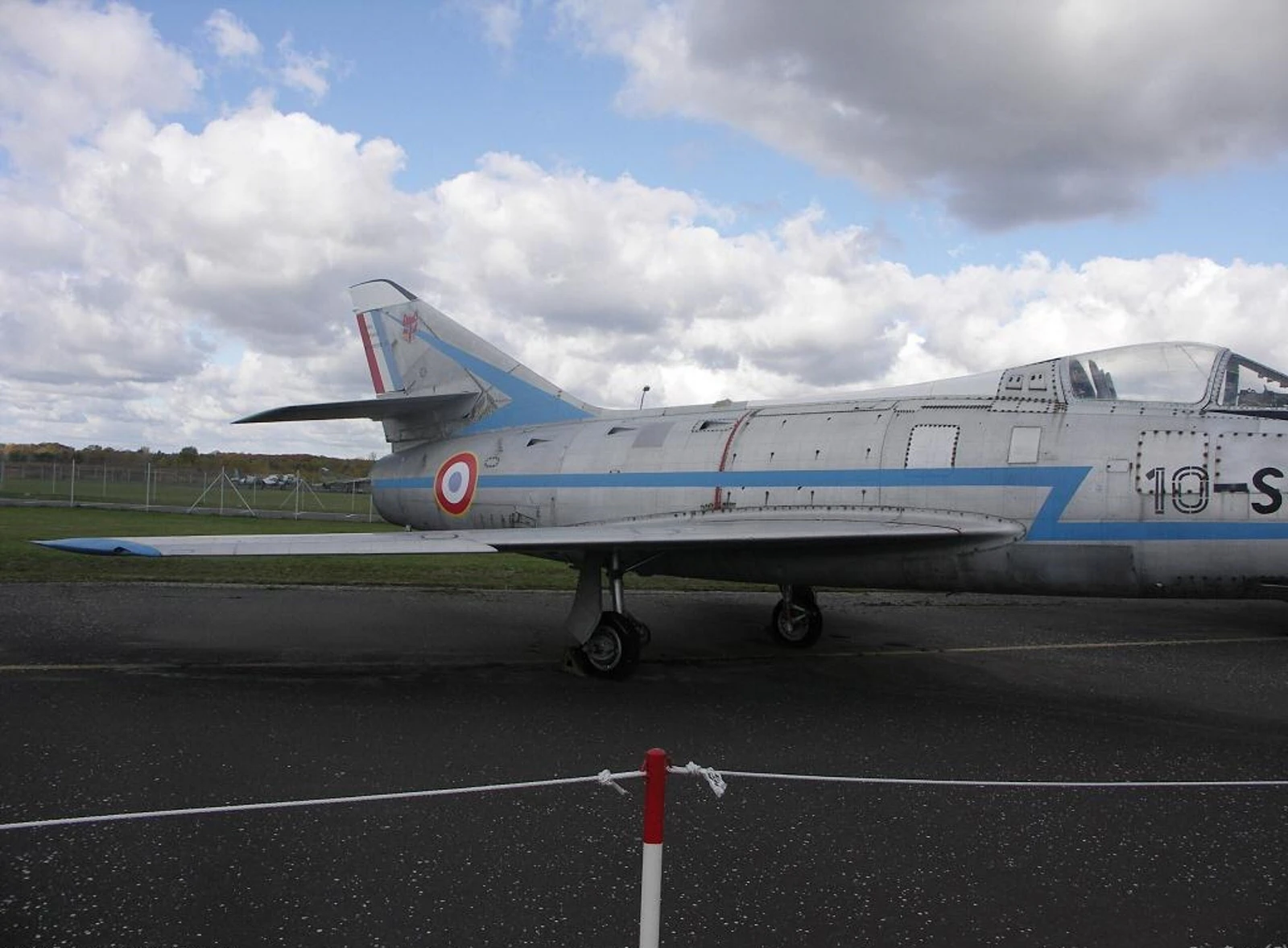
Dassault Super Mystere B.2 01
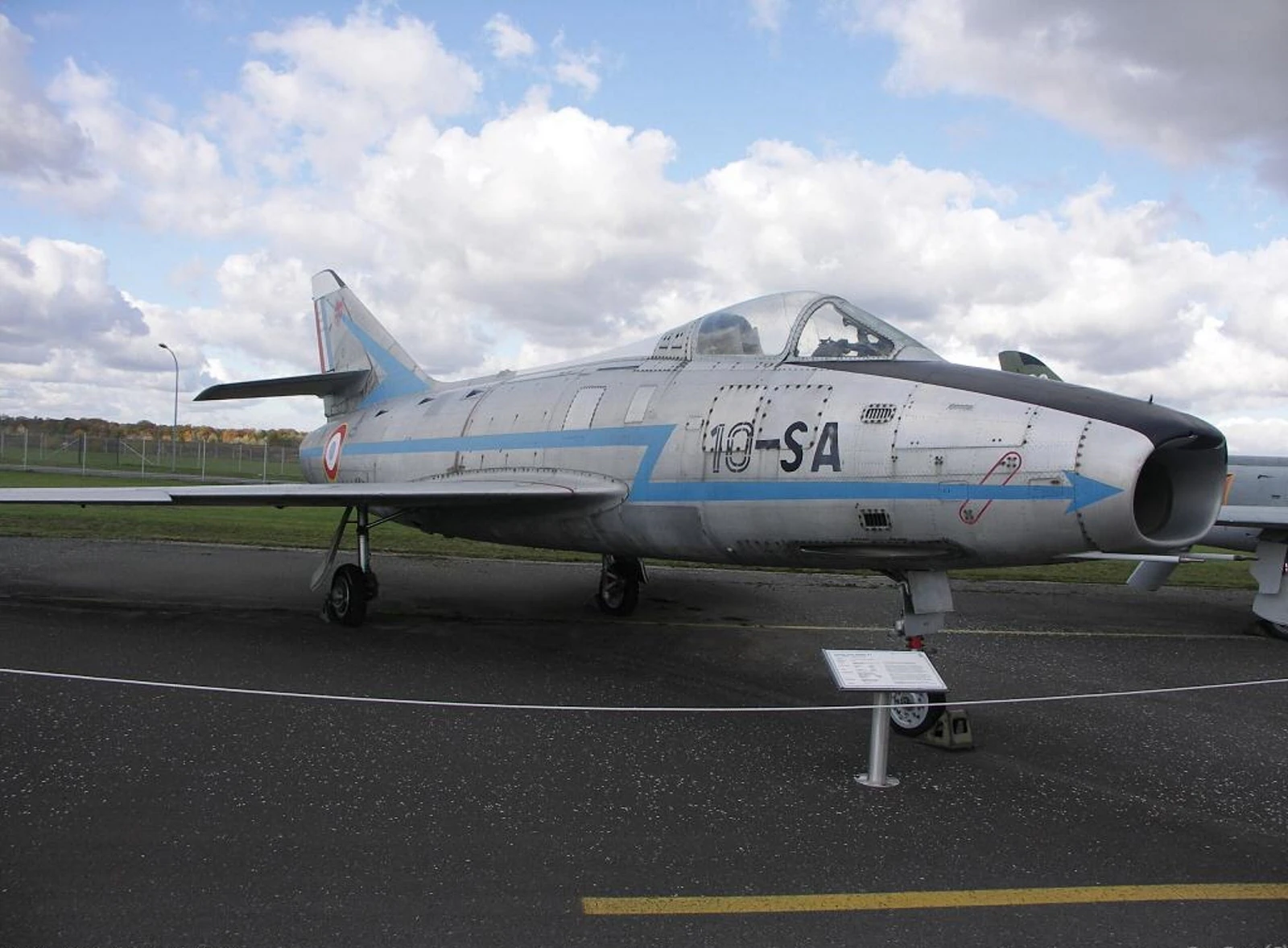
Dassault Super Mystere B.2 02
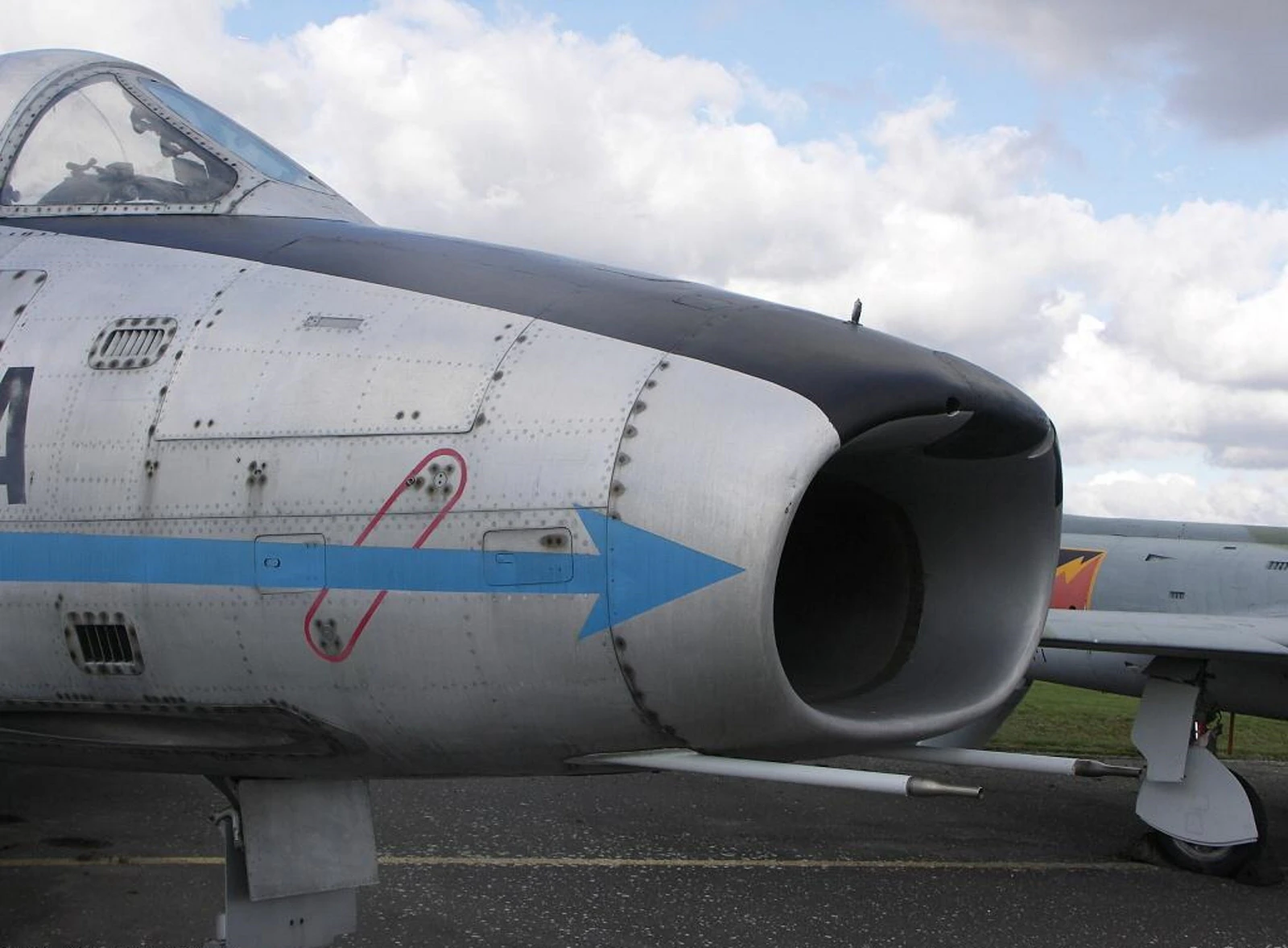
Dassault Super Mystere B.2 03
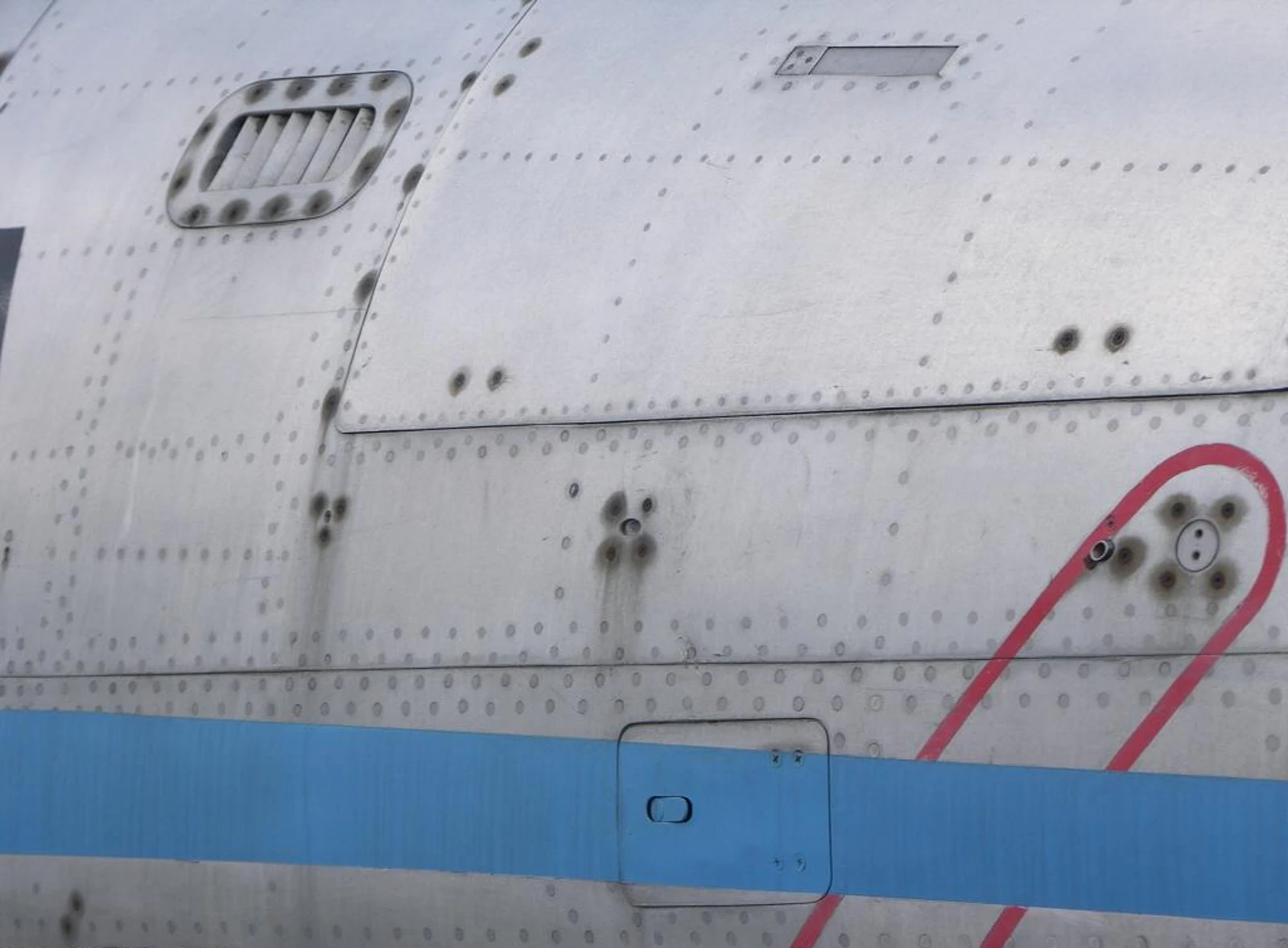
Dassault Super Mystere B.2 04
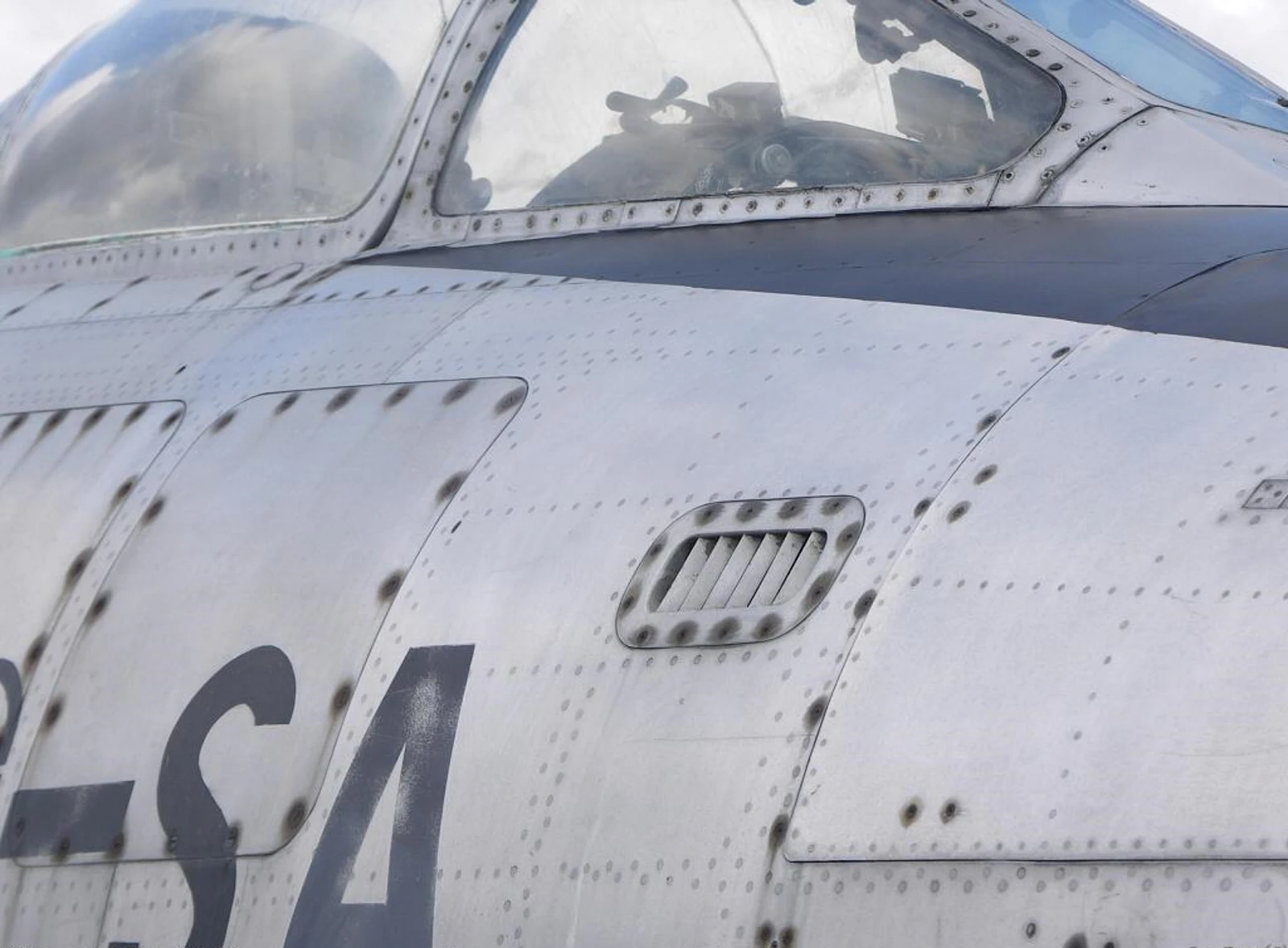
Dassault Super Mystere B.2 05
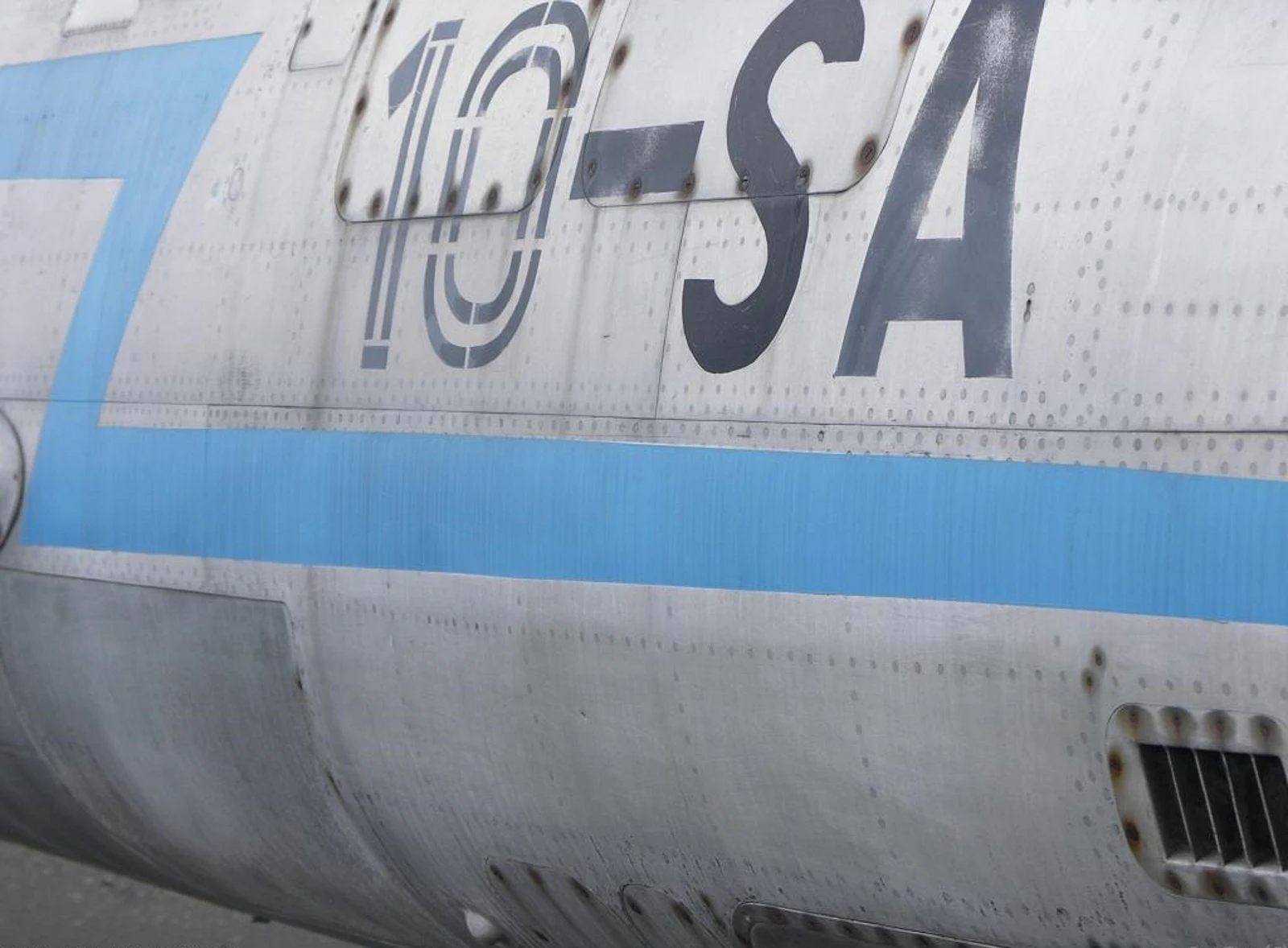
Dassault Super Mystere B.2 06
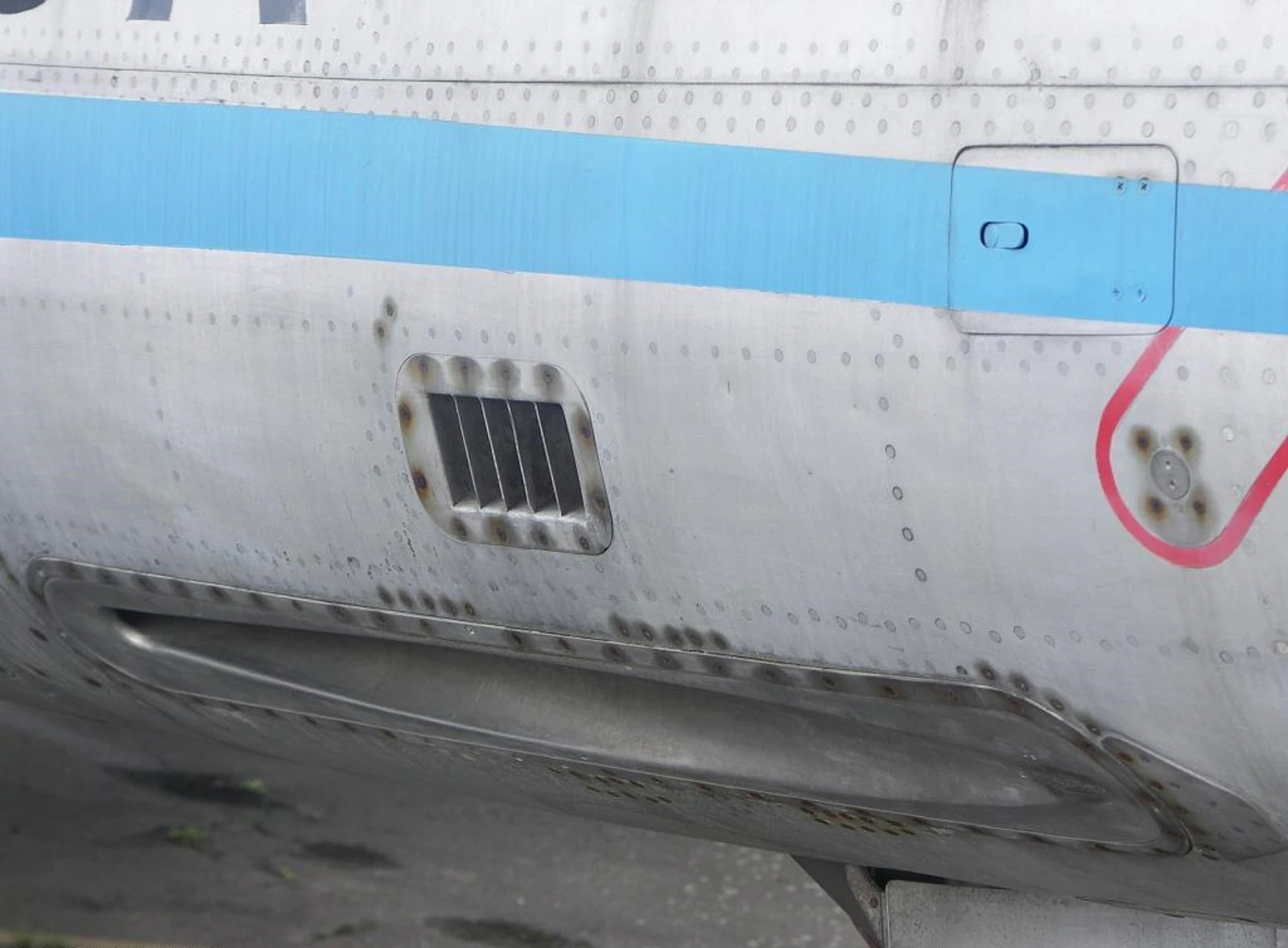
Dassault Super Mystere B.2 07
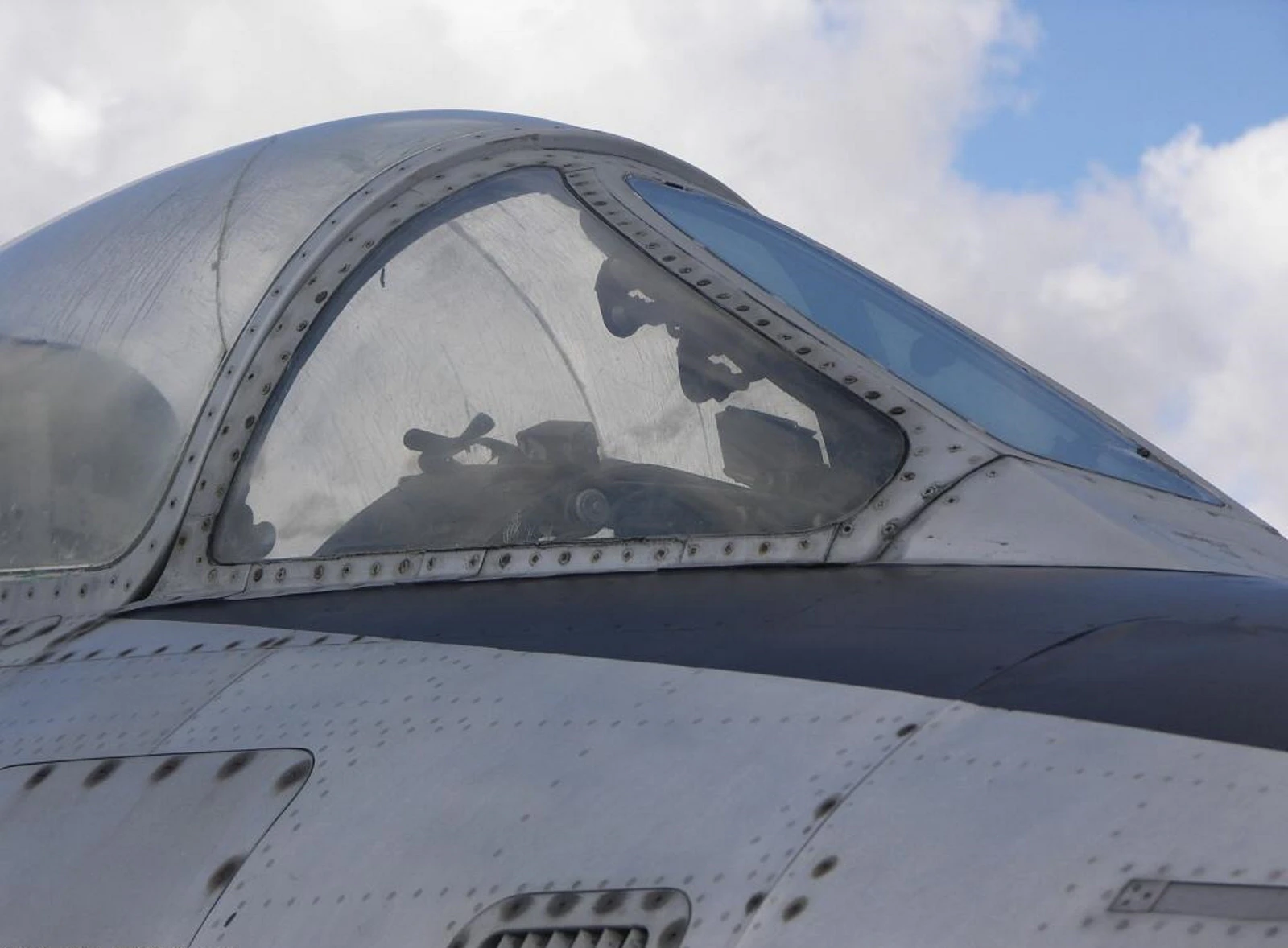
Dassault Super Mystere B.2 08
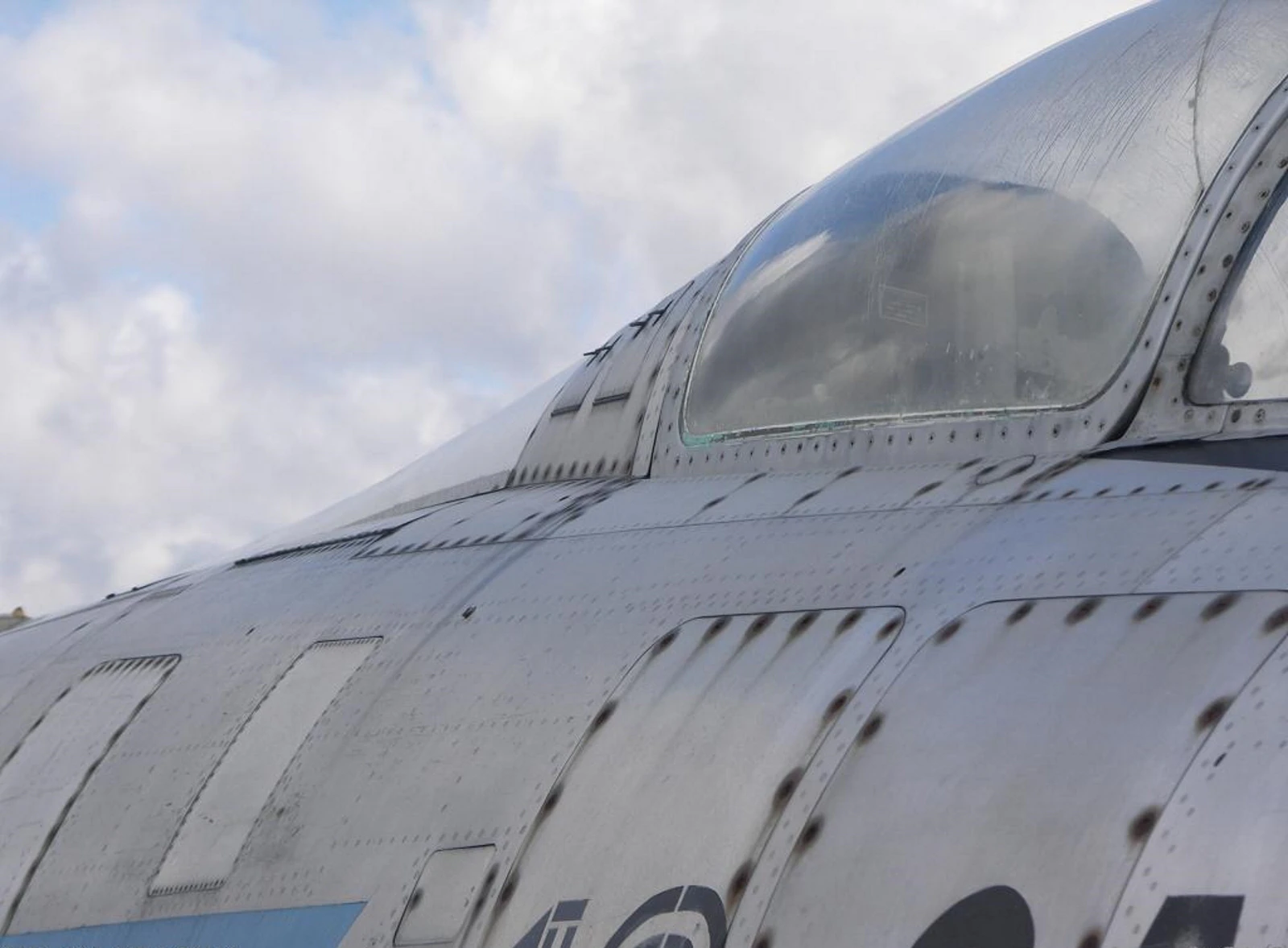
Dassault Super Mystere B.2 09
Warten Sie, Suche Dassault Super Mystere B.2 Fotos für Sie...

 Kaufen Sie mir einen Kaffee
| Dassault Super Mystere B2 Walk Around | |
|---|---|
| Fotograf | Unknow |
| Lokalisierung | Unbekannter |
| Fotos | 36 |
Siehe auch:


The Sound Barrier Breaker
das Dassault Super Mystère B.2 represents the pinnacle of the “Mystère” lineage. While its predecessors could only reach supersonic speeds in a dive, the B.2 was the first Western European aircraft to sustain Mach 1 in level flight. With its sleek 45-degree swept wings and a distinctive “flattened” oval intake that gave it a passing resemblance to the American F-100 Super Sabre, the Super Mystère was the pride of the Armée de l'Air and a legendary “Mig-killer” in the hands of the Israeli Air Force.
| Attribute | Technical Specification (Standard B.2) |
|---|---|
| Rolle | Fighter-Bomber / Interceptor |
| Crew | 1 (Pilot) |
| First Flight | May 15, 1956 |
| Triebwerk | 1 × SNECMA Atar 101G-2/G-3 afterburning turbojet |
| Thrust | 9,900 lbf (44.1 kN) with afterburner |
| Höchstgeschwindigkeit | 1,195 km/h (Mach 1.12) at altitude |
| Combat Range | 870 km (540 mi) |
| Bewaffnung | 2 × 30 mm DEFA 552 cannons (150 rpg); up to 2,000 kg bombs/missiles |
Design Engineering: The Mach 1 Edge
- The 45° Sweep: To overcome the immense drag of the transonic regime, Dassault increased the wing sweep from the 41° of the Mystère IV to 45°. This, combined with a much thinner wing profile, allowed the aircraft to slip through the sound barrier with far less resistance.
- Atar Afterburner: The B.2 was the first French production jet to utilize an afterburner. While the SNECMA Atar 101G was famously temperamental and “thirsty,” it provided the raw thrust necessary to push the airframe into supersonic speeds in level flight.
- The “Flattened” Intake: The oval-shaped nose intake was designed to capture a high volume of air while keeping the aircraft’s profile low. It became a visual trademark of the Super Mystère, distinguishing it from the circular intakes of earlier French jets.
- Servo-Assisted Controls: To handle the massive aerodynamic loads at high speeds, the B.2 featured fully powered flight controls, which gave the pilot the precision needed for high-G dogfighting.
Combat History: “Sambad” and “Sa’ar”
- Israeli Service (Sambad): Israel was the only export customer for the B.2, calling it the Sambad. It served as their premier air-superiority fighter before the arrival of the Mirage III. In the 1967 Six-Day War, it was instrumental in the “Operation Focus” airbase strikes.
- The “Sa’ar” Conversion: By the late 60s, the original Atar engines were wearing out. Israel performed a “transplant,” replacing the French engine with the non-afterburning but more reliable Pratt & Whitney J52 (from the A-4 Skyhawk). These modified planes, called Sa’ar (Storm), featured longer tailpipes and improved ground-attack capabilities.
- USS Liberty Incident: Super Mystères were unfortunately involved in the accidental attack on the USS Liberty during the 1967 conflict, highlighting the intense and chaotic nature of the era’s air operations.
- Honduran Final Stand: After their service in Israel, 12 Super Mystères were sold to Honduras. They remained in front-line service until 1996, making them some of the last supersonic “first-generation” jets to see active duty in the world.
Views : 5426
Sie können auch sehen:
 Dassault Mystère IV – Photos & Video
 Dassault Falcon 2000 – Fotos und Videos
 Dassault MD 315 Flamant – Fotos & Videos
 Dassault Mystere – Fotos und Videos
 Dassault Mirage 4000 – Fotos und Videos
 Dassault Mirage F.1 – Fotos und Videos
 Dassault Etendard IV M – Fotos & Video
 Dassault Mirage III-O – Fotos & Video
 Dassault / Dornier Alpha Jet – WalkAround
 Dassault Rafale M – WalkAround