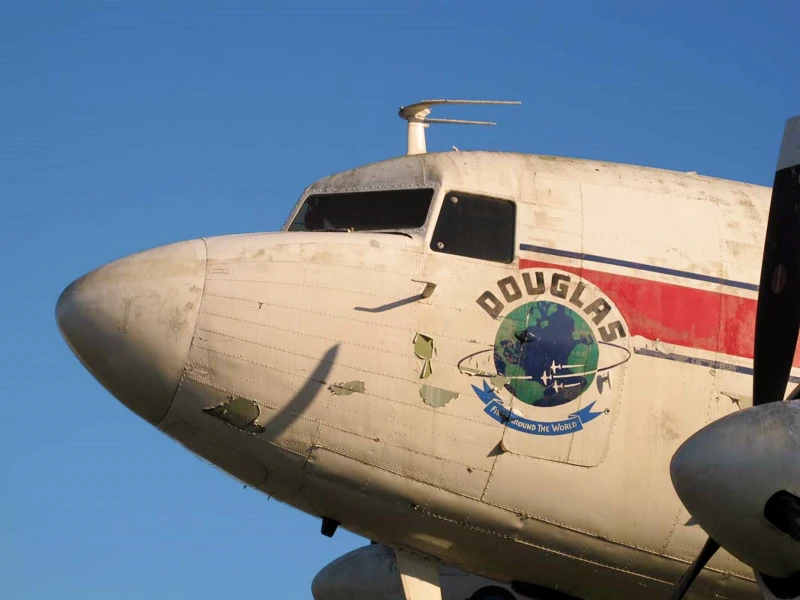
Den Douglas DC-3is a fixed-wing propeller-driven airliner that revolutionized air transport in the 1930s and 1940s. Its lasting effect on the airline industry and World War II makes it one of the most significant transport aircraft ever produced. It has a cruise speed of 207 mph (333 km/h), capacity of 21 to 32 passengers or 6,000 lbs (2,700 kg) of cargo and a range of 1,500 mi (2,400 km).
The DC-3 is a twin-engine metal monoplane with a tailwheel-type landing gear and was developed as a larger, improved 14-bed sleeper version of the Douglas DC-2. It had many exceptional qualities compared to previous aircraft. It was fast, had good range and could operate from short runways. It was reliable and easy to maintain and carried passengers in greater comfort. Before the war it pioneered many air travel routes. It could cross the continental United States and made worldwide flights possible. It is considered the first airliner that could make money carrying only passengers.
The Propeller Workhorse That Revolutionized Aviation
Den Douglas DC-3is widely regarded as one of the most influential transport aircraft in aviation history. Introduced in 1936 by the Douglas Aircraft Company, the airliner transformed air travel by making passenger service profitable without relying heavily on government mail subsidies. Designed in response to a request from American Airlines for a coast-to-coast sleeper transport, the DC-3 combined speed, range, load capacity, and exceptional reliability. When World War II broke out, the design transitioned seamlessly into military service as theC-47 Skytrain(orDakotain Allied service), serving as the logistical backbone of victory. Nearly a century after its maiden flight, the aircraft’s rugged construction and simple systems allow restored airframes to remain in commercial operation today.
Twin-Engine Commercial Airliner / Military Cargo Transport
Besætning
2 to 3 (Pilot, Co-Pilot, optional Flight Engineer/Navigator) | 21 to 32 passengers
Kraftværk
2 × Pratt & Whitney R-1830 Twin Wasp 14-cylinder radial engines (1,200 hp each)
Maximum Speed
370 km/h (230 mph / 200 knots) at 2,600 meters altitude
Combat / Takeoff Weight
11,430 kg (25,200 lbs) maximum takeoff weight
Service Ceiling / Operational Range
7,100 m (23,200 ft) ceiling | ~2,400 km (1,500 miles) maximum range
Primary Payload Capacity
Up to 28-32 civilian passengers or ~2,700 kg (6,000 lbs) of military cargo/paratroopers
Defensive Armament
Unarmed in standard transport configurations (defensive guns added on select gunship modifications like the AC-47)
Construction Materials
All-metal aluminum alloy (Alclad) semi-monocoque structure with multi-cell cantilever wings
Production Total
16,079 units manufactured (607 civilian DC-3s, 10,048 military C-47 variants in the US, plus ~4,900 Soviet Lisunov Li-2s and ~487 Japanese Showa L2D license builds)
Design Engineering: Multi-Cell Wings, All-Metal Monocoque, and Radial Power
Revolutionary Multi-Cell Wing Design:Designed under Arthur Raymond, the DC-3 featured a thick, multi-cellular cantilever wing structure that eliminated the drag-inducing exterior struts and wires of older airliners. This wing profile produced high lift at low landing speeds while maintaining high structural rigidity, giving the airframe exceptional structural longevity under turbulence.
All-Metal Semi-Monocoque Construction:Utilizing a stressed Alclad aluminum alloy skin over a framework of bulkheads and stringers, the DC-3 was both lightweight and extremely durable. This corrosion-resistant skin allowed the aircraft to endure extreme outdoor weathering, bush flying in humid tropics, and arctic operations with minimal hangar shelter.
Pratt & Whitney Twin Wasp Engines:Powered by dual Pratt & Whitney R-1830 air-cooled 14-cylinder radial engines, the DC-3 possessed enough power to safely take off and maintain altitude on a single functioning engine if one failed. This single-engine safety margin gave airline operators and passengers unprecedented confidence in twin-engine flights over mountain ranges.
Economical Cabin Design:By widening the earlier DC-2 fuselage design by just 26 inches, Douglas enabled a 21-passenger cabin layout with two seats on one side of the aisle and one seat on the other. This simple spatial enhancement drastically improved per-passenger operating margins, making transcontinental airline routes financially viable for the first time.
Operational History: D-Day Drops, Crossing the Hump, and Century-Long Lifespans
Commercial Aviation Boom (1936–1941):Prior to World War II, the DC-3 dominated commercial air travel, carrying over 80% of domestic airline passengers in the United States. Its ability to fly across the US in roughly 15 to 17 hours with only three refueling stops revolutionized cross-country travel and established modern commercial airline networks.
Logistical Titan of WWII (The C-47 Skytrain):Re-designated as the C-47 Skytrain (and RAF Dakota), the airframe became indispensable during Allied military operations. C-47s dropped thousands of paratroopers during Operation Overlord (D-Day) at Normandy, supplied surrounded forces at Bastogne during the Battle of the Bulge, and flew dangerous supply missions over “The Hump” across the Himalayas to support Chinese forces.
The Berlin Airlift (1948–1949):Following the war, C-47s played a critical role during the initial months of the Berlin Airlift. Working around the clock, crews flew continuously into West Berlin’s Tempelhof Airport to supply trapped civilian populations with food, fuel, and medical supplies until larger four-engine transports arrived to take over the burden.
The Immortal Bush Plane Legacy:Decades after production ceased in 1950, hundreds of DC-3s remain in commercial and private service worldwide. Updated with modern turboprop engines (such as the Basler BT-67 conversion), the aircraft continues to operate in remote regions—from Antarctic research stations to Amazonian dirt strips—proving to be virtually irreplaceable due to its rugged airframe and forgiving flight characteristics.


 ST Aerospace A-4SU Super Skyhawk – Billeder & Videoer
 Douglas B-18 Bolo – Billeder & Videoer
 Douglas World Cruiser – Billeder og videoer
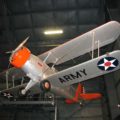 Douglas O-38 – Billeder & Video
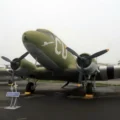 Douglas C-47 Skytrain – Billeder & Video
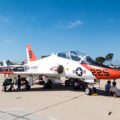 McDonnell Douglas T-45 Goshawk – Billeder & Video
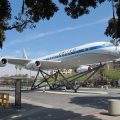 Douglas DC-8 – Billeder & Video
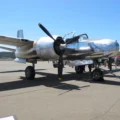 Douglas A-26 Invader – Billeder & Video
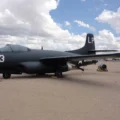 Douglas TF-10B Skyknight – Billeder og video
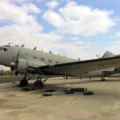 Douglas C-47 Dakota – WalkAround