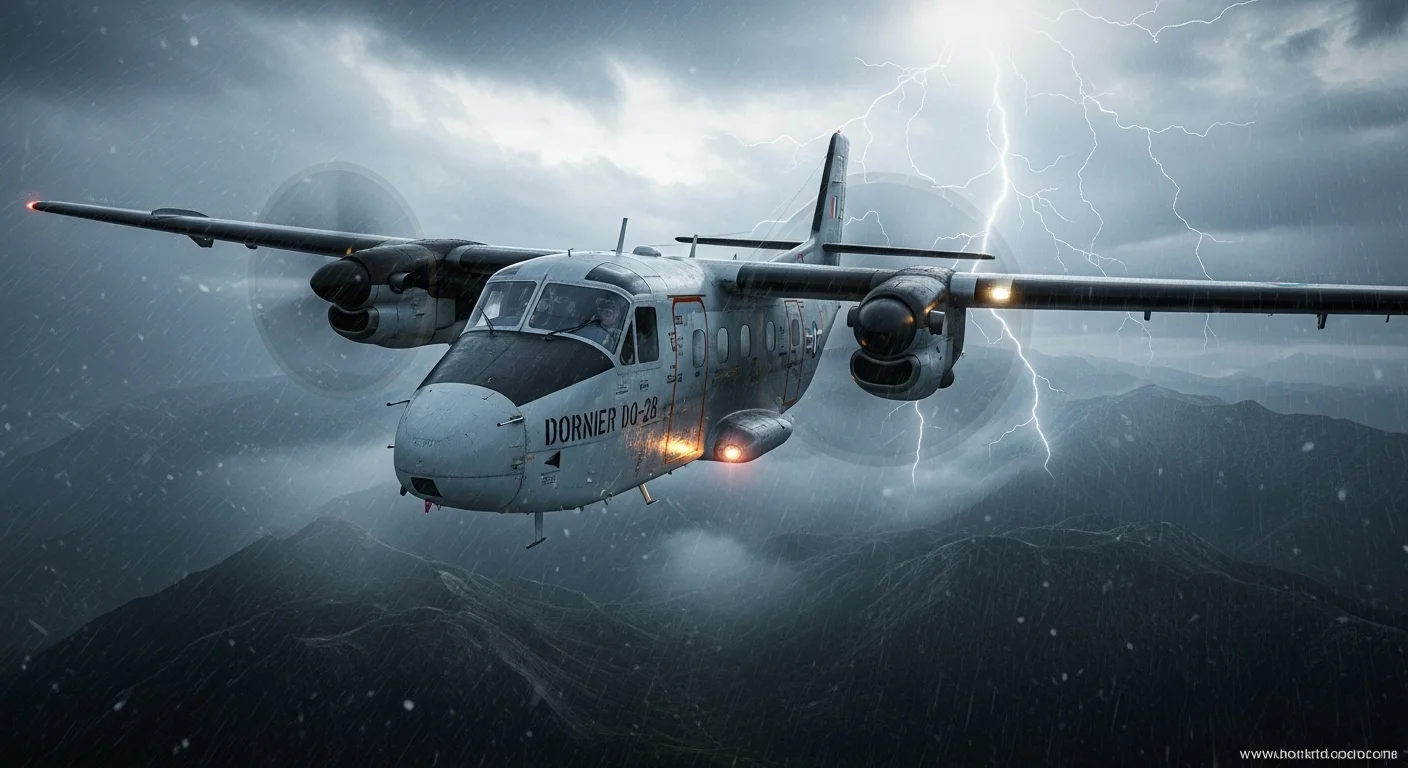
Dornier Do-28 | |
|---|---|
| Země | Německo |
| Roli | Lehká užitková letadla STOL |
| První let | 29. dubna 1959 |
| Postaven | Neznámé |
Dornier Do 28
je typové označení, které se skládá ze dvou různých dvoumotorových víceúčelových letadel STOL, vyráběných německou společností Dornier Flugzeugbau GmbH. Většina z nich sloužila u německého letectva a Marinefliegeru a dalších vzdušných sil po celém světě v roli spojařů a veřejných služeb. Série Do 28 se skládá ze zásadně odlišných Do 28 A/B (1959) a Do 28 D Skyservant (1966).Zdroj: Dornier Do-28 na Wikipedii
| Dornier Do-28 B-1 Skyservant Procházka Kolem | |
|---|---|
| Fotograf | Isaac Gershman |
| Lokalizace | Neznámé |
| Fotografie | 24 |
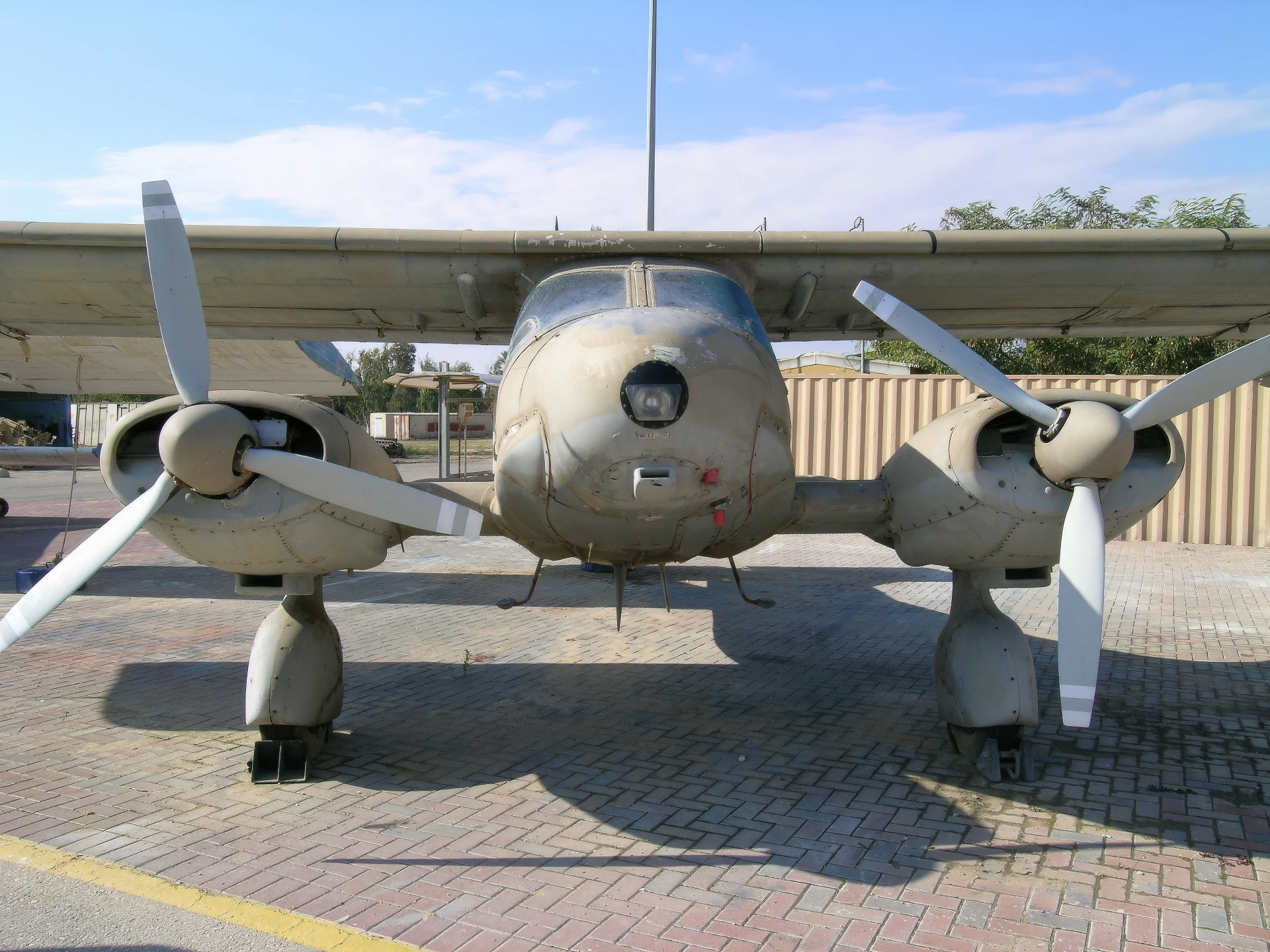
Dornier Do-28 B-1 Skyservant 02
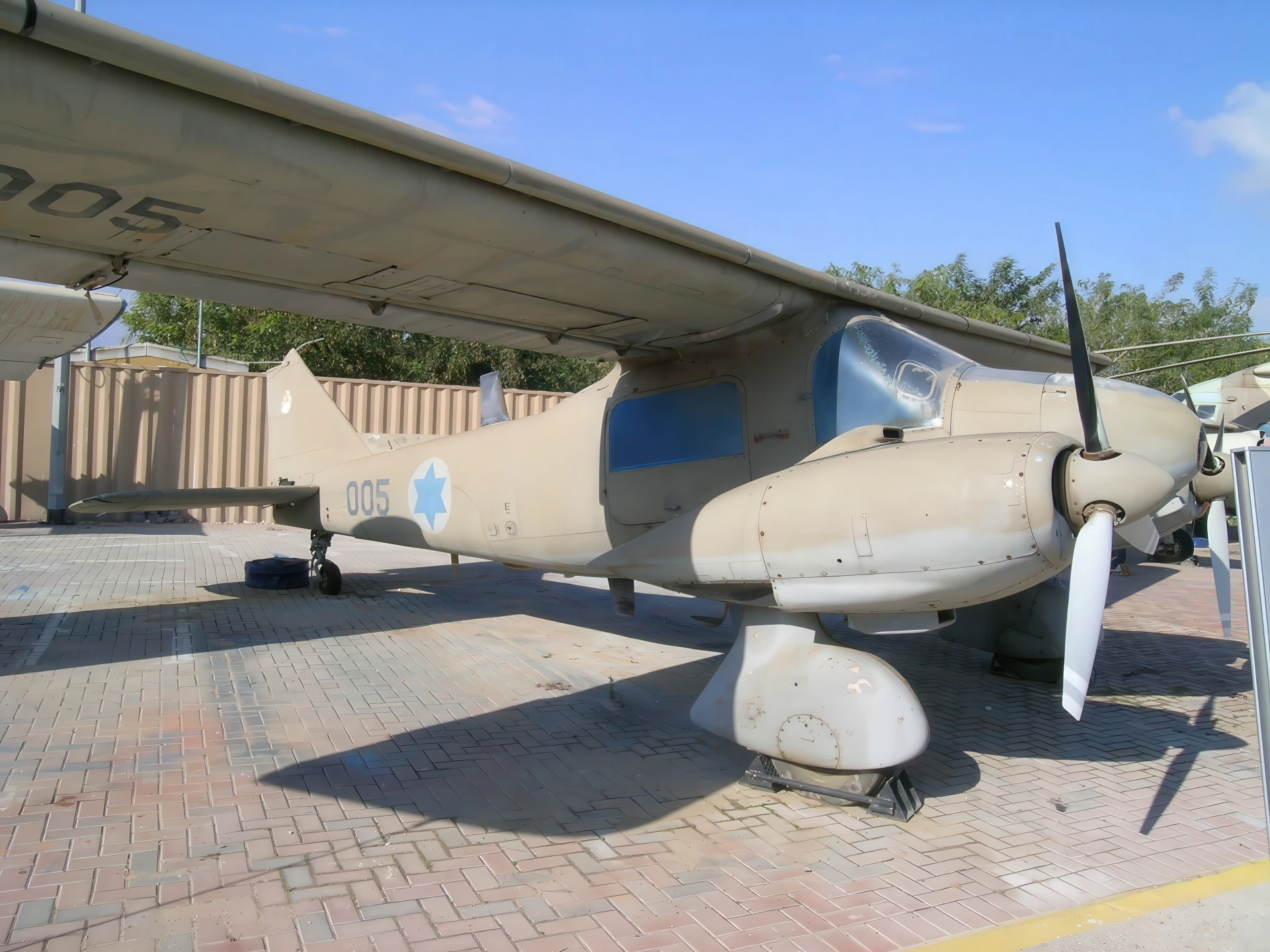
Dornier Do-28 B-1 Skyservant 01
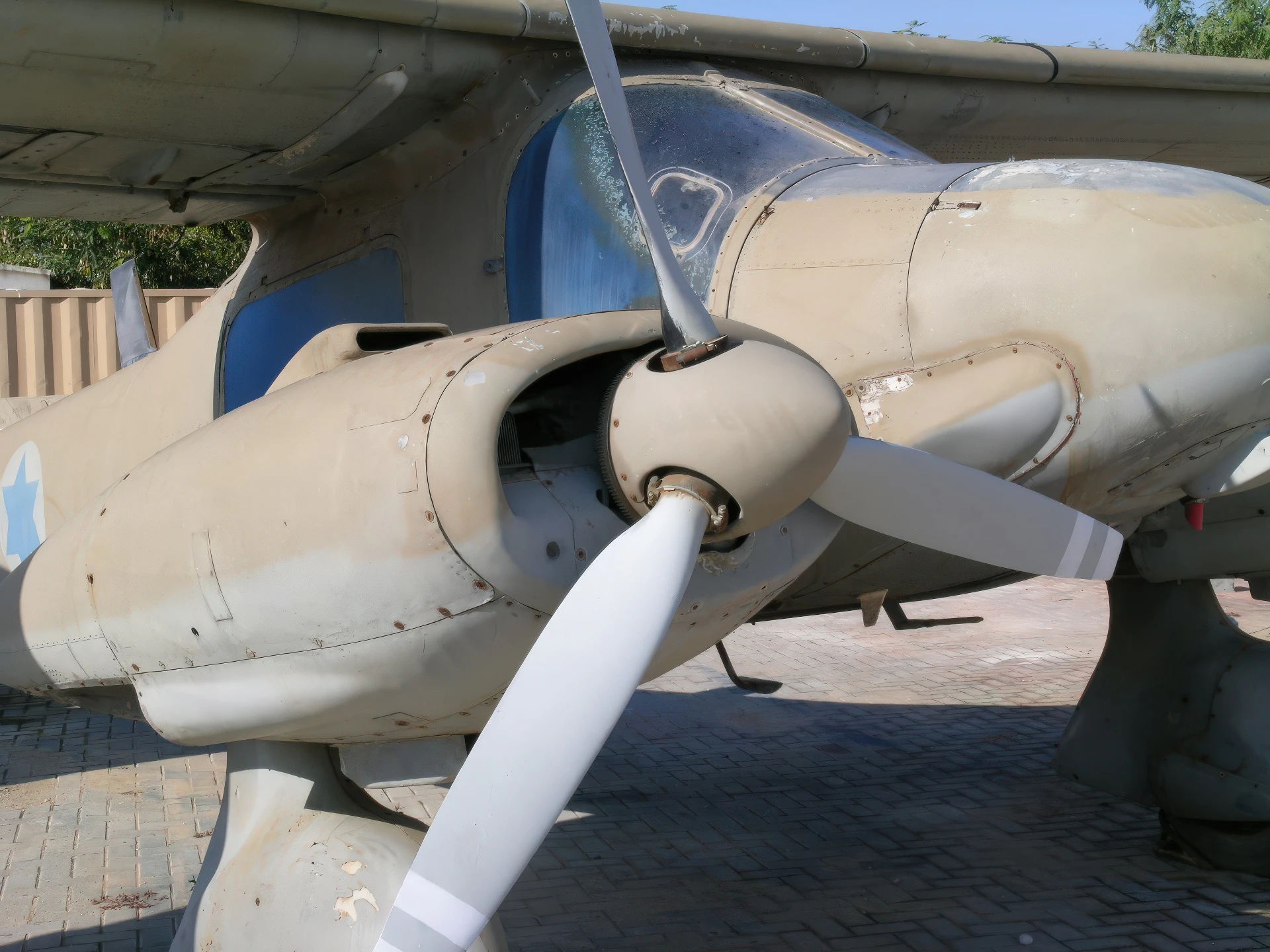
Dornier Do-28 B-1 Skyservant 03
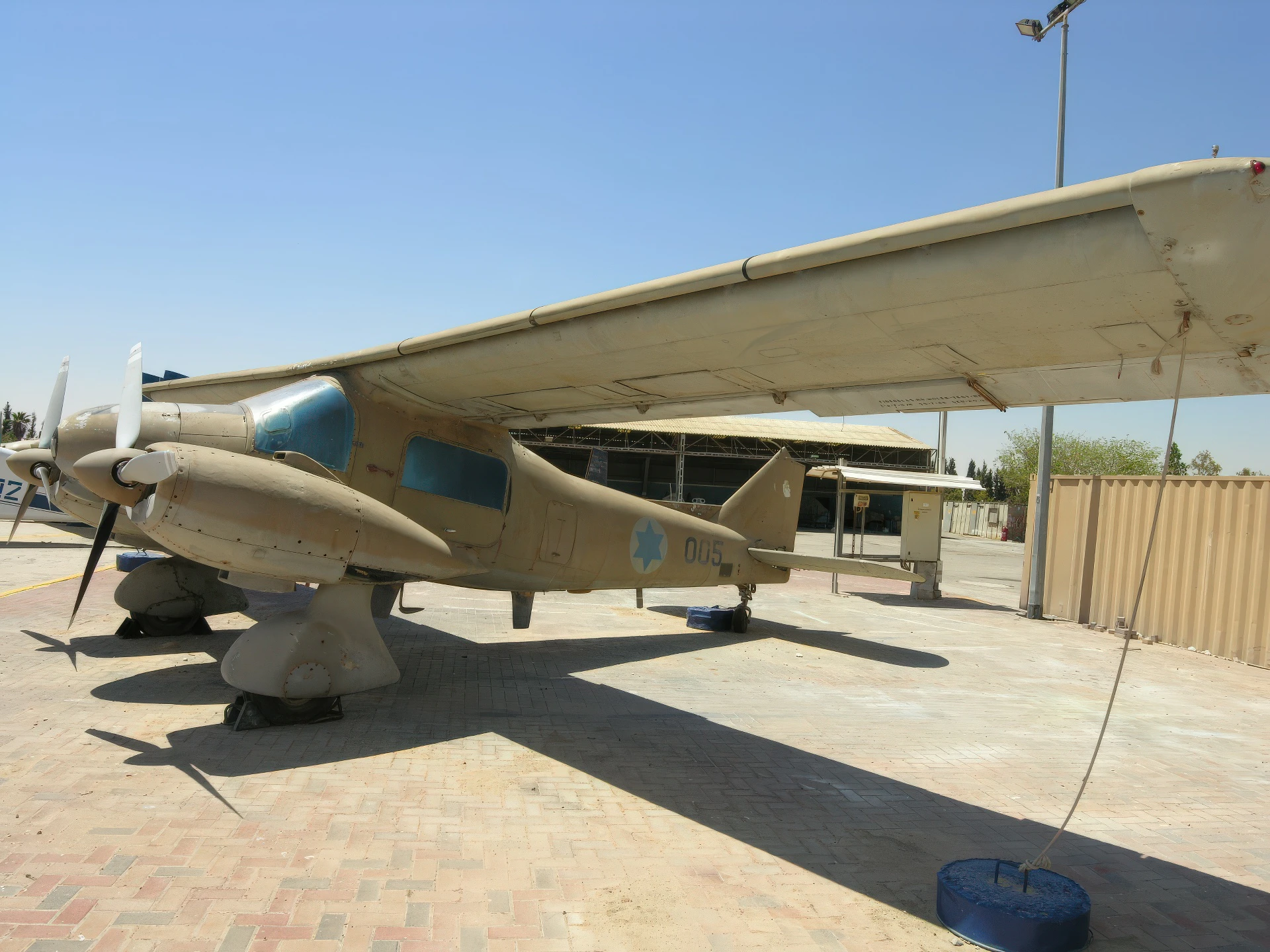
Dornier Do-28 B-1 Skyservant 04
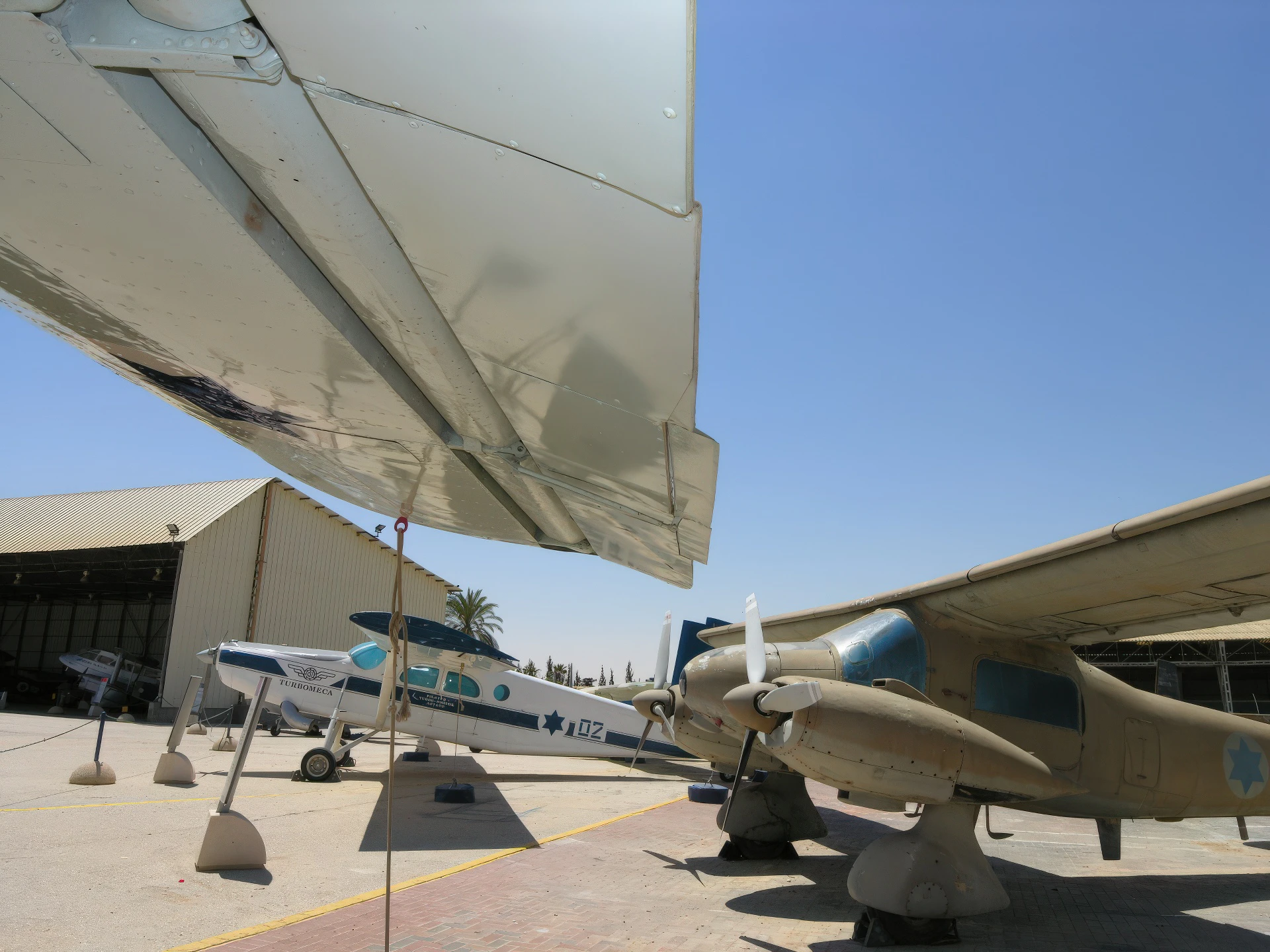
Dornier Do-28 B-1 Skyservant 05
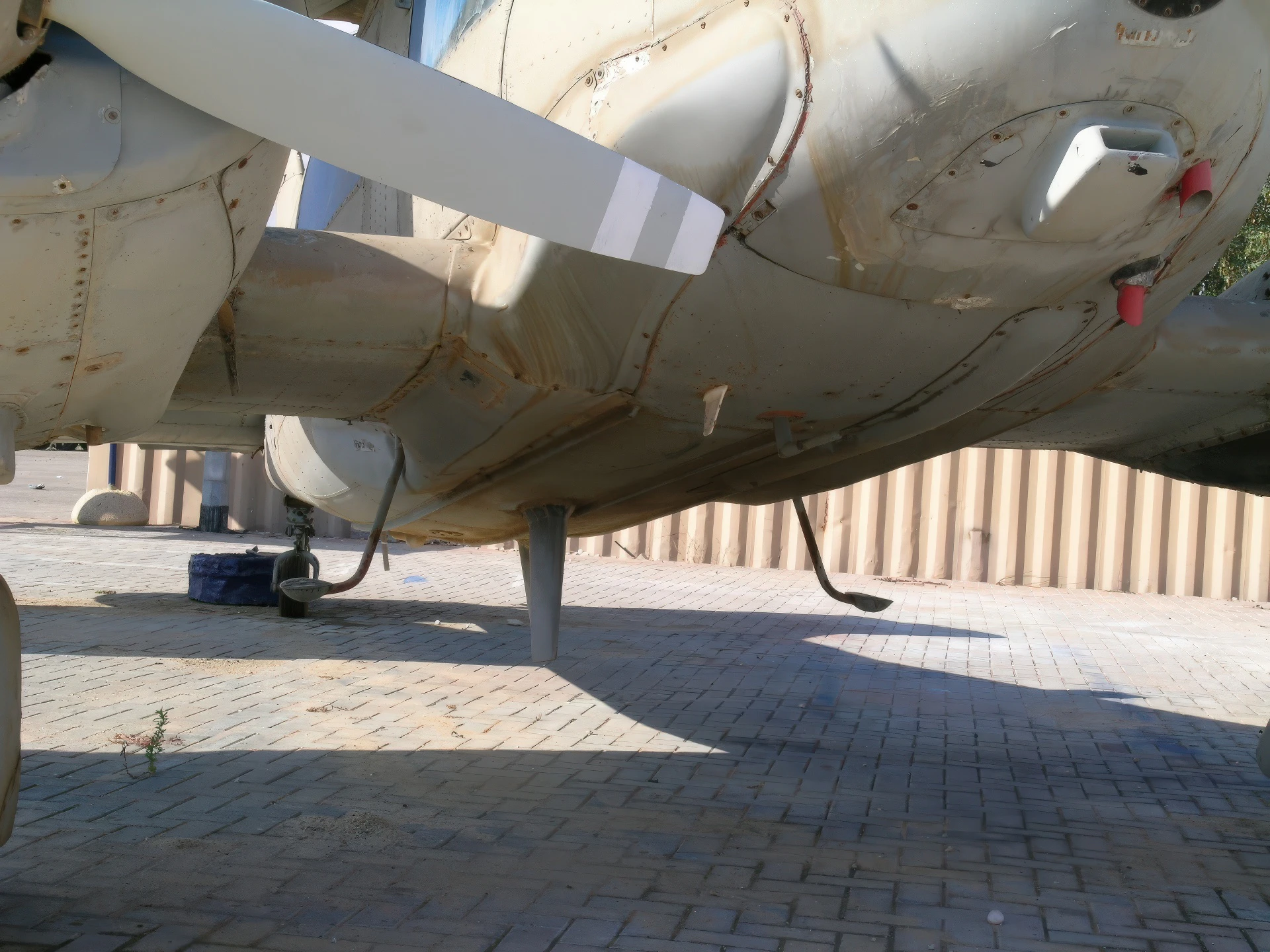
Dornier Do-28 B-1 Skyservant 06
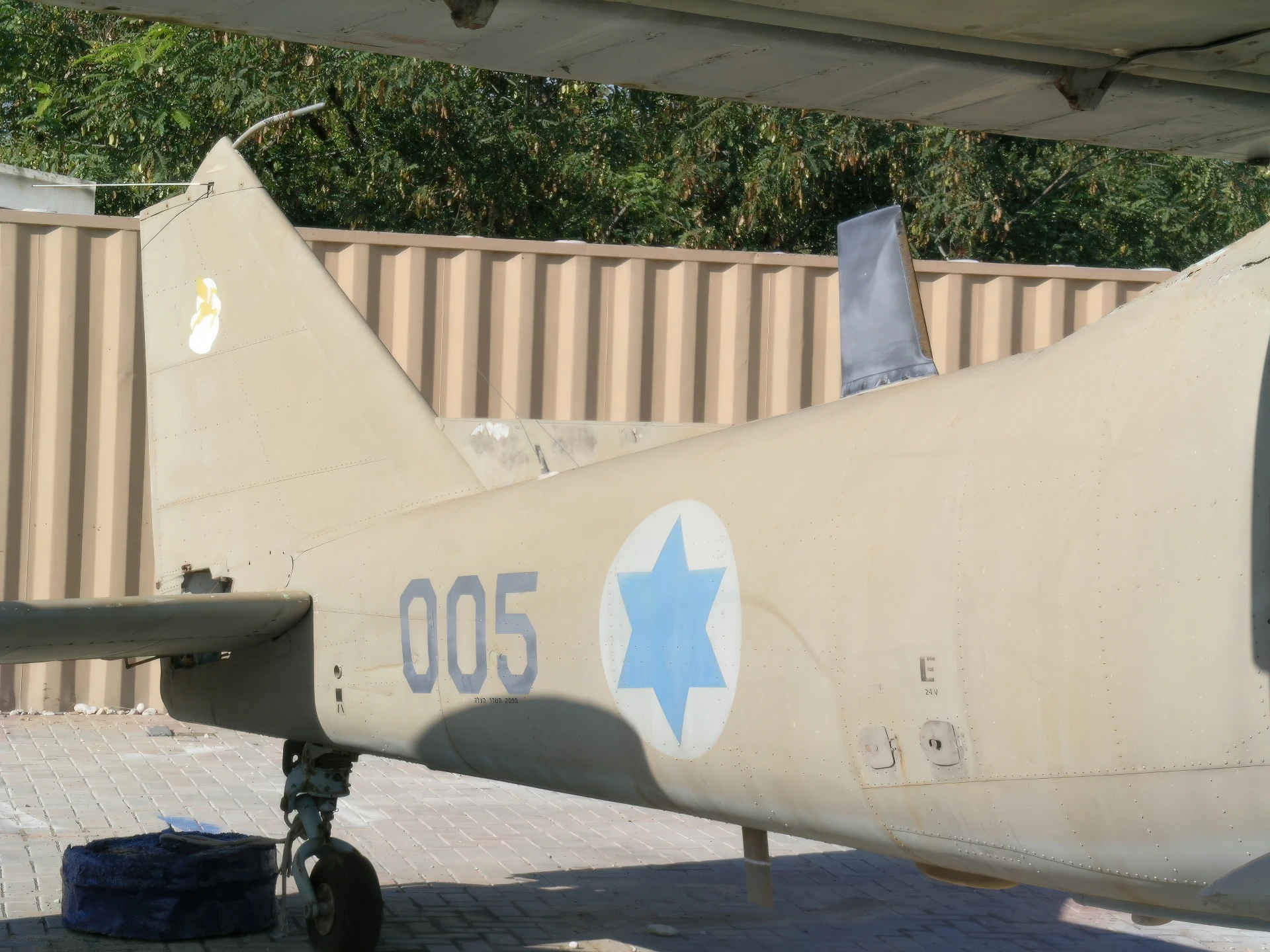
Dornier Do-28 B-1 Skyservant 07
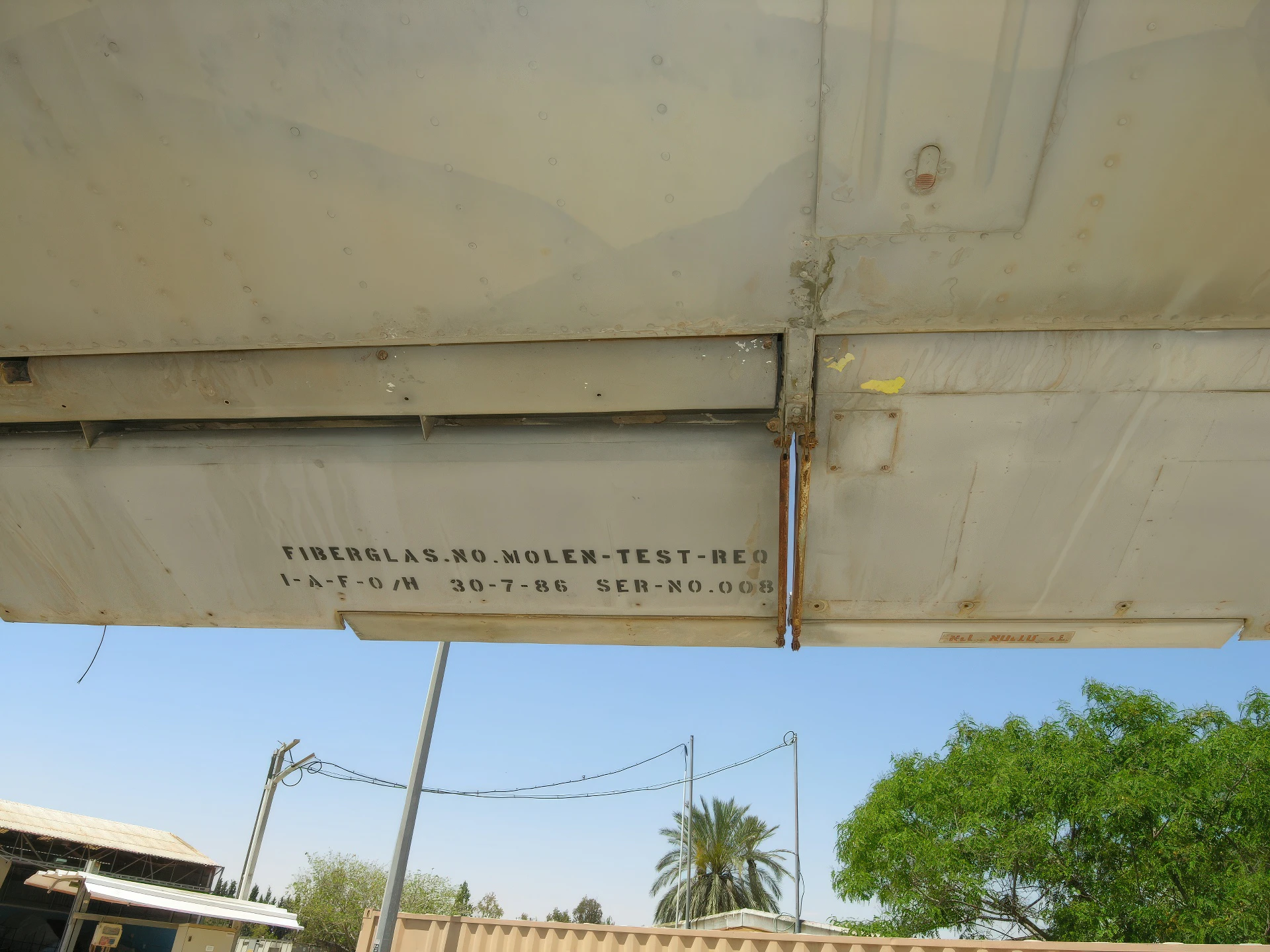
Dornier Do-28 B-1 Skyservant 08
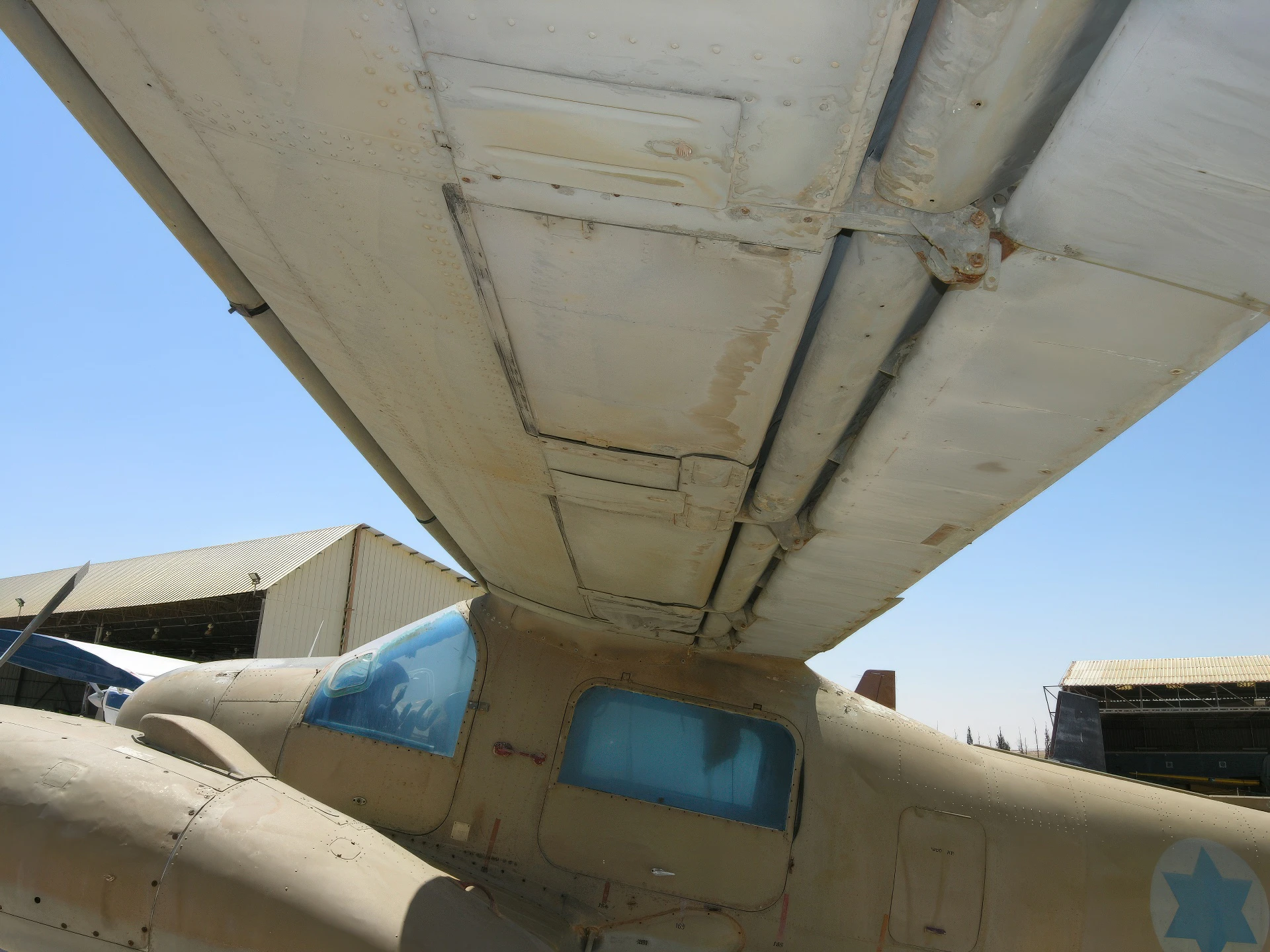
Dornier Do-28 B-1 Skyservant 09
Čekání, hledání Dornier Do-28 pro vás...

 Kupte mi kávu
Viz také:


A Tale of Two Aircraft
Tá Dornier Do 28 family is unique because the name covers two distinct airframes. The Do 28 A/B series was a direct twin-engine evolution of the high-wing Do 27. However, the Do 28 D Skyservant (which includes the B-1 variant in some nomenclature contexts, though typically B-1 refers to the streamlined earlier model) was a total redesign. The Skyservant became the definitive version: a boxy, rugged “flying truck” designed for Short Take-Off and Landing (STOL) operations. It was so reliable that German pilots affectionately nicknamed it the “Bauernadler” (Farmer’s Eagle).
| Attribute | Specification (Dornier Do 28 B-1 / D-2 Series) |
|---|---|
| Roli | STOL Utility / Transport / Liaison |
| Posádky | 1 or 2 Pilots |
| Kapacita | Up to 12 Passengers / 2 Stretchers + Medics |
| Pohonná jednotka | 2 x Lycoming IGSO-540-A1E fuel-injected engines |
| Horsepower | 290 hp (B-1) to 380 hp (D-2) per engine |
| Maximum Speed | 320 km/h (173 knots / 199 mph) |
| Stall Speed | 70 km/h (38 knots / 44 mph) — Exceptional for its size |
| Rozmezí | 1,235 km (approx. 767 miles) |
Design and STOL Performance
- Unconventional Engine Layout: Unlike most twins, the engines are mounted on short stub-wing pylons attached to the lower fuselage. This keeps the center of gravity low, simplifies maintenance, and provides extra lift from the nacelles.
- High-Lift Devices: The wings feature full-span fixed leading-edge slats and large double-slotted Fowler flaps. This allows the Skyservant to lift off from “jungle strips” as short as 275 meters (900 ft).
- Rugged Landing Gear: The non-retractable tail-wheel undercarriage is built for rough, unprepared fields. The main gear struts are faired into the engine nacelle pylons for structural efficiency.
- The “Box” Fuselage: The Skyservant D-series moved to a rectangular cross-section, allowing for a flat floor and massive double doors on the port side, making it easy to load standard cargo pallets or oil drums.
Military and Special Roles
- German Military Service: The Luftwaffe and Marineflieger operated over 120 units for liaison, transport, and even maritime pollution control (equipped with Side-Looking Airborne Radar).
- The Israeli “Agur”: The Israeli Air Force used the Do 28 (naming it Agur, or Crane) extensively during the Yom Kippur War for light transport and reconnaissance.
- Air America: Small numbers of Do 28s were operated by the CIA-linked Air America in Southeast Asia, where their STOL performance allowed them to land at secretive, primitive “Lima Sites” in the mountains of Laos.
- Evolution into Turboprop: The airframe was so successful that it eventually evolved into the Dornier 128 and the much larger, highly popular Dornier 228.
Zobrazení : 287
Můžete také vidět:
 Grumman G-44 Widgeon - Fotografie & videa
 Douglas B-23 Dragon – Fotografie a videa
 Beechcraft Model 17 – Fotografie a videa
 Lockheed YO-3 - Fotografie & Video
 Dornier Do-27 – Fotografie & Video
 Dornier Do-228 – Fotografie & Video
 Dornier Do-24 – Fotografie & Video
 Dornier Do.335 – Fotografie & Video
 Dornier Do 31E3 – Fotografie & Video
 Dassault / Dornier Alpha Jet – WalkAround