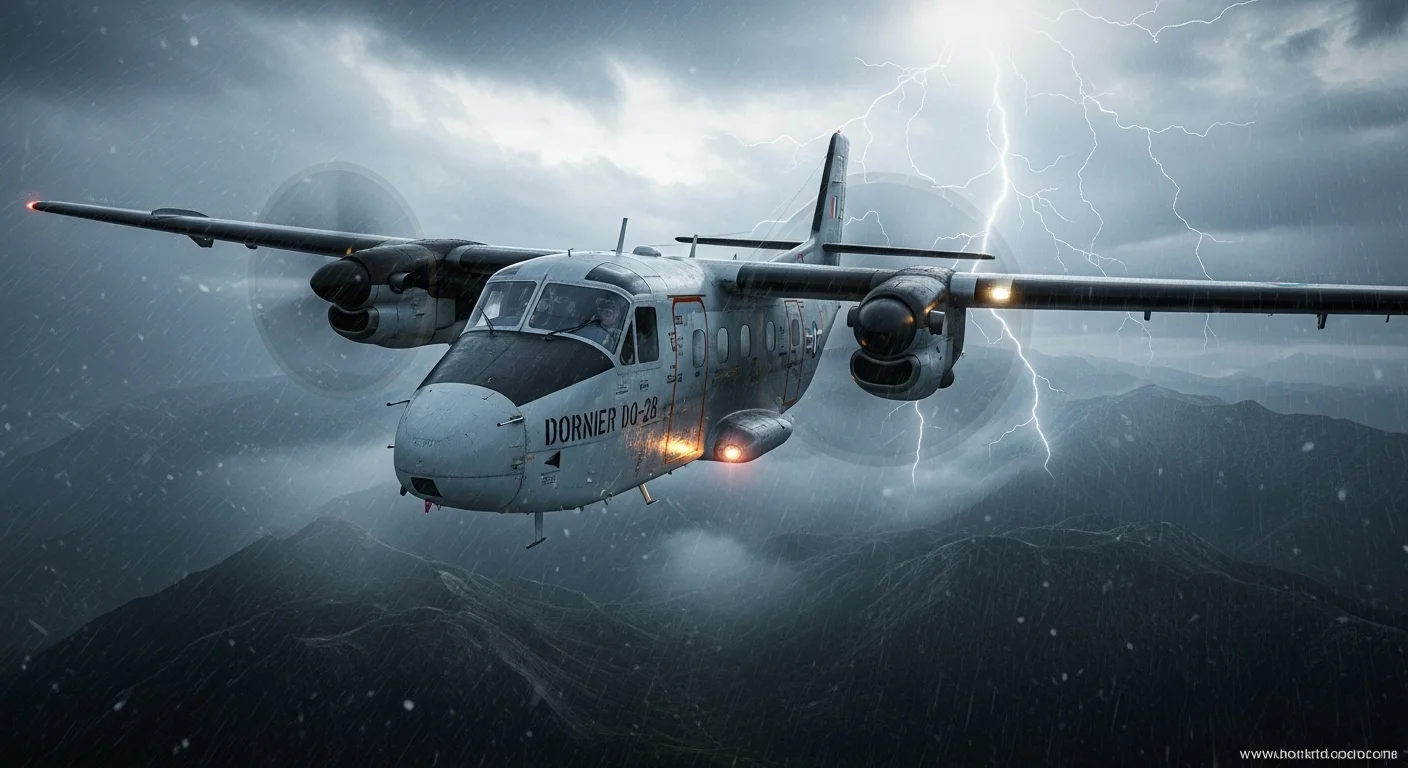
Dornier Do-28 | |
|---|---|
| Land | Duitsland |
| Role | STOL licht nutsvliegtuigen |
| Eerste vlucht | 29 April 1959 |
| Gebouwd | Onbewust |
Dornier Do 28
is a type designation that comprises two different twin-engine STOL utility aircraft, manufactured by German company Dornier Flugzeugbau GmbH. Most of them served with the German Air Force and Marineflieger and other air forces around the world in the communications and utility role. The Do 28 series consists of the fundamentally different Do 28 A/B (1959) and Do 28 D Skyservant (1966).| Dornier Do-28 B-1 Skyservant Rond te Lopen | |
|---|---|
| Fotograaf | Isaac Gershman |
| Lokalisatie | Onbewust |
| Foto 's | 24 |
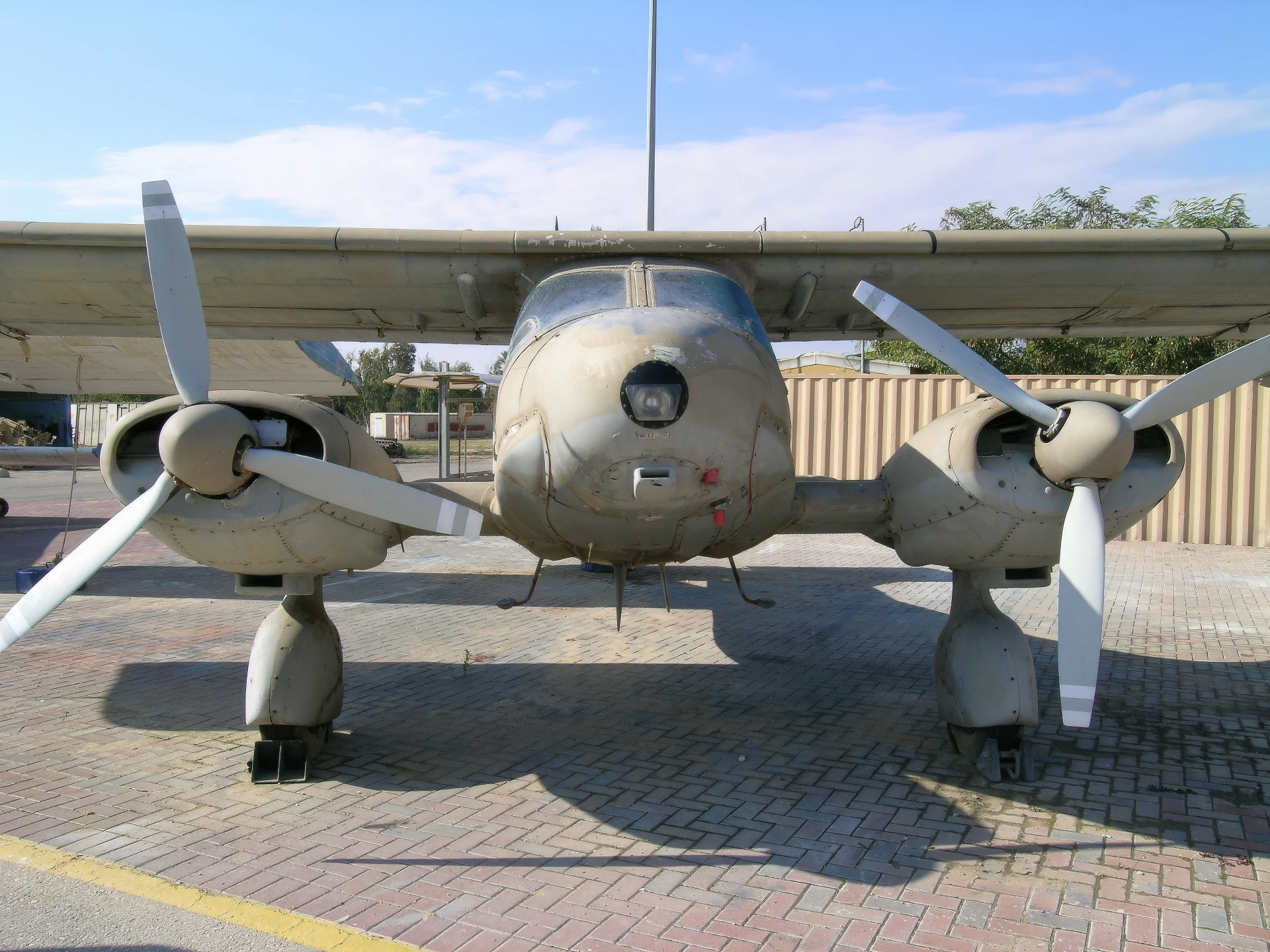
Dornier Do-28 B-1 Skyservant 02
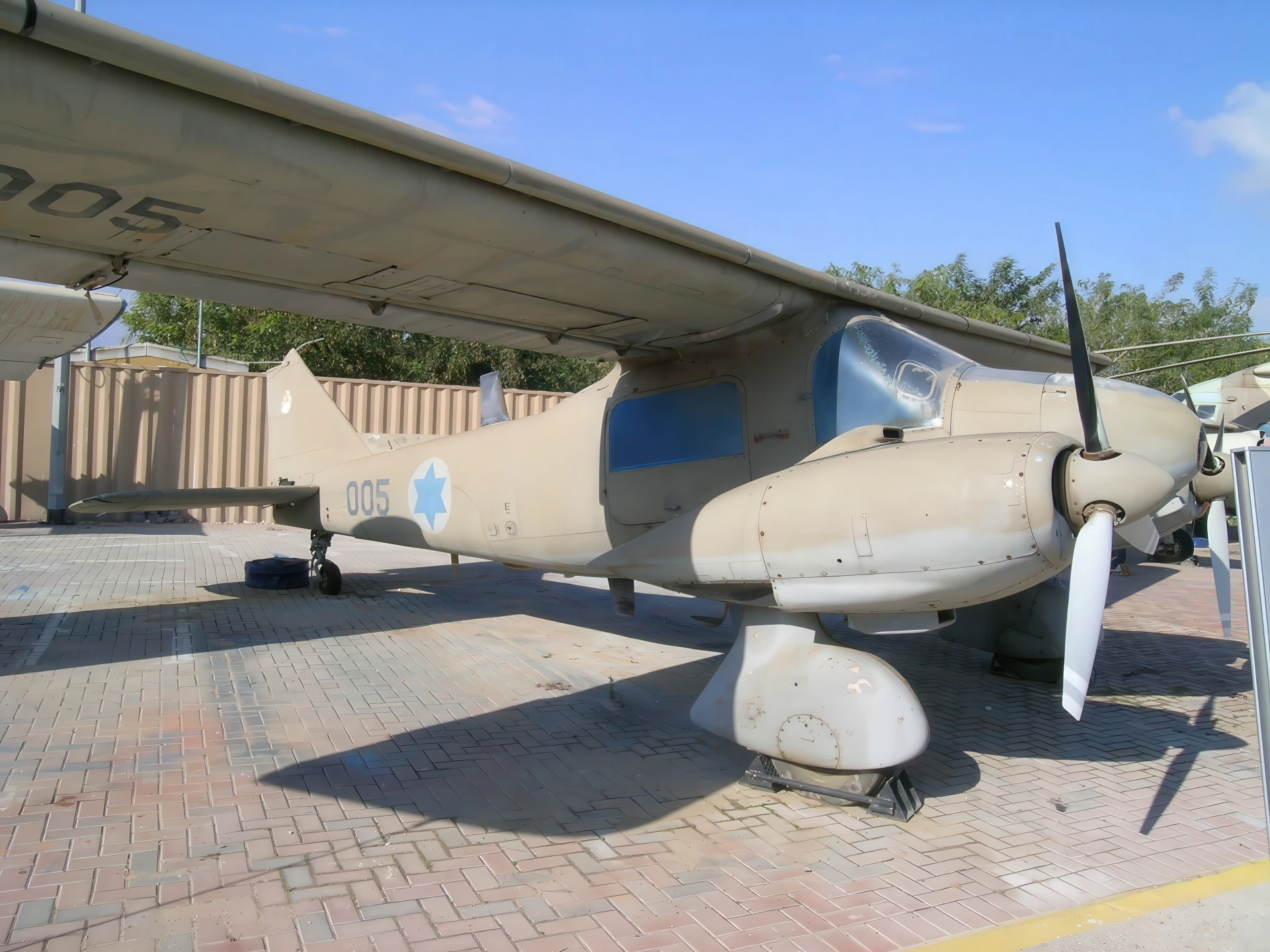
Dornier Do-28 B-1 Skyservant 01
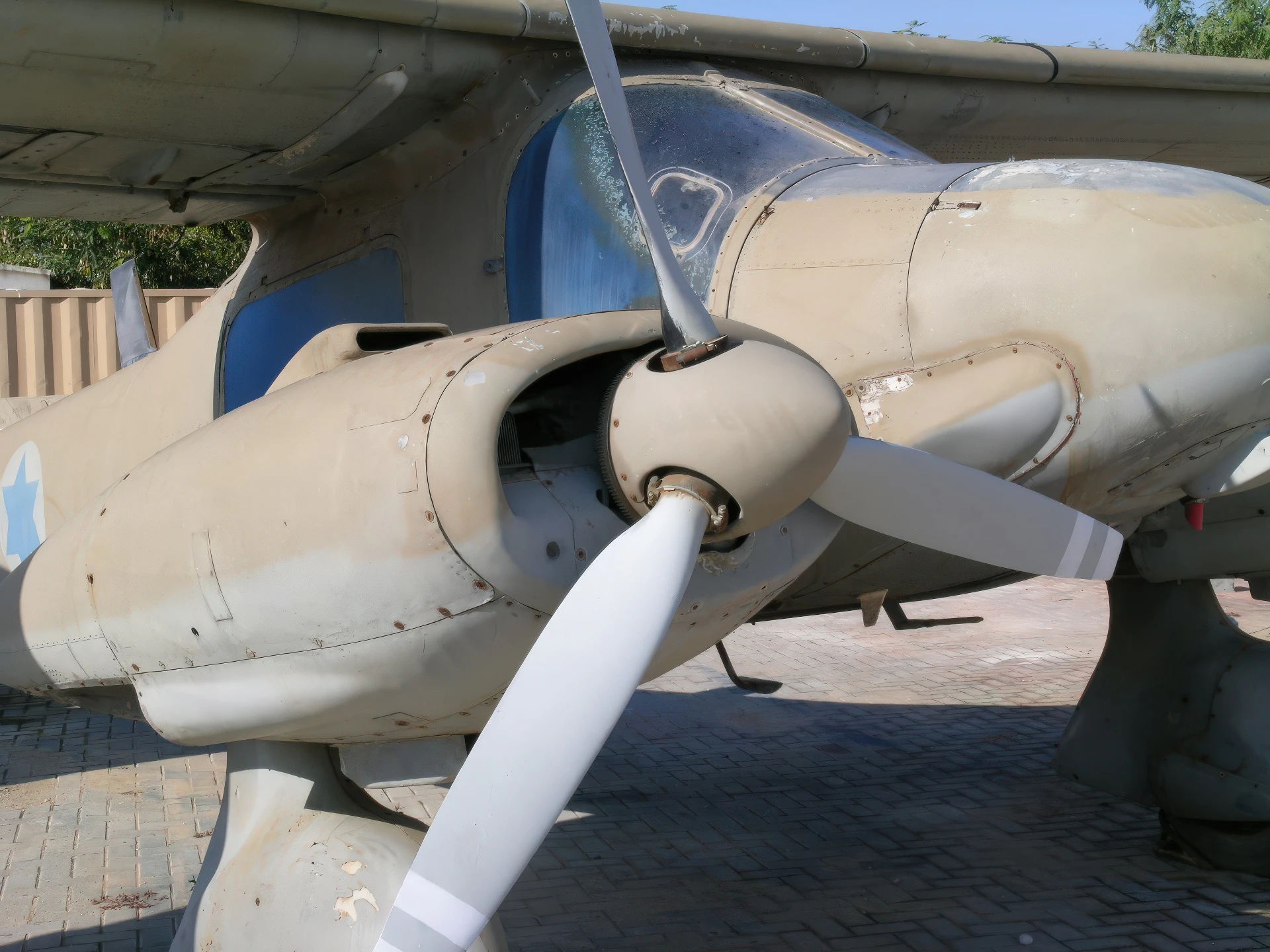
Dornier Do-28 B-1 Skyservant 03
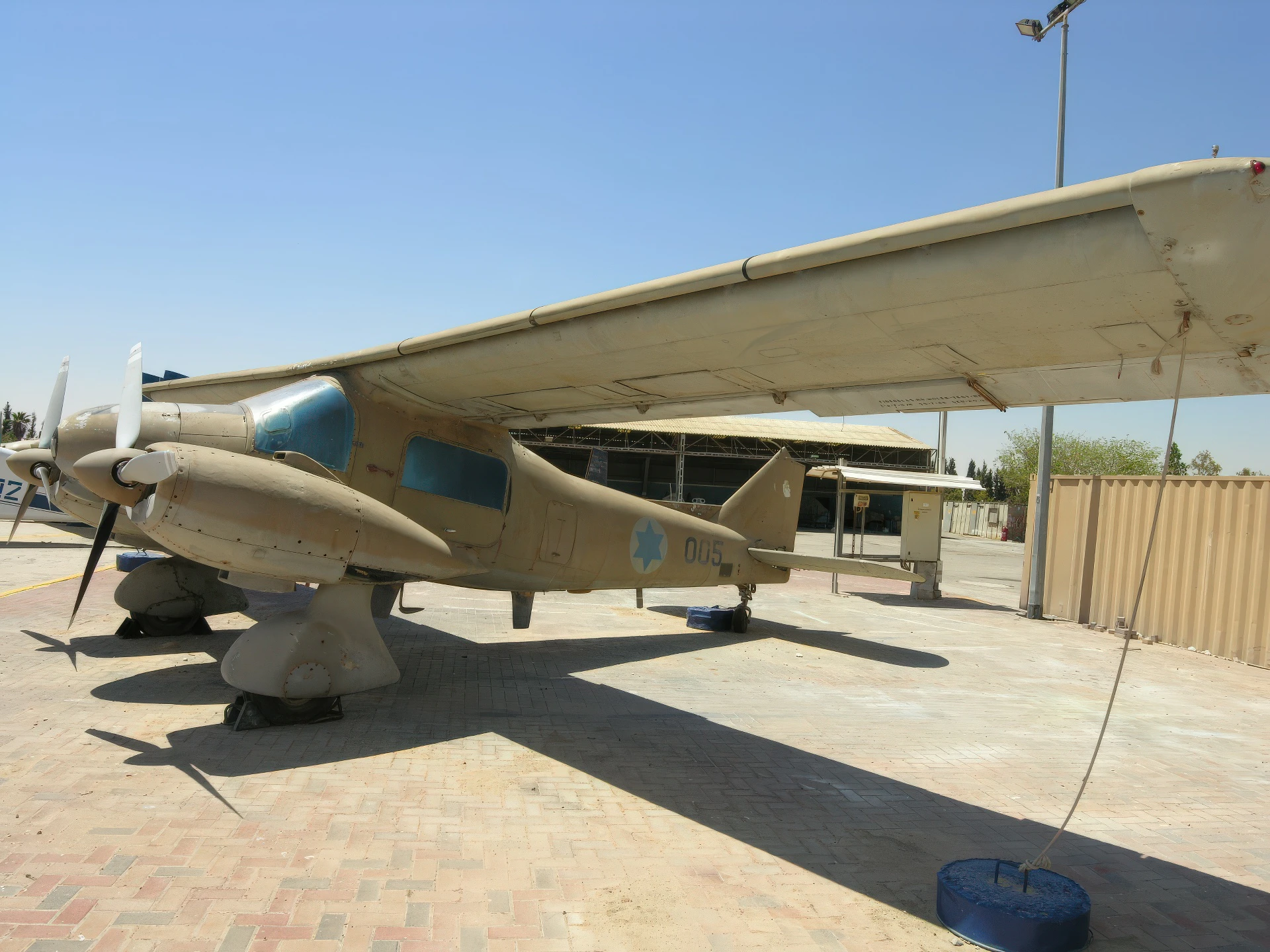
Dornier Do-28 B-1 Skyservant 04
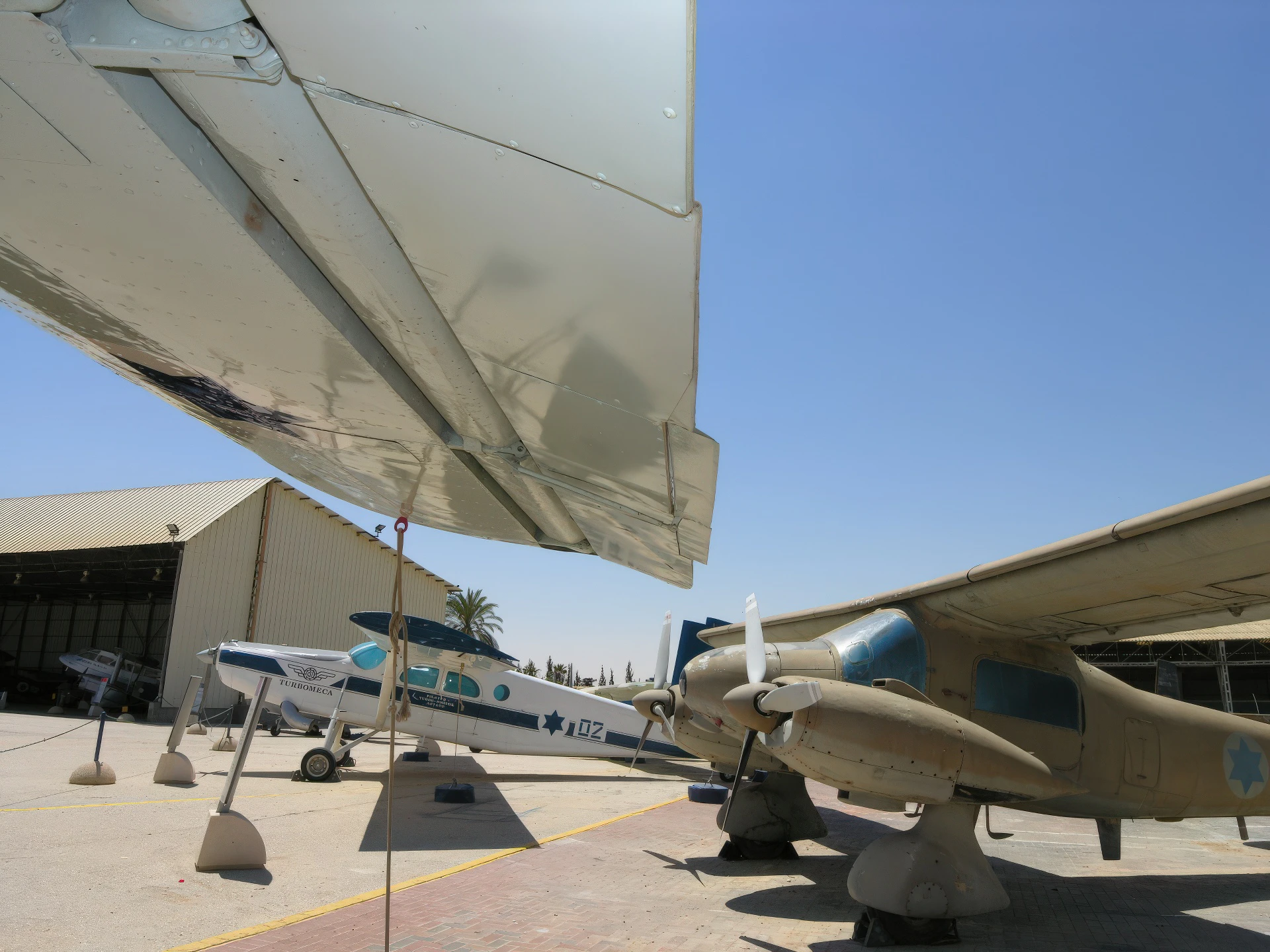
Dornier Do-28 B-1 Skyservant 05
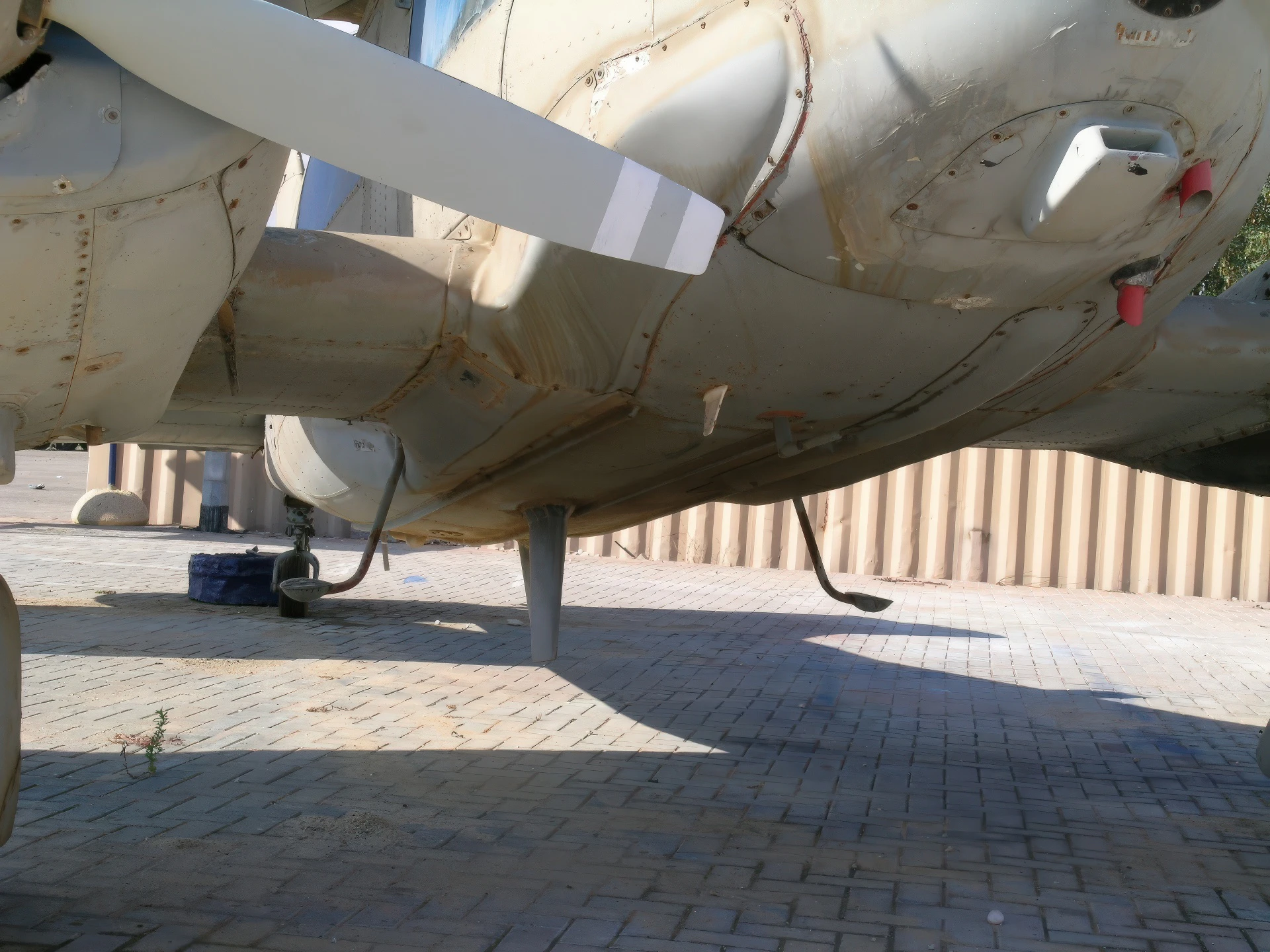
Dornier Do-28 B-1 Skyservant 06
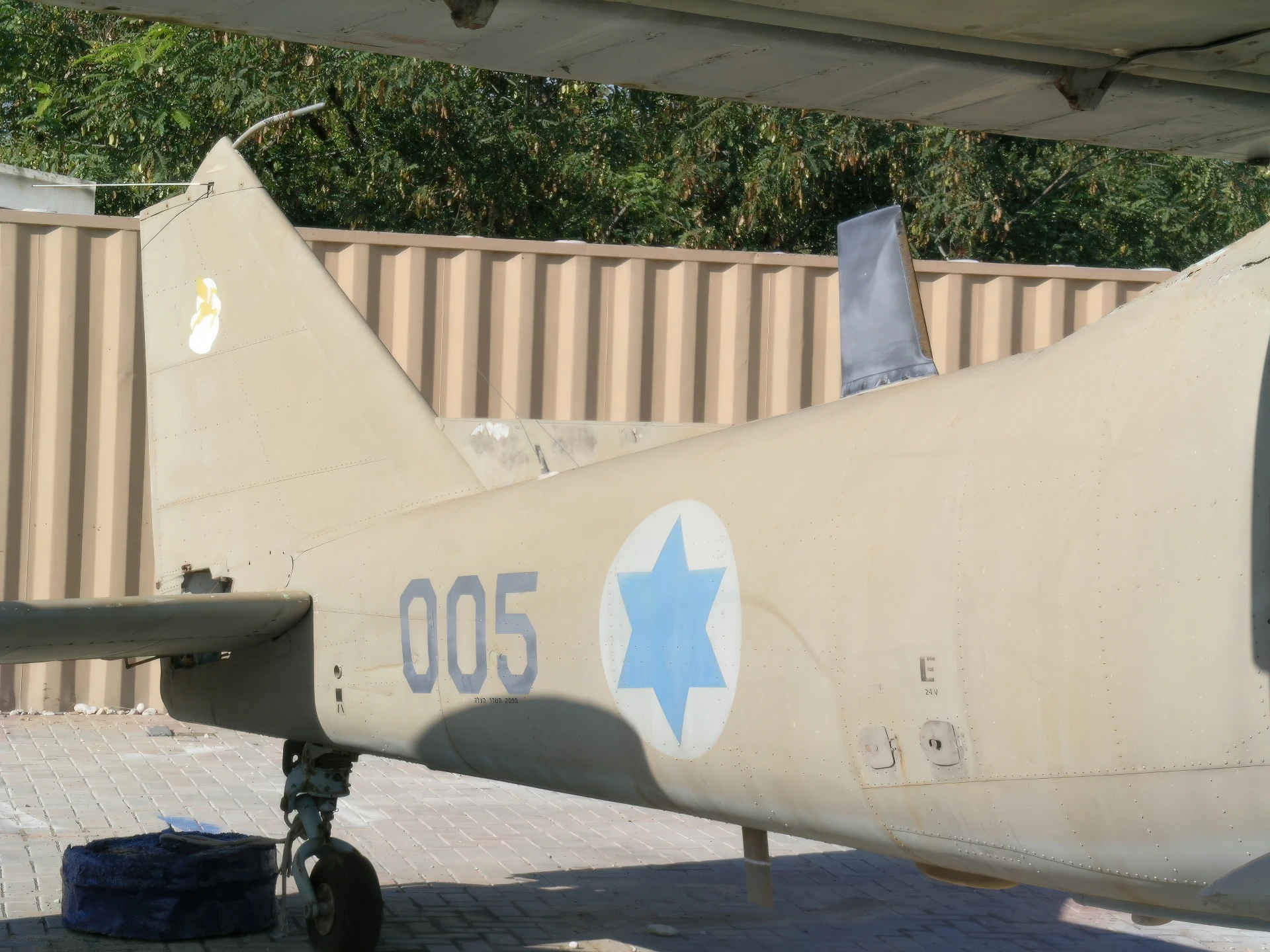
Dornier Do-28 B-1 Skyservant 07
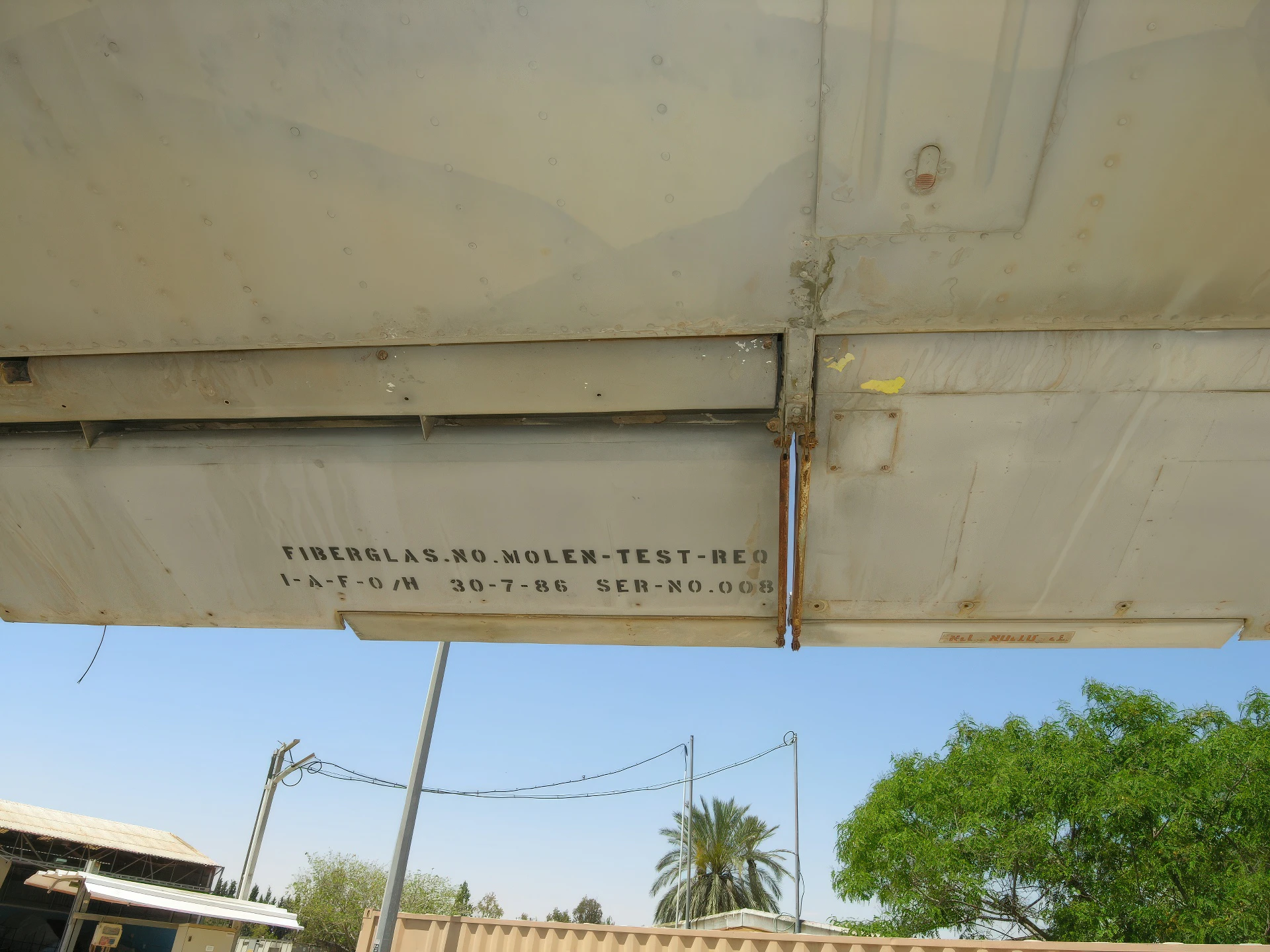
Dornier Do-28 B-1 Skyservant 08
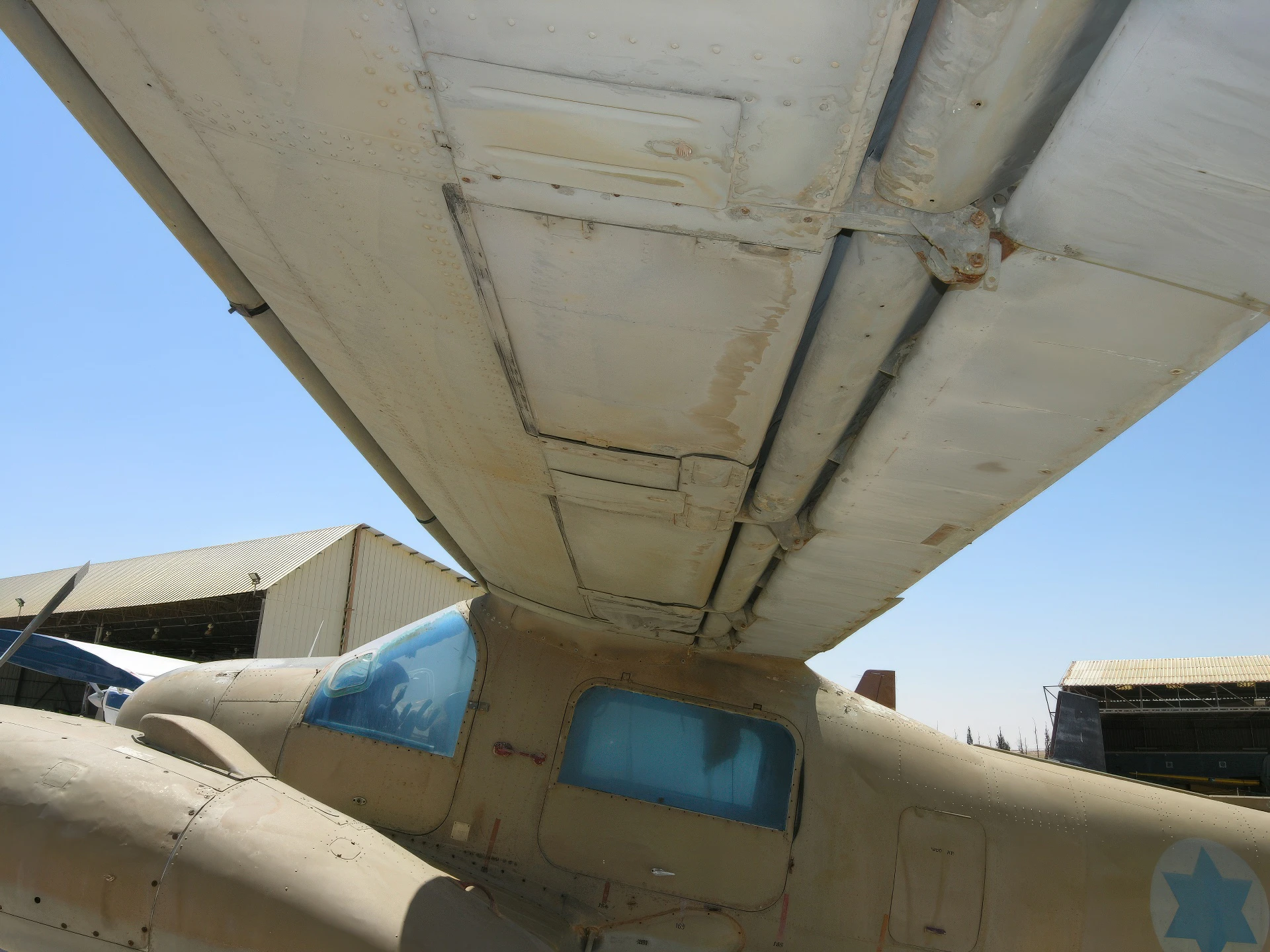
Dornier Do-28 B-1 Skyservant 09
Wait, Searching Dornier Do-28 for you…

 Koop een koffie voor mij
Zie ook:


A Tale of Two Aircraft
De Dornier Do 28 family is unique because the name covers two distinct airframes. The Do 28 A/B series was a direct twin-engine evolution of the high-wing Do 27. However, the Do 28 D Skyservant (which includes the B-1 variant in some nomenclature contexts, though typically B-1 refers to the streamlined earlier model) was a total redesign. The Skyservant became the definitive version: a boxy, rugged “flying truck” designed for Short Take-Off and Landing (STOL) operations. It was so reliable that German pilots affectionately nicknamed it the “Bauernadler” (Farmer’s Eagle).
| Attribute | Specification (Dornier Do 28 B-1 / D-2 Series) |
|---|---|
| Role | STOL Utility / Transport / Liaison |
| Bemanning | 1 or 2 Pilots |
| Capaciteit | Up to 12 Passengers / 2 Stretchers + Medics |
| Krachtbron | 2 x Lycoming IGSO-540-A1E fuel-injected engines |
| Horsepower | 290 hp (B-1) to 380 hp (D-2) per engine |
| Maximum Speed | 320 km/h (173 knots / 199 mph) |
| Stall Speed | 70 km/h (38 knots / 44 mph) — Exceptional for its size |
| Bereik | 1,235 km (approx. 767 miles) |
Design and STOL Performance
- Unconventional Engine Layout: Unlike most twins, the engines are mounted on short stub-wing pylons attached to the lower fuselage. This keeps the center of gravity low, simplifies maintenance, and provides extra lift from the nacelles.
- High-Lift Devices: The wings feature full-span fixed leading-edge slats and large double-slotted Fowler flaps. This allows the Skyservant to lift off from “jungle strips” as short as 275 meters (900 ft).
- Rugged Landing Gear: The non-retractable tail-wheel undercarriage is built for rough, unprepared fields. The main gear struts are faired into the engine nacelle pylons for structural efficiency.
- The “Box” Fuselage: The Skyservant D-series moved to a rectangular cross-section, allowing for a flat floor and massive double doors on the port side, making it easy to load standard cargo pallets or oil drums.
Military and Special Roles
- German Military Service: The Luftwaffe and Marineflieger operated over 120 units for liaison, transport, and even maritime pollution control (equipped with Side-Looking Airborne Radar).
- The Israeli “Agur”: The Israeli Air Force used the Do 28 (naming it Agur, or Crane) extensively during the Yom Kippur War for light transport and reconnaissance.
- Air America: Small numbers of Do 28s were operated by the CIA-linked Air America in Southeast Asia, where their STOL performance allowed them to land at secretive, primitive “Lima Sites” in the mountains of Laos.
- Evolution into Turboprop: The airframe was so successful that it eventually evolved into the Dornier 128 and the much larger, highly popular Dornier 228.
Aantal keer bekeken : 254
U ook zien :
 Grumman G-44 Widgeon – Foto's & Video's
 Douglas B-23 Dragon – Foto's & Video's
 Beechcraft Model 17 – Foto's & Video's
 Lockheed YO-3 – Foto's & Video
 Dornier Do-27 – Foto's & Video
 Dornier Do-228 – Foto's &Video
 Dornier Do-24 – Foto's &Video
 Dornier Do.335 – Foto's &Video
 Dornier Do 31E3 – Foto's & Video
 Dassault / Dornier Alpha Jet – WalkAround