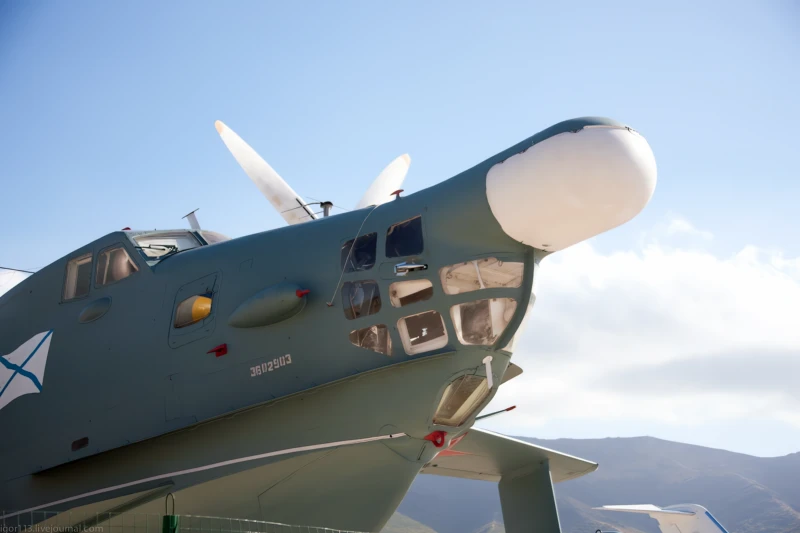
Be-12P | |
|---|---|
| Země | Sovětský svaz |
| Typ | Námořní hlídková letadla |
| Období | 1960-nyní |
| Postaven | 143 |
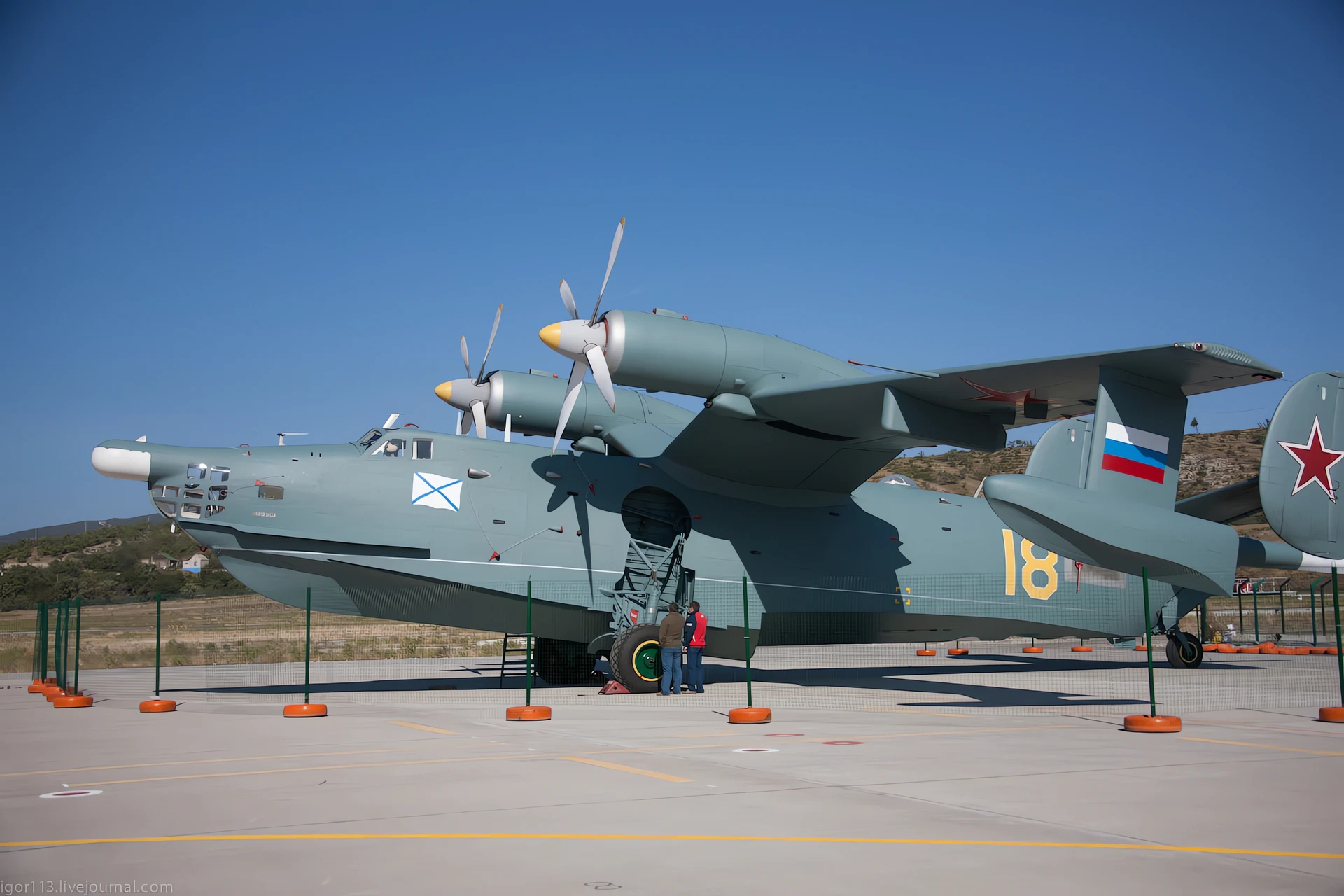
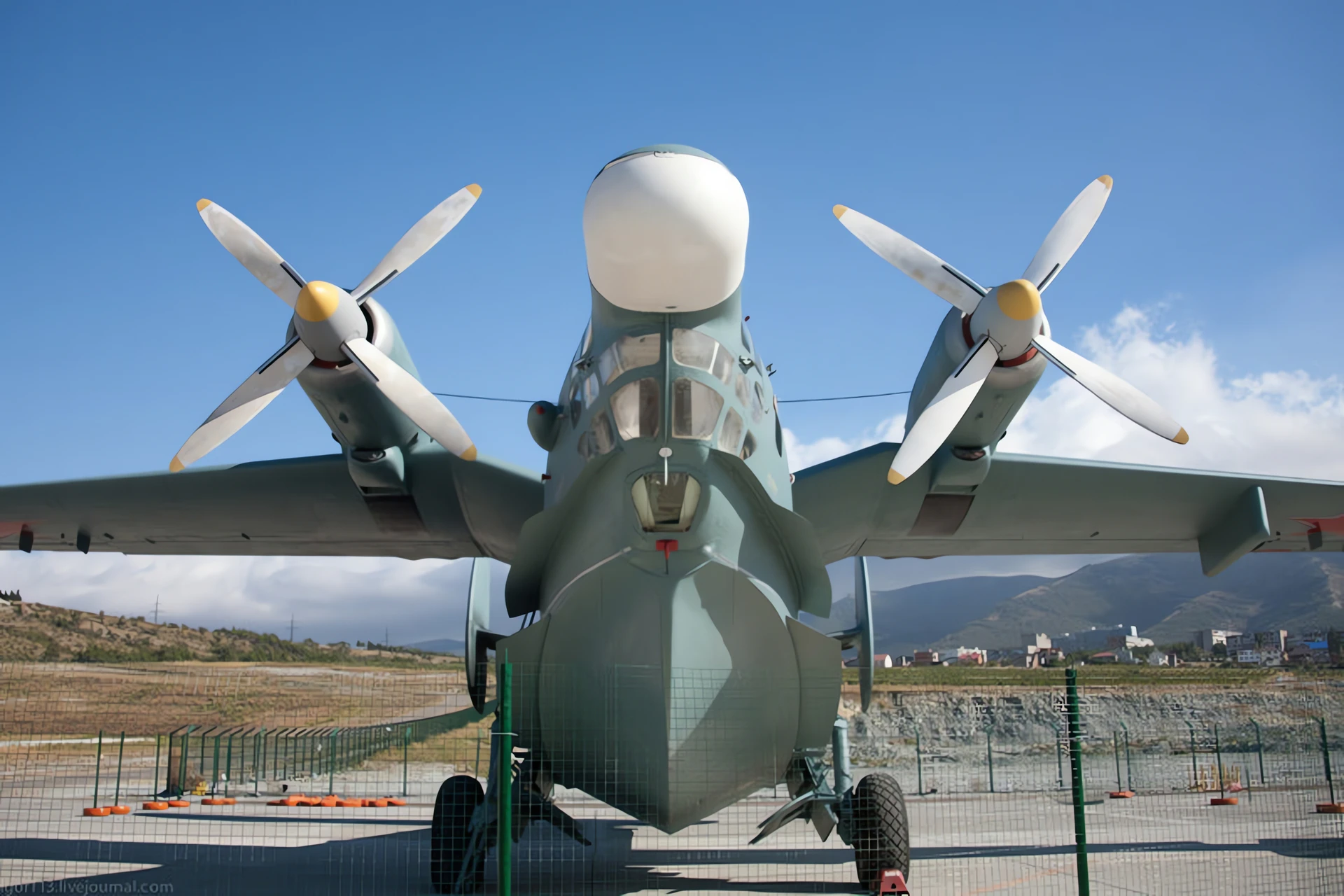
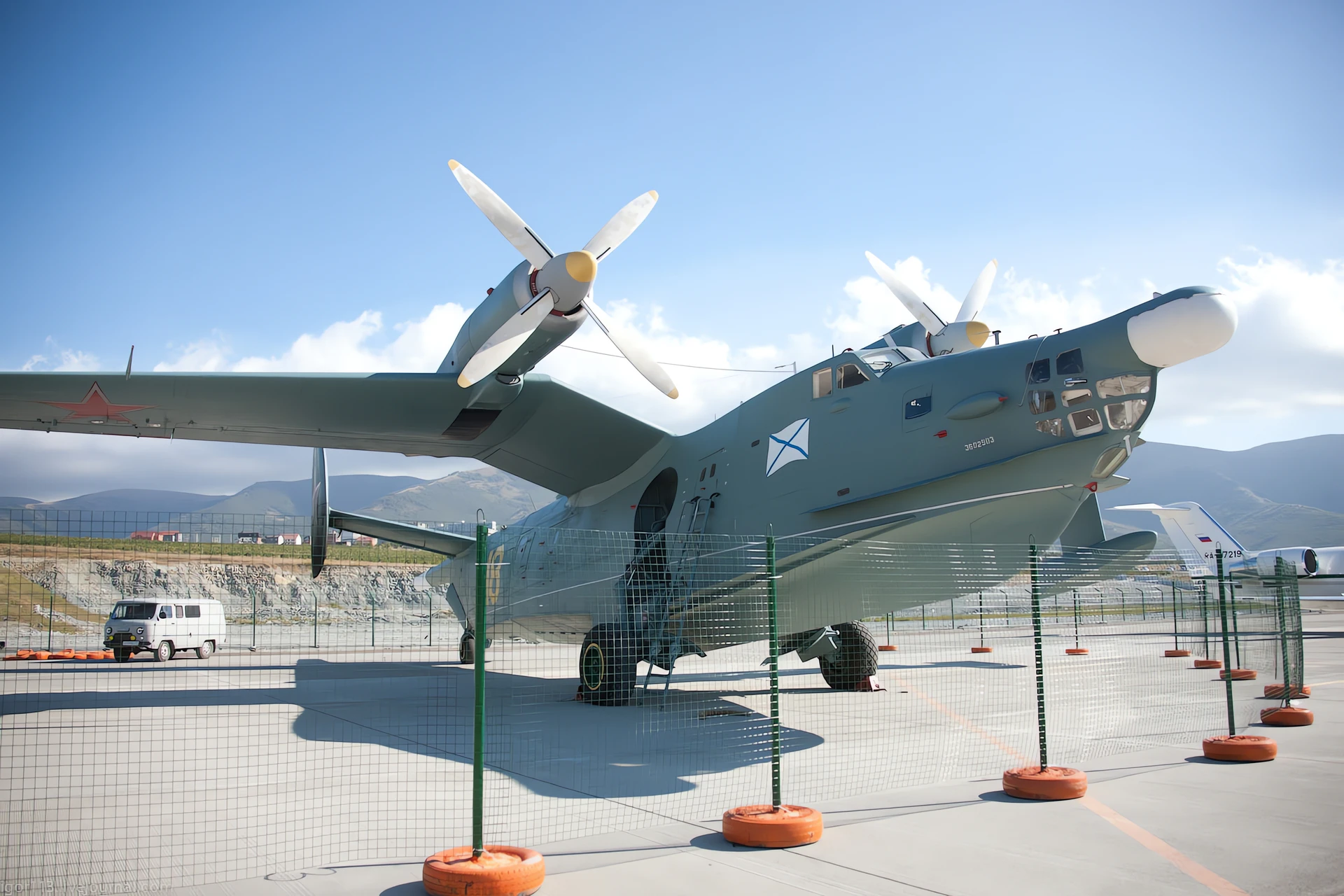
Tá Beriev Be-12 Chayka (“Seagull”, NATO reporting name: Mail) is a Soviet turboprop-powered amphibious aircraft designed for anti-submarine and maritime patrol duties. The Beriev Be-12 was a successor to the Beriev Be-6 flying boat, whose primary roles were as an anti-submarine and maritime patrol bomber aircraft. Though tracing its origins to the Be-6, the Be-12 inherited little more than the gull wing and twin oval tailfin configuration of the older aircraft. The Be-12 had turboprop engines, which gave it an improved speed and range over the Be-6. The Be-12 also had retractable landing gear, which enabled it to land on normal land runways, as well as water.
Zdroj: Be-12 na Wiki
| Beriev Be-12 Procházka Kolem | |
|---|---|
| Fotograf | Neznámé |
| Lokalizace | Neznámé |
| Fotografie | 30 |
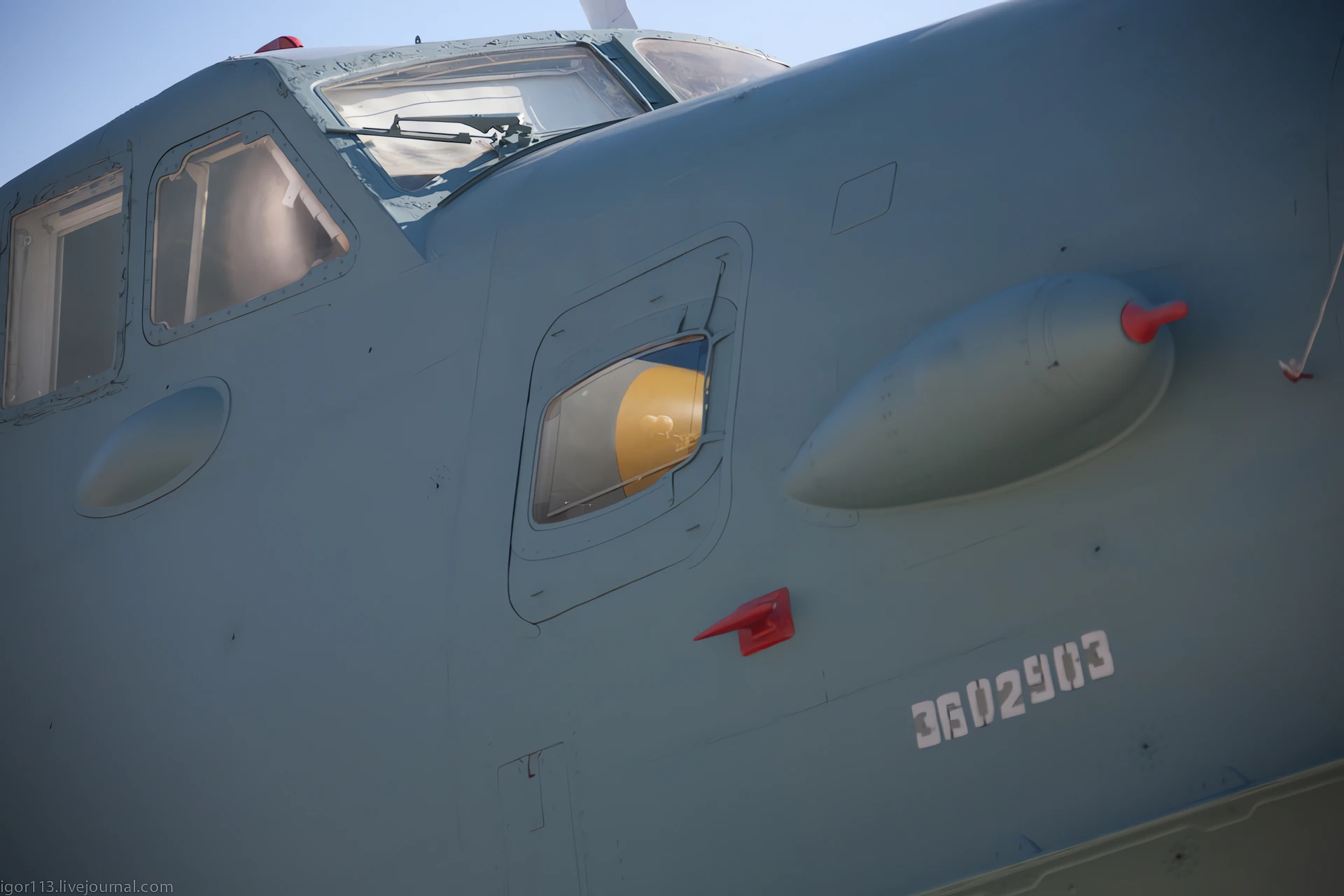
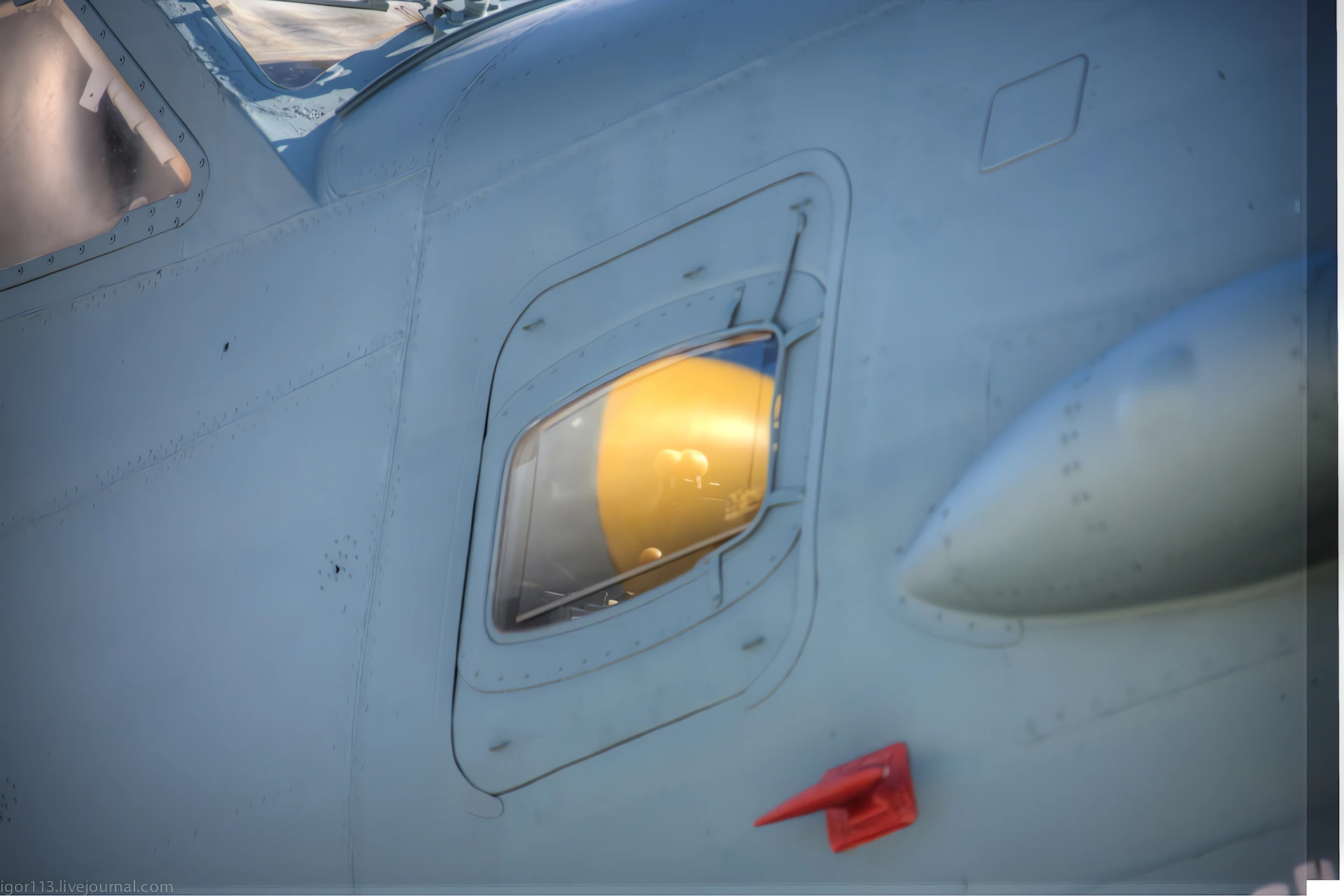

| Be-12 (plná verze) Procházka Kolem | |
|---|---|
| Fotograf | Neznámé |
| Lokalizace | Neznámé |
| Fotografie | 81 |
| Beriev Be-12 Chaika Walk Around | |
|---|---|
| Fotograf | Vladimir Jakubov |
| Lokalizace | Muzeum ruského letectva |
| Fotografie | 70 |
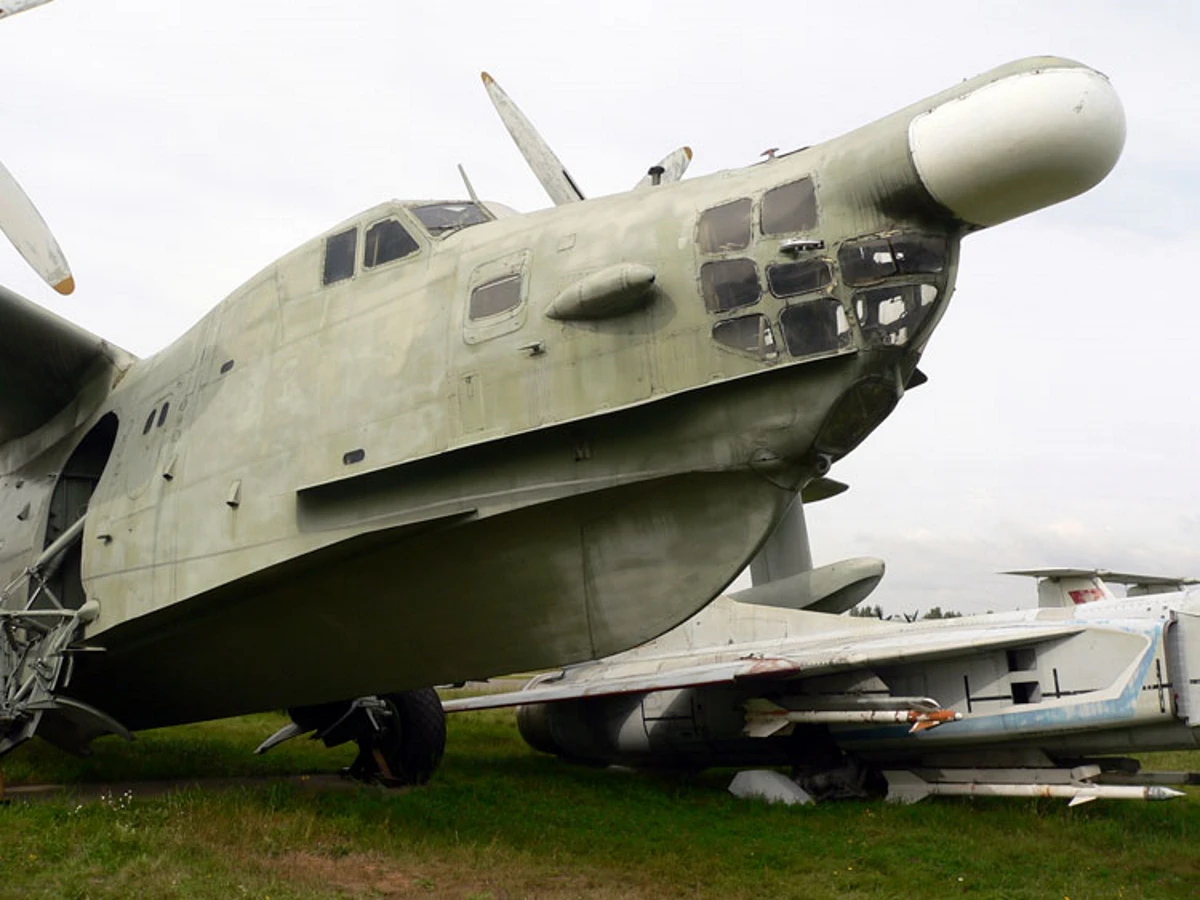
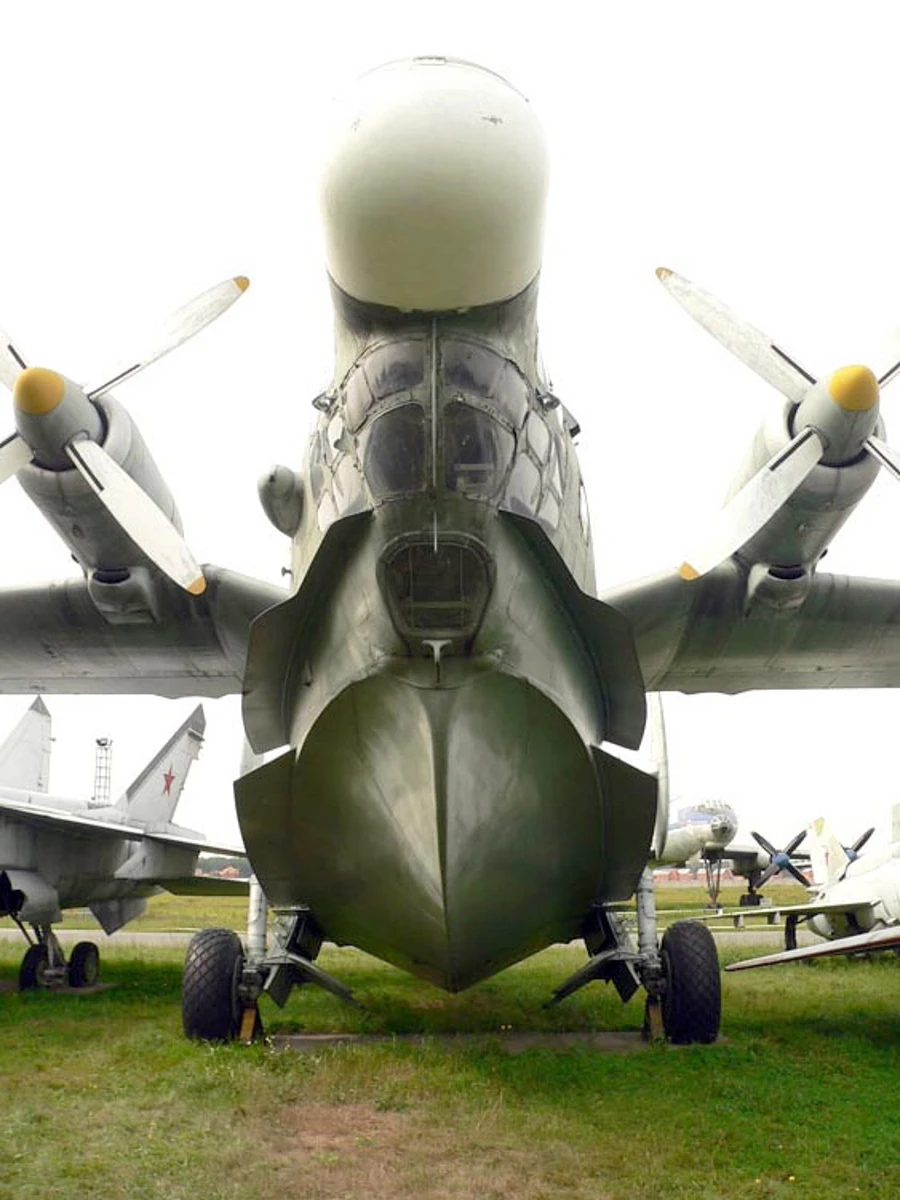
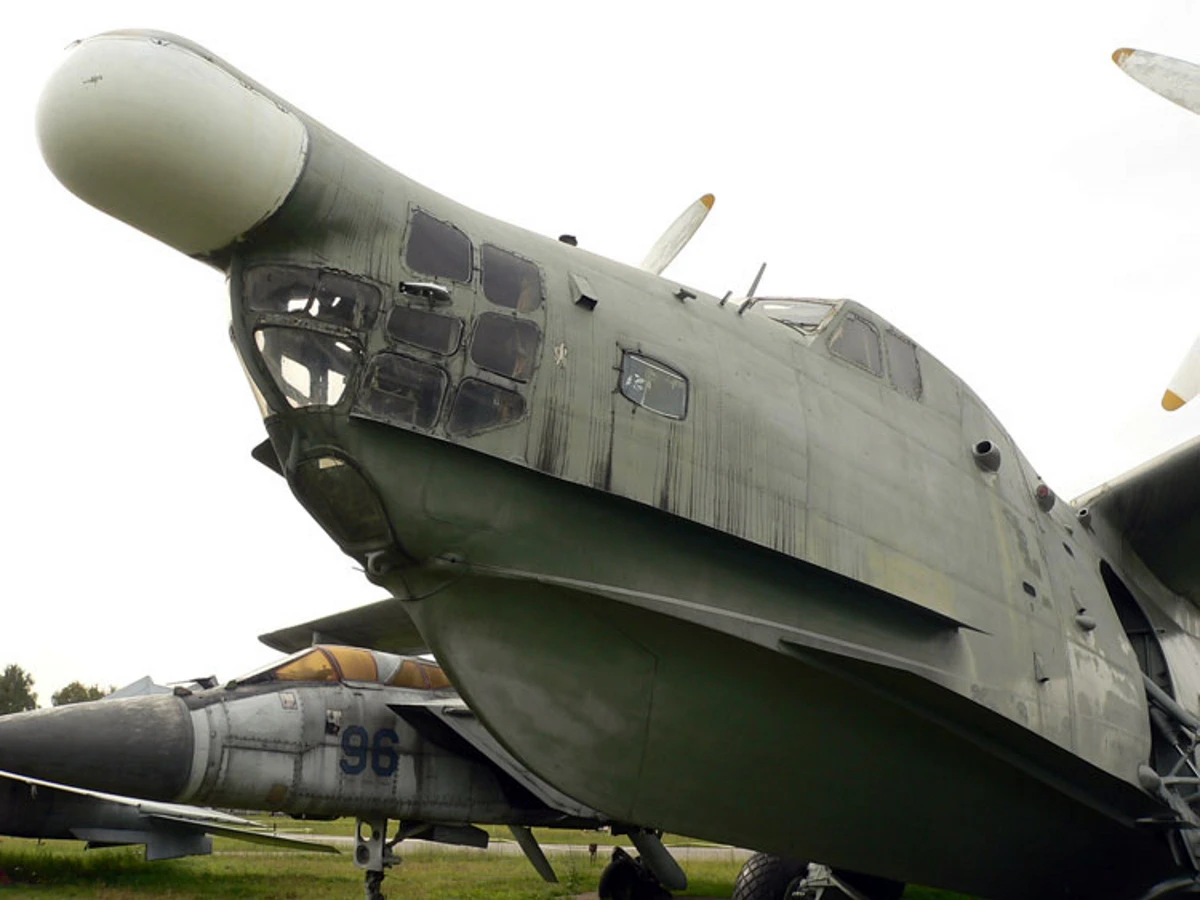
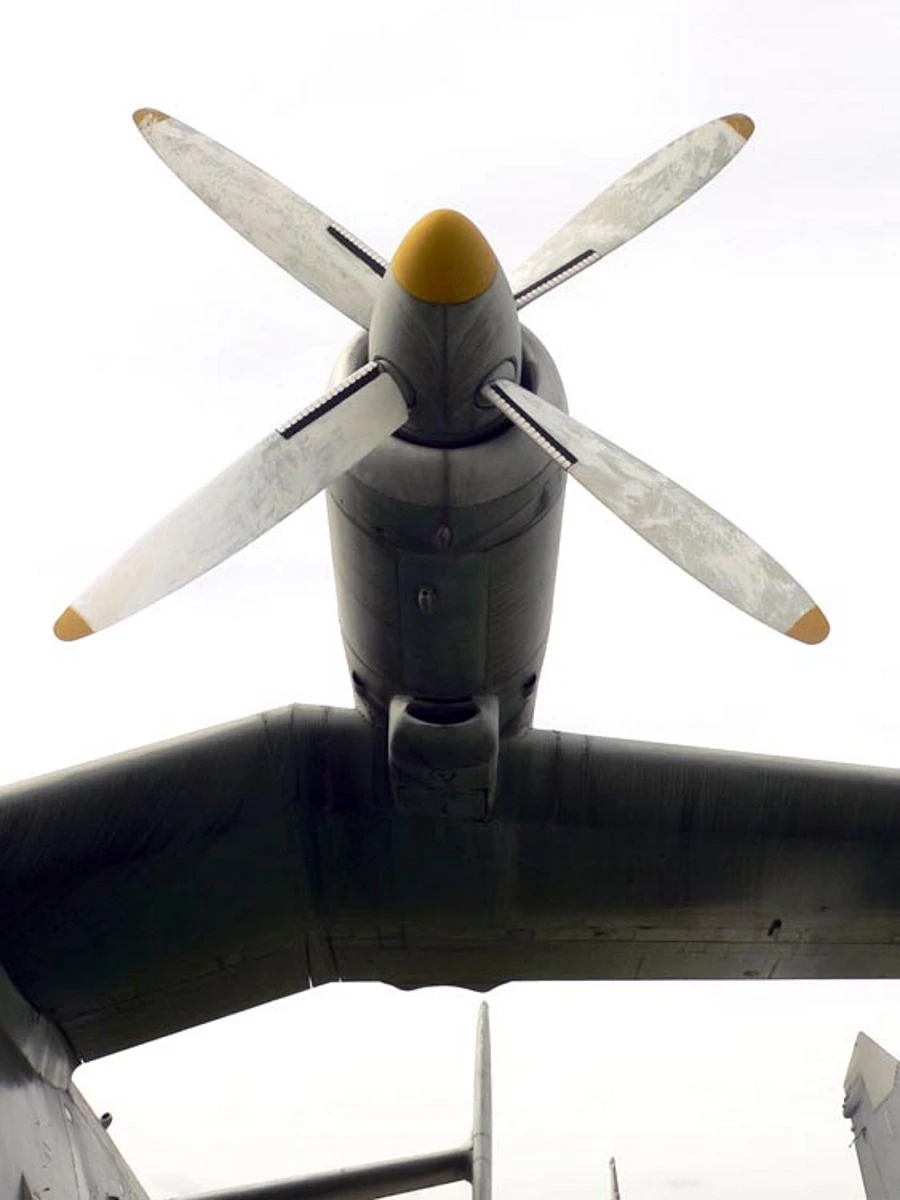
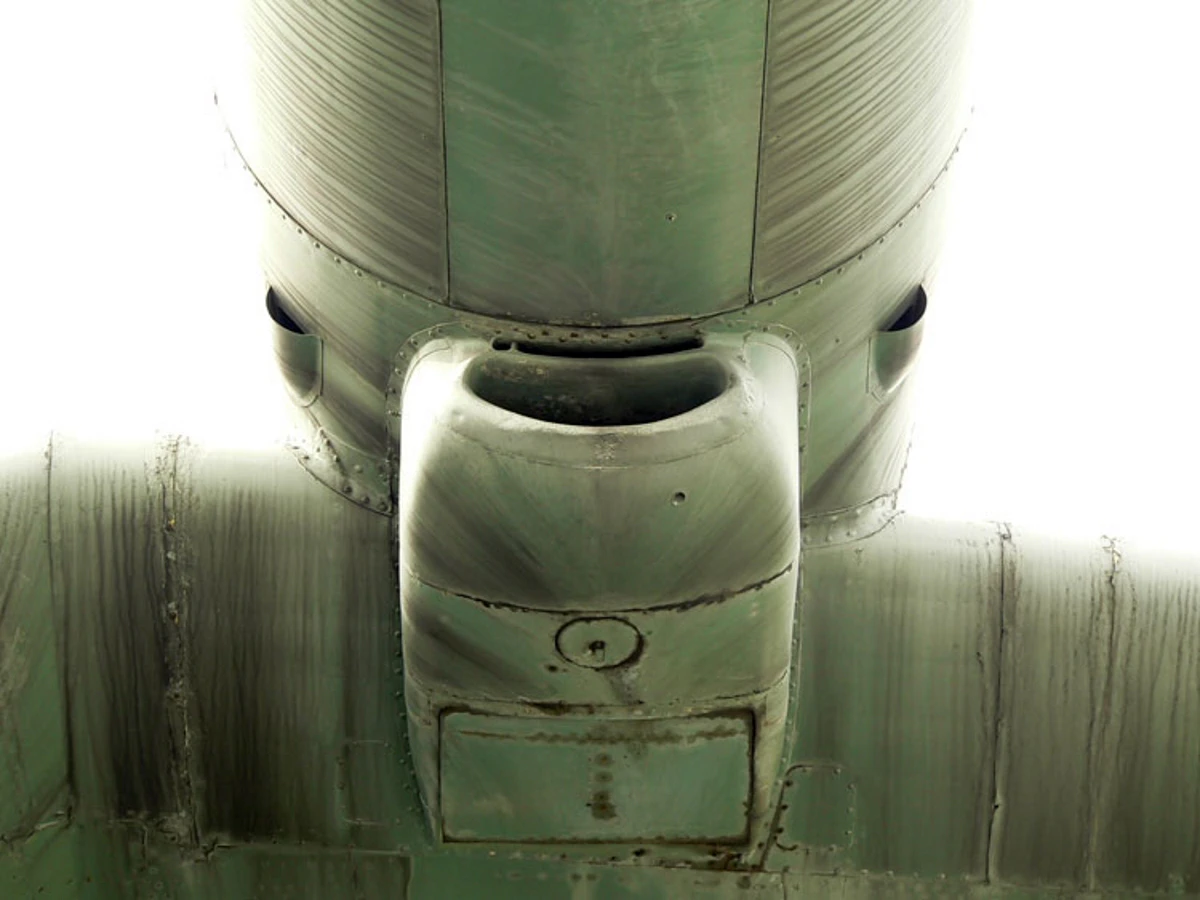
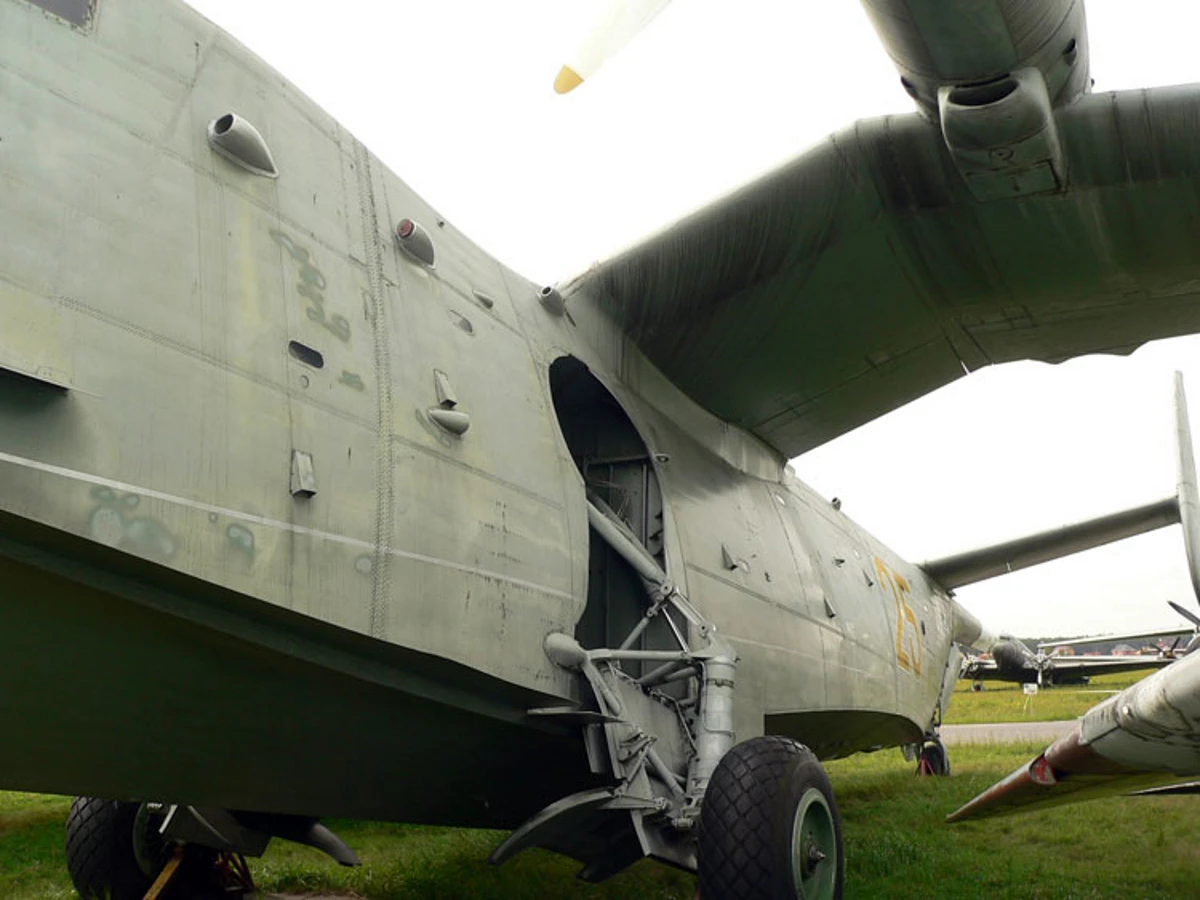
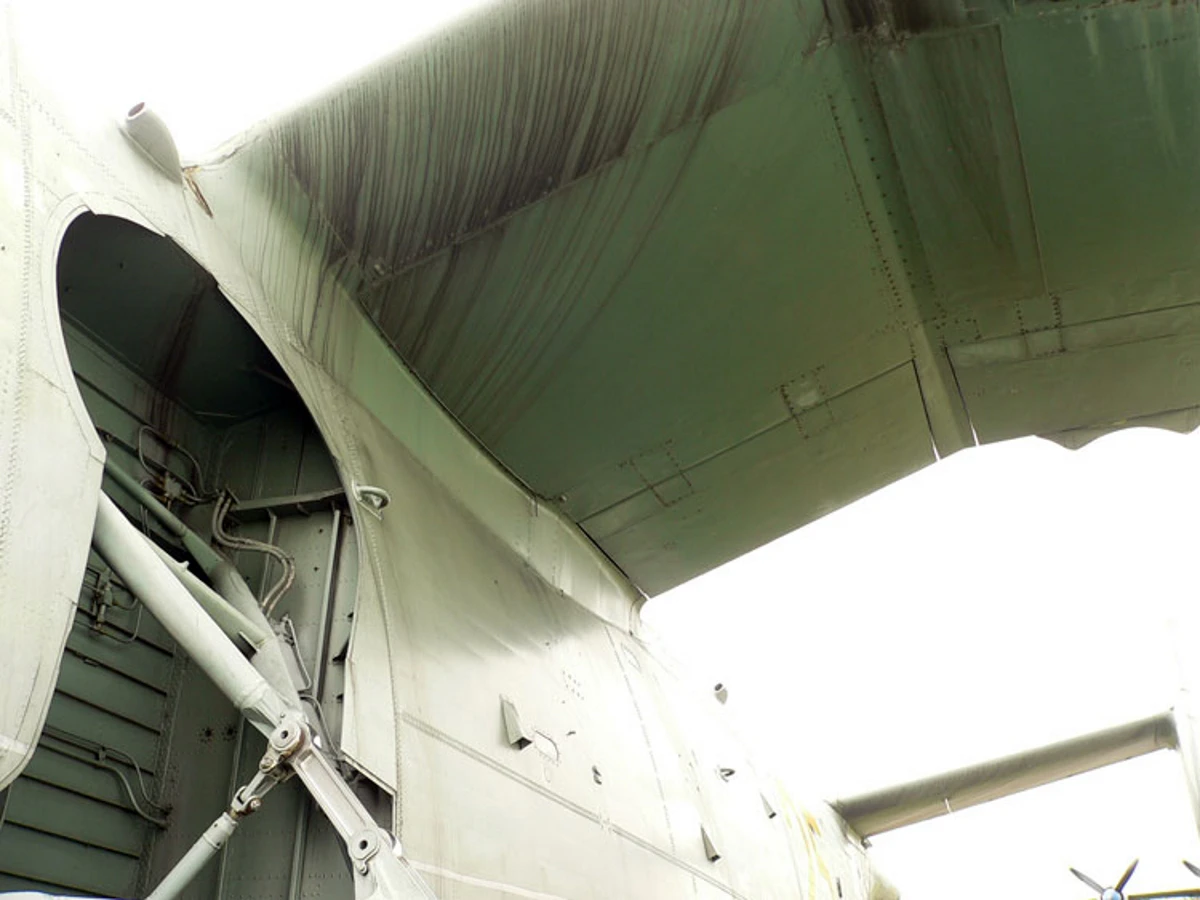
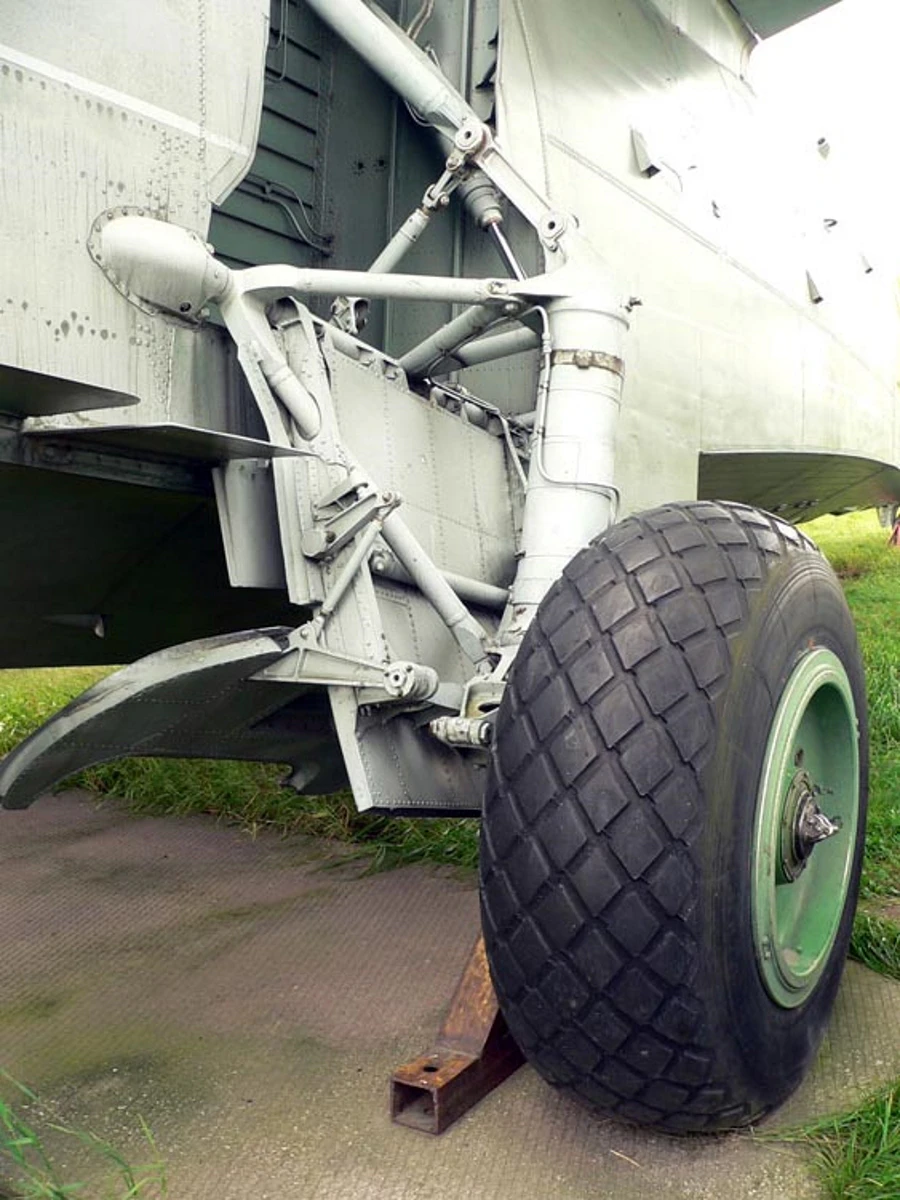
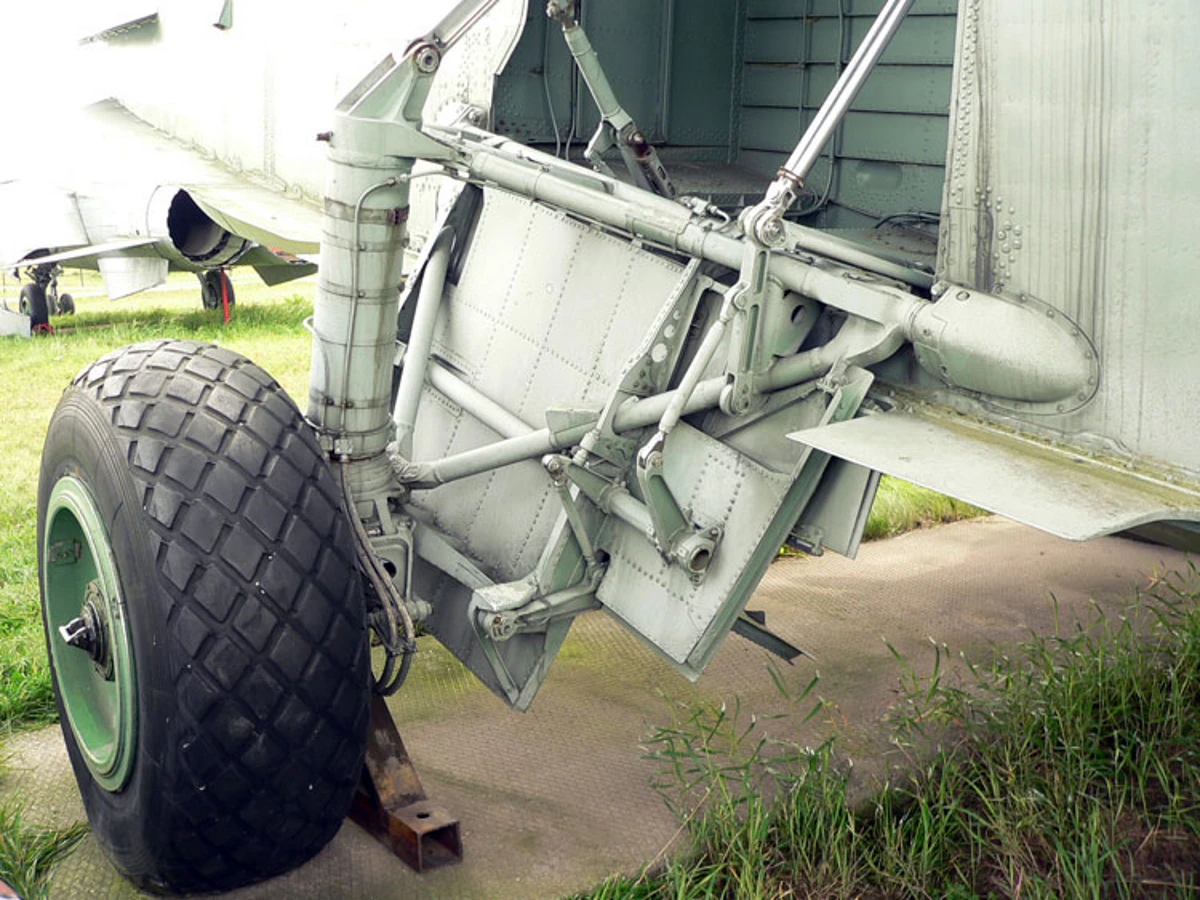
| Beriev Be-12 ‘Mail’ Walk Around | |
|---|---|
| Fotograf | Igor Kolokolov |
| Lokalizace | Neznámé |
| Fotografie | 30 |
Viz také:


The Amphibious Guardian of the Steppe and Sea
Tá Beriev Be-12 Chayka (Seagull) was the turboprop successor to the older Be-6 flying boat. Introduced in the 1960s, it was designed specifically for anti-submarine warfare (ASW) and maritime patrol. Unlike many of its predecessors, the Be-12 was a true amphibian, equipped with retractable landing gear that allowed it to operate from both concrete runways and the open sea. With its distinctive gull wings and twin-fin tail, it became a symbol of Soviet naval power, patrolling the vast coastlines of the Black Sea, the Arctic, and the Pacific for over half a century.
| Attribute | Technical Specification (Be-12) |
|---|---|
| Roli | Amphibious ASW / Maritime Patrol |
| Posádky | 4 (Pilot, Co-pilot, Navigator, Radio Operator) |
| First Flight | October 18, 1960 |
| Pohonná jednotka | 2 × Ivchenko AI-20D turboprops |
| Horsepower | 5,180 hp (3,864 kW) per engine |
| Maximum Speed | 330 mph (530 km/h) |
| Service Ceiling | 26,247 feet (8,000 m) |
| Zbrojení | Internal weapons bay for torpedoes, depth charges, and mines |
Designed for the High Seas
- The Gull Wing Design: The sharply cranked “gull” wings were not just for aesthetics; they served to lift the massive turboprop engines and propellers high above the water’s surface, protecting them from corrosive salt spray and wave impact during takeoff. [Image detail of the Be-12’s cranked wing root and engine placement]
- The “Sting” in the Tail: Most Be-12s feature a long, needle-like probe extending from the tail. This is a Magnetic Anomaly Detector (MAD), used to detect the massive steel hulls of submerged enemy submarines by measuring tiny distortions in the Earth’s magnetic field.
- Retractable Tricycle Gear: One of its biggest upgrades over the Be-6 was the ability to “walk” out of the water. The main wheels retract into the sides of the hull, allowing the aircraft to be maintained and fueled at standard airfields rather than requiring specialized seaplane docks.
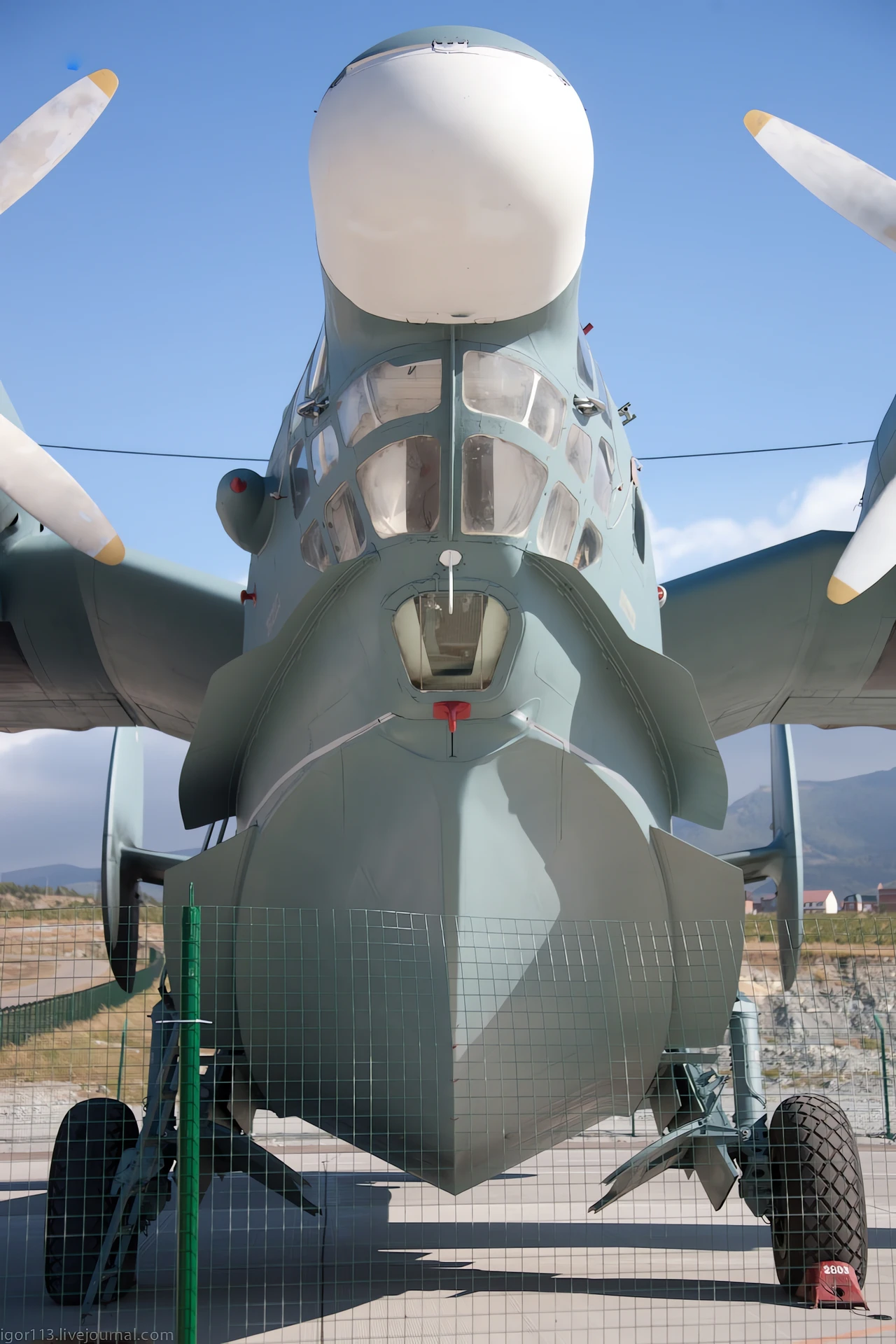
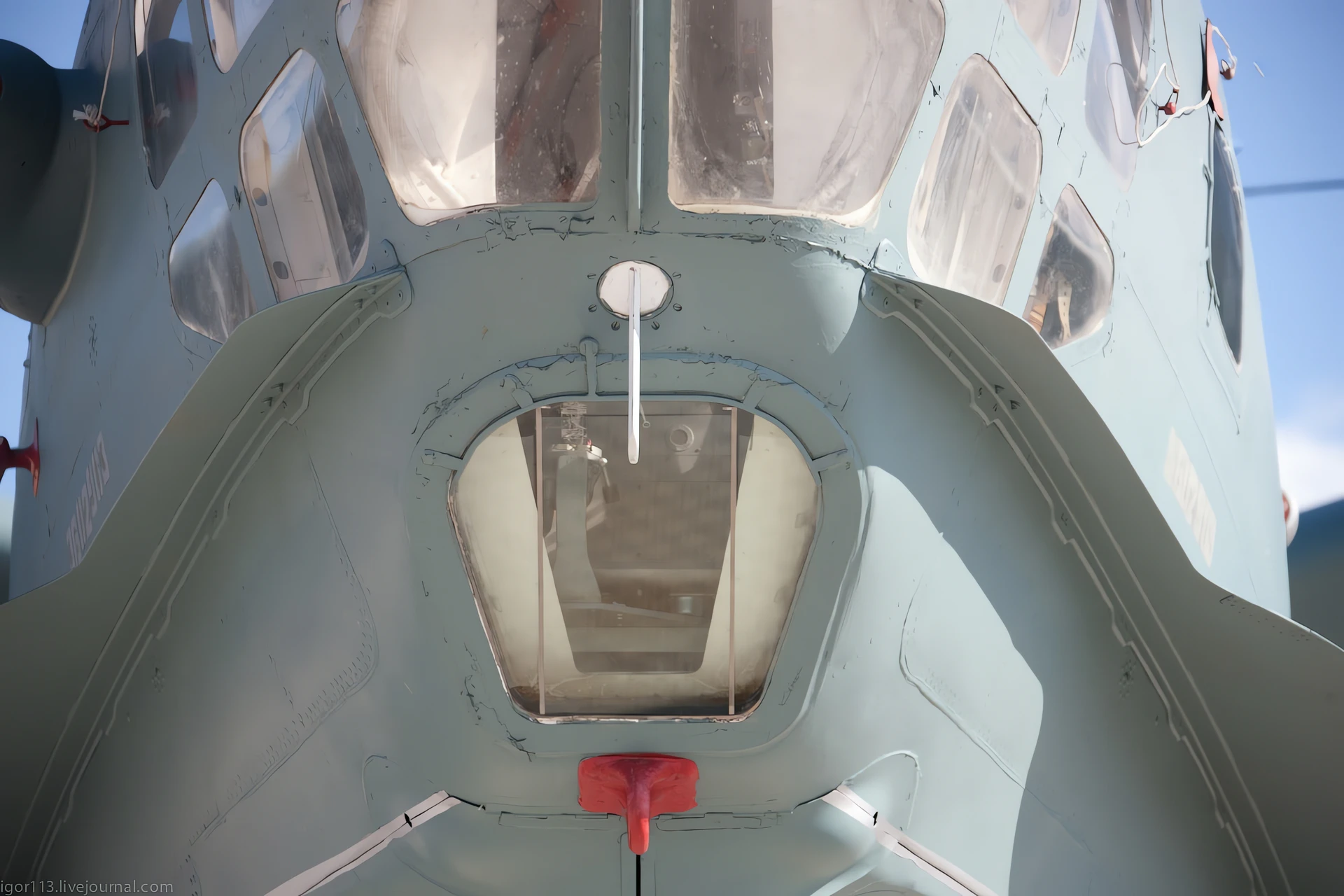
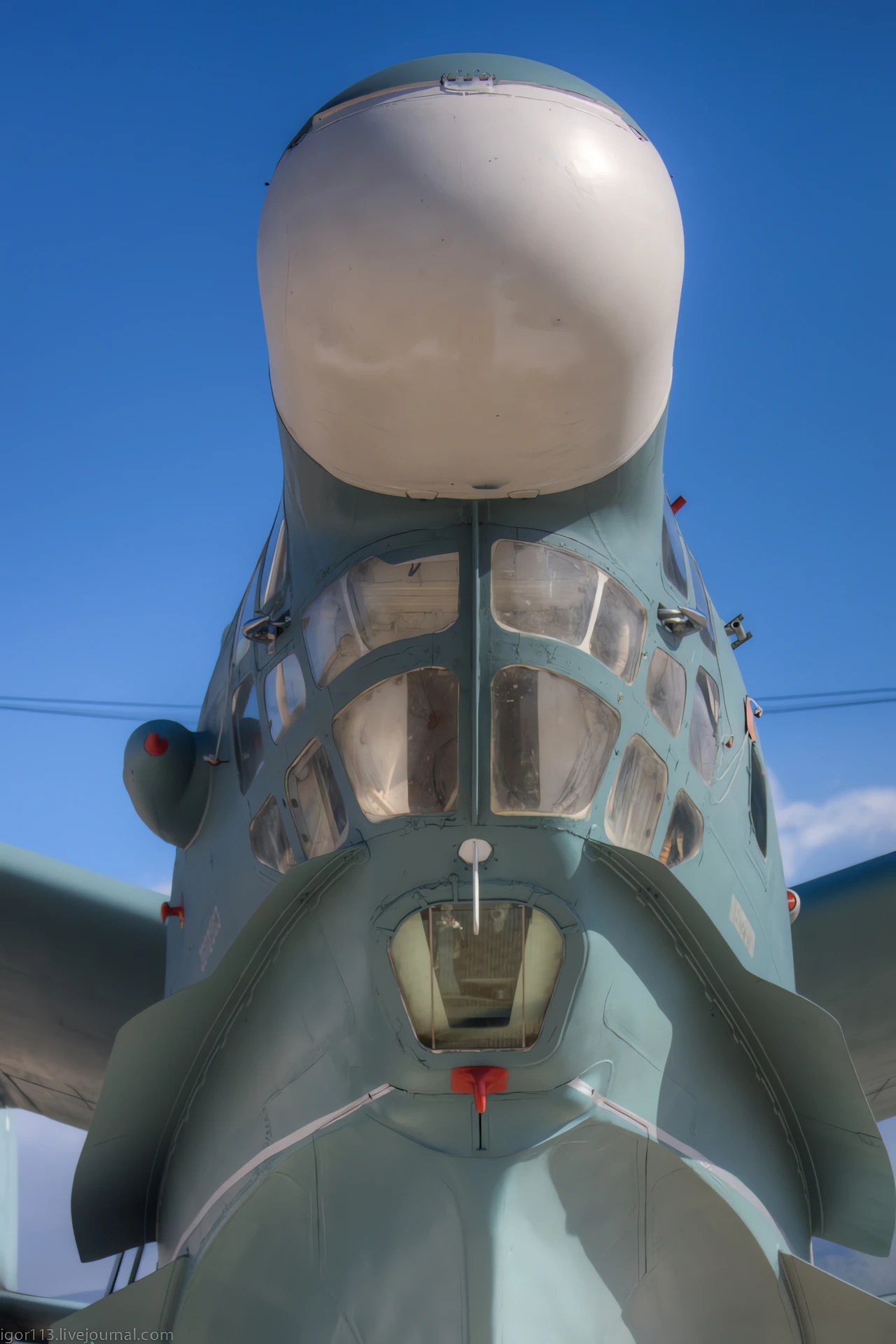
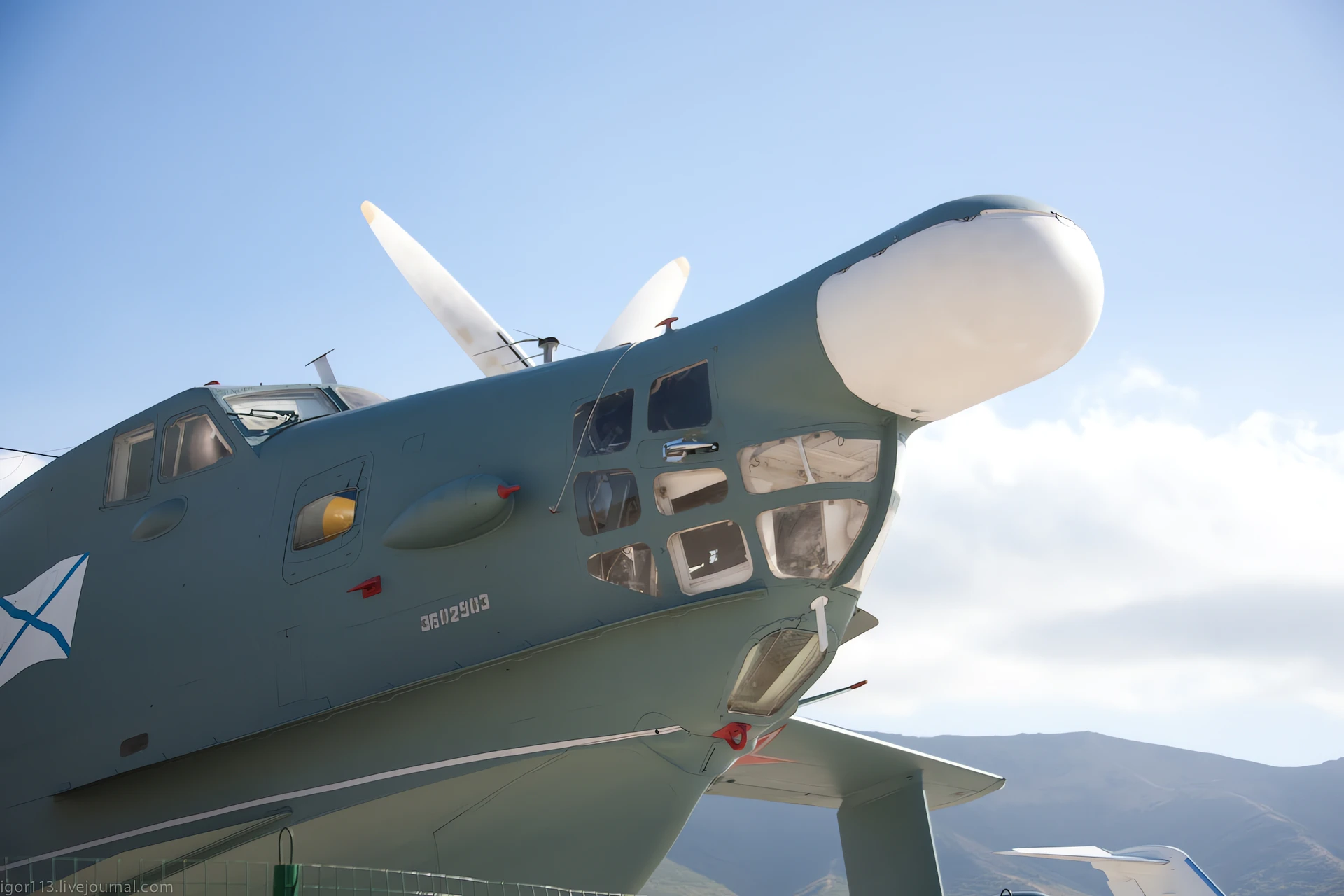
- Spray Dams and Strakes: The nose of the Be-12 is fitted with “spray dams”—long metal strips that deflect water away from the cockpit windows and engine intakes during high-speed taxiing on water.
A Record-Breaking Second Life
- World Record Holder: The Be-12 was a powerhouse in its weight class, at one point holding 44 world records for speed, altitude, and payload, many of which were set by the “M-12,” a stripped-down version of the airframe.
- Firefighting Legend: As the Cold War ended, many Be-12s were converted into the Be-12P water bomber. These aircraft could scoop up 4.5 tons of water in seconds while skimming across a lake, a capability that directly led to the development of the modern Beriev Be-200.
- Search and Rescue: The Be-12PS variant was specialized for rescue at sea, carrying life rafts, emergency medical equipment, and extra observers to spot survivors in the water.
- Still Flying: While officially retired by the Russian Navy in most roles, a handful of Be-12s have remained in service well into the 2020s, recently appearing in maritime monitoring roles in the Black Sea.
Views : 8019
Můžete také vidět:
 Beriev A-50 – Fotografie & Videa
 Beechcraft RC-12 Svodidla – Fotografie & Videa
 Cessna 310 – Fotografie & Videa
 Curtiss P-36 Hawk – Fotografie & Videa
 Cessna T-37 Tweet - Fotografie & Videa
 Boeing KC-97 Stratofreighter – fotografie a videa
 Fokker S.14 Machtrainer – Fotografie & Videa
 Aichi D3A – Fotografie & Videa
 B-35 – de Havilland Mosquito – Procházka
 Mirage IIIC – Procházka
Nová sada 70 fotografií Beriev Be-12 Chaika