M50 Nas | |
|---|---|
| Země | SPOJENÉ STÁTY |
| Typ | Lehký obrněný protitankovaný |
| V provozu | 1956–69 |
| Vyrobené | 297+ |
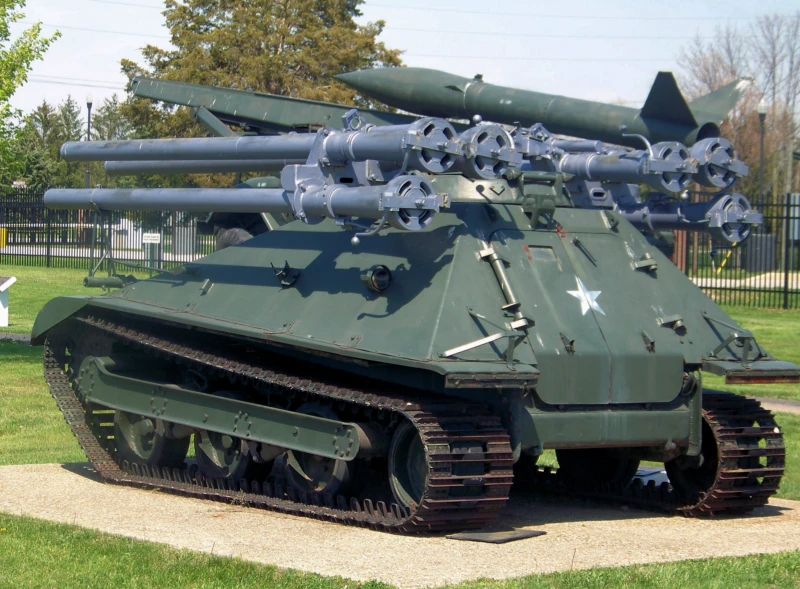
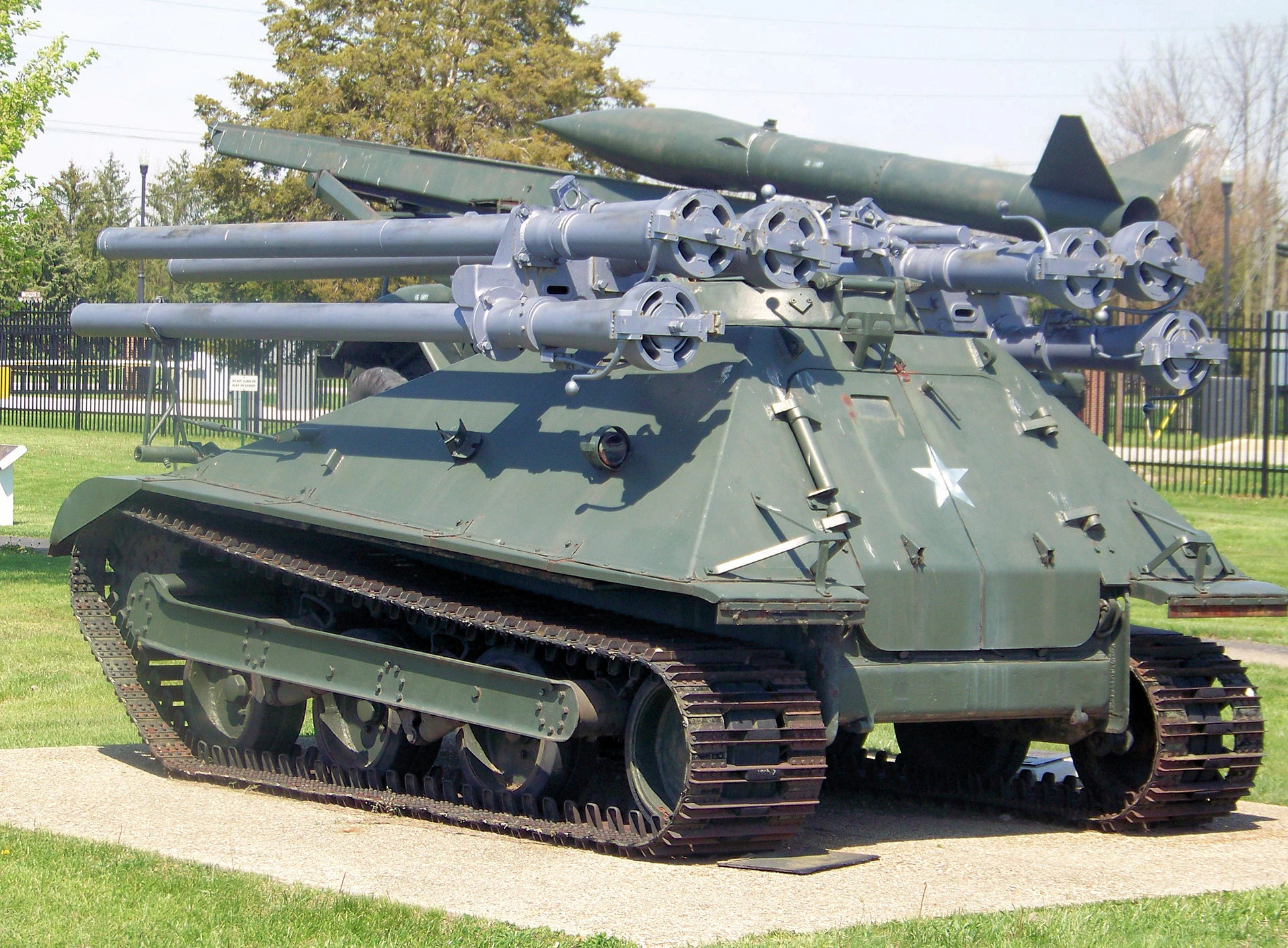
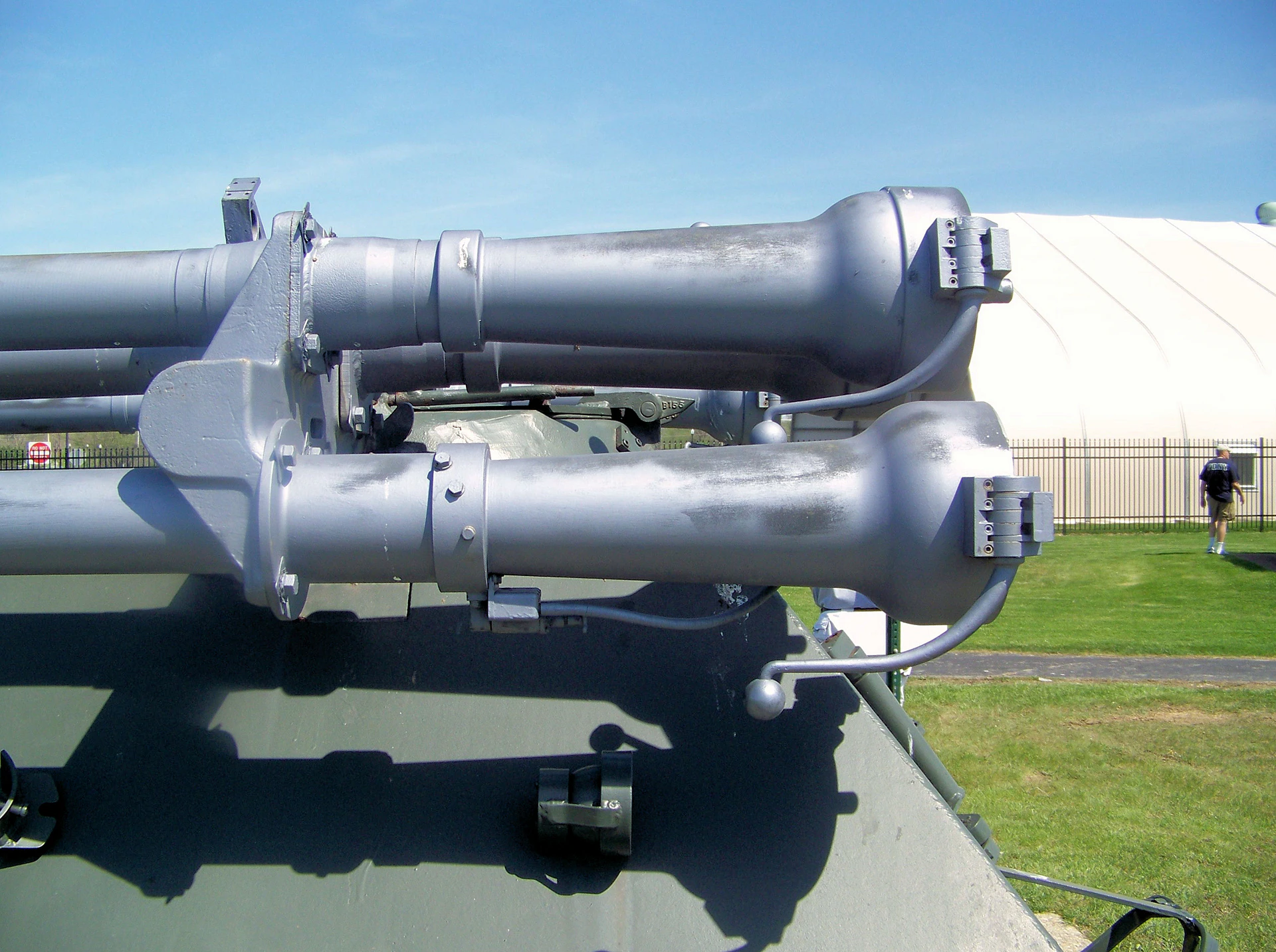
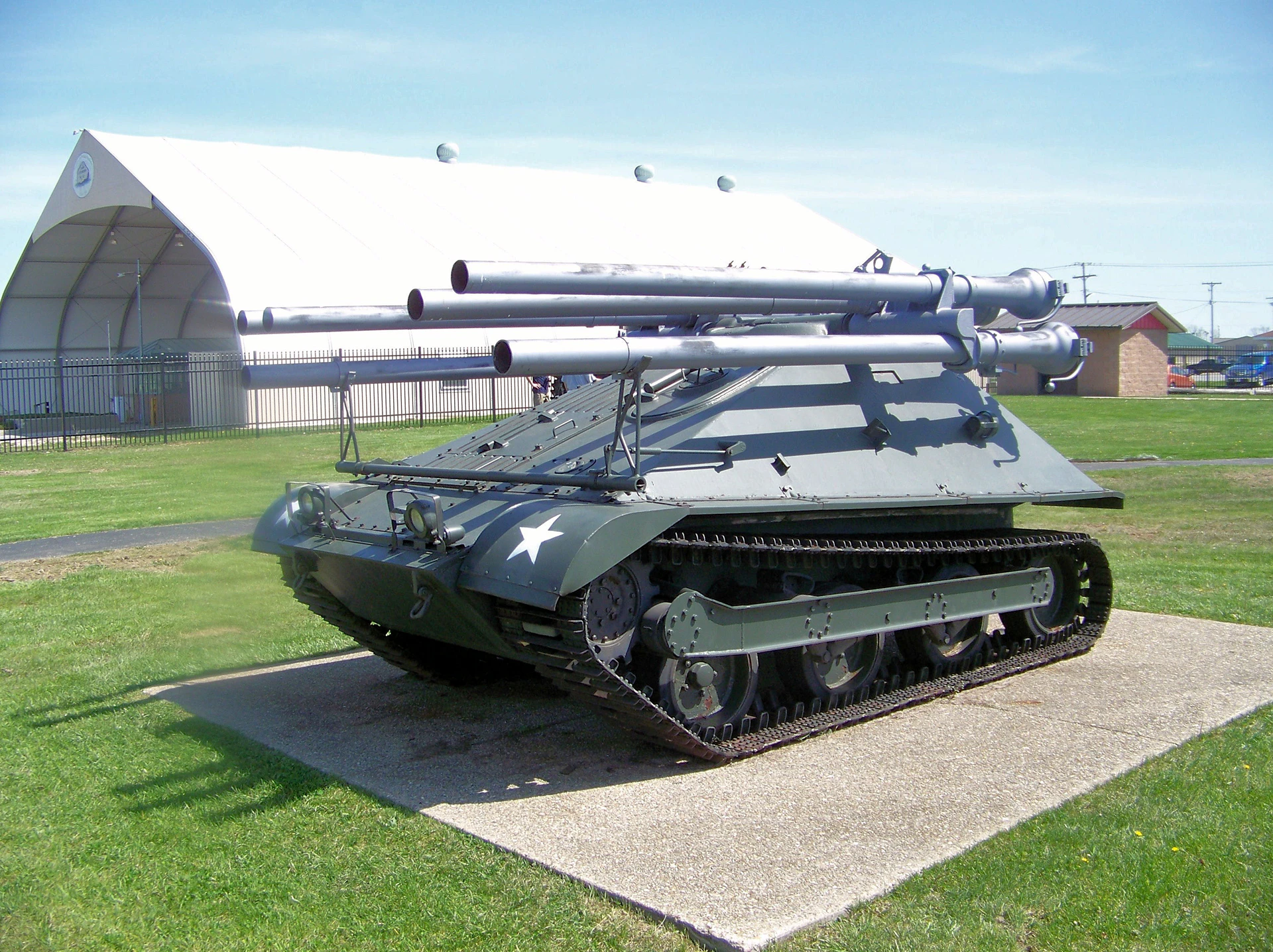
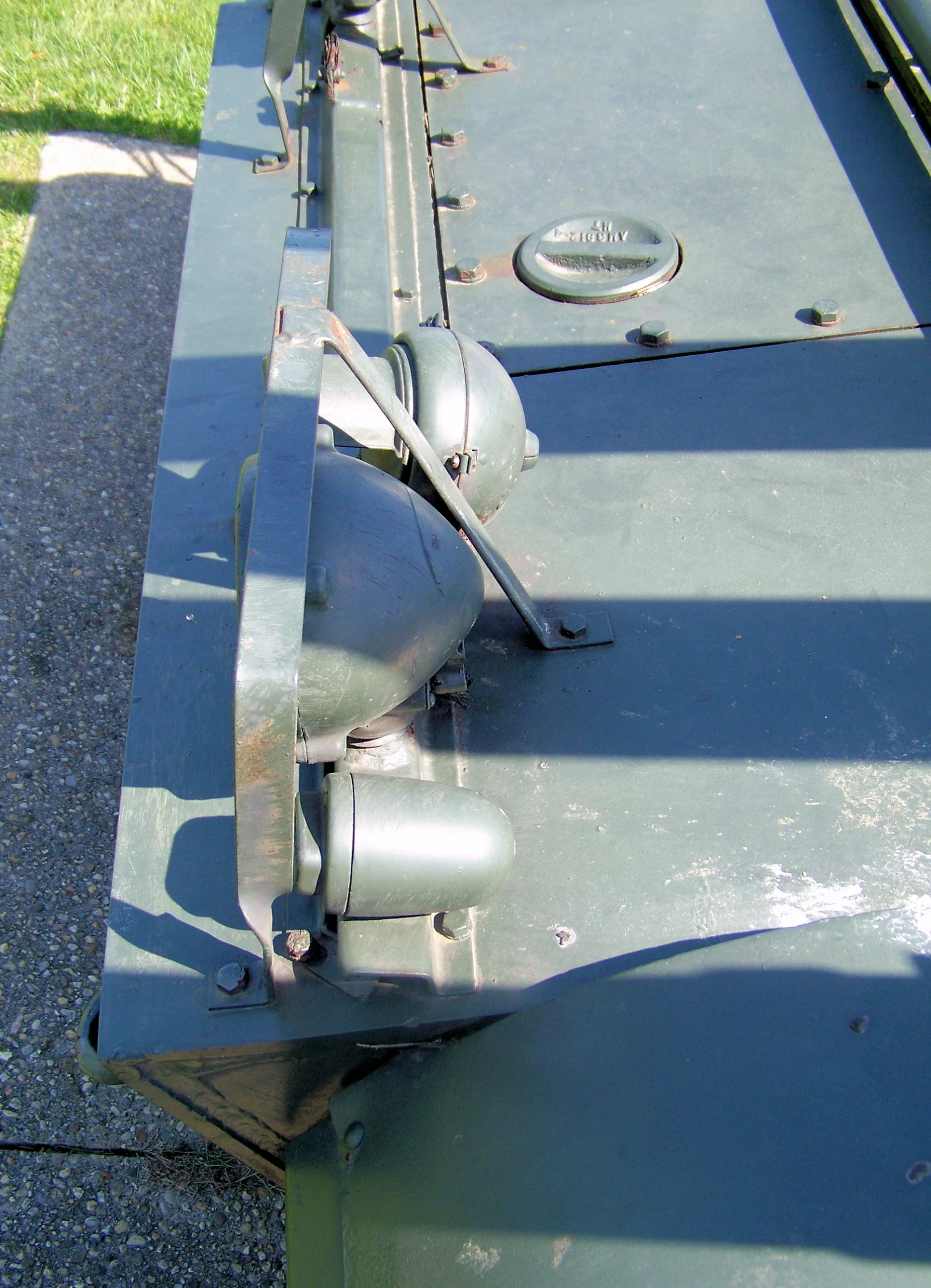
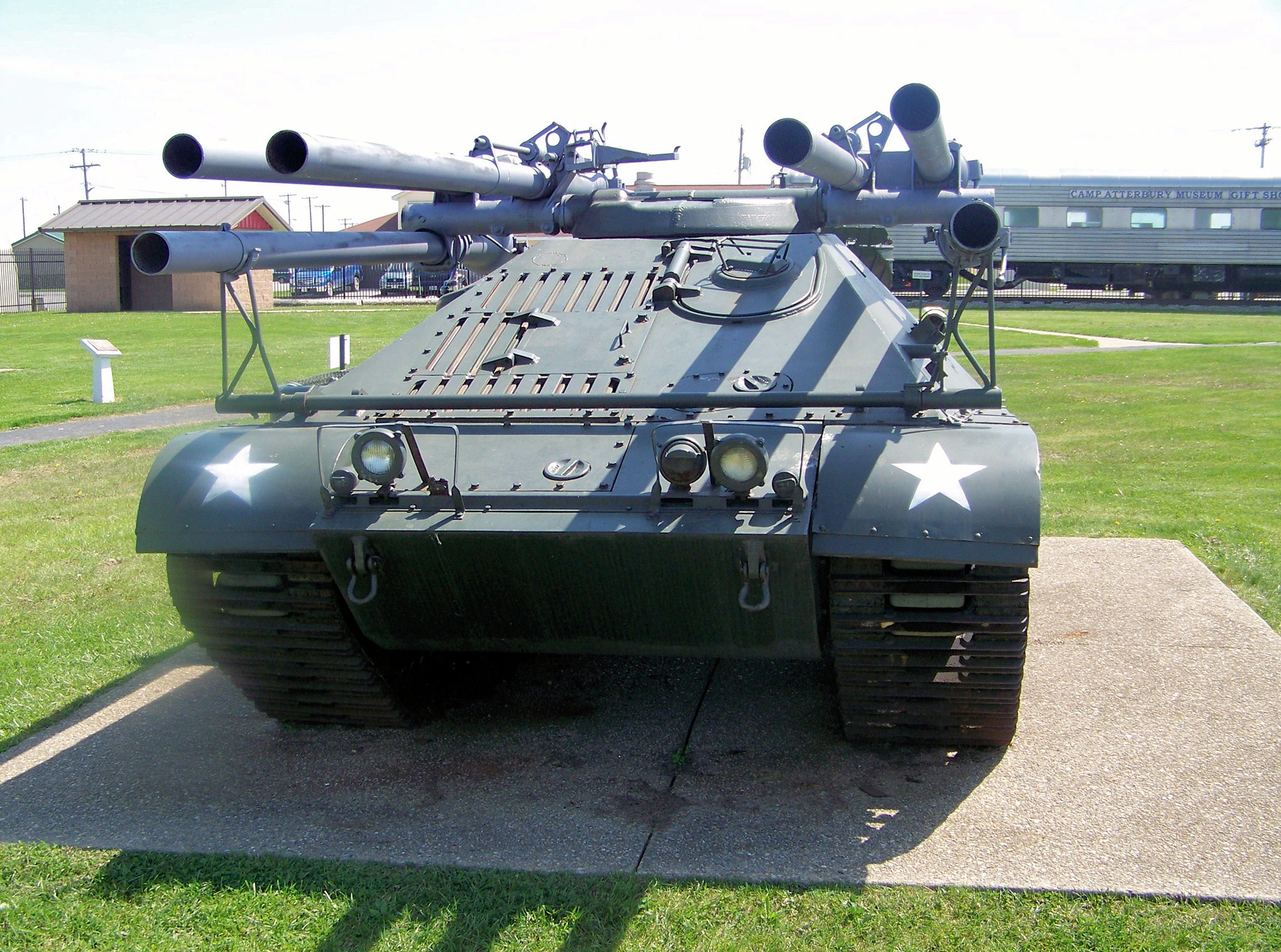
Tá Na, officially the Rifle, Multiple 106 mm, Self-propelled, M50, was a U.S. light armored tracked anti-tank vehicle developed in the 1950s, a fast tank killer for airborne forces. It mounted six M40 106 mm recoilless rifles as its main armament, which could be fired in rapid succession against single targets to guarantee a kill. It was produced in limited numbers for the U.S. Marines after the U.S. Army lost interest in the project. The Marines consistently reported excellent results when they used the Ontos for direct fire support against infantry in numerous battles and operations during the Vietnam War. The American stock of Ontos was largely expended towards the end of the conflict and the Ontos was removed from service in 1969.
Zdroj: M50 Ons na Wikipedii
| M50 Ontos Procházka Kolem | |
|---|---|
| Fotograf | Erik Fox |
| Lokalizace | Neznámé |
| Fotografie | 15 |
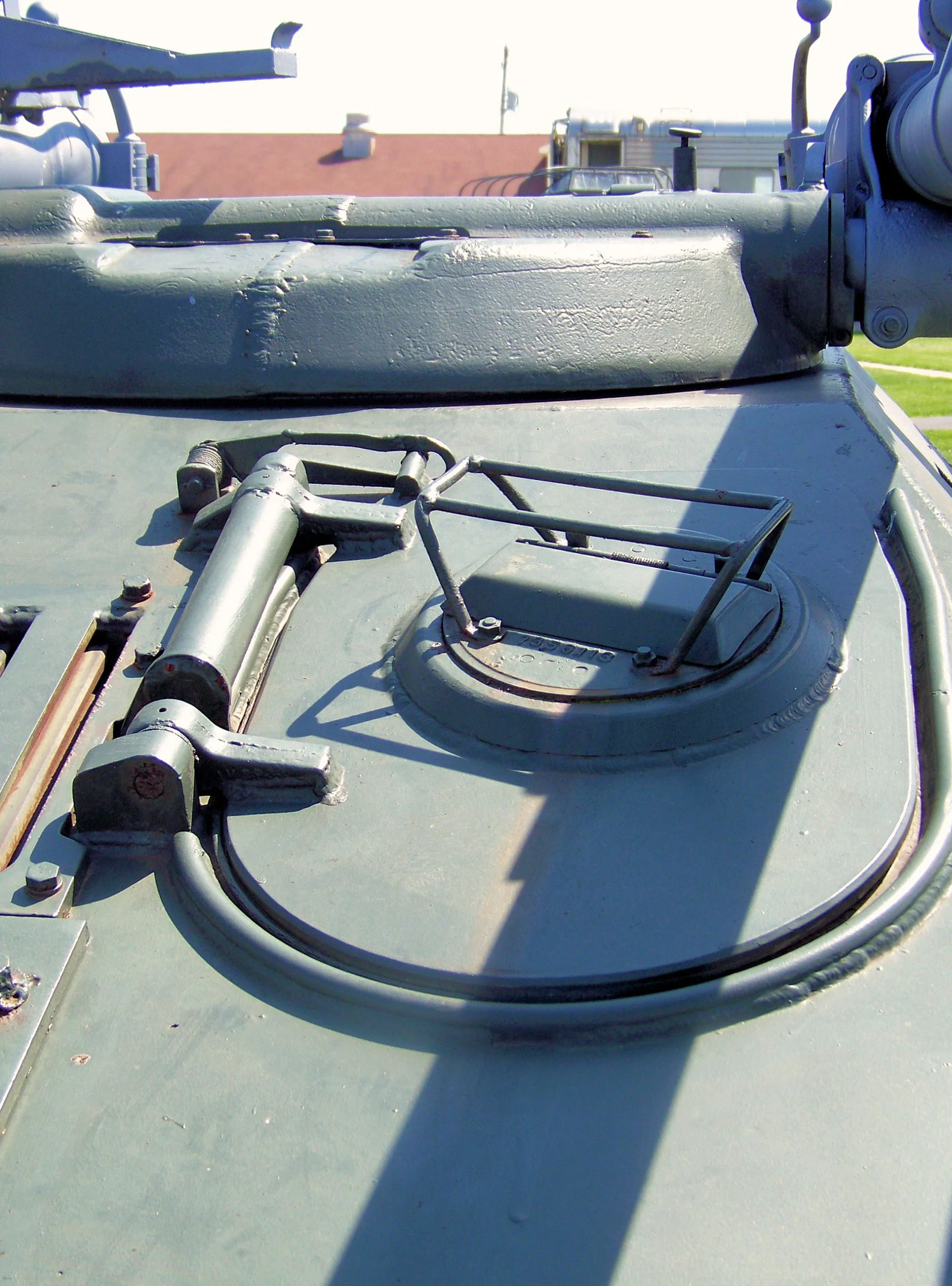
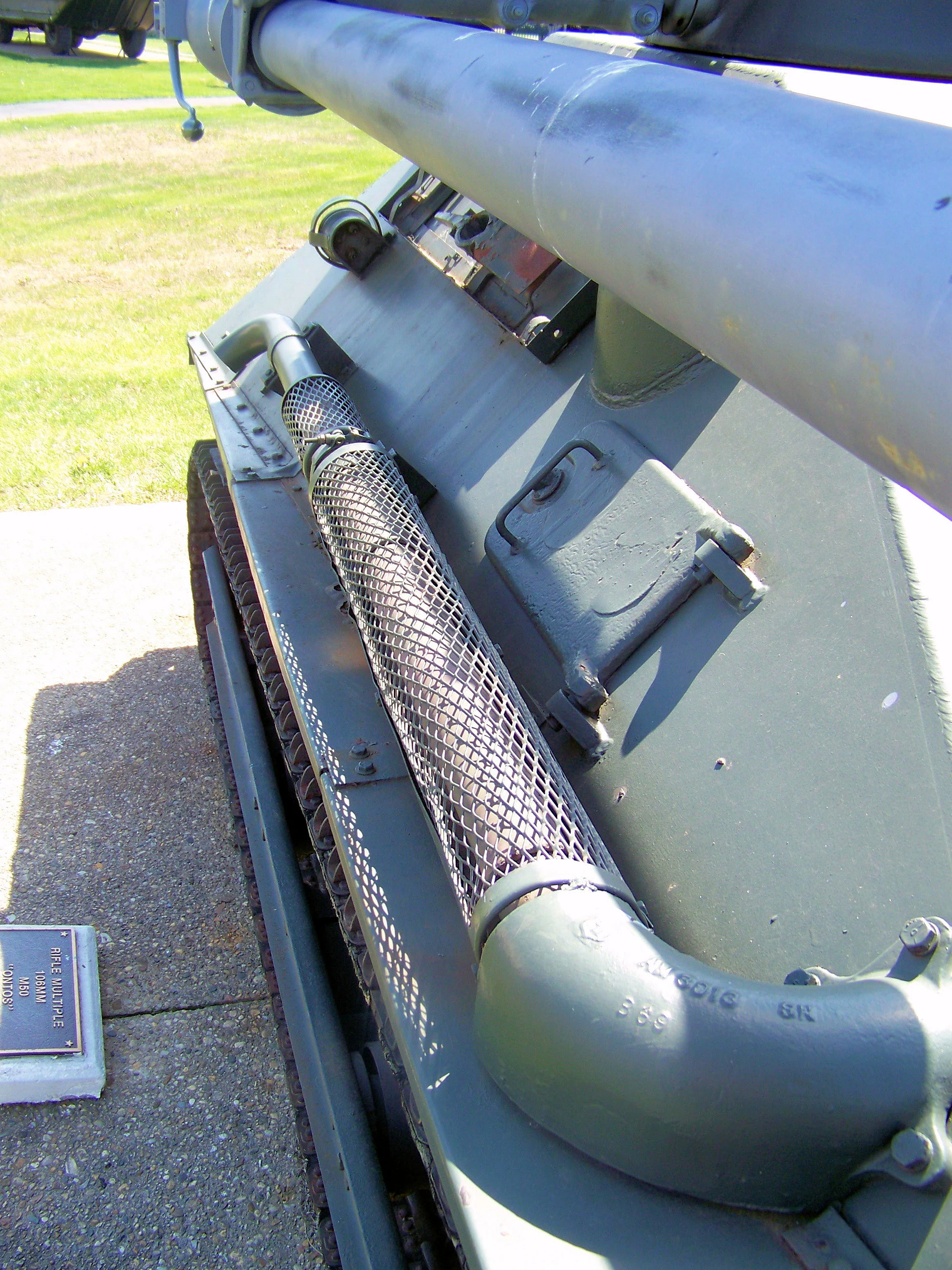
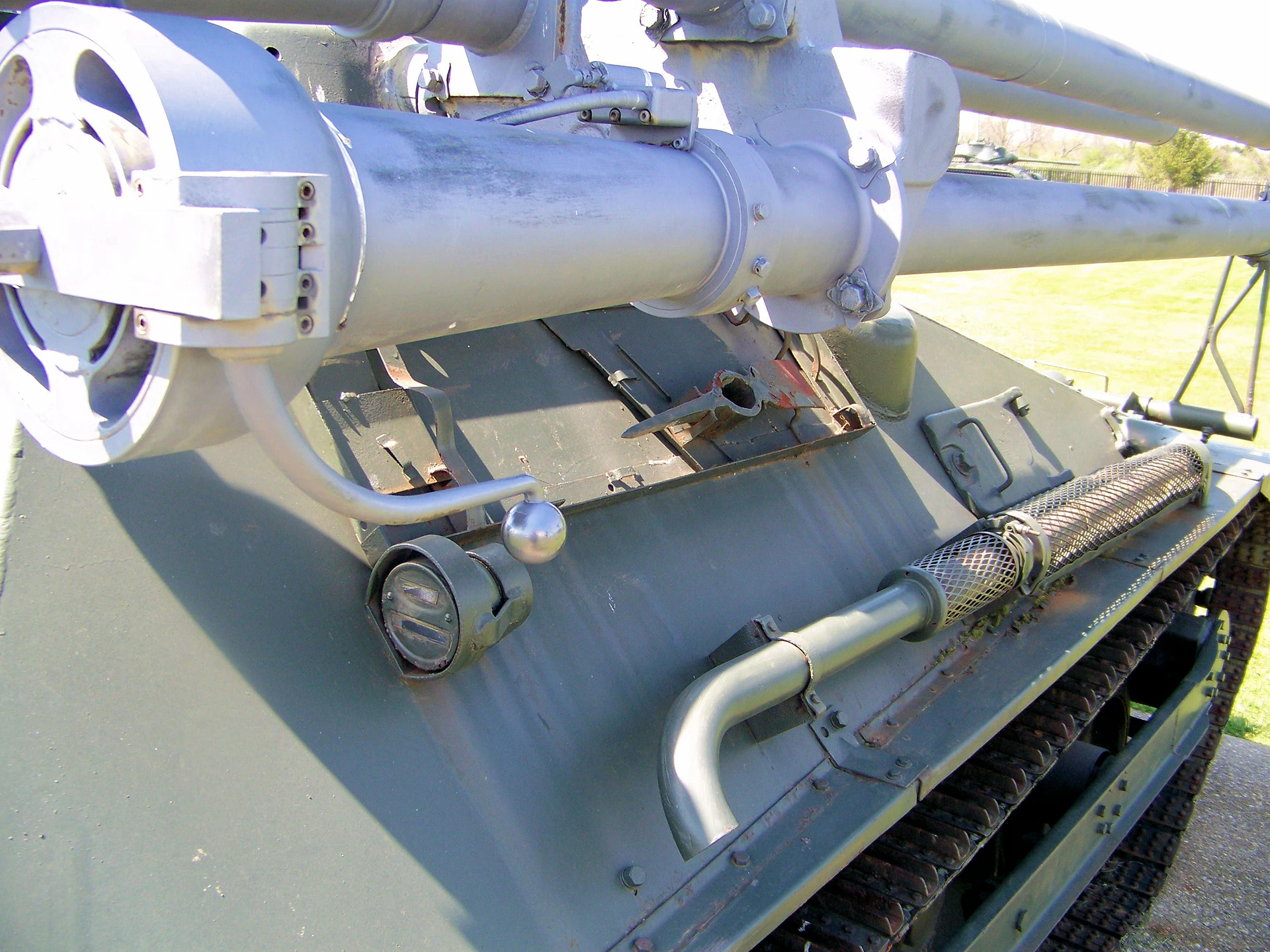

| M50A1 Na procházku | |
|---|---|
| Fotograf | Vladimir Jakubov |
| Lokalizace | Pattonovo muzeum |
| Fotografie | 72 |
| M50 Ontos Procházka Kolem | |
|---|---|
| Fotograf | Vladimir Jakubov |
| Lokalizace | Nadace pro technologii vojenských vozidel |
| Fotografie | 107 |
 Kupte mi kávu
Viz také:


| M50 Ontos Walk Around | |
|---|---|
| Fotograf | Vladimir Jakubov |
| Lokalizace | Letecká přehlídka MCAS Miramar |
| Fotografie | 80 |
A Solution Looking for a Problem
Tá M50 Nas (Greek for “The Thing”) is one of the most bizarre and aggressive-looking vehicles in American military history. Originally developed in the 1950s as a lightweight, air-transportable tank destroyer to hunt Soviet armor, the US Army ultimately rejected it. However, the US Marine Corps fell in love with its compact size and terrifying firepower. Instead of a single large tank gun, the Ontos carried six 106mm recoilless rifles, allowing it to unleash a devastating “six-pack” of high-explosive shells before retreating to reload.
| Attribute | Technical Specification (M50A1) |
|---|---|
| Roli | Light Anti-Tank / Fire Support Vehicle |
| Posádky | 3 (Commander/Gunner, Driver, Loader) |
| motor | Chrysler HT-361-2 V8 (180 hp) |
| Maximum Speed | 48 km/h (30 mph) |
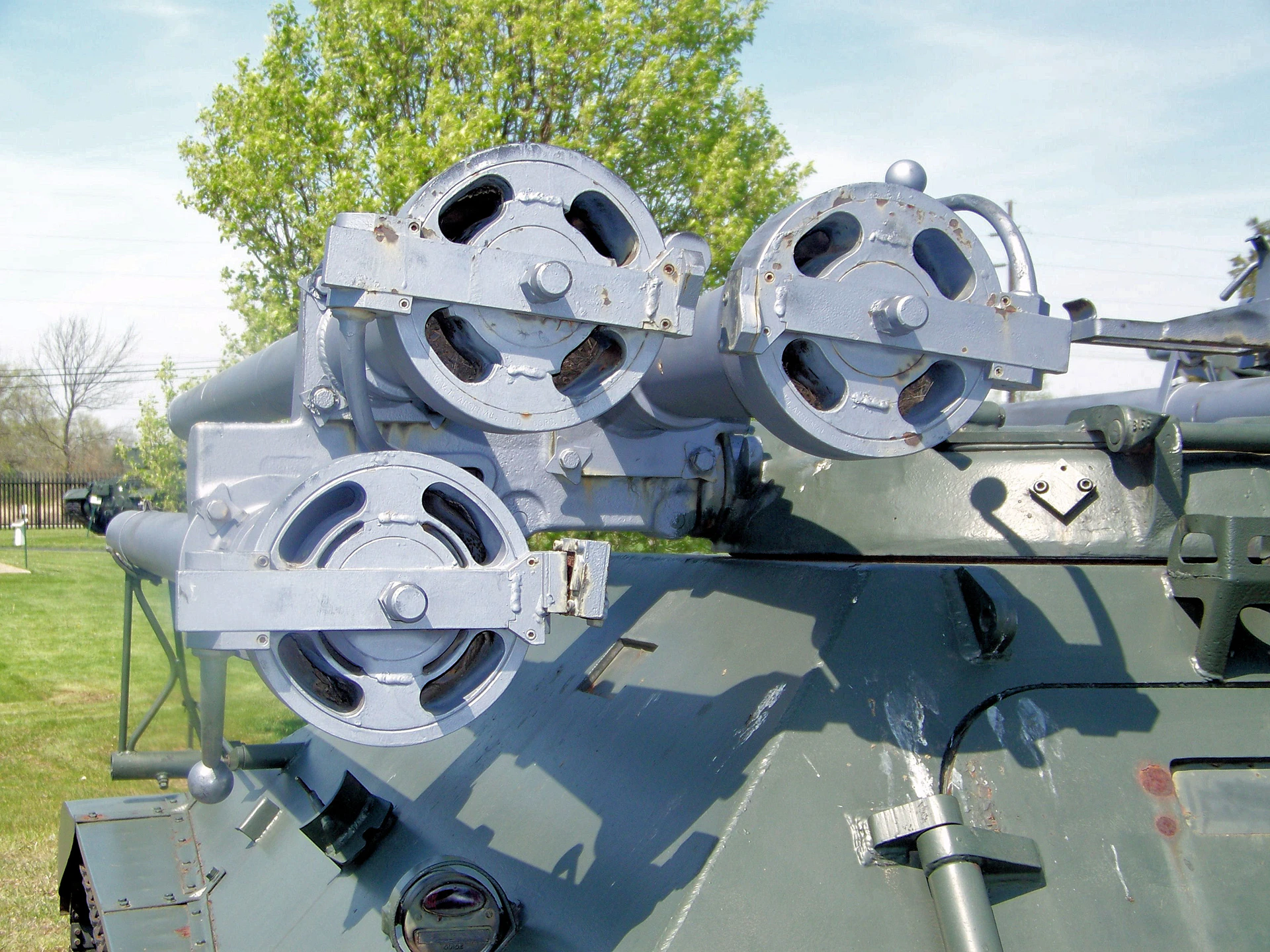
| Main Armament | 6 × 106mm M40A1C recoilless rifles |
| Secondary Armament | 4 × .50 cal spotting rifles; 1 × .30 cal machine gun |
| Brnění | 13mm (max) — protects only from small arms |
| Hmotnost | 8.6 tonnes |
Design Engineering: The Six-Shooter
- The External Reload: The Ontos had one major tactical flaw: to reload the six rifles, the loader had to exit the vehicle and manually shove shells into the breeches from the rear. This made the crew extremely vulnerable in the middle of a firefight.
- Spotting Rifles: Because recoilless rifles are difficult to aim at distance, four of the six barrels were equipped with .50 caliber “spotting rifles.” These fired a special bullet that produced a puff of white smoke upon impact. Once the smoke was on target, the gunner pulled the trigger for the 106mm “main event.”
- Lightweight Agility: To stay within the weight limits for transport aircraft, the Ontos had incredibly thin armor and used wide tracks. This gave it very low ground pressure, allowing it to “skate” over soft mud and rice paddies that would swallow a 50-ton tank.
- Backblast Danger: Being “recoilless” means the force of the shell is countered by a massive blast of hot gas out the back of the barrel. This meant no infantry could stand behind an Ontos when it was firing without being severely burned or killed.
Combat History: The Hero of Hue
- Jungle Fire Support: In Vietnam, the Ontos rarely fought tanks. Instead, it became the ultimate bunker-buster. Its 106mm “Beehive” rounds—filled with thousands of tiny steel darts (flechettes)—could clear an entire treeline of enemy infantry in a single volley.
- The Battle of Hue (1968): The Ontos earned legendary status during the urban fighting in Hue. Its small size allowed it to drive down narrow streets and punch holes through walls, collapsing entire buildings occupied by snipers. Marines reported that the mere sight of an Ontos’ six barrels pointed at a building was often enough to make the enemy flee.
- The End of the Line: Despite its success, the Ontos was difficult to maintain, and the spare parts supply dried up. It was officially retired in 1969, replaced largely by the M151 MUTT with a single recoilless rifle or the TOW missile system.
- The “Thing” Lives On: Most surviving Ontos were cut up for scrap, but a few were given to forestry services where their wide tracks and low pressure made them excellent for fighting fires in marshy terrain.
Views : 9522