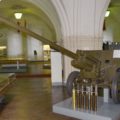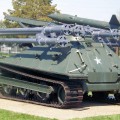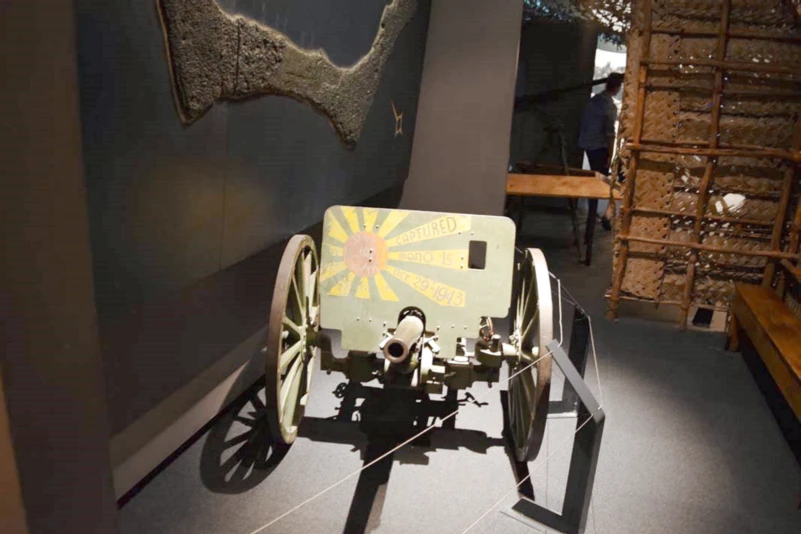
Protitankové dělo typu 94 37 mm | |
| Země | Japonsko |
| Typ | Protitankové dělo |
| Fotografii | Vladimir Jakubov |
| Vyhledejte | Aucklandské válečné pamětní muzeum |
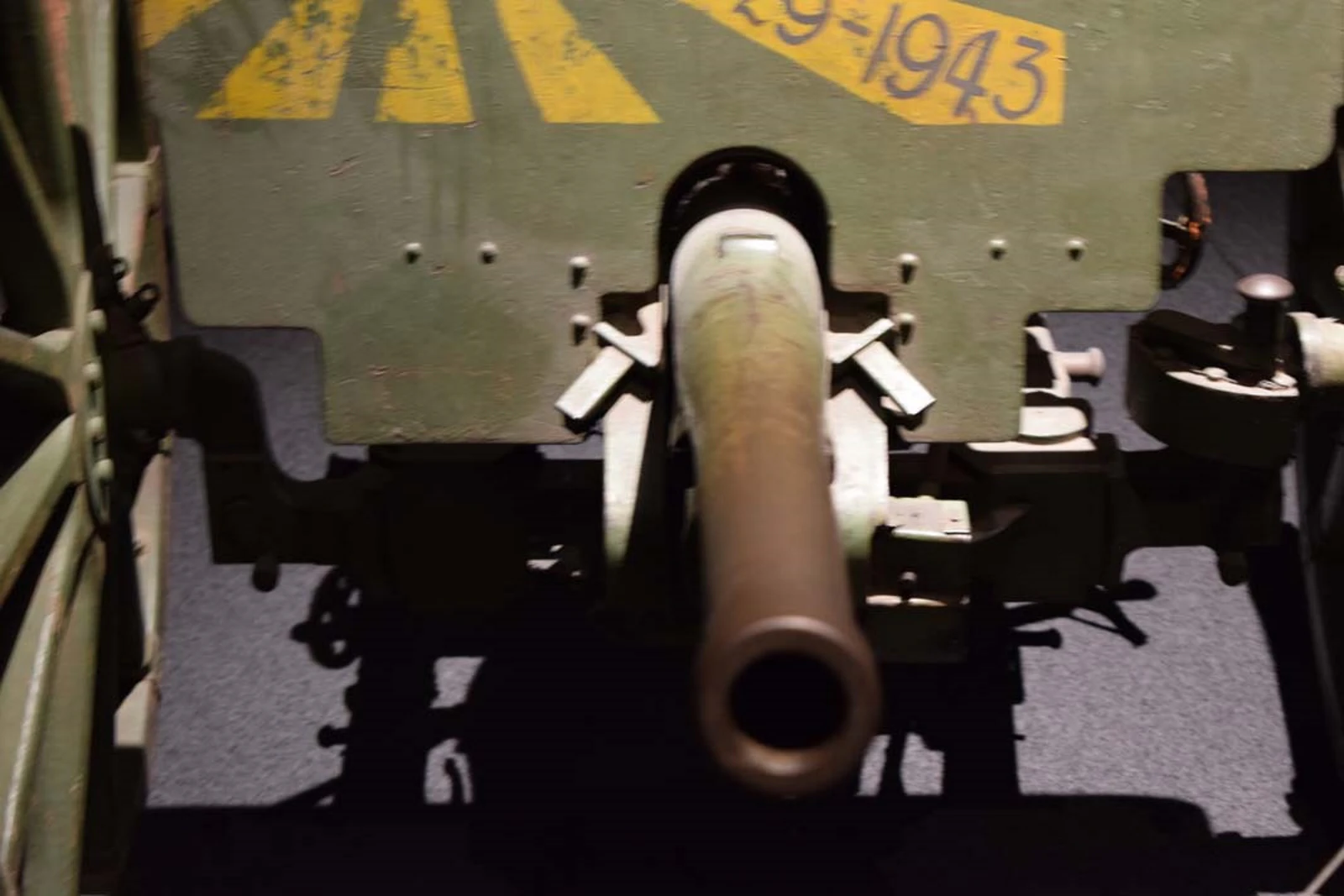
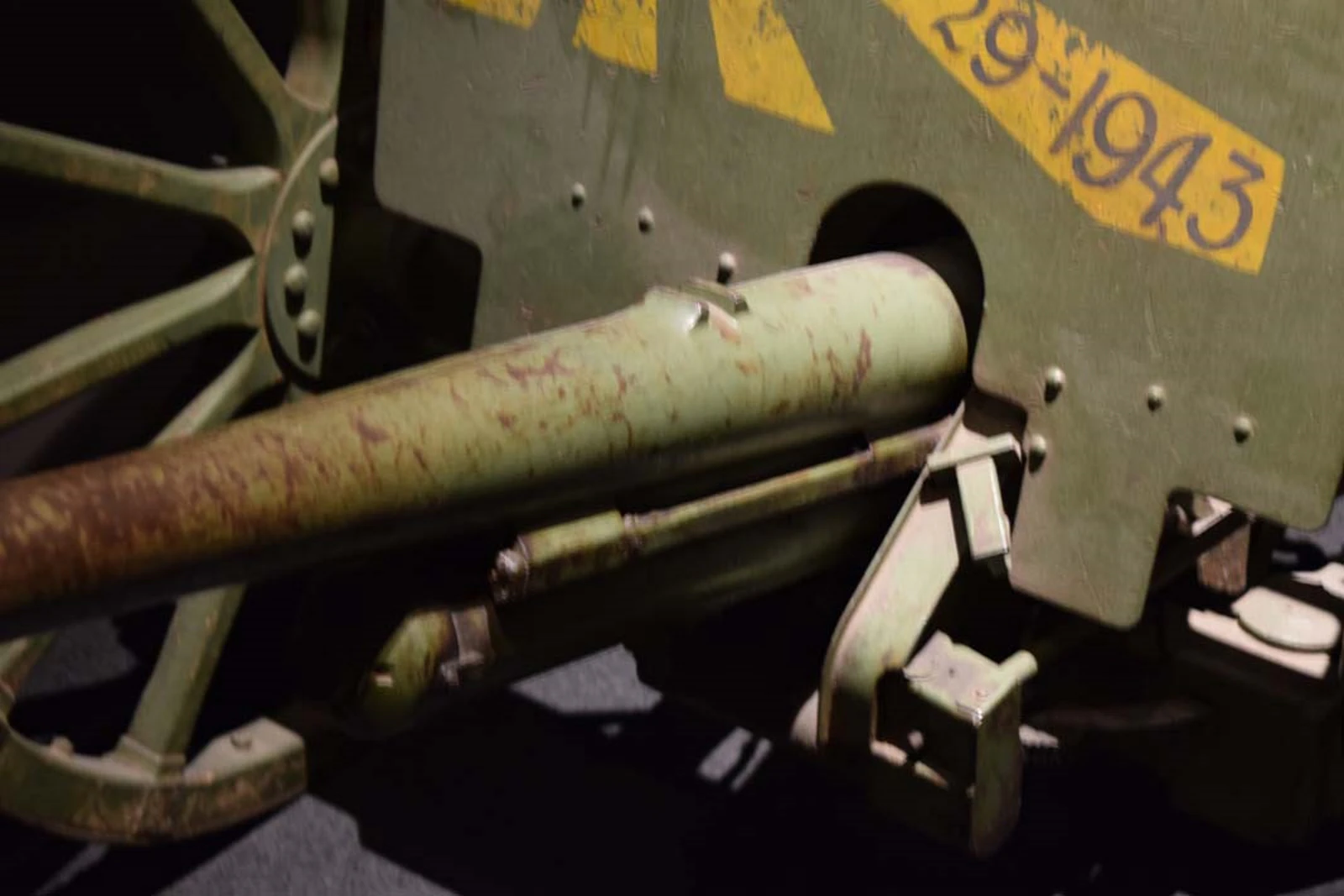
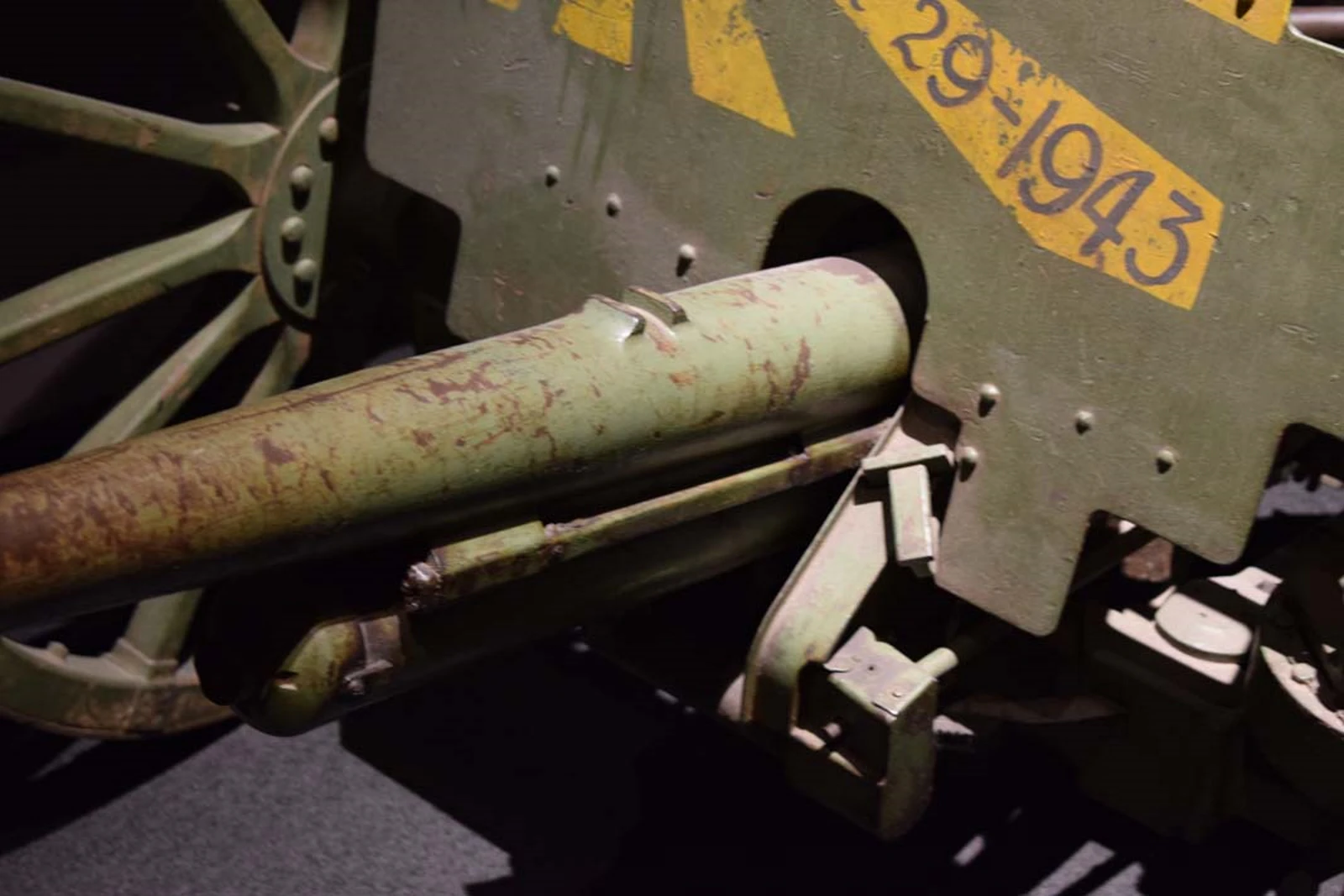
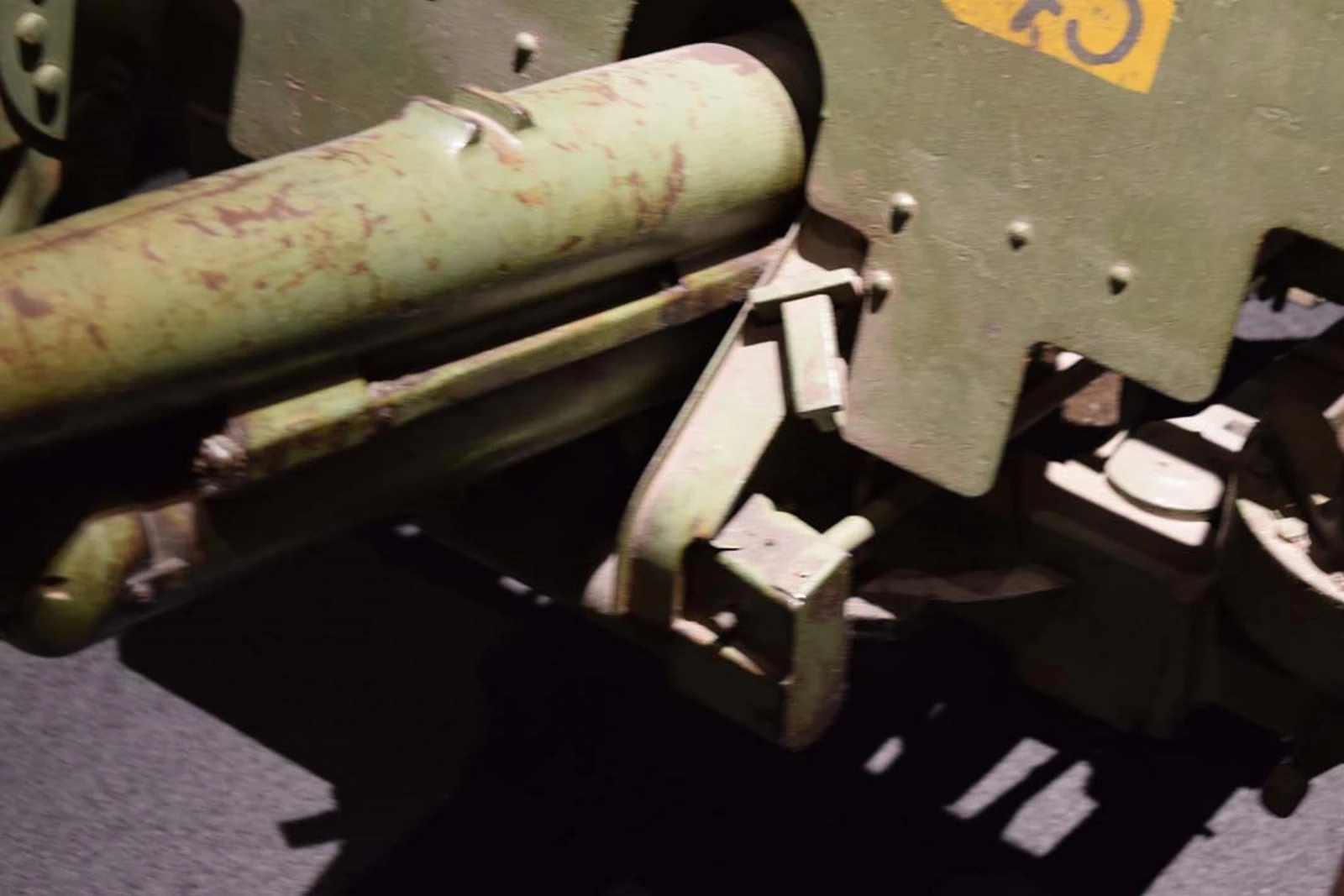
| Popis | Album 32 fotografie procházka kolem «Typ 94 37mm protitankové dělo» |
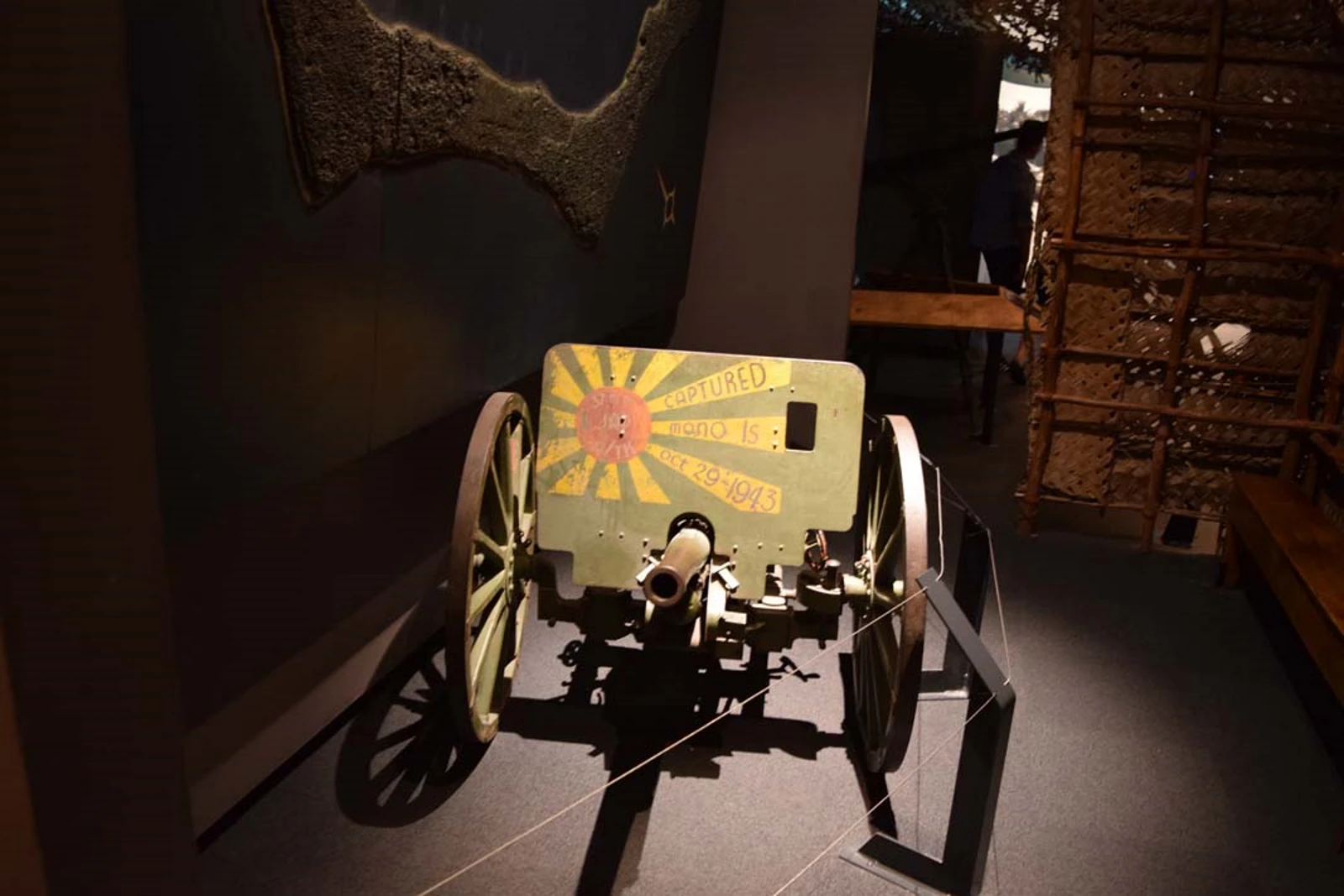
Fotogalerie Protitankové dělo typu 94 37 mm, The Type 94 37 mm anti-tank gun (九四式三十七粍速射砲 Kyūyon-shiki sanjyūnana-miri sokushahō?) was an anti-tank gun developed by the Imperial Japanese Army, and used in combat during the Second Sino-Japanese War and World War II. The Type 94 number was designated for the year the gun was accepted, 2594 in the Japanese imperial year calendar, or 1934 in the Gregorian calendar
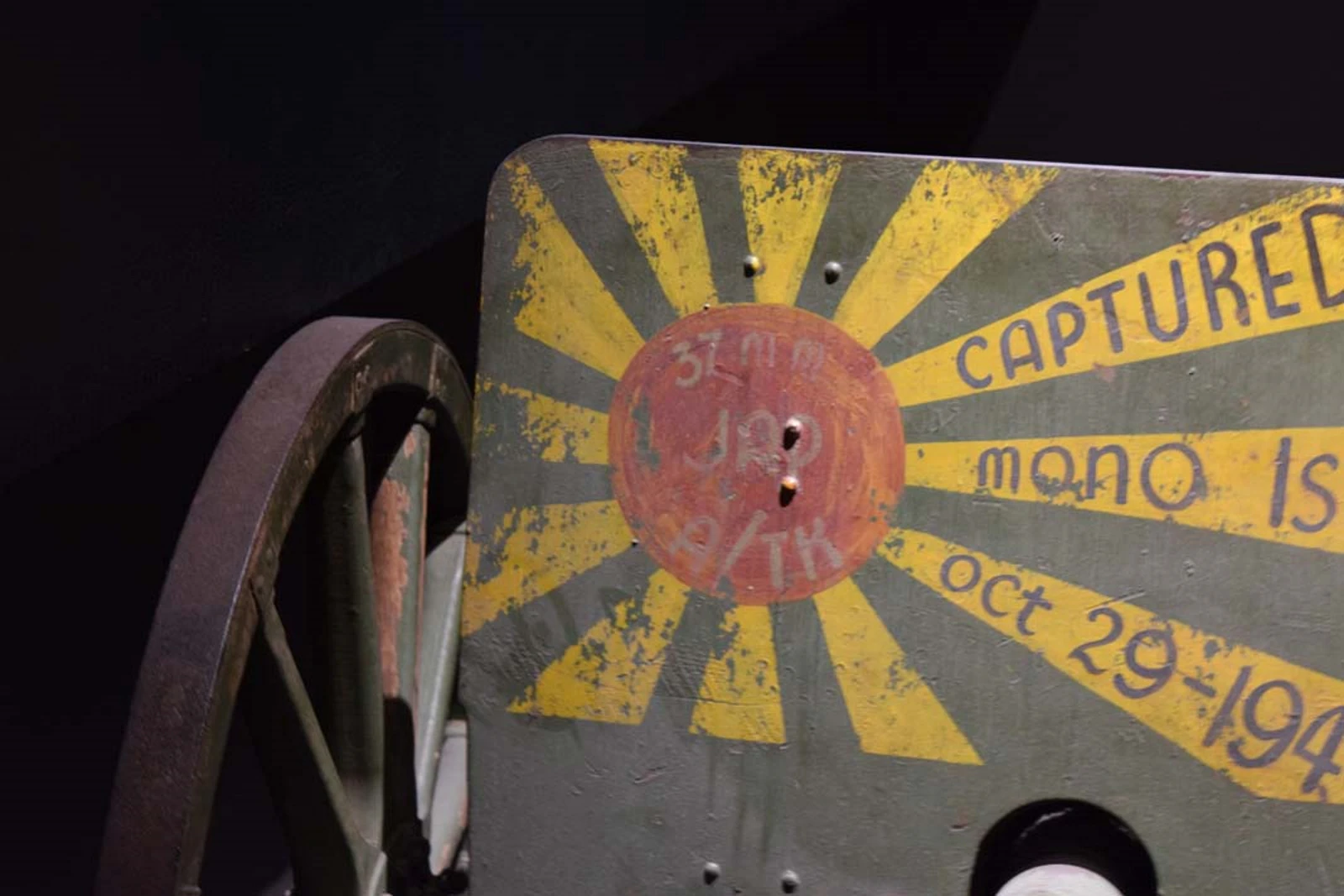
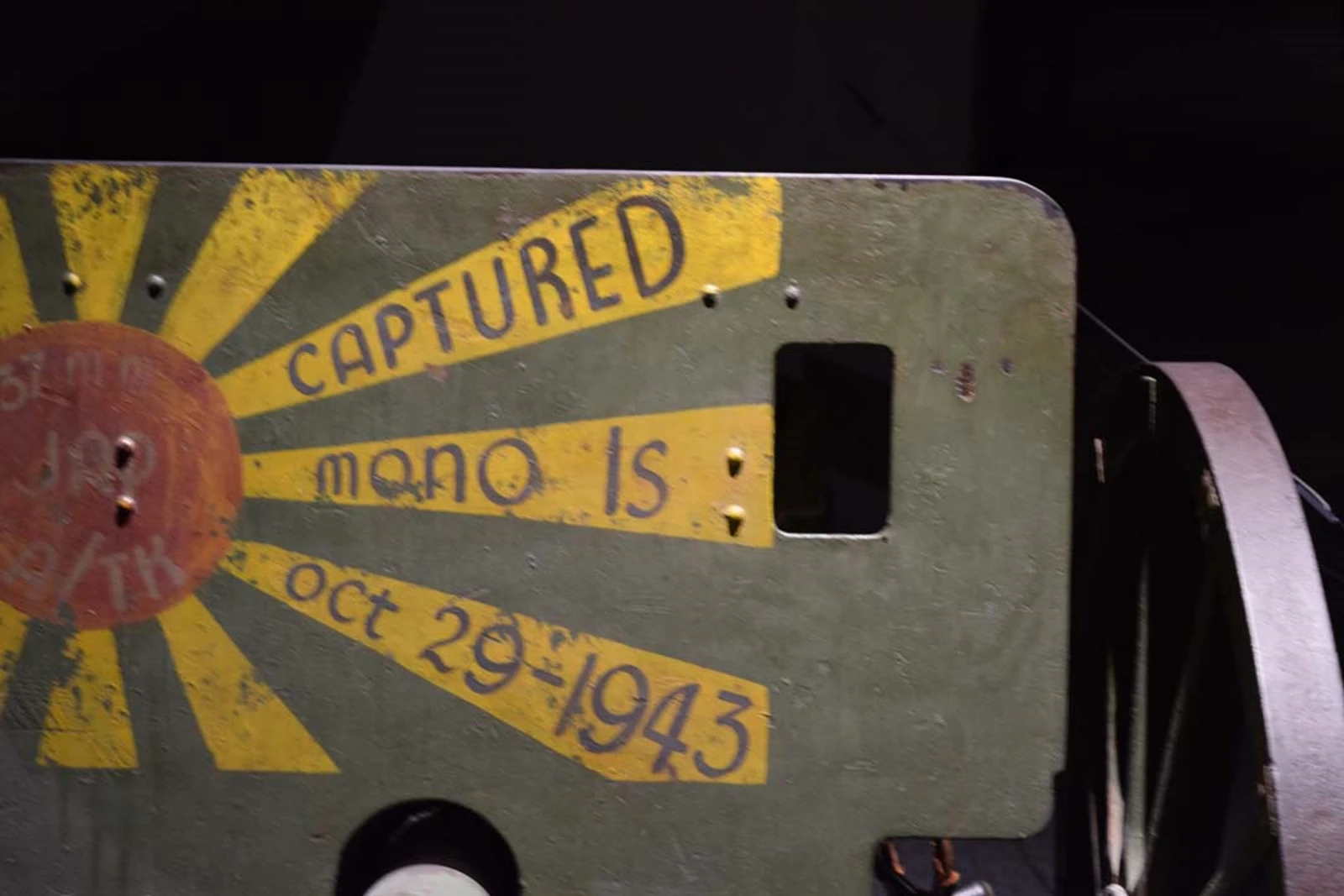
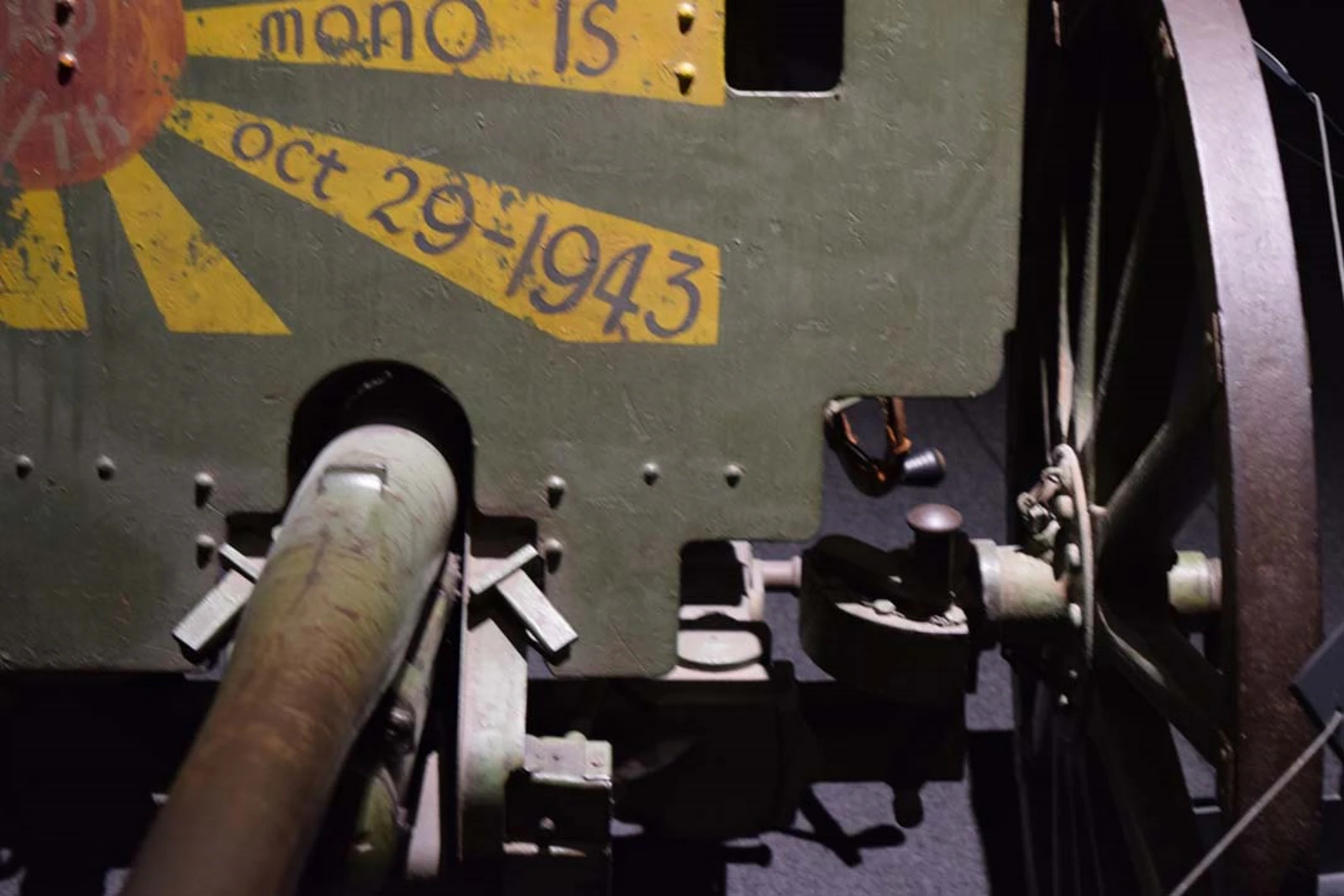
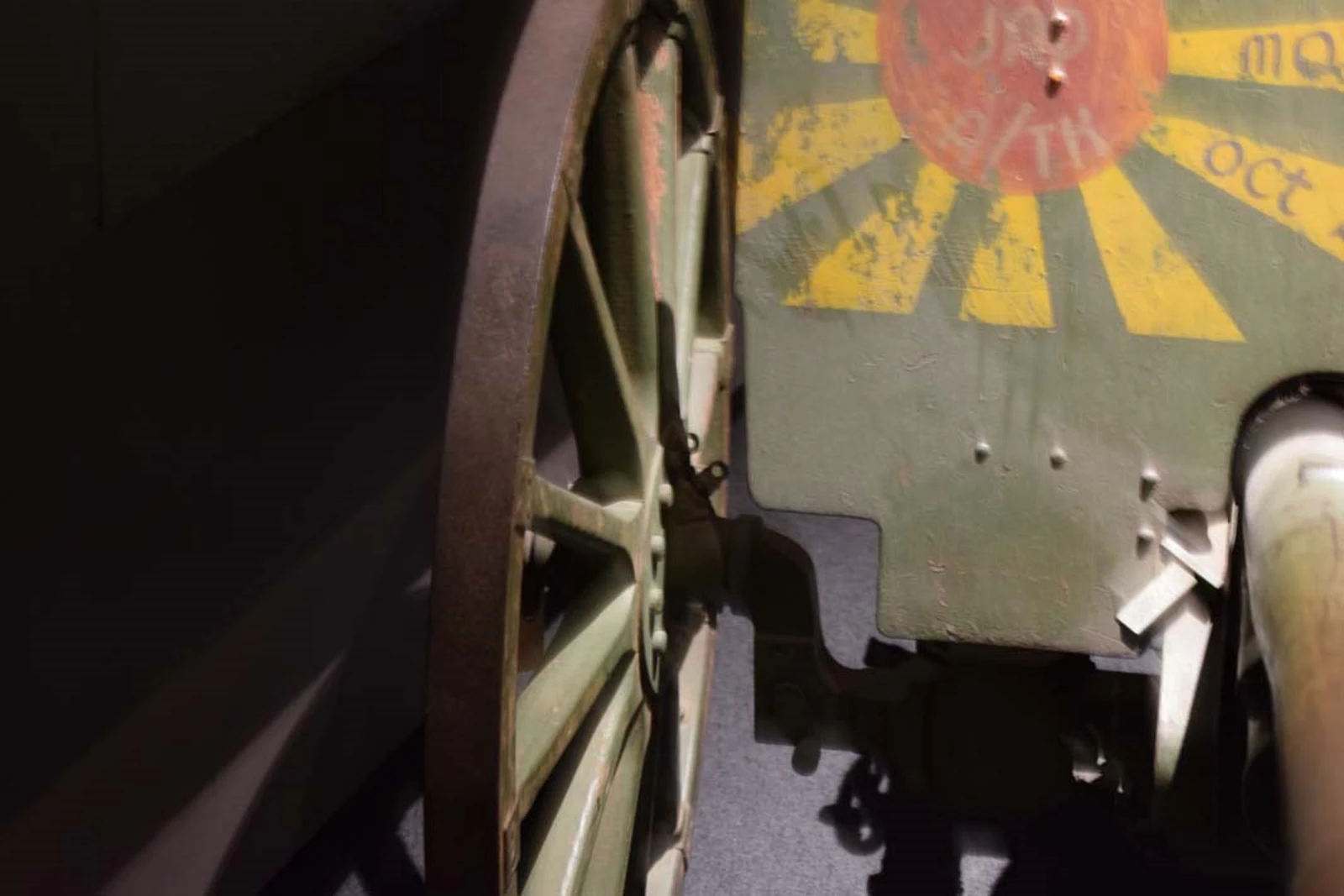

 Kupte mi kávu
Viz také:


The Infantry’s Shield
Tá Protitankové dělo typu 94 37 mm was the Imperial Japanese Army’s first dedicated weapon for stopping enemy armor. Introduced in 1936 (Imperial Year 2594), it was designed as a lightweight, low-profile replacement for the older Type 11 infantry gun. Though it was small and eventually outclassed by heavier Allied tanks like the M4 Sherman, it was a highly mobile and effective weapon against the light armor and bunkers encountered in China and during the early Pacific campaigns. Its extremely low silhouette made it a master of ambush in the dense jungles and tall grasses of the Pacific islands.
| Attribute | Technical Specification (Type 94) |
|---|---|
| Roli | Anti-Tank / Infantry Support Gun |
| Posádky | 11 (1 Squad – typically 1 gunner and several loaders/carriers) |
| Total Weight | 324 kg (714 lbs) |
| Muzzle Velocity | 700 m/s (2,300 ft/s) |
| Rate of Fire | Up to 30 rounds per minute (Effective 10-20 rpm) |
| Max Range | 4,500 m (4,920 yards) |
| Penetration | ~43 mm (1.7 in) at 460 meters (500 yards) |
| Ammo Types | APHE (Armor-Piercing High Explosive), HE (High Explosive) |
Design Engineering: Stealth and Mobility
- The “Squat” Posture: The Type 94 was specifically designed to be operated from a squatting or prone position. This gave the gun an incredibly low height, making it nearly invisible when hidden in a trench or behind foliage.
- Semi-Automatic Breech: To achieve its high rate of fire, the gun featured a horizontal sliding-block breech that automatically opened and ejected the shell casing upon recoil. When a new round was pushed in, the breech snapped shut, readying the weapon instantly.
- Man-Portable Breakdown: The gun could be disassembled into four main components, each weighing under 100 kg. This allowed Japanese infantry to carry the weapon across rugged mountains or through dense swamps where vehicle towing was impossible.
- Dual-Purpose Sighting: It used a straight telescopic sight for anti-tank work but was also capable of high-explosive fire against infantry nests and machine gun bunkers, making it a favorite for regimental support.
Combat History: From Nomonhan to the Pacific
- Success at Khalkhyn Gol: During the 1939 border clashes with the Soviet Union, the Type 94 proved lethal against the thin-skinned Soviet BT-5 and BT-7 light tanks, though it struggled against the heavier armor of the time.
- The “Sherman Problem”: By 1944, the Type 94 was largely obsolete as an anti-tank weapon. Its 37mm rounds would frequently bounce off the front of American M4 Shermans. However, Japanese crews adapted by aiming for the thinner side armor, tracks, or vision slits at point-blank range.
- Jungle Ambush: On islands like Guadalcanal and Iwo Jima, the Type 94 was often buried in “spider holes” or log bunkers. It would wait until American tanks were just meters away before firing, using its small size to stay hidden until the last second.
- Tank Mounting: A variant of this gun was used as the primary armament for the **Type 95 Ha-Go** light tank and the **Type 97 Te-Ke** tankette, forming the backbone of Japanese armored units in the early war.
Zobrazení : 2598