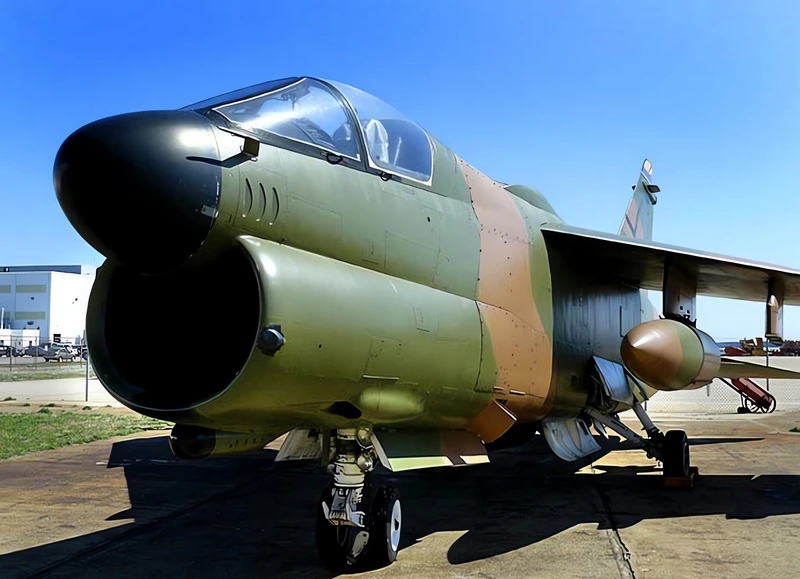
LTV A-7 Corsair II | |
|---|---|
| Страна | Сащ |
| Роля | Атакуващи самолети |
| Първи полет | 26 септември 1965 г. |
| Построен | 1169 |
1. ЛТВ А-7 Корсар II е американски самолет, способен на самолетоносач за дозвуково леко нападение, произведен от Ling-Temco-Vought (LTV), за да замени Douglas A-4 Skyhawk. Дизайнът на корпуса му е малко по-малка версия на свръхзвуковия Vought F-8 Crusader. Corsair II първоначално влиза в експлоатация във ВМС на САЩ (USN) по време на войната във Виетнам. По-късно е приет от ВВС на САЩ (USAF), включително Въздушната национална гвардия (ANG), за да замени Douglas A-1 Skyraider и северноамериканския F-100 Super Sabre. Самолетът е изнасян и за Гърция през 70-те години на миналия век, а в Португалия в края на 80-те години. USAF и USN се пенсионират през 1991 г., ANG през 1993 г., португалските военновъздушни сили през 1999 г. и гръцките военновъздушни сили през 2014 г.
Източник: LTV A-7 Corsair II в Уикипедия
| LTV A-7D Corsair II Walk Around | |
|---|---|
| Photographer | Bill Maloney |
| Localisation | Unknow |
| Photos | 20 |
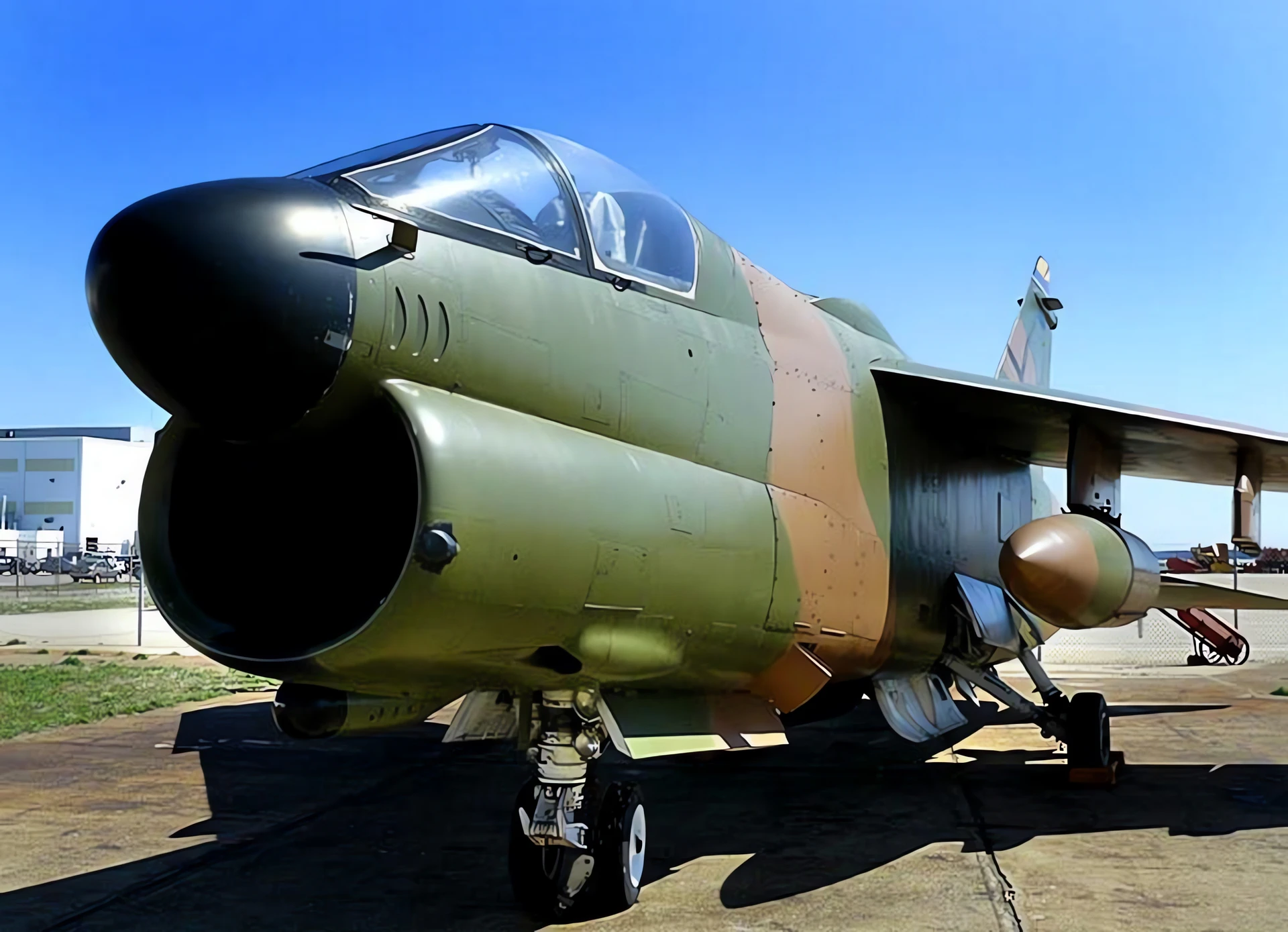
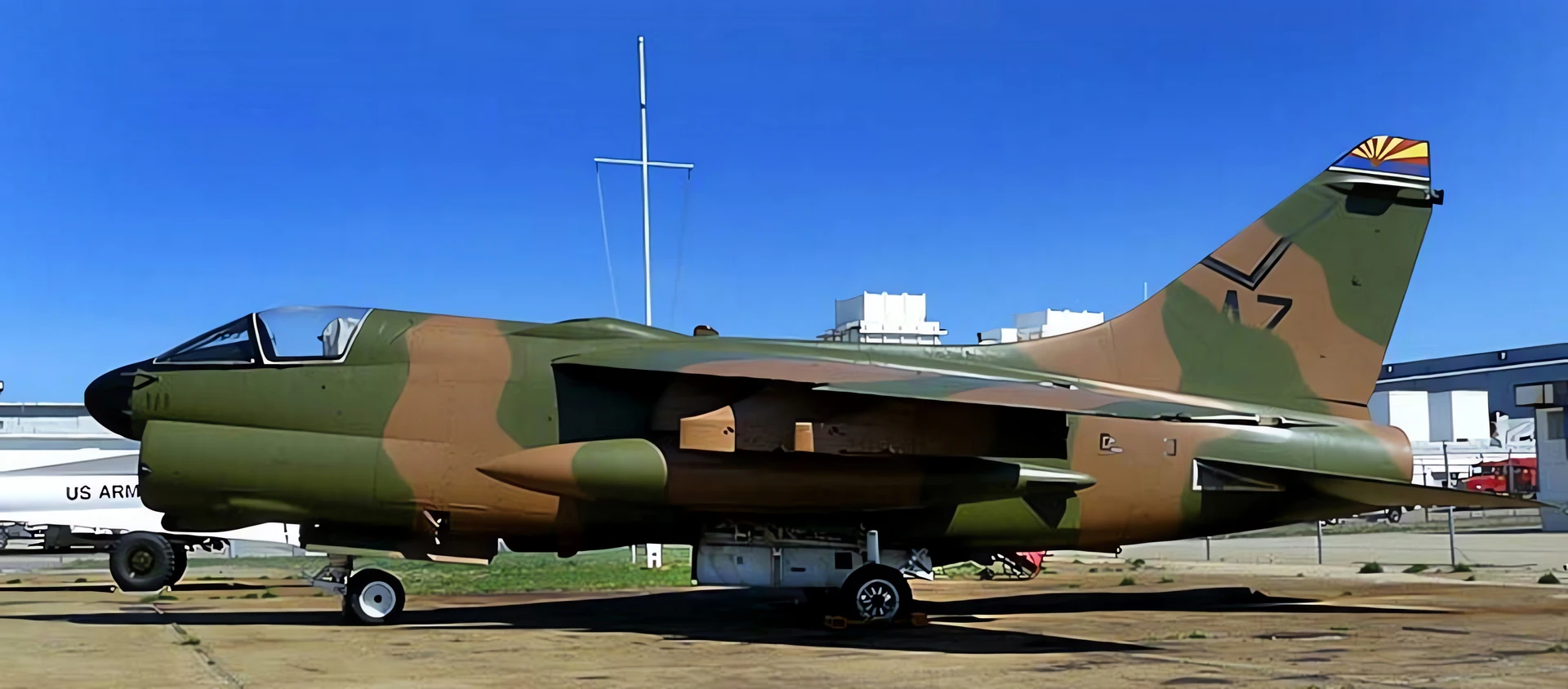
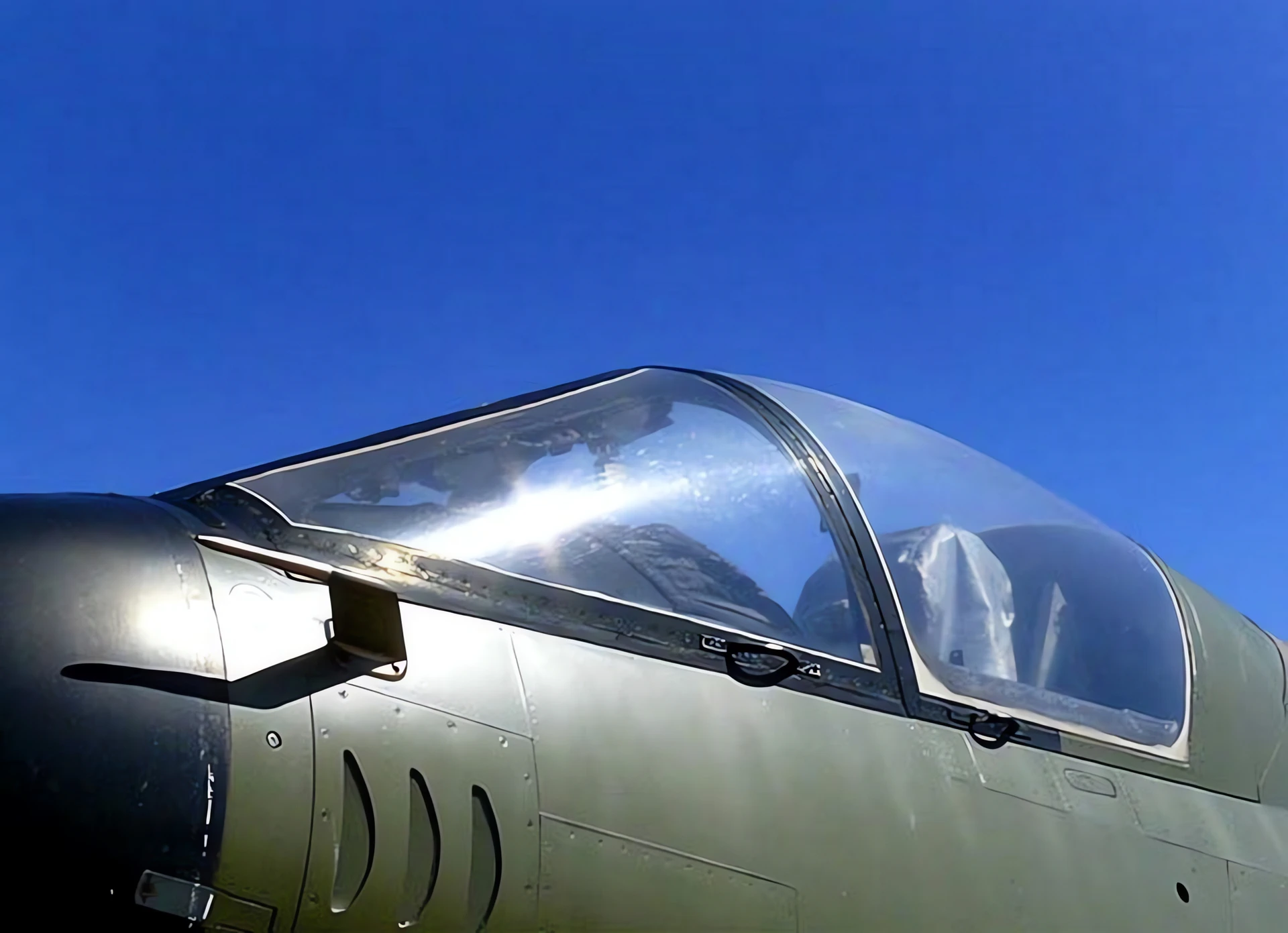
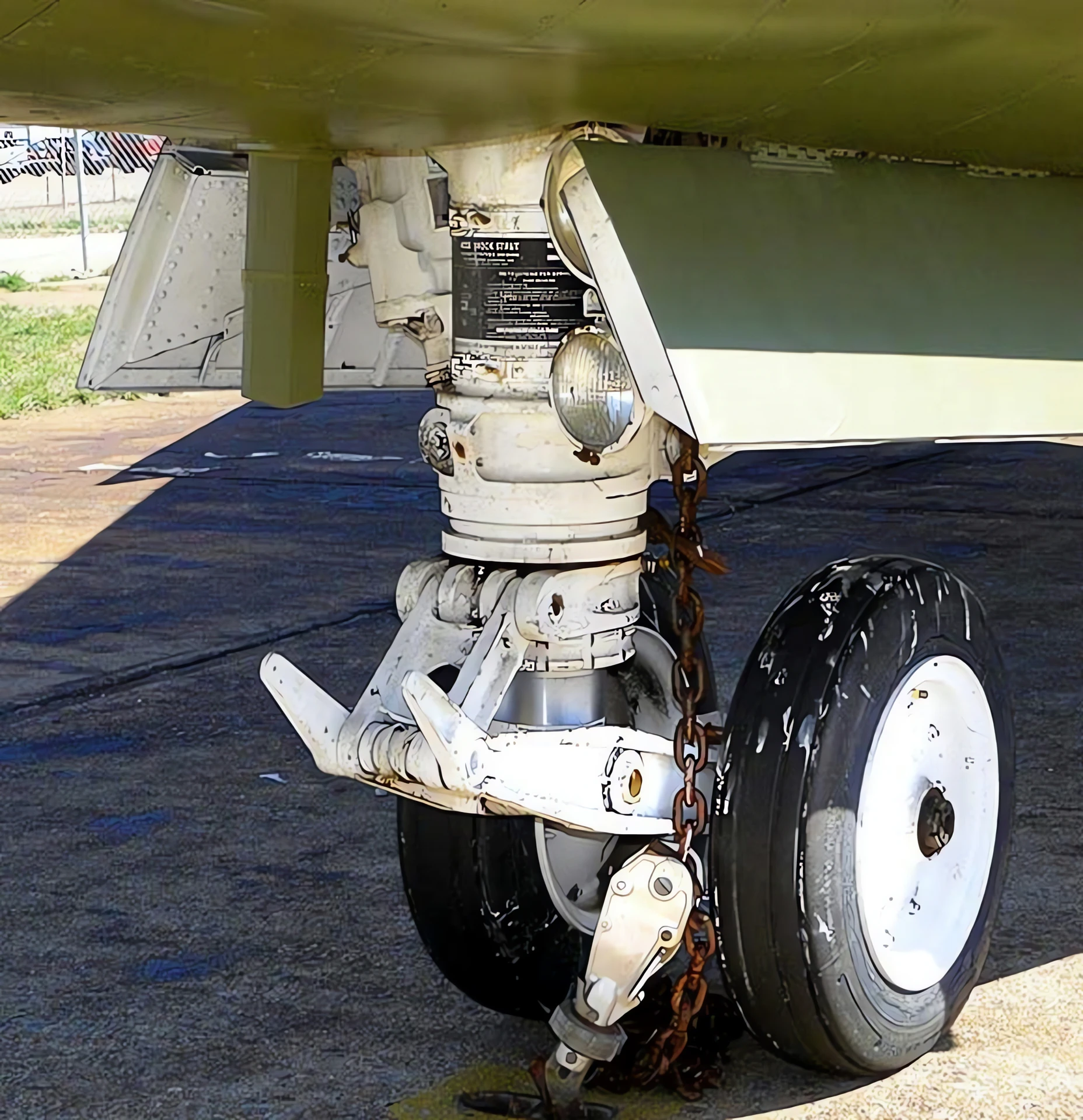
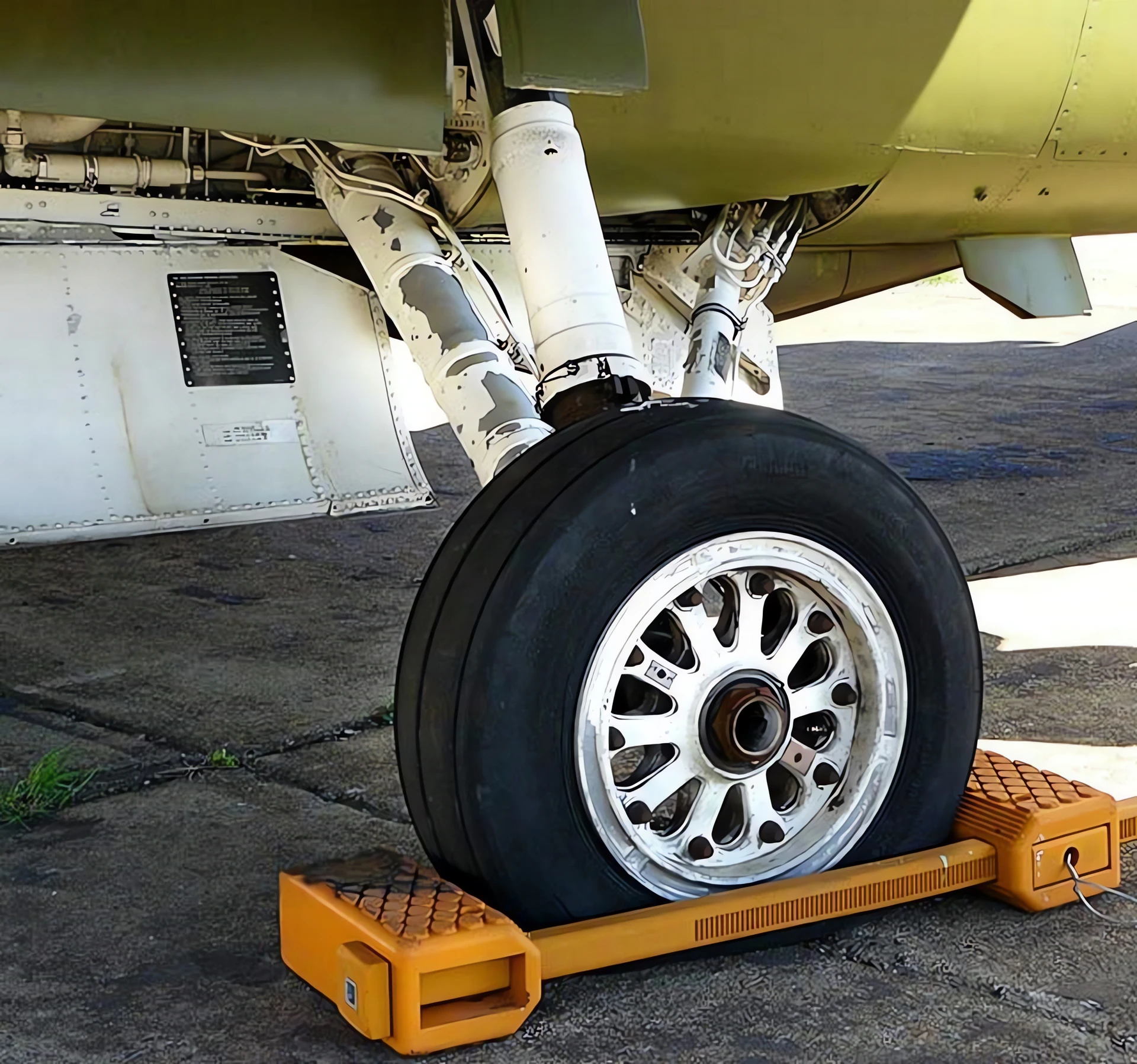
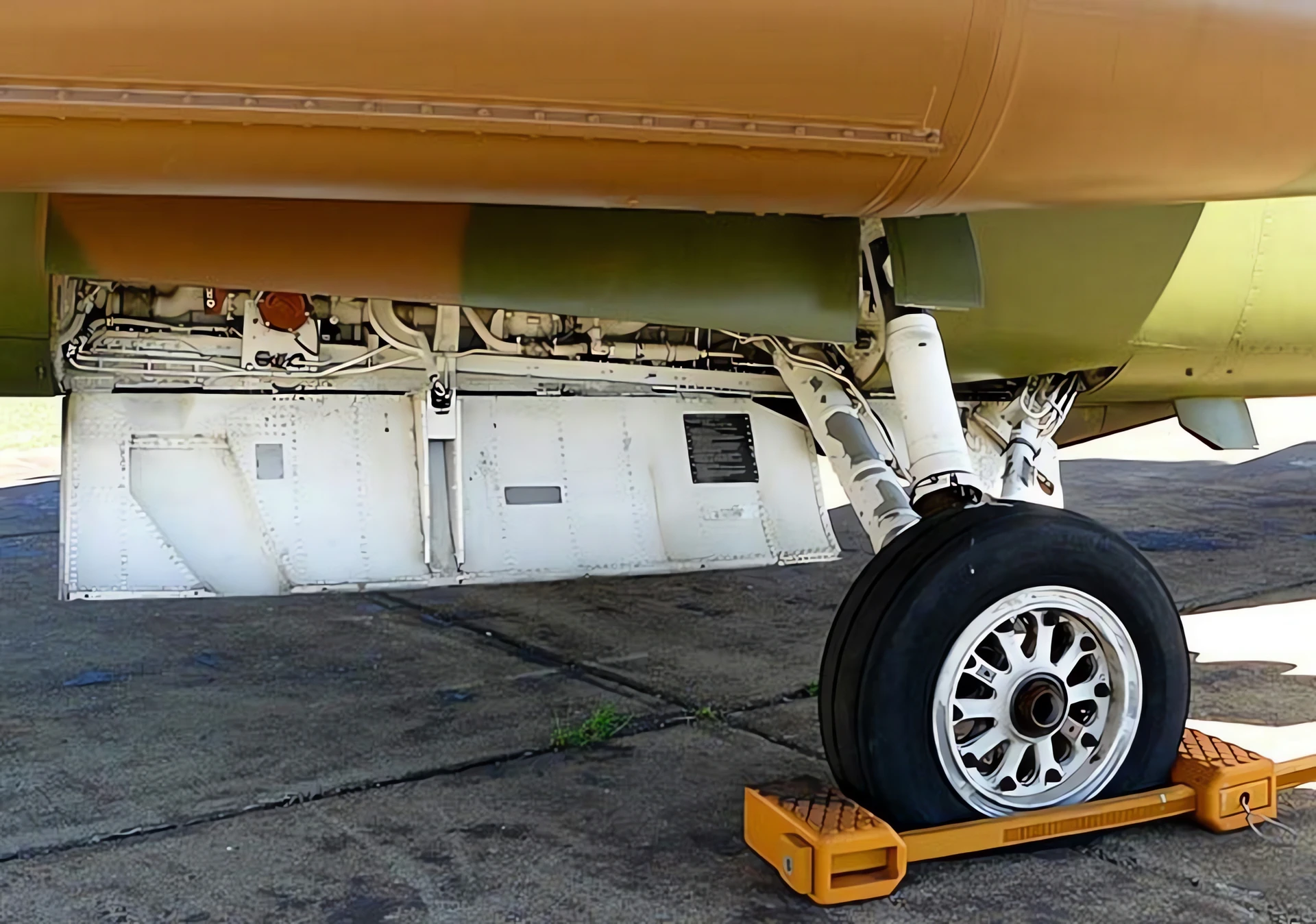
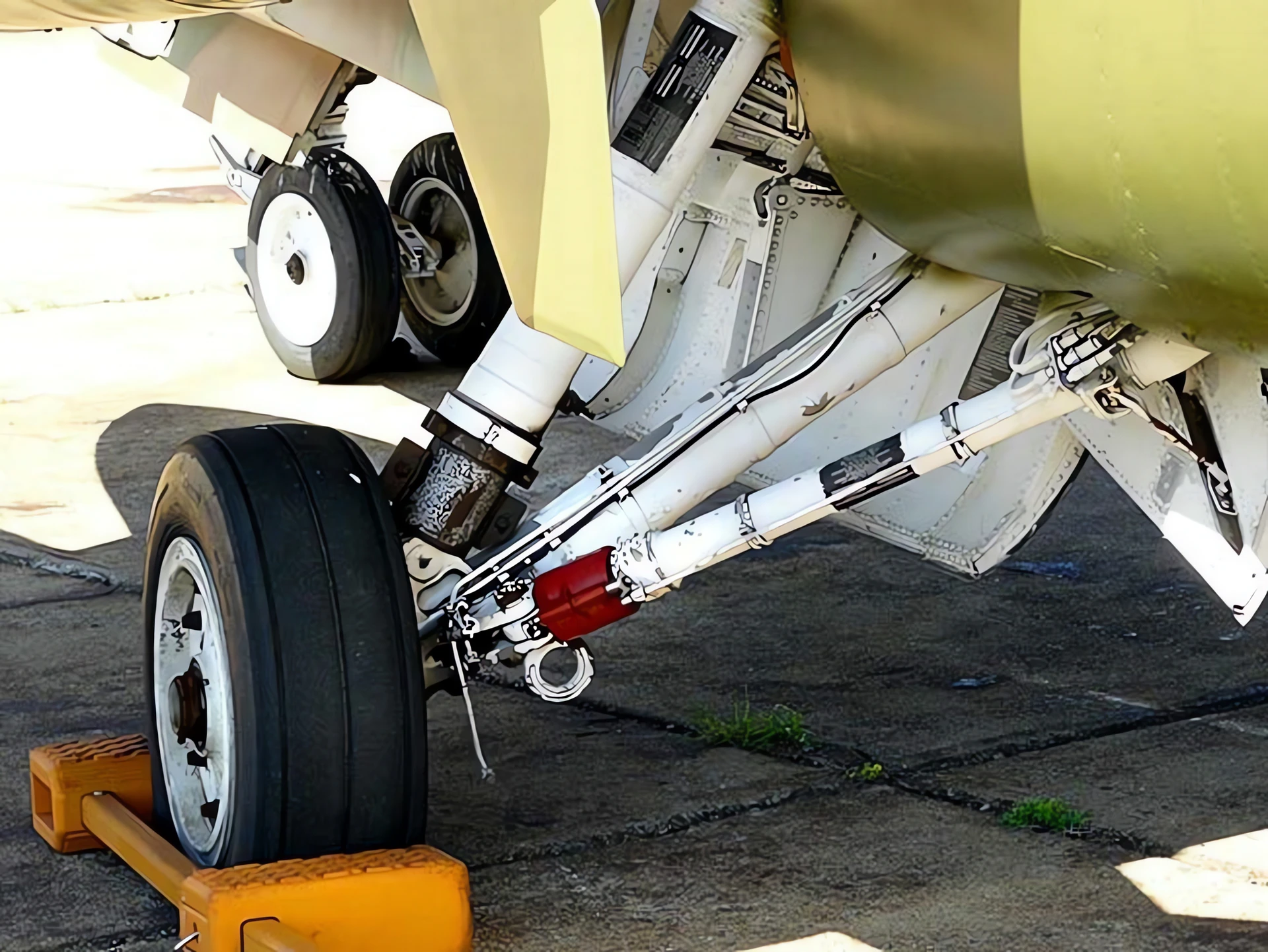
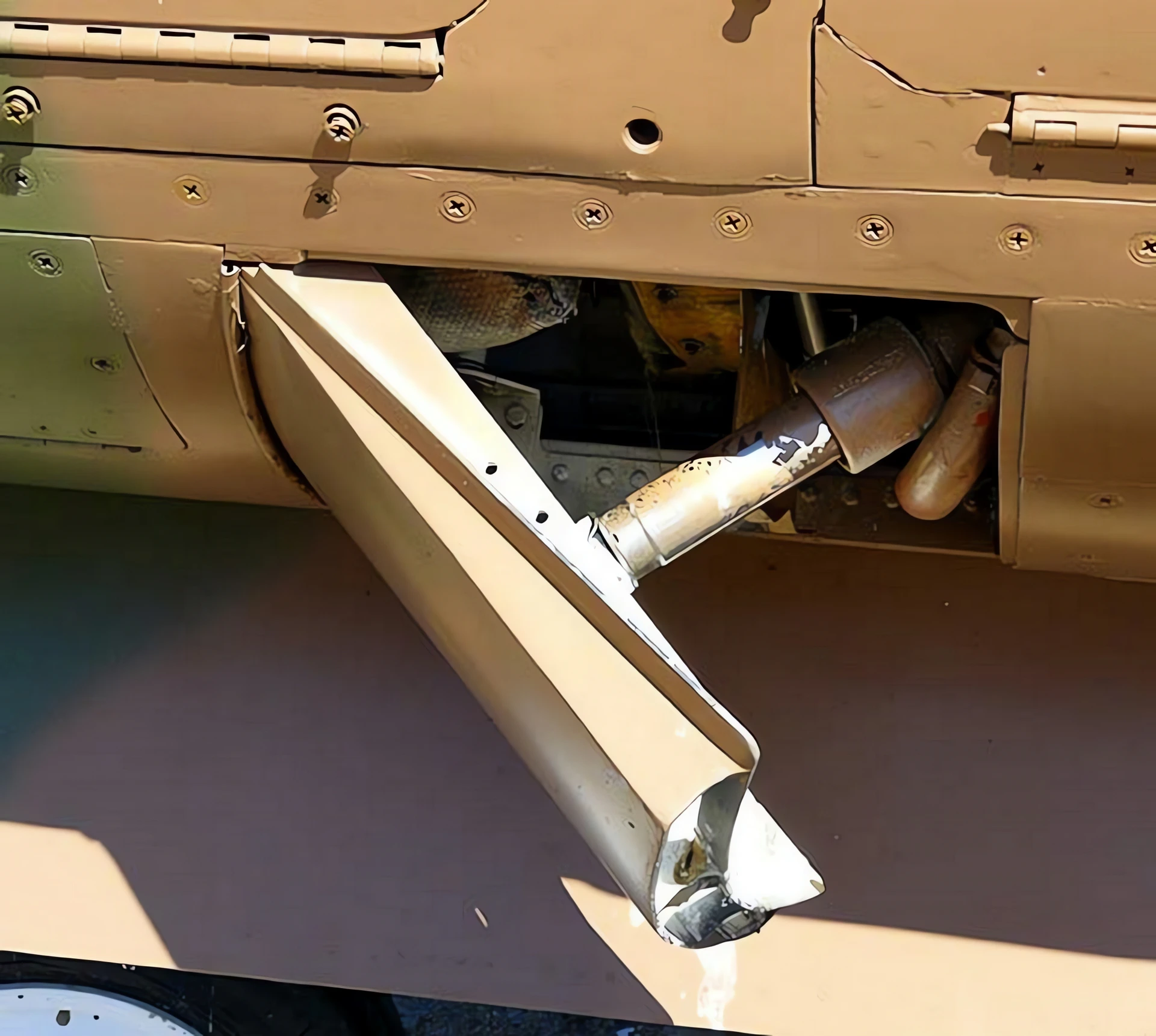
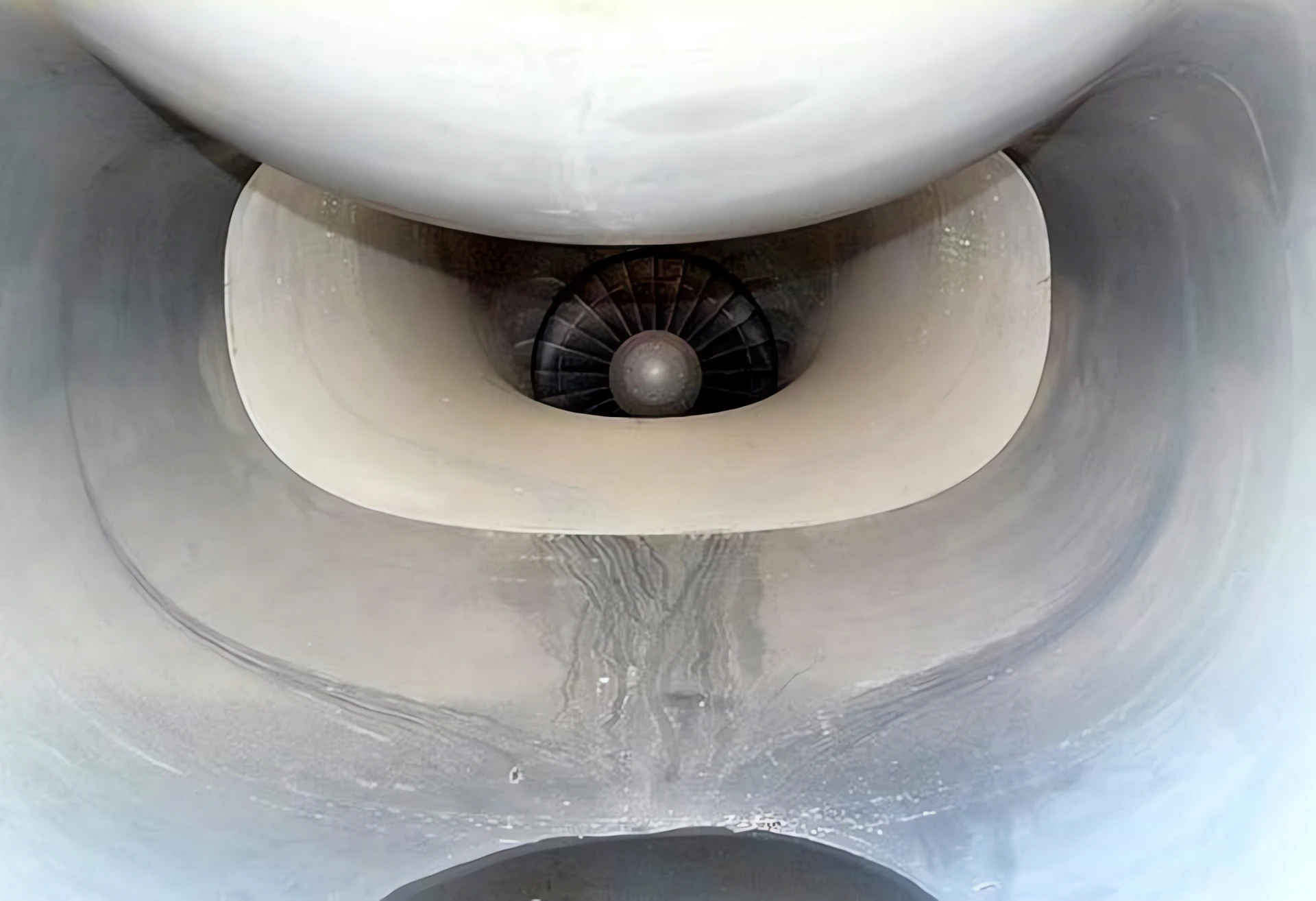

Вижте също:


| LTV A-7D Corsair II Walk Around | |
|---|---|
| Photographer | Bill Maloney |
| Localisation | Wings of Eagles Discovery Center |
| Photos | 18 |

| Ling-Temco-Vought A-7D Corsair II Walk Around | |
|---|---|
| Photographer | Unknow |
| Localisation | Unknow |
| Photos | 36 |
General Characteristics and Role
The LTV A-7D Corsair II was a dedicated carrier-capable, subsonic, light attack aircraft developed for the US Navy and later adapted for the US Air Force (USAF), becoming the A-7D variant. The A-7D was a significant modernization of the naval A-7, featuring the switch from the Navy’s Pratt & Whitney turbofan to the more powerful Allison TF41-A-1 turbofan engine, an entirely new computerized navigation and weapons delivery system, and the replacement of the twin 20 mm cannons with a single 20 mm M61 Vulcan rotary cannon. The A-7D became the standard attack aircraft for the Tactical Air Command (TAC) during the Vietnam War, valued for its accuracy and extremely high payload capacity relative to its size. It was nicknamed the “SLUF” (Short Little Ugly Fella).
| Property | Typical Value (A-7D) |
|---|---|
| Роля | Light Attack (Close Air Support and Interdiction) |
| National Origin | САЩ |
| Производителя | Ling-Temco-Vought (LTV) |
| First Flight (A-7D) | 26 September 1968 |
| Екипажа | 1 (Pilot) |
| Дължина | 14.00 m (45 ft 11 in) |
| Размах | 11.80 m (38 ft 9 in) |
| Височина | 4.90 m (16 ft 1 in) |
| Empty Weight | 8,676 kg (19,128 lb) |
| Max Takeoff Weight | 19,050 kg (42,000 lb) |
Powerplant and Performance
- Engine: 1 x Allison TF41-A-1 (Rolls-Royce Spey derivative) turbofan engine.
- Thrust: 64.5 kN (14,500 lbf) (non-afterburning).
- Maximum Speed: 1,110 km/h (690 mph; 600 kn) at sea level (subsonic).
- Combat Radius: 1,127 km (700 mi; 608 nmi) (clean configuration).
- Ferry Range: 4,600 km (2,860 mi).
- Service Ceiling: 12,800 m (42,000 ft).
Armament and Avionics
- Fixed Armament: 1 x 20 mm M61A1 Vulcan Gatling cannon in the fuselage (USAF requirement).
- Hardpoints: 6 x wing pylons and 2 x fuselage stations for a total external load of up to 6,800 kg (15,000 lb).
- Typical Ordnance: Carried a vast array of air-to-ground ordnance, including conventional bombs (up to 12 x 500 lb bombs), rocket pods, AGM-65 Maverick, and Paveway laser-guided bombs (LGBs).
- Avionics: Featured a Head-Up Display (HUD) and an integrated inertial navigation system (INS) which gave the A-7D phenomenal bombing accuracy, far superior to many contemporary fighters.
Views : 2952
Можете да видите също :
 McDonnell Douglas KC-10 Extender – Снимки и видео
 McDonnell FH Phantom – Снимки и видео
 C-130J Херкулес – Снимки и видео
 Маки MC-200 – мобилна
 ПЗЛ П.11 – мобилна
 P-51 Mustang vol2 – Разходка наоколо
 Бел Р-63Е КингКобра – мобилна
 Воуг F4U Корсар – мобилна
 F4U-7 Корсар – мобилна
 Дъглас А-26 Нашественик – благодарение на