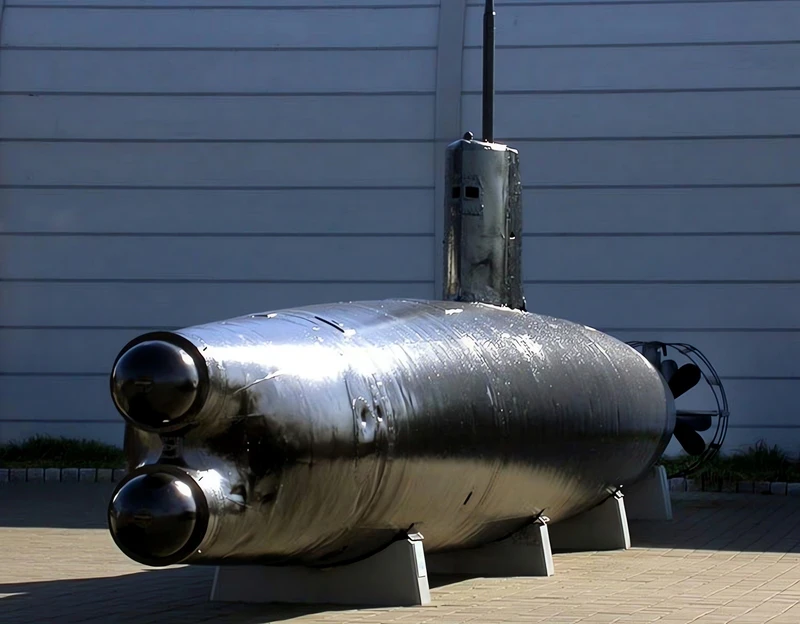
Type A Midget Submarine | |
|---|---|
| 国家 | 日本帝国 |
| 类 | 科赫特基级潜艇 |
| 时期 | 二战 |
| 建立 | 未知 |
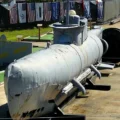
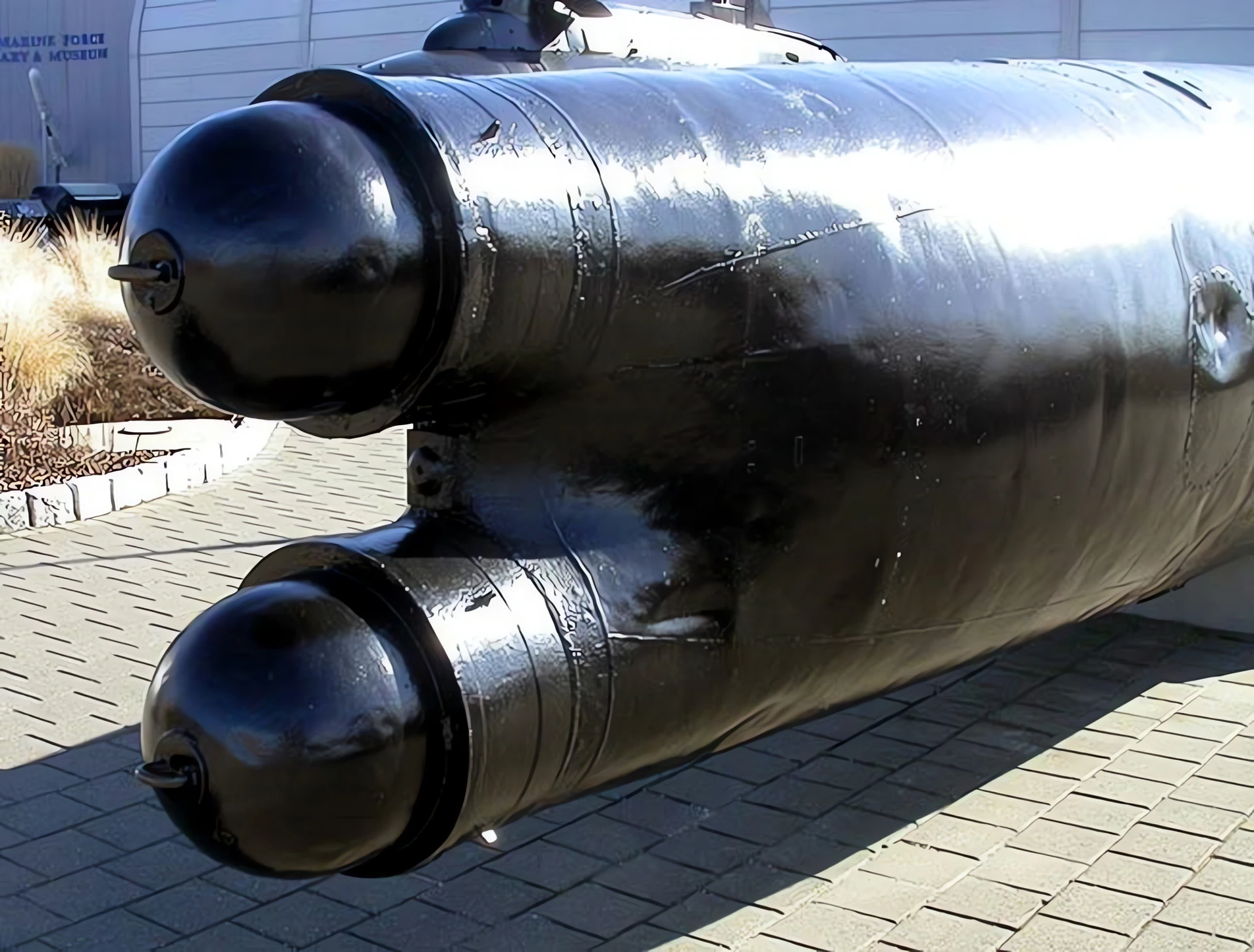
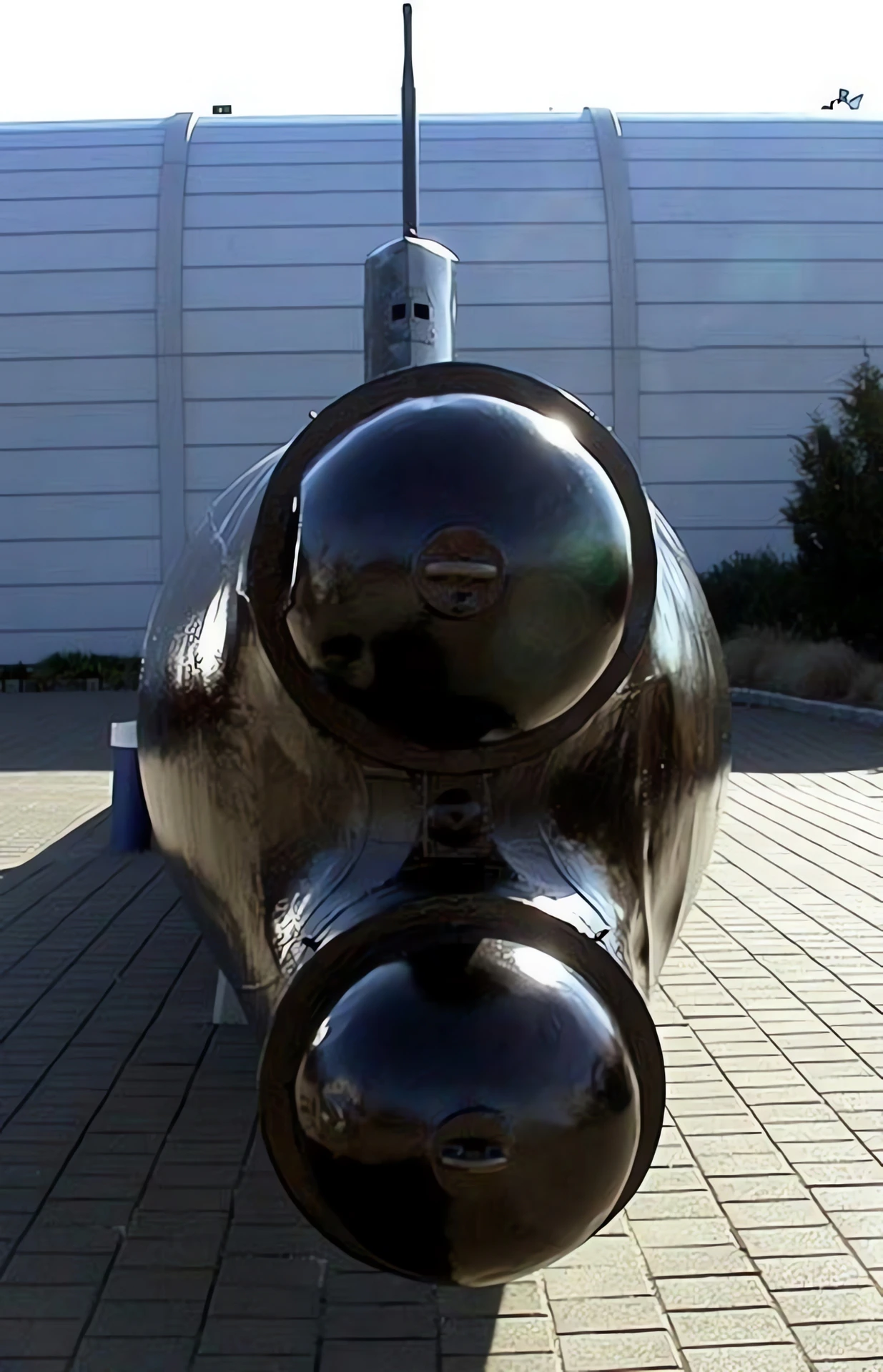
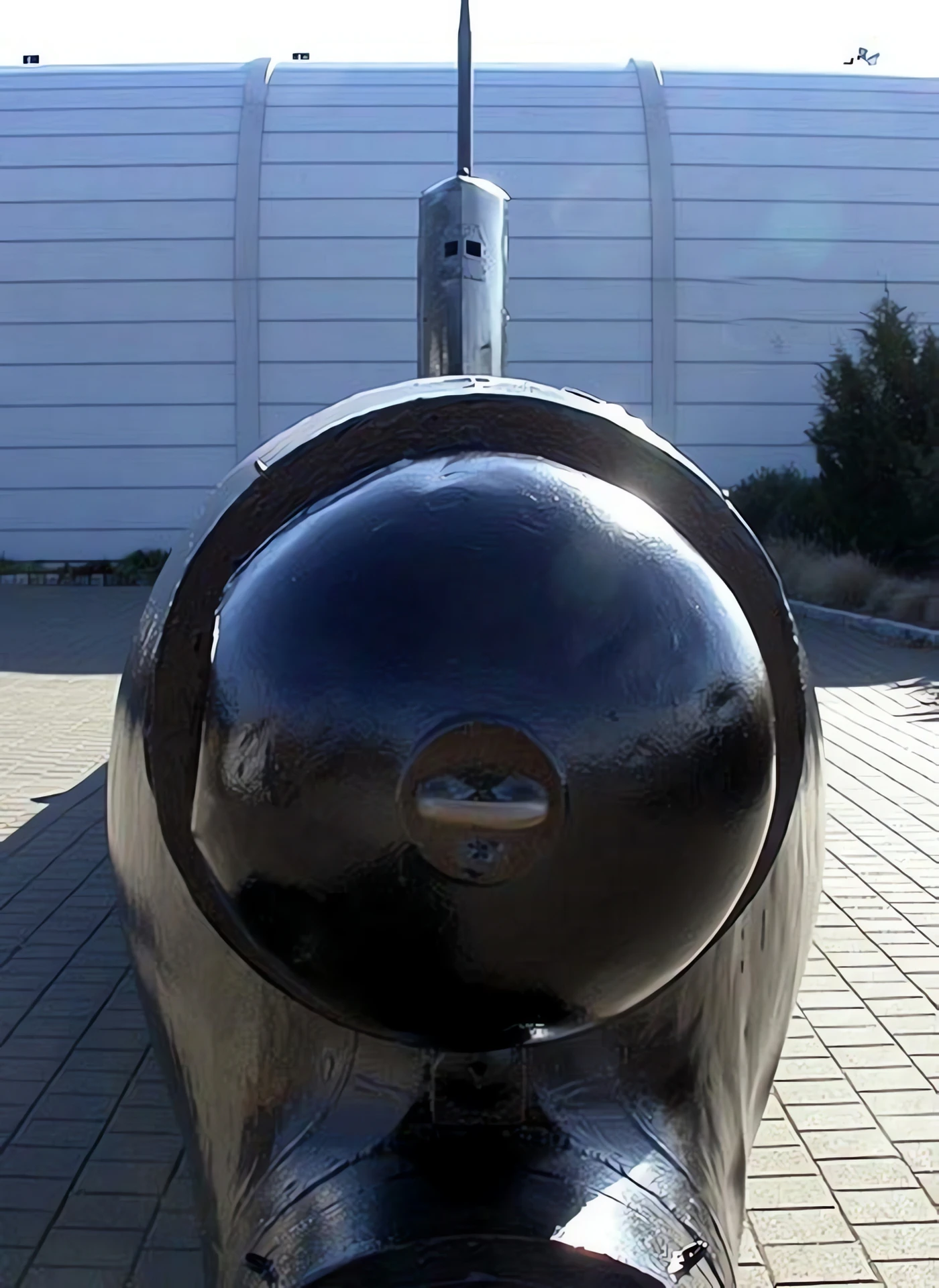
这 A 型高孝特基 (甲標的甲型 Kō-hyōteki kō-gata, Target ‘A’, Type ‘A’) class was a class of Japanese midget submarines (Ko-hyoteki) used during World War II. They had hull numbers but no names. For simplicity, they are most often referred to by the hull number of the mother submarine. Thus, the midget carried by I-16-class submarine was known as I-16’s boat, or “I-16tou.” This class was followed by: Type B (甲標的乙型 Kō-hyōteki otsu-gata), Type C (甲標的丙型 Kō-hyōteki hei-gata), and Type D (甲標的丁型 Kō-hyōteki tei-gata), the last one better known as Kōryū
源: 维基百科上的A型侏儒潜艇
| Japanese Type A Midget Submarine Walk Around | |
|---|---|
| Photographer | Bill Maloney |
| Localisation | Unknow |
| Photos | 20 |

另请参阅:


General Characteristics and Role
The Type A midget submarine, formally designated the Kō-hyōteki (Target A) class, was a two-man submersible developed by the Imperial Japanese Navy (IJN) in the late 1930s. The name “Target A” was a codename used to disguise its true purpose: a high-speed, stealth weapon intended for penetrating heavily defended enemy harbors and attacking anchored capital ships. The submarines were not built for long-range patrols but were transported to the operational area via larger “mother” submarines. Their most famous, though largely unsuccessful, deployment was during the attack on Pearl Harbor on December 7, 1941, where five units were launched.
| Property | Typical Value (Standard Type A) |
|---|---|
| Class Name | Kō-hyōteki (Target A) |
| 作用 | Midget Submarine (Harbor Attack) |
| National Origin | Imperial Japanese Navy |
| Year Introduced | 1940 |
| 船员 | 2 (Commander and Engineer) |
| 长度 | 23.9 m (78 ft 5 in) |
| Beam | 1.85 m (6 ft 1 in) |
| Displacement (Submerged) | 46 long tons (46.7 tonnes) |
| Test Depth | 30 m (100 ft) |
Propulsion and Performance
- Propulsion: Purely electric, powered by a 600 hp electric motor. The Type A did not have a diesel engine for recharging or surface cruising.
- Power Source: 224 lead-acid batteries, recharged by the mother submarine before launch.
- Maximum Speed (Submerged): Up to 19 knots (35 km/h), making it exceptionally fast for a submerged vessel of its time.
- Operational Range: Very limited, approximately 100 nautical miles at 2 knots submerged.
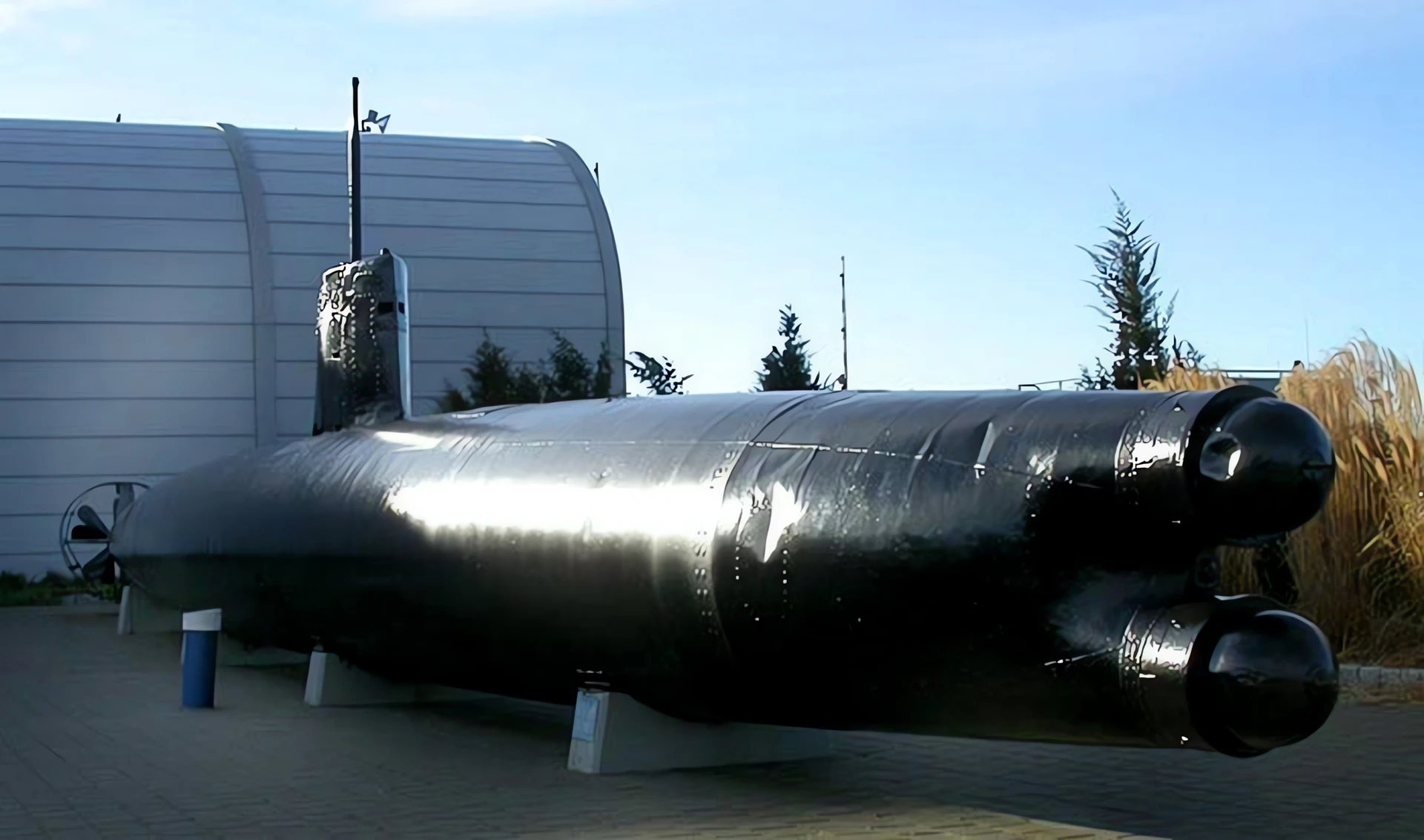
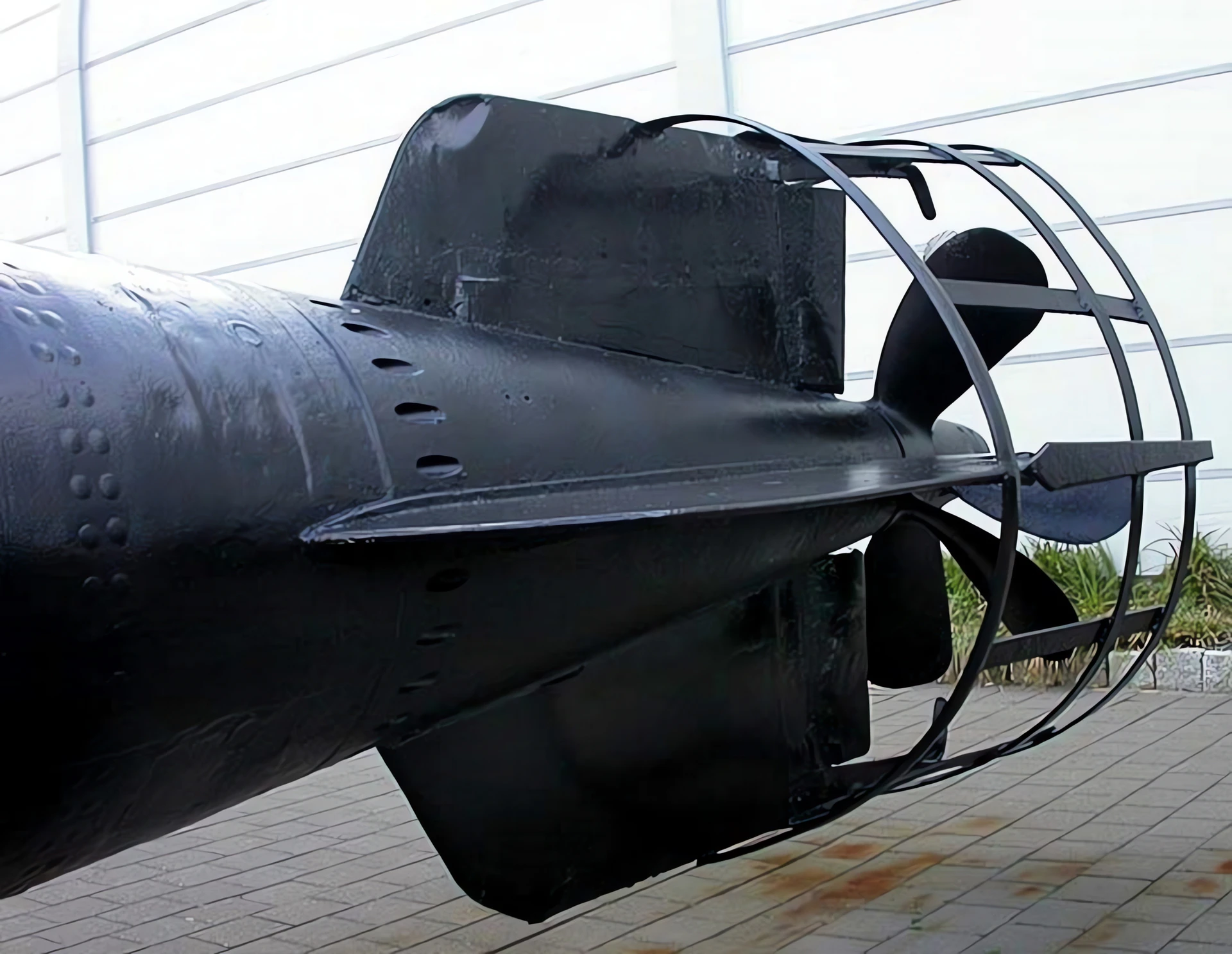
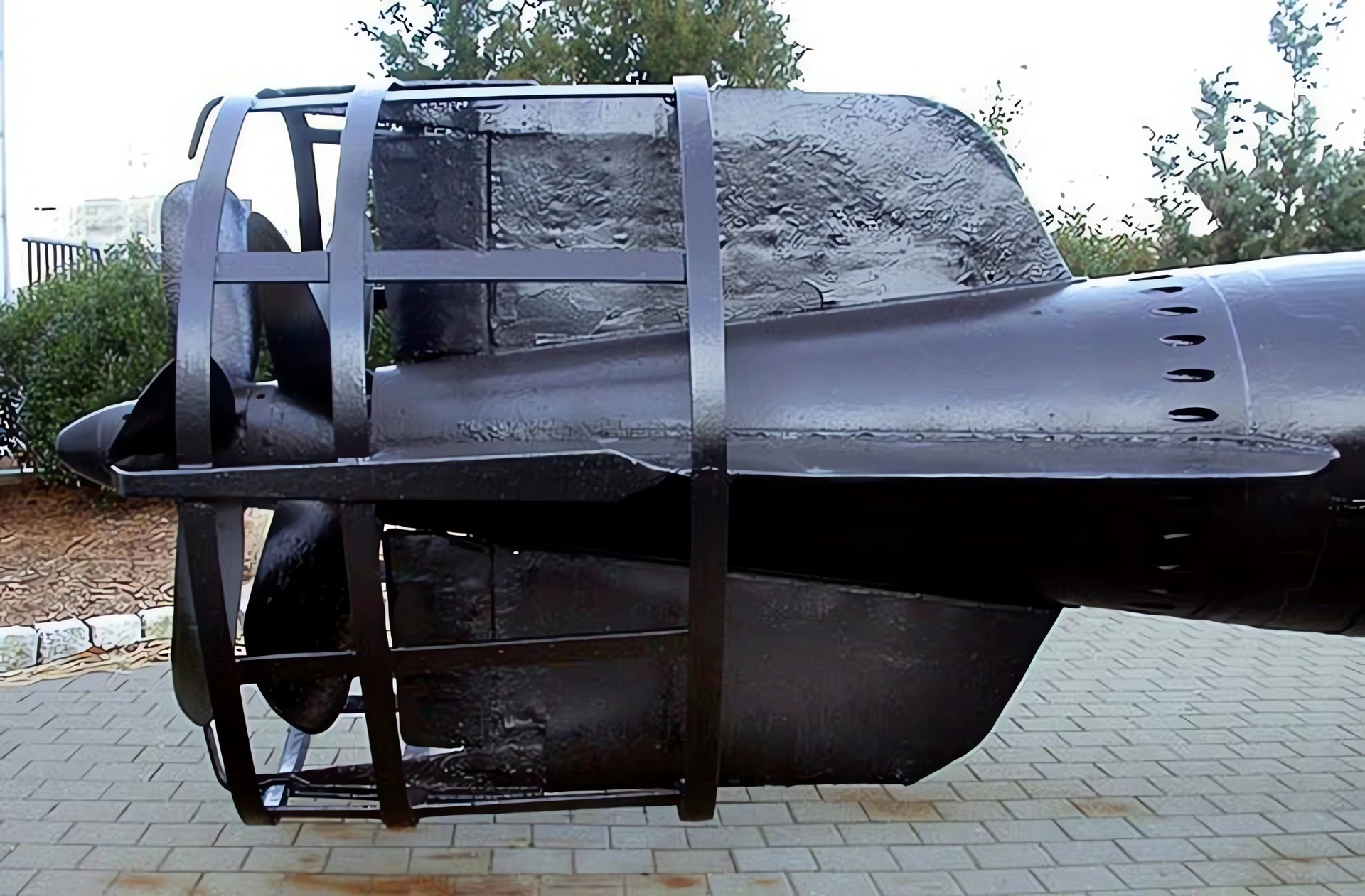
- Propellers: Used counter-rotating propellers on a single shaft for increased efficiency and maneuverability.
Armament and Key Engagements
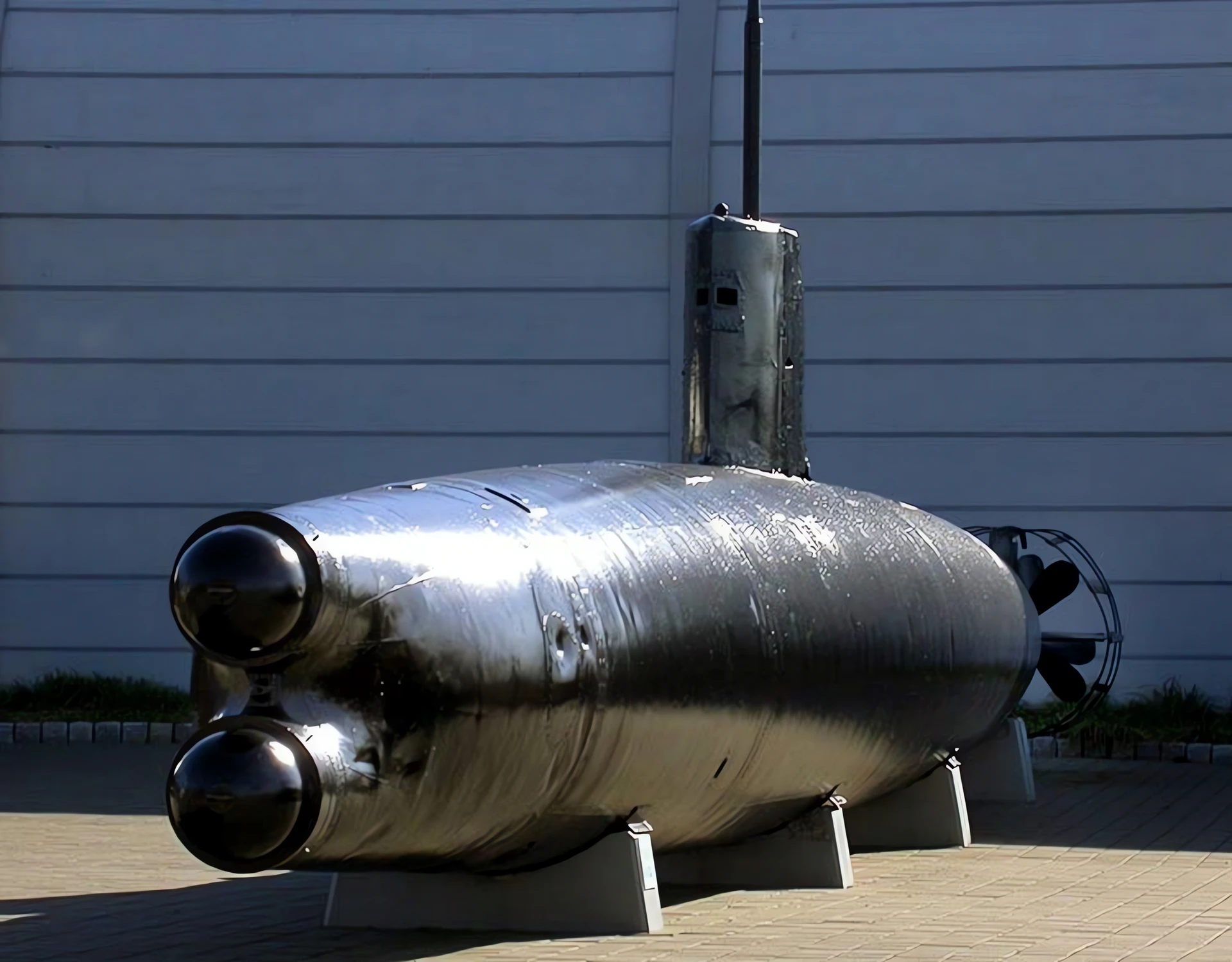
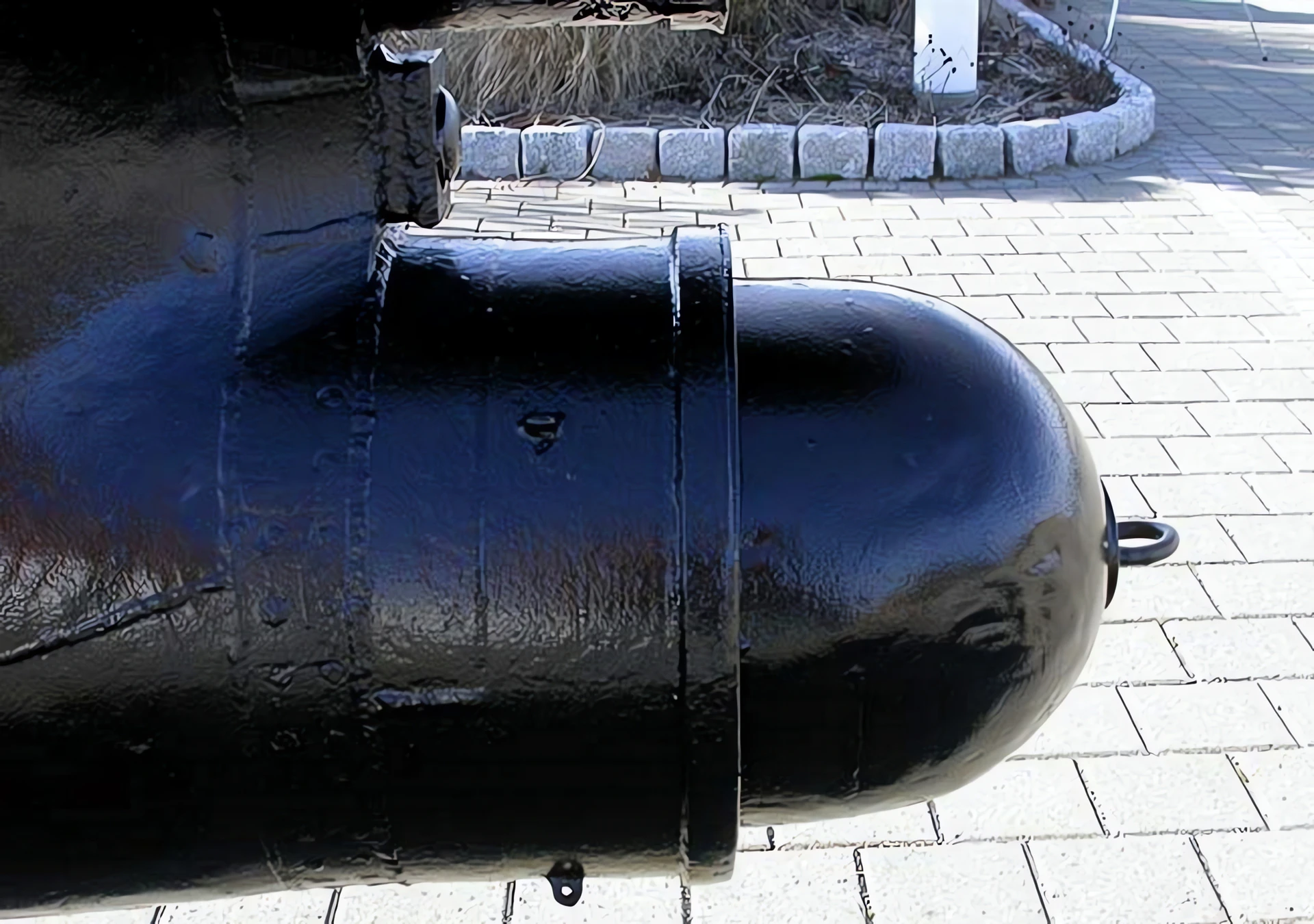
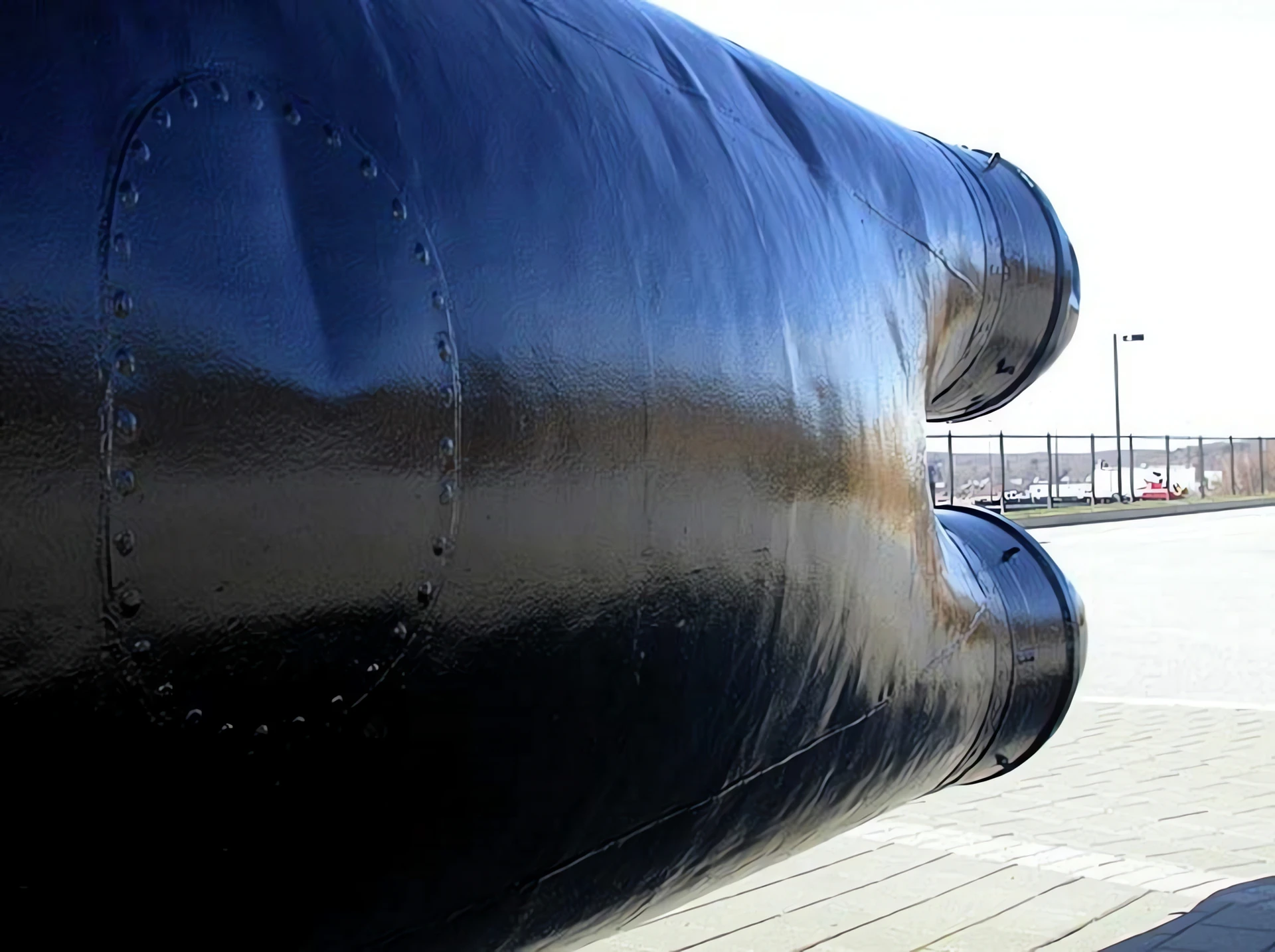
- Armament: 2 x 450 mm (17.7-inch) muzzle-loaded torpedo tubes located in the bow, carrying two Type 97 or Type 2 oxygen-fueled torpedoes.
- Self-Destruction: Equipped with a 140 kg (300 lb) scuttling charge intended for self-destruction to prevent capture.
- Pearl Harbor: Five Type A boats were launched; one (HA-20) was sunk by the USS Ward before the main air attack, marking the first US action of the Pacific War. Only one crewman, Ensign Kazuo Sakamaki of HA-19, survived and was captured, becoming the first Japanese prisoner of war.
- Other Operations: Used in the raid on Sydney Harbour (May 1942) and the attack on Diego Suarez in Madagascar (May 1942), achieving some success but losing all participating submarines in each case.
观点 : 2205