L-29 德尔芬 | |
|---|---|
| 国家 | 捷克斯洛伐克 |
| 类型 | 军用教练机 |
| 时期 | 1963-1974 |
| 建立 | 3500 |
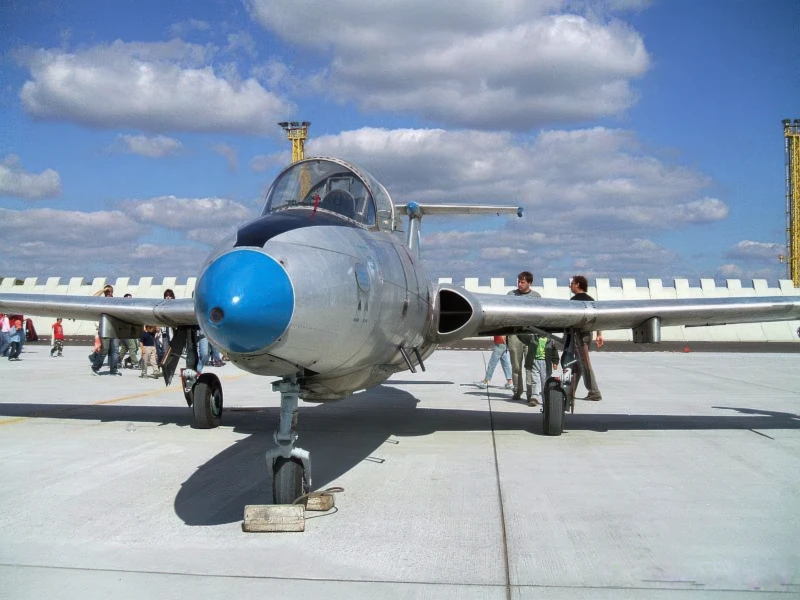
这 航空L-29德尔芬 (英语:海豚,北约报道名称:玛雅)是一架军用喷气式教练机,在20世纪60年代成为华沙条约国家空军的标准喷气式教练机。这是捷克斯洛伐克第一架本地设计和制造的喷气式飞机
源: L-29 德尔芬在维基
| L-29 德尔芬四处走动 | |
|---|---|
| 摄影师 | 巴姆斯 |
| 本地化 | 未知 |
| 照片 | 30 |
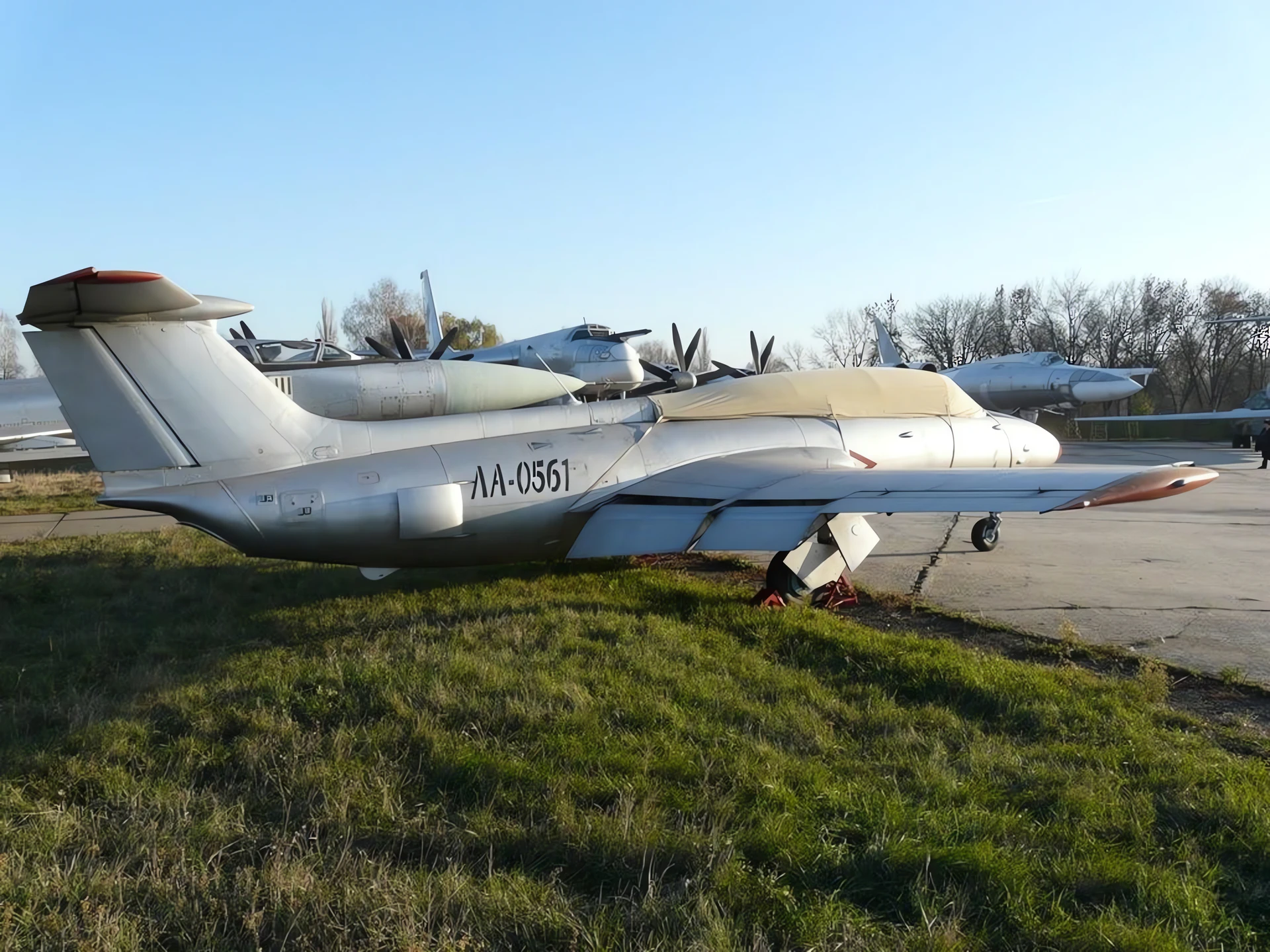
L-29 Delfin 01
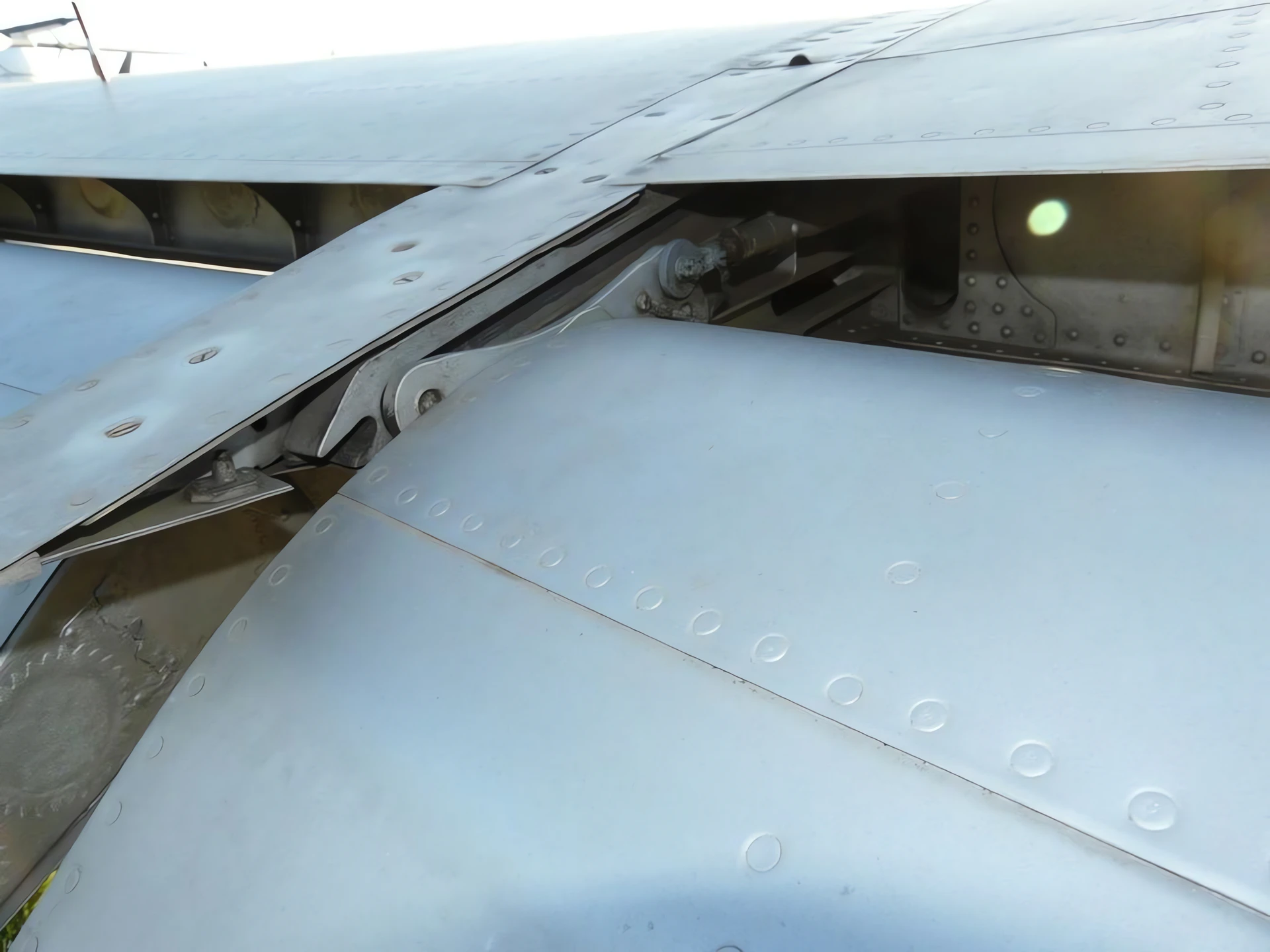
L-29 Delfin 02
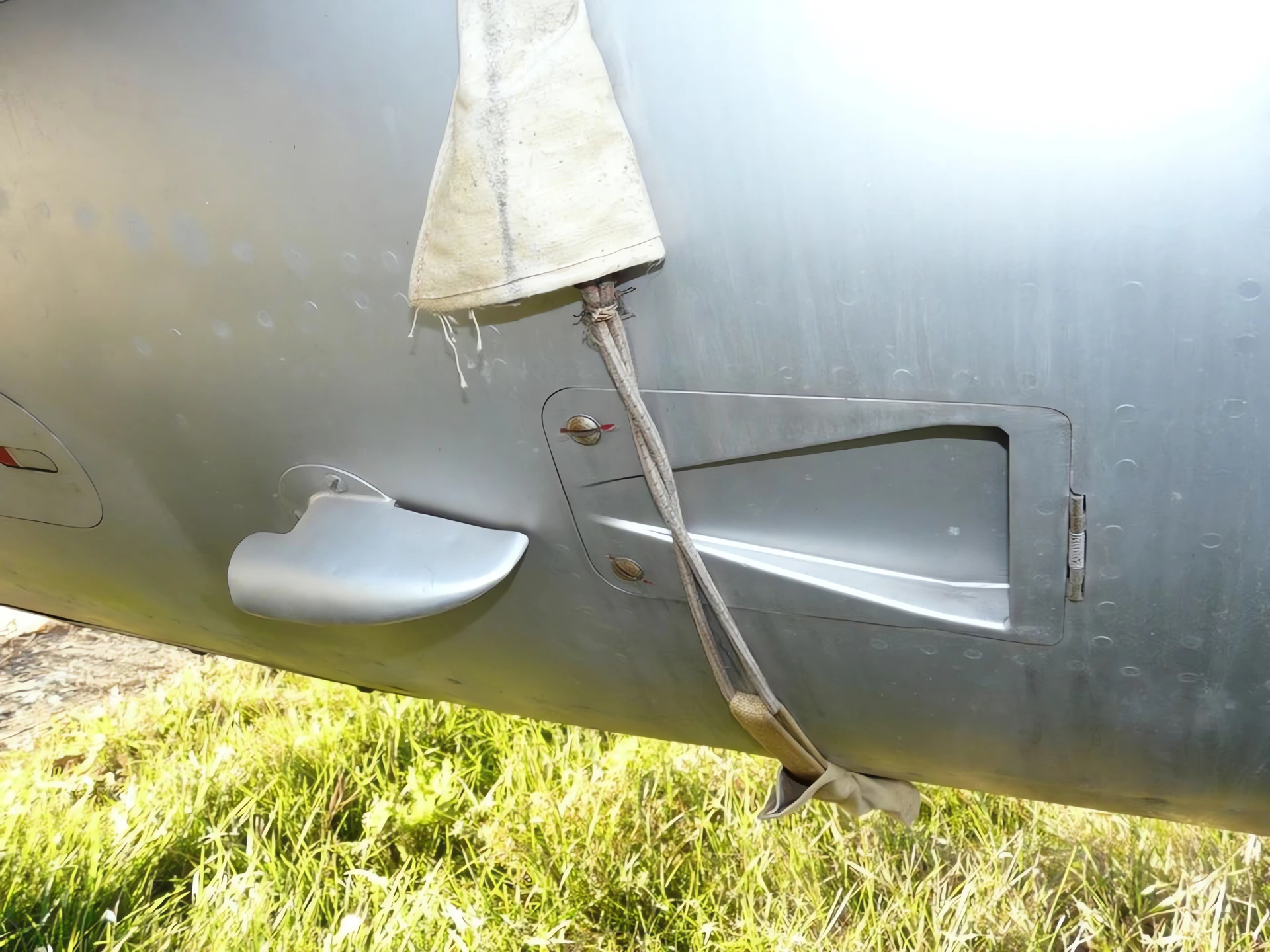
L-29 Delfin 04
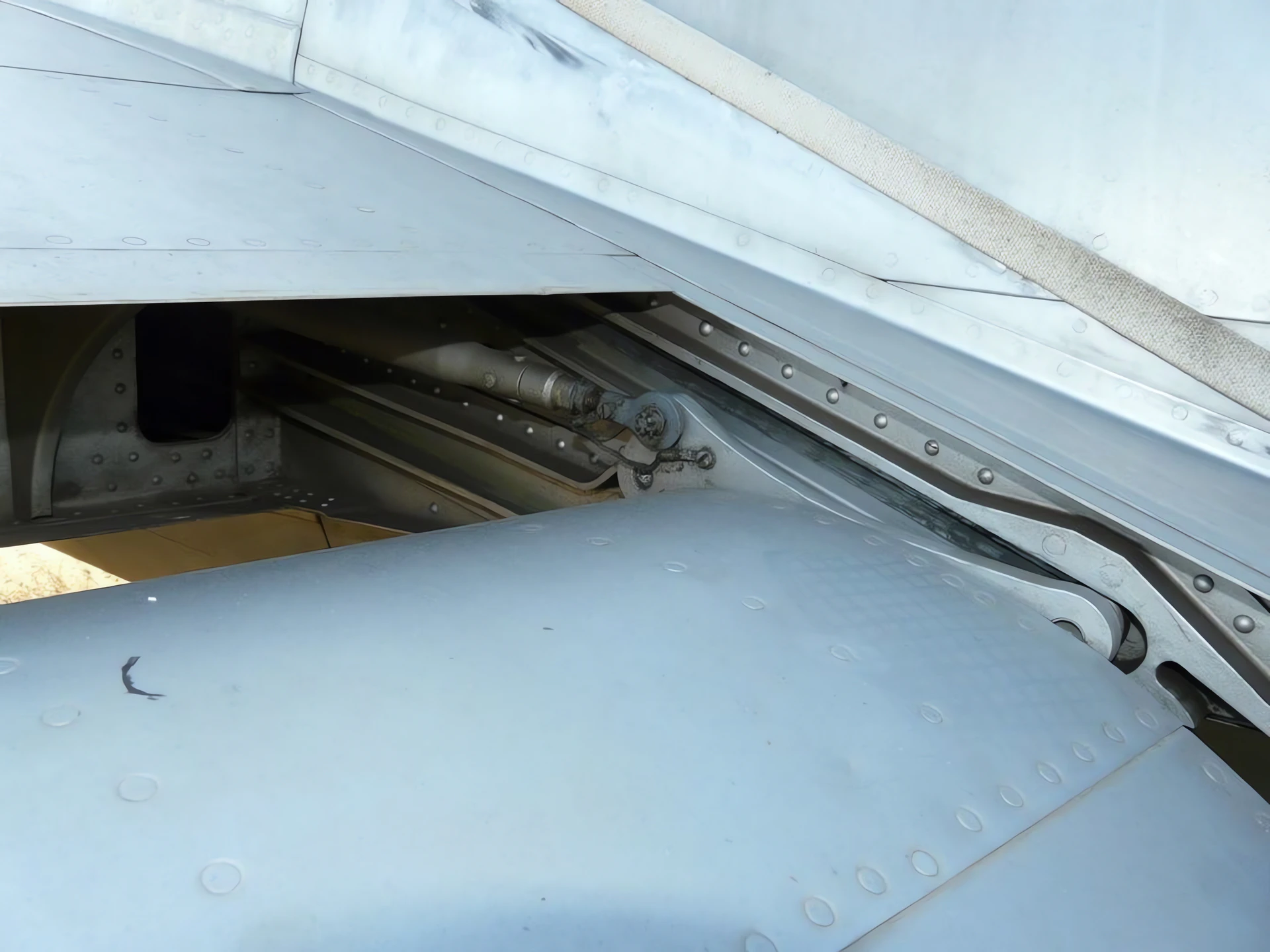
L-29 Delfin 03
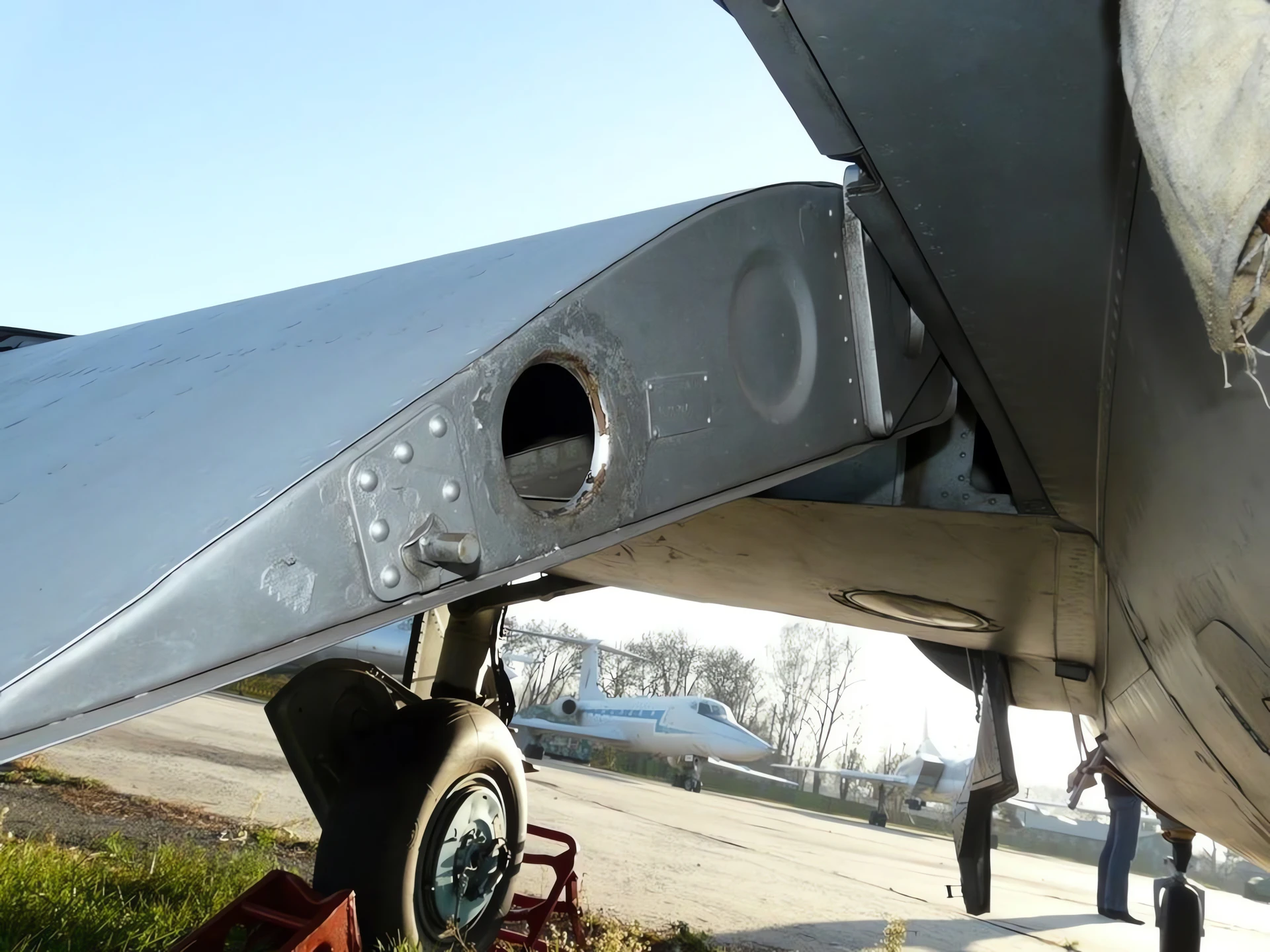
L-29 Delfin 05
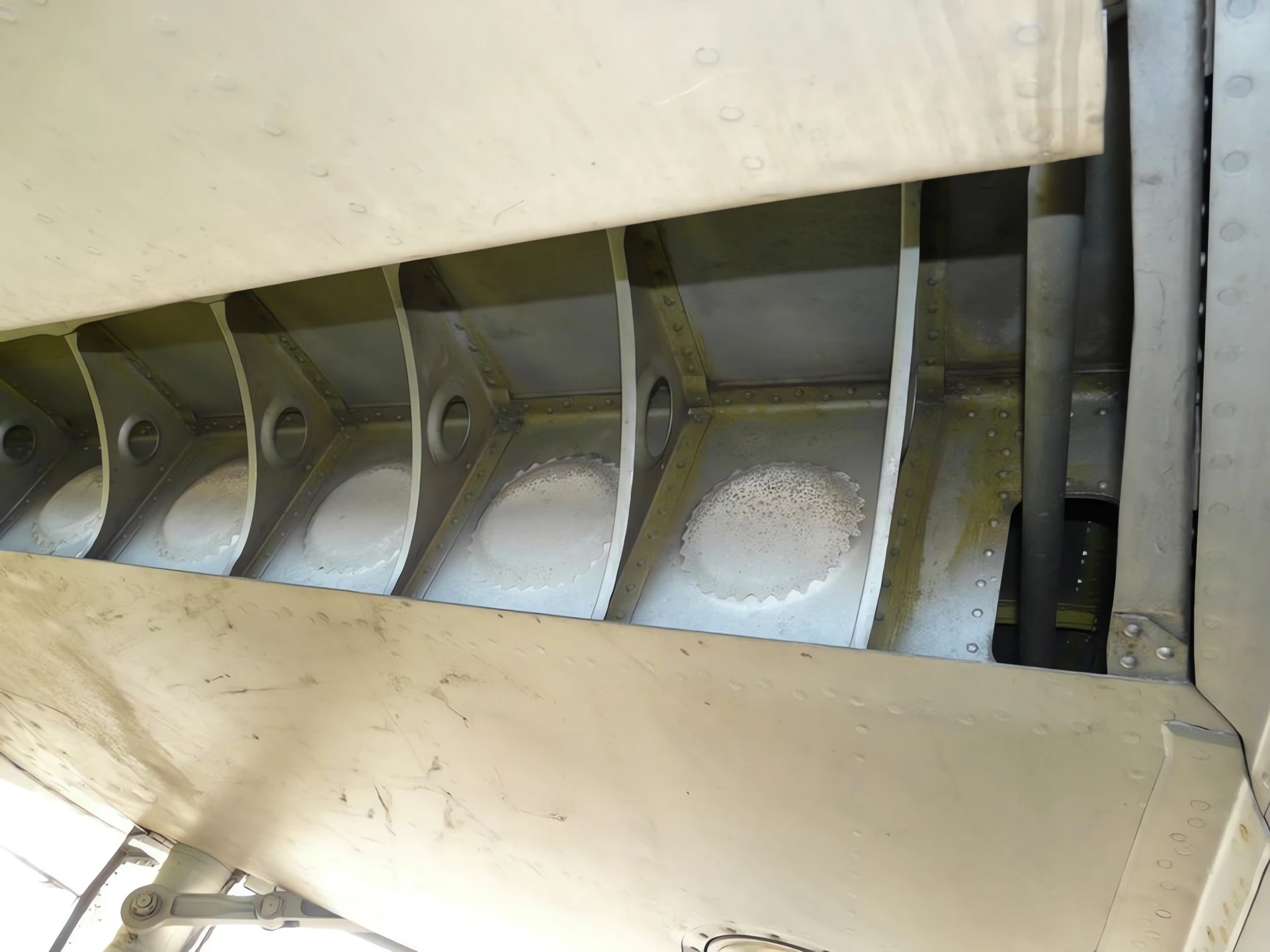
L-29 Delfin 06

L-29 Delfin 07
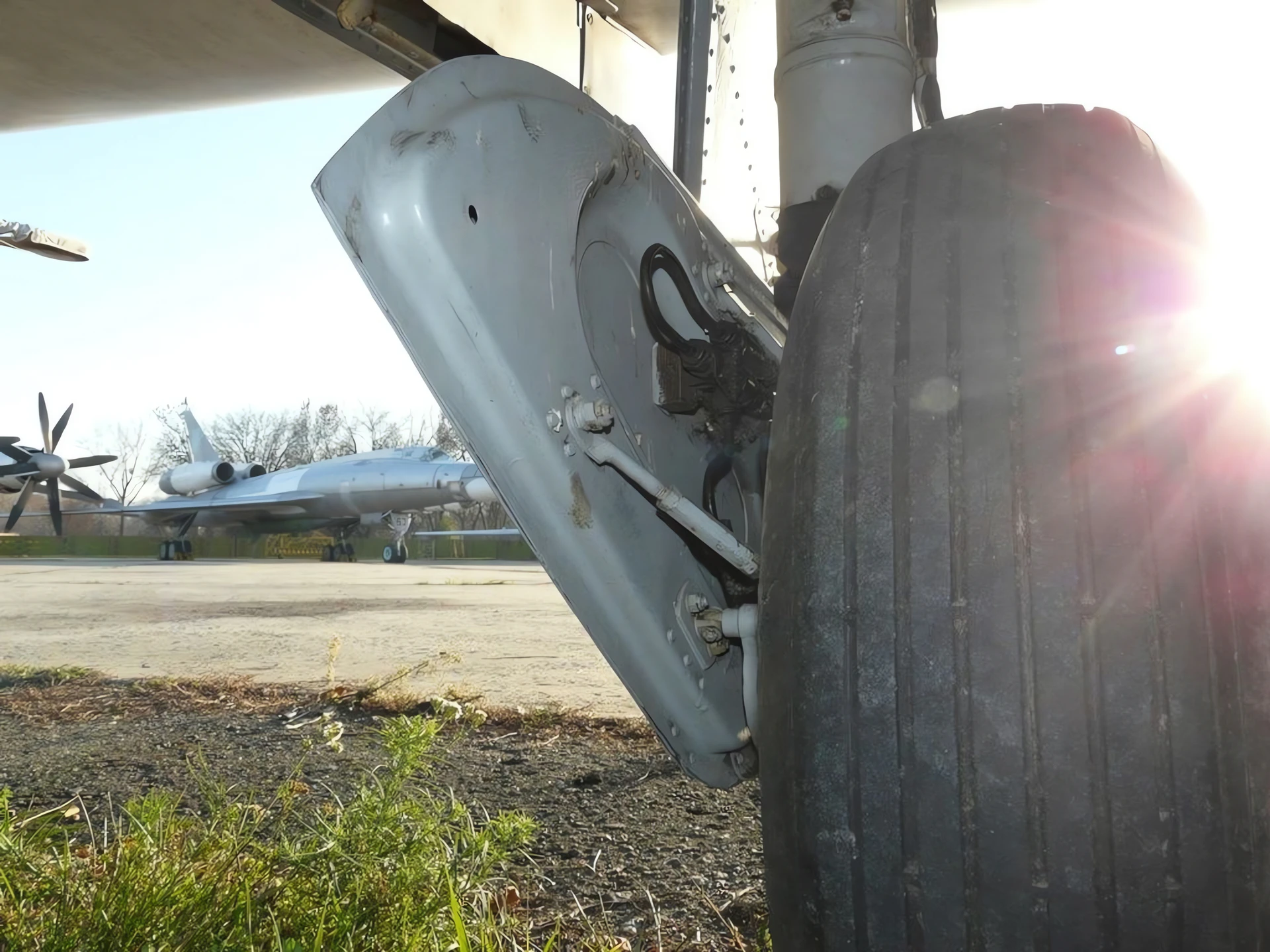
L-29 Delfin 08
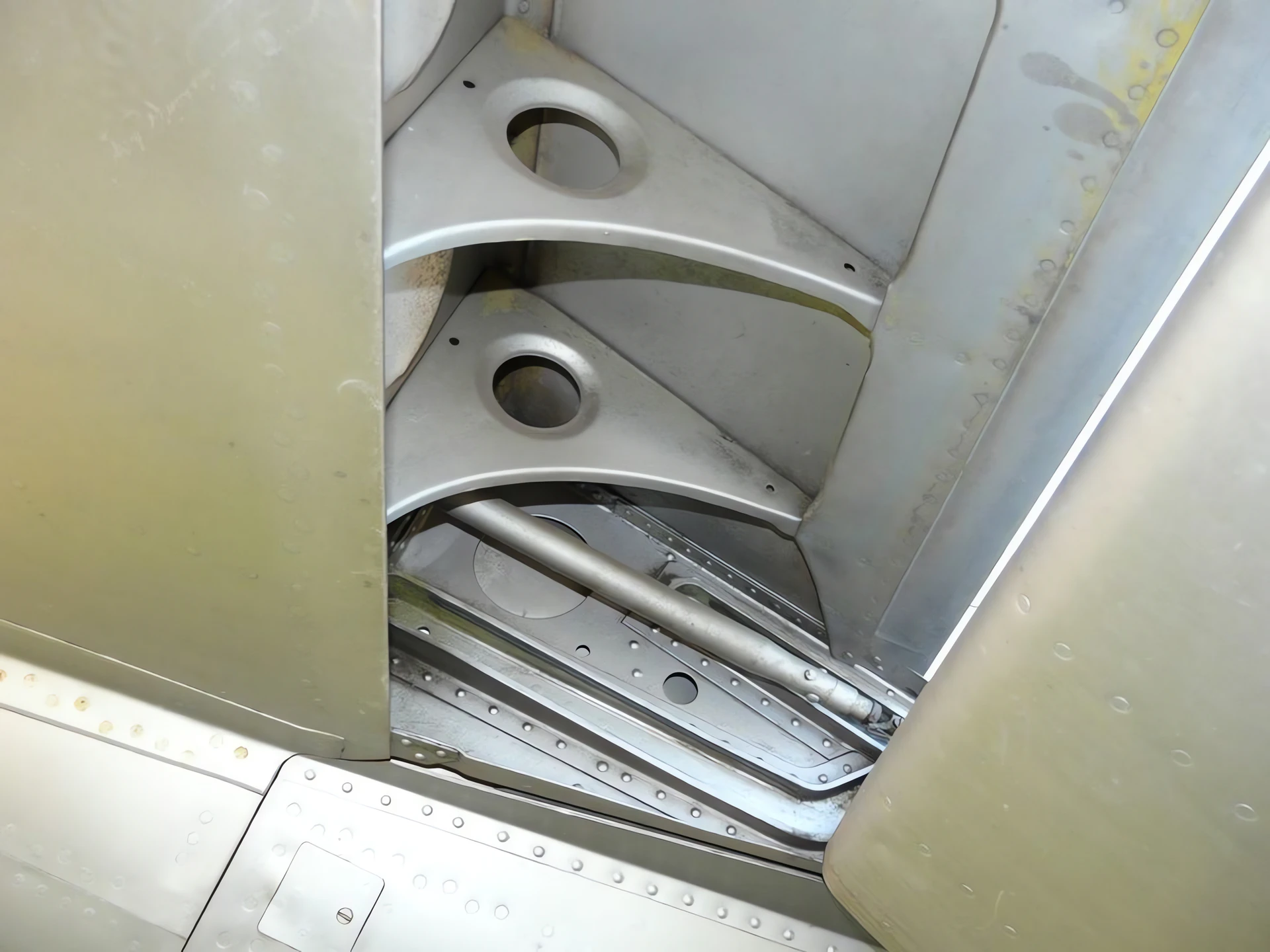
L-29 Delfin 09
等等,为您搜索L-29德尔芬照片。。。

另请参阅:


| L-29R Delfin Walk Around | |
|---|---|
| 摄影师 | Kevan Vogler |
| 本地化 | The Brno Technical Museum |
| 照片 | 23 |
General Characteristics and Role
The Aero L-29 Delfín (Czech for “Dolphin”) was the first jet-powered aircraft designed and manufactured in Czechoslovakia. It was developed by Aero Vodochody in the late 1950s and early 1960s to fulfill the requirement for a standardized basic and intermediate jet trainer for the air forces of the Warsaw Pact countries. The L-29 won a fly-off competition against Soviet and Polish designs, leading to its designation as the primary jet trainer for the Soviet bloc. It is known for its rugged, simple, and forgiving design, making it an excellent platform for students transitioning from propeller aircraft to jets.
| Property | Typical Value (L-29) |
|---|---|
| 作用 | Basic and Intermediate Jet Trainer |
| NATO Reporting Name | Maya |
| National Origin | Czechoslovakia (ČSSR) |
| 制造商 | Aero Vodochody |
| First Flight | 1959年4月5日 |
| 船员 | 2 (Student and Instructor, in tandem) |
| 长度 | 10.81 m (35 ft 6 in) |
| 翼展 | 10.29 m (33 ft 9 in) |
| Maximum Takeoff Weight | 3,500 kg (7,716 lb) |
Powerplant and Performance
- Engine: 1 x Motorlet M-701 turbojet engine (mounted in the rear fuselage).
- Thrust: 8.7 kN (1,960 lbf).
- Maximum Speed: 655 km/h (407 mph) at 5,000 m.
- Ceiling: 11,500 m (37,700 ft).
- Range: 897 km (557 mi).
- Armament: The L-29 features two underwing hardpoints for carrying light practice ordnance, rocket pods, bombs, or drop tanks.
- Key Feature: Simplicity and robustness, allowing it to operate easily from semi-prepared airstrips, a necessity for many Warsaw Pact airfields.
Service History and Legacy
- Mass Production: Approximately 3,600 L-29s were built, making it the most produced jet trainer of its time.
- Primary Operator: The Soviet Air Force (VVS) was the main user, receiving around 2,000 aircraft.
- Combat Use: Although primarily a trainer, the L-29 saw limited combat use as a light ground attack aircraft during the Yom Kippur War (with Egypt and Syria) and in various conflicts in Africa and Asia.
- Replacement: The L-29 was succeeded in production and operational use by its modernized and more powerful stablemate, the Aero L-39 Albatros, which addressed the need for higher speeds and more advanced systems.
- Civilian Use: Like the L-39, the L-29 is a popular and inexpensive warbird, frequently seen in private hands and in jet racing competitions worldwide.
浏览次数 : 3029