巴-27 | |
|---|---|
| 国家 | 苏联 |
| 类型 | 装甲车 |
| 照片 | 弗拉基米尔·亚库博夫 |
| 描述 | 专辑 45 照片走来走去的«Ba-27» |
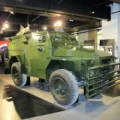
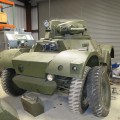
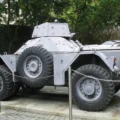
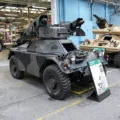
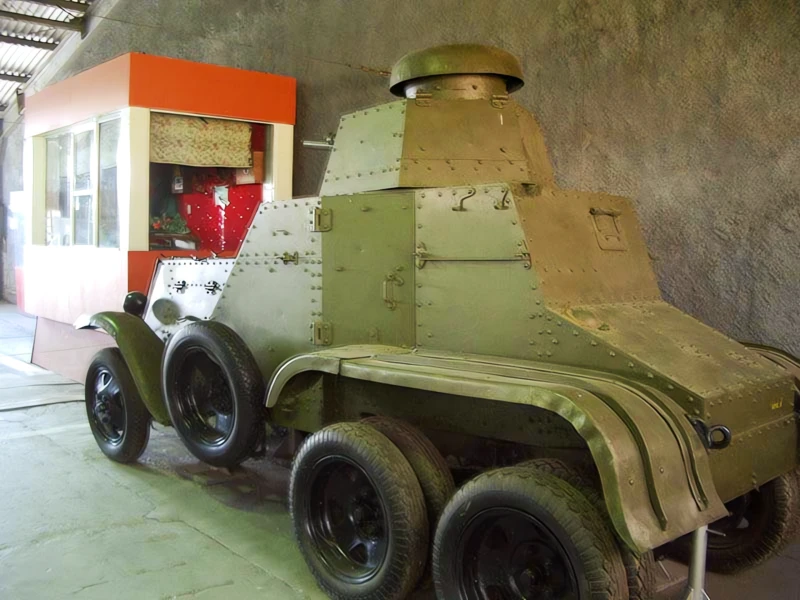
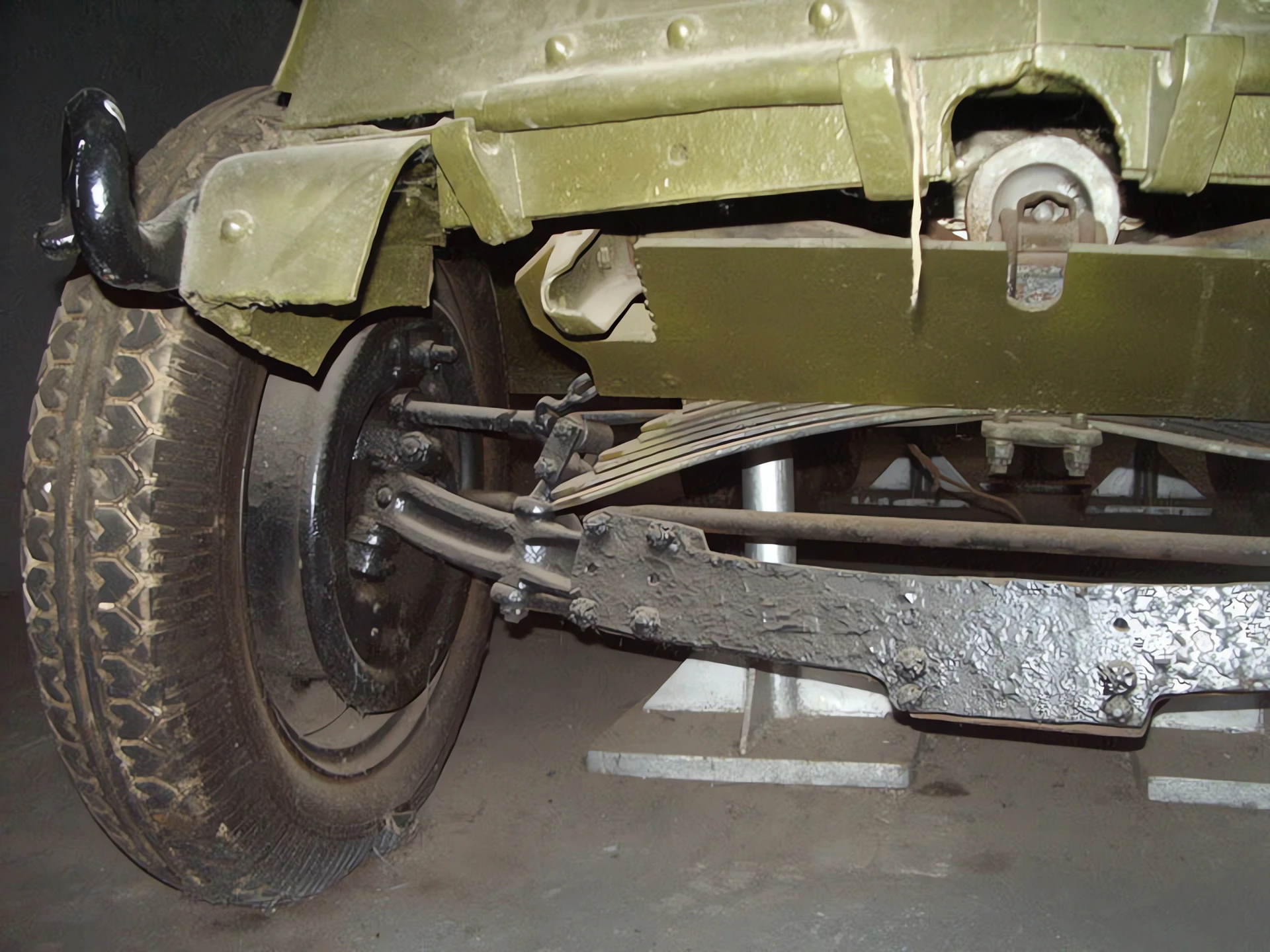
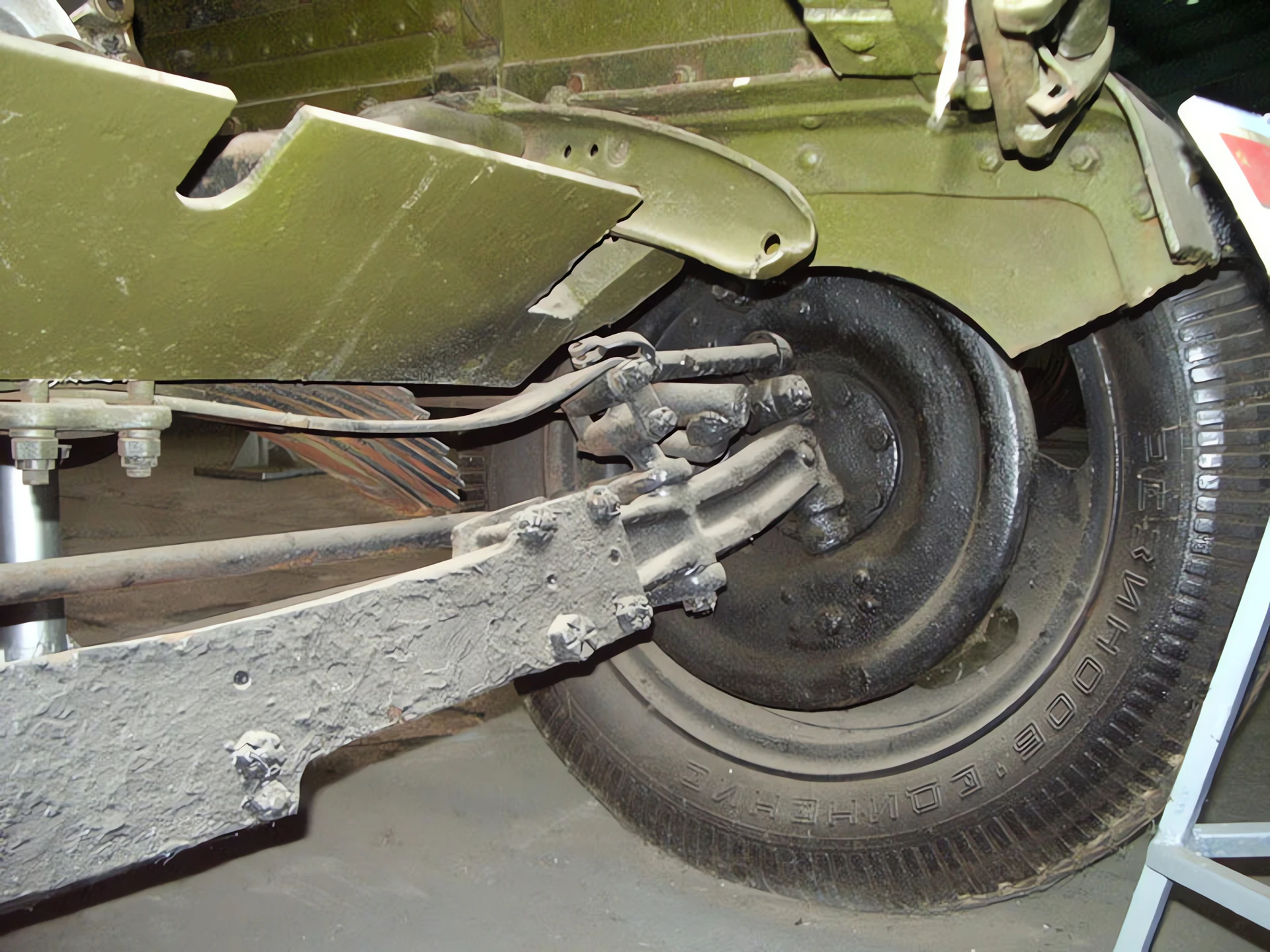
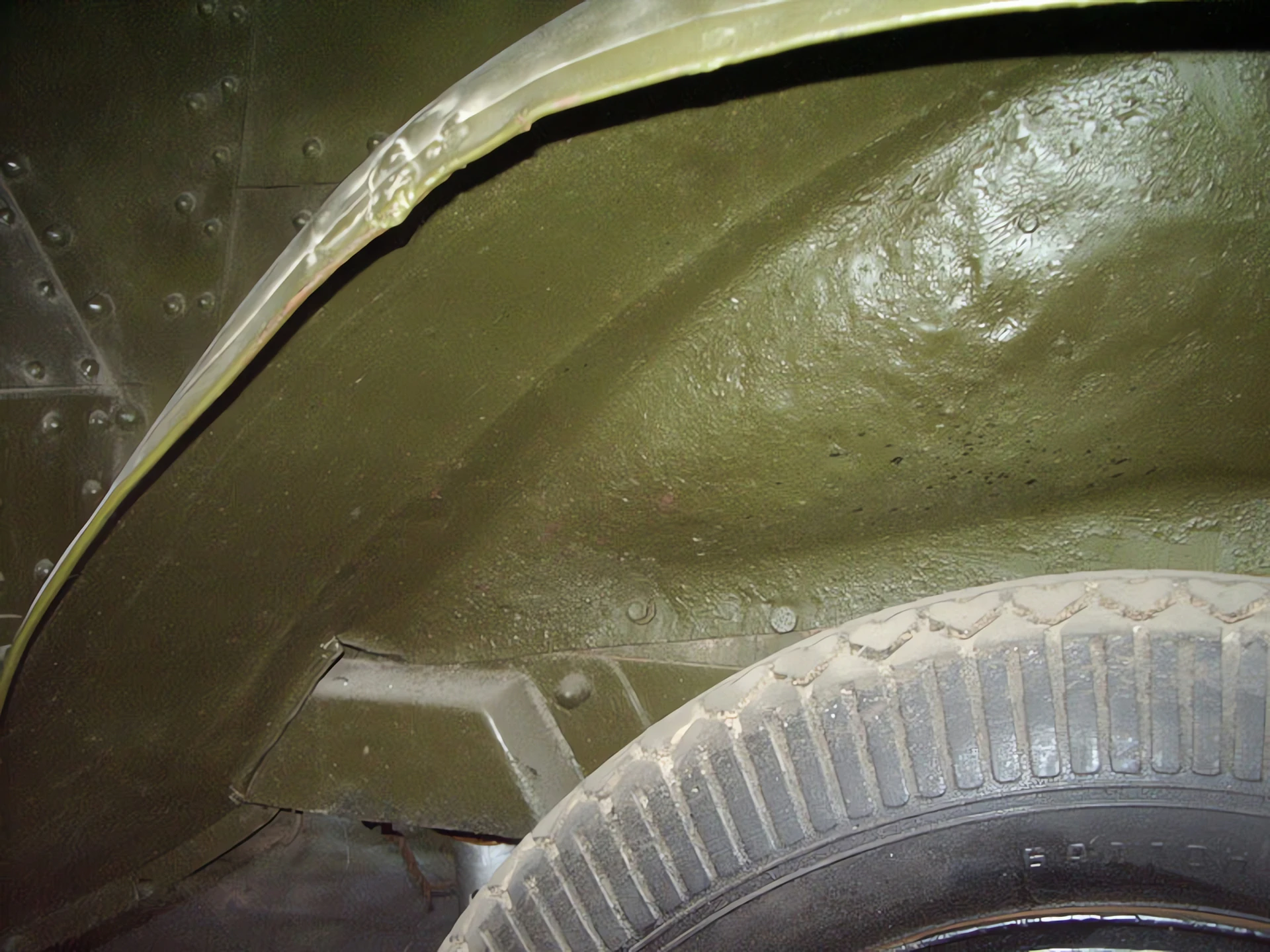
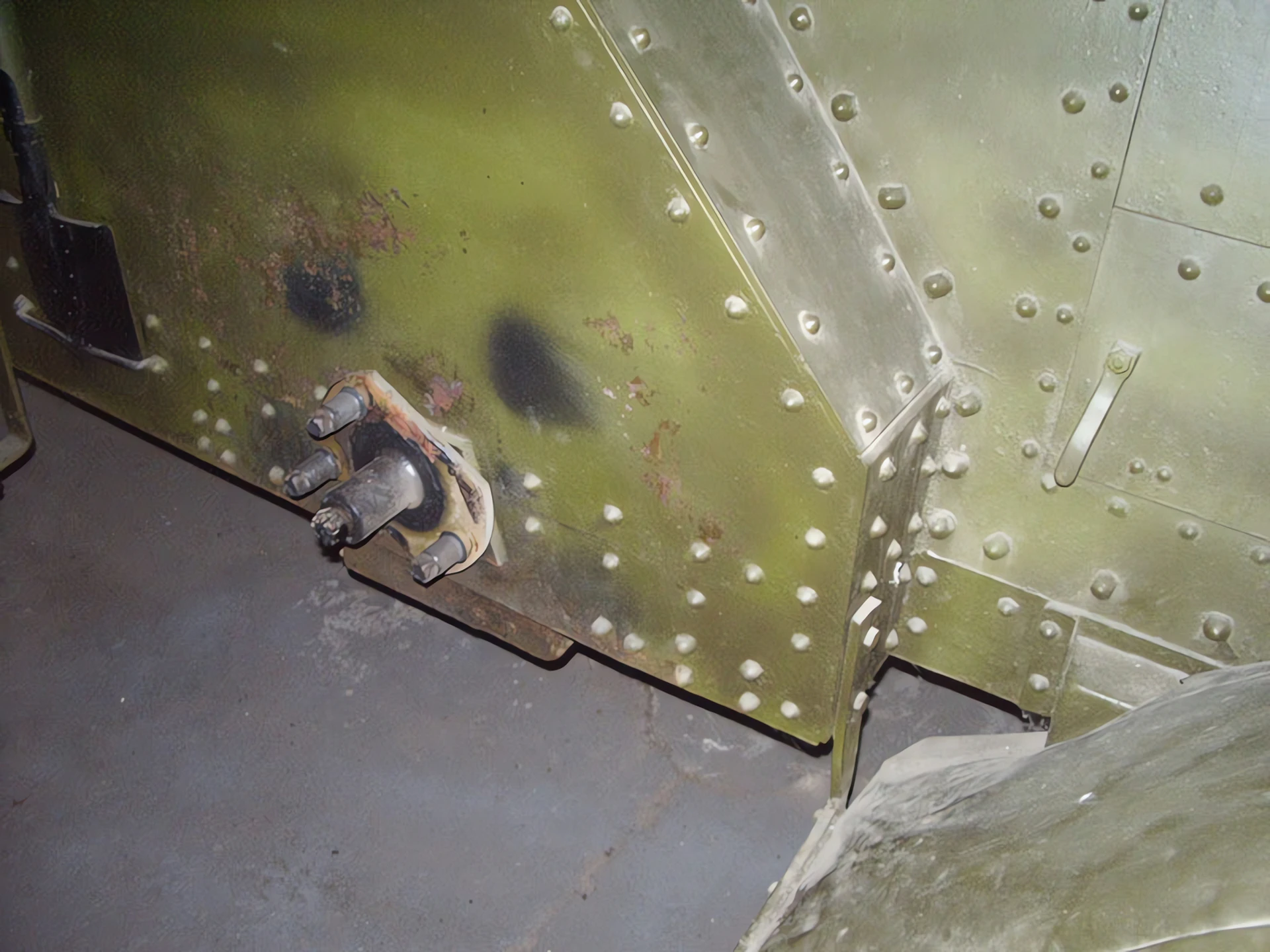
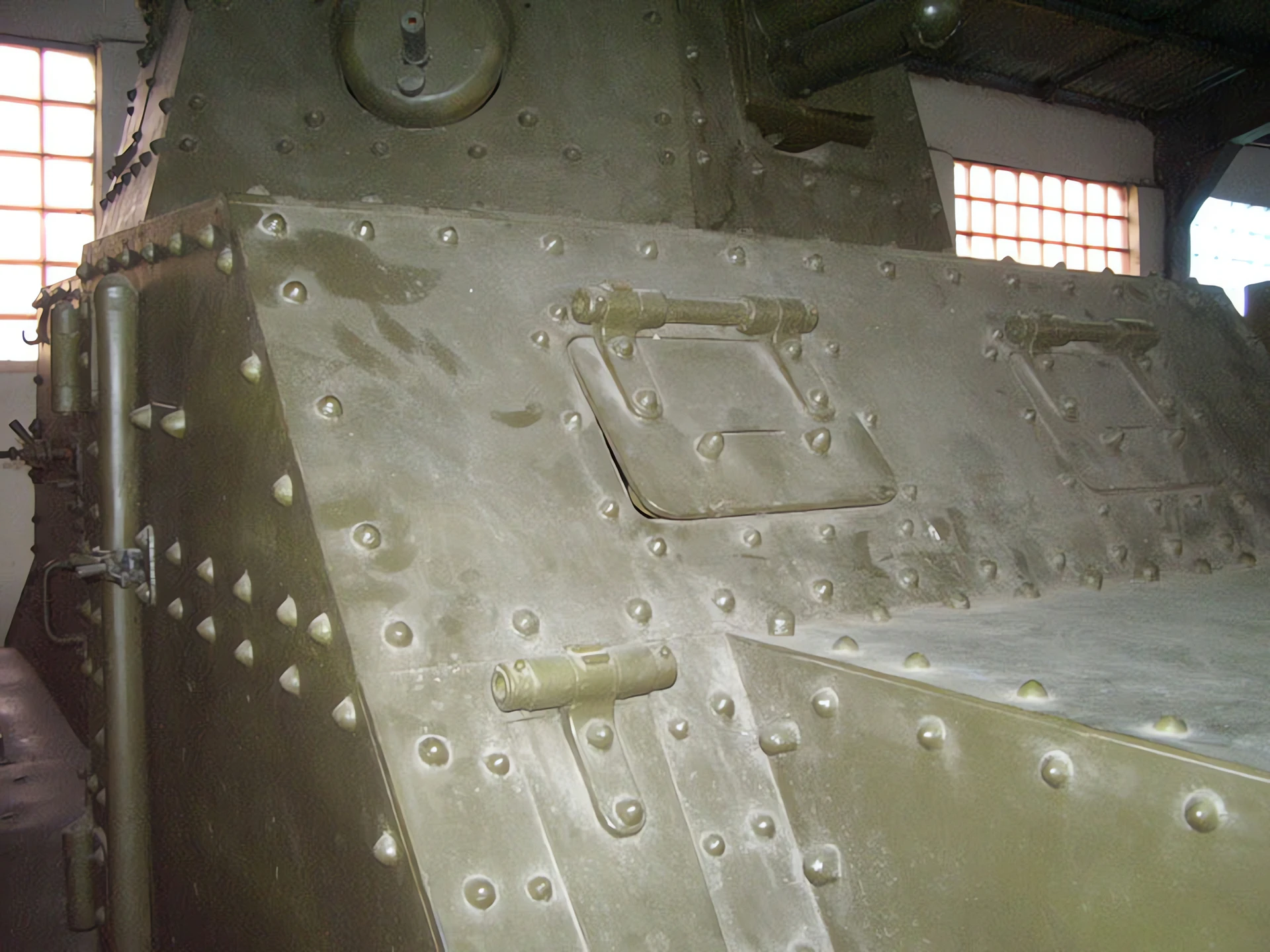
照片库的 巴-27, The BA-27 was a Soviet first series-produced armoured car, manufactured from 1928 to 1931, and used for scouting and infantry support duties early in the Second World War. The BA-27 was a heavy armoured car, having the same turret and armament as the first Soviet tank, T-18, manufactured at the same time: the main gun was a modified copy of the French 37 mm Puteaux SA 18 cannon, and it was supported by an additional machine gun. The production of the first Soviet truck, AMO-F-15 truck (a copy of the Fiat F-15), started in 1924. Using the chassis of this truck, the Izhorsky Factory design team developed BA-27 heavy armoured car in 1927. There was no significant production of AFVs in Russia since 1918, and the indigenous automobile industry was practically non-existent at the time. After lengthy trials, the new vehicle was accepted into Soviet Red Army service in 1929. 215 were built between 1928–31. The last batch of BA-27 was mounted on Ford Model AA truck chassis. Both chassis were found to be inadequate to carry the heavy armour, and around 20 were later rebuilt on heavier, three-axle Ford-Timken truck chassis at Repair Base No. 2 (Rembaz No. 2), bearing designation BA-27M.
源: 维基百科上的 Ba-27

 给我买杯咖啡
另请参阅:


The Foundation of Soviet Reconnaissance
这 BA-27 holds a special place in military history as the first armored car designed and mass-produced by the Soviet Union. Developed in 1927, it was built using the chassis of the AMO-F-15 (the first Soviet truck, itself a copy of the Italian Fiat 15 Ter). It was a rugged, boxy vehicle designed to provide mobile fire support and scouting capabilities for the Red Army’s cavalry and motorized units. While it was obsolete by the start of WWII, it laid the mechanical and doctrinal groundwork for the famous heavy armored cars (like the BA-10) that would later face the Panzers.
| Attribute | Technical Specification (BA-27) |
|---|---|
| 作用 | 装甲侦察车 |
| 船员 | 3 (Commander/Gunner, Driver, Rear Driver/Mechanic) |
| 重量 | 4.4 tonnes |
| 动力装置 | 1 × AMO-F-15 4-cylinder petrol engine |
| Horsepower | 35 hp |
| 最高速度 | 40–45 km/h (25–28 mph) |
| 主要武器装备 | 1 × 37mm Hotchkiss (PS-1) gun |
| 次要武器 | 1 × 7.62mm DT machine gun |
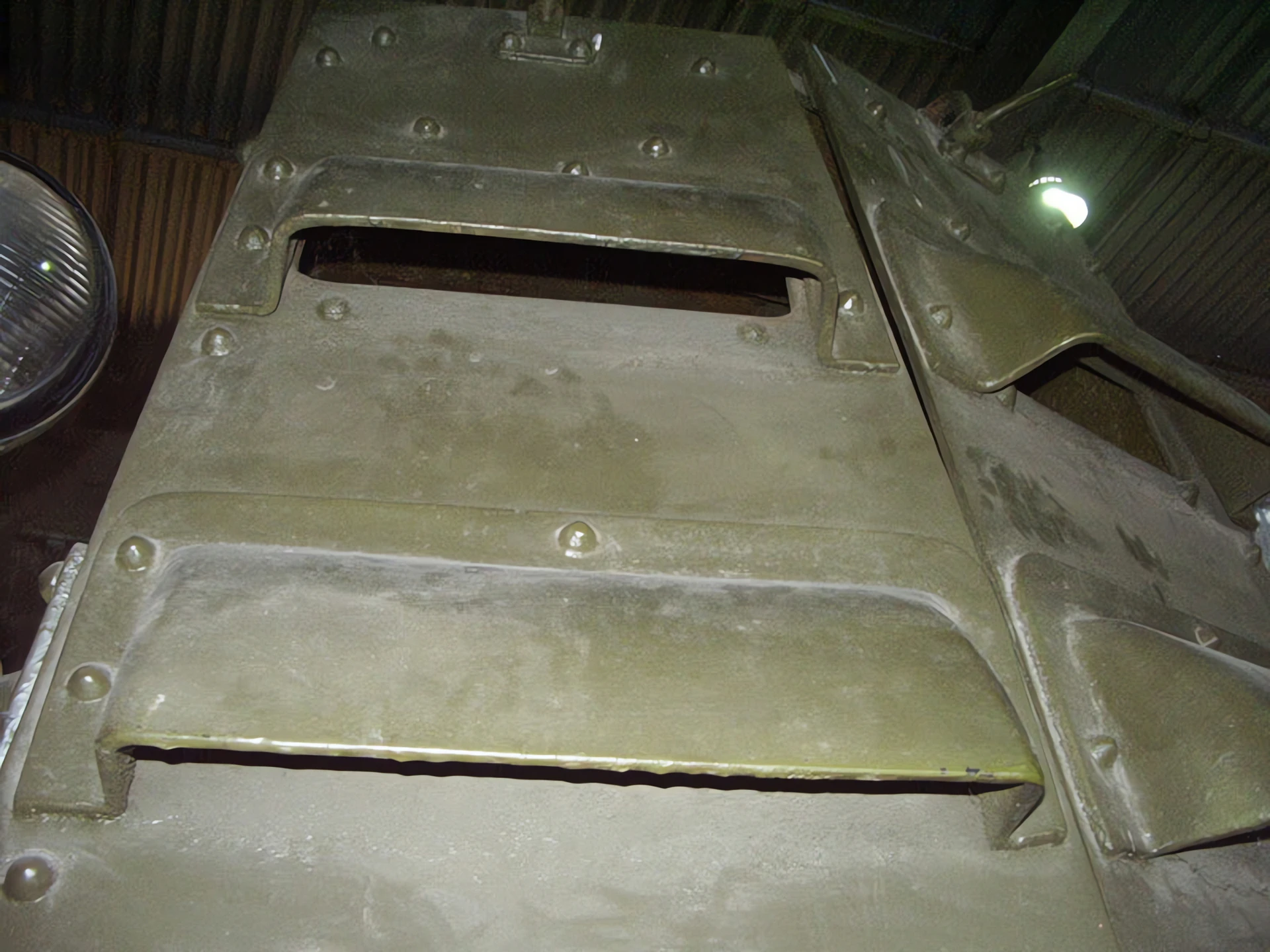
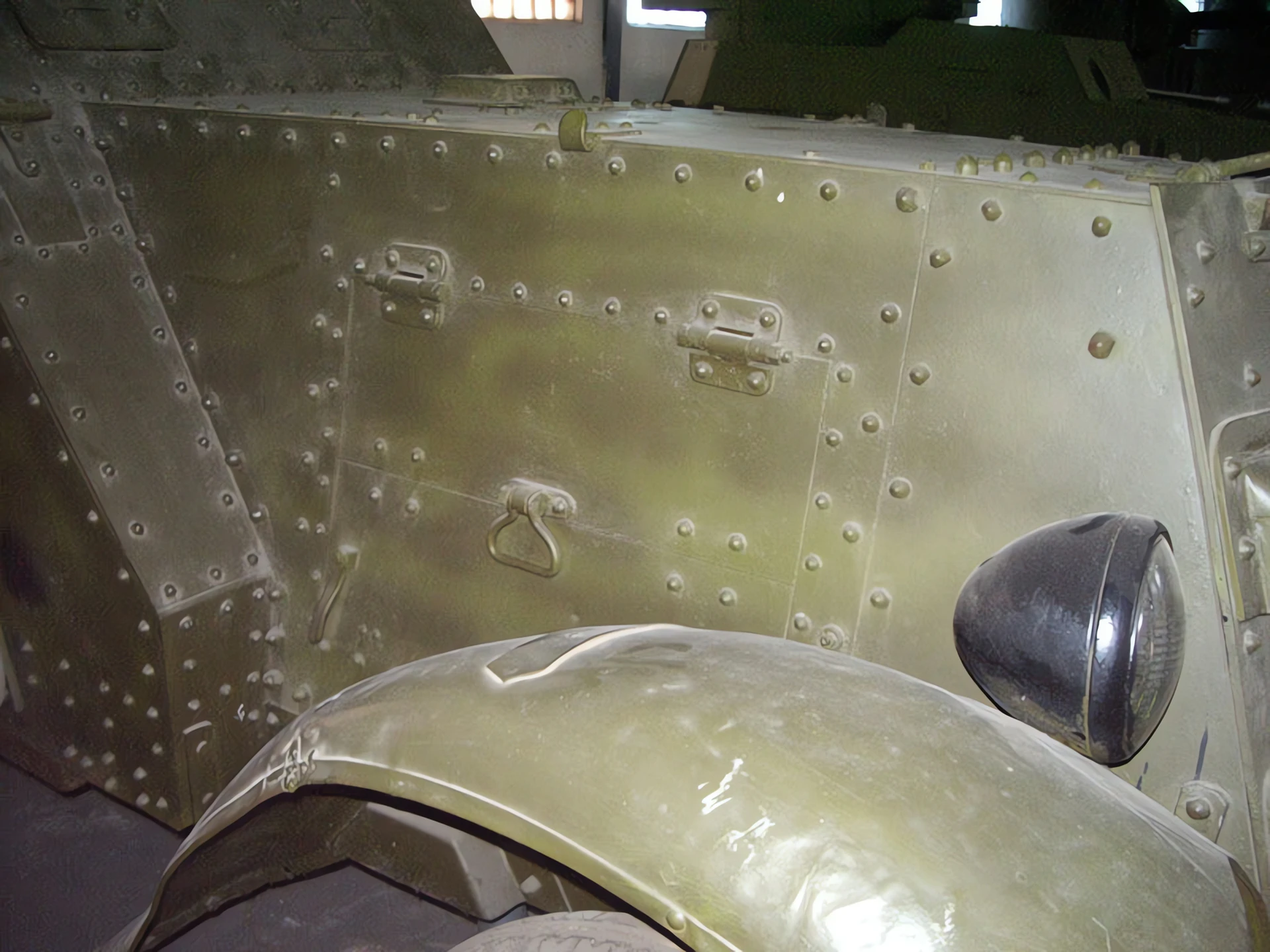
| Armor Thickness | 3mm to 8mm (riveted steel) |
Design Engineering: A Tank’s Head on a Truck’s Body
- Borrowed Turret: To simplify production, the BA-27 used the exact same turret as the T-18 (MS-1), the first Soviet-designed tank. This gave the armored car significant firepower for its time, as most contemporary armored cars only carried machine guns.
- The Truck Chassis: The AMO-F-15 chassis was quite tall, giving the BA-27 excellent ground clearance for the muddy and rutted roads of the Soviet interior. However, this also gave it a high center of gravity, making it prone to tipping during sharp turns at “high” speeds.
- The BA-27M Upgrade: By the early 1930s, the original chassis was found to be too weak. Many were remounted on the more powerful Ford-Timken 6×4 truck chassis, creating the BA-27M. This version handled better off-road and featured dual rear axles.
- Dual Driving Positions: Like many early armored cars, it featured a secondary driving position facing the rear. This allowed the crew to rapidly reverse out of an ambush or a dead-end street without having to turn the entire vehicle around.
Service History: From Mongolia to the Great Patriotic War
- The Border Conflicts: The BA-27 saw its most active combat during the conflict with Chinese forces over the Chinese Eastern Railway (1929) and in the early skirmishes against Japanese-backed forces in Mongolia.
- Internal Security: Throughout the 1930s, it was the backbone of the OGPU (later NKVD) internal security forces, used for patrolling the vast borders of the USSR and maintaining order in remote regions.
- 1941: The Final Stand: By the time Germany invaded in 1941, the BA-27 was ancient. Its thin armor couldn’t stop even light anti-tank rifles. Most were lost in the first weeks of Operation Barbarossa, though a few were used as stationary pillboxes or in secondary training roles.
- International Export: A small number were sent to Mongolia and even captured by the Japanese, who studied the design to improve their own light armored vehicle programs.
观点 : 2216