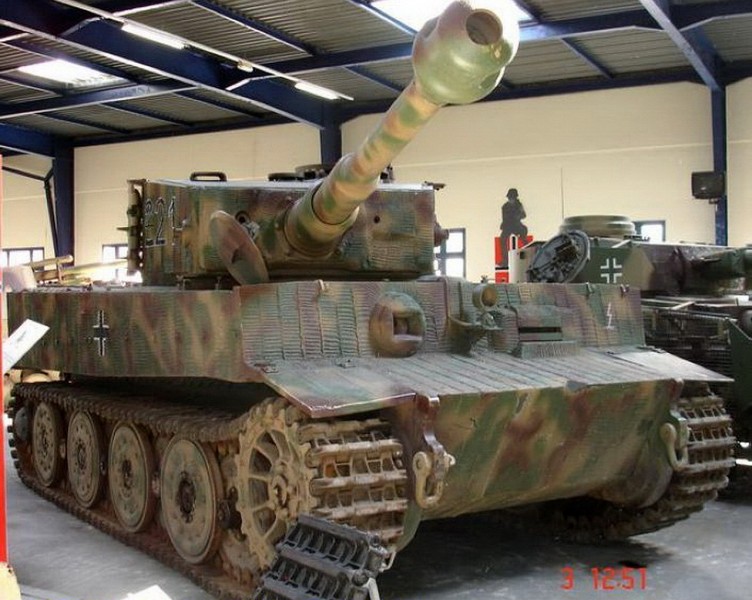
Tiger I – Sdkfz.181 | |
|---|---|
| Državi | Nemčija |
| Kategorija | Oklepna vozila |
| Vrsta | avtomobil |
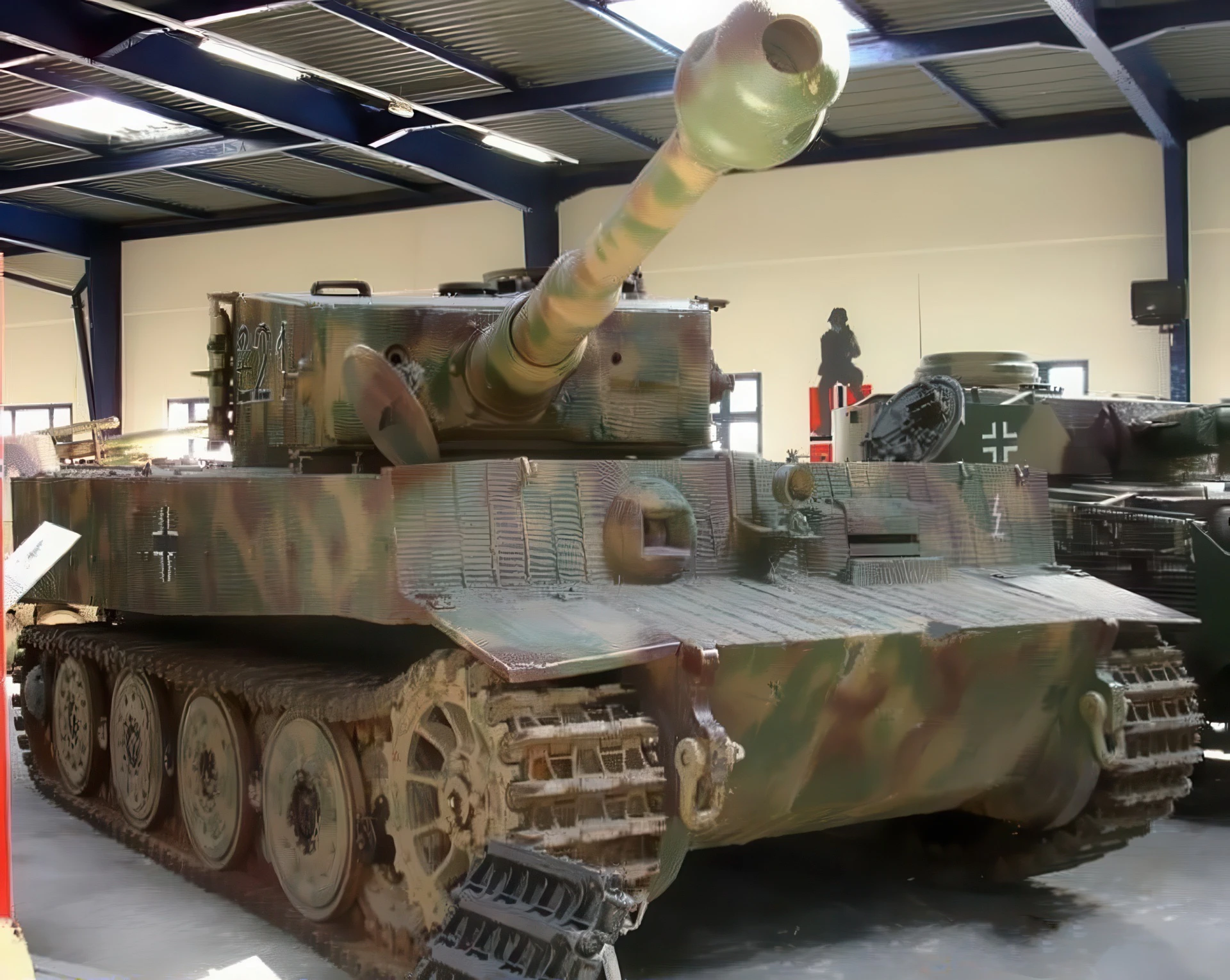
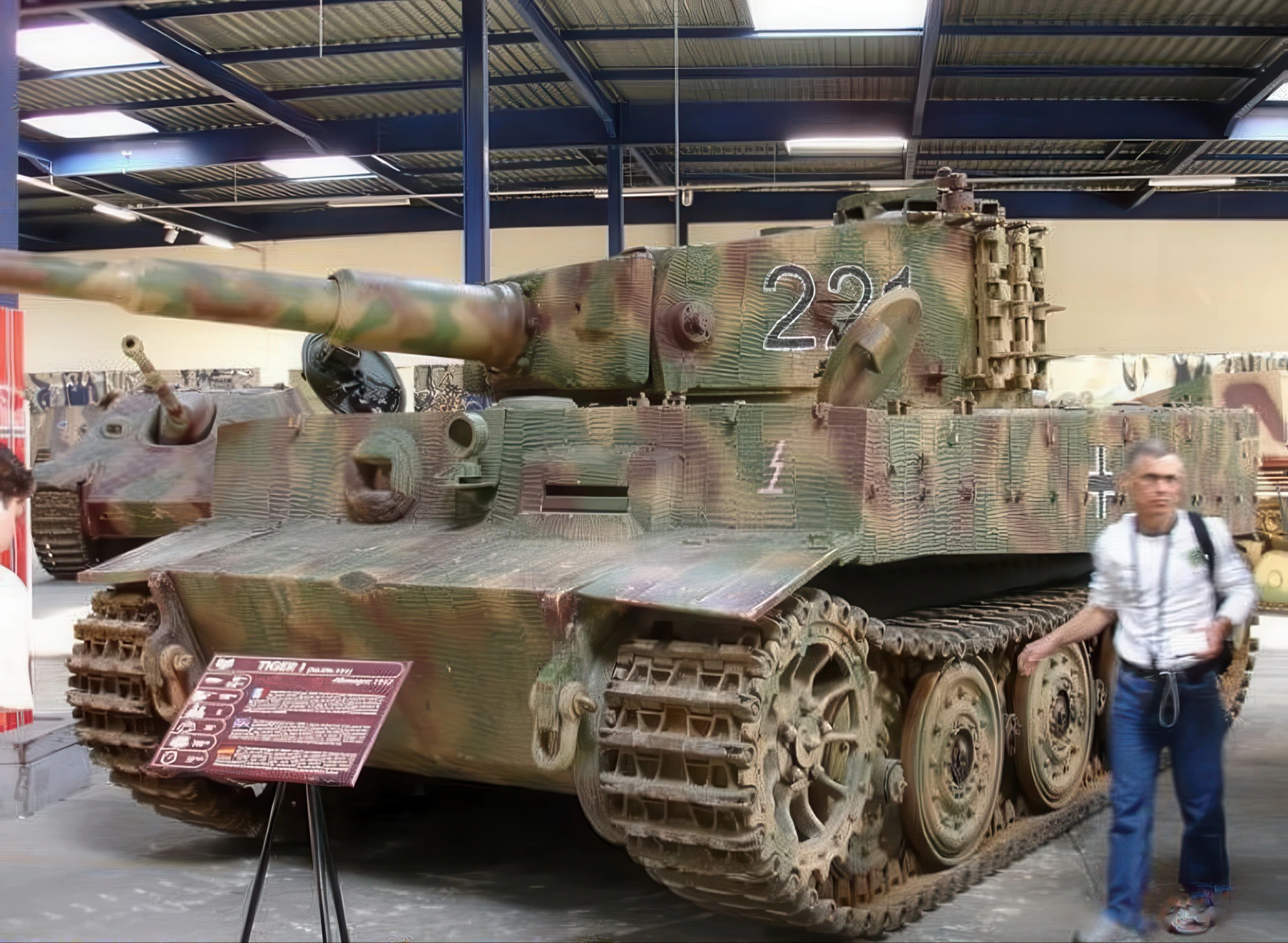
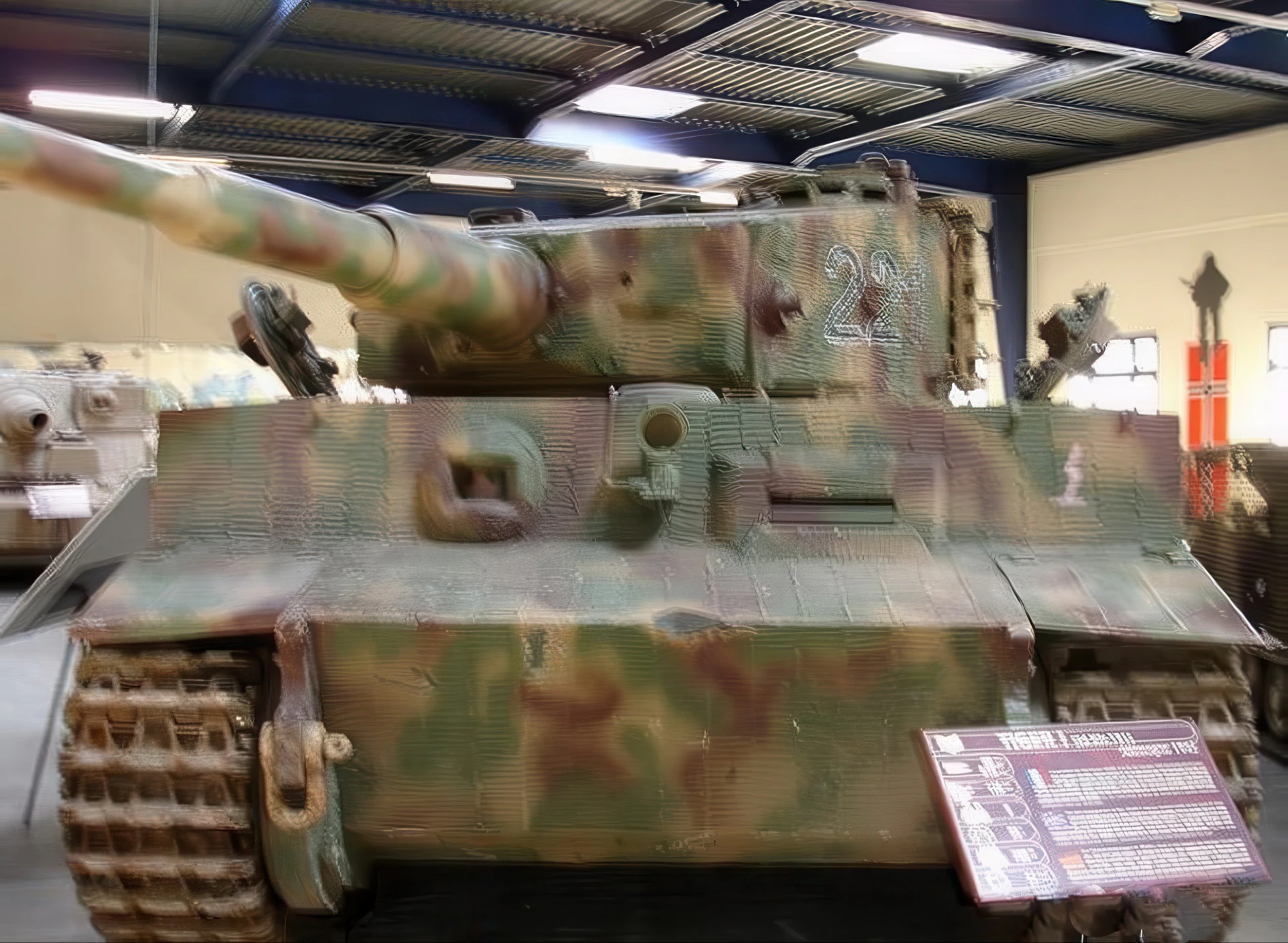
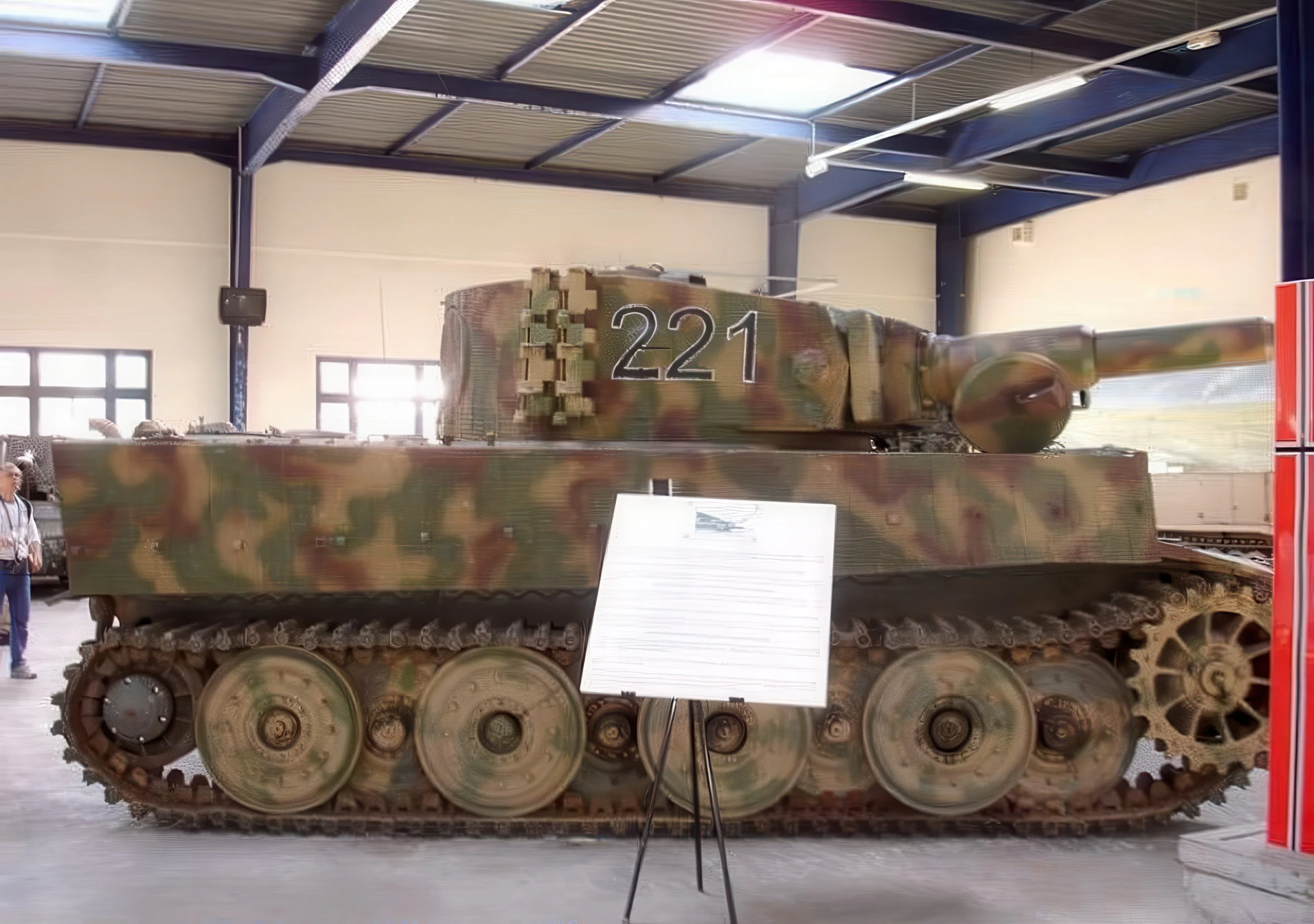
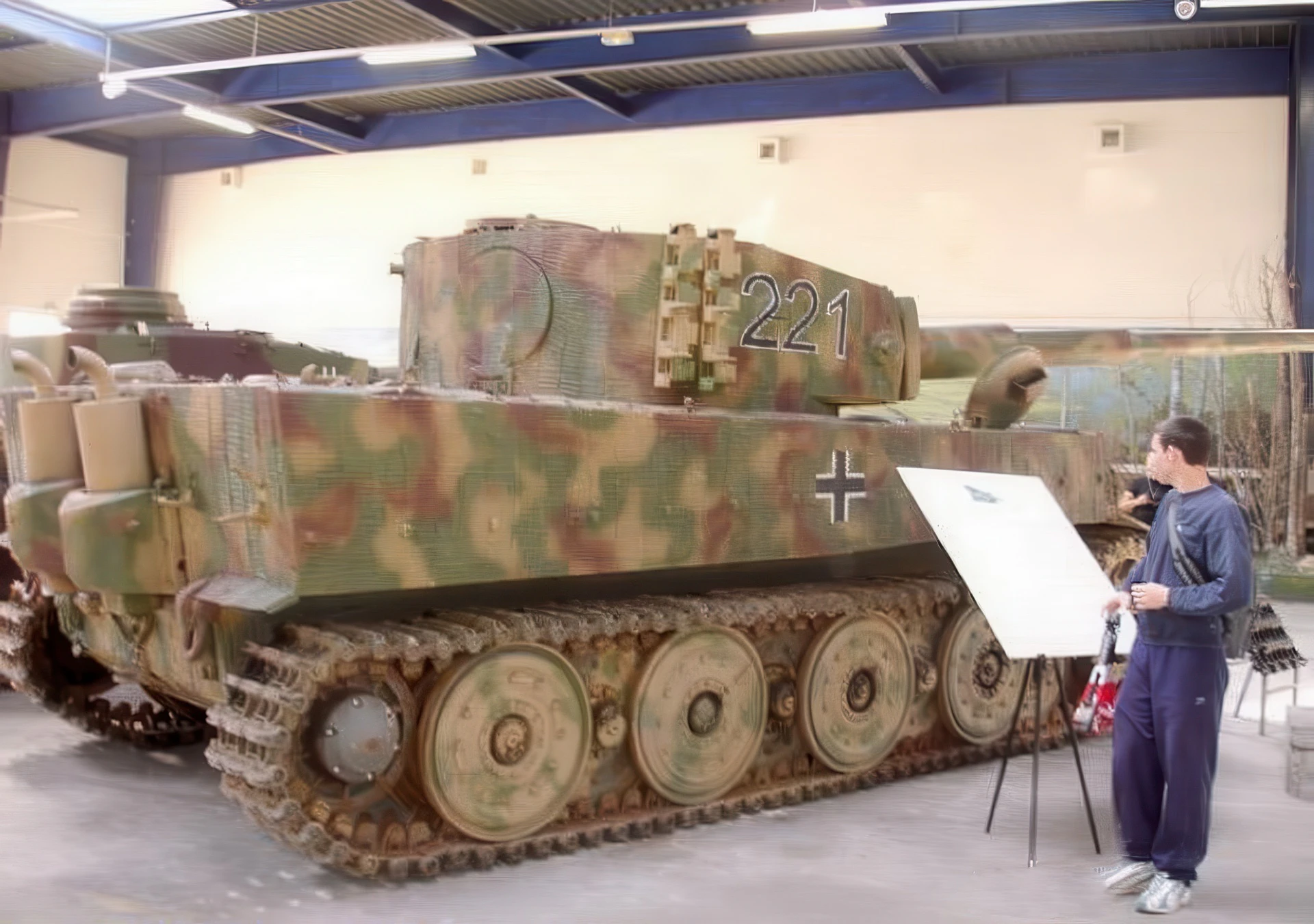
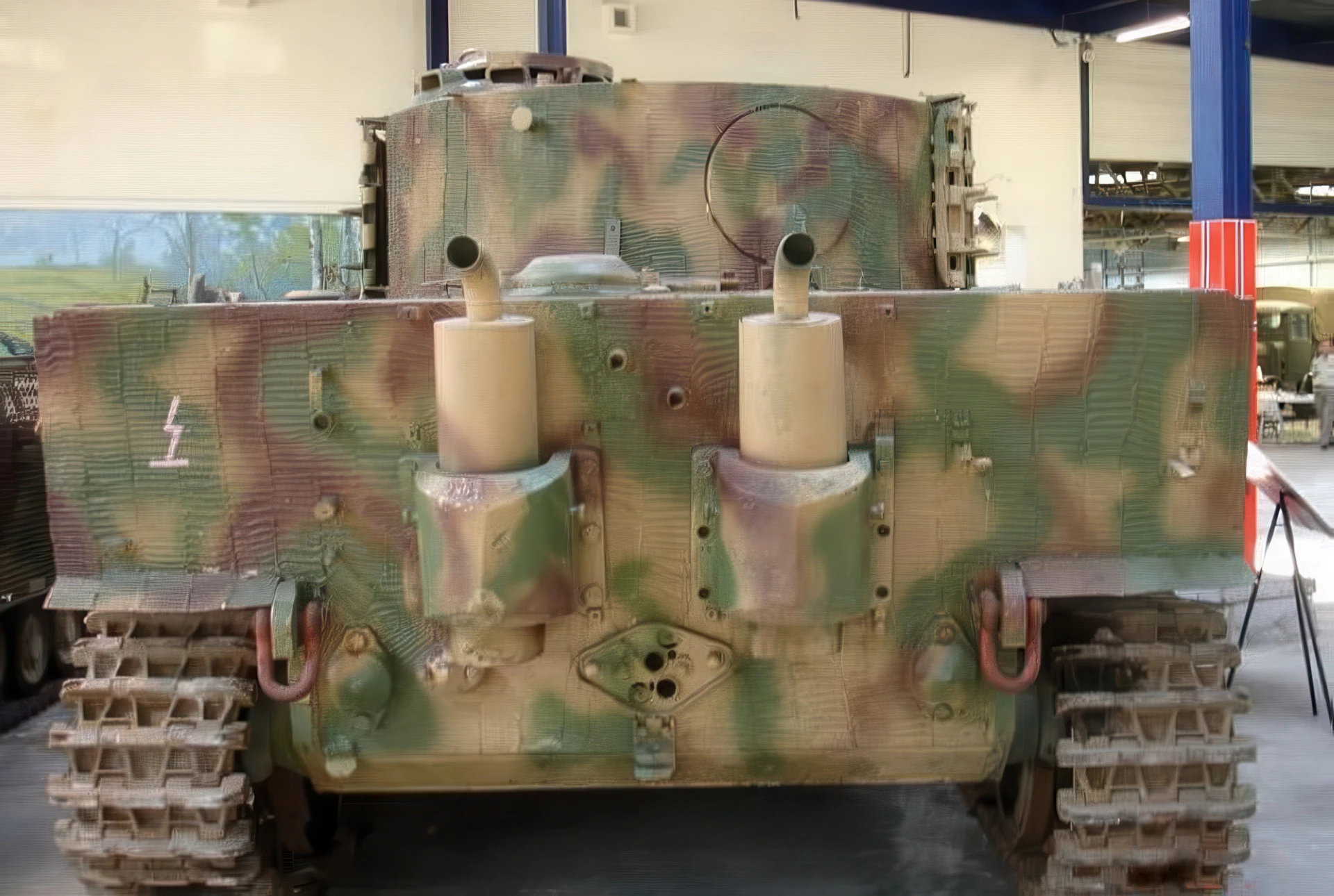
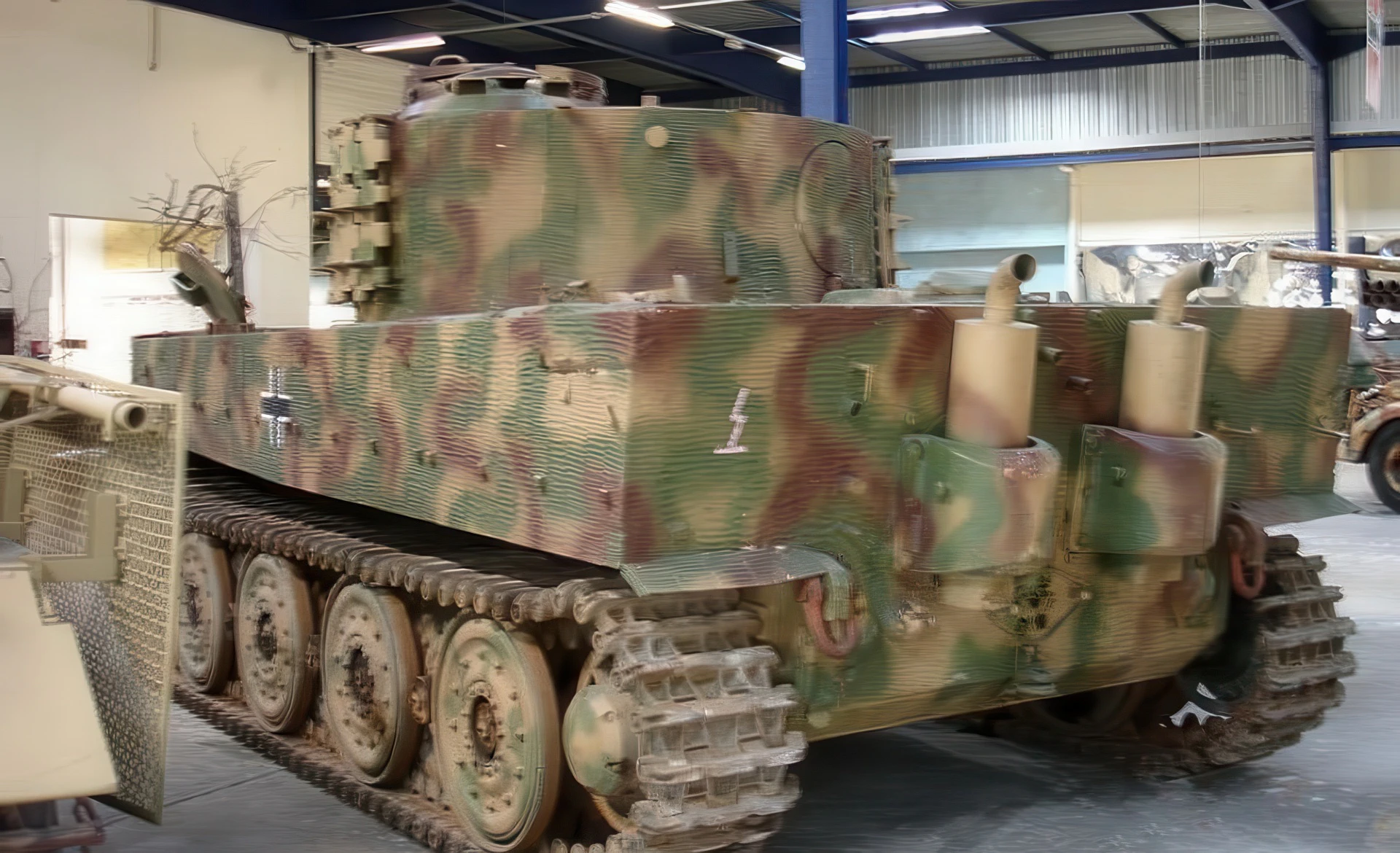
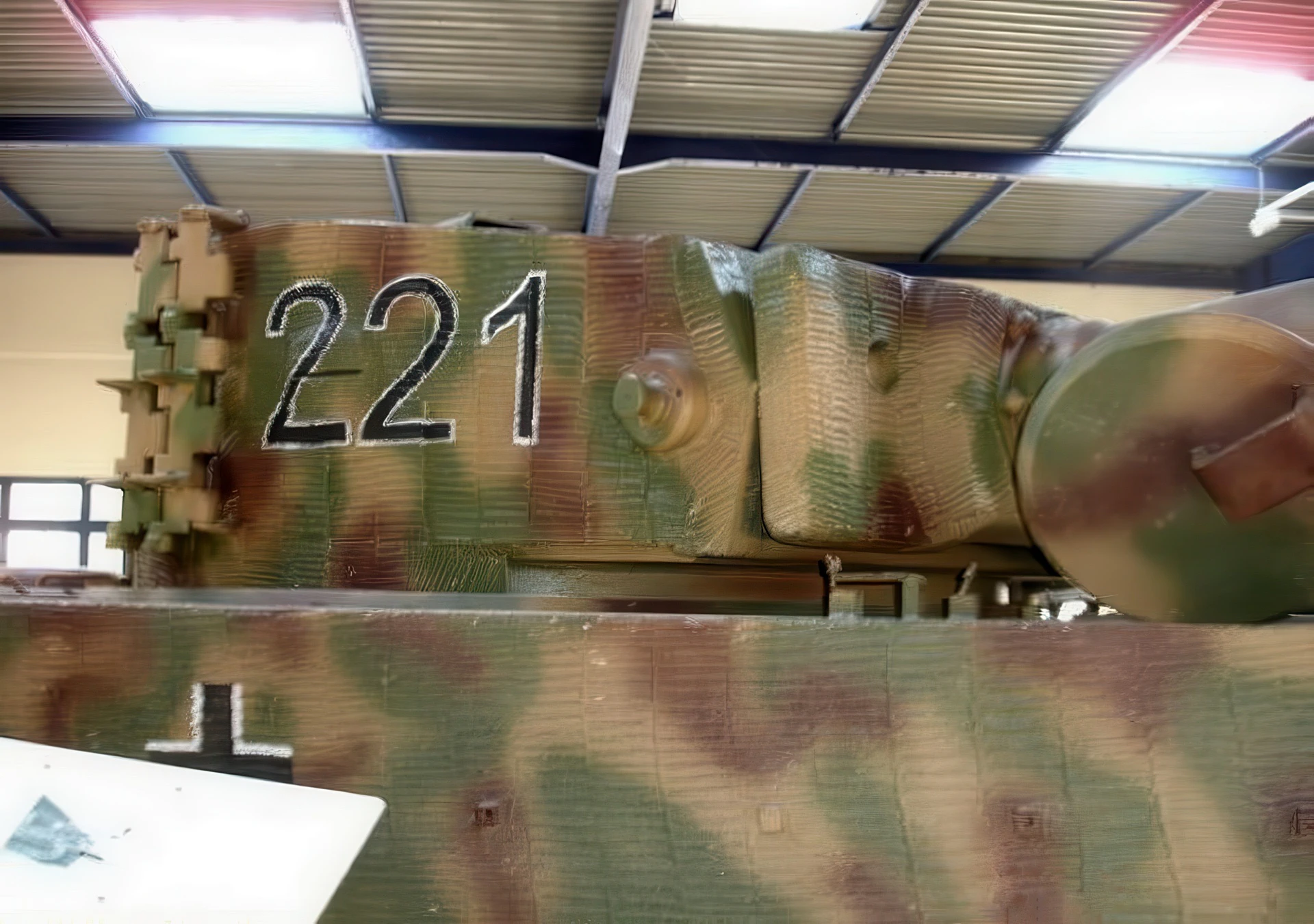
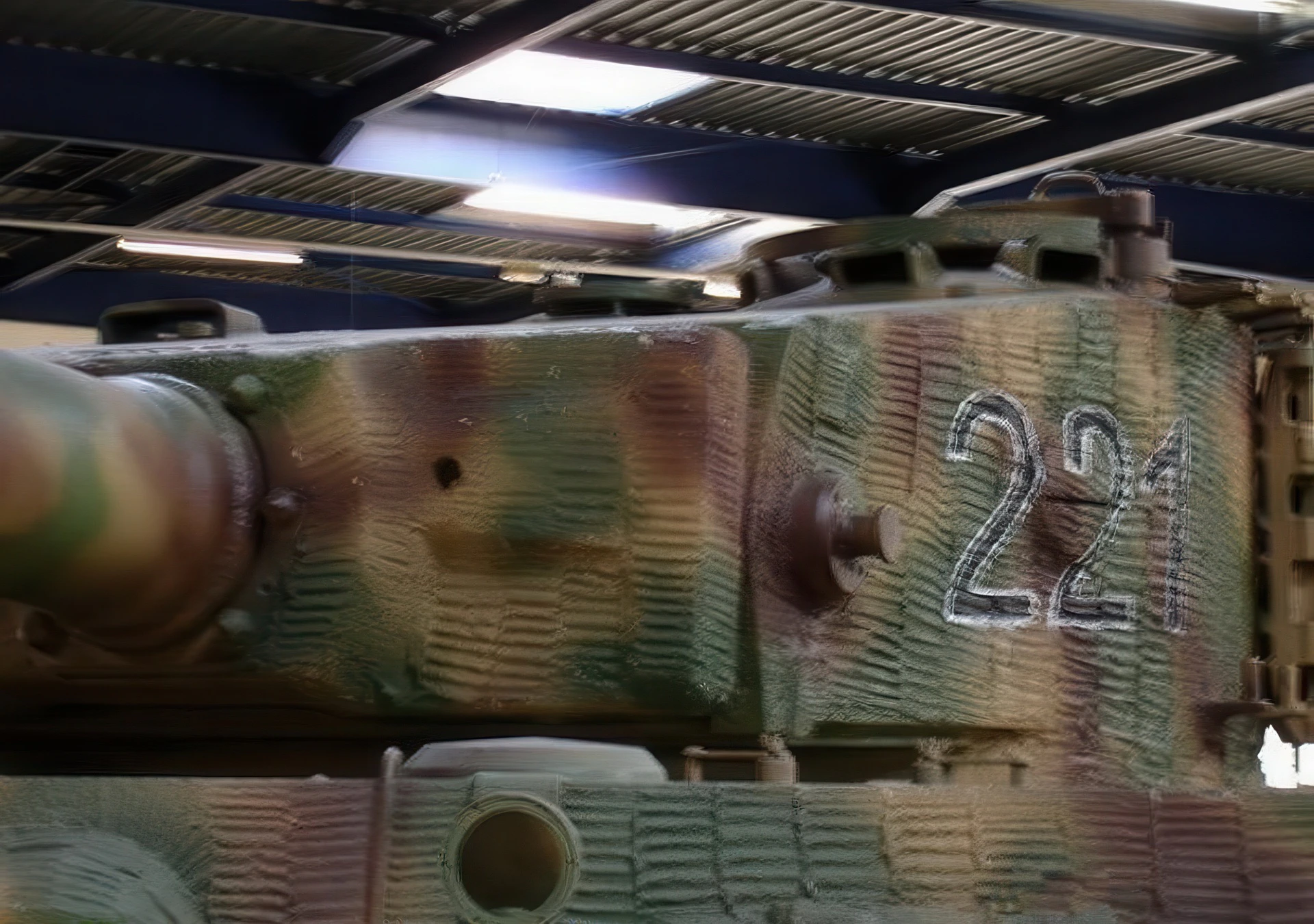
| Opis | Album 41 sprehod-okoli fotografije tigra tank «Tiger I – Sdkfz.181» |
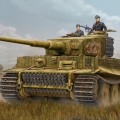
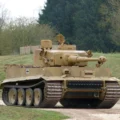
Fotogalerija na PzKpfw HIV Tiger, The Tiger I. (Tigre) est un char d’assaut lourd allemand en service durant la seconde guerre mondiale. Le développement du Tiger začel leta 1937, s svojo prvo zaroko poteka na vzhodni fronti v Leningradu 29. avgusta 1942. Tiger I je nato postal najmočnejši in oklepni nemški tank, vendar je njegova visoka teža (skoraj podvojila druge tanke) imela posledice na njegovo mobilnost. Ves čas svojega delovanja bo imel mehanske težave, ki bodo zmanjšale njegov vpliv na operacije. Gre za tank, ki je bil zaradi svoje zahtevnosti in stroškov izdelan le 1.350 izvodov, ki bi jih lahko rekli.

Glej tudi:


The PzKpfw VI Ausf. E, commonly known as the Tiger I, was a German heavy tank of World War II. It was famous for its formidable combination of heavy armor and a powerful main gun, making it a terrifying opponent for Allied forces upon its debut in 1942.
Key Specifications
| Funkcija | Detail |
|---|---|
| Official Designation | Pz.Kpfw. VI Tiger Ausf. E (Sd.Kfz. 181) |
| Vlogo | Težka cisterna |
| V servisu | 1942–1945 |
| Težo | 57 tons (approx.) |
| Posadke | 5 (Commander, Gunner, Loader, Driver, Radio Operator) |
Armament and Protection
The Tiger I was built around its two most feared features: the high-velocity gun and its thick, almost vertical armor plating.
- Main Gun: The 8.8 cm KwK 36 L/56 (88 mm), an adaptation of the famous anti-aircraft gun. This gun could reliably penetrate any Allied tank from long ranges.
- Secondary Armament: Two 7.92 mm MG 34 machine guns.
- Frontal Armor: Up to 100–120 mm (on the hull and turret), which was impervious to most Allied tank guns at typical engagement distances.
- Side and Rear Armor: Generally 80 mm thick. Crew training often involved “angling” the tank to increase the effective thickness of this armor.
Mobility and Operational Challenges
Despite its combat power, the Tiger I was mechanically complex and demanded extensive logistical support.
- Engine: Maybach HL230 P45 V-12 gasoline engine (700 horsepower).
- Speed: Road speed was approximately 38 km/h (24 mph).
- Complex Design: The intricate interleaved road wheel suspension provided a stable ride but was highly susceptible to mud and freezing in the Russian winter, and was difficult to maintain.
- Logistics Nightmare: Its great weight often led to breakdowns, especially with the transmission and final drive. The tank’s size complicated rail transport, requiring the tracks to be swapped out for narrower ones.
- Production Numbers: Due to its complexity and high resource cost, only about 1,350 were ever produced, a low number compared to Allied production.
Views : 6675
Prav tako si lahko ogledate:
 TOG2 – Fotografije & Video posnetki
 P26/40 tank – Fotografije & Video posnetki
 T-28 Super Heavy Tank – Fotografije & Video
 Rezervoar Chieftain – Sprehod Okoli
 Pz.Kpfw. VI Tiger I – HOBBY BOSS 82601
 Tiger Tank v akciji – WalkAround
 IS-2 vol3 – Sprehod Okoli
 Tiger II – Königstiger vol3 – Sprehod Okoli
 Tiger I – Sprehod Okoli
 JS2-M – Sprehod Okoli