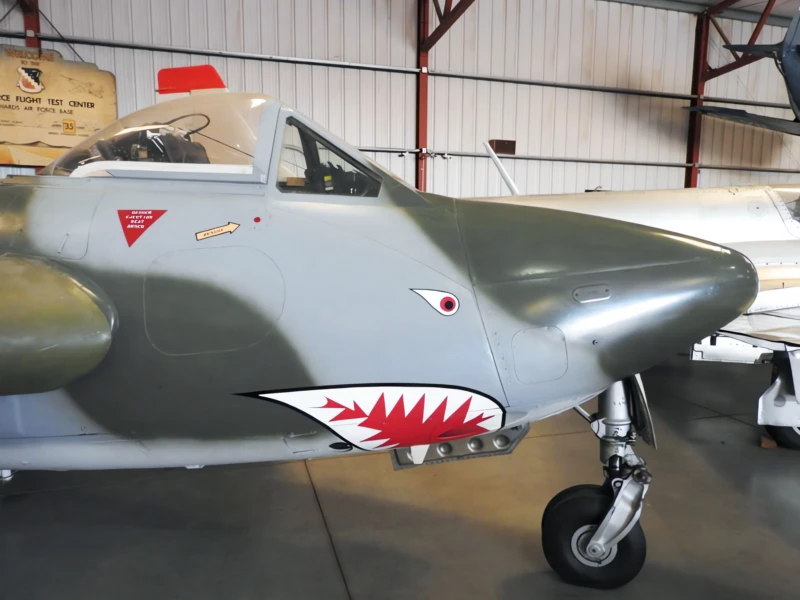
de Havilland Vampire | |
|---|---|
| Državi | Uk |
| Vlogo | Lovska letala |
| Prvi let | 20. septembra 1943 |
| Zgrajena | 3268 |
V de Havilland Vampire je britanski reaktivni lovec, ki ga je razvila in izdelala družba de Havilland Aircraft Company. Delo na letalu se je začelo med drugo svetovno vojno kot večinoma eksperimentalno letalo, primerno za boj, ki je izkoristilo revolucionarno inovacijo reaktivnega pogona; hitro je bilo odločeno, da se odločimo za enomotorno, dvo-boom letalo, opremljeno s turboreaktivnim motorjem Halford H.1 (kasneje de Havilland Goblin). Prvotno naročeno kot poskusno letalo, odločitev o masovni proizvodnji letala kot prestreznika za Kraljevo vojno letalstvo (RAF) je bila sprejeta maja 1944.
Vir: de Havilland Vampire na Wikipediji, prosta enciklopedija
| De Havilland Vampire FB.6 Sprehod naokoli | |
|---|---|
| Fotograf | Cees Hendriks |
| Lokalizacijo | Neznano |
| Fotografije | 18 |
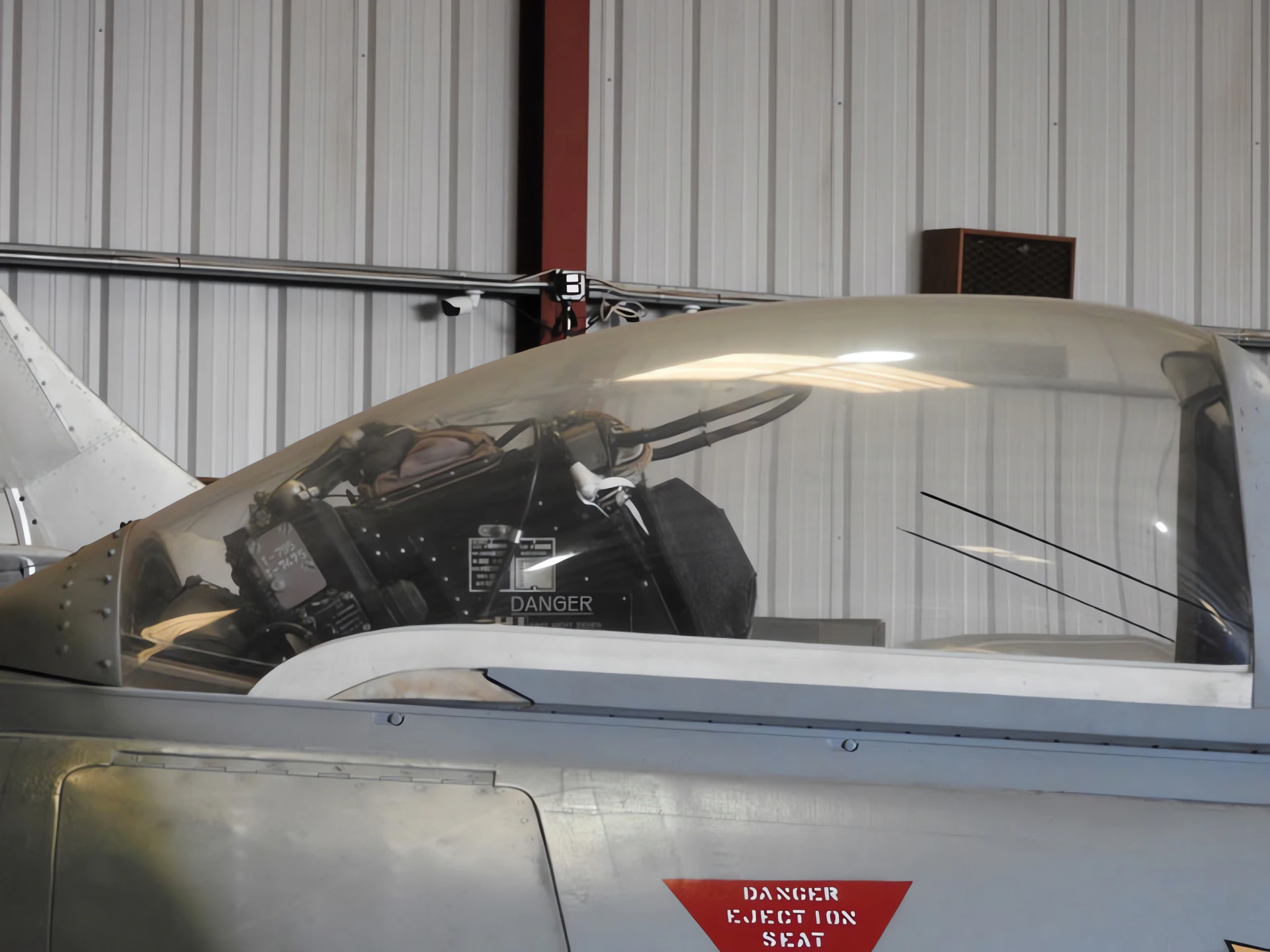
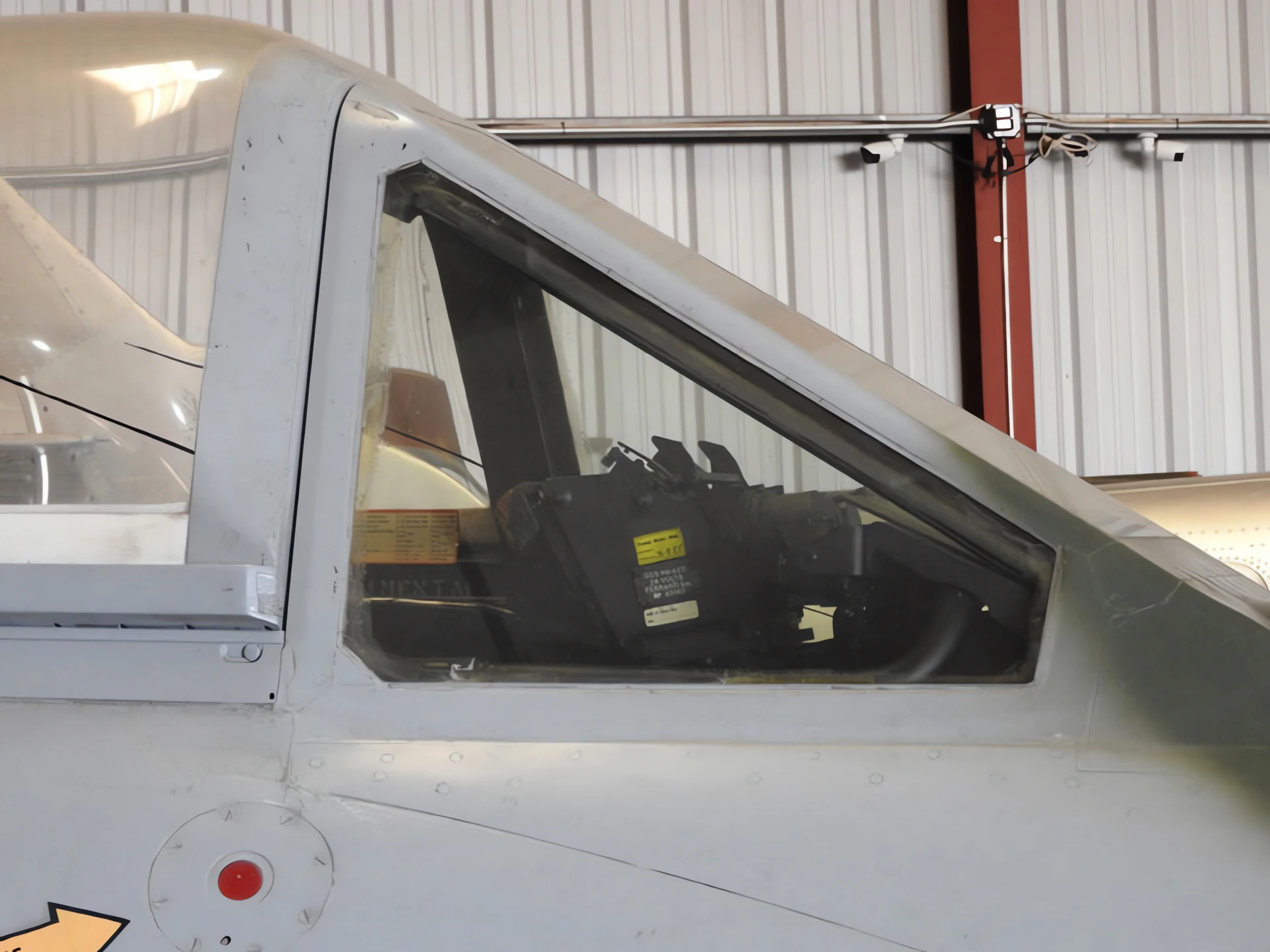
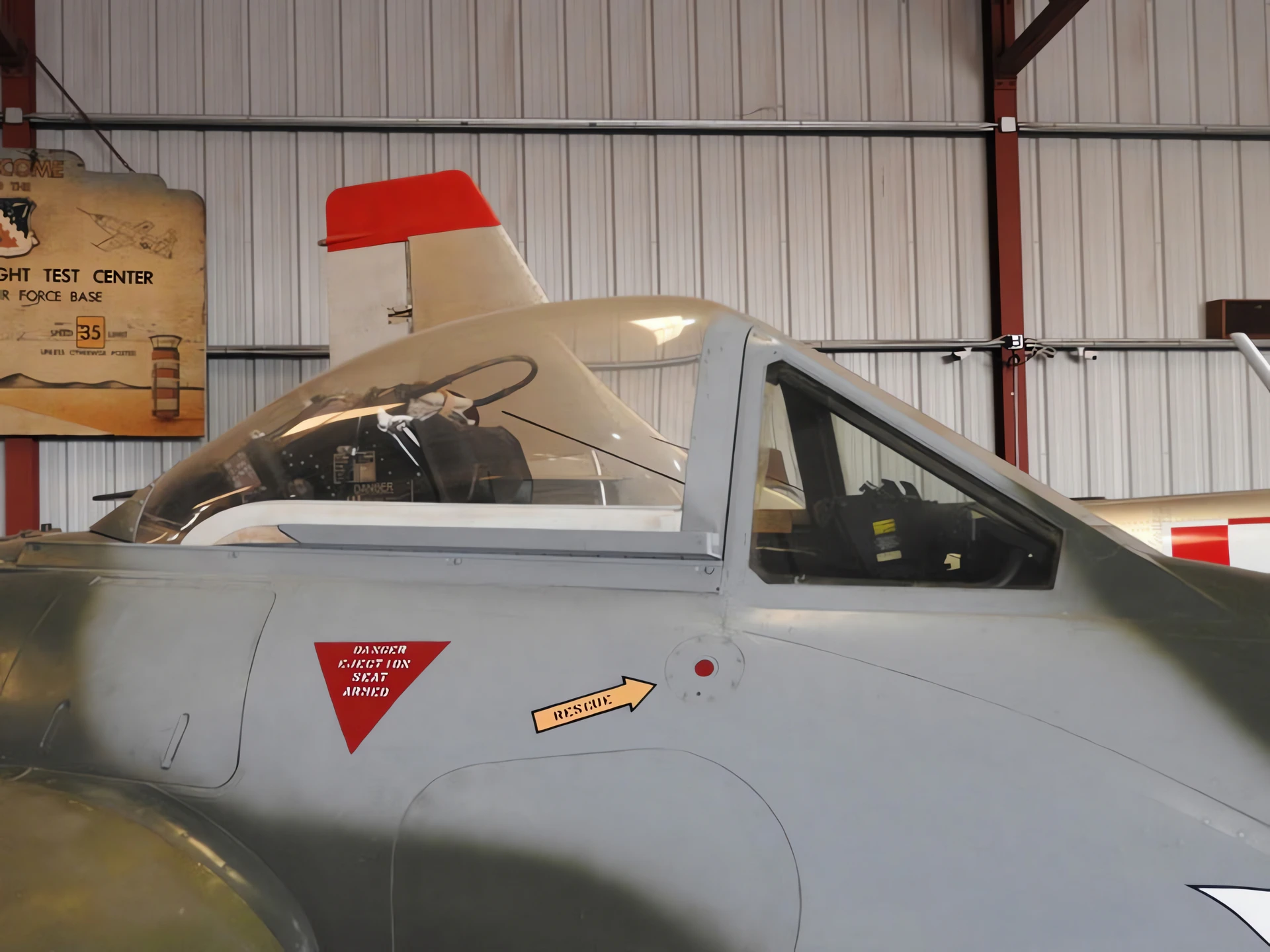
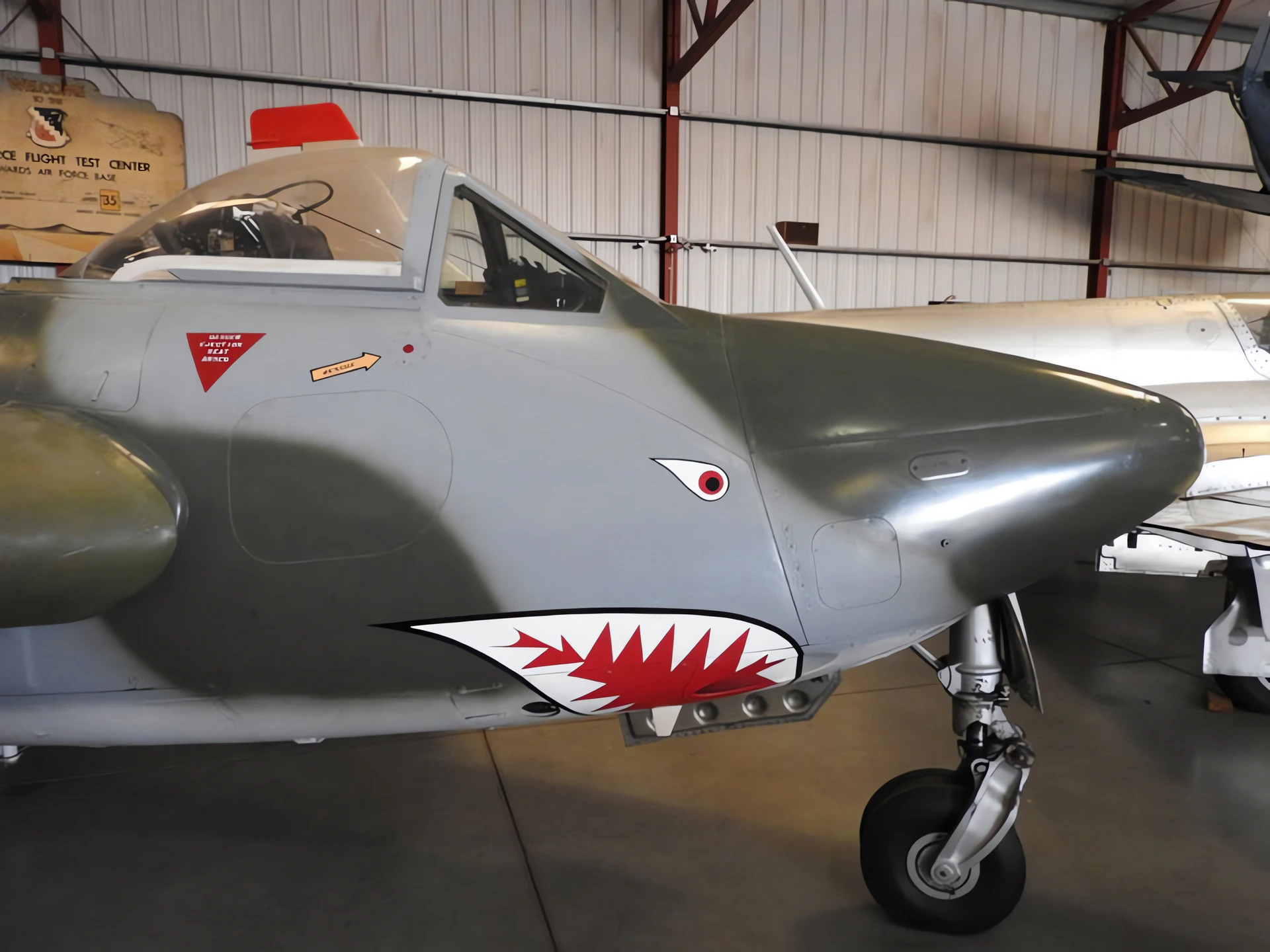
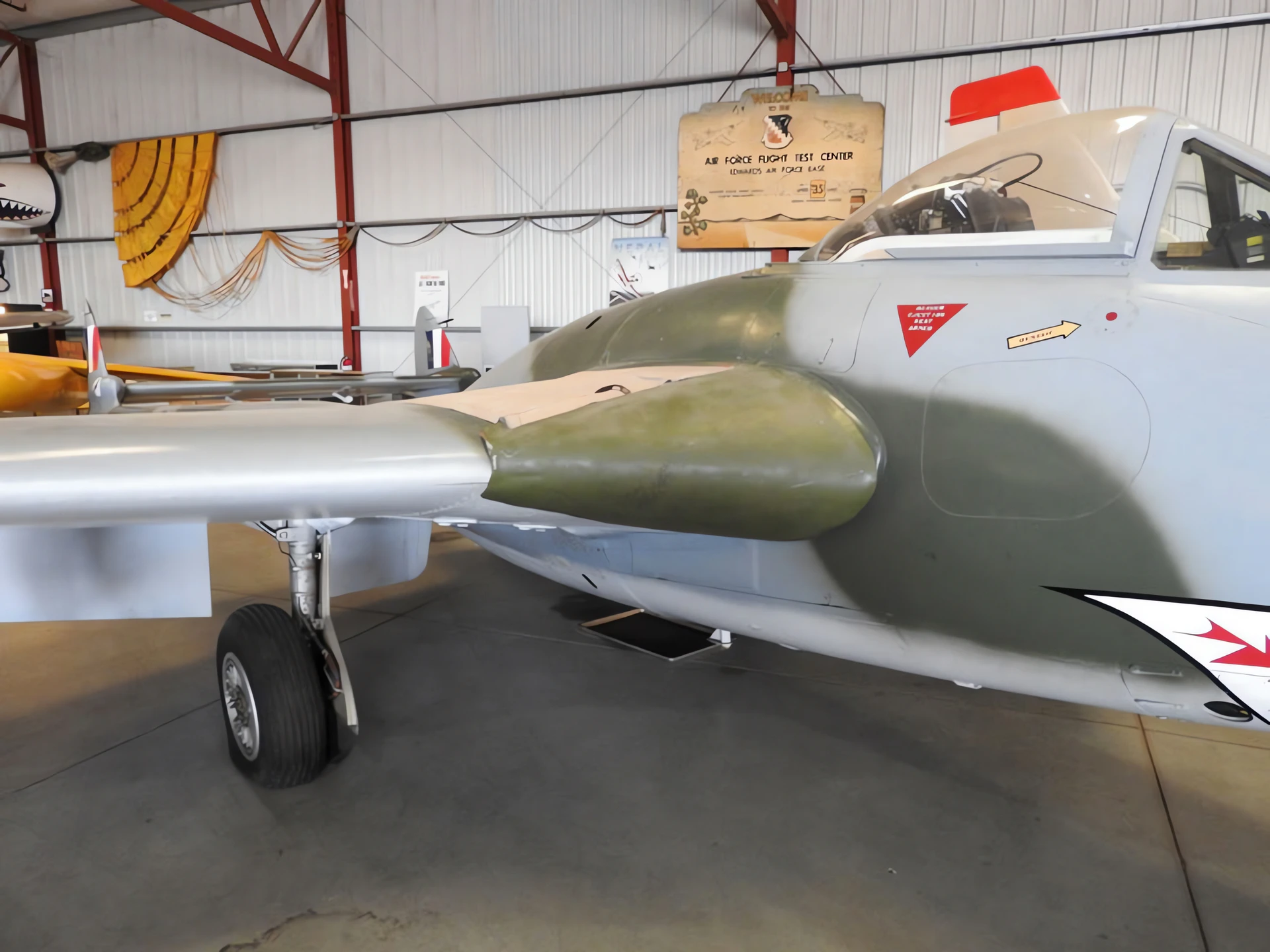
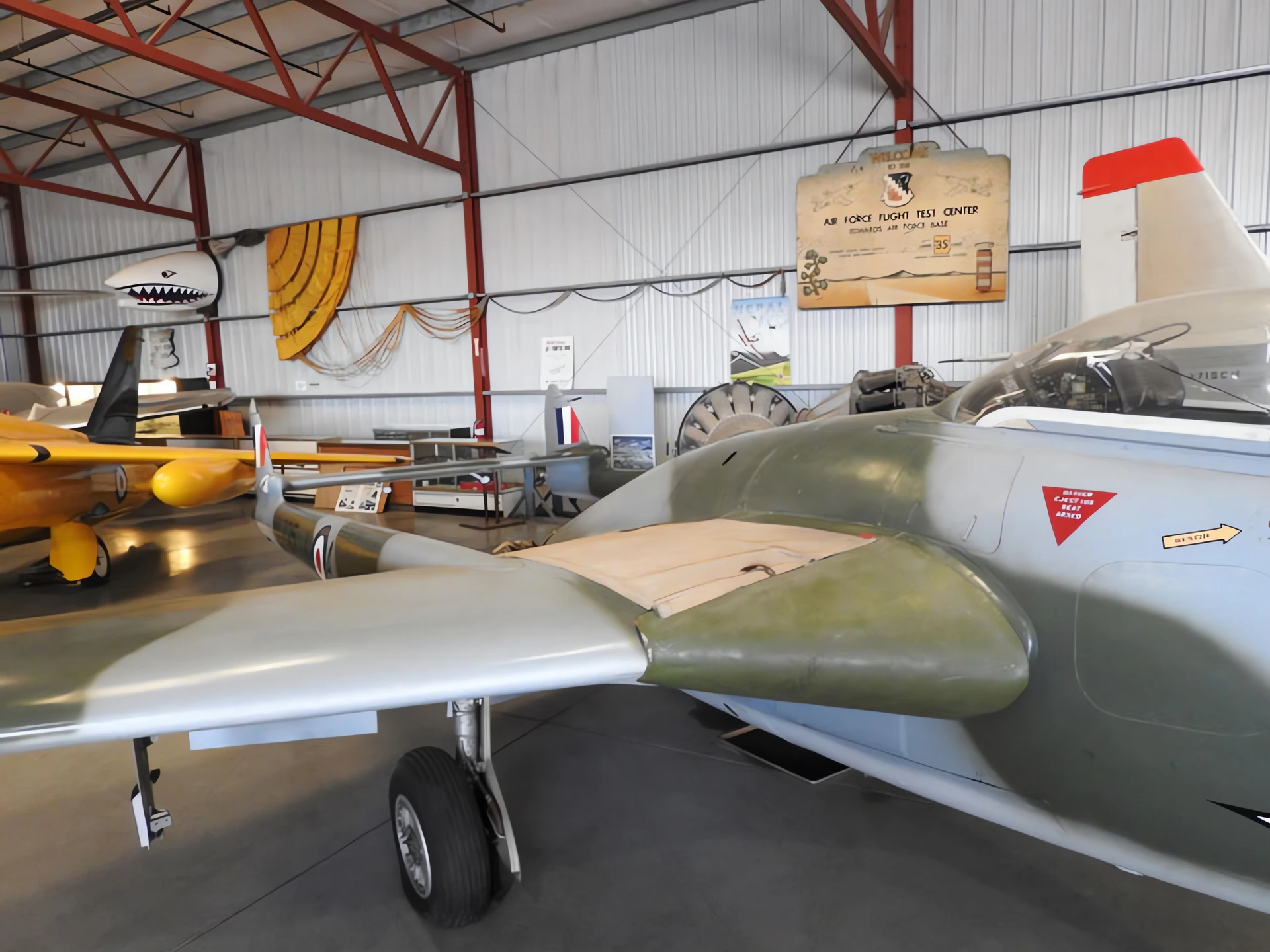
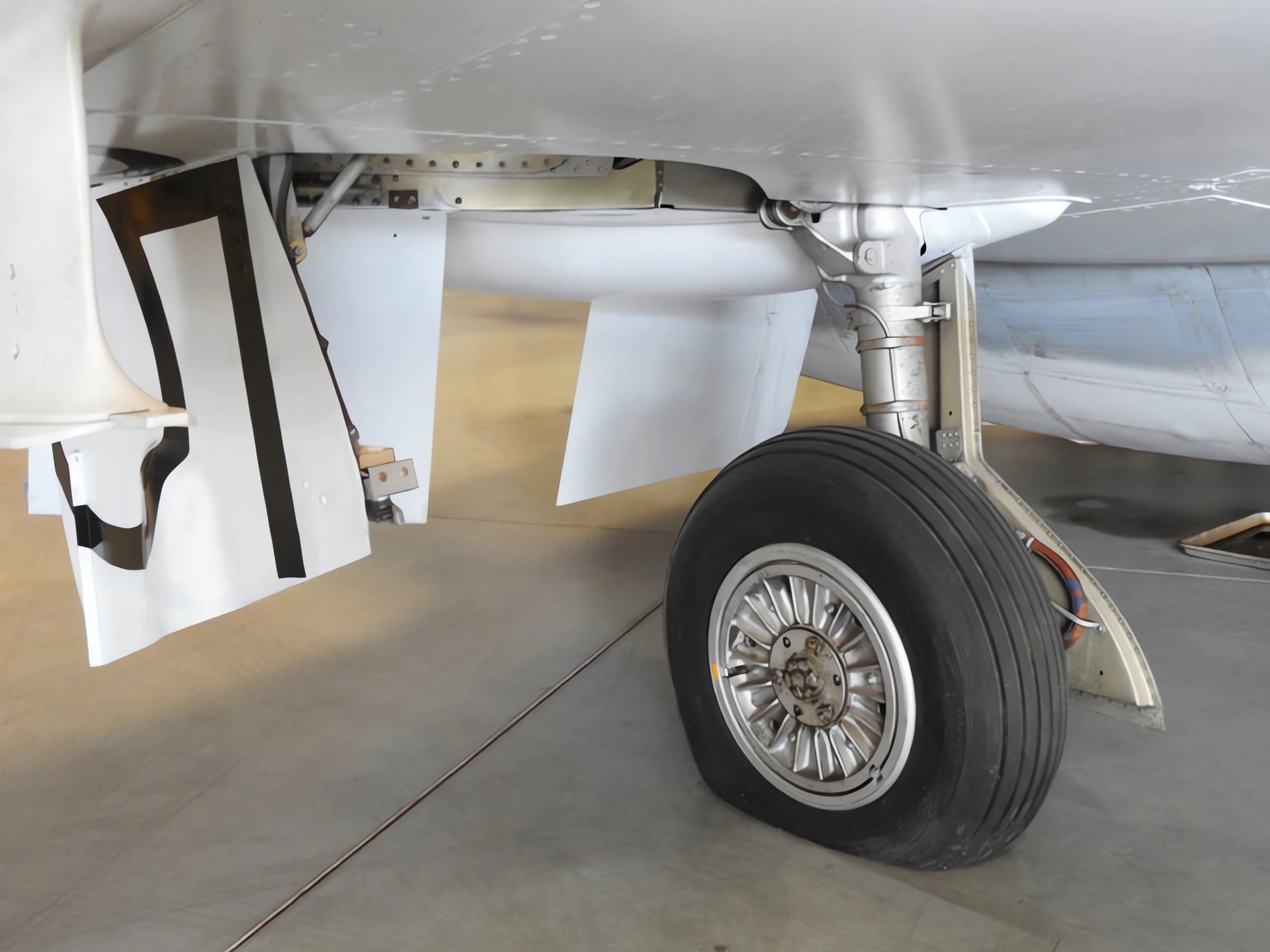
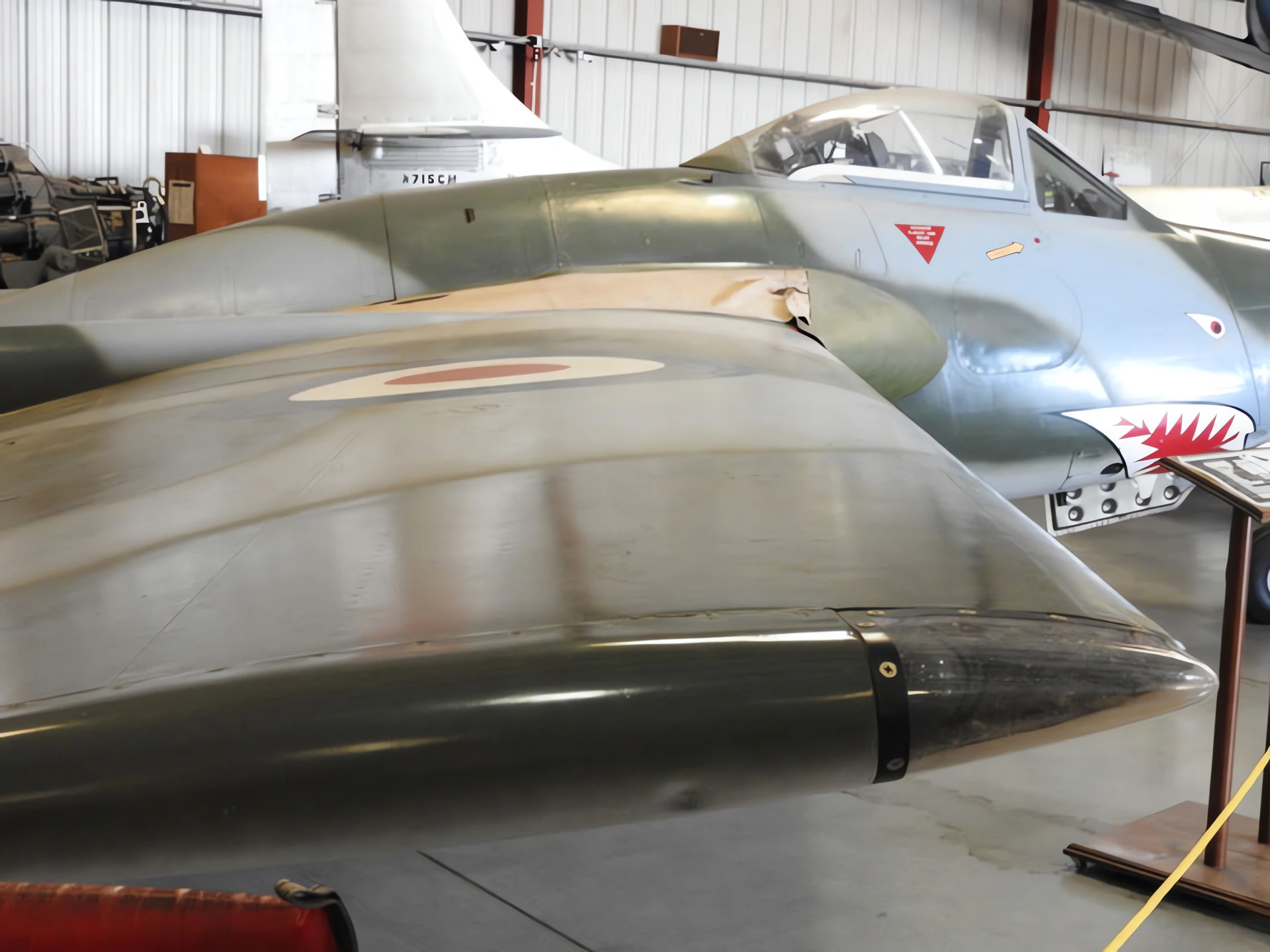
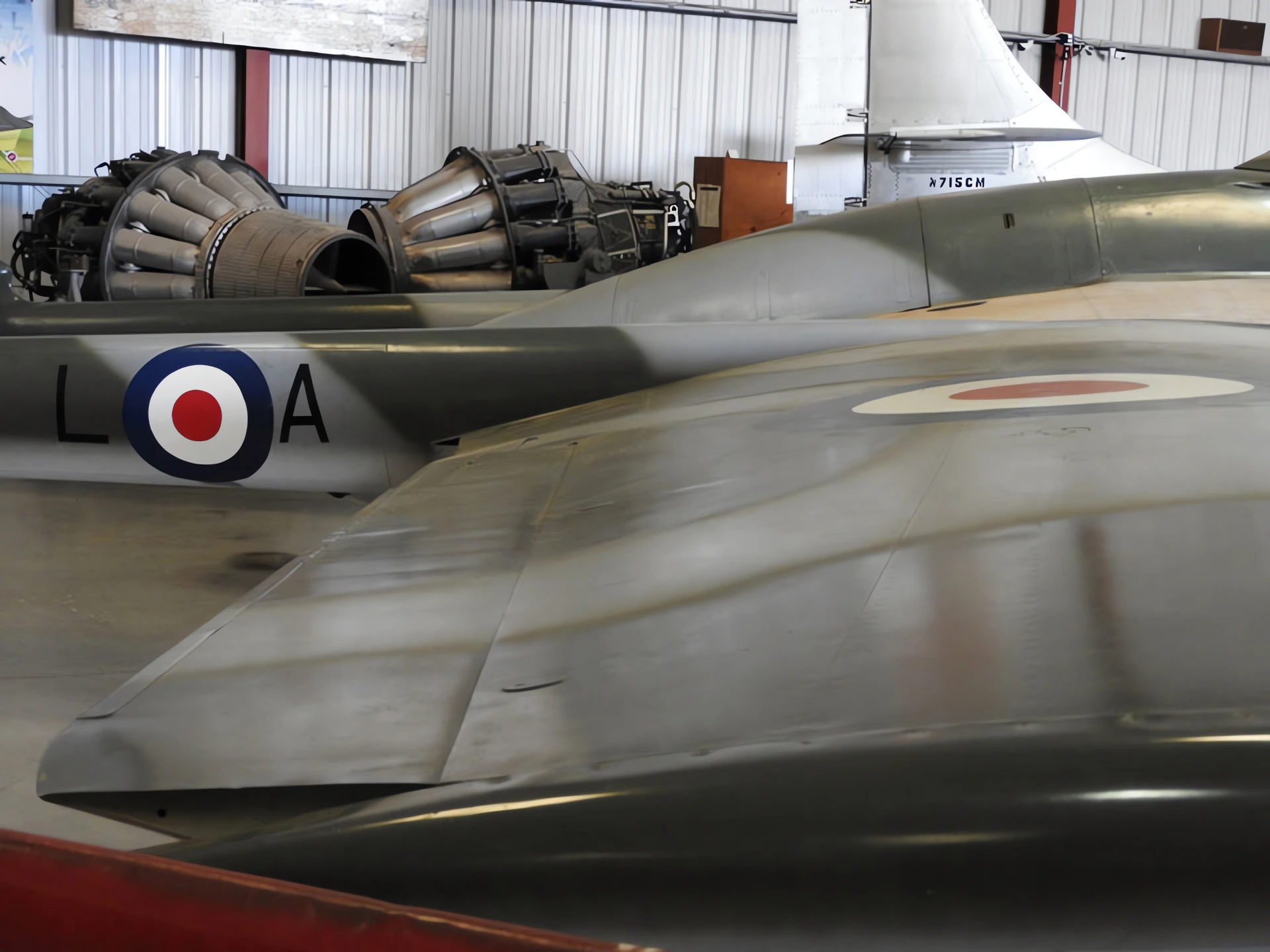

| De Havilland SK 28 C2 Vampirski sprehod naokoli | |
|---|---|
| Fotograf | Neznano |
| Lokalizacijo | Neznano |
| Fotografije | 43 |
| DeHavilland Vampire Walk Around | |
|---|---|
| Fotograf | Bill Maloney |
| Lokalizacijo | Neznano |
| Fotografije | 20 |
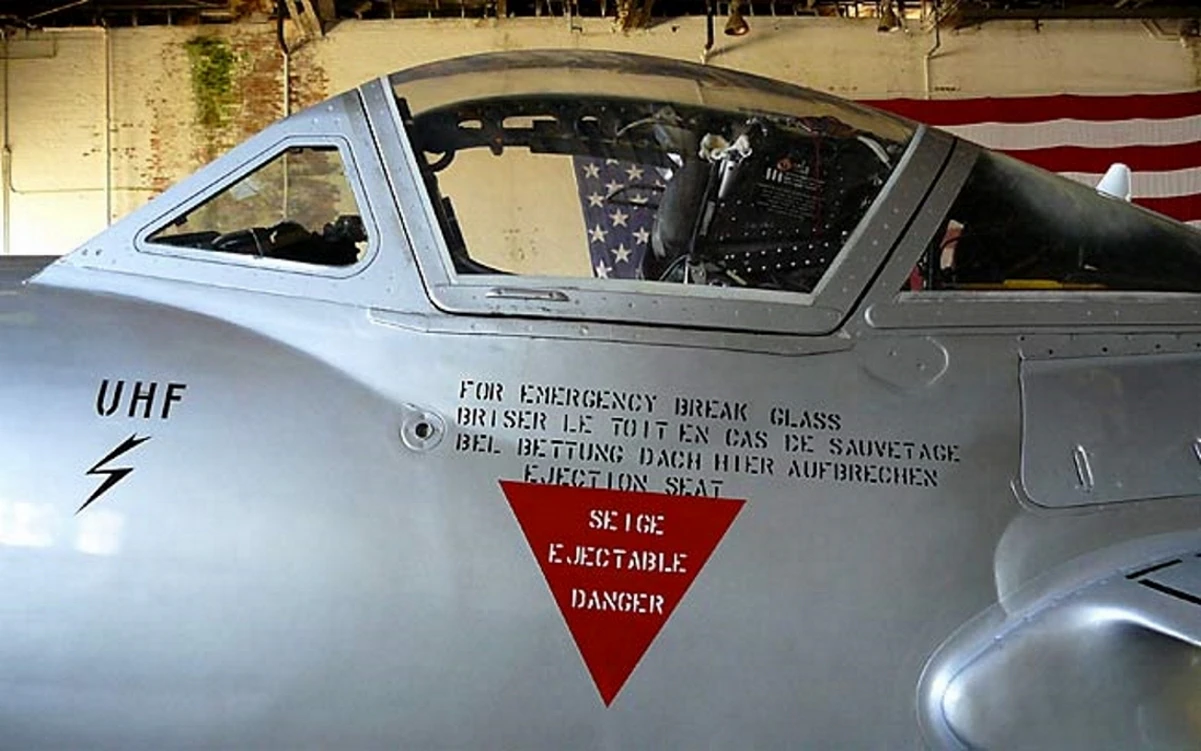
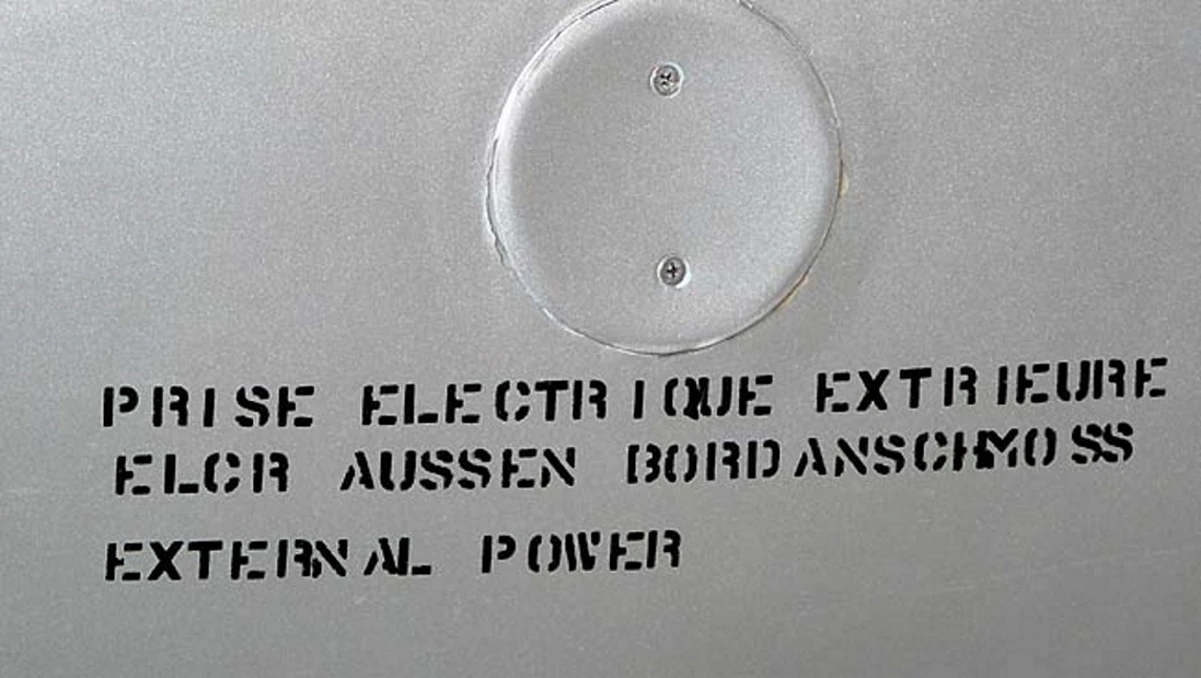
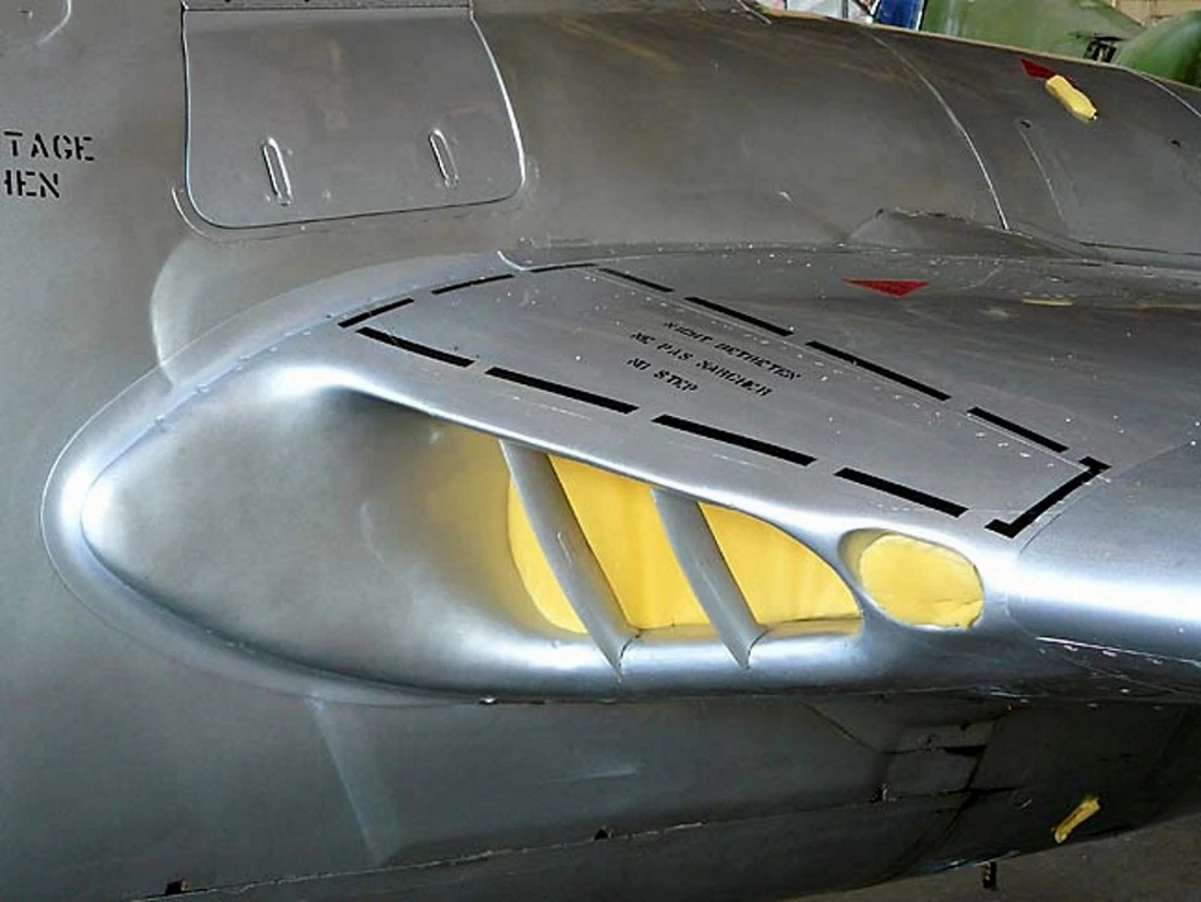
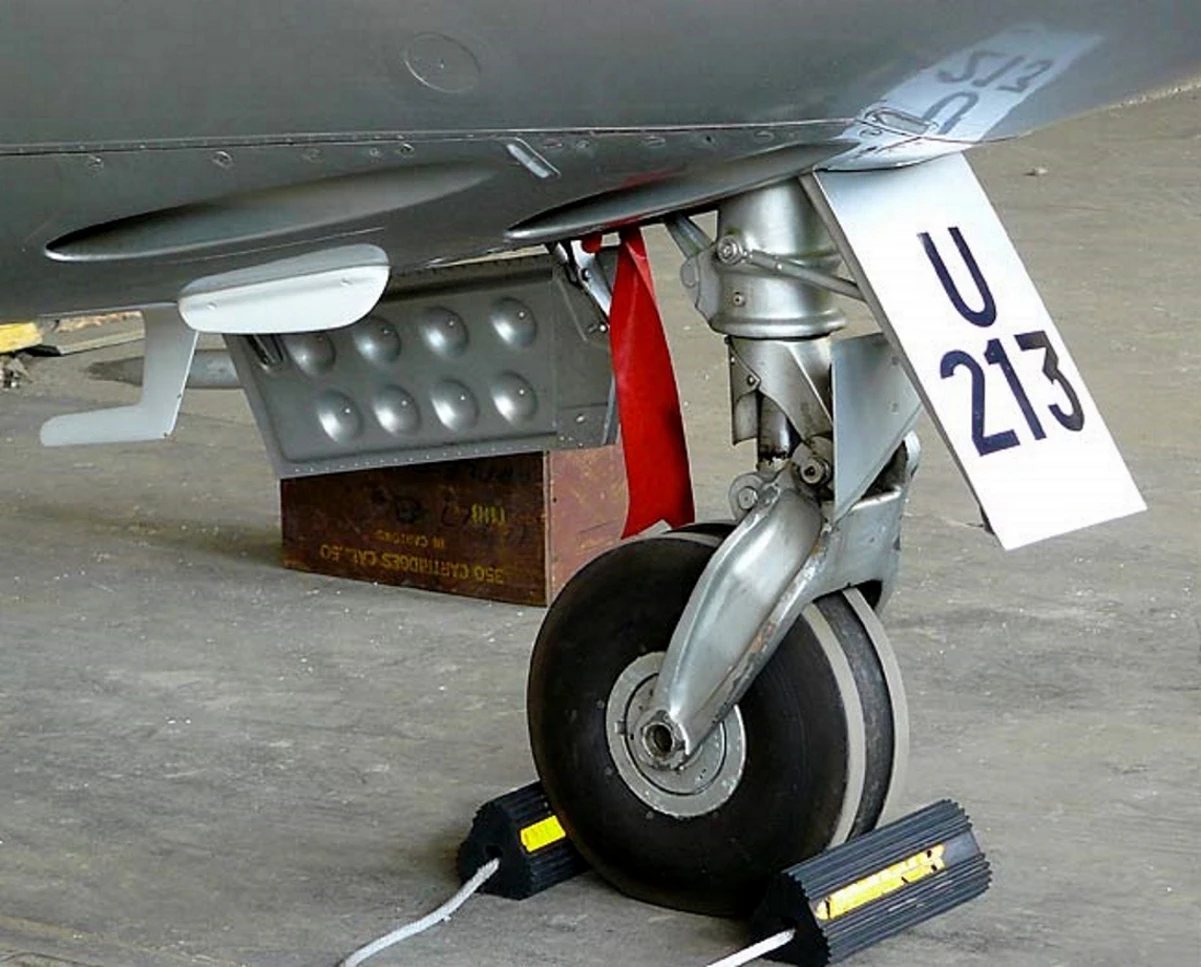
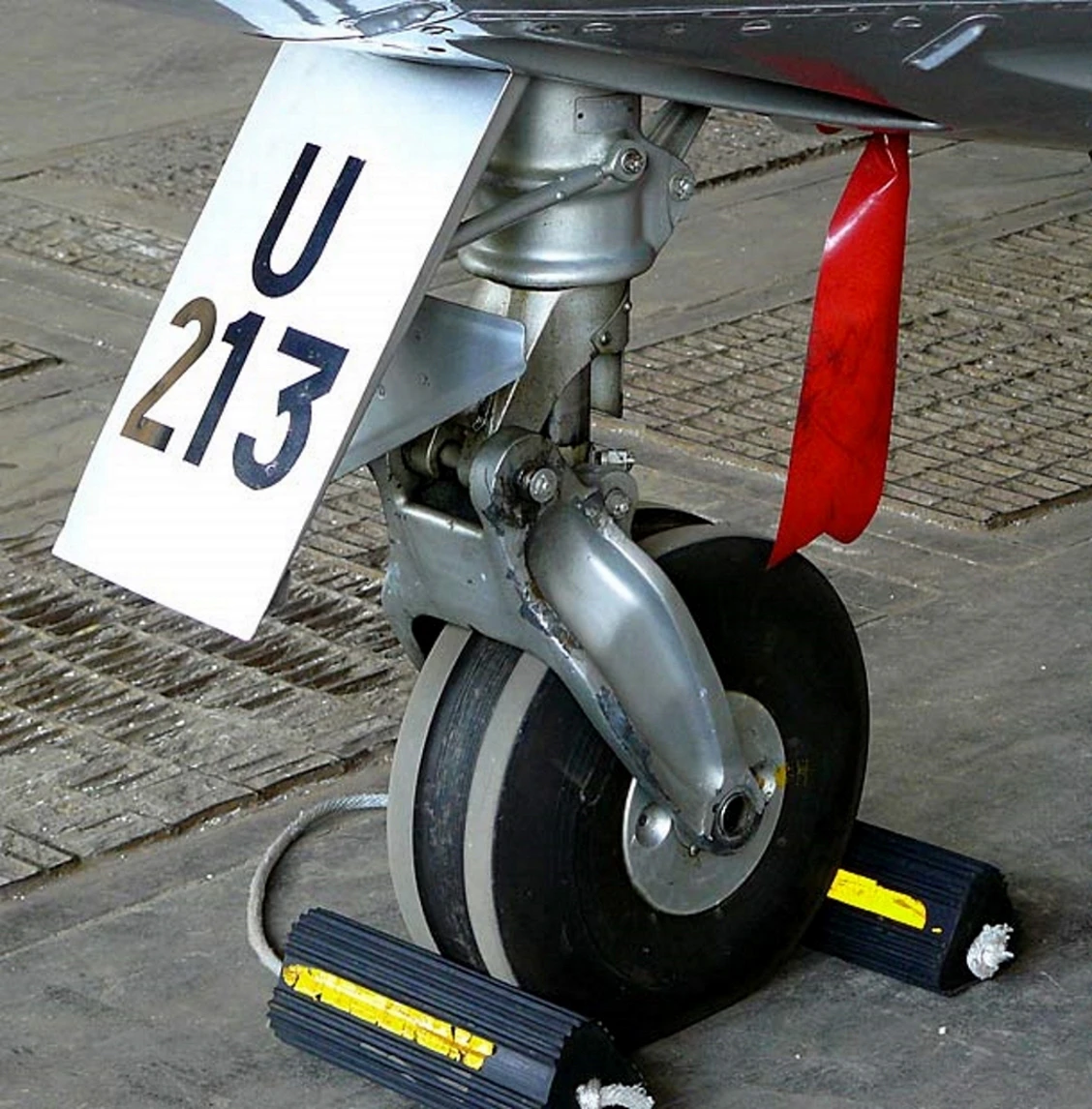
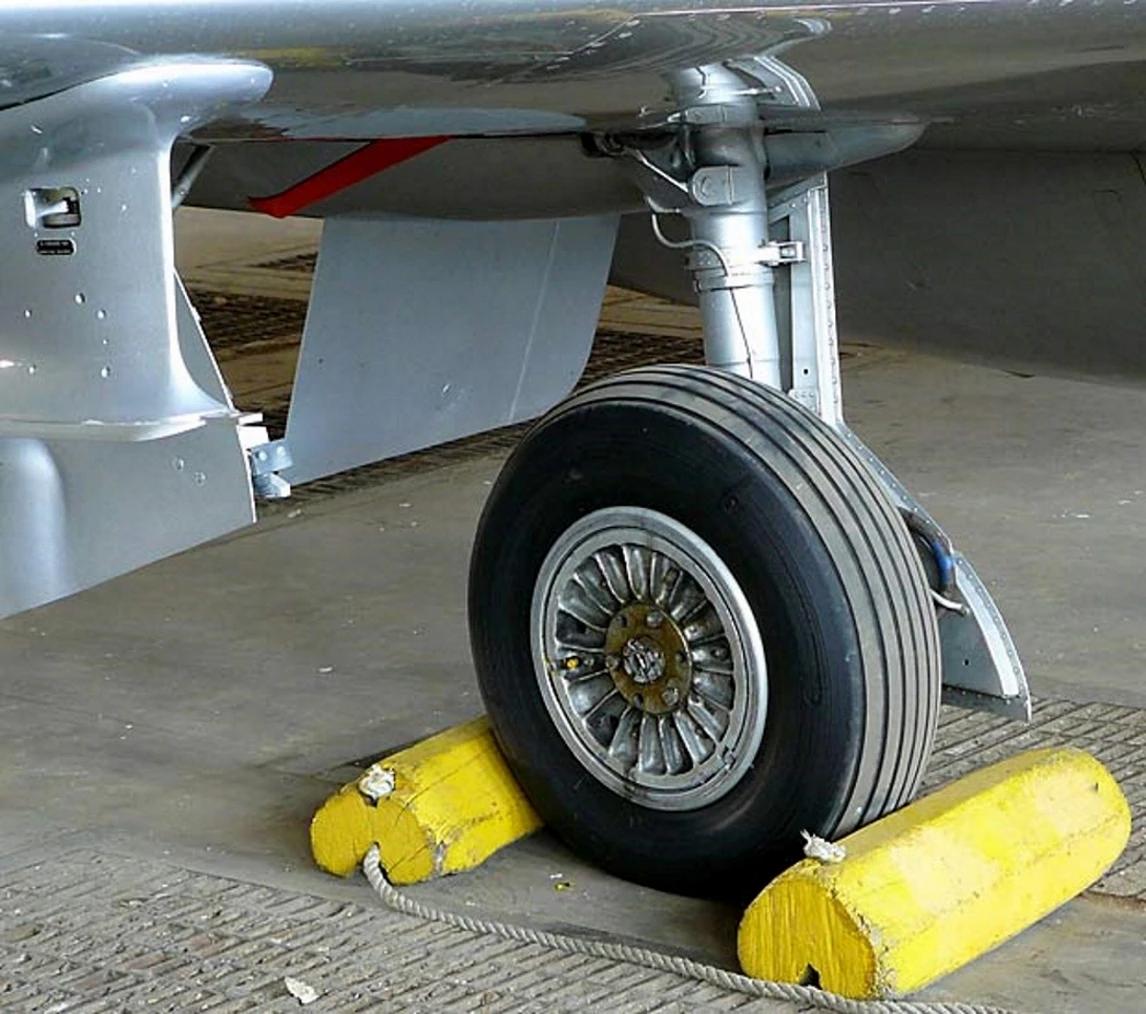
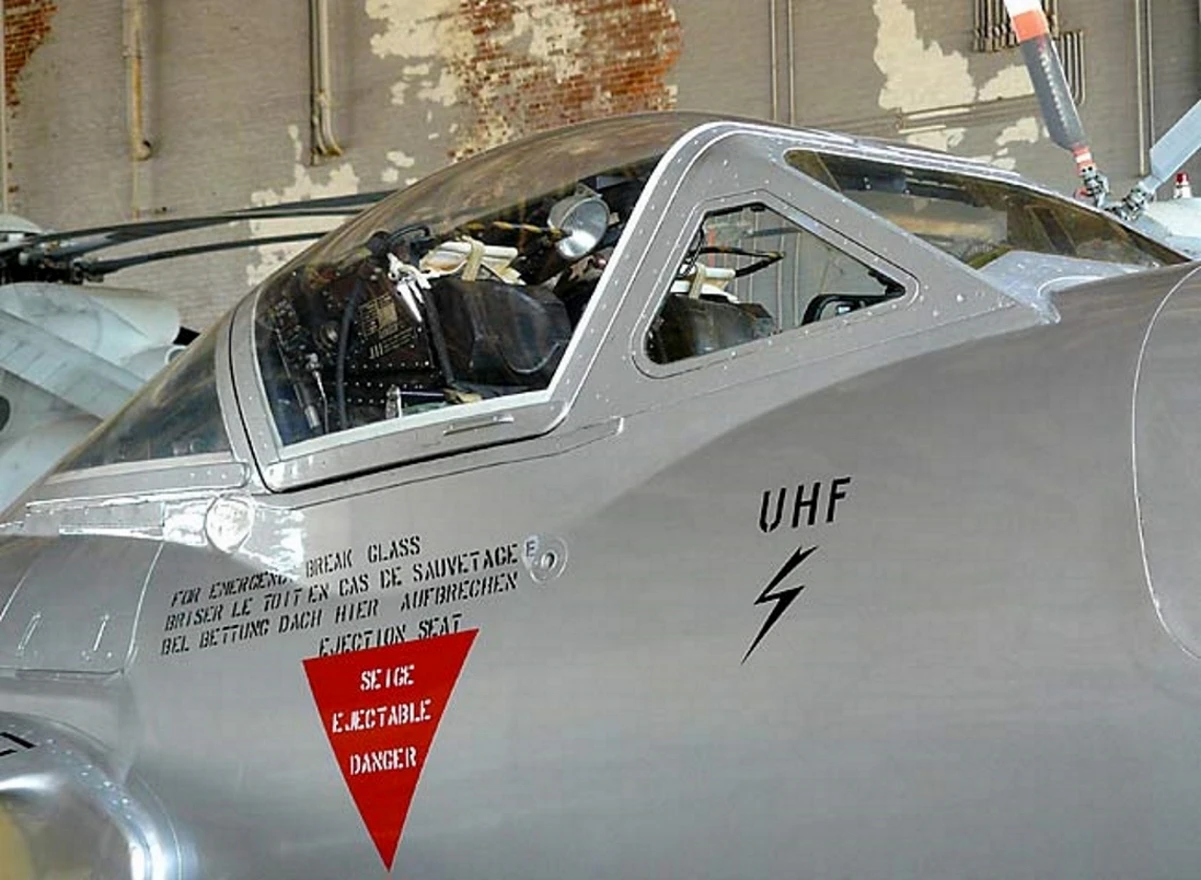
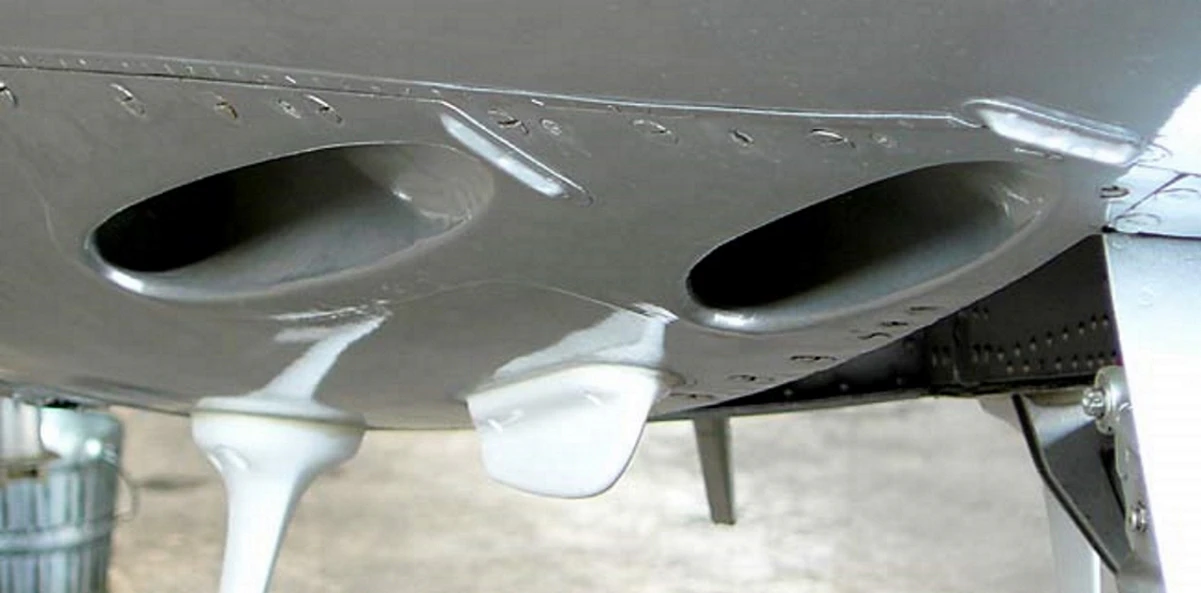
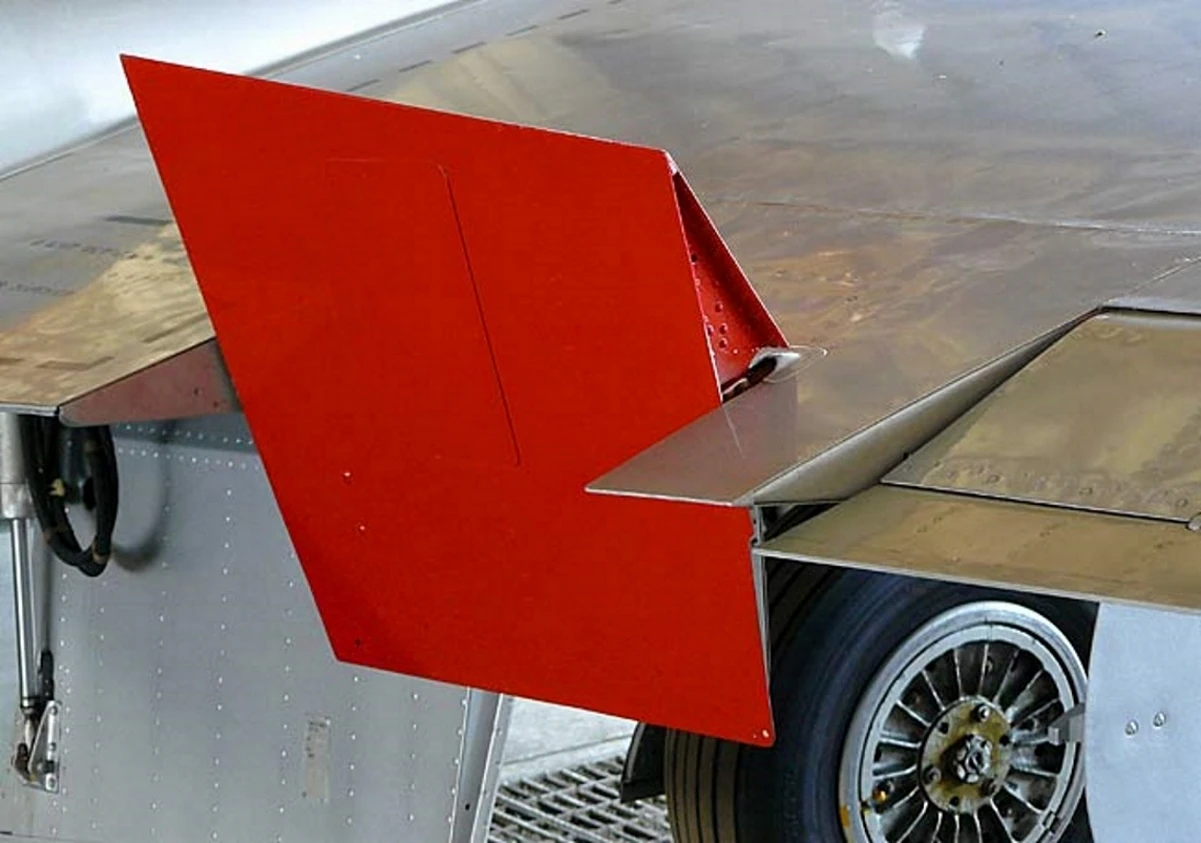
Glej tudi:


The Wooden Jet
V de Havilland Vampire was the second jet-powered aircraft to enter service with the RAF, following the Gloster Meteor. However, the Vampire was unique in its construction; while it was a cutting-edge jet, its fuselage was built using the same molded plywood technique perfected on the wooden Mosquito. The FB.6 was a specialized Fighter-Bomber export version produced for Switzerland, representing the pinnacle of the single-seat Vampire’s development with an uprated engine and increased weight capacity.
| Attribute | Technical Specification (Vampire FB.6) |
|---|---|
| Vlogo | Borec-bombnik |
| Posadke | 1 (Pilot) |
| First Flight (Vampire) | September 20, 1943 |
| Powerplant | 1 × de Havilland Goblin 3 centrifugal-flow turbojet |
| Thrust | 3,350 lbf (14.9 kN) |
| Maximum Speed | 548 mph (882 km/h) |
| Service Ceiling | 42,800 feet (13,045 m) |
| Oborožitev | 4 × 20mm Hispano Mk V cannons; 8 × rockets or 2,000 lbs of bombs |
Twin Booms and Goblin Fire
- The Twin-Boom Design: de Havilland used a twin-boom tail to allow the jet exhaust to be as short as possible. This minimized the loss of thrust associated with long tailpipes, which was critical for the relatively weak early turbojets.
- Centrifugal-Flow Engine: The Goblin engine used a large, spinning compressor. Because it was wider than later “axial-flow” jets, the Vampire has its distinctive “pancake” fuselage shape. It was incredibly reliable and simple to maintain.
- Mixed Construction: While the tail booms and wings were metal, the cockpit “pod” was made of balsa wood sandwiched between layers of birch. This made the Vampire lighter and faster than many all-metal contemporaries.
- The “FB” Evolution: The FB (Fighter-Bomber) series featured clipped wings compared to the original interceptors. This improved low-level handling and allowed for a much higher roll rate during ground-attack maneuvers.
Global Service and Swiss Precision
- The Swiss FB.6: Switzerland was a major operator of the FB.6. They loved the aircraft for its ability to operate out of short runways in narrow alpine valleys. Many Swiss Vampires were later fitted with “Pinocchio” noses to house additional avionics.
- Naval Firsts: A modified Vampire (the Sea Vampire) was the first pure jet aircraft in history to land on and take off from an aircraft carrier (HMS Ocean) in 1945.
- A Pilot’s Favorite: Pilots loved the Vampire for its excellent visibility—since there was no engine in front—and its forgiving flight characteristics. It was often described as flying like a “high-speed Tiger Moth.”
- The T.11 Trainer: The Vampire’s success led to the T.11, a side-by-side two-seat trainer that taught an entire generation of pilots how to fly jets. Its distinctive “egg” shaped cockpit became a common sight across the British Commonwealth.
Ogledi : 5097
Prav tako si lahko ogledate:
 de Havilland DH.104 Dove – Fotografije & Video posnetki
 de Havilland Dragon Rapide – Fotografije & Video posnetki
 de Havilland Canada DHC-2 – Fotografije & Video posnetki
 de Havilland DH.60 Moth - Fotografije in videoposnetki
 de Havilland DH112 Venom – Fotografije & Video posnetki
 de Havilland Canada DHC-4 Caribou – Fotografije & Video
 de Havilland Dragon – Fotografije & Video
 de Havilland Mosquito - fotografije in video
 de Havilland DH112 Venom - fotografije in video
 de Havilland DH.82 Tiger Moth – Fotografije & Video