德哈维兰吸血鬼 | |
|---|---|
| 国家 | 英国 |
| 作用 | 战斗机 |
| 首次飞行 | 1943年9月20日 |
| 建立 | 3268 |
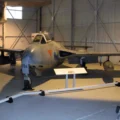
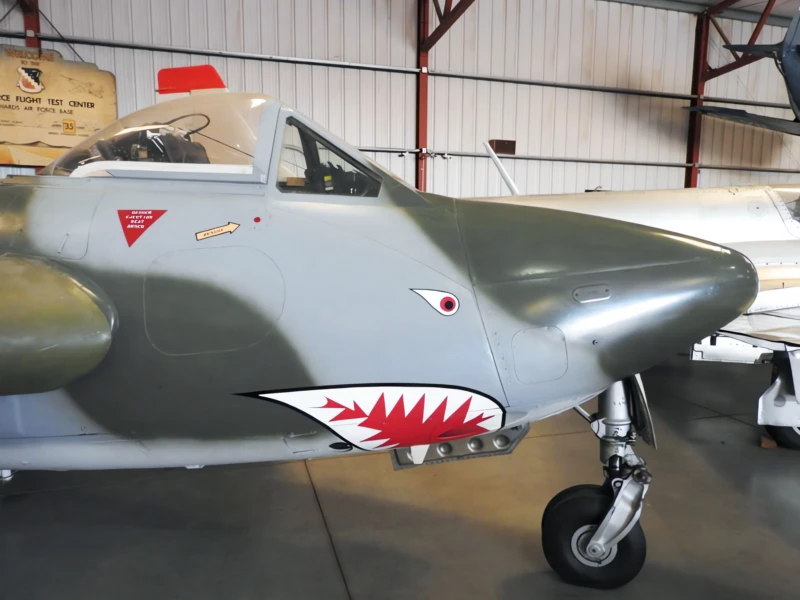
这 德哈维兰吸血鬼 是德哈维兰飞机公司研制制造的英国喷气式战斗机。飞机的工作开始于第二次世界大战期间,作为一种主要适合作战的实验飞机,利用喷气推进的开创性创新:它很快决定选择一个单引擎,双繁荣飞机配备了哈尔福德H.1涡轮喷气发动机(后来的德哈维兰戈布林)。最初只作为实验飞机订购,1944年5月最终决定大规模生产该飞机作为皇家空军(RAF)的拦截器。
| 德哈维兰吸血鬼 Fb. 6 四处走动 | |
|---|---|
| 摄影师 | 塞斯·亨德里克斯 |
| 本地化 | 未知 |
| 照片 | 18 |
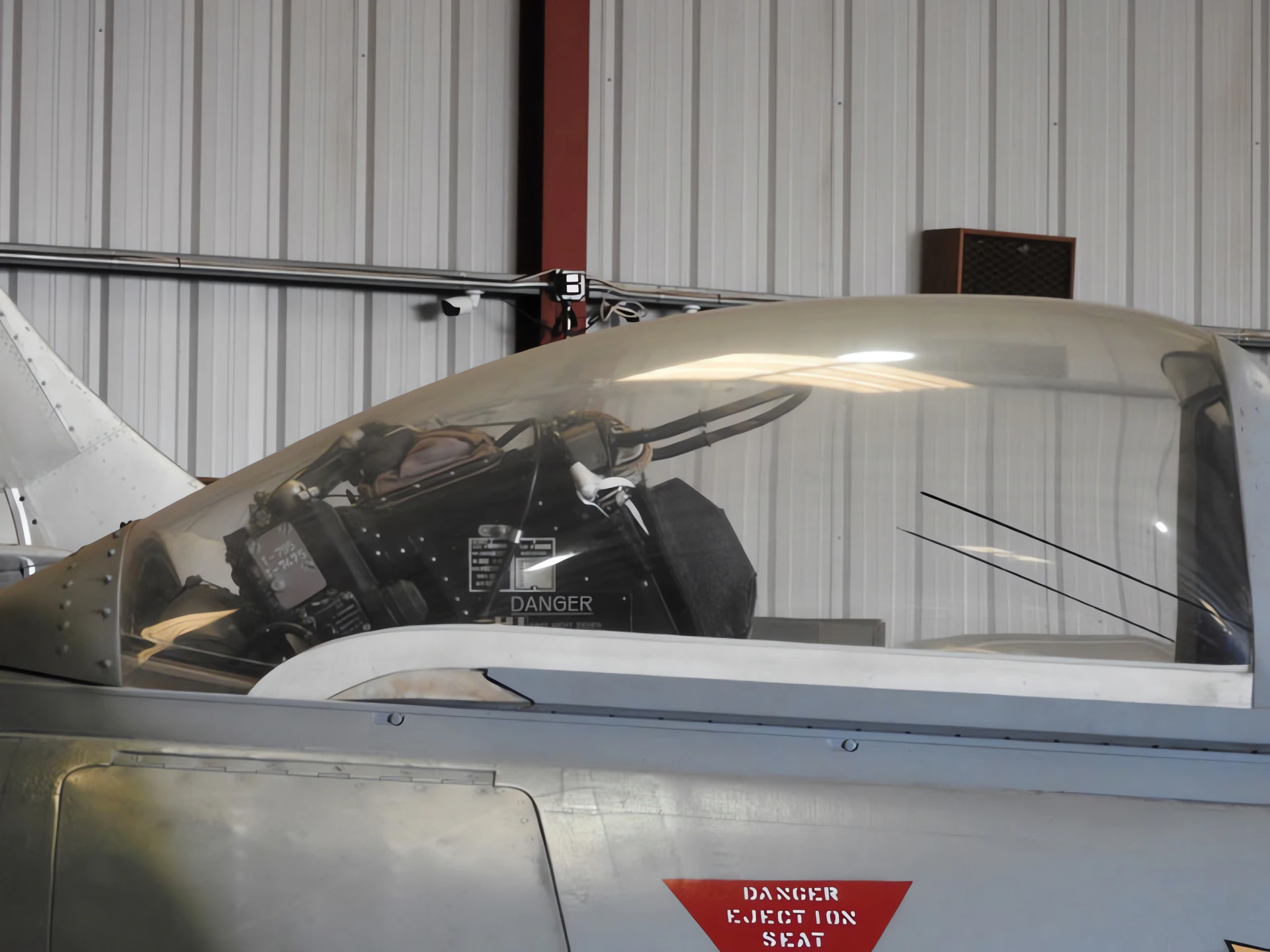
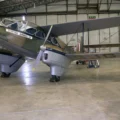
De Havilland Vampire FB.6 01
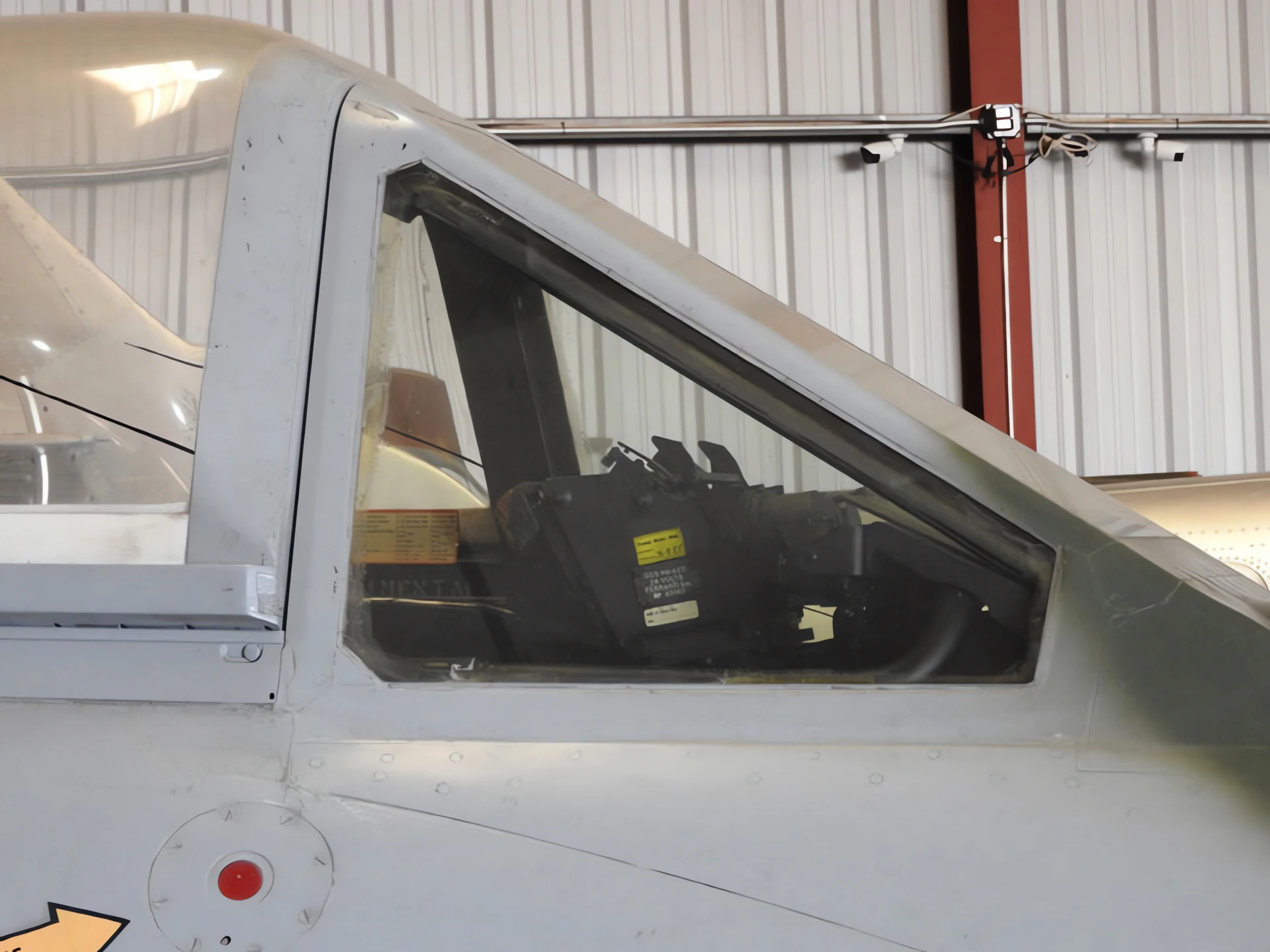
De Havilland Vampire FB.6 02
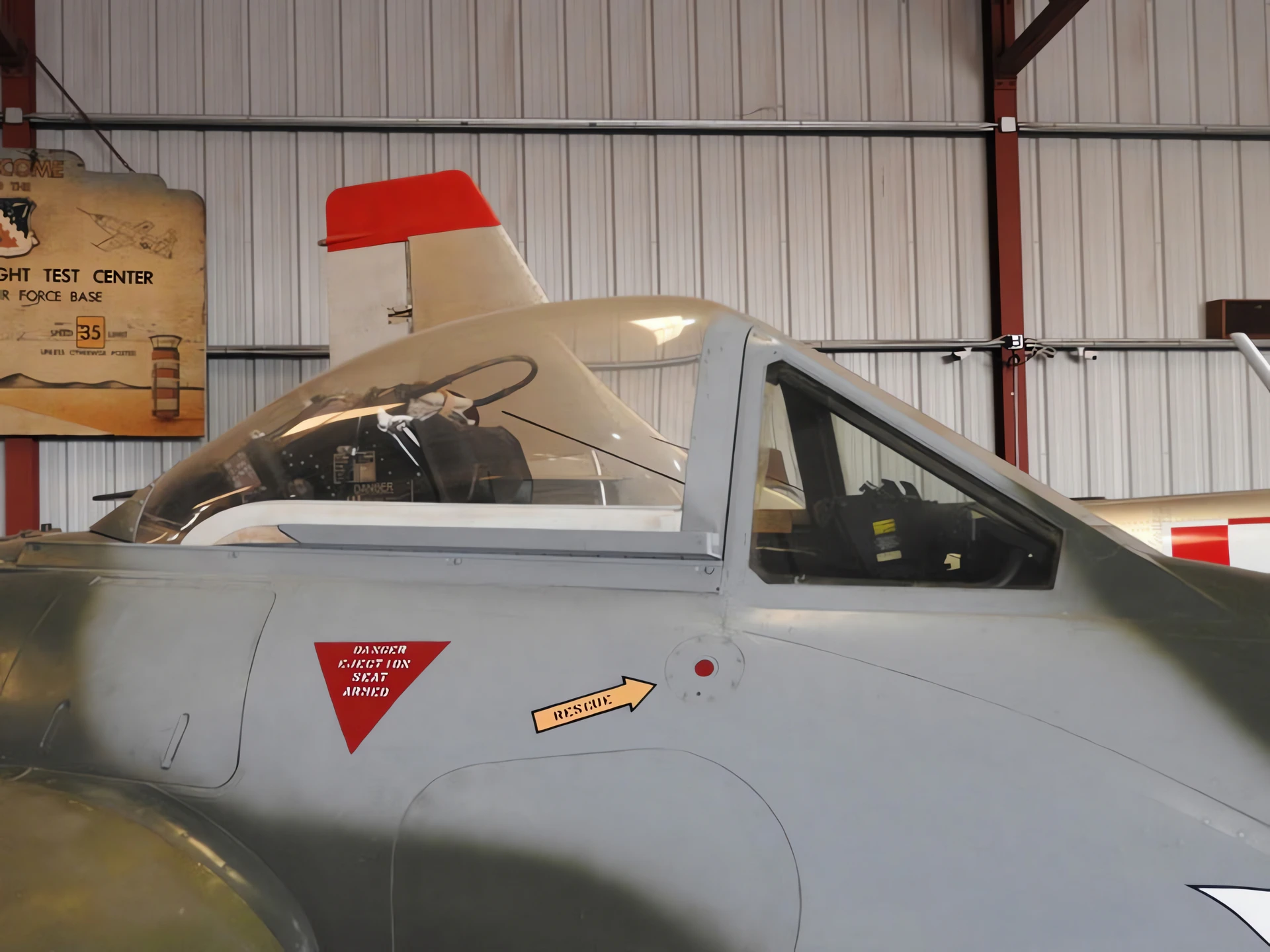
De Havilland Vampire FB.6 03
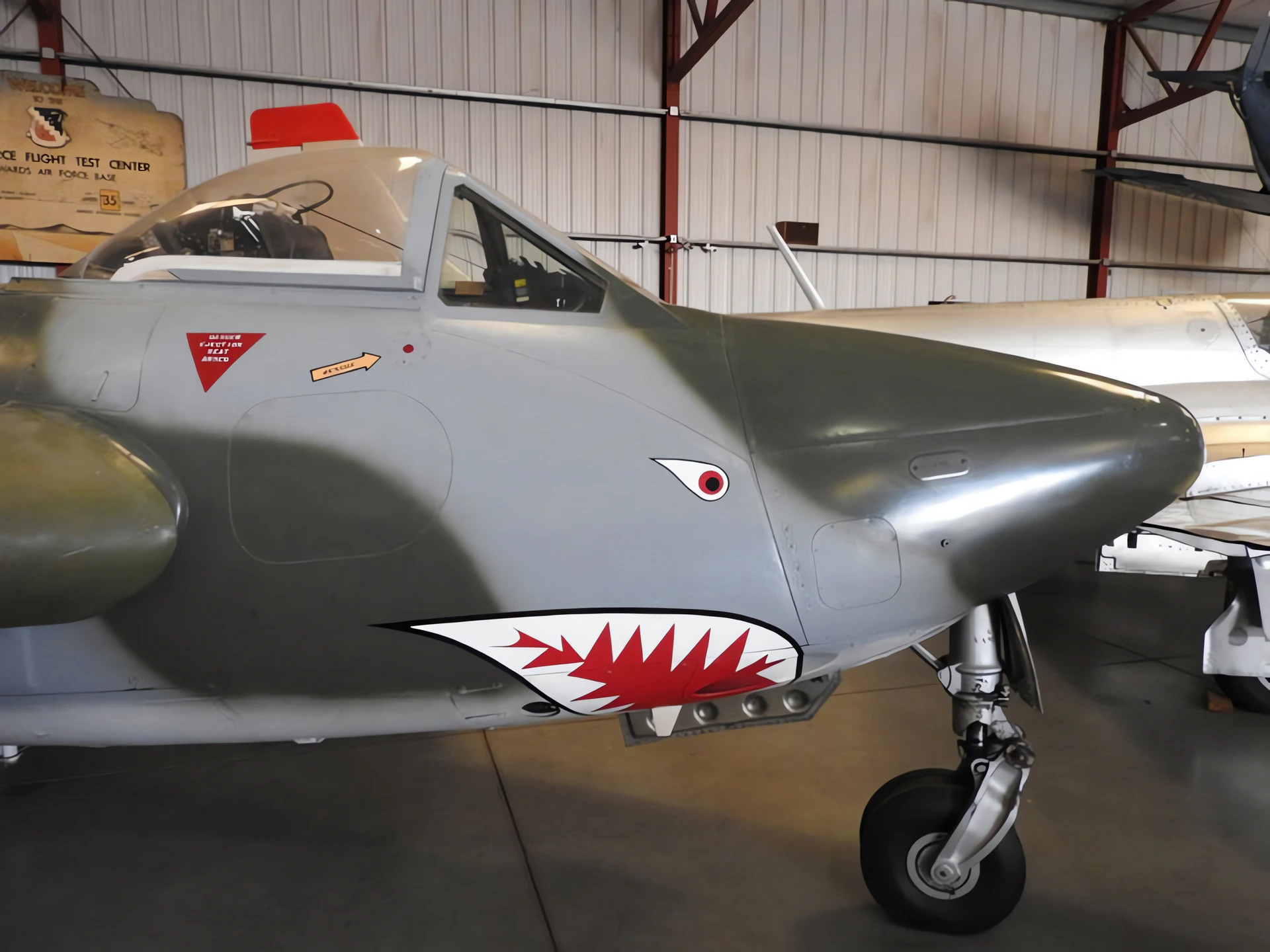
De Havilland Vampire FB.6 04
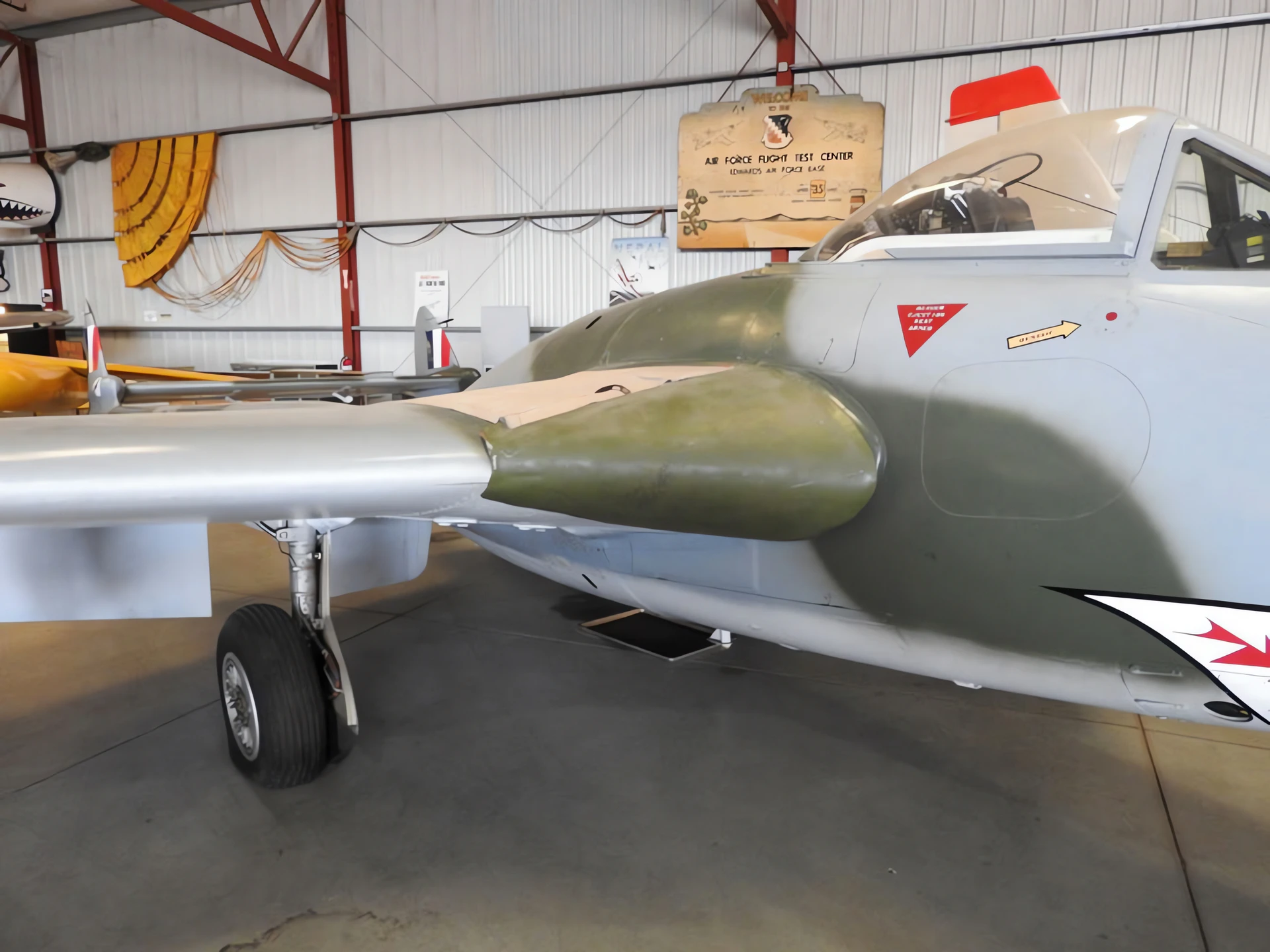
De Havilland Vampire FB.6 05
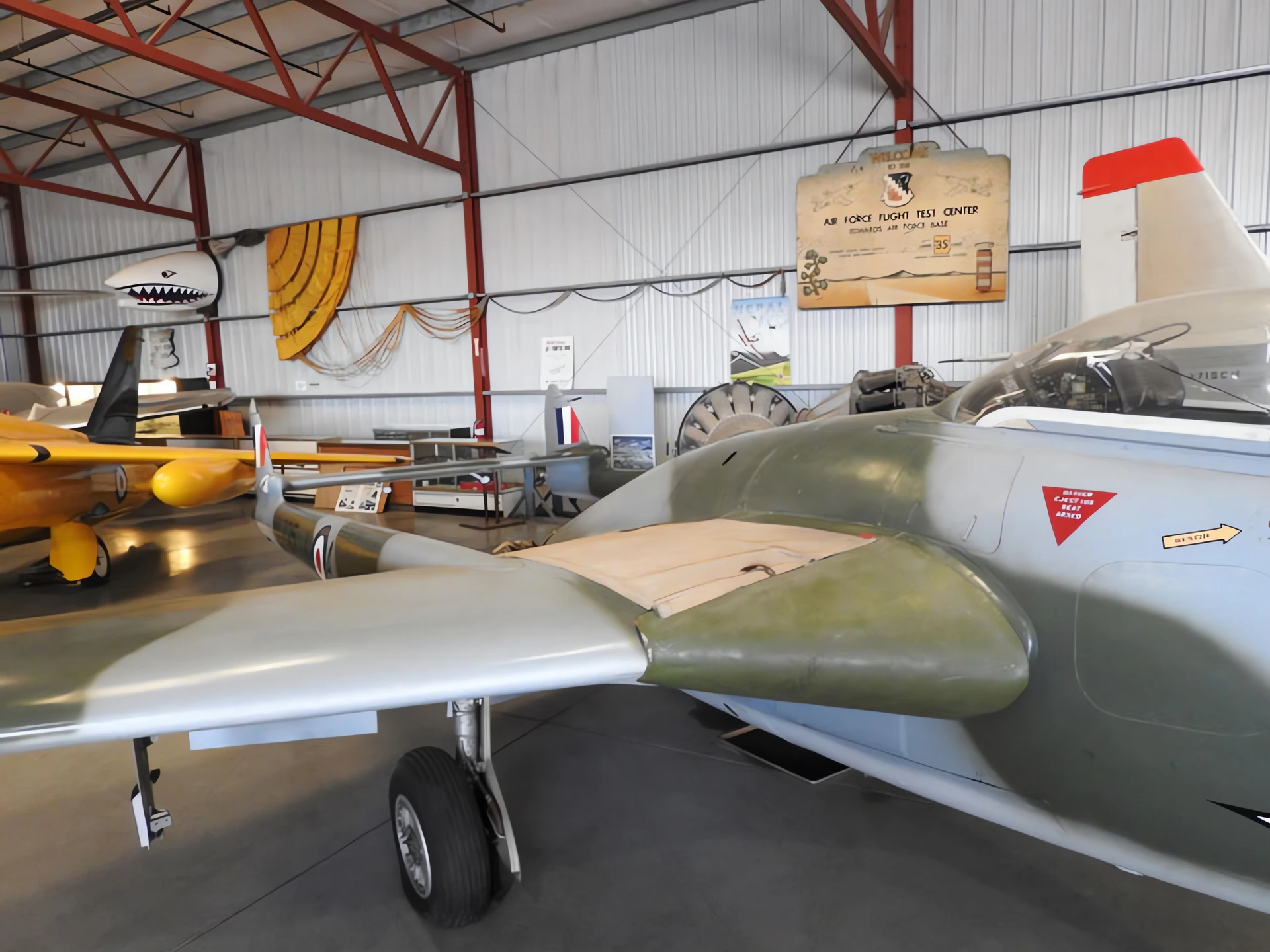
De Havilland Vampire FB.6 06
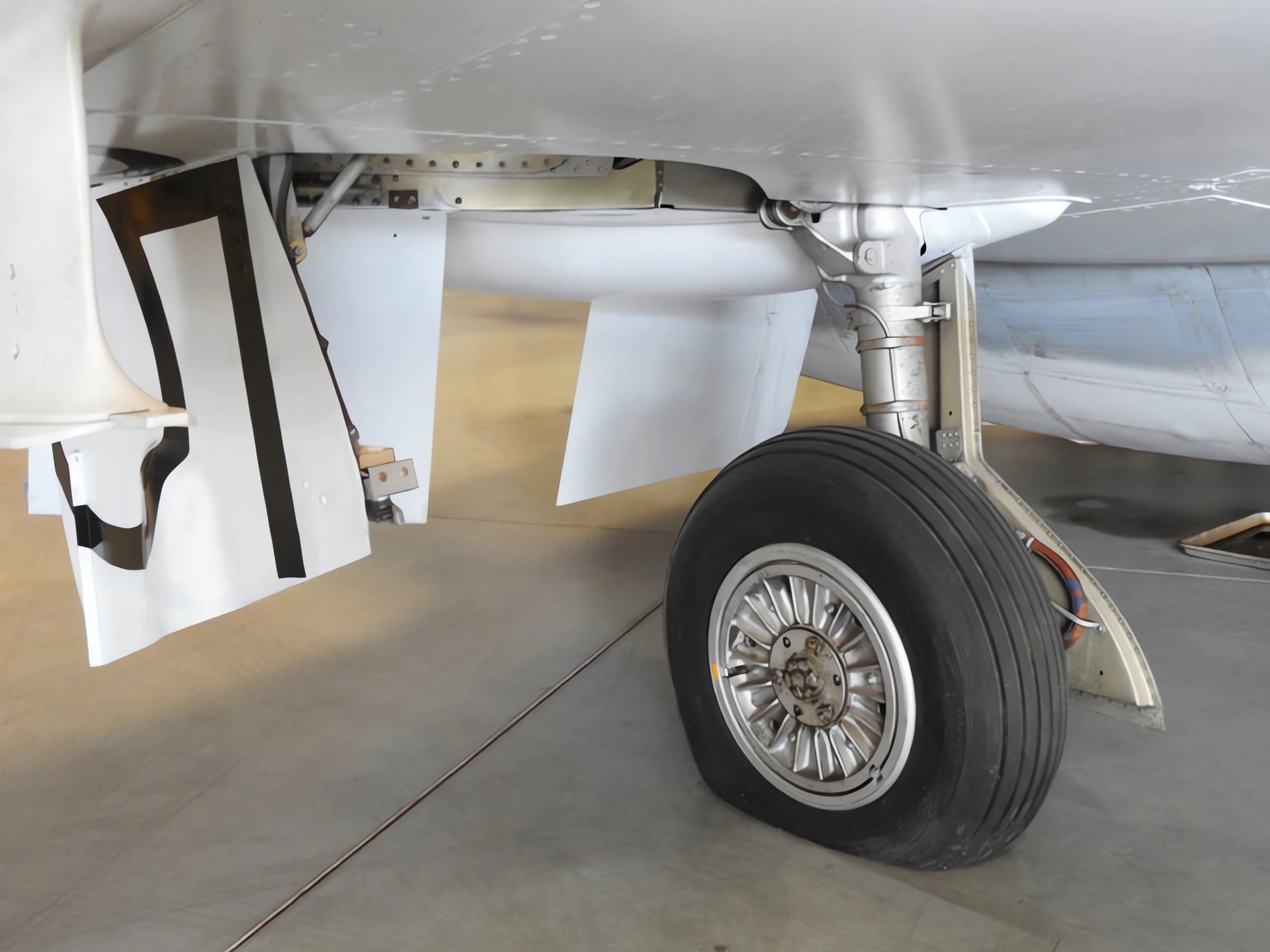
De Havilland Vampire FB.6 07
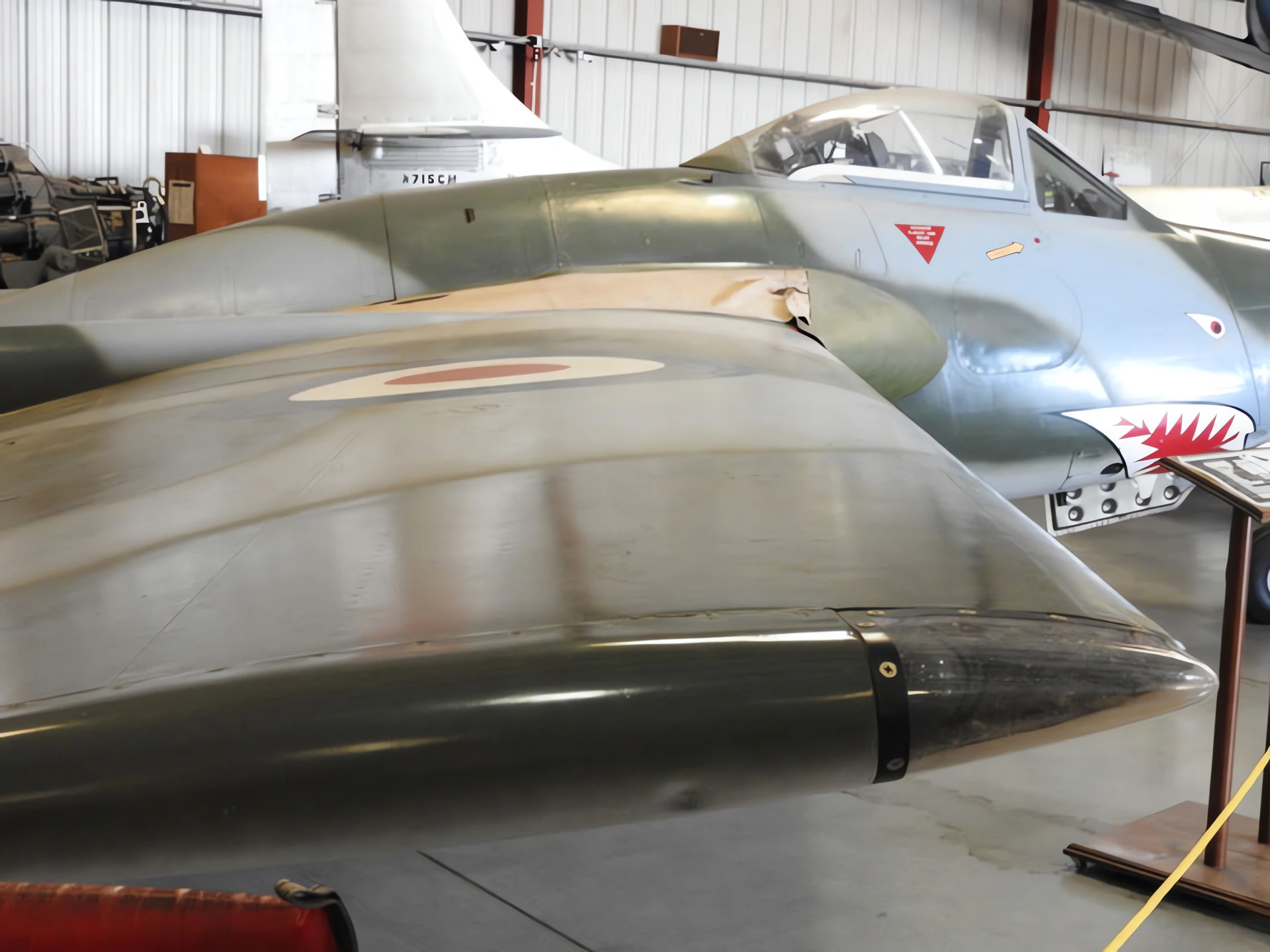
De Havilland Vampire FB.6 08
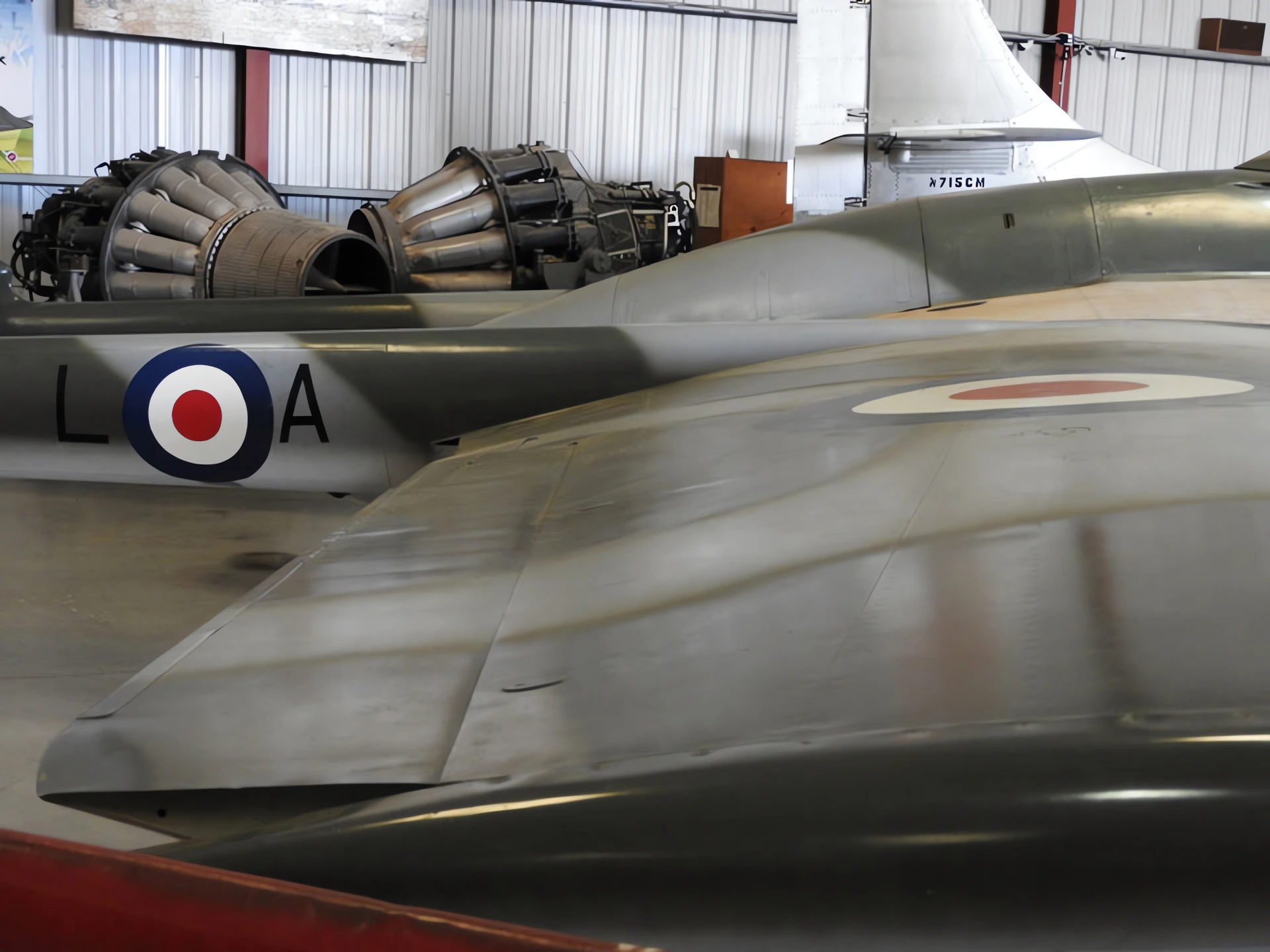
De Havilland Vampire FB.6 09
等等,为你寻找德哈维尔兰吸血鬼。。。

| 德哈维兰SK 28 C2吸血鬼走来走去 | |
|---|---|
| 摄影师 | 未知 |
| 本地化 | 未知 |
| 照片 | 43 |
| DeHavilland Vampire Walk Around | |
|---|---|
| 摄影师 | 比尔·马洛尼 |
| 本地化 | 未知 |
| 照片 | 20 |
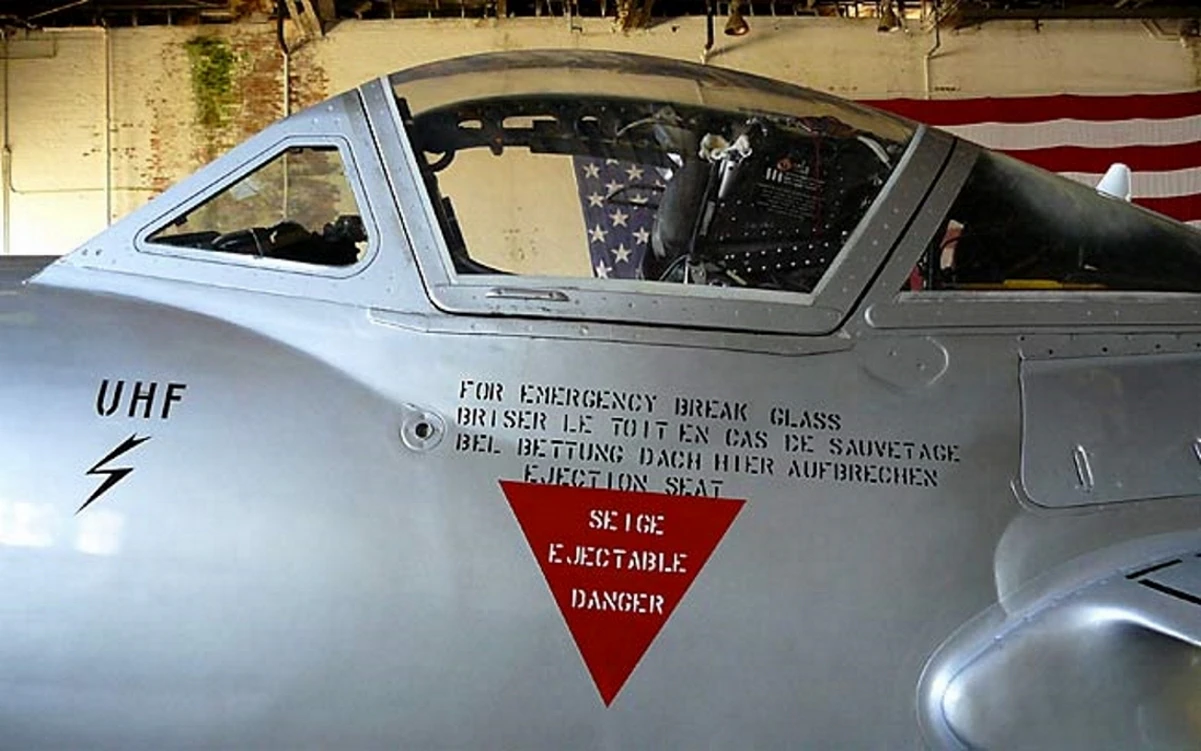
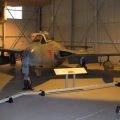
De Havilland Vampire 01
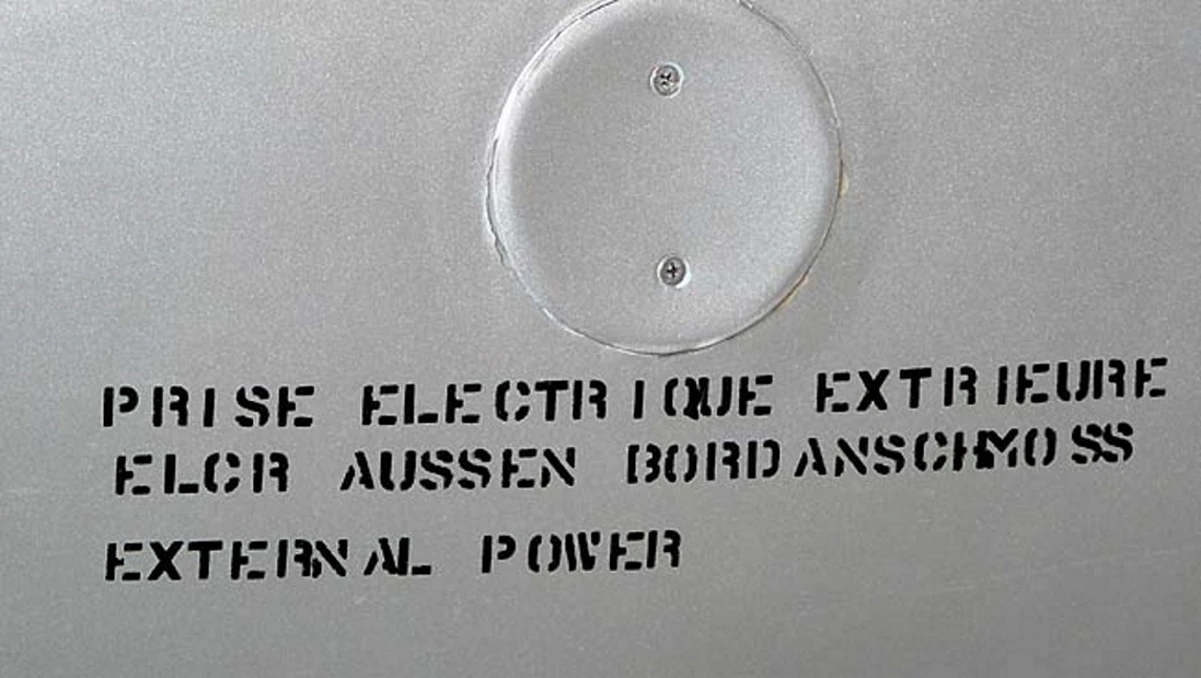
De Havilland Vampire 02
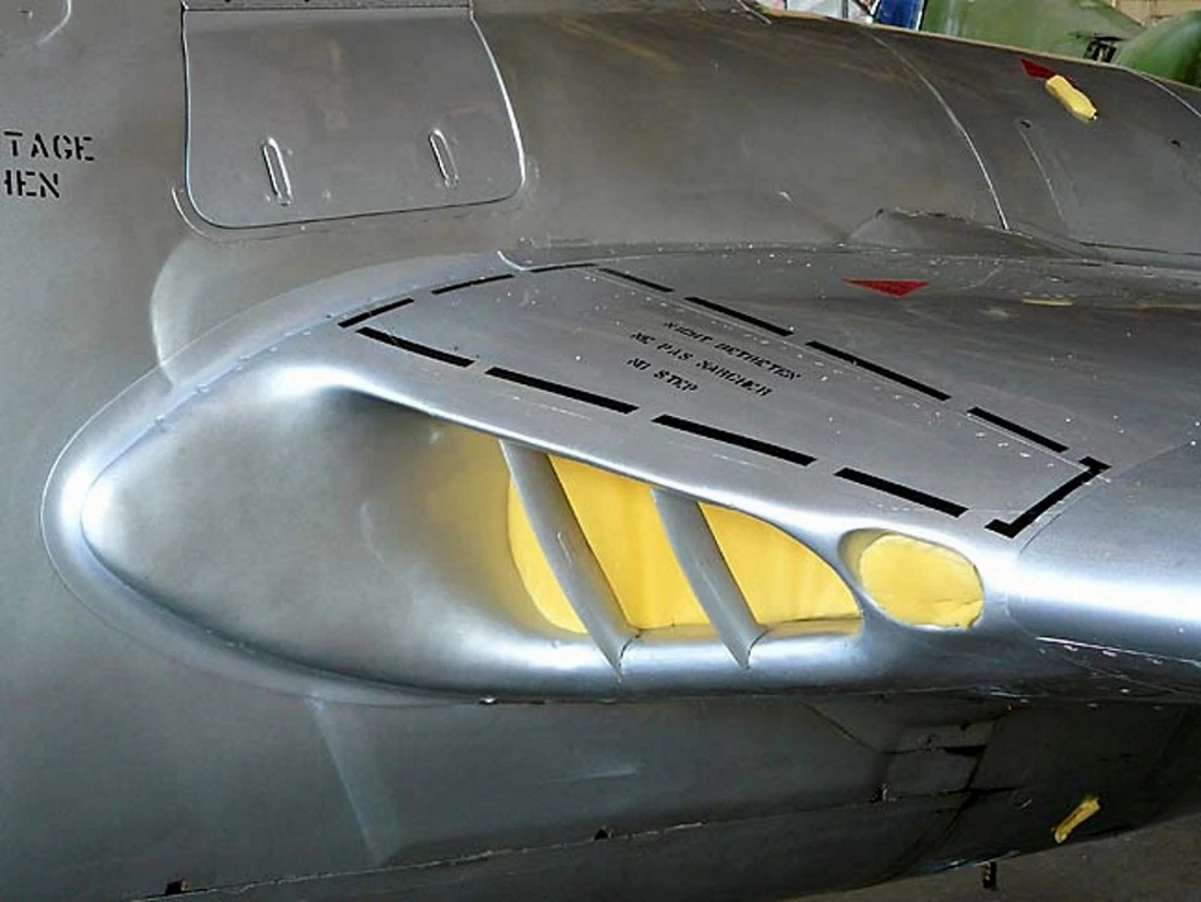
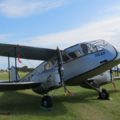
De Havilland Vampire 03
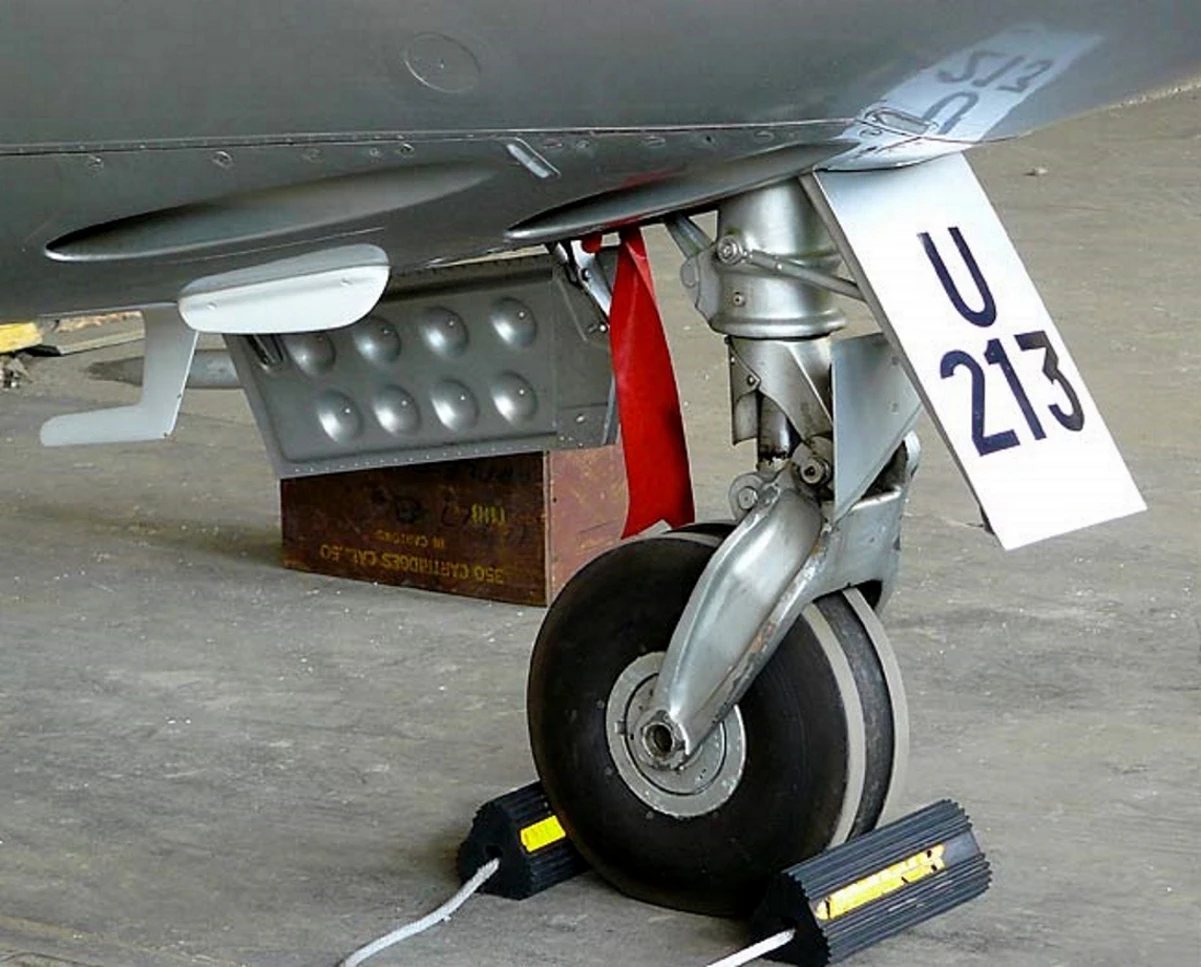
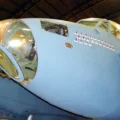
De Havilland Vampire 04
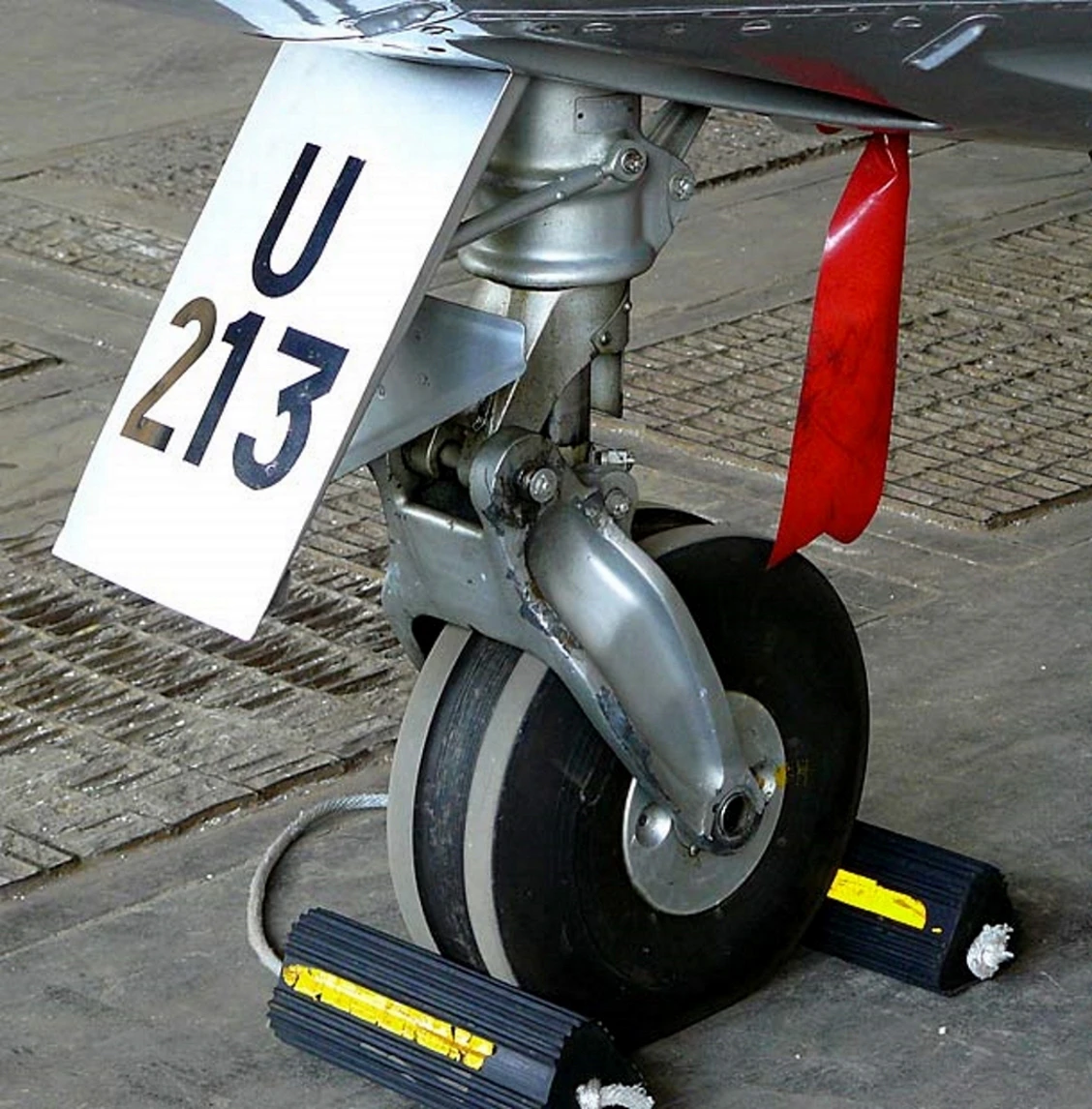
De Havilland Vampire 05
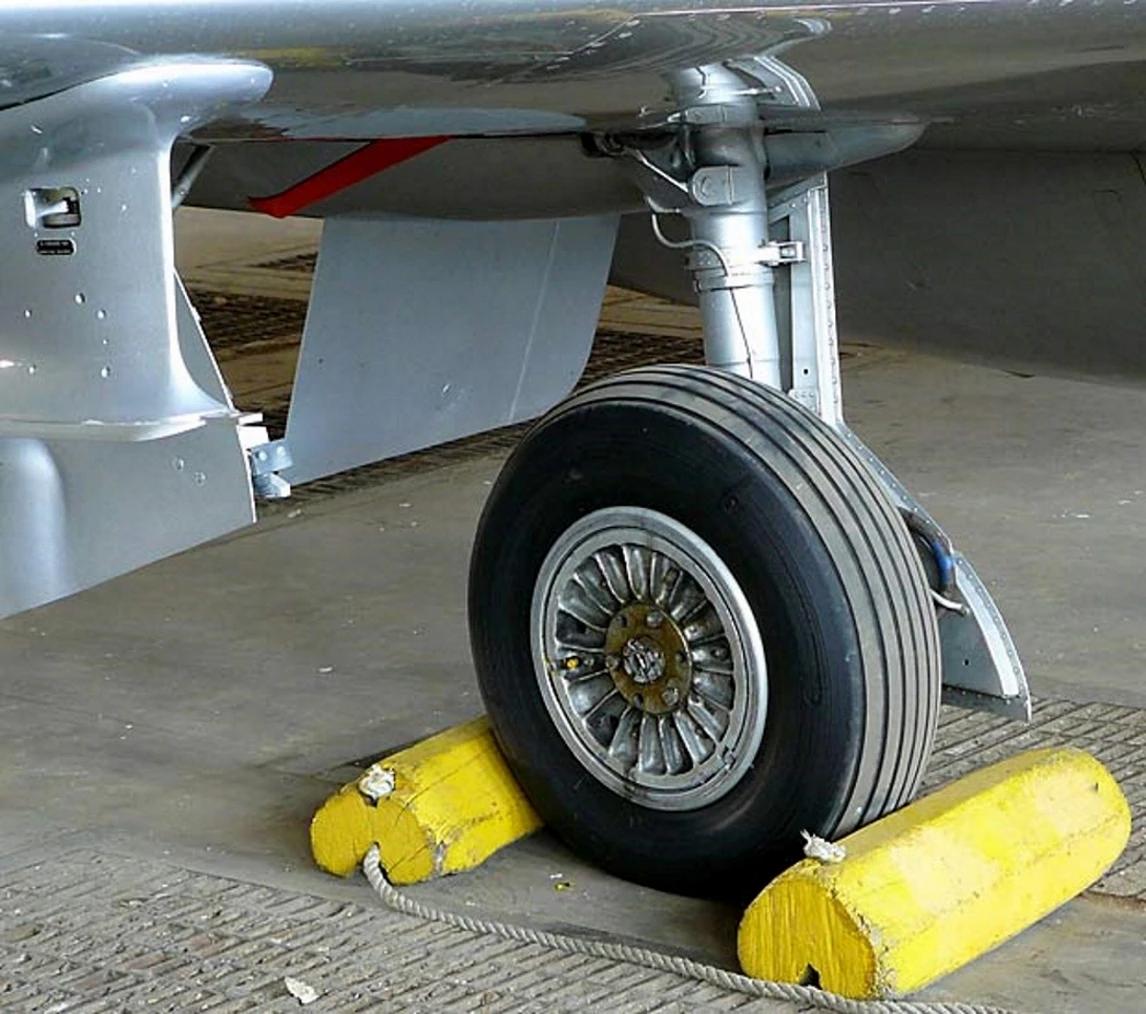
De Havilland Vampire 06
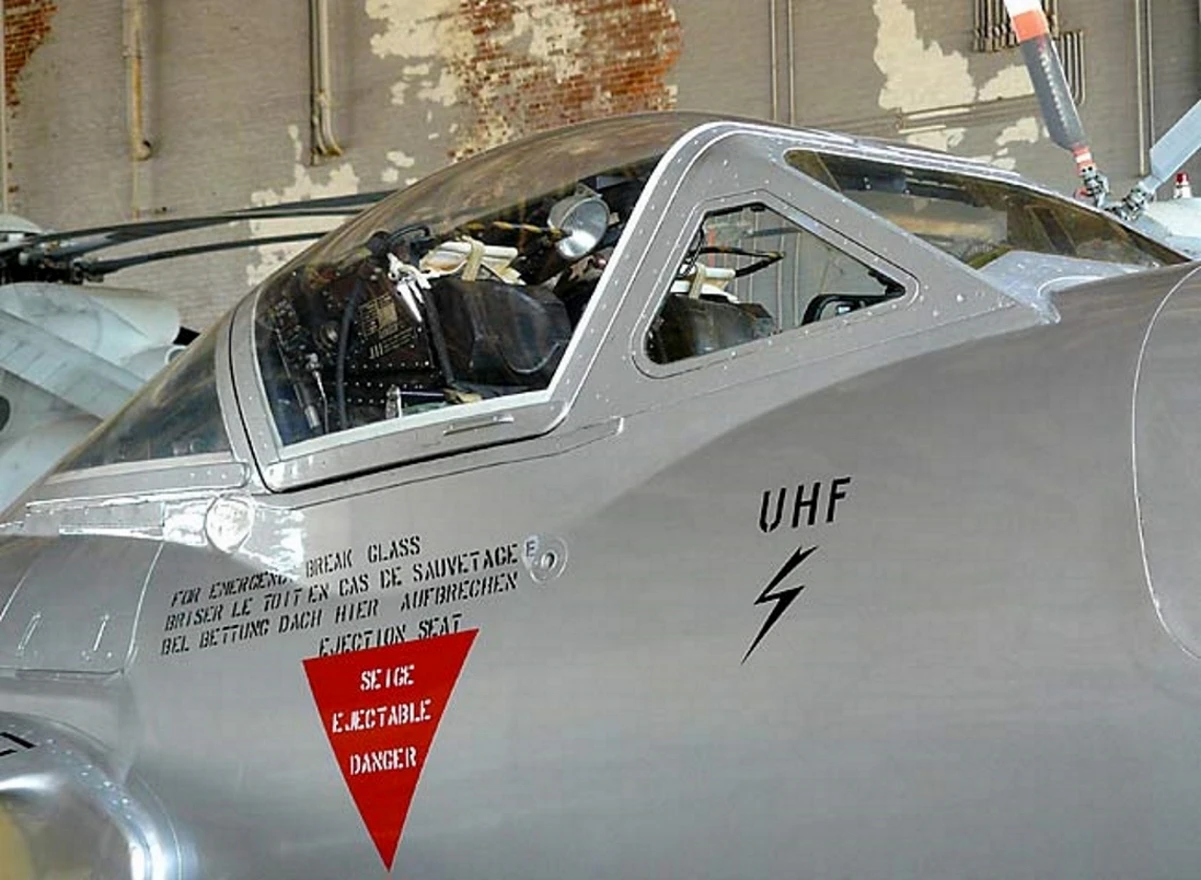
De Havilland Vampire 08
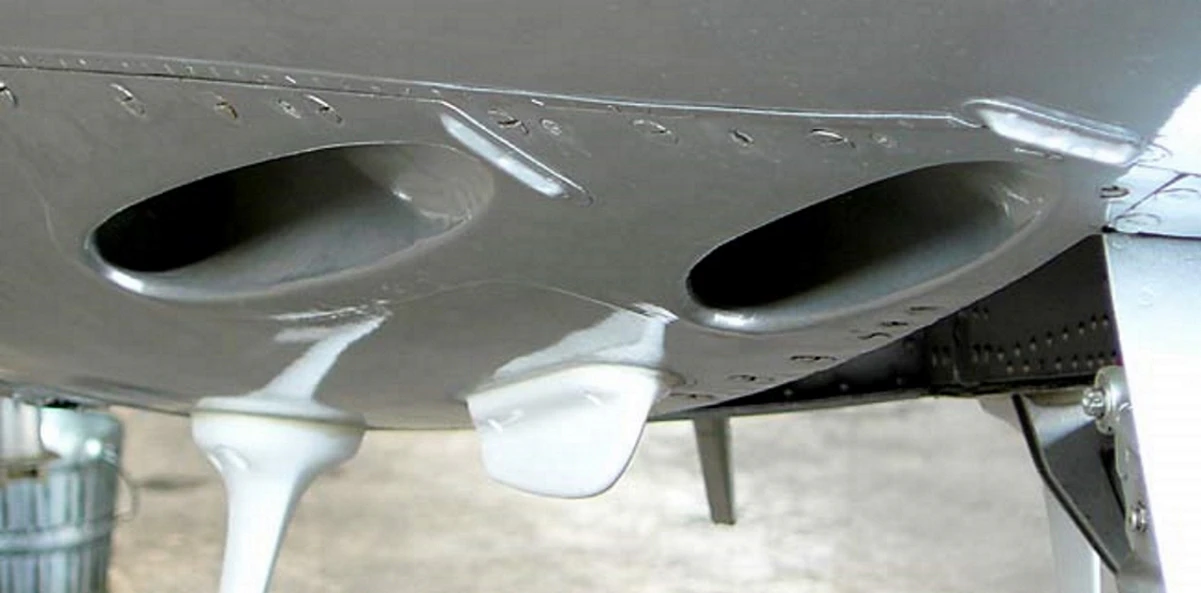
De Havilland Vampire 07
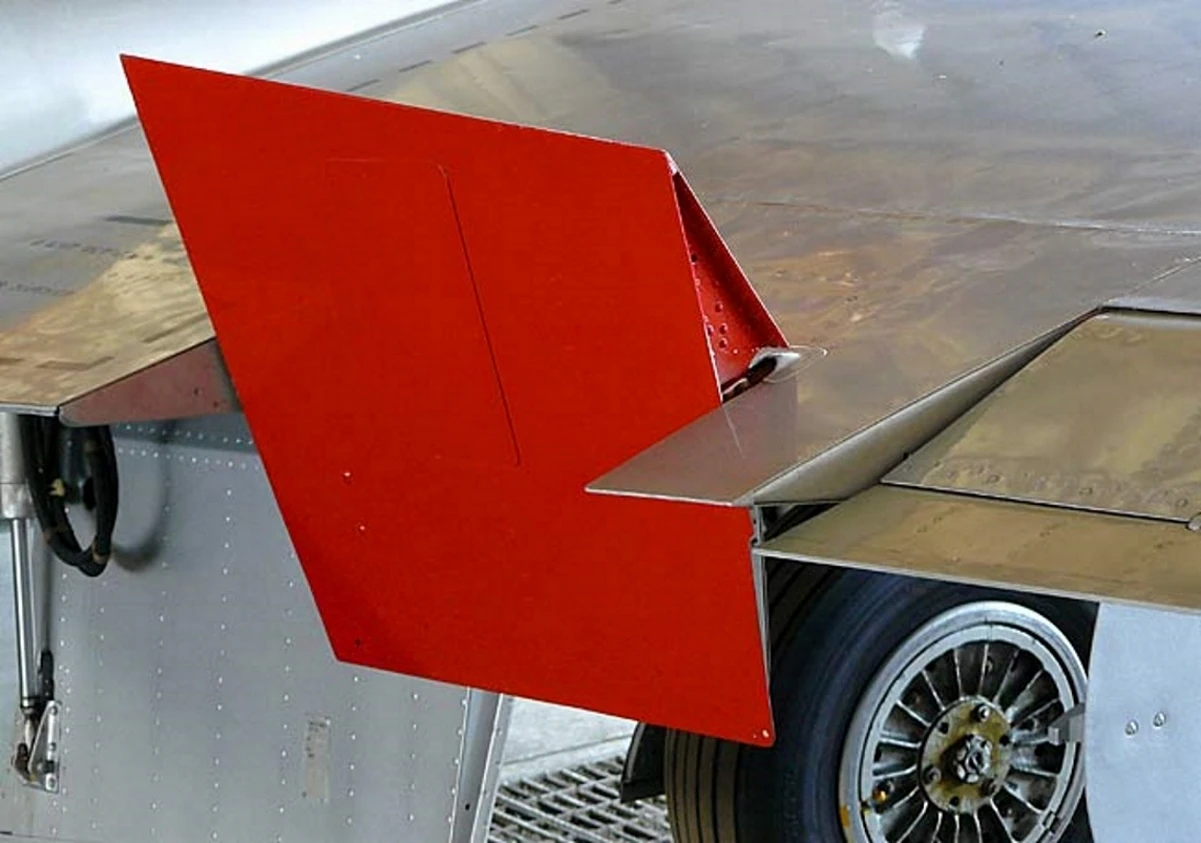
De Havilland Vampire 09
另请参阅:


The Wooden Jet
这 德哈维兰吸血鬼 was the second jet-powered aircraft to enter service with the RAF, following the Gloster Meteor. However, the Vampire was unique in its construction; while it was a cutting-edge jet, its fuselage was built using the same molded plywood technique perfected on the wooden Mosquito. The FB.6 was a specialized Fighter-Bomber export version produced for Switzerland, representing the pinnacle of the single-seat Vampire’s development with an uprated engine and increased weight capacity.
| Attribute | Technical Specification (Vampire FB.6) |
|---|---|
| 作用 | 战斗轰炸机 |
| 船员 | 1 (Pilot) |
| First Flight (Vampire) | September 20, 1943 |
| 动力装置 | 1 × de Havilland Goblin 3 centrifugal-flow turbojet |
| Thrust | 3,350 lbf (14.9 kN) |
| 最高速度 | 548 mph (882 km/h) |
| Service Ceiling | 42,800 feet (13,045 m) |
| 装备 | 4 × 20mm Hispano Mk V cannons; 8 × rockets or 2,000 lbs of bombs |
Twin Booms and Goblin Fire
- The Twin-Boom Design: de Havilland used a twin-boom tail to allow the jet exhaust to be as short as possible. This minimized the loss of thrust associated with long tailpipes, which was critical for the relatively weak early turbojets.
- Centrifugal-Flow Engine: The Goblin engine used a large, spinning compressor. Because it was wider than later “axial-flow” jets, the Vampire has its distinctive “pancake” fuselage shape. It was incredibly reliable and simple to maintain.
- Mixed Construction: While the tail booms and wings were metal, the cockpit “pod” was made of balsa wood sandwiched between layers of birch. This made the Vampire lighter and faster than many all-metal contemporaries.
- The “FB” Evolution: The FB (Fighter-Bomber) series featured clipped wings compared to the original interceptors. This improved low-level handling and allowed for a much higher roll rate during ground-attack maneuvers.
Global Service and Swiss Precision
- The Swiss FB.6: Switzerland was a major operator of the FB.6. They loved the aircraft for its ability to operate out of short runways in narrow alpine valleys. Many Swiss Vampires were later fitted with “Pinocchio” noses to house additional avionics.
- Naval Firsts: A modified Vampire (the Sea Vampire) was the first pure jet aircraft in history to land on and take off from an aircraft carrier (HMS Ocean) in 1945.
- A Pilot’s Favorite: Pilots loved the Vampire for its excellent visibility—since there was no engine in front—and its forgiving flight characteristics. It was often described as flying like a “high-speed Tiger Moth.”
- The T.11 Trainer: The Vampire’s success led to the T.11, a side-by-side two-seat trainer that taught an entire generation of pilots how to fly jets. Its distinctive “egg” shaped cockpit became a common sight across the British Commonwealth.
意见:5289