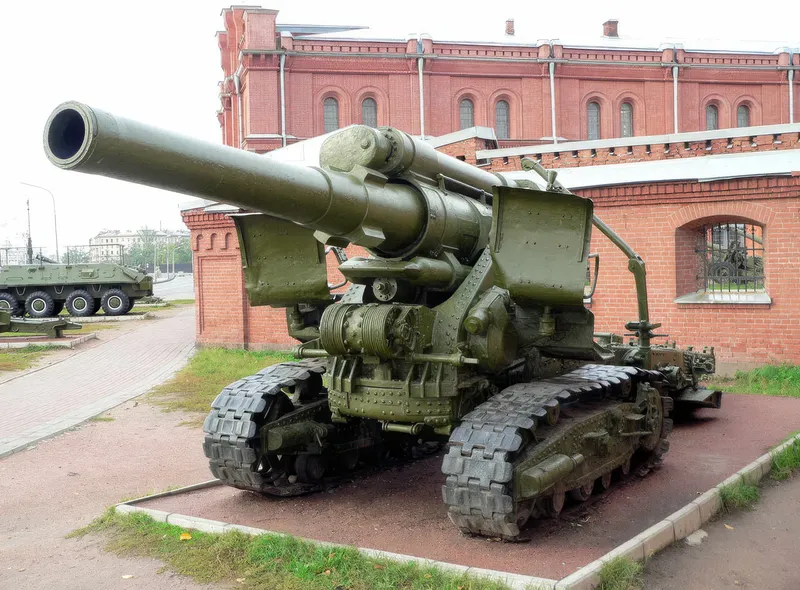
203 mm M1931 B-4 | |
|---|---|
| Krajiny | Urss (Urss) |
| Typ | Ťažký húfovač |
| Vyrobené | 1932-1940 |
| Postavený | 871 |
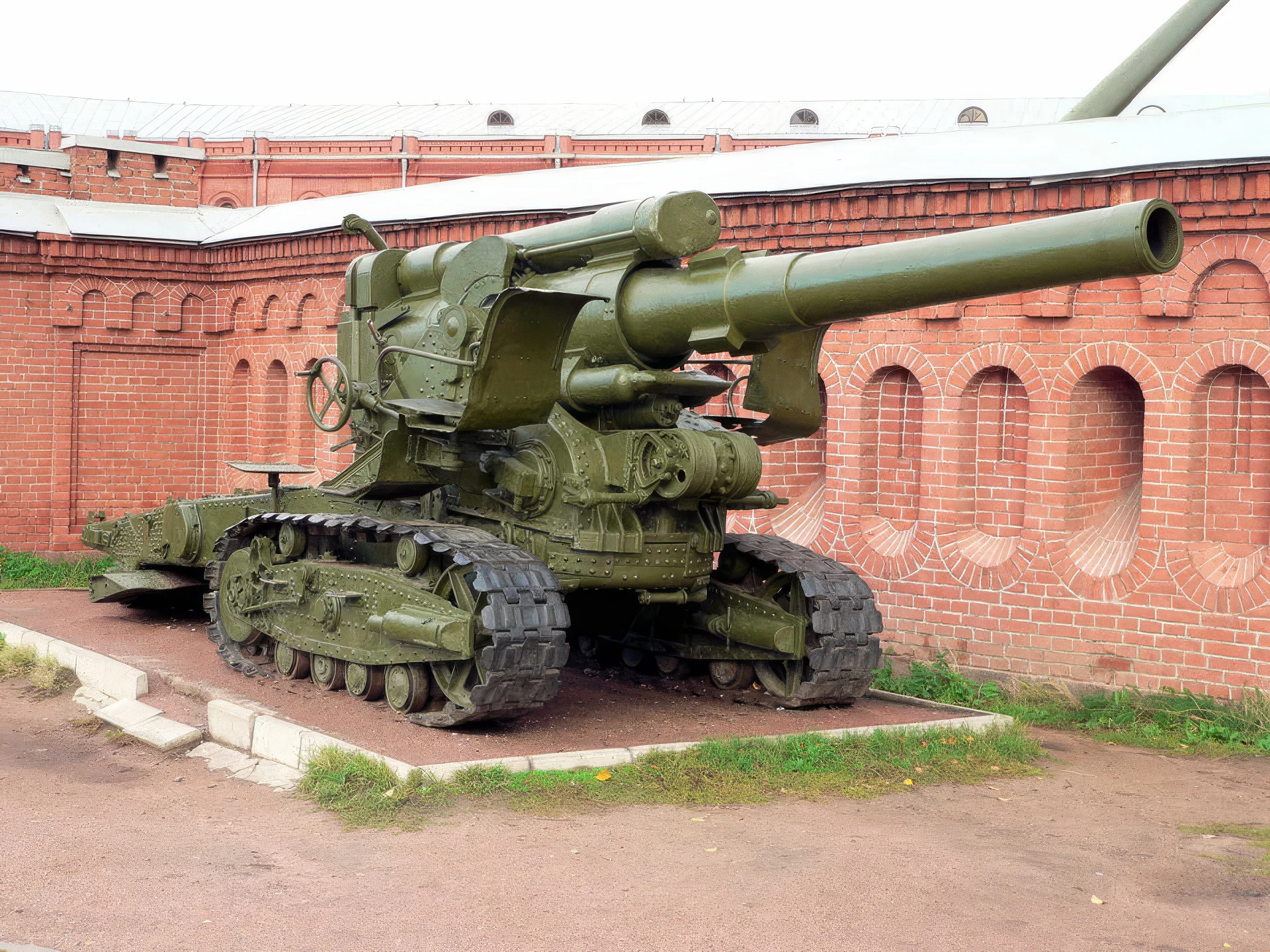
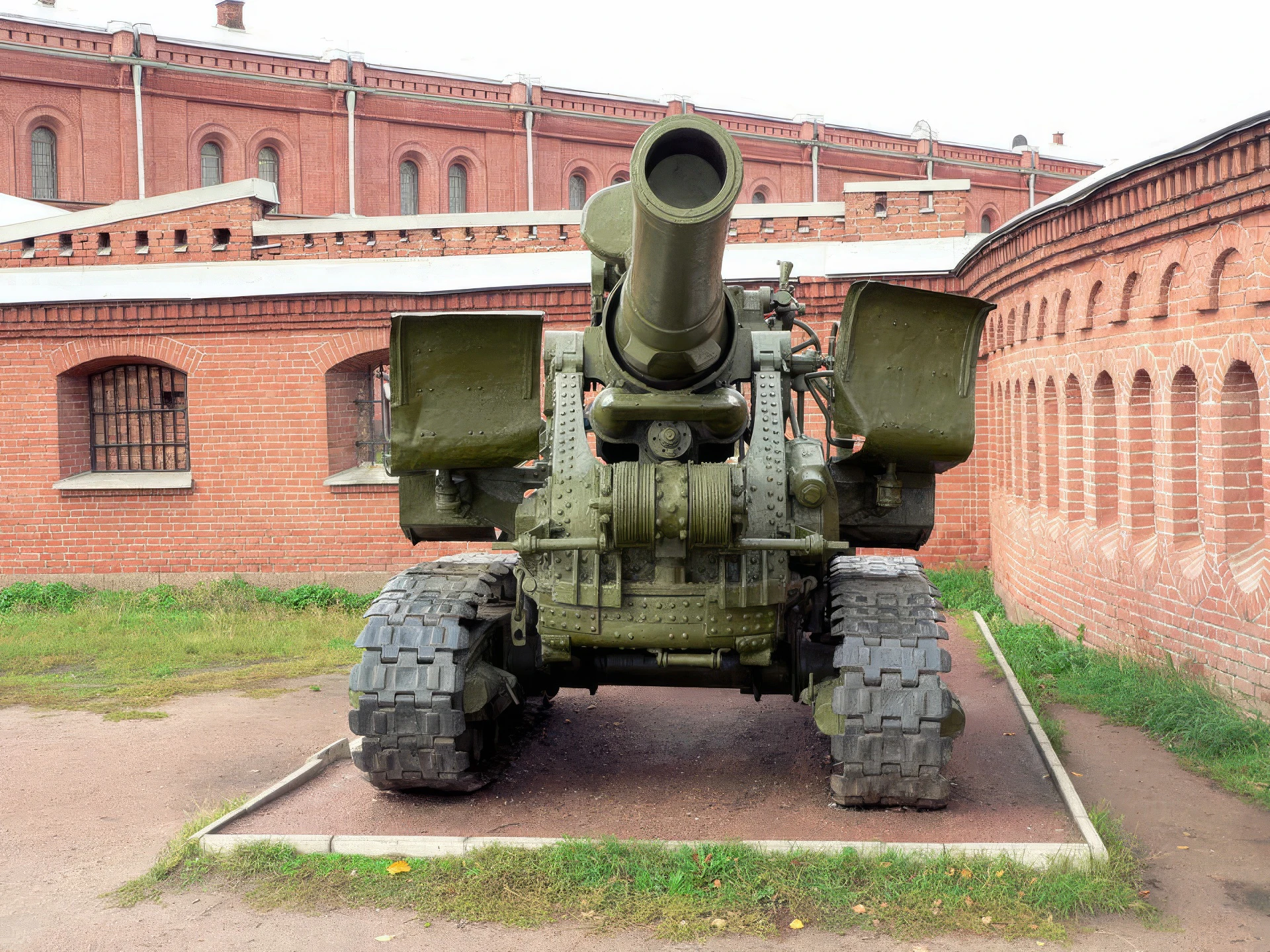
203 mm húfne M1931 bol 203 mm sovietsky ťažký húfovač. Počas druhej svetovej vojny bola pod velením strategickej rezervy Stavky. Nemeckí vojaci ho prezývali "Stalinov sánkar". Tieto zbrane boli použité s úspechom proti ťažkému nemeckému opevneniu a v mestskom boji za rozdrvenie chránených budov a bunkrov. Táto zbraň bola použitá až do konca vojny v bitke v Berlíne, kde Červená armáda priniesla tieto zbrane na mieste prázdneho dosahu, aby rozbila nemecké opevnenia ťažkými 203 mm nábojmi. Na jar roku 1944 bol použitý podvozok nádrže KV-1s na vytvorenie variantu S-51 s vlastným pohonom. Ťažký rázna strela z náhubku zhodila posádku zo sedadiel a poškodila vysielanie, a tak bola zrušená.
| Húfne 203mm M1931 B4 | |
|---|---|
| Fotograf | Neznáme |
| Lokalizácia | Neznáme |
| Fotografie | 200 |
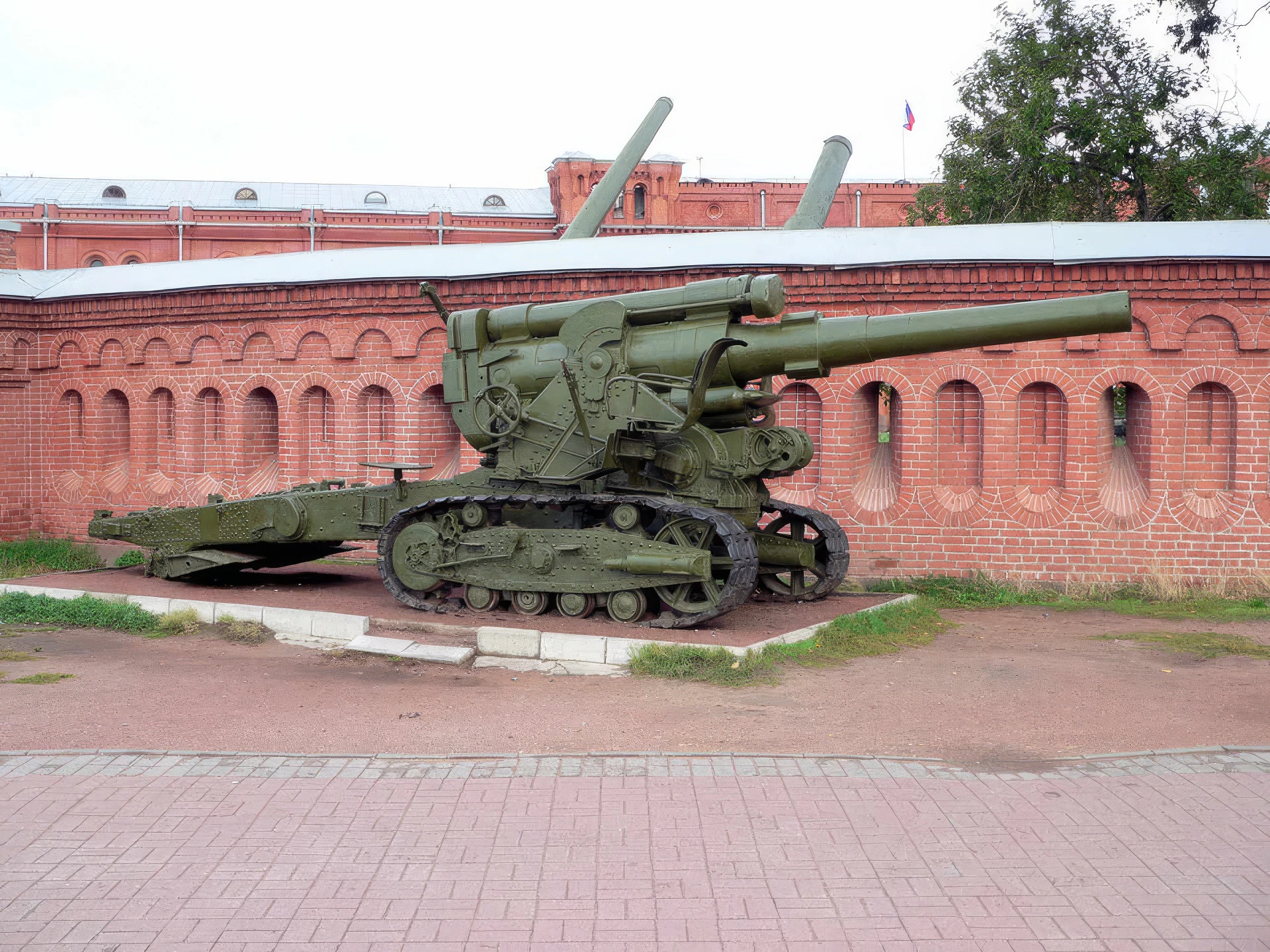
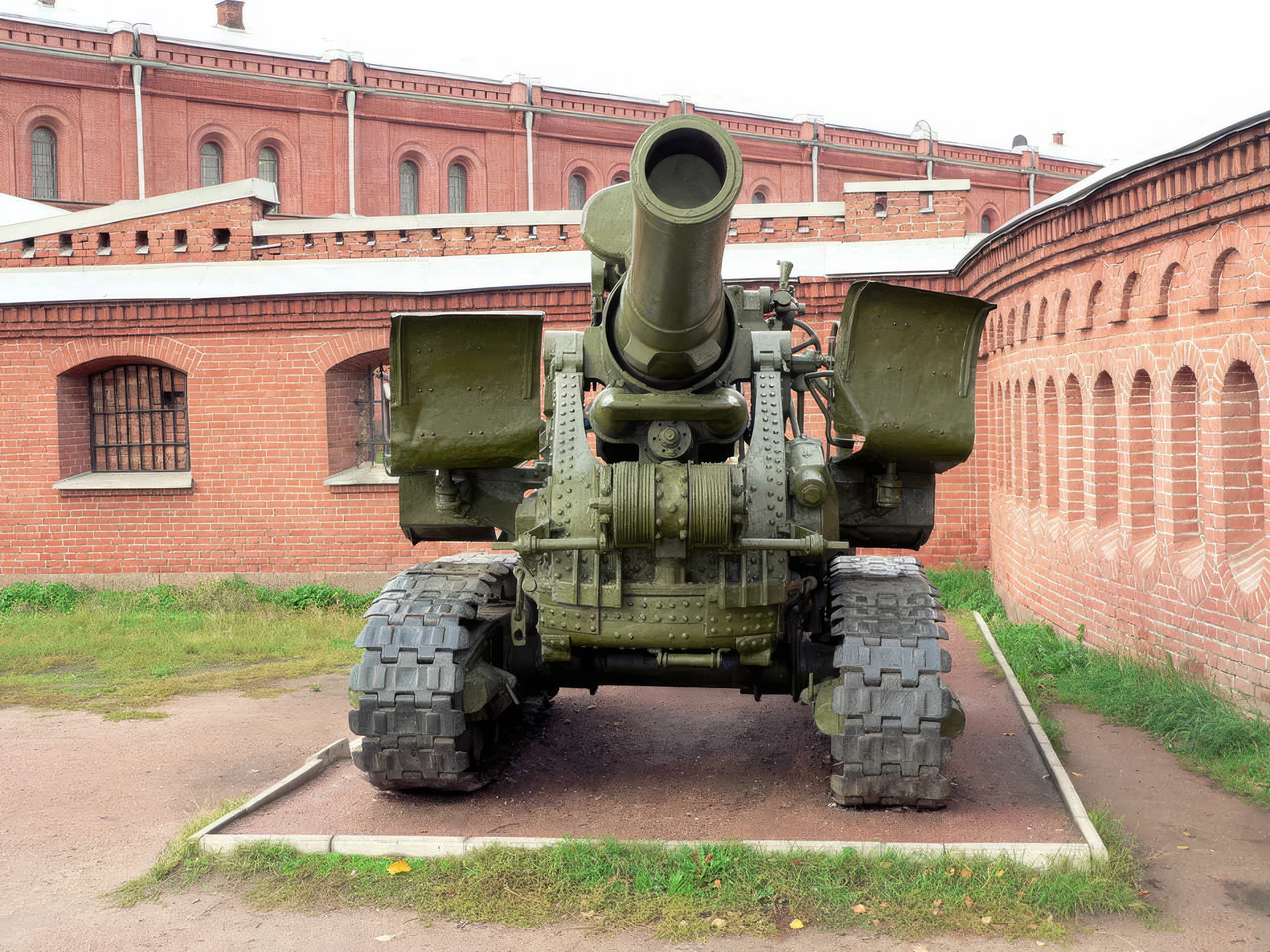
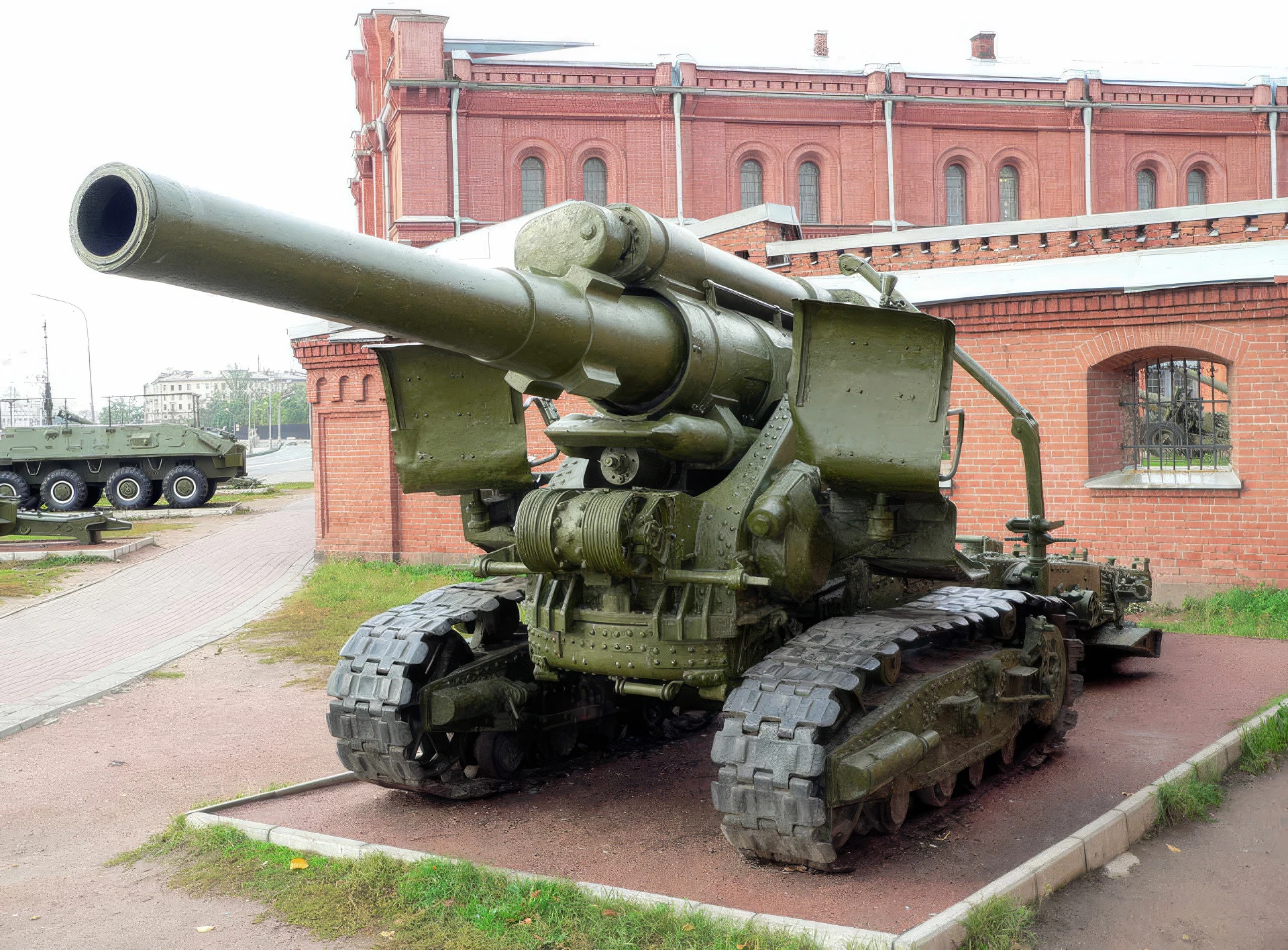
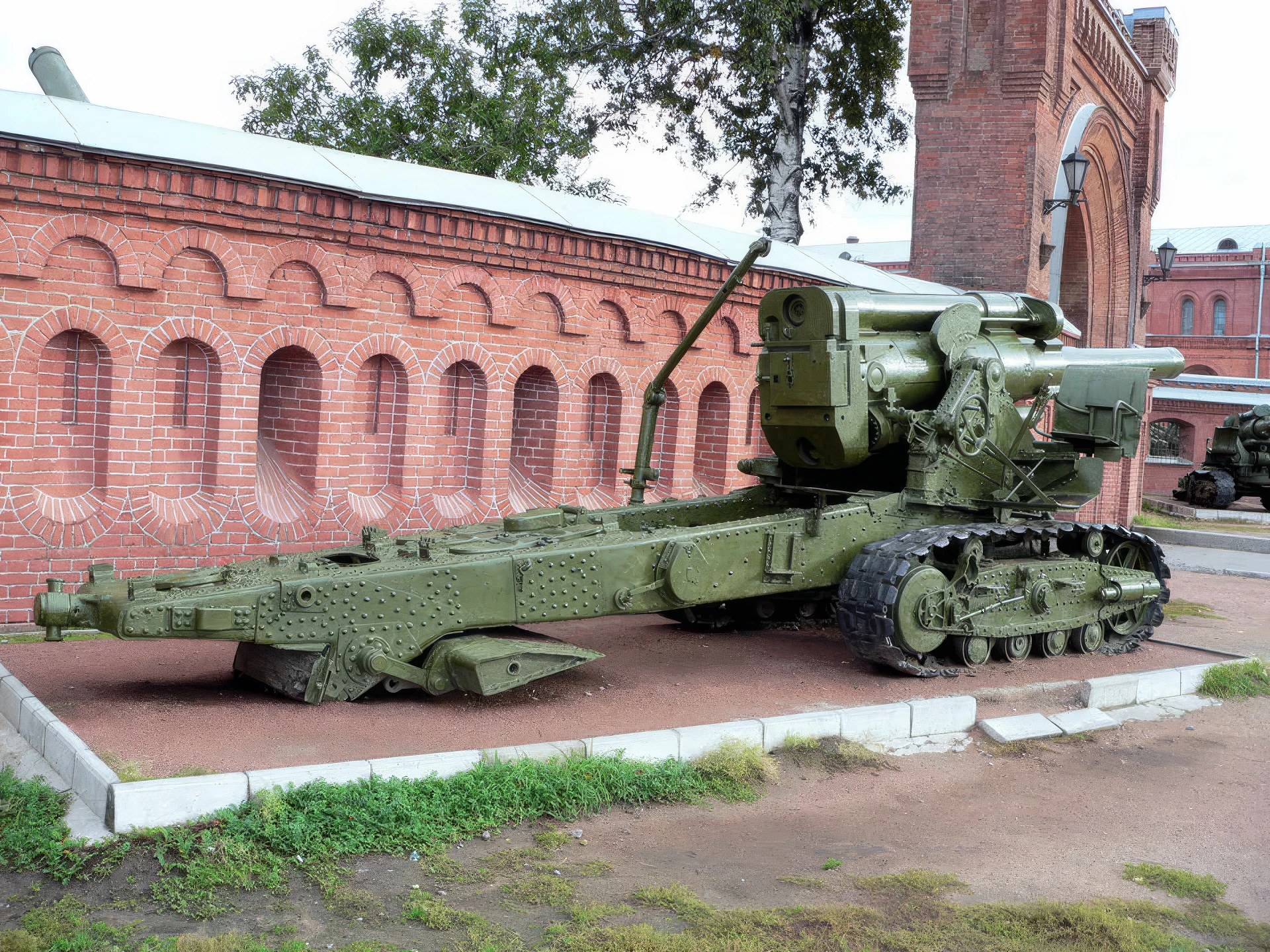
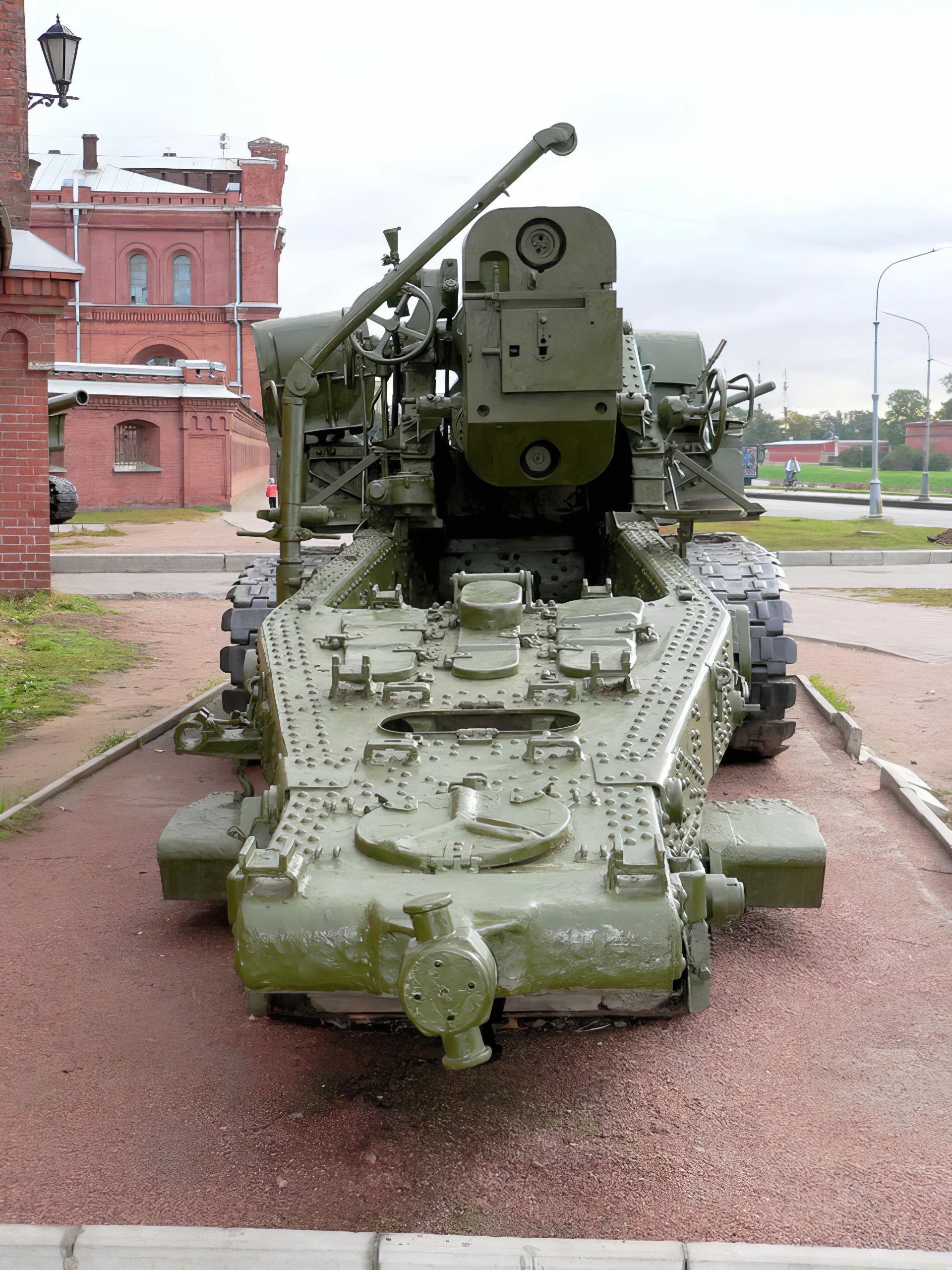
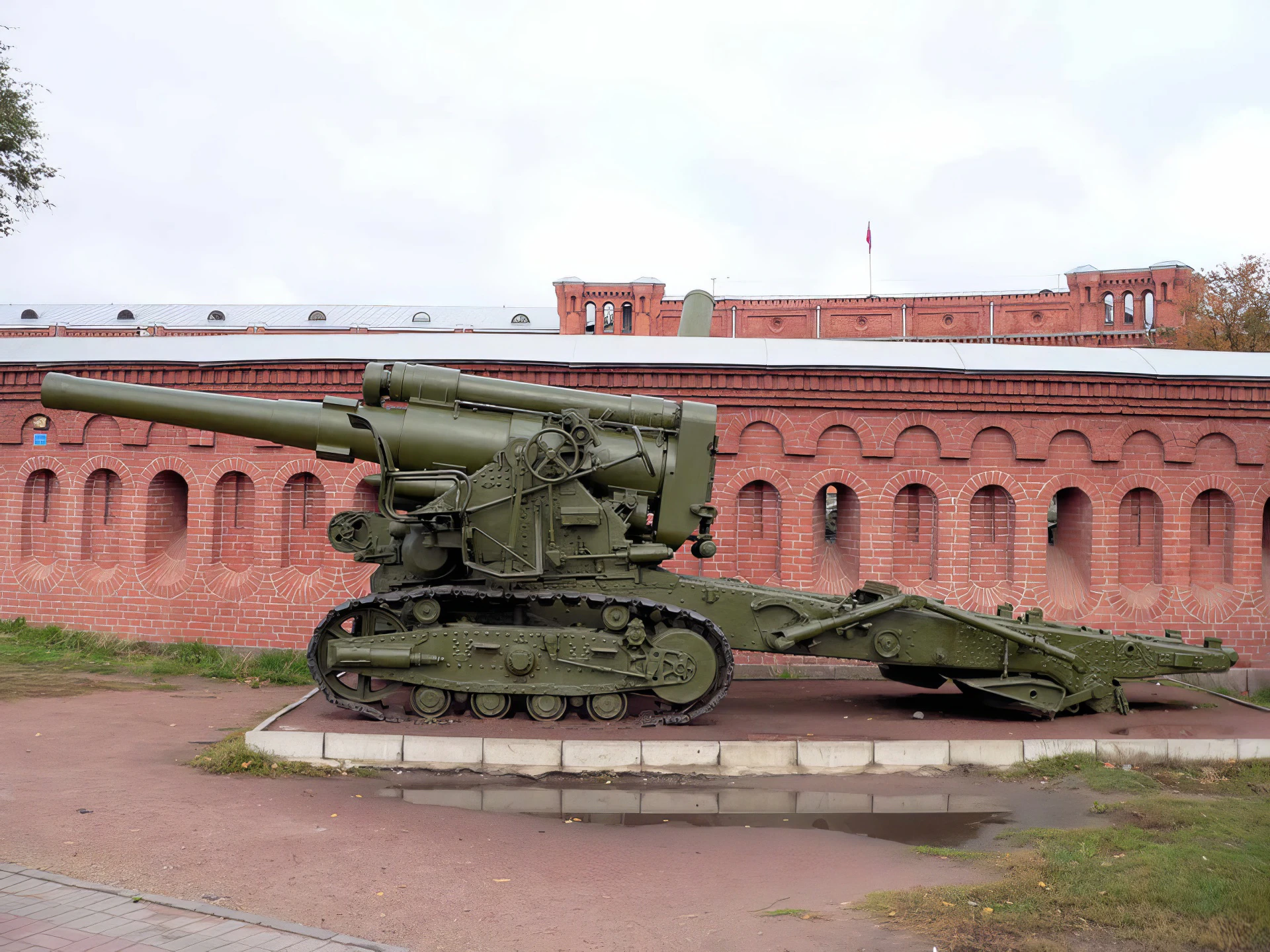
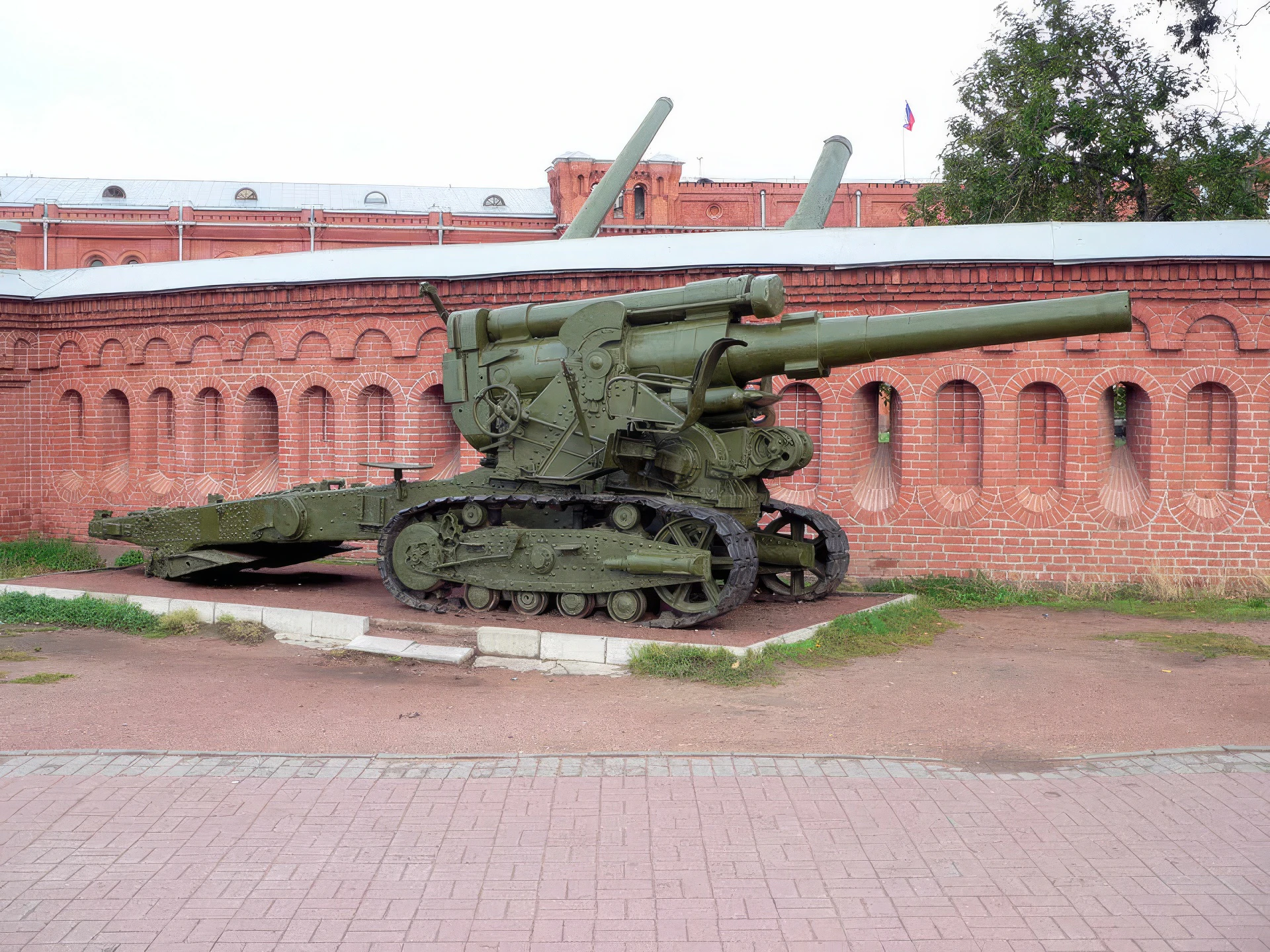

| 203 mm Húfy Mod. 1931 (B-4) | |
|---|---|
| Fotograf | Neznáme |
| Lokalizácia | Neznáme |
| Fotografie | 21 |
Pozri tiež:


General Overview
The B-4 was a Soviet high-power heavy howitzer used to destroy heavily fortified positions and bunkers during World War II.
| Official Name | 203 mm howitzer M1931 (B-4) |
|---|---|
| Place of Origin | Sovietsky zväz |
| Výrobca | Barrikady Plant |
| Production Years | 1932–1945 |
| Primary Role | Siege Artillery / Crushing Fortifications |
| Prezývka | Stalin’s Sledgehammer (coined by German soldiers) |
Technické špecifikácie
| Kaliber | 203 mm (8 inch) |
|---|---|
| Mass (Combat) | 17,700 kg (39,022 lbs) |
| Mass (Travel) | 19,000 kg (41,888 lbs) |
| Shell Weight (HE) | 100 kg (220 lbs) |
| Maximum Firing Range | 18 km (11 mi) |
| Rate of Fire | Approx. 1 round every 4 minutes (Slow due to shell weight) |
| Carriage Type | Tracked Carriage (Unique feature for stability) |
| Posádky | 15 |
| Towing Vehicle | Voroshilovets or Komintern Artillery Tractor |
Operational Role in WWII
The B-4 was held under the direct command of the Stavka Strategic Reserve and was deployed only where its massive firepower was required.
- Winter War: Known as the “Karelia Sculptor” for its effectiveness against Finnish pillboxes on the Mannerheim Line.
- Urban Combat: Used for direct fire against German fortified buildings and bunkers, notably during the Battle of Berlín in 1945.
- Loading Challenge: Due to the heavy 100 kg projectile, a special hoisting crane was often used to assist in loading the breech.
Key Innovation: The unique tracked carriage allowed the gun to be fired directly from the ground without a separate firing platform, a significant innovation for heavy artillery of that era.
Views : 11568
Môžete tiež vidieť:
 Howitzer 149-19 – Photos & Video
 15 cm sFH 13 – Prechádzka
 Húfnica M108 – fotografie a videá
 Húfnica M119 – fotografie a videá
 Obice da 75/18 modello 35 – Fotografie a videá
 Britská 9,2-palcová húfnica - fotografie a video
 105mm leFH auf Hotchkiss 39H – fotografie a video
 Samohybná húfnica M55 - fotografie a video
 21cm Morser 18 Húfnice – Chodiť
 70mm Typ 92 Húfy – WalkAround
Nové fotografie