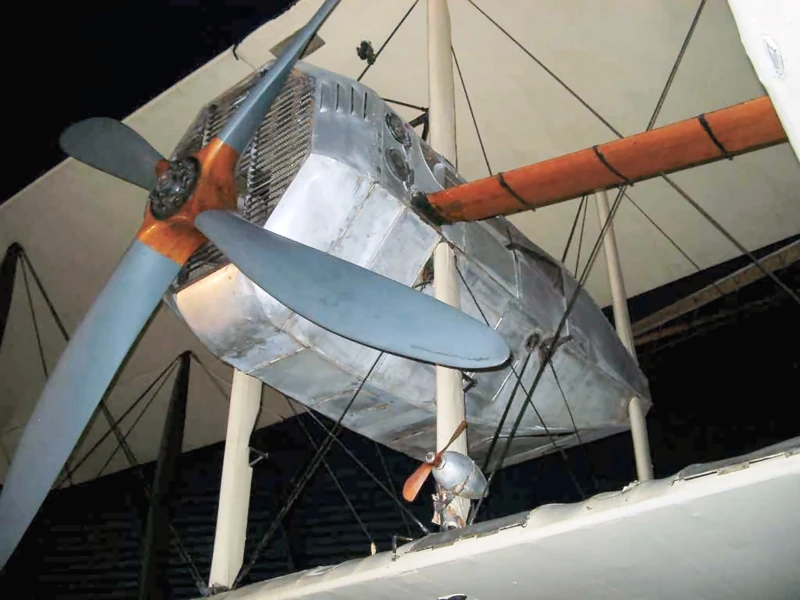
Vickers Vimy | |
|---|---|
| Country | UK |
| Type | Heavy bomber aircraft |
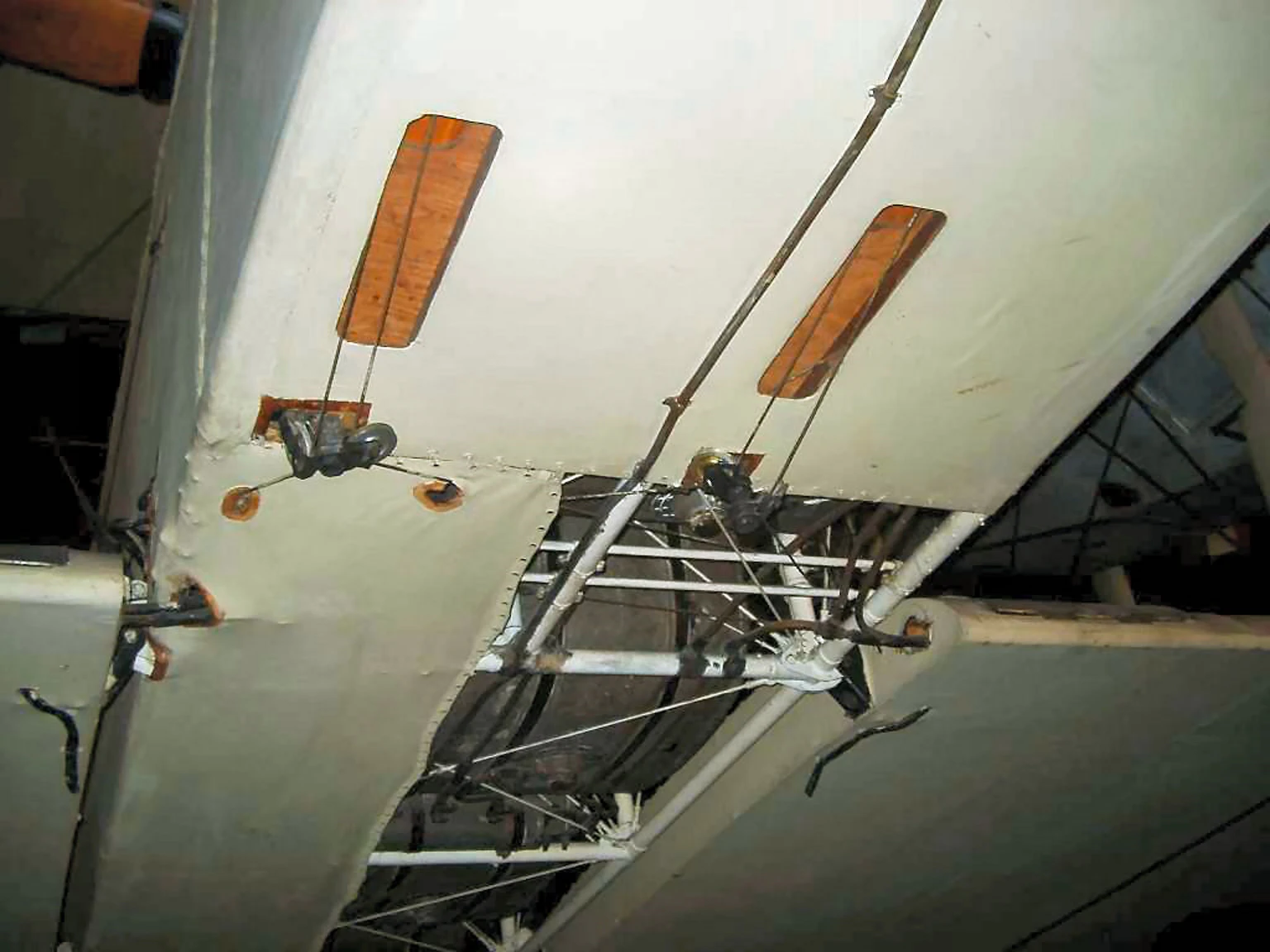
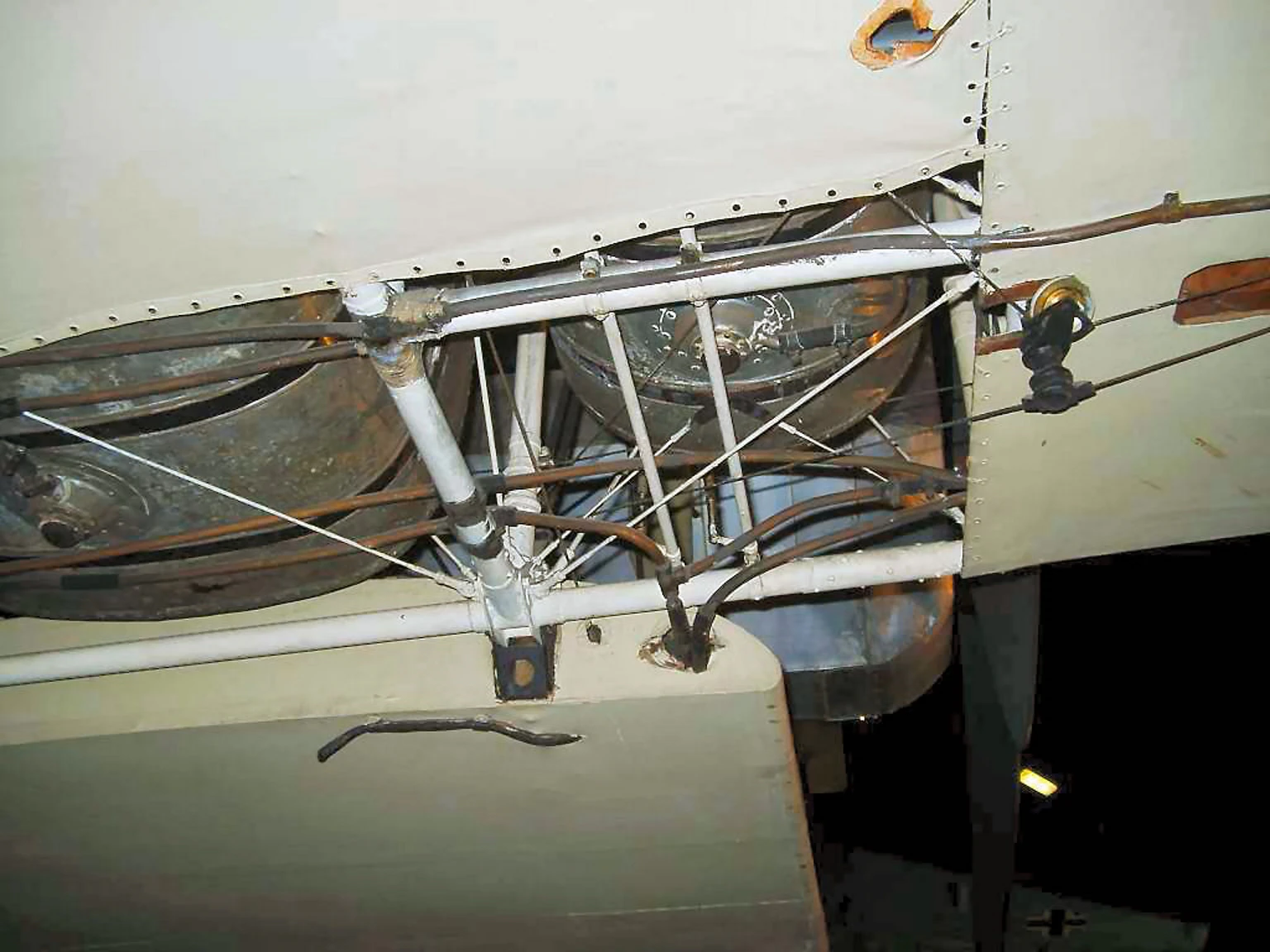
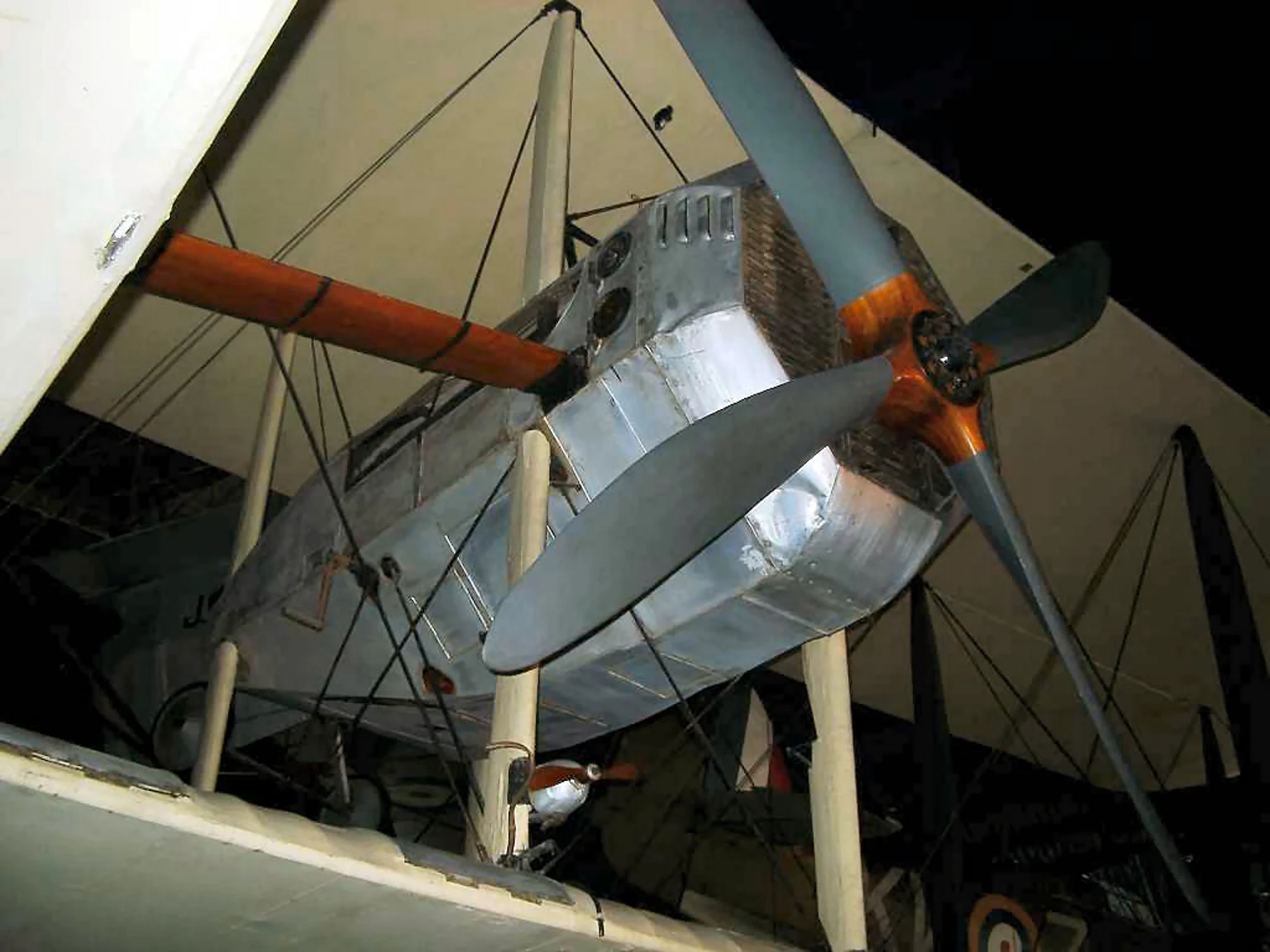
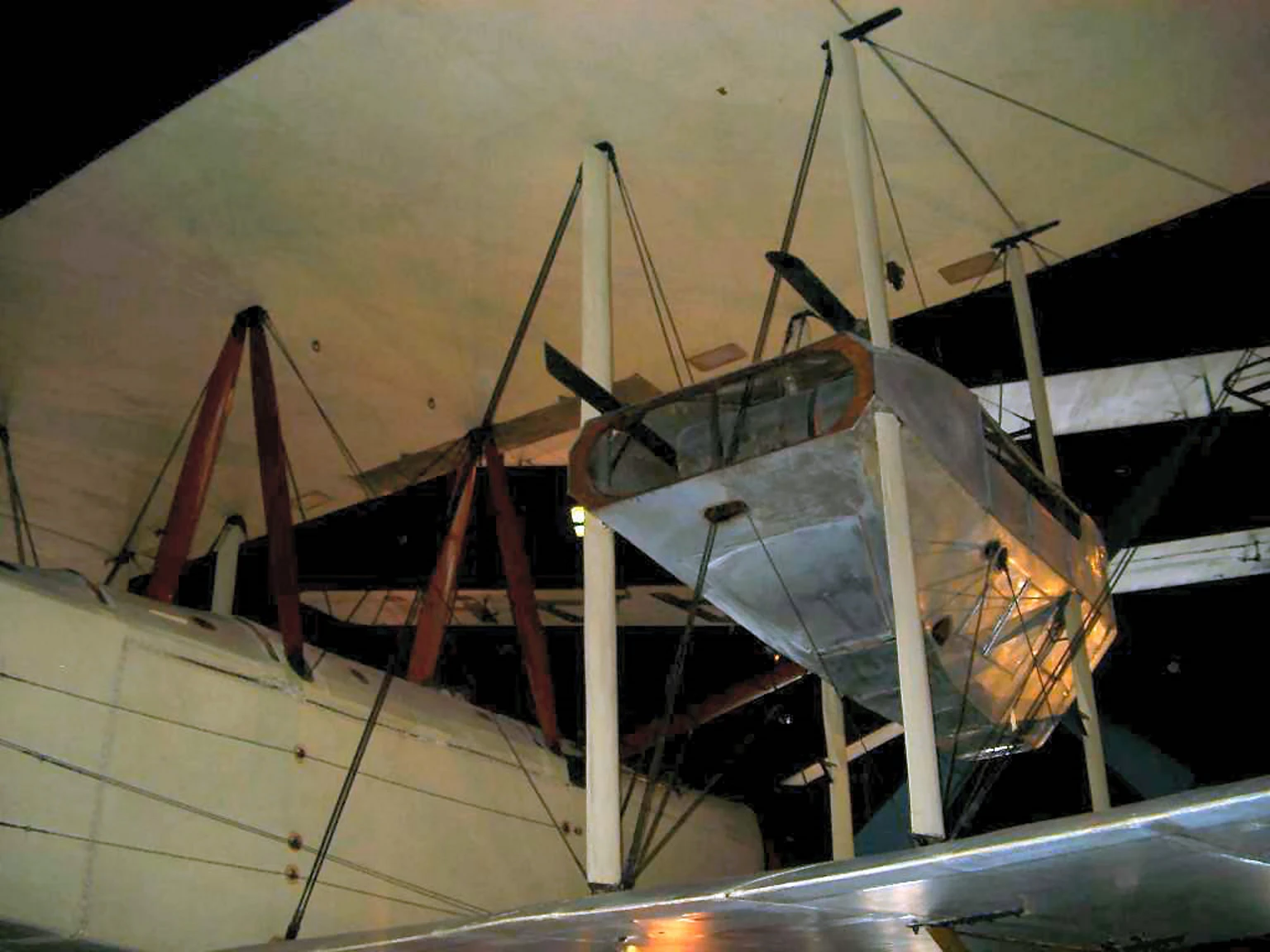
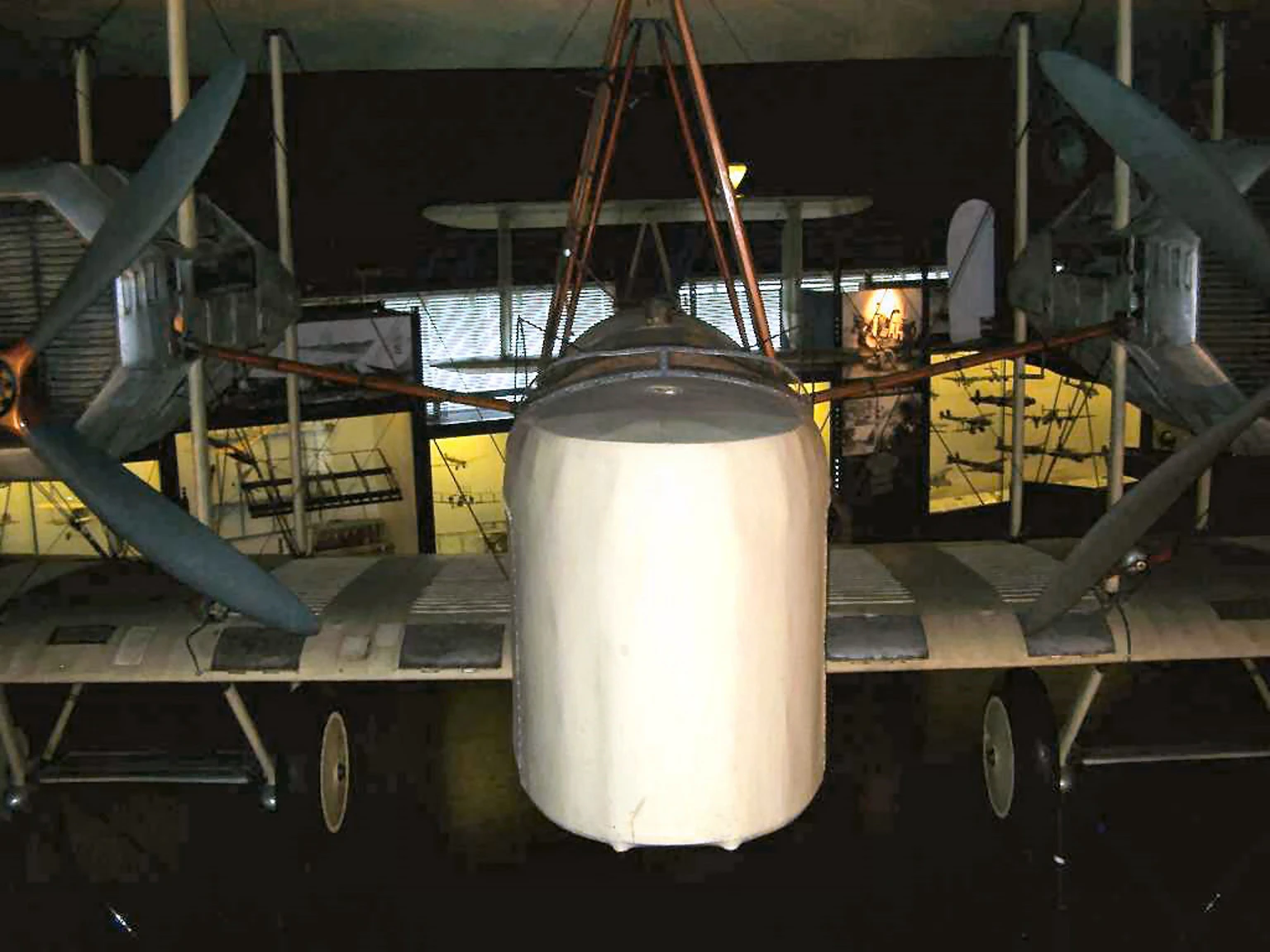
| Description | Album of 27 photos walk-around of a Vickers Vimy |
Galeria de fotos de um Vickers Vimy, O Vickers Vimy foi um avião bombardeiro pesado britânico da Primeira Guerra Mundial e da era pós-Primeira Guerra Mundial. Alcançou sucesso como aeronave militar e civil, estabelecendo vários recordes notáveis em voos de longa distância no período entre guerras, o mais célebre dos quais foi a primeira travessia sem escalas do Oceano Atlântico por Alcock e Brown em junho de 1919.
Fonte: Vichers Vimy em Wikipédia
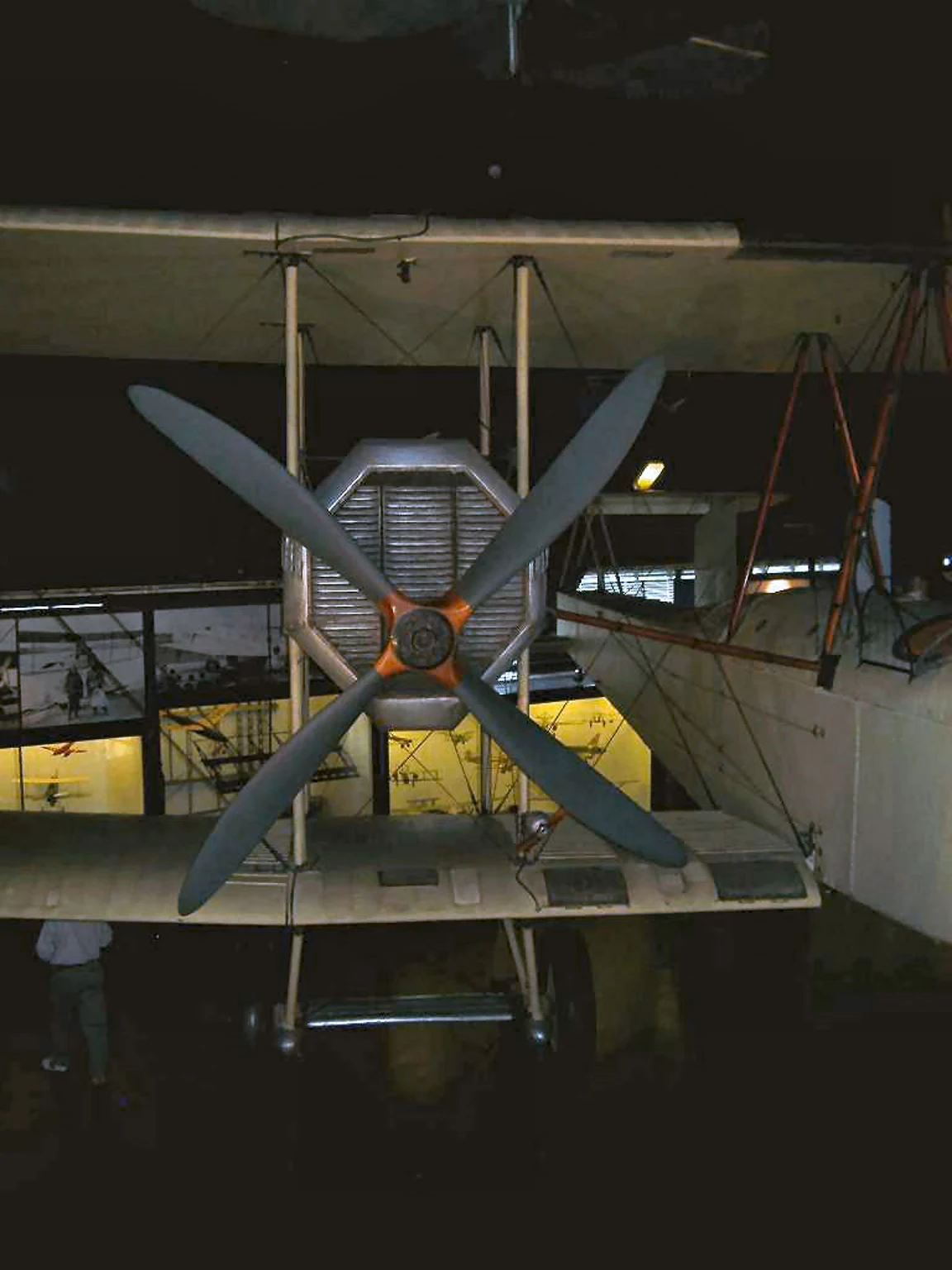
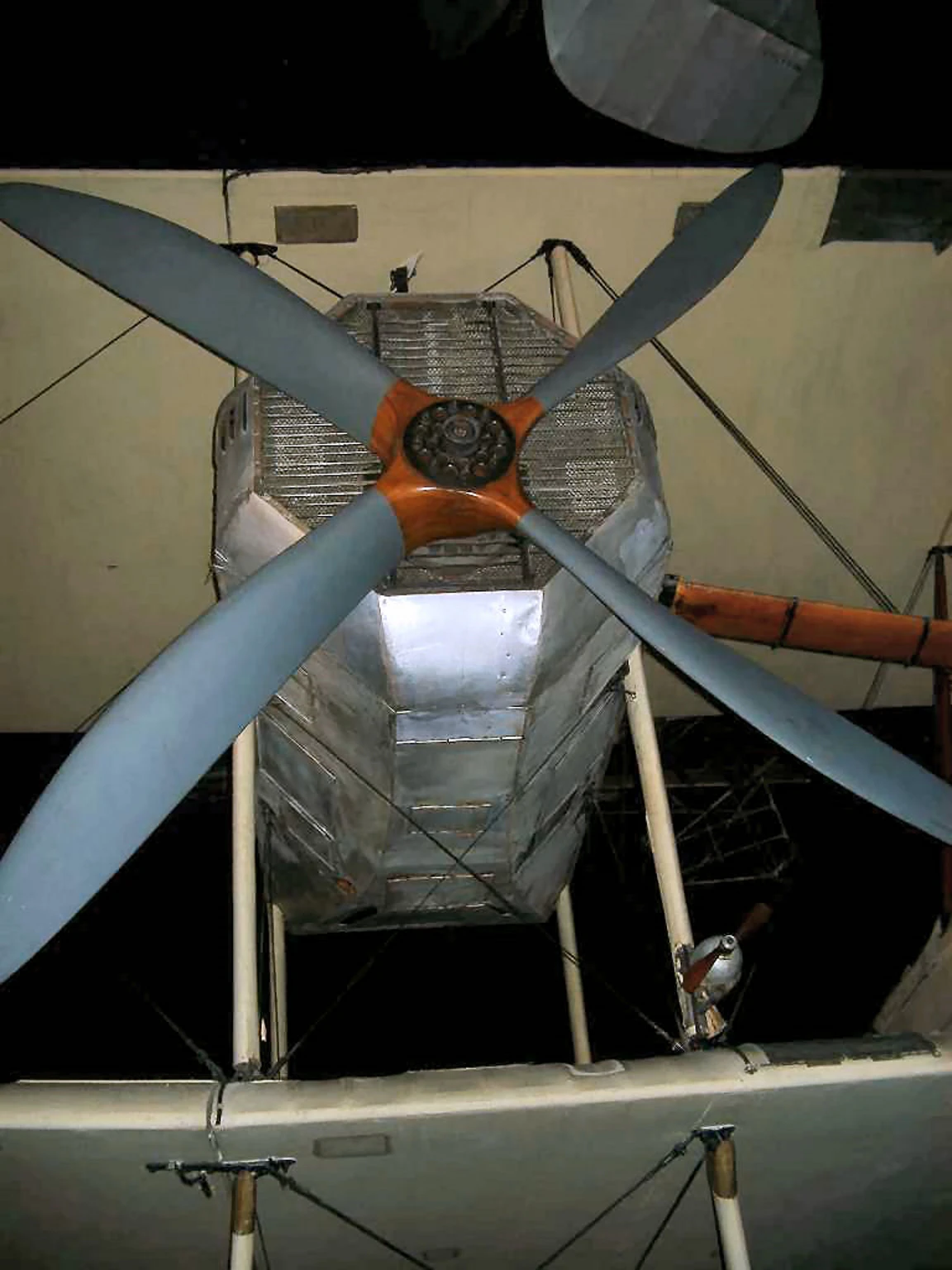
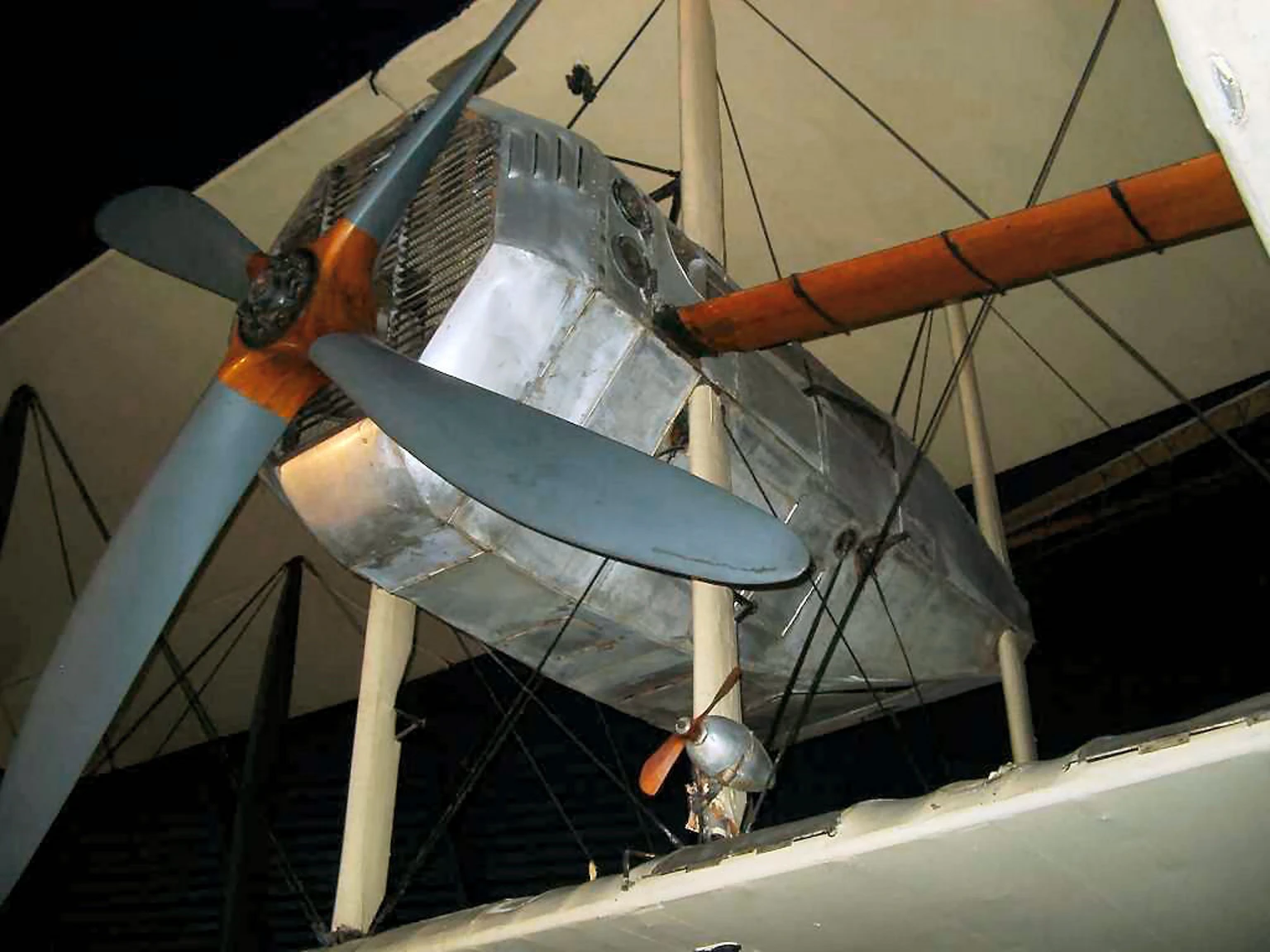
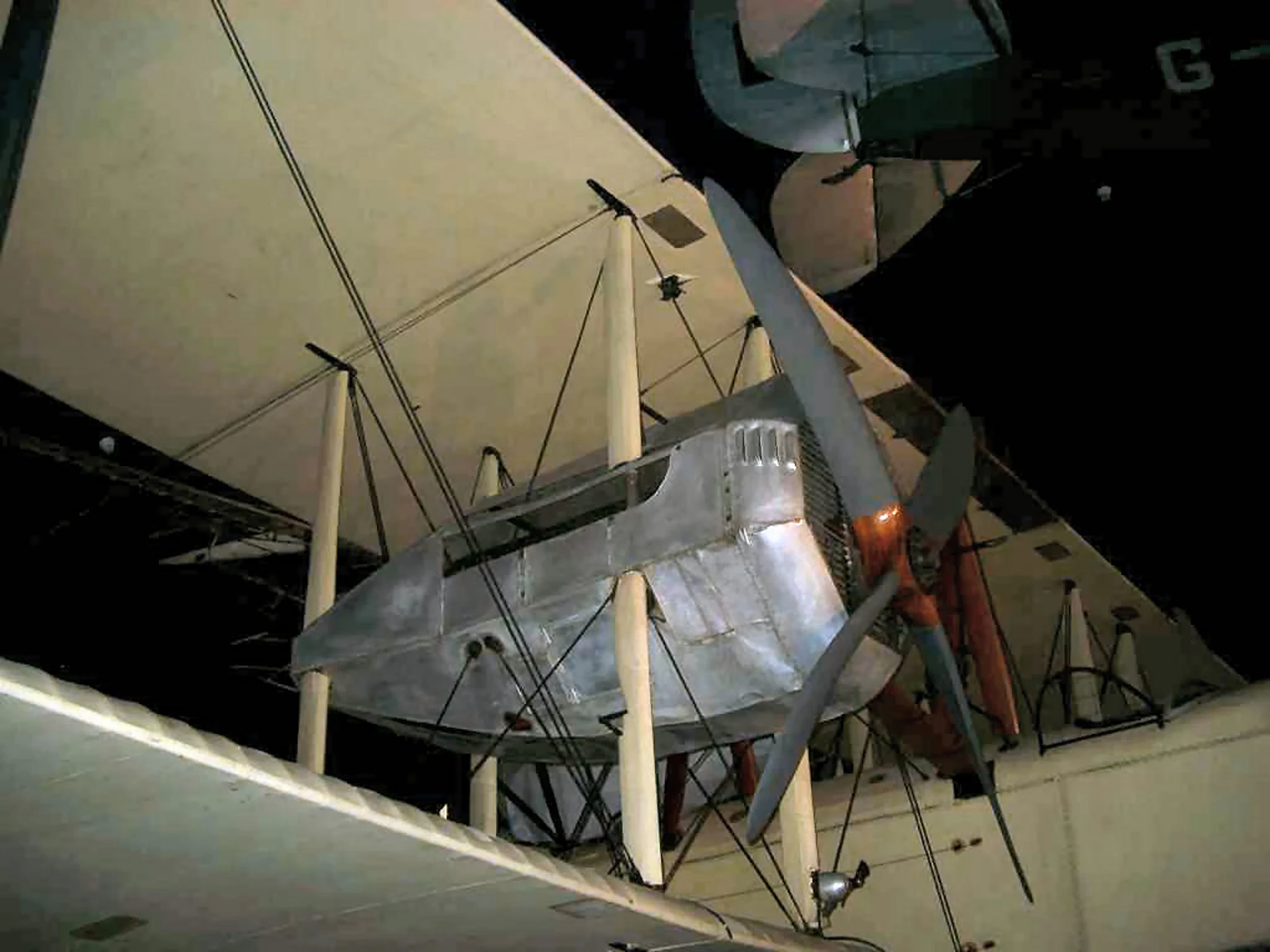

 Compre-me um café
Veja também:


A Heavyweight of the Post-War Skies
O Vickers Vimy was originally designed as a heavy bomber for the Royal Air Force to strike industrial targets deep within Germany during World War I. While the war ended just as it entered service, the Vimy went on to achieve something far more significant: it proved that the world was shrinkable. With its massive twin-engine biplane design and rugged construction, it became the vehicle of choice for the great pioneering flights of the 1910s and 20s, including the first non-stop crossing of the Atlantic Ocean.
| Attribute | Technical Specification (Vimy Mk IV) |
|---|---|
| Papel | Heavy Bomber / Long-Range Transport |
| tripulação | 3 (Pilot, Navigator/Observer, Gunner) |
| Motores | 2 × Rolls-Royce Eagle VIII water-cooled V12 (360 hp each) |
| Maximum Speed | 166 km/h (103 mph) |
| Envergadura | 20.75 meters (68 ft 1 in) |
| Carga útil | 2,475 lbs (1,123 kg) of bombs |
| Armamento | 1 or 2 × .303 in Lewis Guns in nose and mid-upper positions |
| Structure | Fabric-covered wood and steel tubing |
Design Engineering: The Rolls-Royce Powerhouse
- The Eagle Engines: The Vimy relied on the legendary Rolls-Royce Eagle VIII. These were notoriously reliable for the era, which was critical because there were no airfields in the middle of the Atlantic. During the historic 1919 crossing, the engines ran for nearly 16 hours straight in freezing sleet and snow.
- Biplane Stability: Its equal-span, four-bay wing design provided immense lift, allowing it to carry the massive amounts of fuel required for record-breaking flights. However, the high drag meant it was slow and lumbering compared to smaller scouts.
- Open Cockpits: Pilots Alcock and Brown flew across the Atlantic in a cockpit that was completely open to the elements. They had to navigate using a sextant while buffeted by 100 mph winds and freezing spray, often flying just feet above the waves to stay under the clouds.
- The Vimy Commercial: Vickers recognized the civilian potential and developed a version with a “fat” wooden monocoque fuselage that could carry 10 passengers. This was the ancestor of the modern airliner, proving that air travel could be a viable business.
Operational History: Shrinking the Empire
- The Atlantic Crossing (1919): John Alcock and Arthur Whitten Brown flew a modified Vimy from Newfoundland to Ireland in 15 hours and 57 minutes. They famously crash-landed in a bog which they mistook for a flat green field, but they emerged as heroes who had bridged the continents.
- London to Australia: Just months after the Atlantic flight, another Vimy (G-EAOU) flown by Ross and Keith Smith made the first flight from England to Australia, a grueling 28-day journey that proved long-distance air mail was possible.
- RAF Service: The Vimy served as the standard heavy bomber for the RAF until the mid-1920s. It was the backbone of the “Air Policing” strategy in the Middle East, where its long range allowed it to cover vast desert territories.
- Legacy: The Vimy’s success led directly to the Vickers Virginia and eventually the Vickers Wellington of WWII. It remains a symbol of the “Golden Age” of flight, where courage and heavy engineering first conquered the globe.
Visualizações : 2467
Você pode ver também:
 Vickers VC10 – Fotos e Vídeos
 Vickers Viscount – Fotos e Vídeos
 Northrop YF-23 – Fotos & Vídeo
 Vought OS2U Kingfisher – Fotos e Vídeo
 Loening OL – Fotos & Vídeo
 Curtiss O-52 Coruja – Fotos e Vídeo
 Curtiss-Wright AT-9 – Fotos & Vídeo
 Vickers Valiant B.1 – Fotos & Vídeo
 P-47G Thunderbolt – WalkAround
 Hawker Sea Fury FBII vol2 - Walk Around