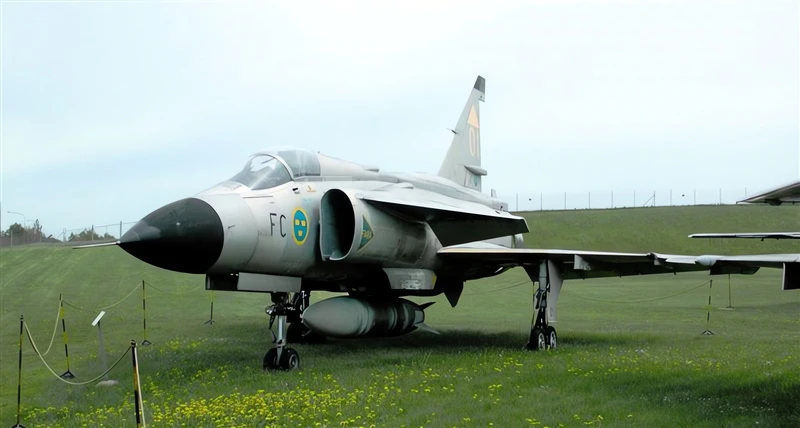
Saab 37 Viggen | |
|---|---|
| País | Suécia |
| Papel | Ataque, caça, reconhecimento |
| Primeiro voo | 8 de fevereiro de 1967 |
| Construído | 329 |
O Saab 37 Viggen ("Thunderbolt") é uma aeronave de combate sueca de monoposto, monomotor e de curto alcance. O trabalho de desenvolvimento do tipo foi iniciado na Saab em 1952 e, após a seleção de uma configuração radical de asa delta, a aeronave resultante realizou seu primeiro voo em 8 de fevereiro de 1967 e entrou em serviço em 21 de junho de 1971. O Viggen detém a distinção de ser o primeiro projeto canard a ser produzido em quantidade. O Viggen também foi o jato de caça mais avançado da Europa até a introdução do Tornado Panavia em serviço operacional em 1981
Fonte: Saab 37 Viggen na Wikipédia
| SAAB AJ.37-1 prototype Walk Around | |
|---|---|
| Photographer | Vladimir Yakubov |
| Localisation | Unknow |
| Photos | 85 |
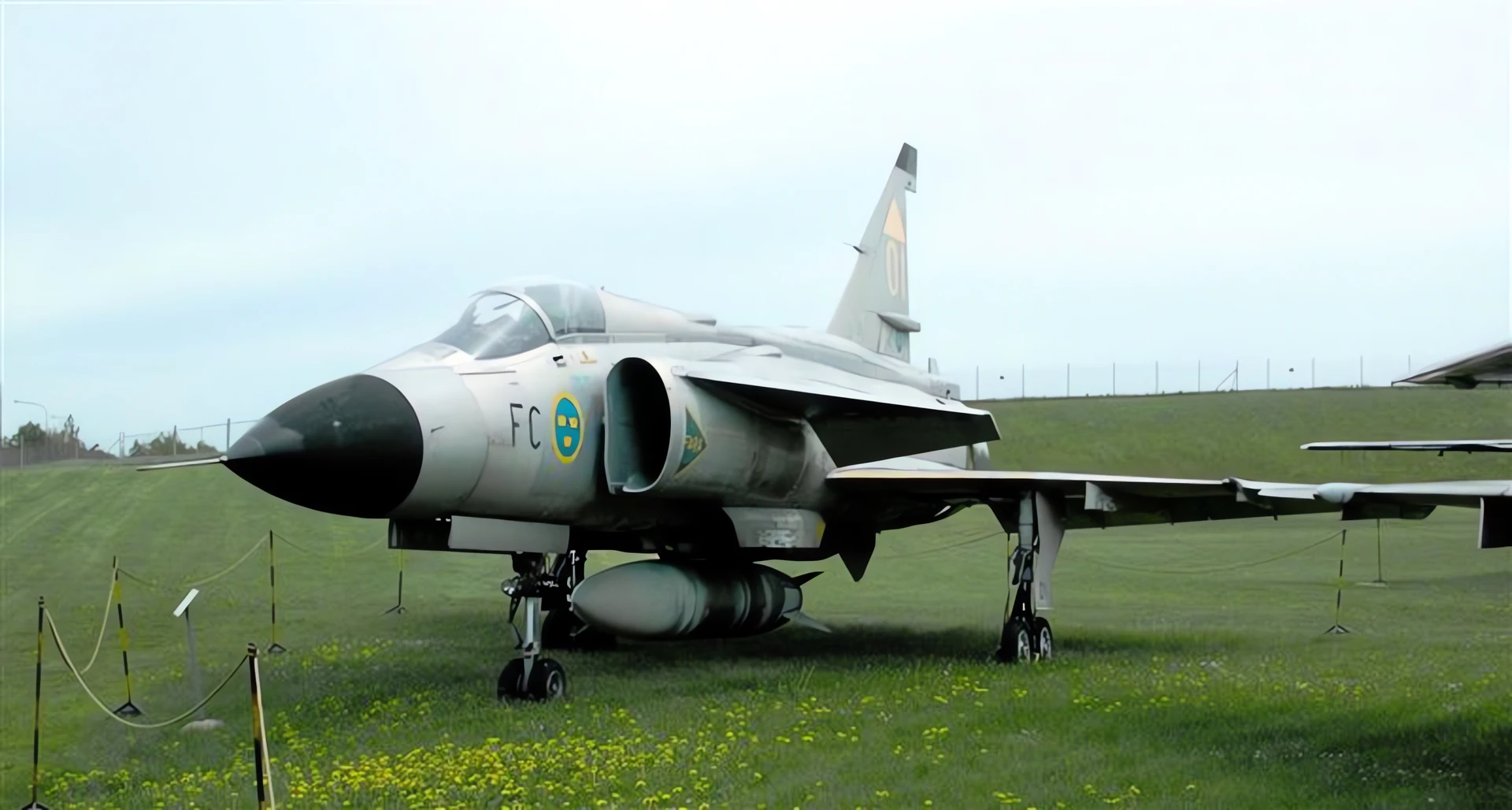
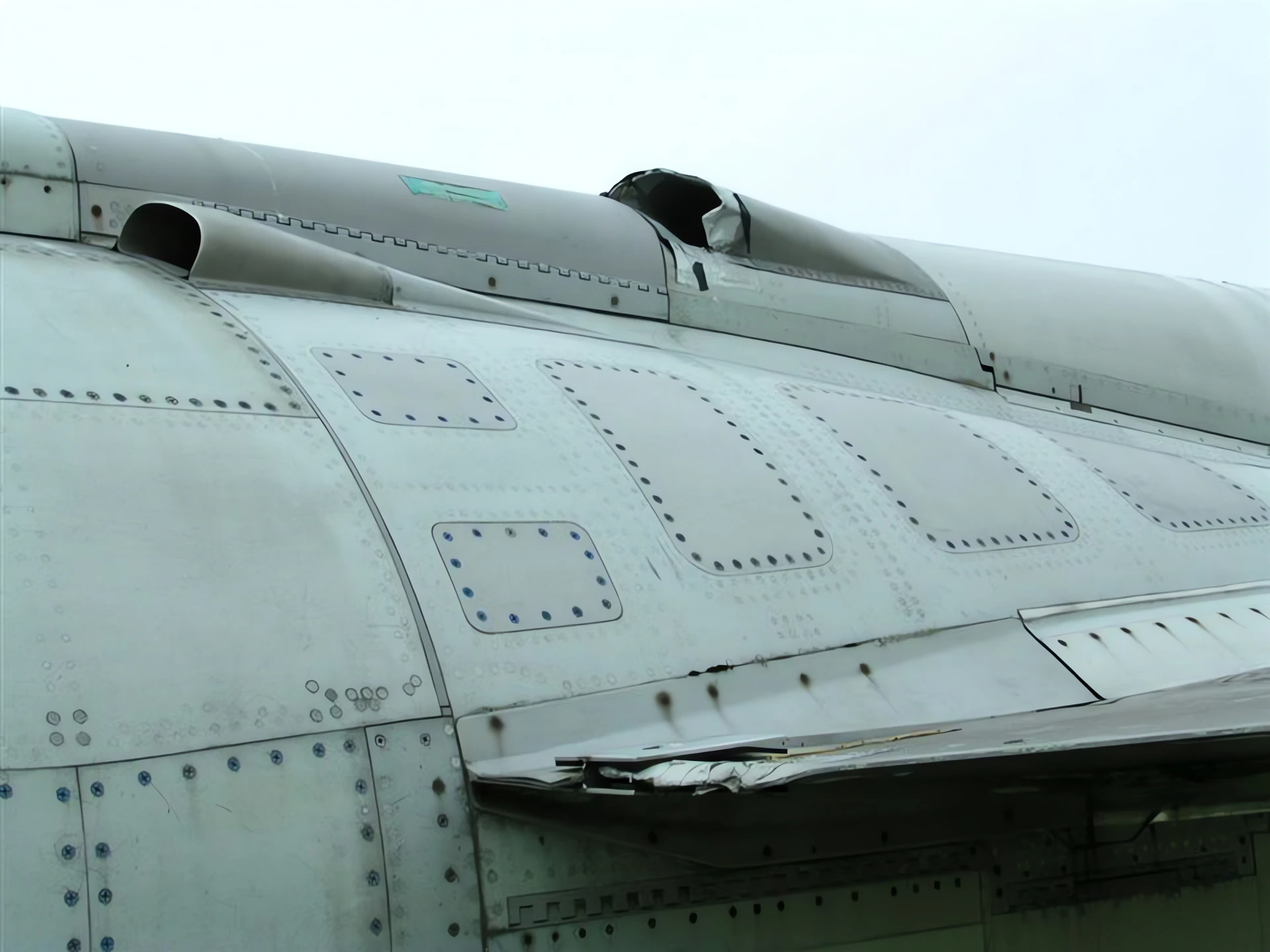
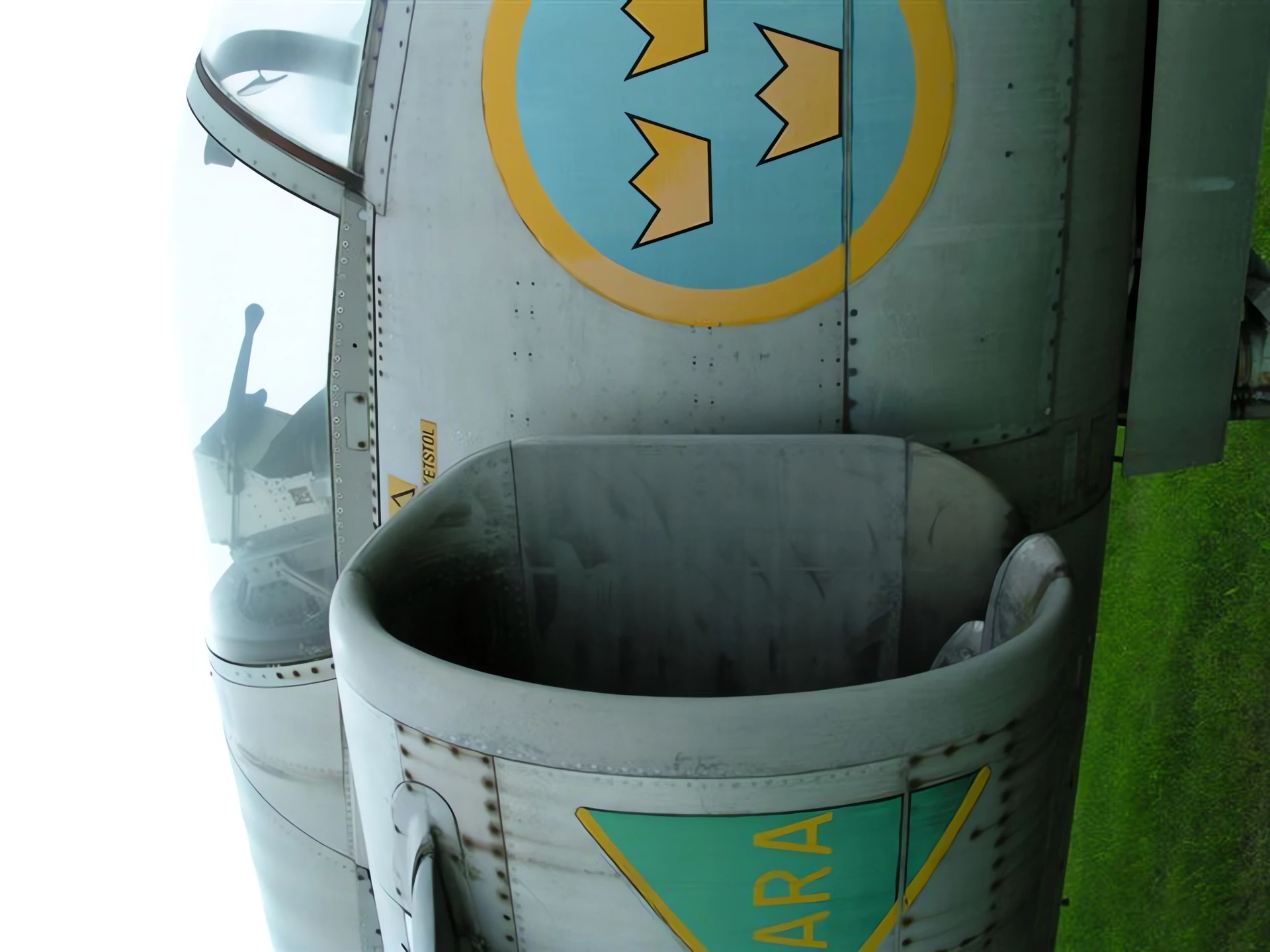
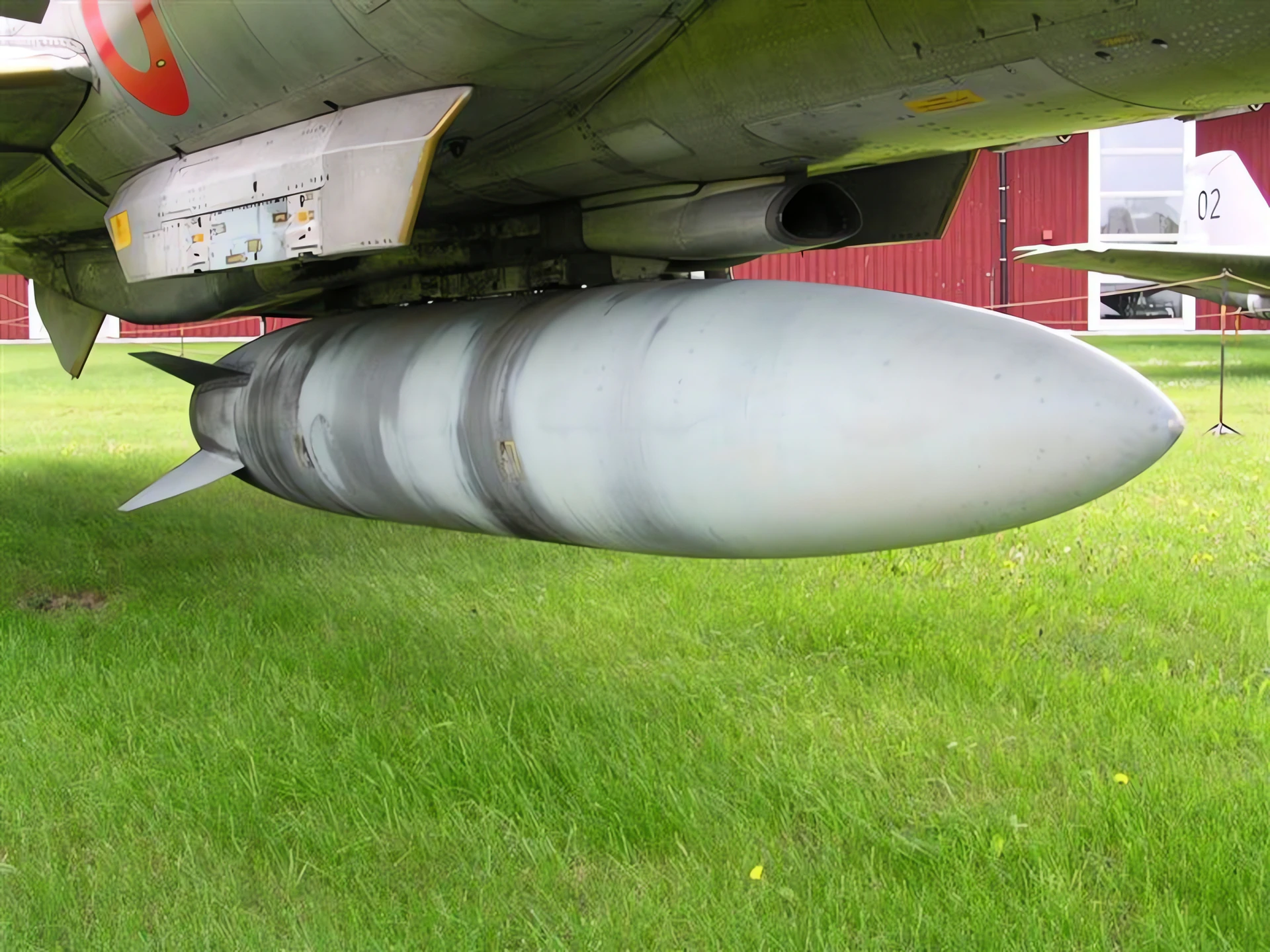
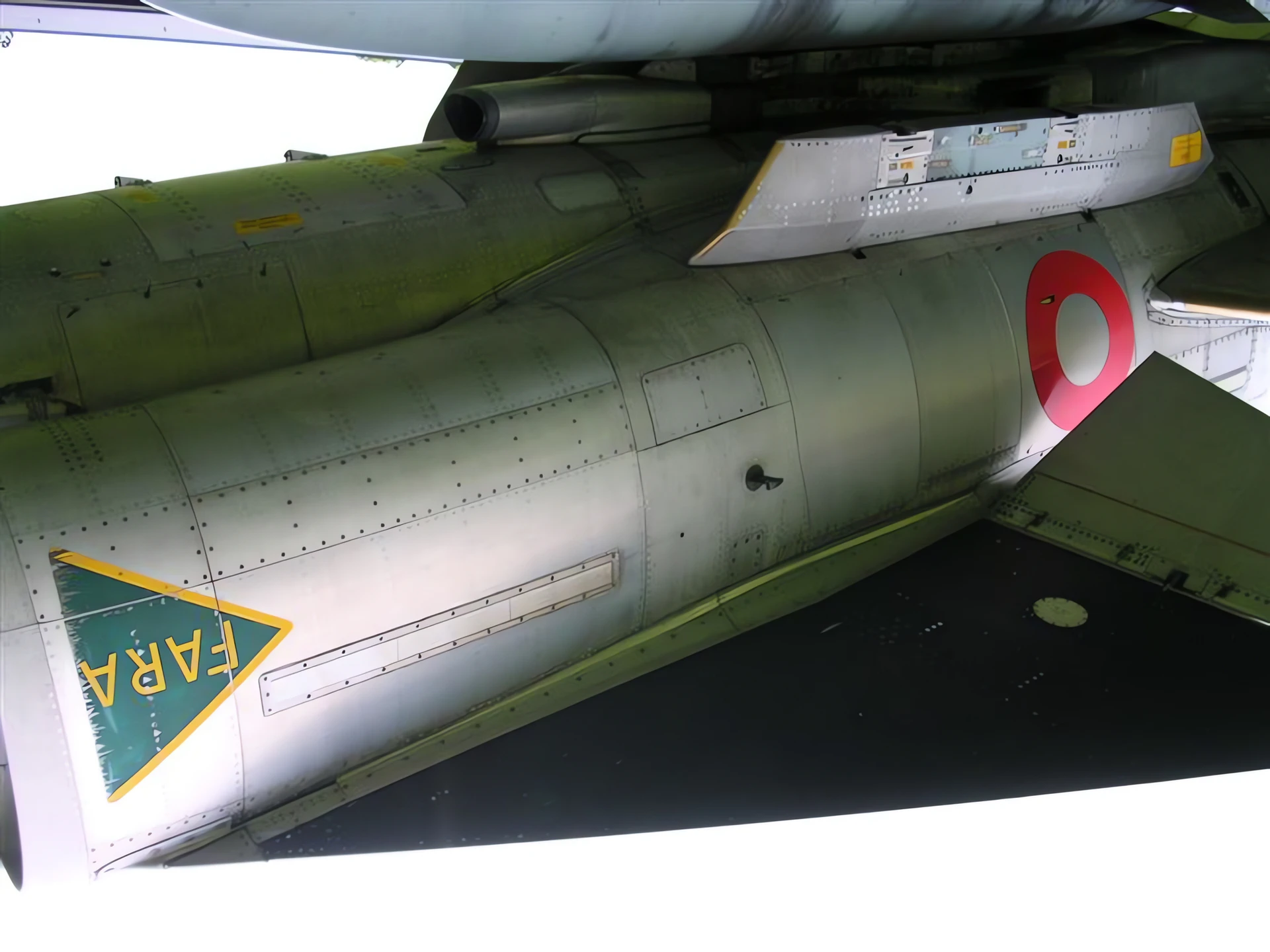
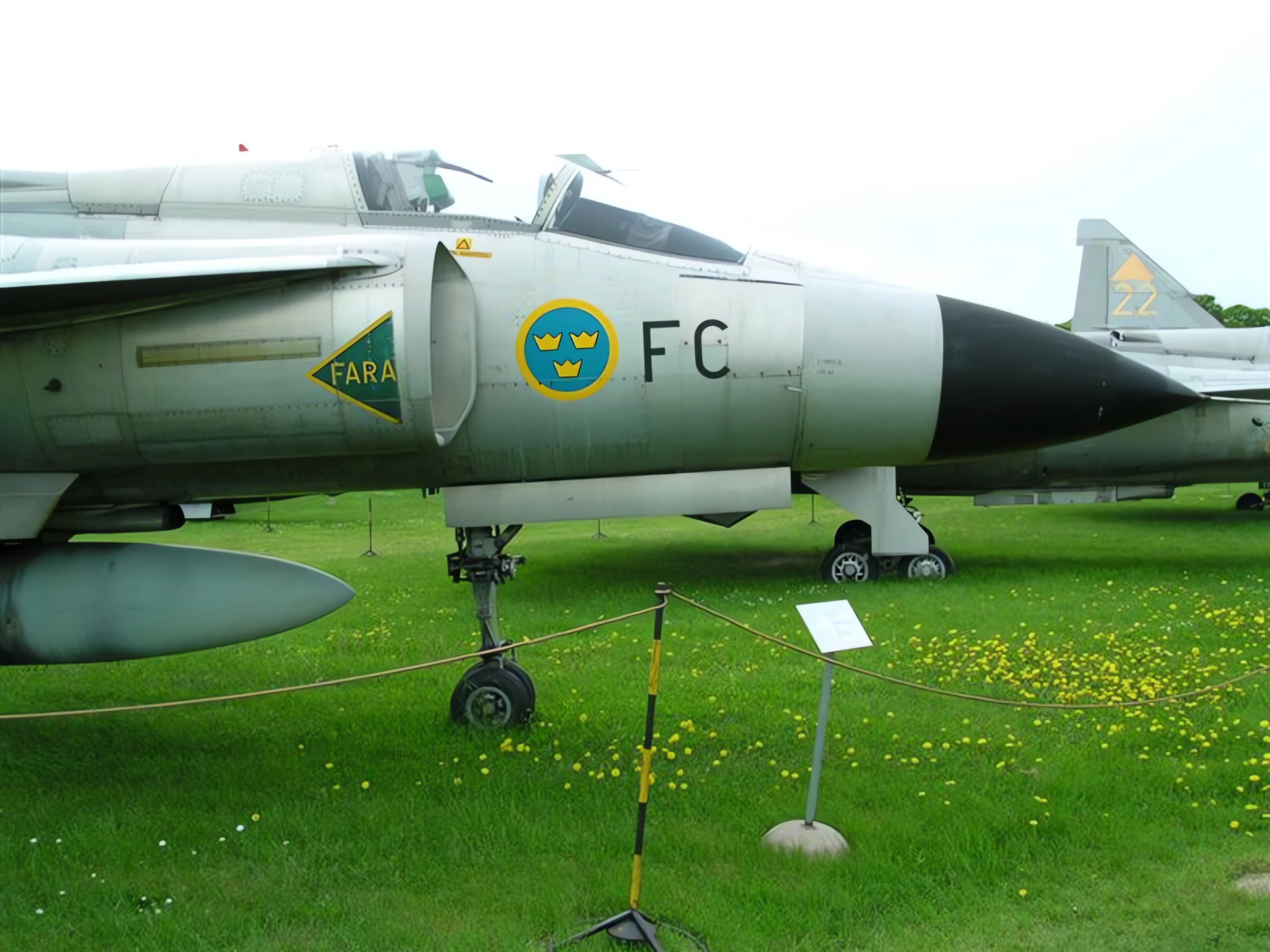
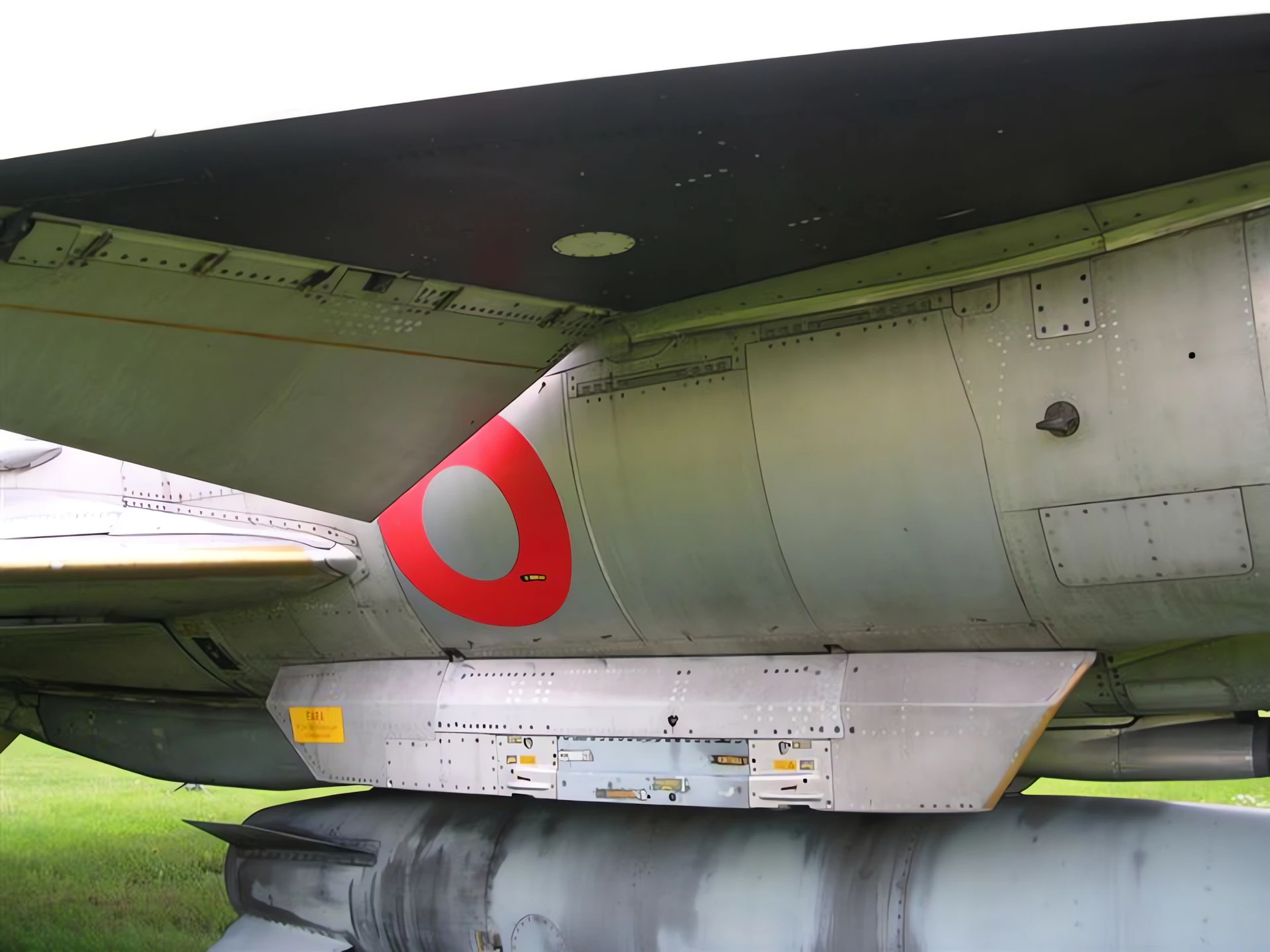
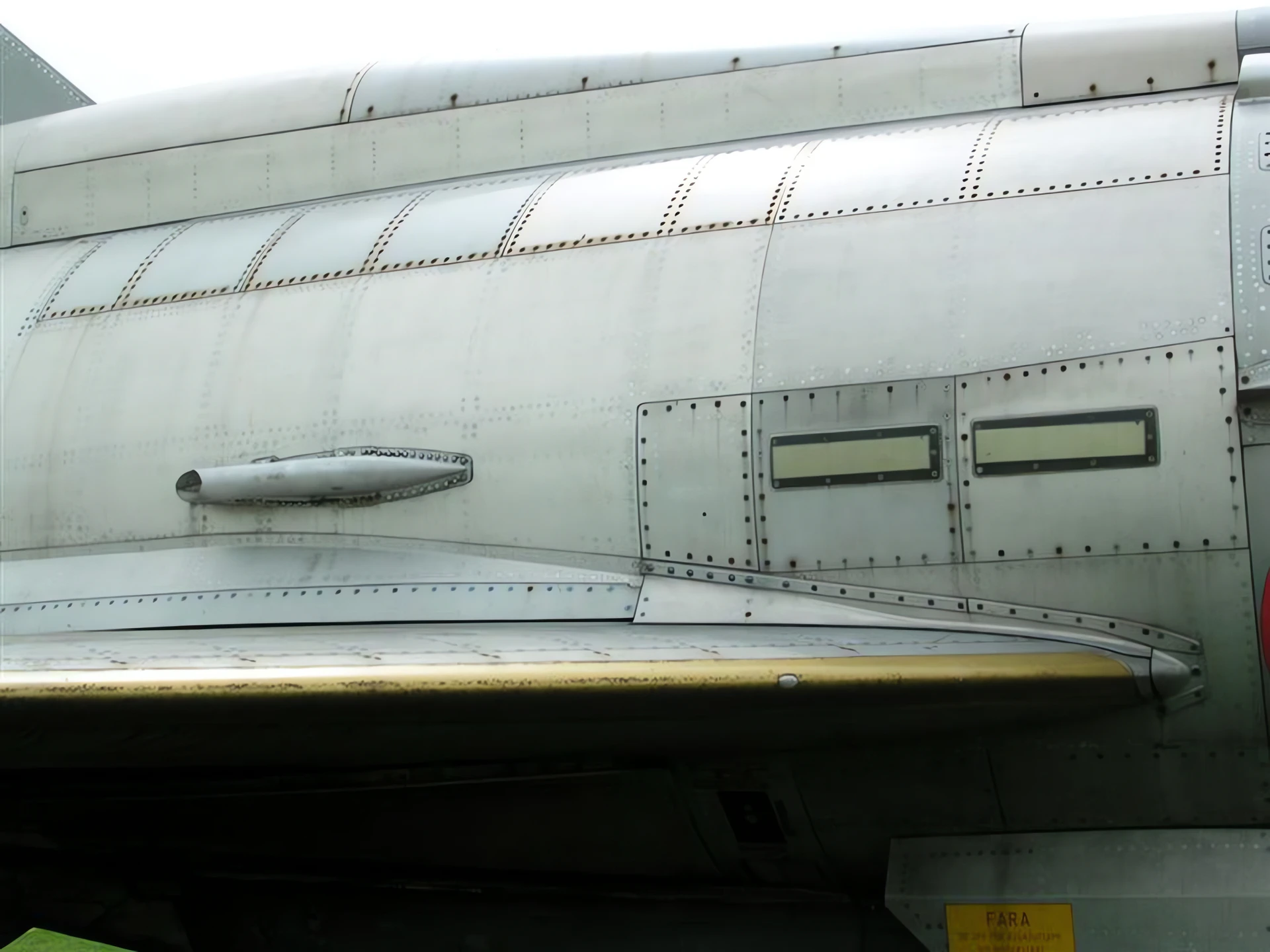
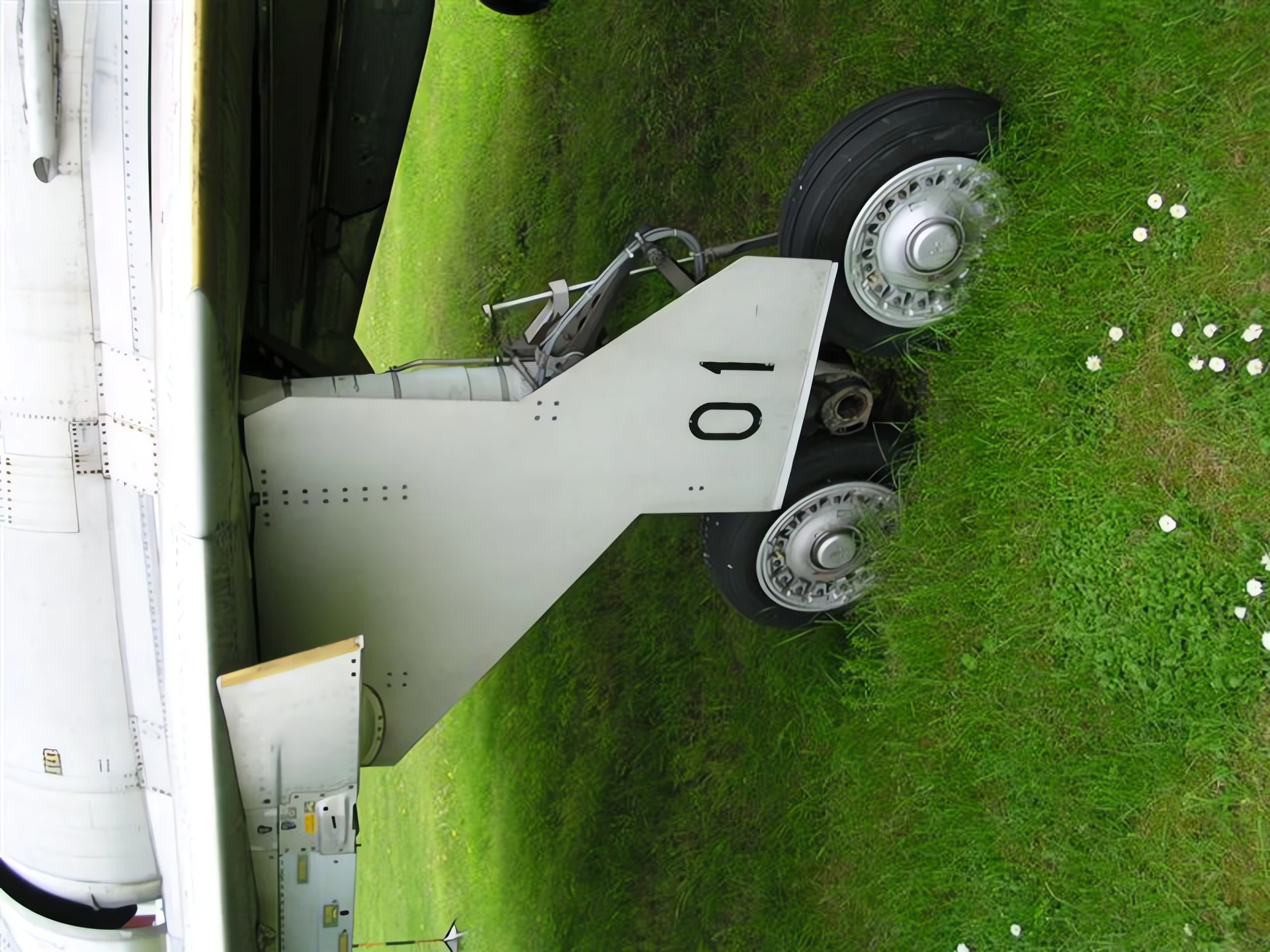

| SK 37 Viggen proto Walk Around | |
|---|---|
| Fotógrafo | Desconhecido |
| Localização | Desconhecido |
| Fotos | 64 |
Veja também:


| Saab 37 Viggen SKE Walk Around | |
|---|---|
| Fotógrafo | Desconhecido |
| Localização | Desconhecido |
| Fotos | 20 |
The “Roadway” Fighter
O SAAB AJ 37 Viggen (Thunderbolt) was a revolutionary multi-role combat aircraft designed to fulfill Sweden’s unique “Bas 60” defense doctrine. In the event of a Soviet invasion, the Swedish Air Force planned to operate from dispersed road bases—standard highways converted into temporary runways. The Viggen was engineered for STOL (Short Take-Off and Landing) performance, allowing it to land on a 500-meter stretch of road and be refueled and rearmed by conscripts in less than 20 minutes.
| Attribute | Technical Specification (AJ 37) |
|---|---|
| Papel | Attack Fighter (Attack-Jakt) |
| tripulação | 1 (Pilot) |
| First Flight | February 8, 1967 |
| Usina | 1 × Volvo Flygmotor RM8A (Licensed Pratt & Whitney JT8D) |
| Afterburning Thrust | 115.7 kN (26,015 lbf) |
| Maximum Speed | Mach 2.1 (2,231 km/h at altitude) |
| Landing Speed | 220 km/h (Incredible for a Mach 2 jet) |
| Hardpoints | 7 (Up to 7,000 kg of ordnance) |
Revolutionary Aerodynamics: Canards and Reversers
- Canard Configuration: The Viggen was the first mass-produced fighter to utilize a fixed canard wing with flaps. This created extra lift at low speeds, allowing the aircraft to maintain a high angle of attack for short landings without stalling.
- Thrust Reverser: To stop on short, icy Swedish roads, the Viggen was equipped with a massive thrust reverser (similar to commercial airliners). The pilot could engage it just before touchdown, allowing the jet to stop in roughly 500 meters. It could even “back up” on its own power.
- Double Delta Wing: The main wing used a double-delta shape to provide stability at supersonic speeds while maintaining the lift needed for low-altitude attack missions.
- The RM8 Engine: Volvo Flygmotor took a civilian airliner engine (from the DC-9/727) and added a massive, Swedish-designed afterburner, creating one of the most powerful fighter engines of its era.
The Electronic Frontier
- CK37 Computer: The Viggen was the first aircraft in the world to use an integrated circuit-based central computer. This handled navigation, fire control, and fuel monitoring, allowing a single pilot to perform the work usually requiring two.
- Head-Up Display (HUD): To help pilots land on narrow roads in bad weather, the Viggen featured a sophisticated HUD that projected a “virtual runway” or landing pole for the pilot to follow.
- The “Splinter” Camouflage: Perhaps the most iconic paint scheme in aviation history, the four-color “M90” splinter pattern was designed to hide the aircraft against the Swedish forests when viewed from above by Soviet satellites or aircraft.
Variantes
While the AJ 37 was the ground-attack version, the airframe evolved into the SF 37 (Reconnaissance), the SK 37 (Two-seat trainer), and the ultimate version, the JA 37 Jaktviggen (Interceptor), which featured a more powerful engine and a built-in 30mm Oerlikon KCA cannon.
Visualizações : 4430
Você pode ver também:
 SAAB 340 AEW – Fotos e Vídeos
 Saab 210 – Fotos e Vídeos
 SAAB B17 – Fotos e Vídeos
 Saab 21R – Fotos e Vídeo
 Saab JAS 39 Gripen – Fotos e Vídeo
 Saab J-29F Tunnan – Fotos & Vídeo
 Libertador B-24M consolidado – WalkAround
 P-47D Thunderbolt - WalkAround
 A-20 Havoc - WalkAround
 TBM-3E Vingador - Ande por aí