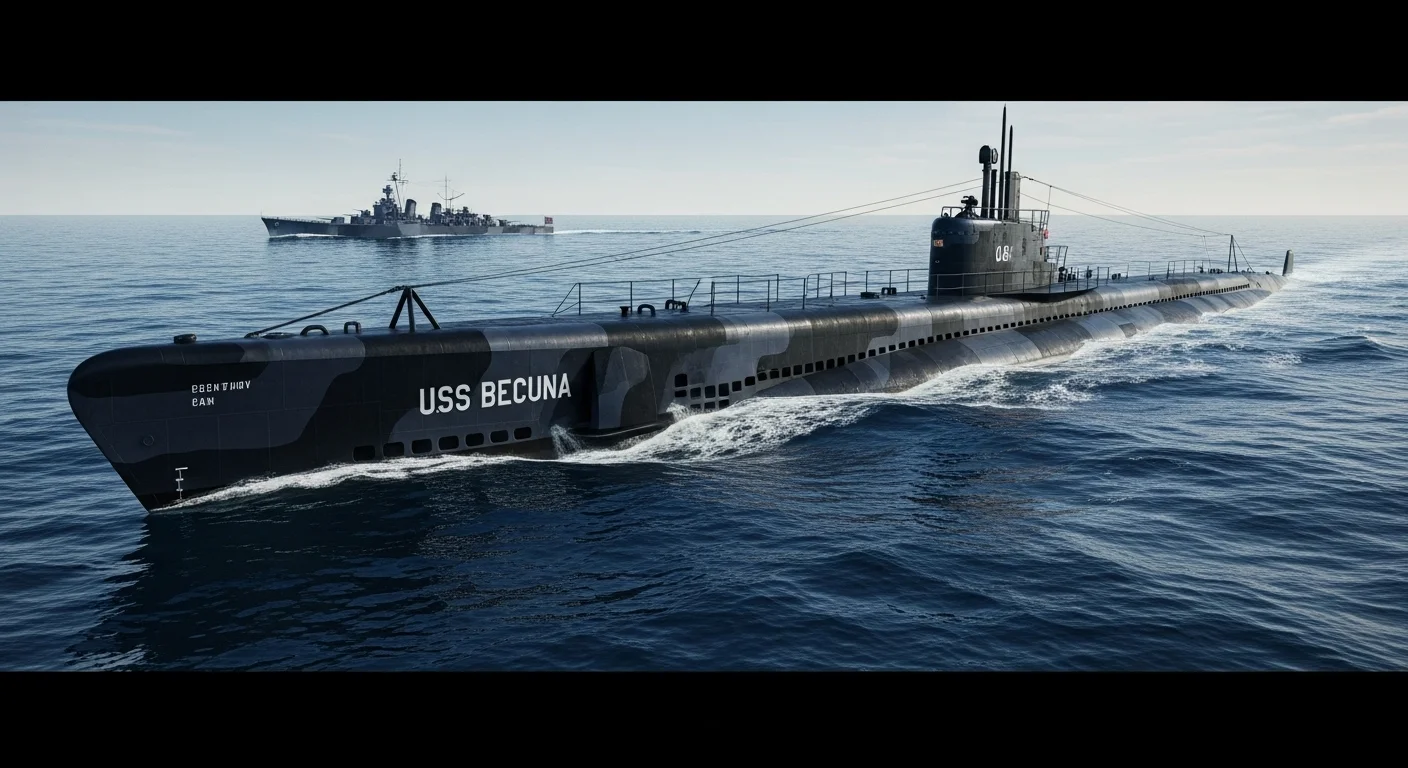
USS Becuna |
|
|---|---|
| Kraju | Stany Zjednoczone Ameryki |
| Klasa i typ | Okręty podwodne typu Balao z napędem diesel-elektrycznym |
| Uruchomiony | 30 stycznia 1944 |
| Brak eksploatacji | 7 listopada 1969 |
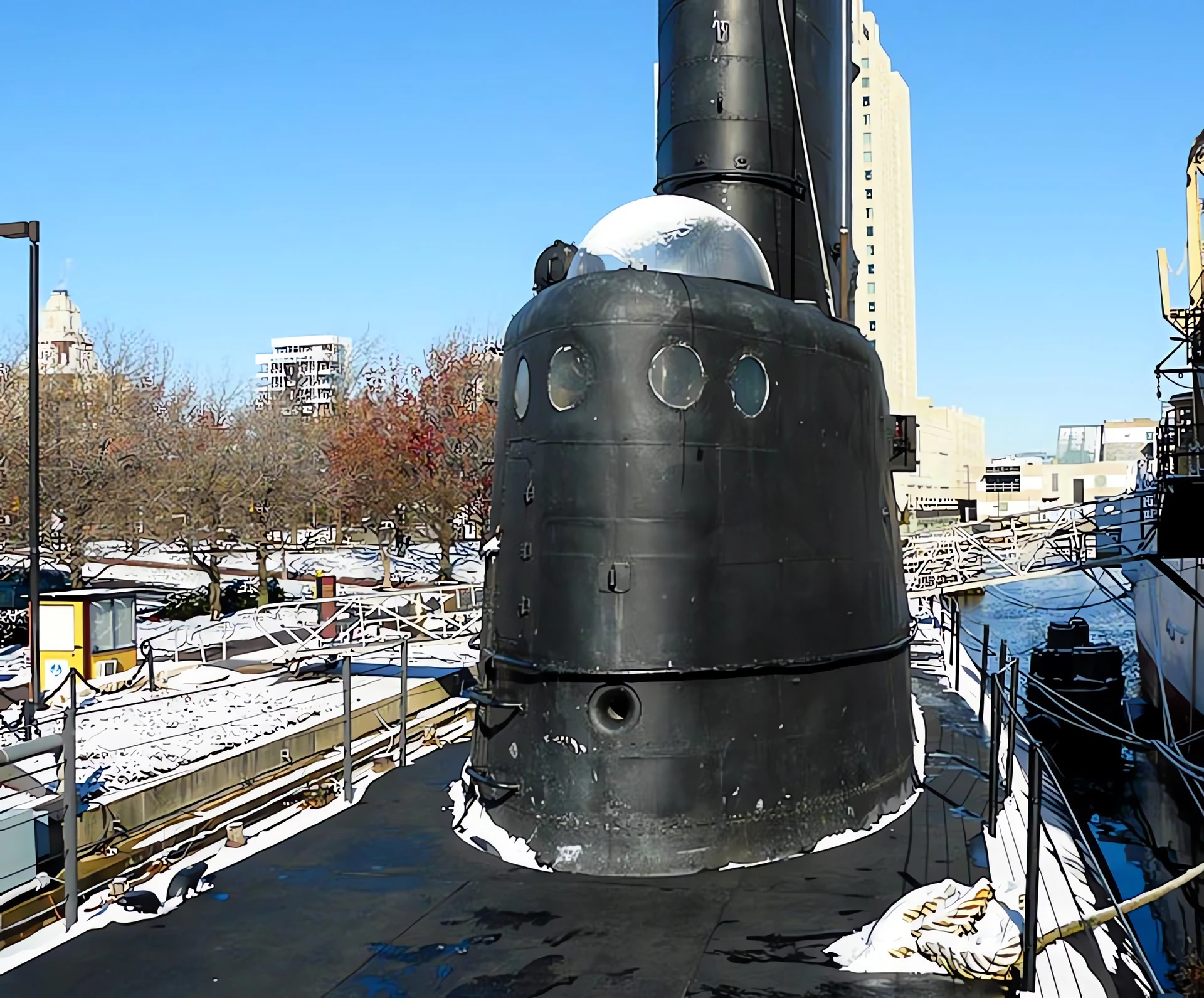
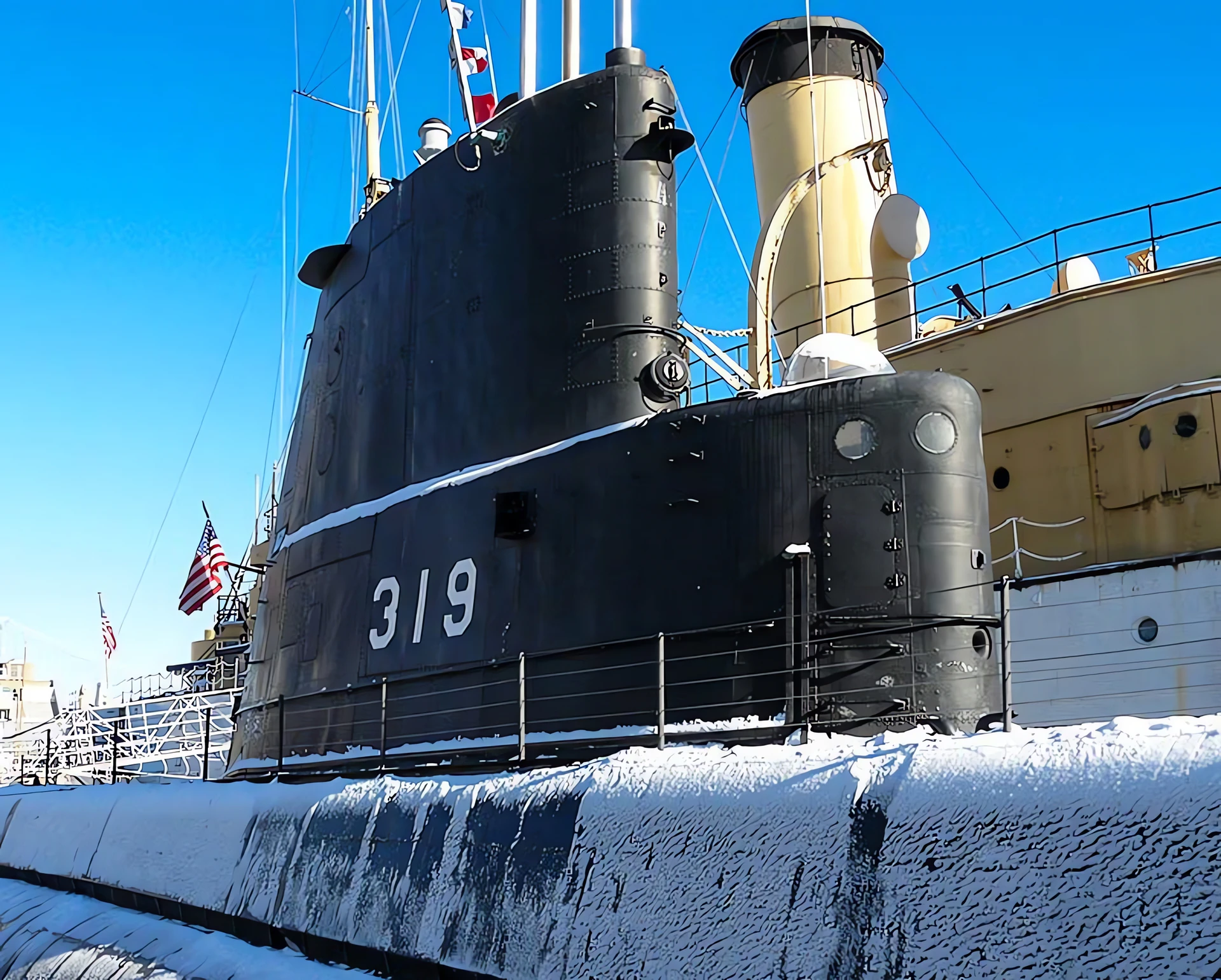
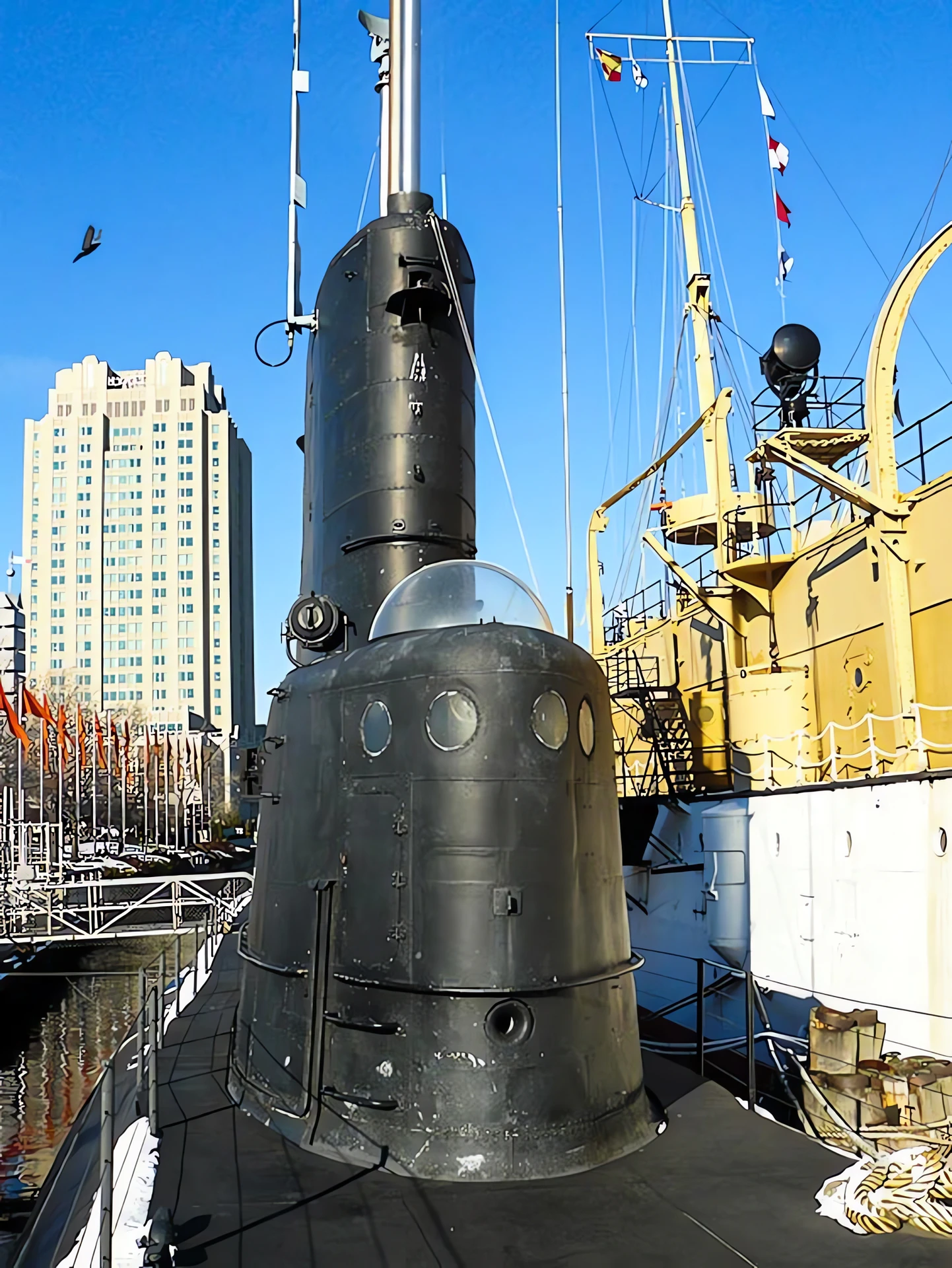
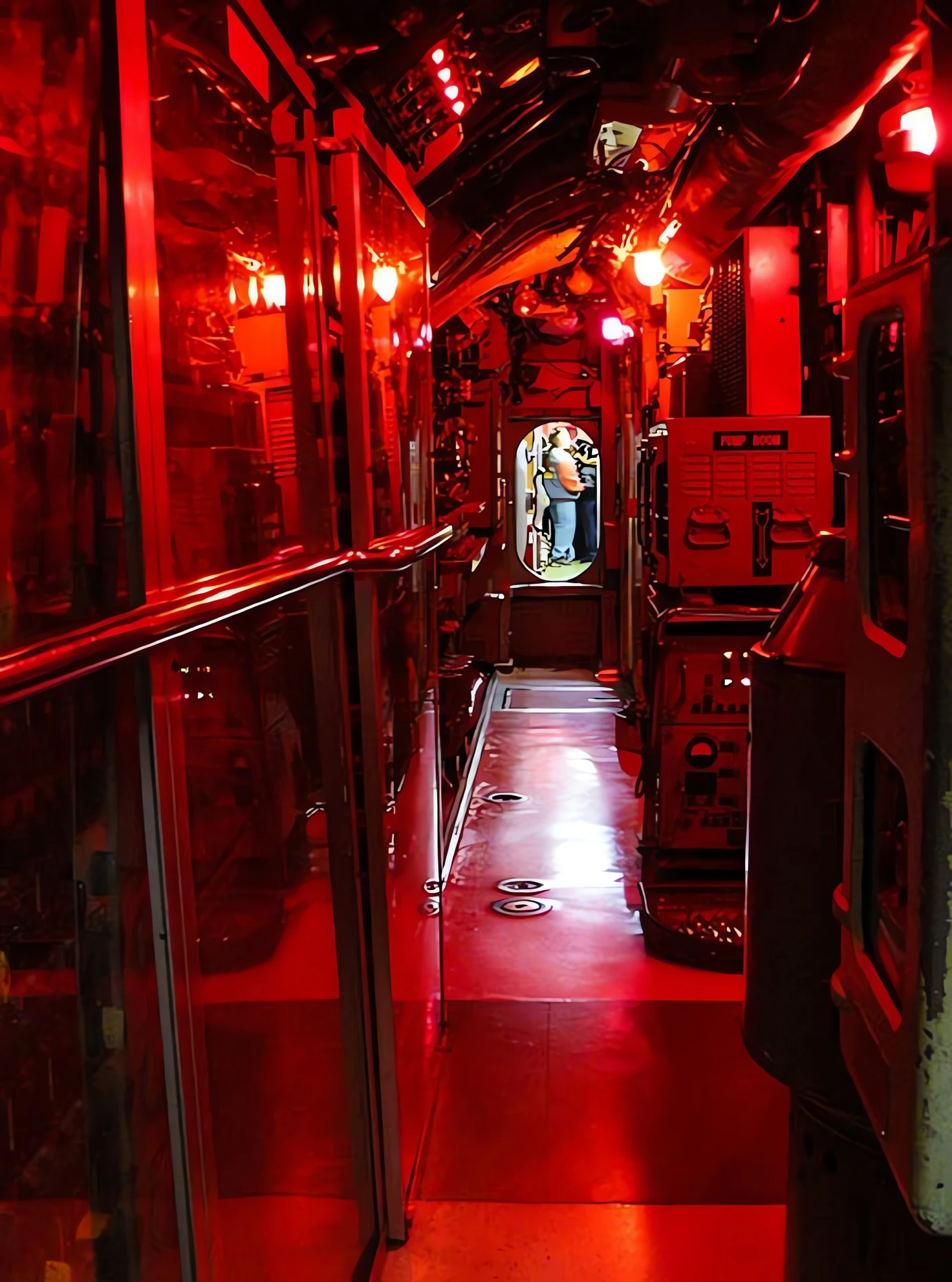
USS Becuna (SS/AGSS-319) – amerykański okręt podwodny typu Balao, dawny okręt Marynarki Wojennej Stanów Zjednoczonych, którego nazwa pochodzi od becuny, europejskiej ryby podobnej do szczupaka. Został uznany za National Historic Landmark za służbę podczas II wojny światowej, za którą otrzymał cztery battle airtage. Obecnie służy jako statek-muzeum w Independence Seaport Museum w Filadelfii w Pensylwanii.
Źródła: USS Becuna na Wikipedii
| USS Becuna SS-319 Walk Around | |
|---|---|
| Fotograf | Bill Maloney |
| Lokalizacja | Niewiedzy |
| Zdjęcia | 164 |
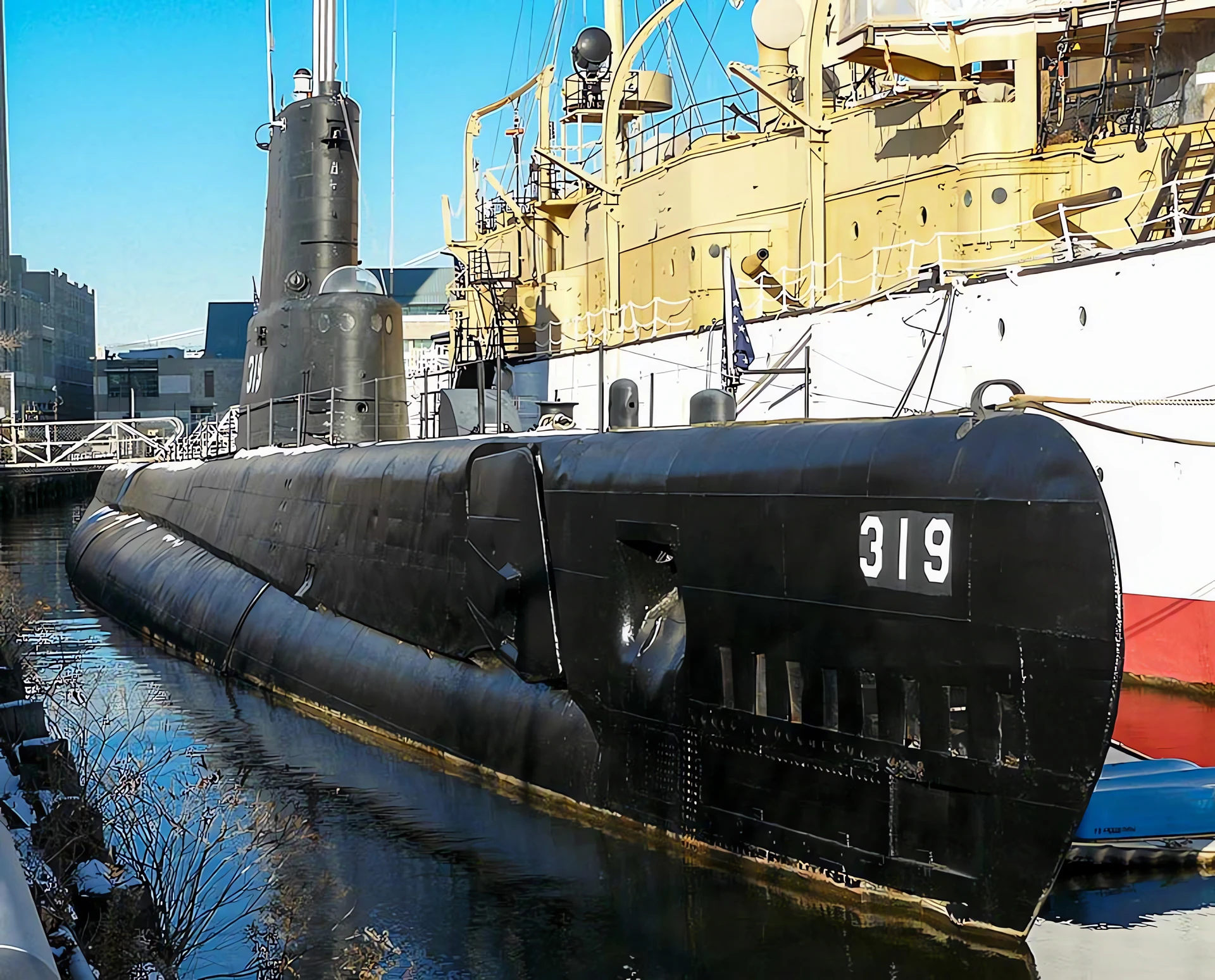
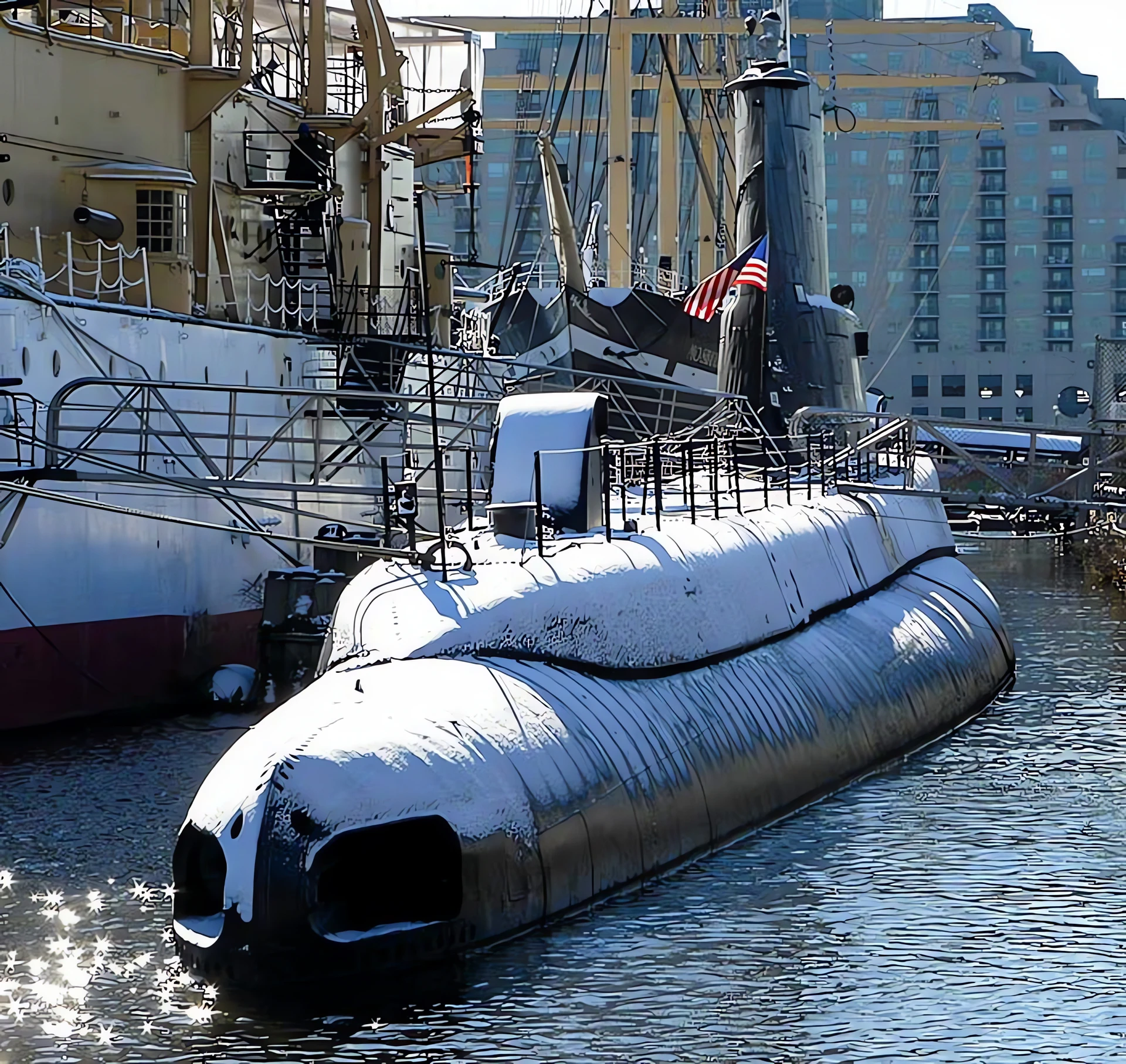
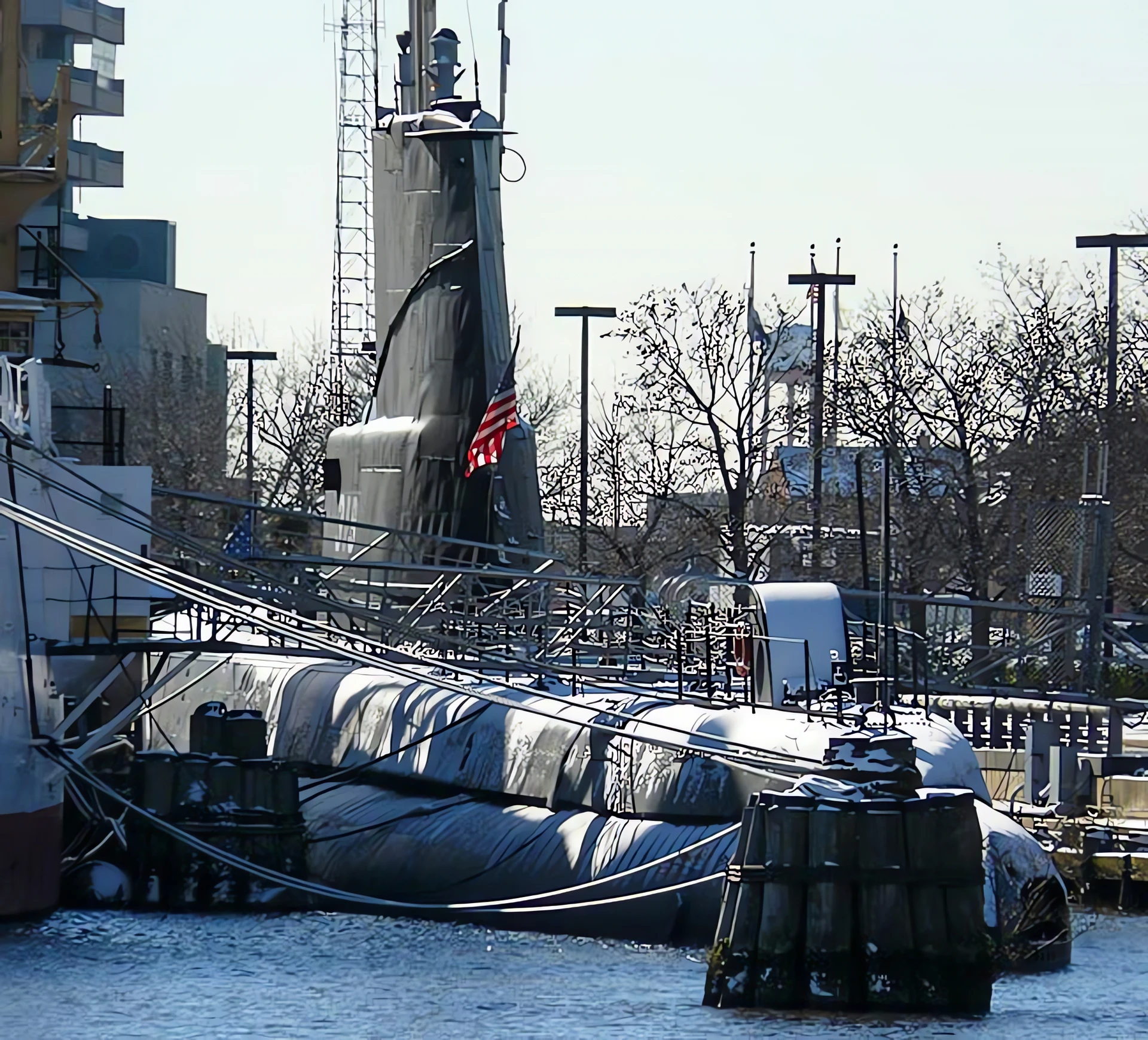
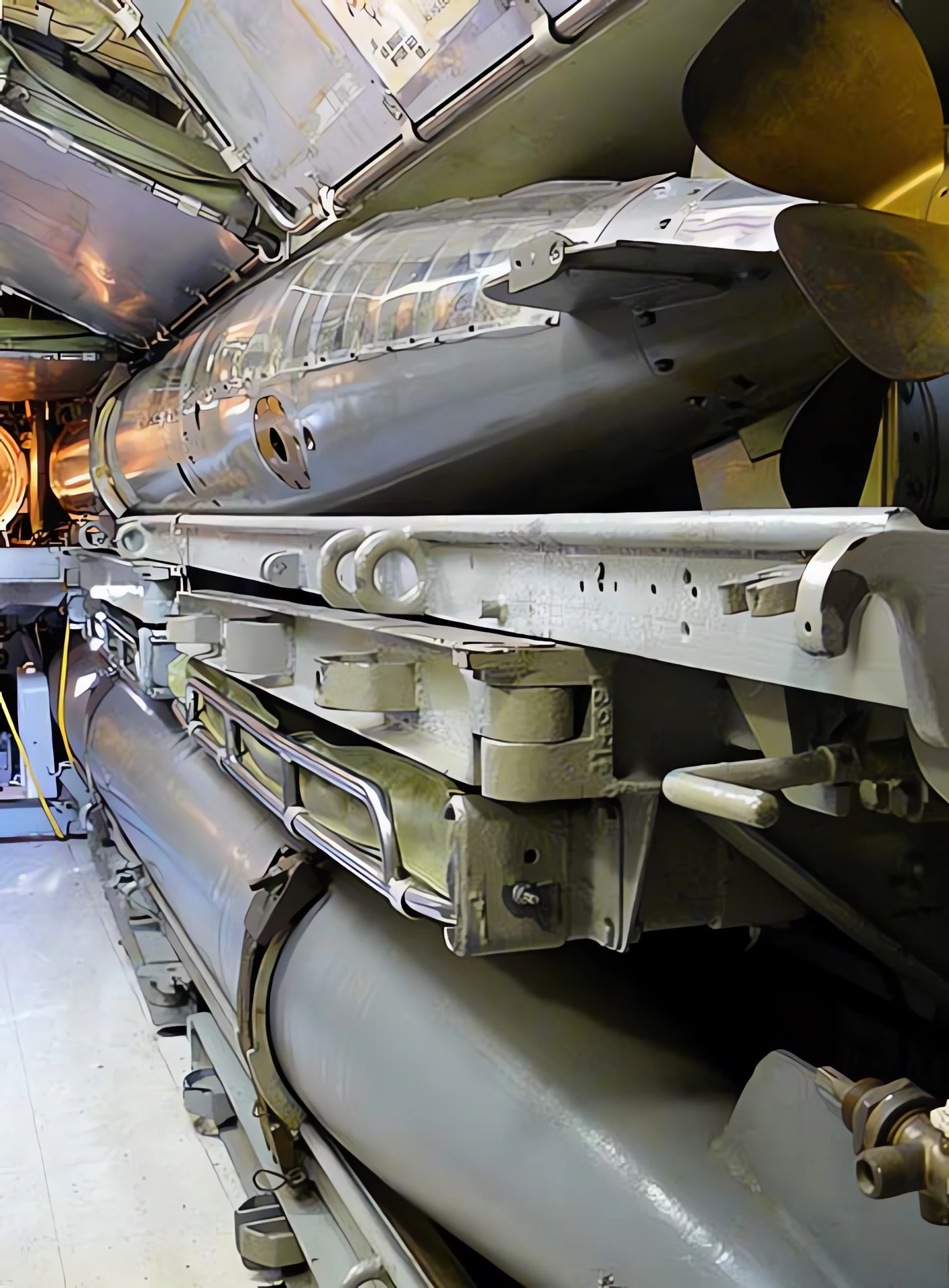
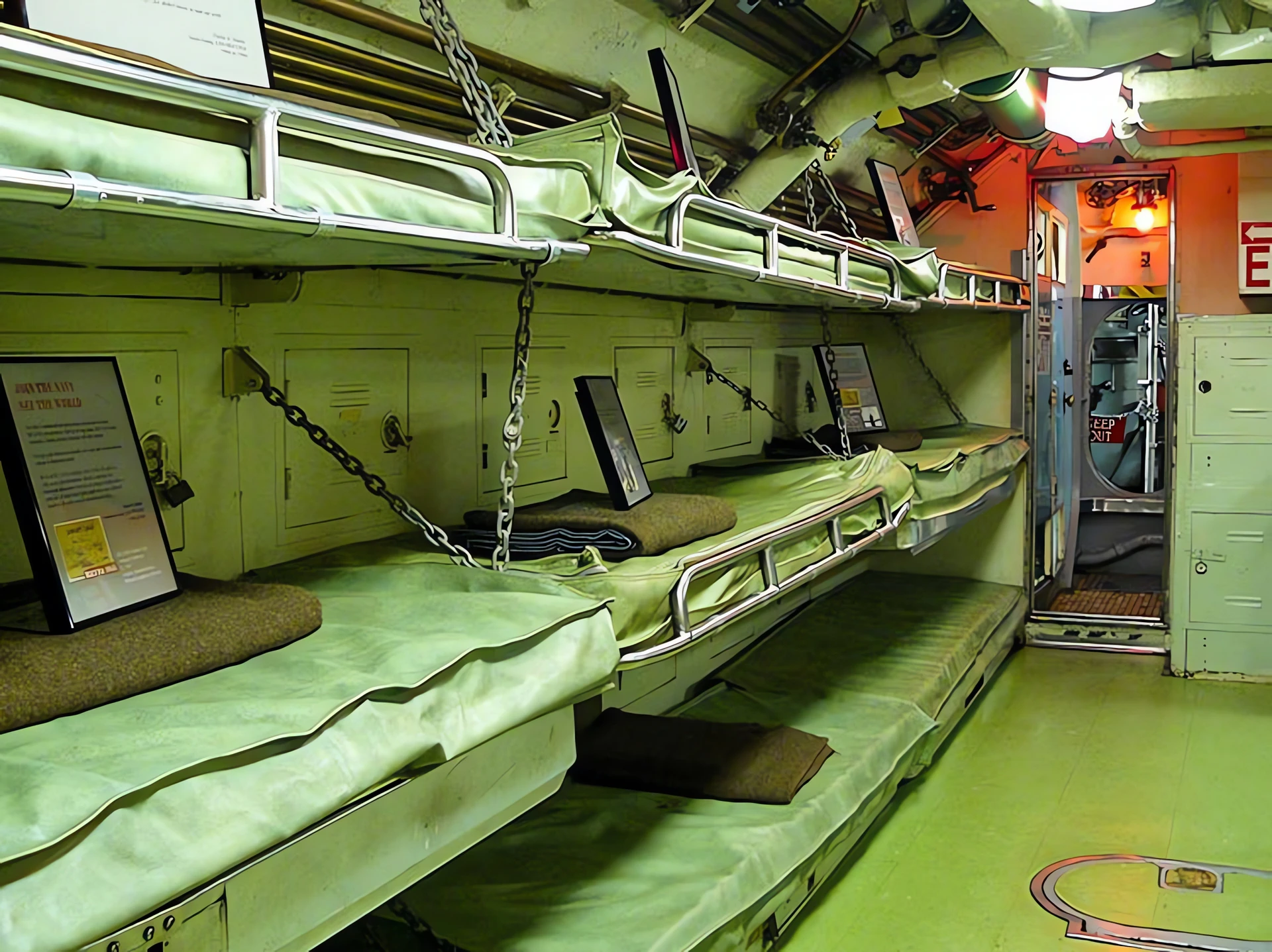


Zobacz też:


The Deep-Diving Fleet Submarine
Tthe USS Becuna jest Balao-class submarine, the most successful class of American submarines in World War II. Launched in 1944, the Becuna was a “fleet submarine,” designed to travel with the main battle fleet across the vast Pacific. Unlike the earlier Gato-class, the Balao-class utilized high-tensile steel (HTS), allowing it to dive to depths of 400 feet (120m), significantly safer from Japanese depth charges.
| Attribute | Technical Specification (WWII Configuration) |
|---|---|
| Klasa | Balao-class Diesel-Electric Submarine |
| Załogi | 10 Officers, 70-72 Enlisted |
| Uzbrojenie główne | 10 × 21-inch (533 mm) Torpedo Tubes (6 forward, 4 aft) |
| Deck Gun | 1 × 5-inch / 25 caliber dual-purpose gun |
| Zespół napędowy | 4 × Fairbanks-Morse Diesel Engines; 4 × Elliott Electric Motors |
| Surface Speed | 20.25 knots (37.5 km/h) |
| Submerged Speed | 8.75 knots (16 km/h) |
| Test Depth | 400 feet (122 m) |
The GUPPY Modernization
- Streamlining the Hull: In 1951, the Becuna underwent a GUPPY IA (Greater Underwater Propulsive Power) conversion. This removed the deck guns and replaced the bulky WWII bridge with a streamlined “sail” to reduce underwater drag.
- Snorkel System: The conversion added a “snorkel” (inspired by German technology), which allowed the submarine to run its diesel engines and recharge batteries while submerged at periscope depth.
- Battery Upgrades: The internal “Sargo” batteries were replaced with much larger, high-capacity battery banks, nearly doubling the boat’s submerged endurance and speed.
- Sonar Evolution: Her radar and sonar systems were upgraded throughout the 1950s and 60s, transitioning her from a surface-running raider to a true underwater Cold War interceptor.
Service and Preservation
- WWII Combat: During her five war patrols, the Becuna was credited with sinking several Japanese merchant ships and tankers, totaling thousands of tons, earning two battle stars.
- Cold War Role: Post-GUPPY, she operated primarily in the Atlantic and Mediterranean, tracking Soviet naval movements and participating in NATO exercises until her decommissioning in 1969.
- Museum Ship: Today, the Becuna is a National Historic Landmark. She is preserved at the Independence Seaport Museum in Philadelphia, Pennsylvania, where she is moored alongside the Spanish-American War cruiser USS Olympia.
Liczba wyświetleń : 1220
Możesz również zobaczyć:
 USS Cod – Zdjęcia i filmy
 USS Requin SS-481 – Zdjęcia i filmy
 USS Croaker – zdjęcia i filmy
 Inteligentny wieloryb – zdjęcia i filmy
 USS Pampanito (SS-383) – zdjęcia i filmy
 Seehund – Zdjęcia i filmy
 USS Blueback (SS-581) – zdjęcia i wideo
 USS Bowfin SS-287 – Zdjęcia & Wideo
 USS Lionfish SS-298 – Zdjęcia & Wideo
 U-Boot U-505 Type IXc – zdjęcia i film