
| Sud-Ouest Triton | |
|---|---|
| Kraju | Francja |
| Roli | Eksperymentalny samolot szkoleniowy |
| Pierwszy lot | 11 listopada 1946 |
| Zbudowany | 5+2 |
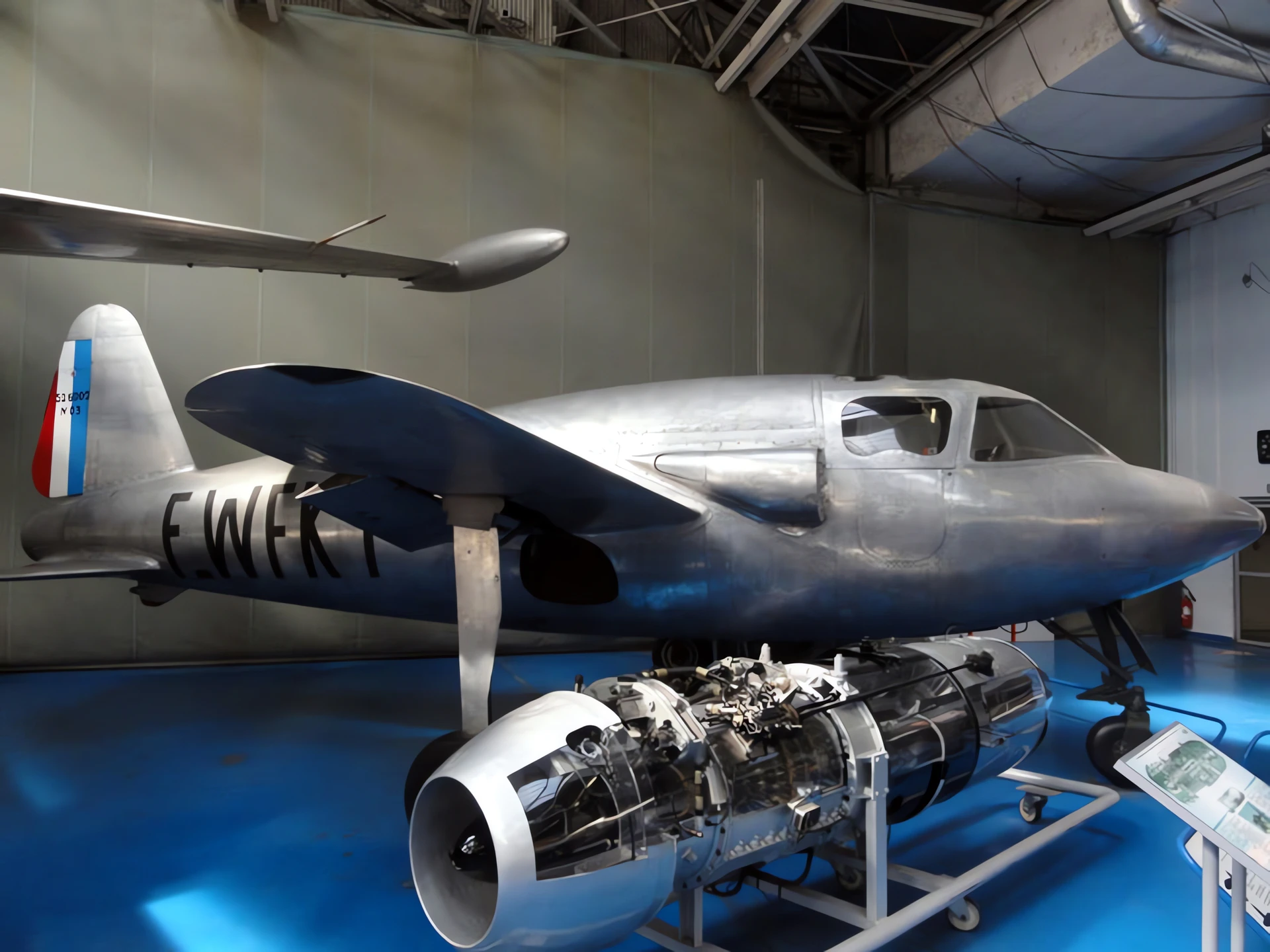
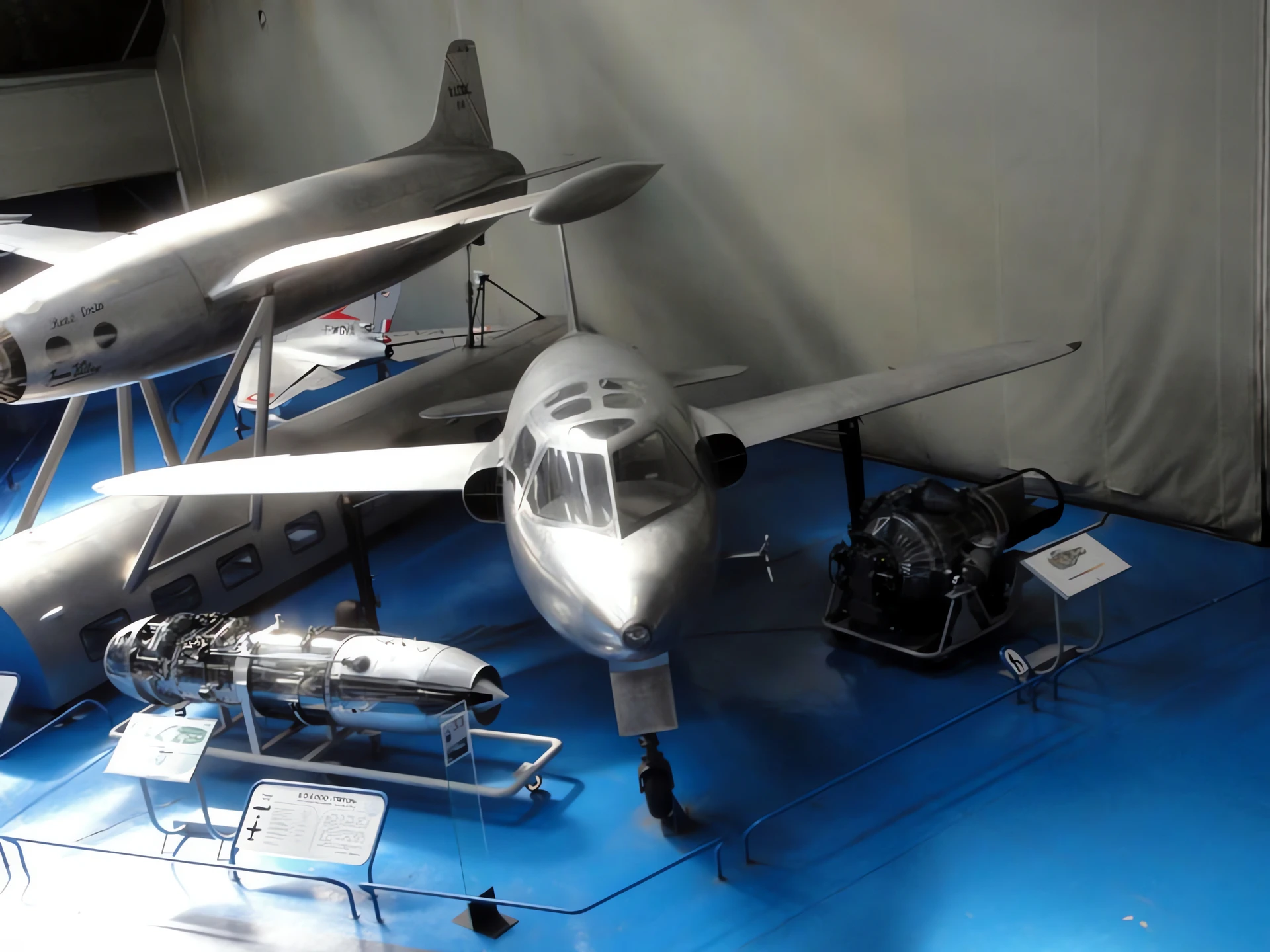
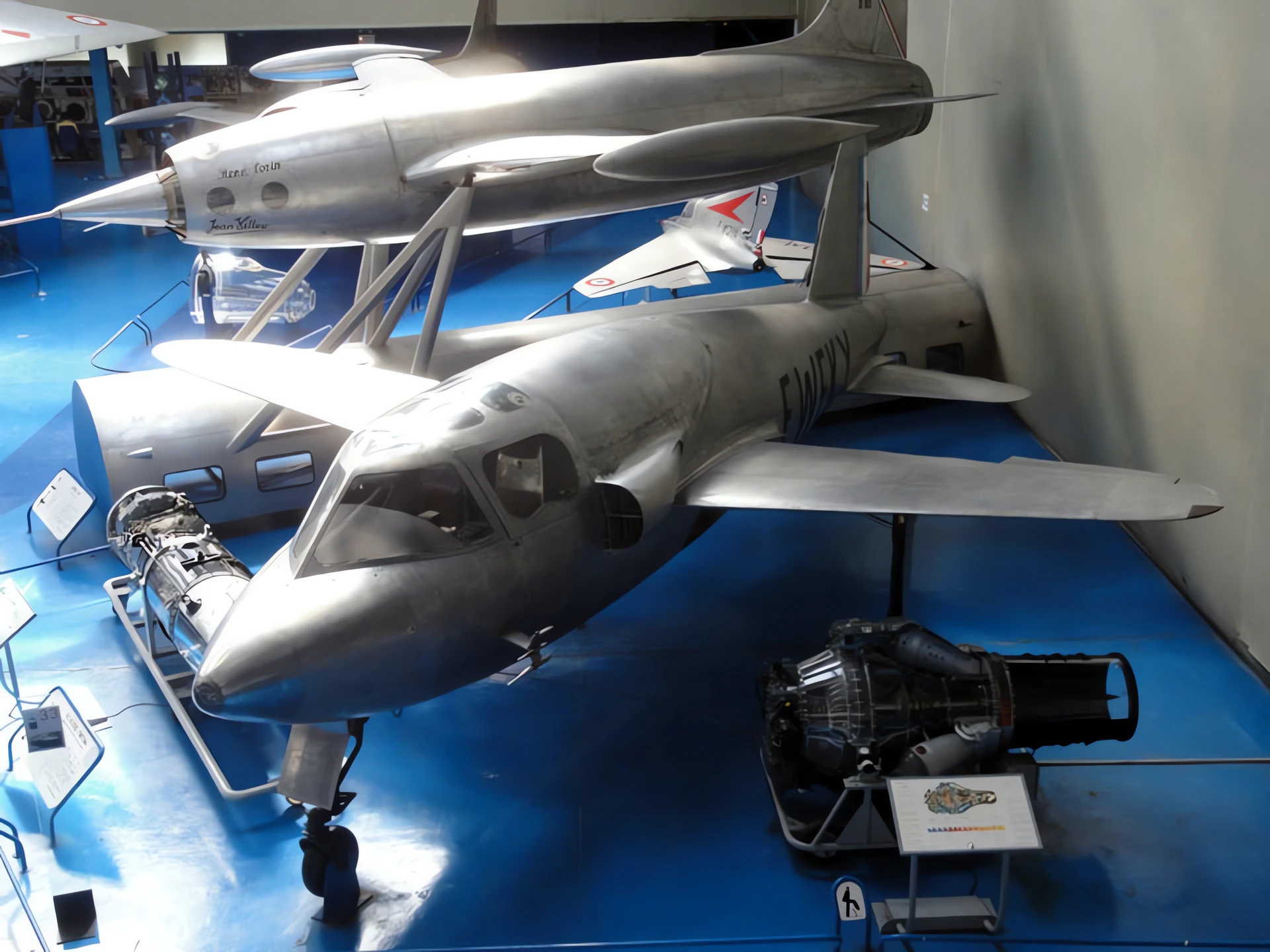
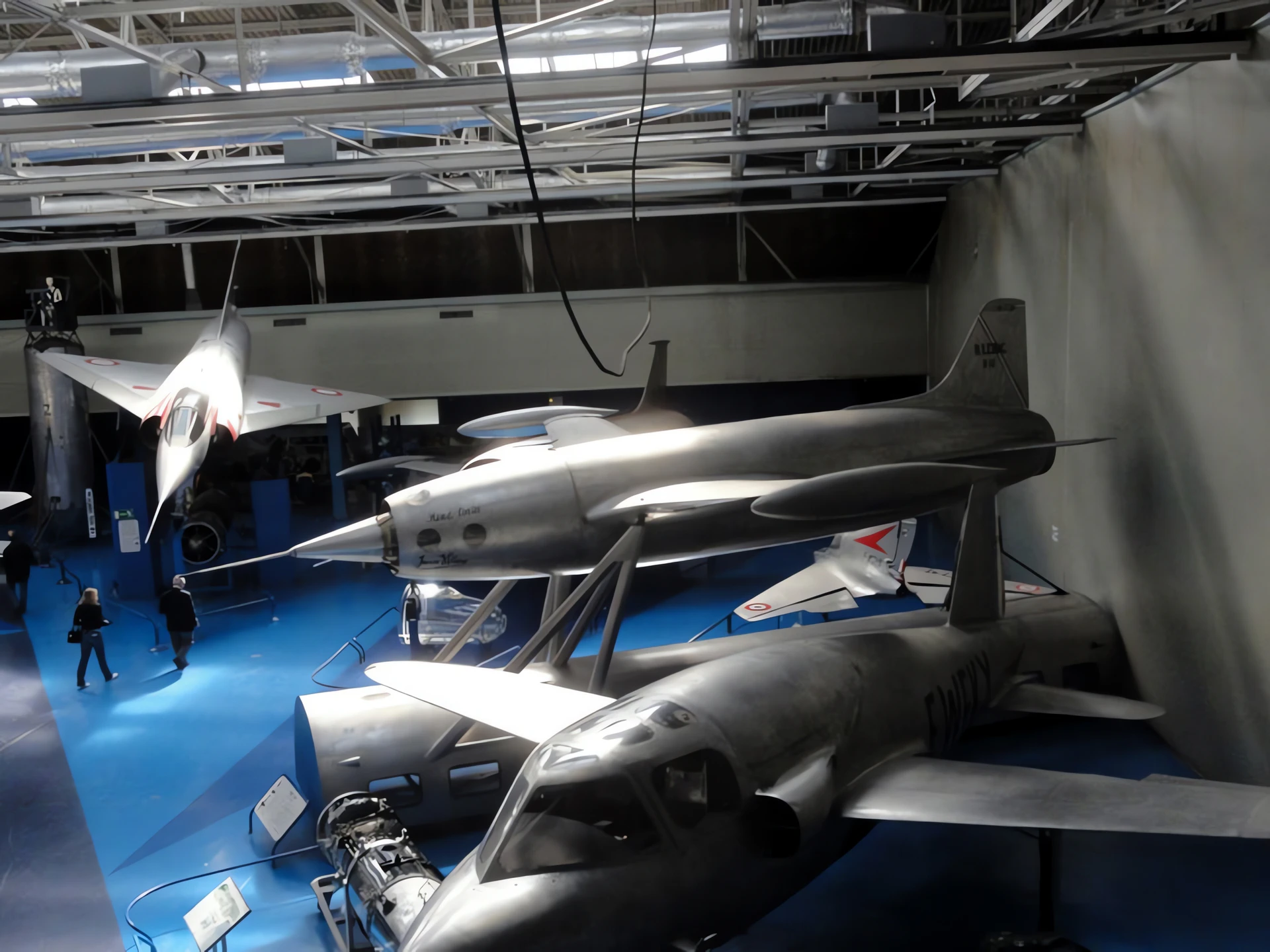
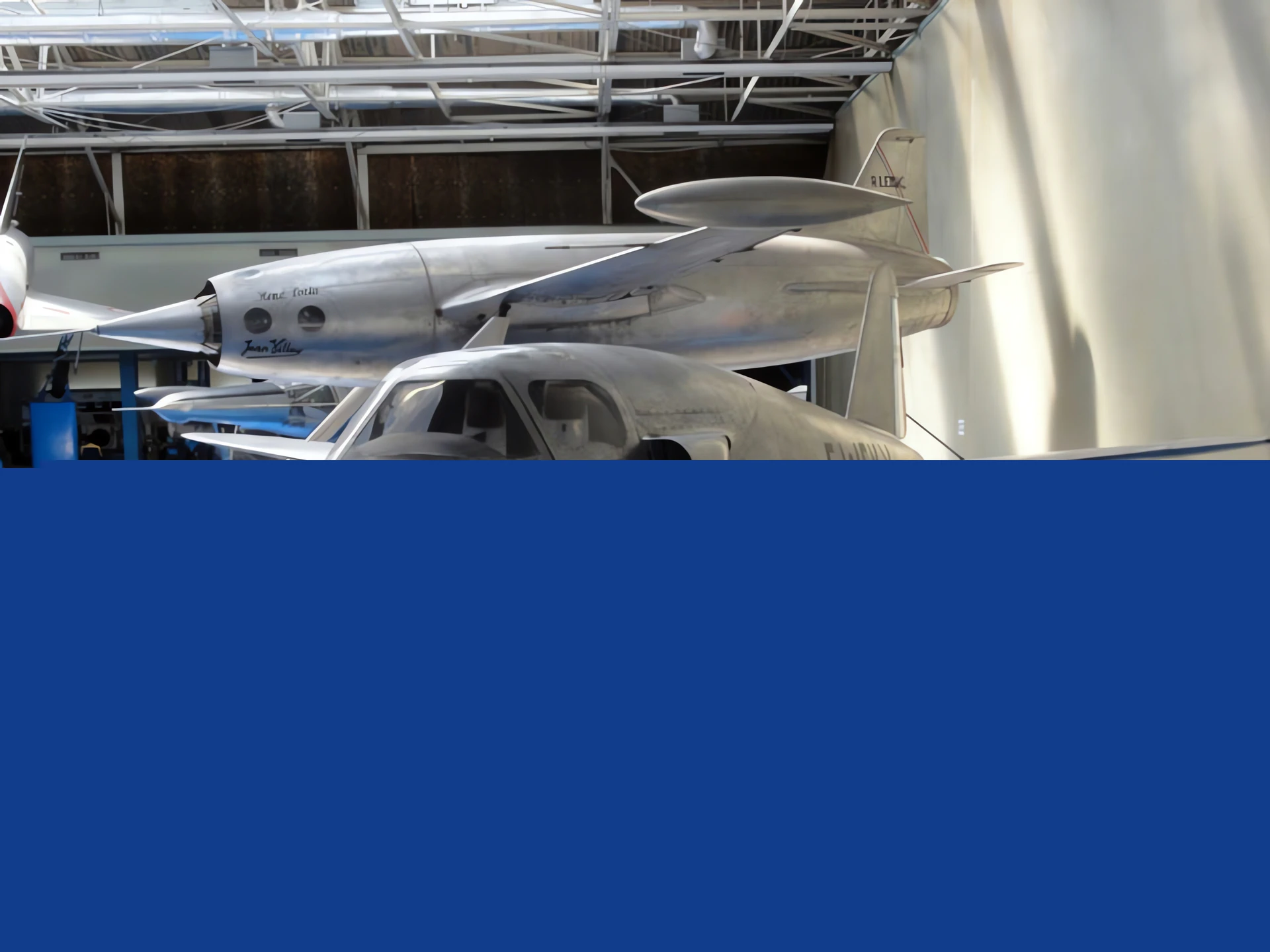
Tthe Sud-Ouest SO.6000 Tryton był pierwszym francuskim samolotem odrzutowym, który został wyprodukowany i został ukończony w 1940 roku przez SNCASO. Projekt SO.6000 rozpoczął się w 1943 roku, jako tajny projekt z powodu okupacji niemieckiej, pod kierownictwem inżyniera Luciena Servanty'ego. Krótko po wojnie rząd francuski wymagał zbudowania pięciu prototypów.
Źródła: Sud-Ouest Triton na Wikipedii
| Sud Aviation SO.6000 Triton Spacer | |
|---|---|
| Fotograf | Meindert de Vreeze |
| Lokalizacja | Niewiedzy |
| Zdjęcia | 26 |
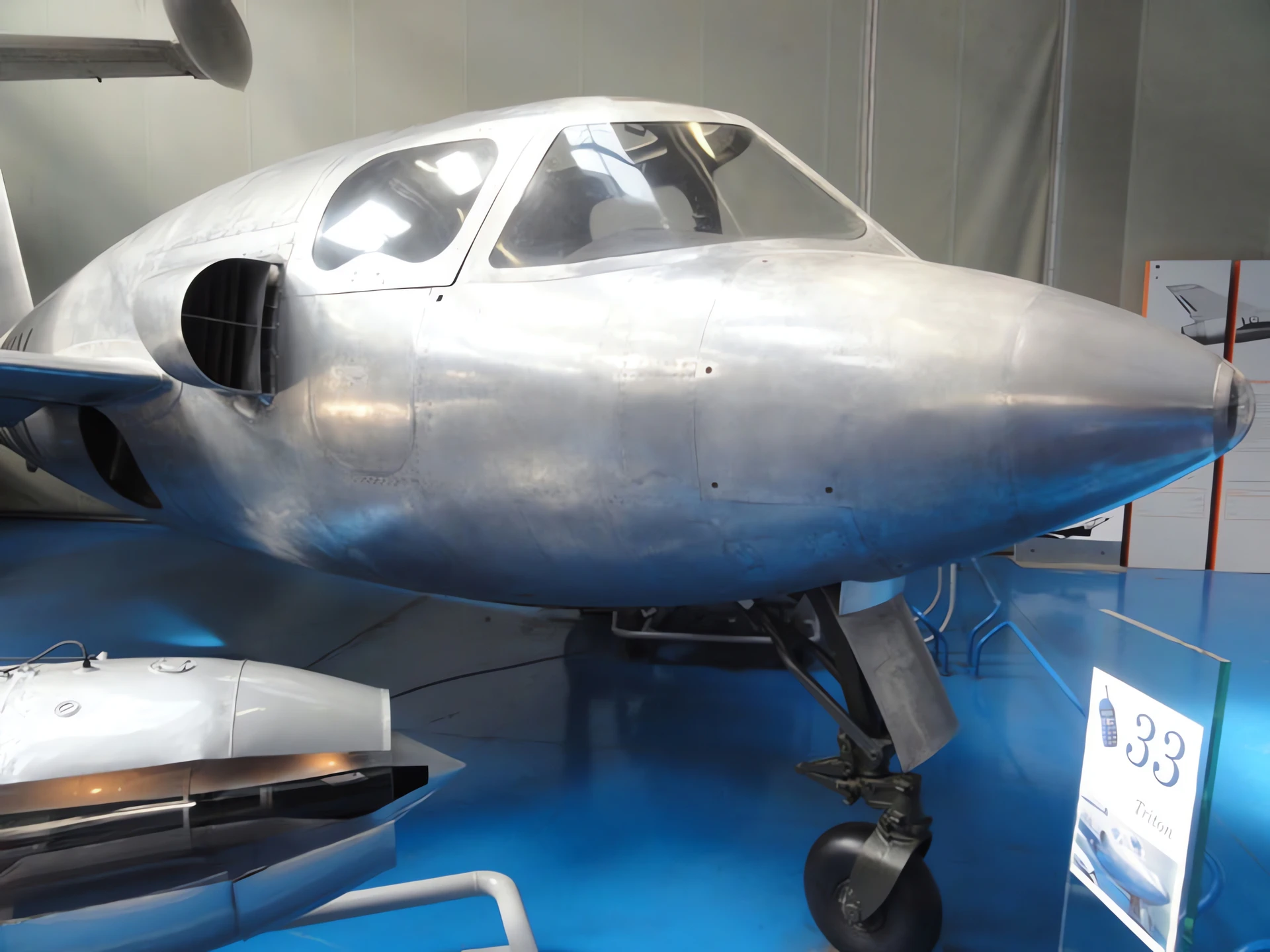
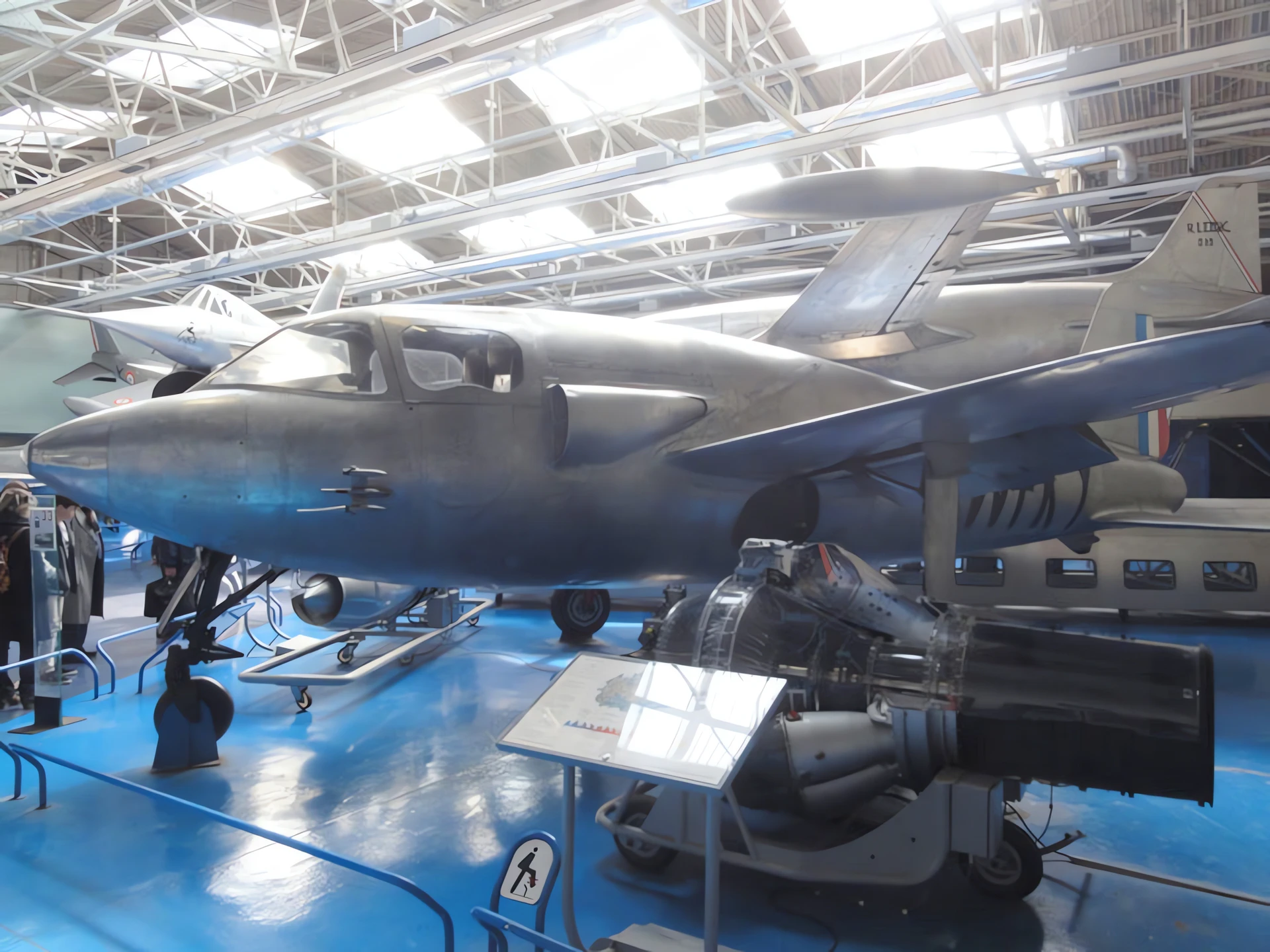
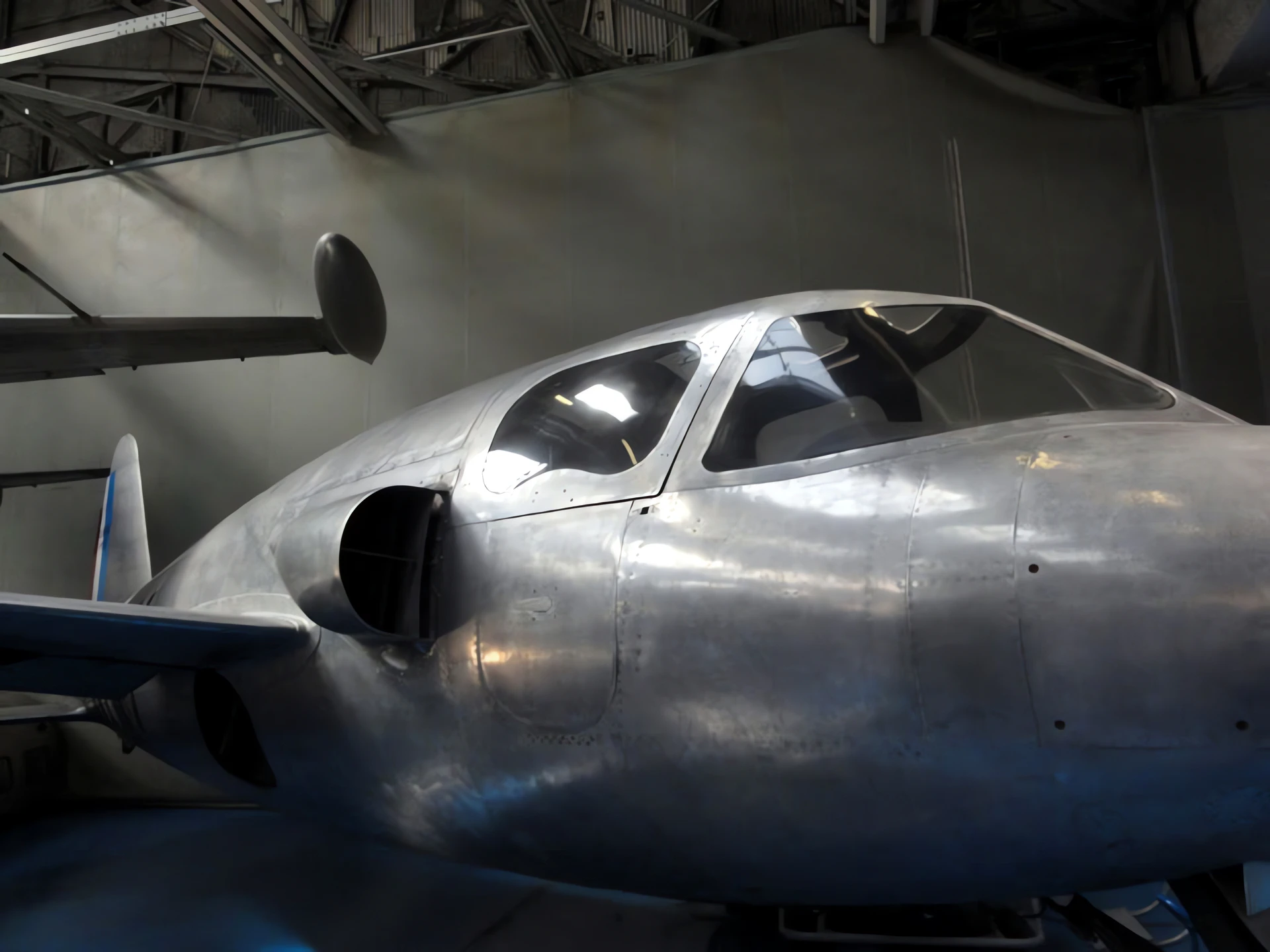
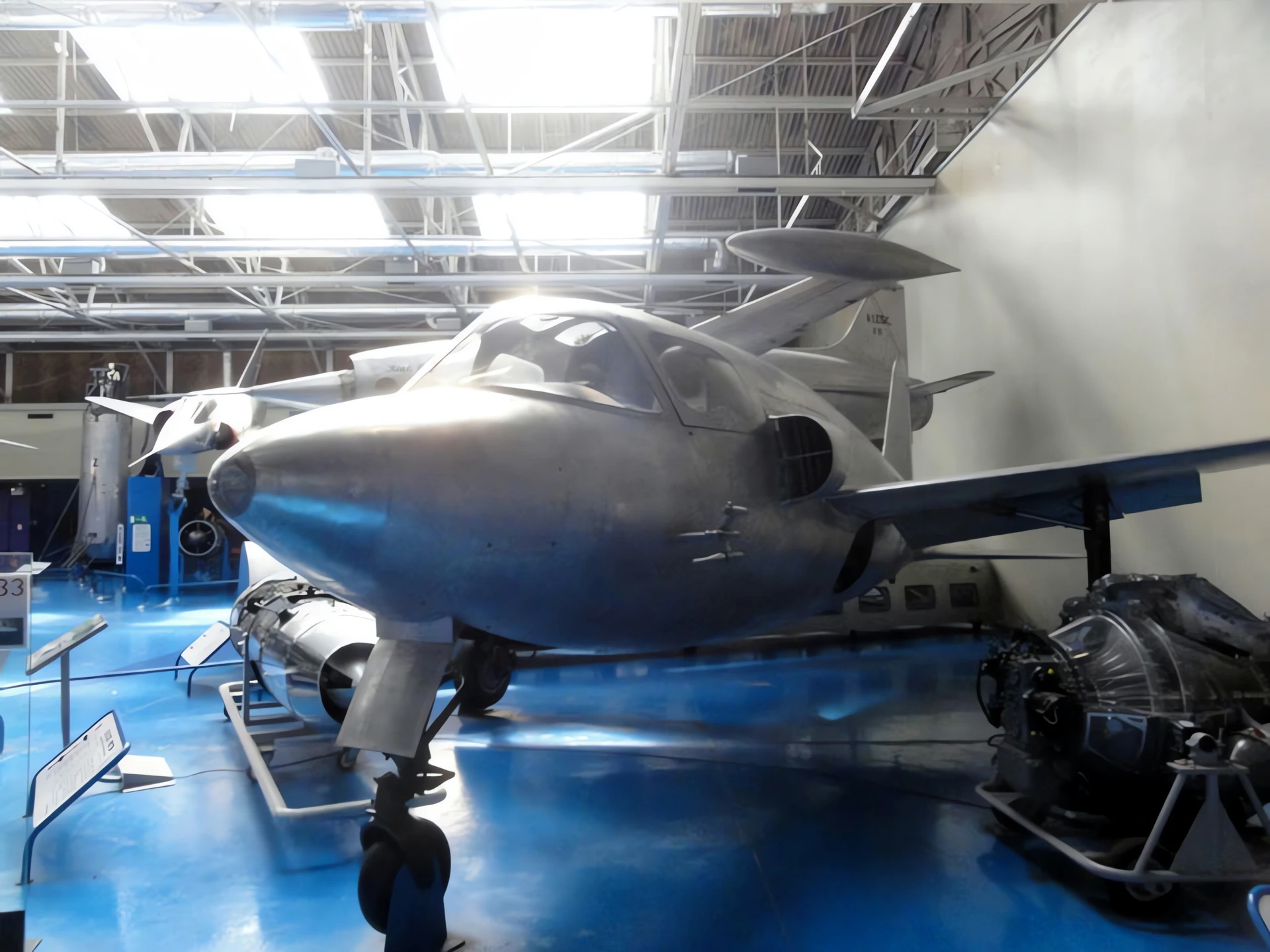

| SO.6000 Triton Spacer | |
|---|---|
| Fotograf | Niewiedzy |
| Lokalizacja | Niewiedzy |
| Zdjęcia | 28 |
Zobacz też:


The Secret Project of the Occupation
Tthe Sud-Ouest SO.6000 Tryton holds the distinction of being the first French-built jet aircraft. Remarkably, its design began in secret in 1943 during the German occupation of France. Under the leadership of Lucien Servanty, engineers worked clandestinely to ensure that France would not be left behind in the “Jet Age” once the war ended. The resulting aircraft was a side-by-side two-seat trainer, though its bulbous fuselage gave it an unconventional, somewhat rotund appearance.
| Attribute | Technical Specification (SO.6000 No. 01) |
|---|---|
| Roli | Experimental Jet Trainer |
| Załogi | 2 (Side-by-side) |
| First Flight | November 11, 1946 |
| Powerplant (Prototype) | 1 × Junkers Jumo 004B-2 axial-flow turbojet |
| Powerplant (Production) | 1 × Hispano-Suiza Nene (Rolls-Royce licensed) |
| Prędkość maksymalna | 593 mph (955 km/h) — With Nene engine |
| Rozpiętość | 32 ft 8 in (9.96 m) |
| Długość | 34 ft 2 in (10.41 m) |
Engineering and Design Peculiarities
- Side-by-Side Seating: Unlike many contemporary jet trainers that opted for tandem (one-behind-the-other) seating, the Triton featured a wide cockpit for side-by-side instruction. This contributed to its wide, “barrel-like” fuselage profile.
- The German Engine Paradox: Ironically, the first flight of France’s “sovereign” jet was powered by a captured German Junkers Jumo 004 engine, as the intended French engines were not yet ready.
- The “Nose” Intake: The Triton used a classic early-jet nose intake. In later prototypes, this was refined into a large, gaping circular intake that fed air directly back to the centrifugal-flow Rolls-Royce Nene engine.
- Mid-Wing Design: The aircraft featured a straight, mid-mounted wing. This was a conservative aerodynamic choice compared to the swept-wing designs being explored in the US and USSR at the same time, reflecting the project’s early 1943 origins.
Legacy: The Foundation of French Jet Power
- Limited Production: Only five prototypes were ever built. While the Triton itself never entered mass production, it served as an invaluable testbed for French pilots and engineers to learn the nuances of high-speed jet flight.
- The “Nene” Connection: The installation of the British-designed, French-built Nene engine in the Triton began a long and successful partnership between Hispano-Suiza and Rolls-Royce, which powered many early French jet fighters.
- Birth of the Concorde Engineer: The Triton’s lead designer, Lucien Servanty, later became the chief French engineer for the Concorde supersonic transport, showing a direct lineage from this experimental jet to the pinnacle of civil aviation.
- Survivor: The first prototype (No. 01) is preserved and on display at the Musée de l’Air et de l’Espace at Le Bourget Airport near Paris.
Liczba wyświetleń : 1458
Możesz również zobaczyć:
 Douglas World Cruiser – Zdjęcia & Filmy
 Kellett K-2 – Zdjęcia i filmy
 Travel Air 2000 – Zdjęcia i filmy
 Culver PQ-14 Cadet – Zdjęcia & Video
 Northrop F-20 Tigershark – Zdjęcia & Wideo
 Aeronca L-3 – Zdjęcia & wideo
 McDonnell F2H Banshee – Zdjęcia & Video
 Macchi MC-202 – WalkAround
 Fairey Bitwa – WalkAround
 Hawker Sea Fury – Spacer