Fairey III | |
|---|---|
| Kraju | Uk |
| Roli | samolot rozpoznawczy |
| Pierwszy lot | 14 września 1917 |
| Zbudowany | 964 |
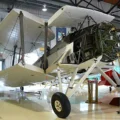
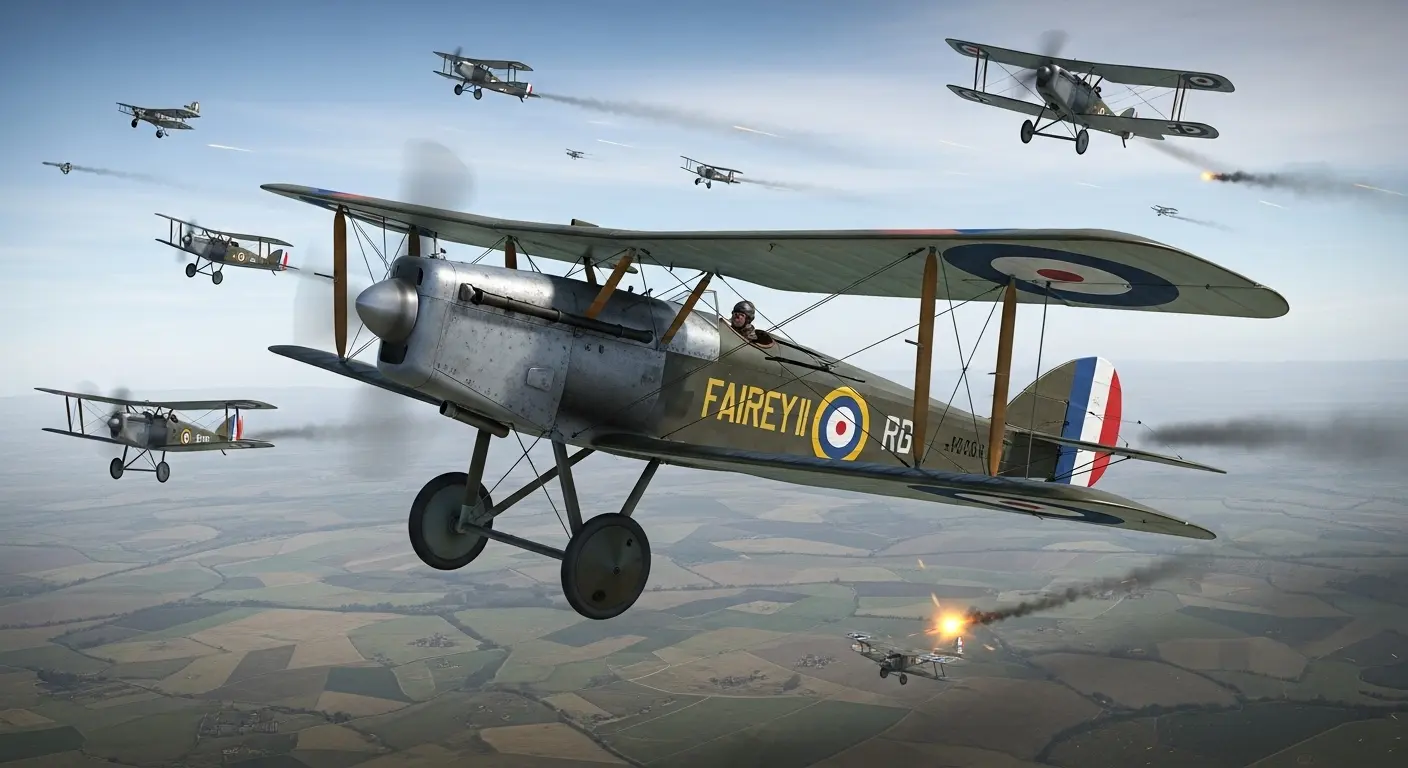
The Fairey Aviation Company Fairey III była rodziną brytyjskich dwupłatowców rozpoznawczych, które cieszyły się bardzo długą historią produkcji i służby zarówno w wersji samolotów lądowych, jak i wodnosamolotów. Po raz pierwszy oblatany 14 września 1917 roku, egzemplarze były nadal w użyciu podczas II wojny światowej.
Źródła: Fairey III na Wikipedii
| Fairey IIID Walk Around | |
|---|---|
| Fotografów | Niewiedzy |
| Lokalizacja | Niewiedzy |
| Zdjęcia | 12 |
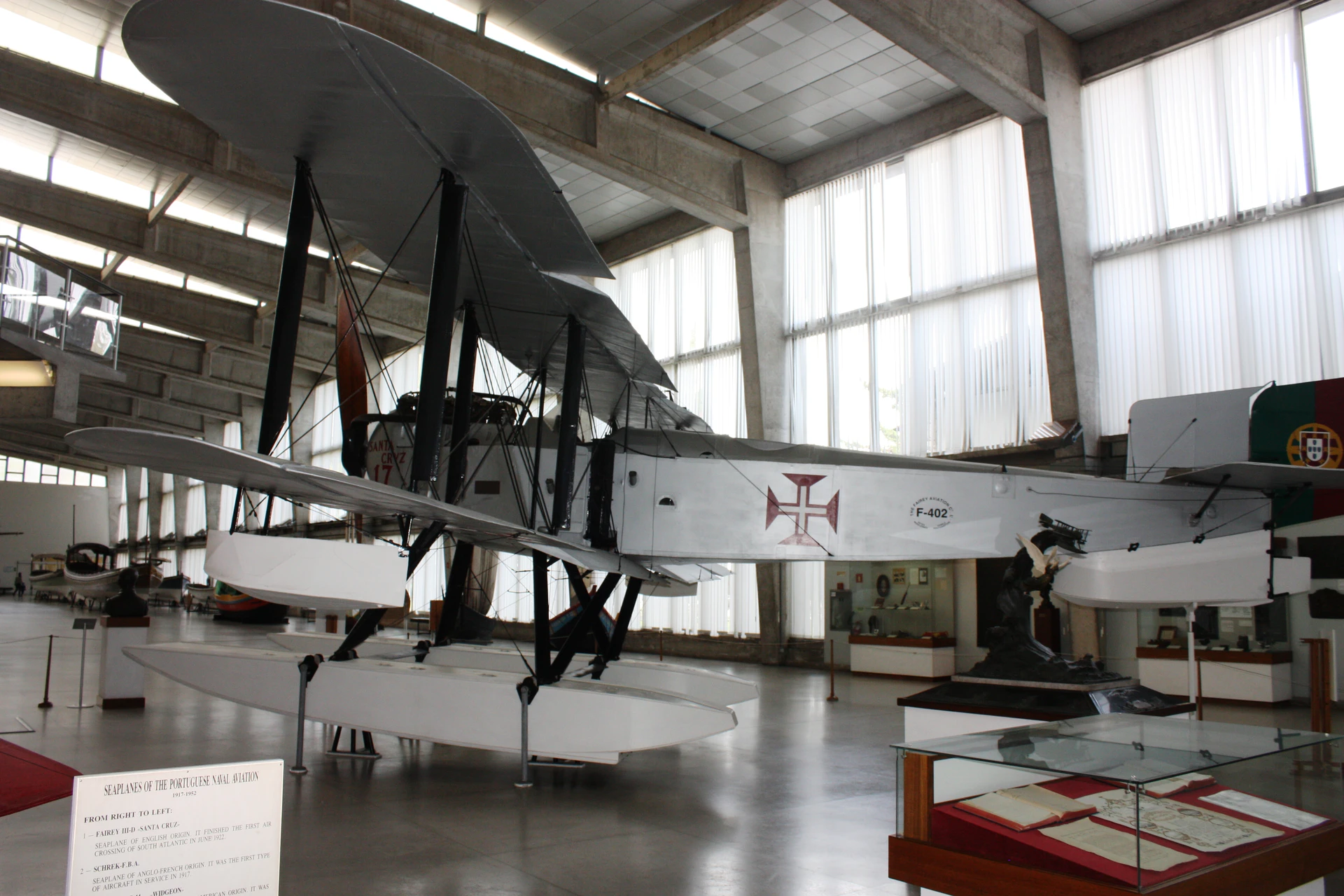
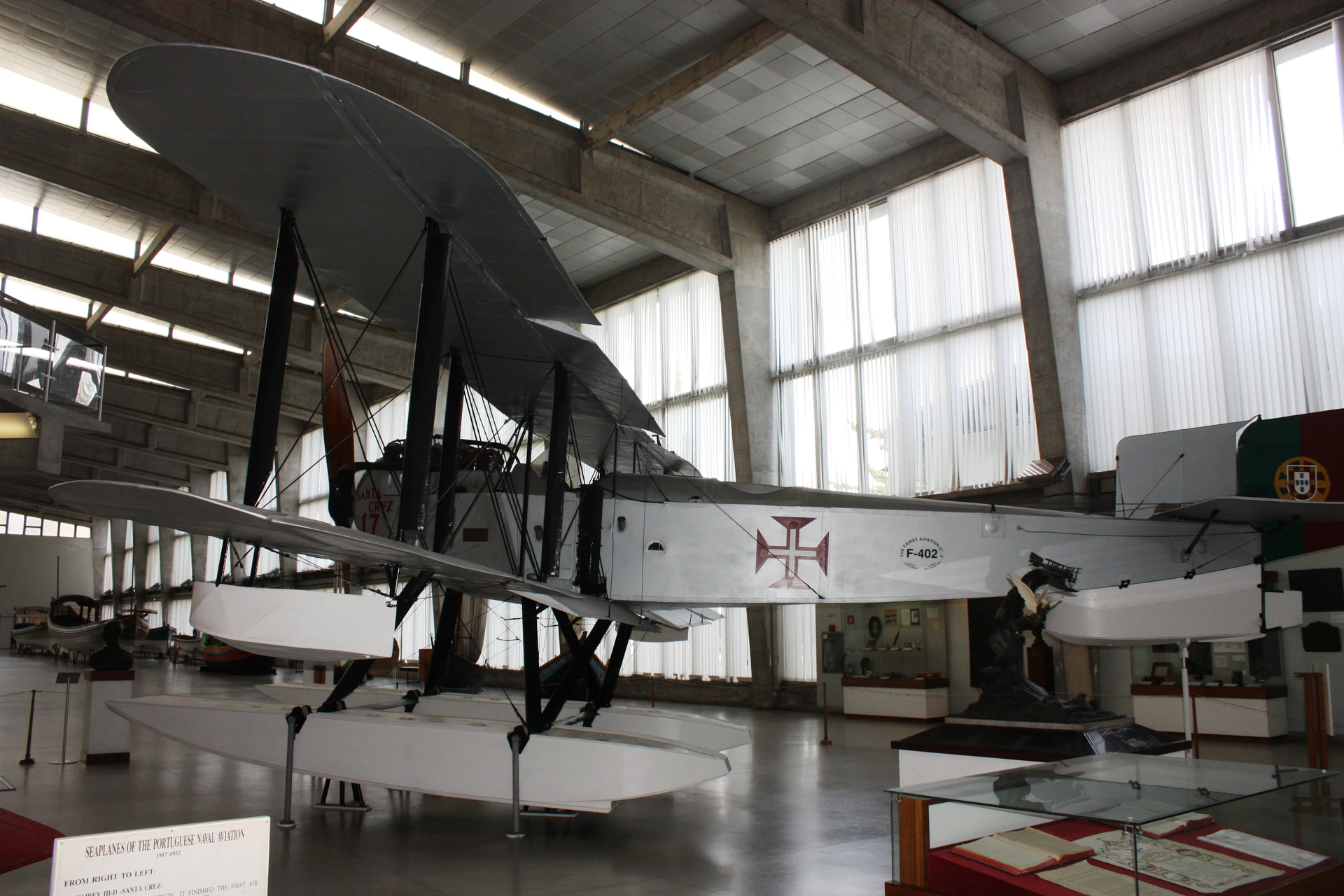


Zobacz też:


The Quintessential Interwar Workhorse
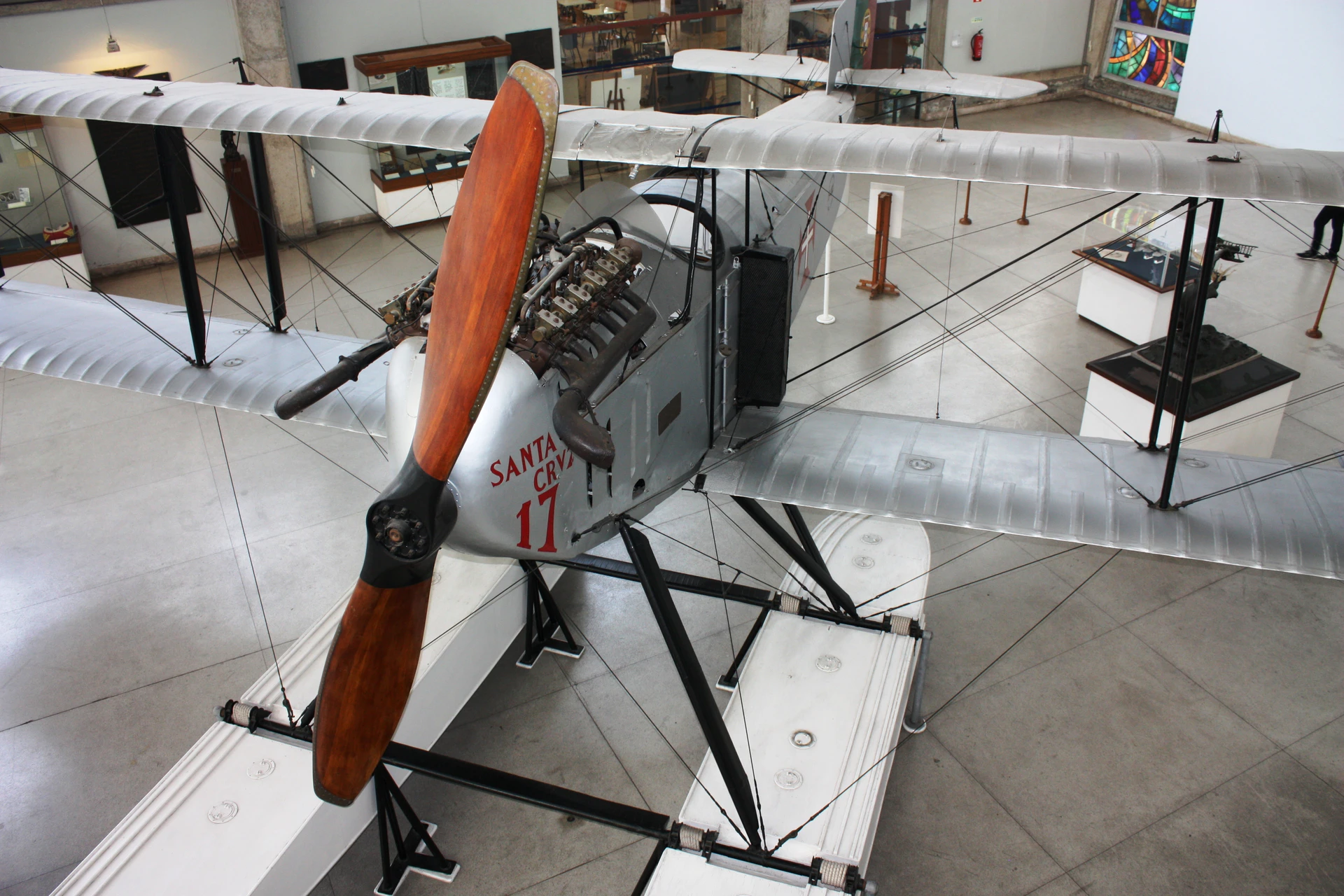
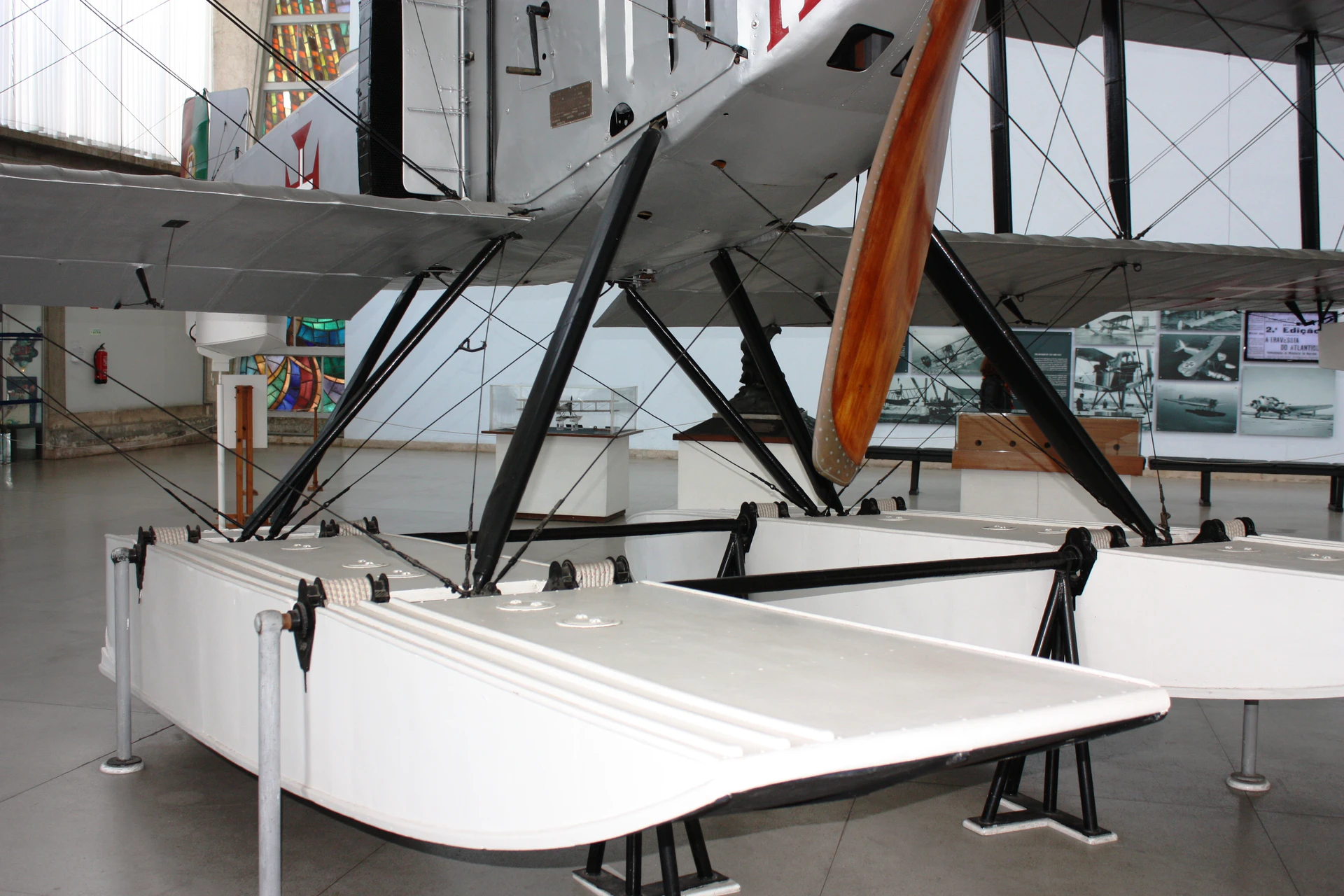
Tthe Fairey IIID was a three-seat spotter/reconnaissance aircraft that became a cornerstone of British naval aviation in the 1920s. An evolution of the earlier Fairey III series, the “D” model was significantly improved with a wooden airframe and the ability to be fitted with either a conventional wheeled undercarriage or large twin floats. Its reliability and adaptability allowed it to perform everything from artillery spotting and reconnaissance to long-range postal flights across the British Empire.
| Attribute | Standard Specification (Fairey IIID) |
|---|---|
| Roli | Reconnaissance / Spotter / Floatplane |
| Załogi | 3 (Pilot, Observer, and Gunner) |
| First Flight | 1920 |
| Primary Engine | 1 × Napier Lion IIB or V (W-12 water-cooled) |
| Horsepower | 450 hp (336 kW) |
| Prędkość maksymalna | 193 km/h (120 mph) at sea level |
| Service Ceiling | 6,100 meters (20,000 ft) |
| Uzbrojenie | 1 × fixed forward .303 Vickers; 1 × .303 Lewis gun in rear |
Design Features: The Napier Lion and Variable Camber
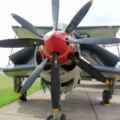
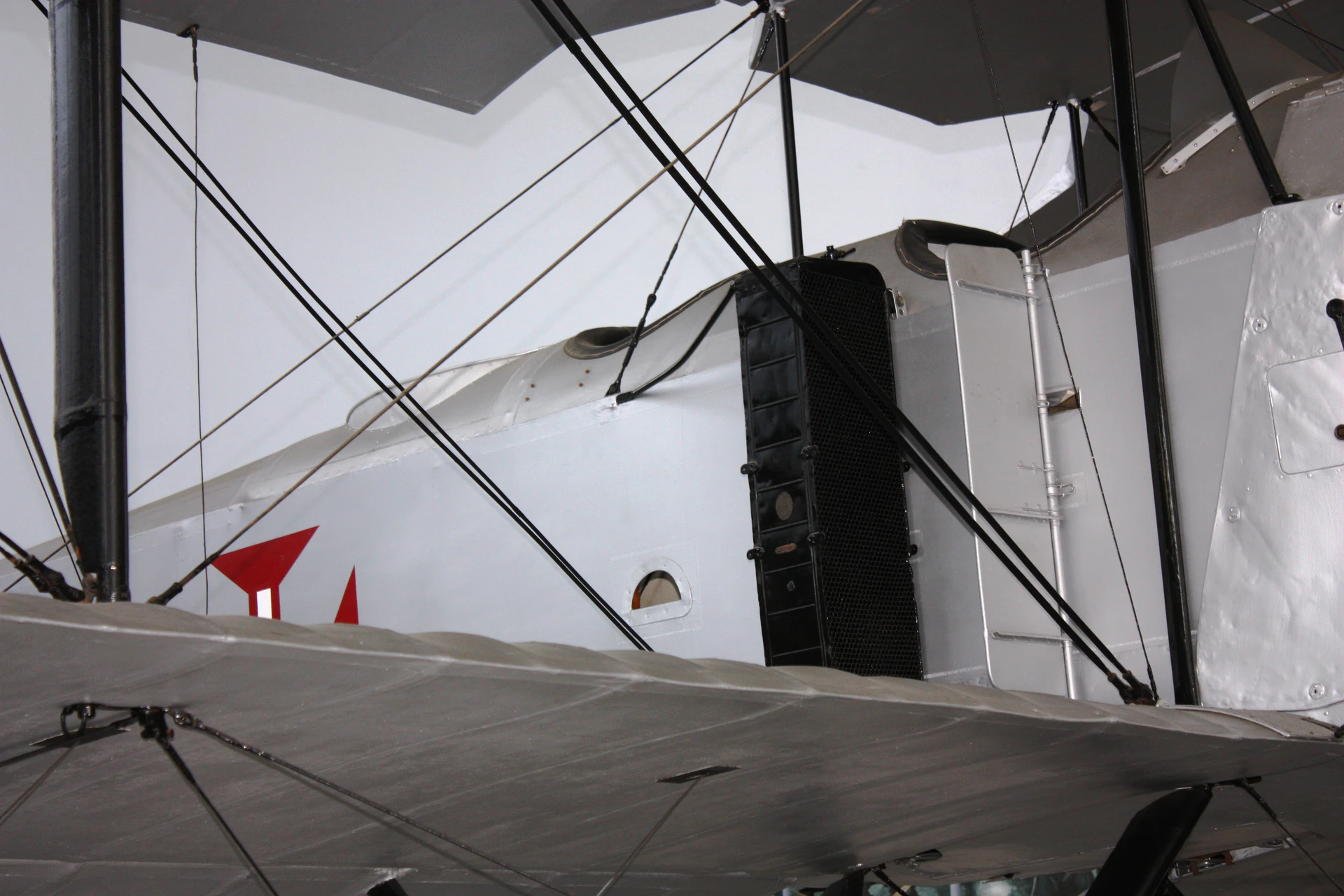
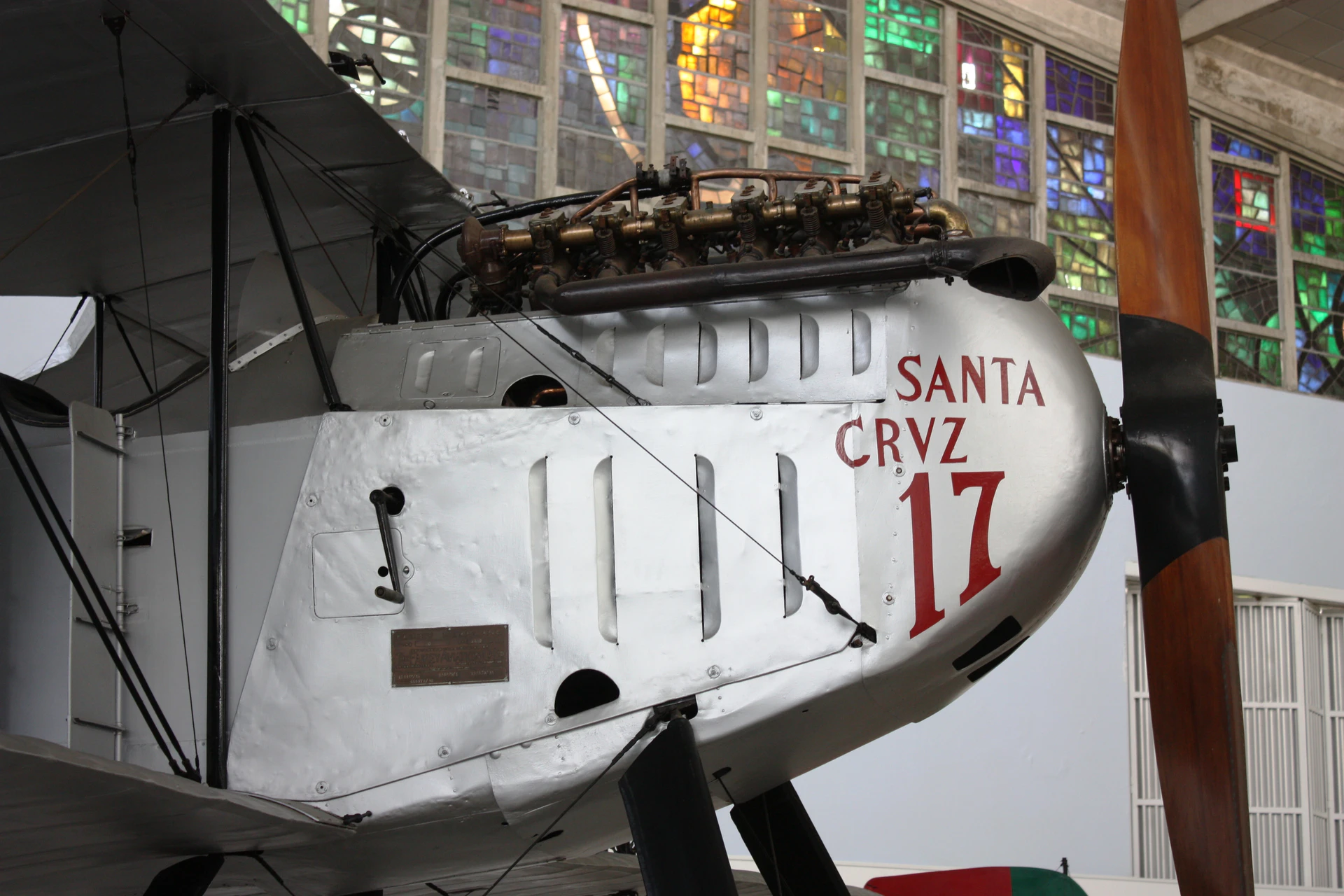
- The “W-12” Napier Lion: Most IIIDs were powered by the distinctive Napier Lion engine. Its “broad arrow” configuration (three banks of four cylinders) provided exceptional power for the era, though it required a massive frontal radiator that gave the IIID its blunt-nosed appearance.
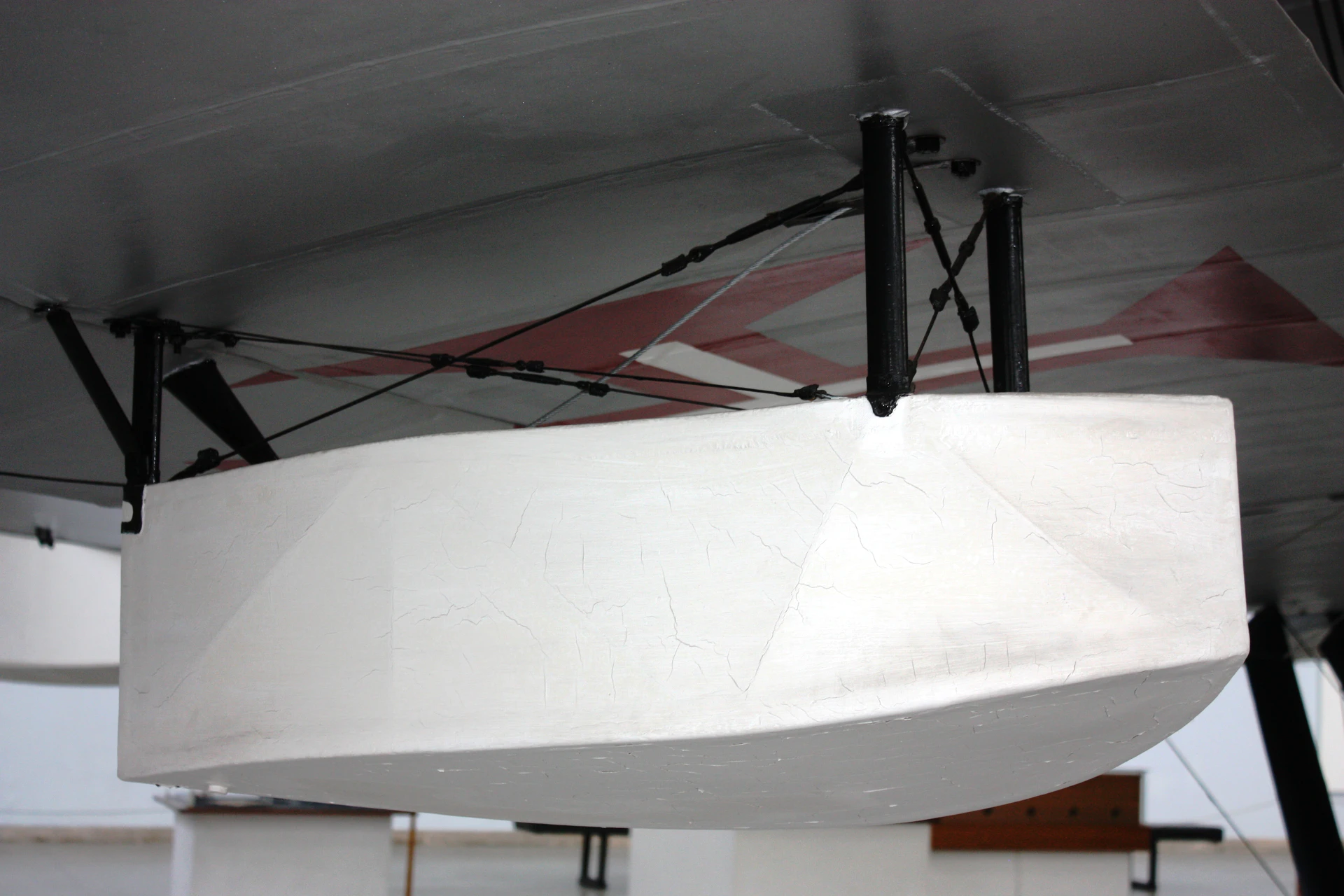
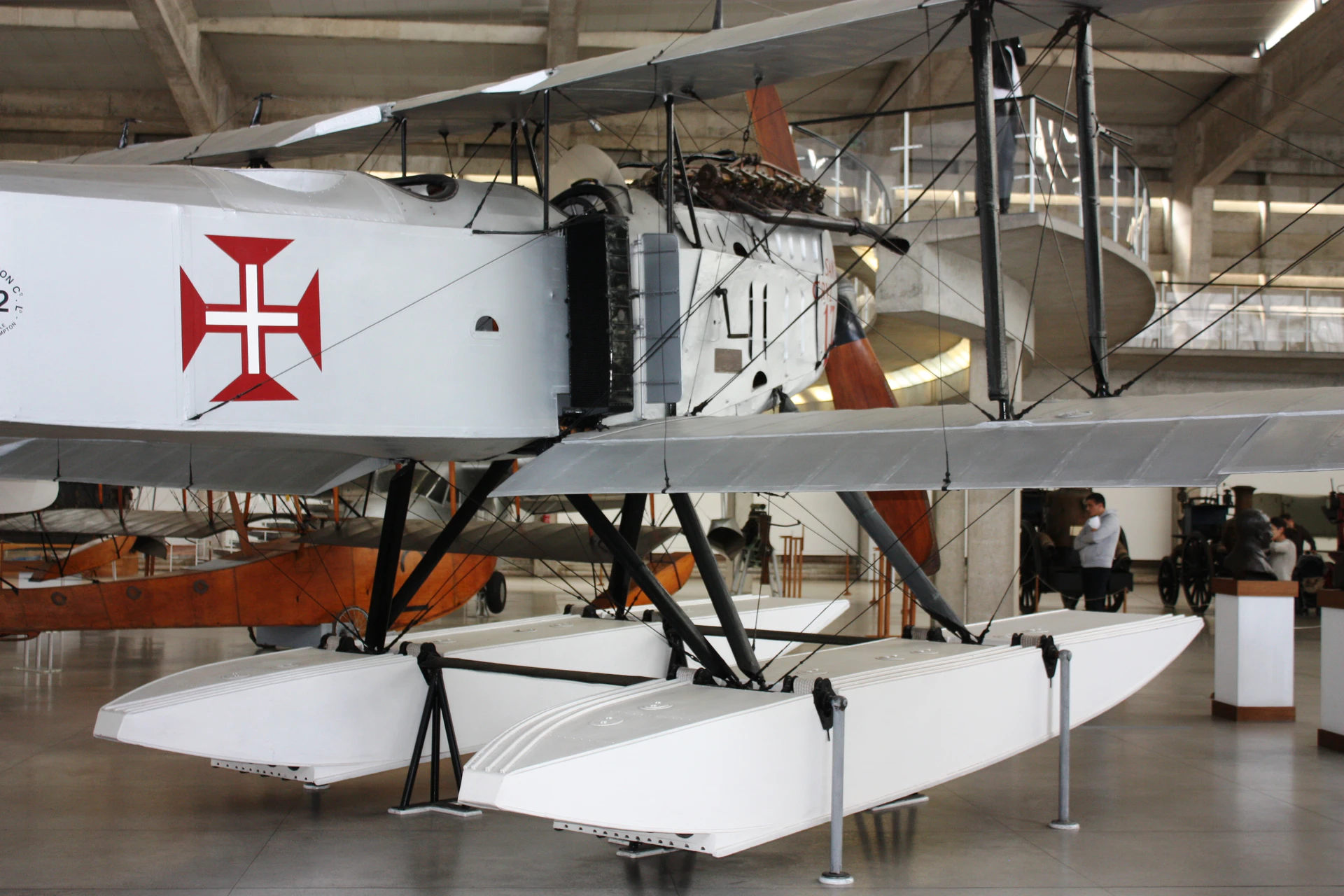
- Interchangeable Gear: One of the IIID’s greatest strengths was its modularity. It could be converted from a ship-borne floatplane to a land-based airfield aircraft in just a few hours by swapping the floats for a split-axle wheeled undercarriage.
- Fairey Patent Flaps: The IIID featured “variable camber” trailing edge flaps. These allowed the pilot to increase lift for short takeoffs from aircraft carriers or water, while maintaining high-speed efficiency during cruise.
- Folding Wings: To save space on the cramped hangars of early aircraft carriers like HMS Eagle and HMS Argus, the IIID’s wings folded rearward alongside the fuselage.
Operational History & Record Flights
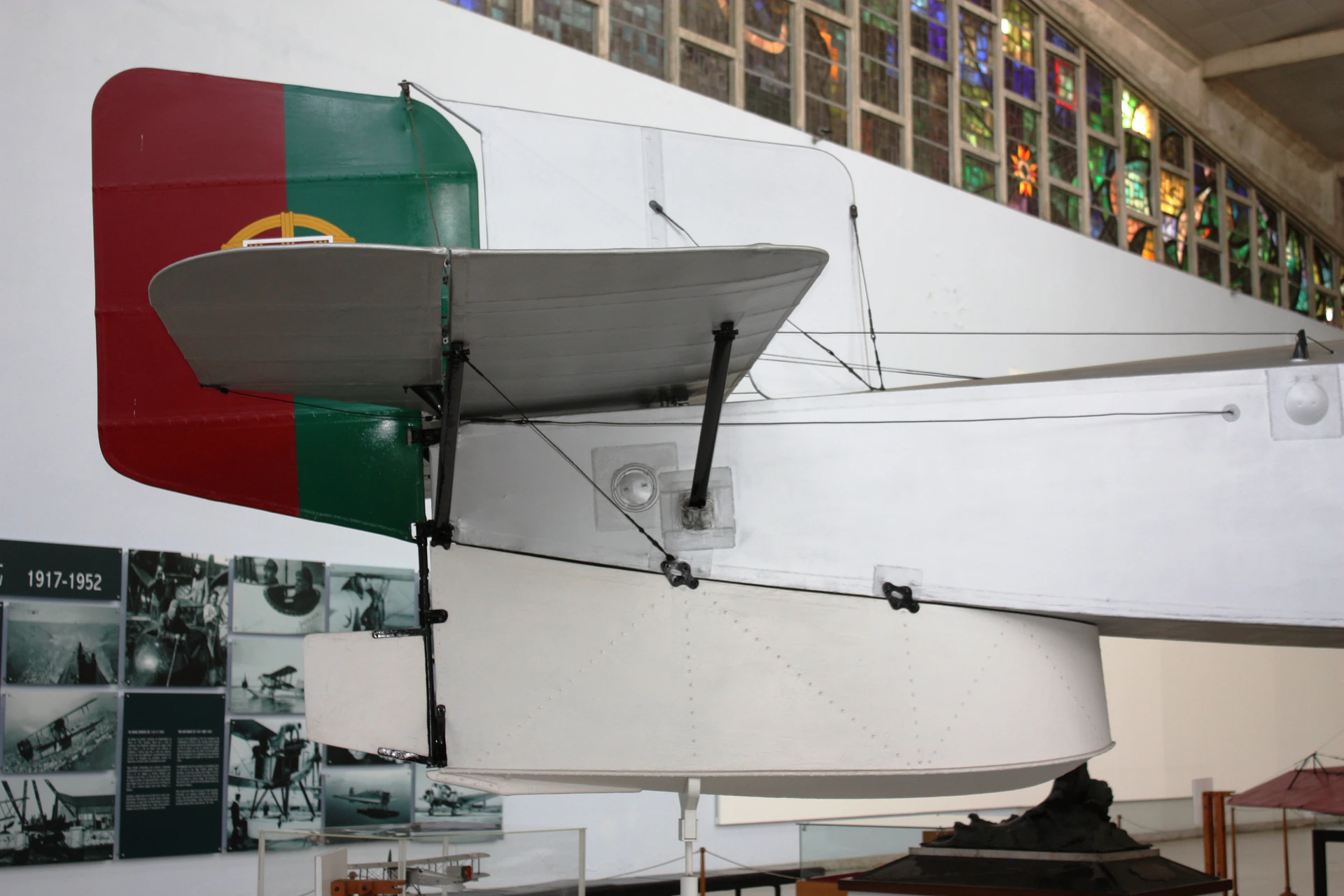
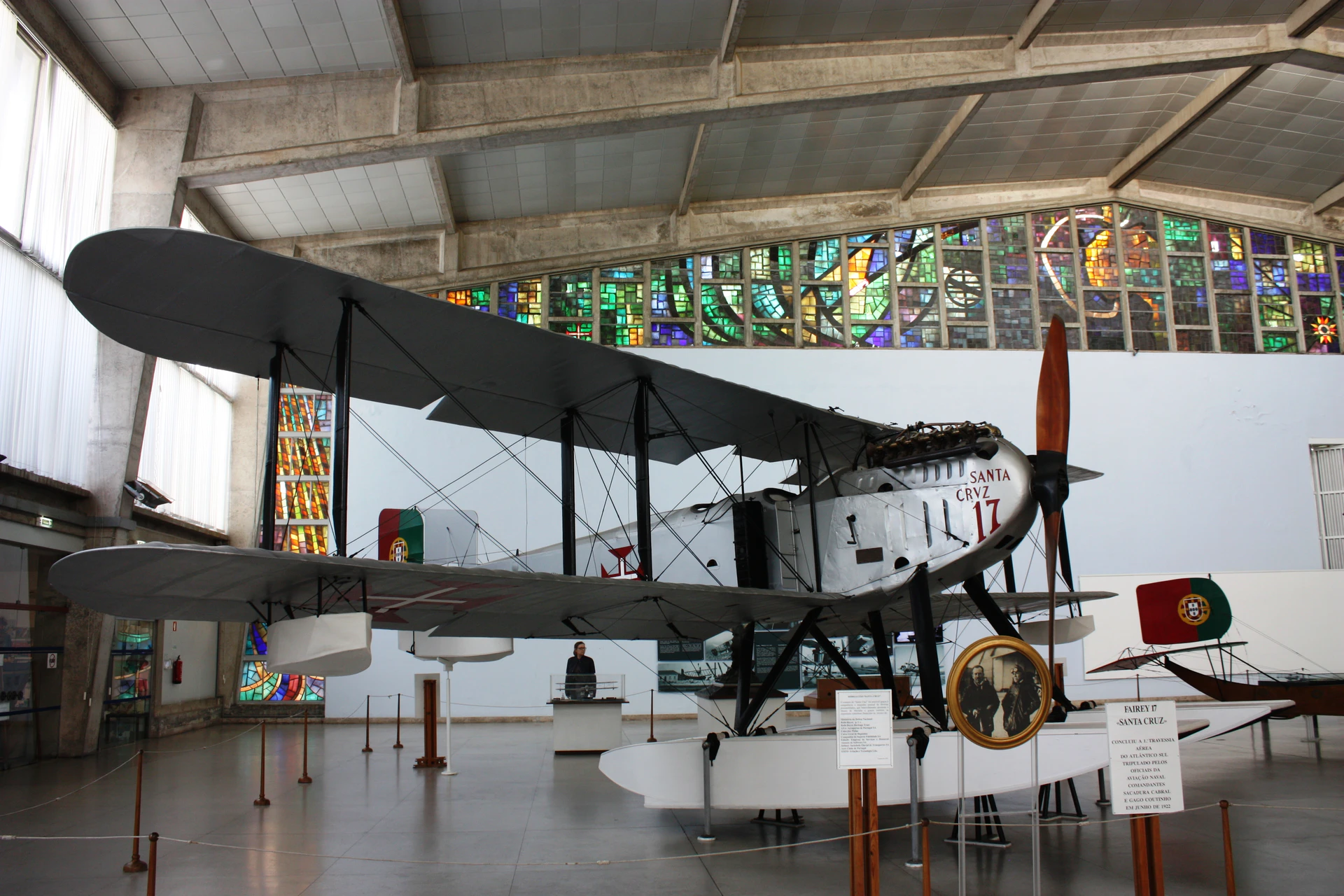
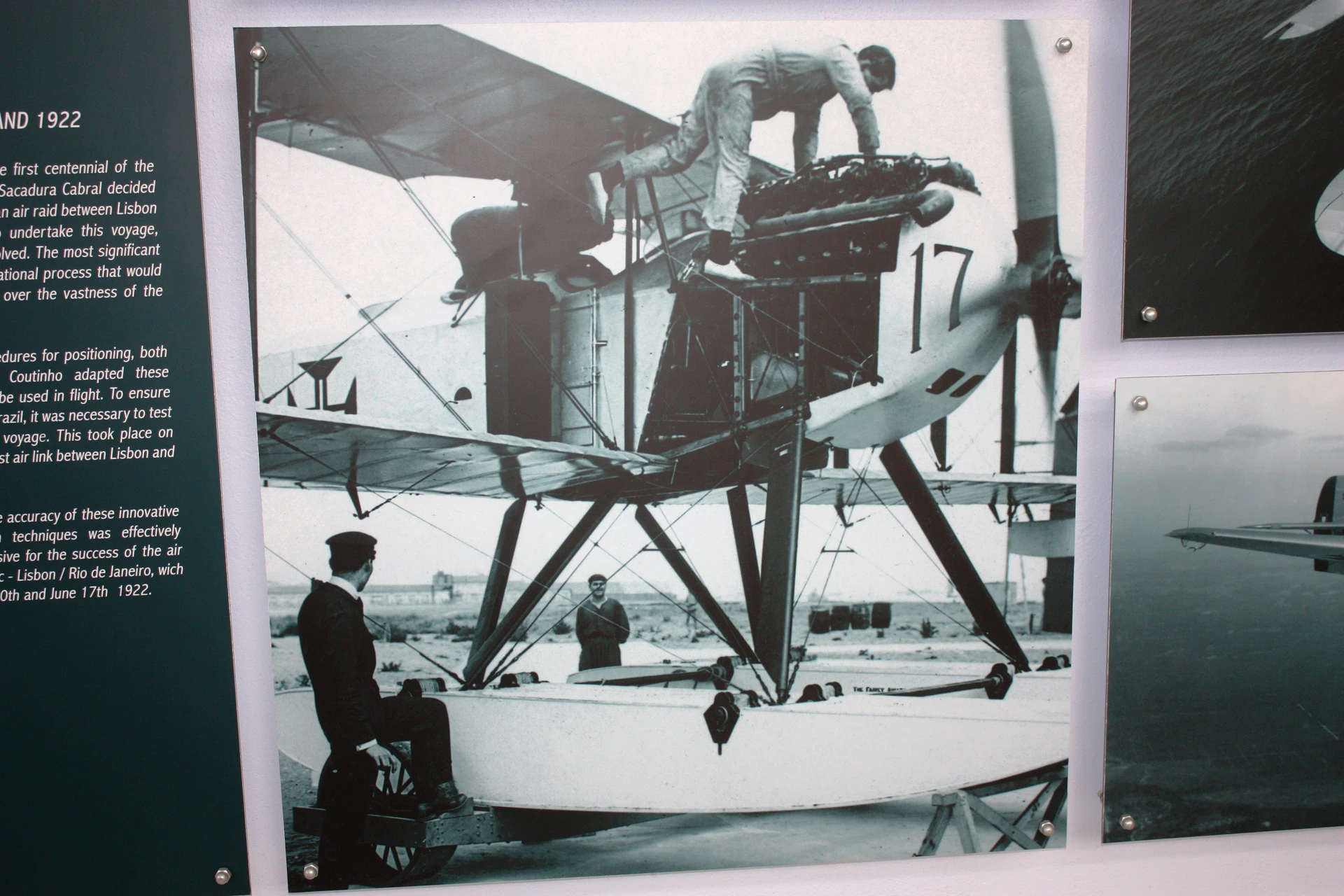
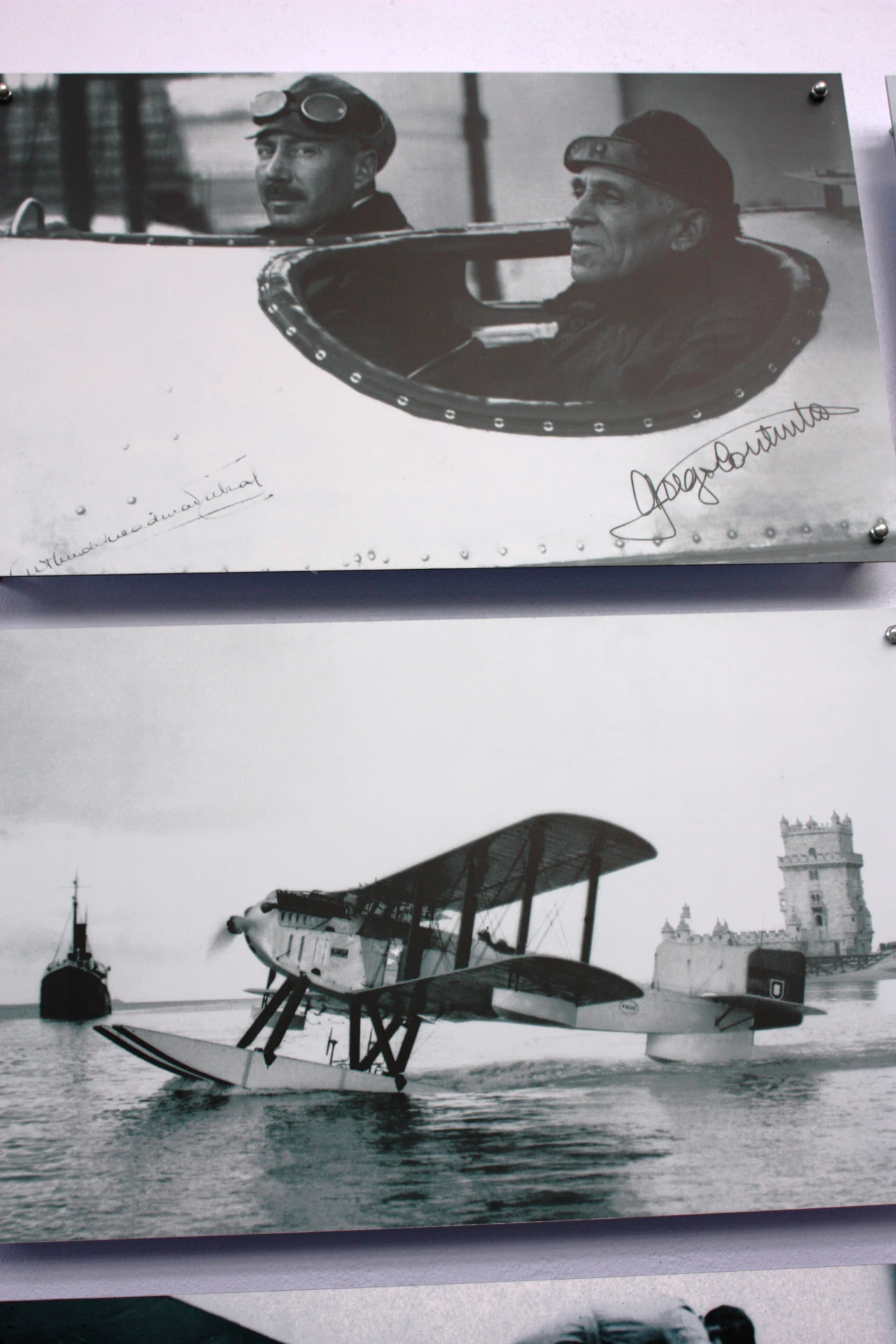
- The First South Atlantic Crossing (1922): Portuguese aviators Gago Coutinho and Sacadura Cabral used a modified Fairey IIID named Lusitânia to complete the first aerial crossing of the South Atlantic from Lisbon to Rio de Janeiro.
- RAF Cairo-to-Cape Town: In 1926, four Fairey IIIDs of the RAF completed a 22,000 km formation flight from Egypt to South Africa and back, proving the aircraft’s incredible durability in extreme climates.
- Fleet Air Arm Service: The IIID served as the primary spotter-reconnaissance aircraft for the Royal Navy throughout the mid-1920s, providing the eyes for the fleet before being replaced by the all-metal Fairey IIIF.
Liczba wyświetleń : 442