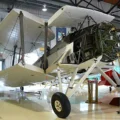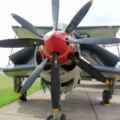
Fairey III | |
|---|---|
| Paese | Regno unito |
| Ruolo | ricognitore |
| Primo volo | 14 settembre 1917 |
| Costruito | 964 |
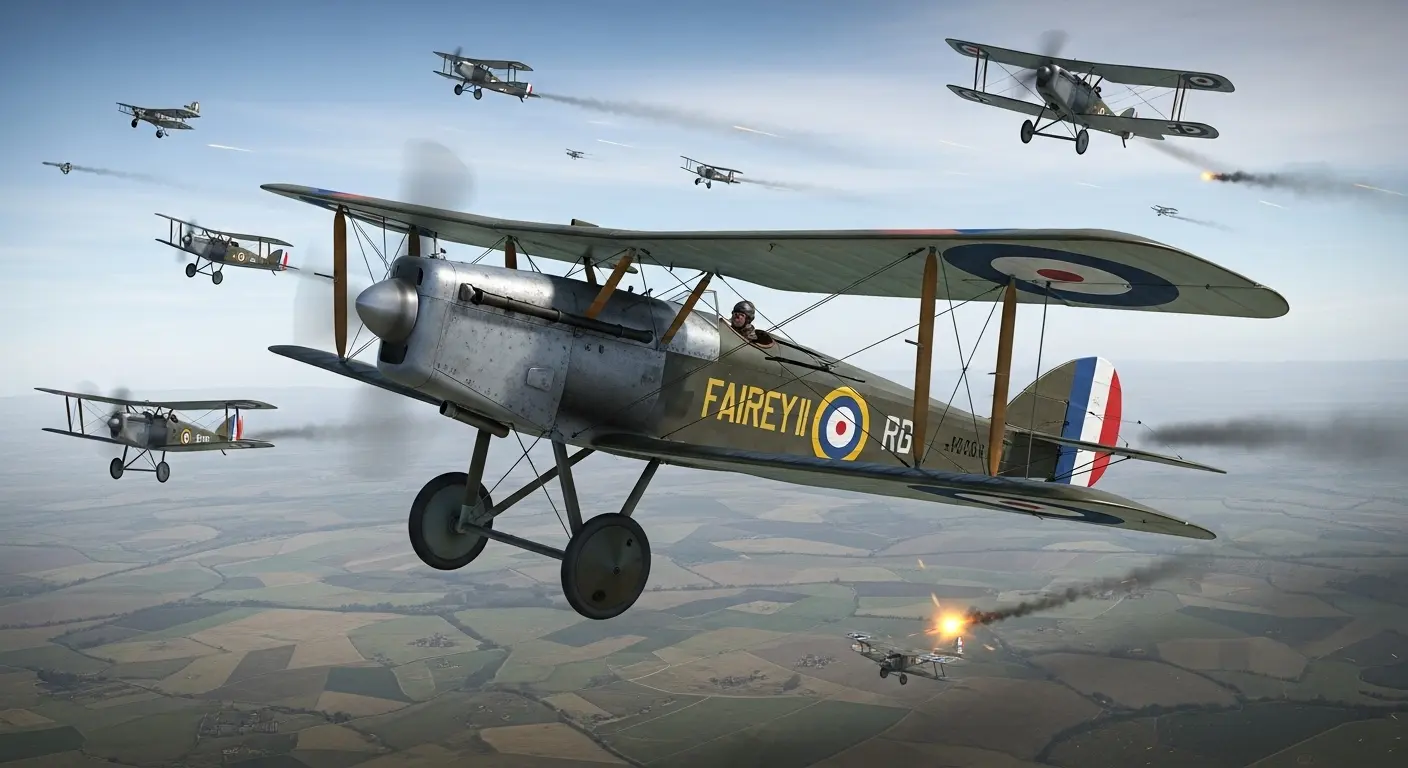
La compagnia aerea di Fairey Fairey III è stata una famiglia di biplani da ricognizione britannici che ha goduto di una lunga storia di produzione e servizio sia nelle varianti di idrovolanti terrestri che di idrovolanti. Volò per la prima volta il 14 settembre 1917, gli esemplari erano ancora in uso durante la seconda guerra mondiale.
fonte: Fairey III su Wikipedia
| Fairey IIID Walk Around | |
|---|---|
| Fotografi | Inconsapevole |
| Localizzazione | Inconsapevole |
| Foto | 12 |
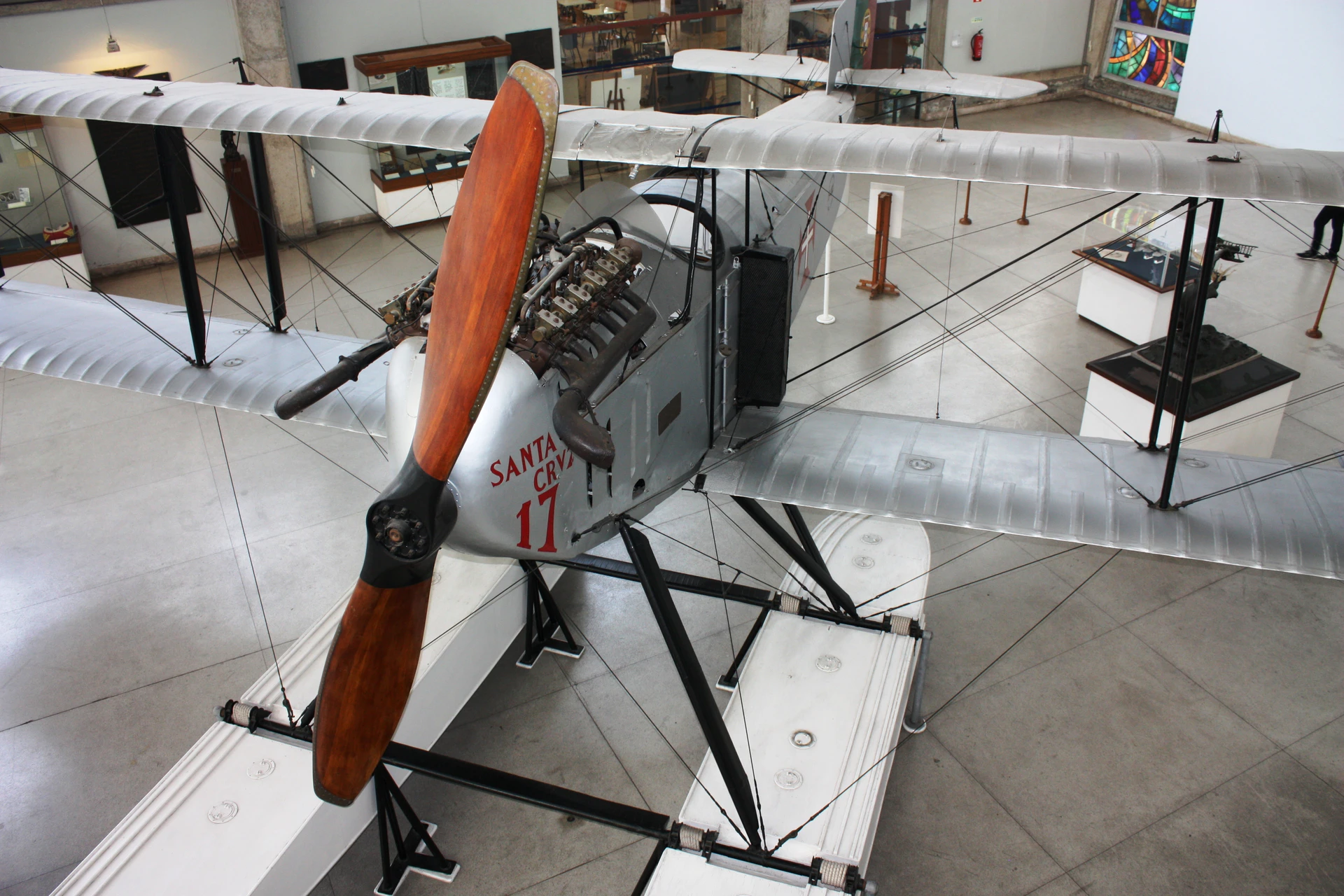
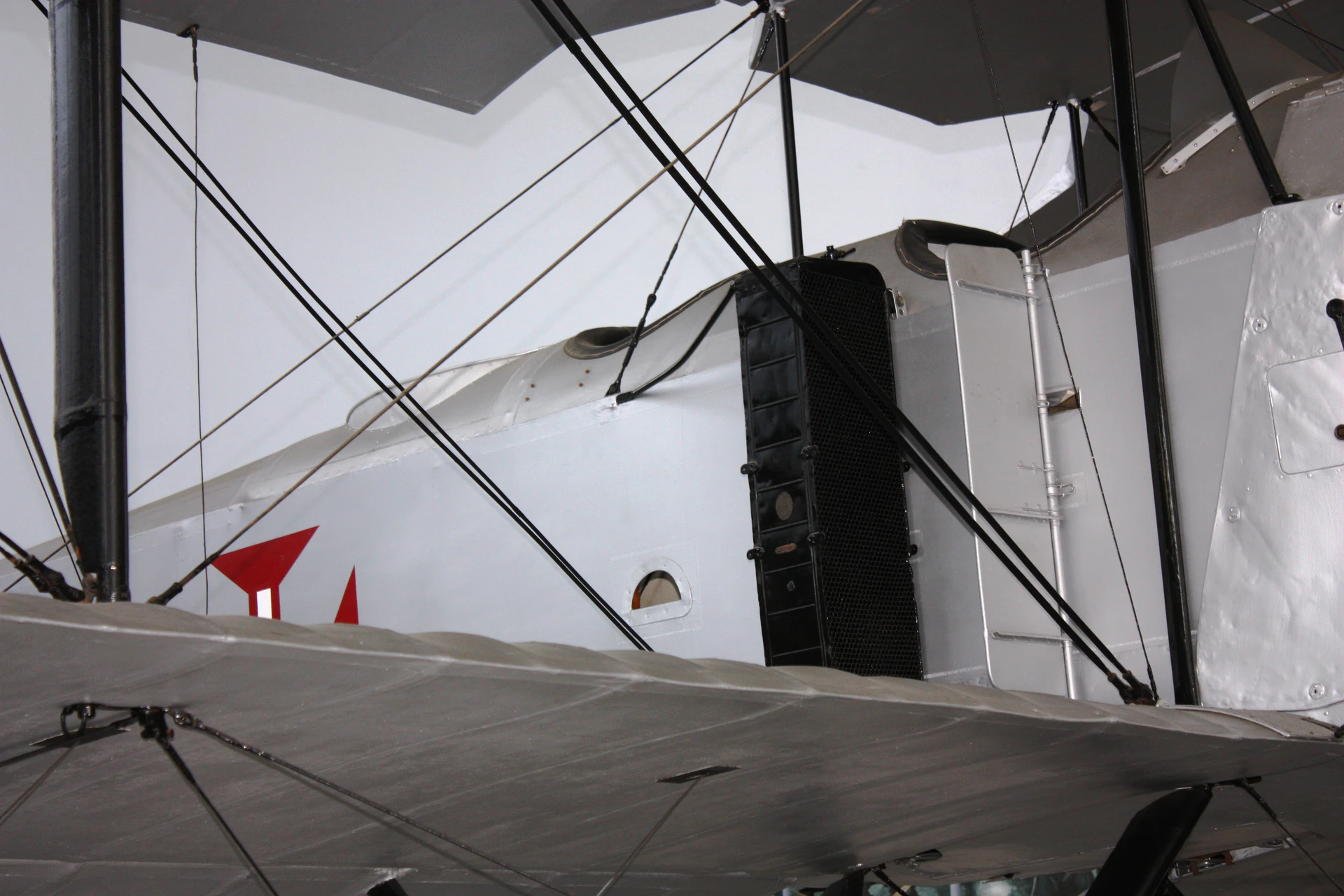
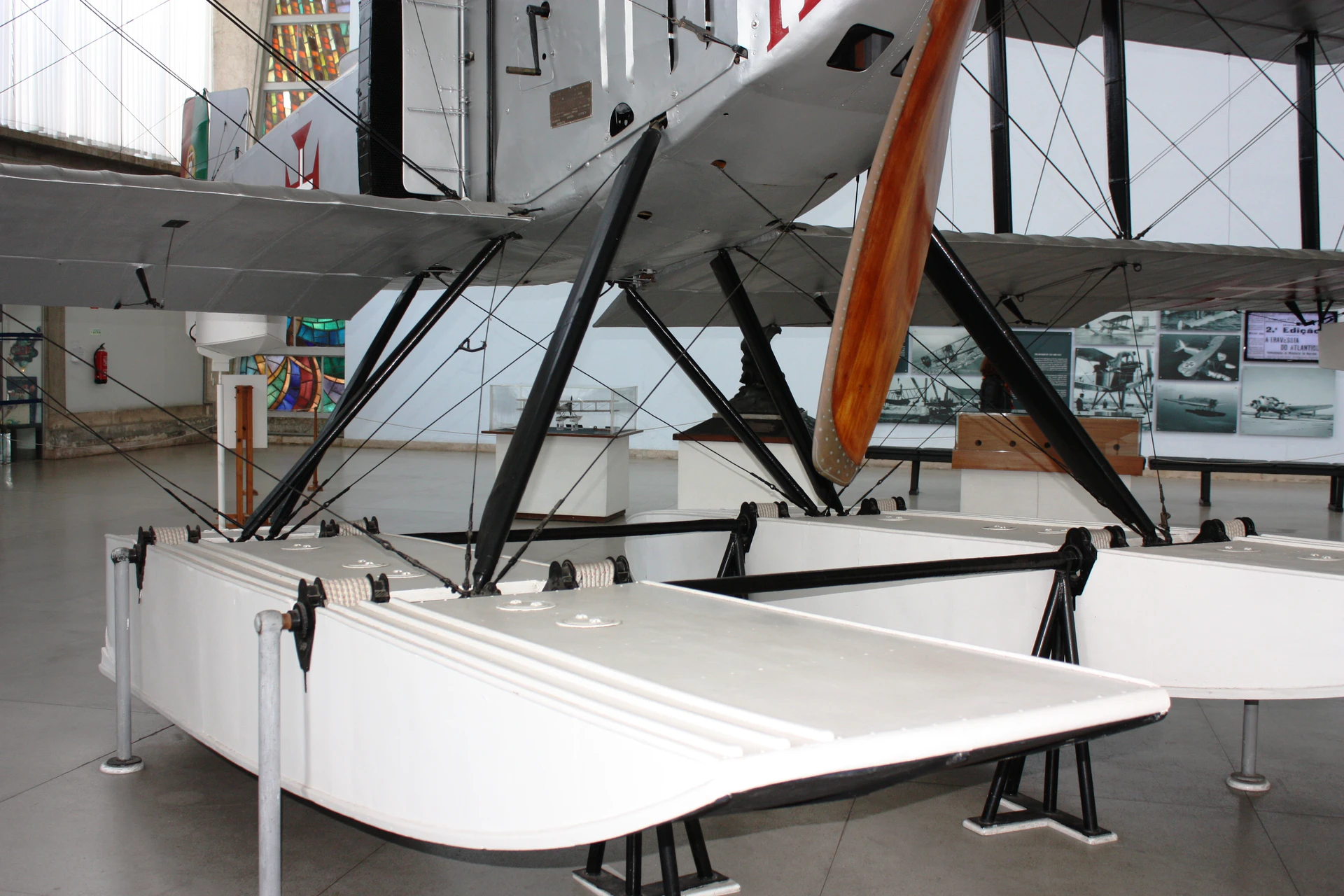
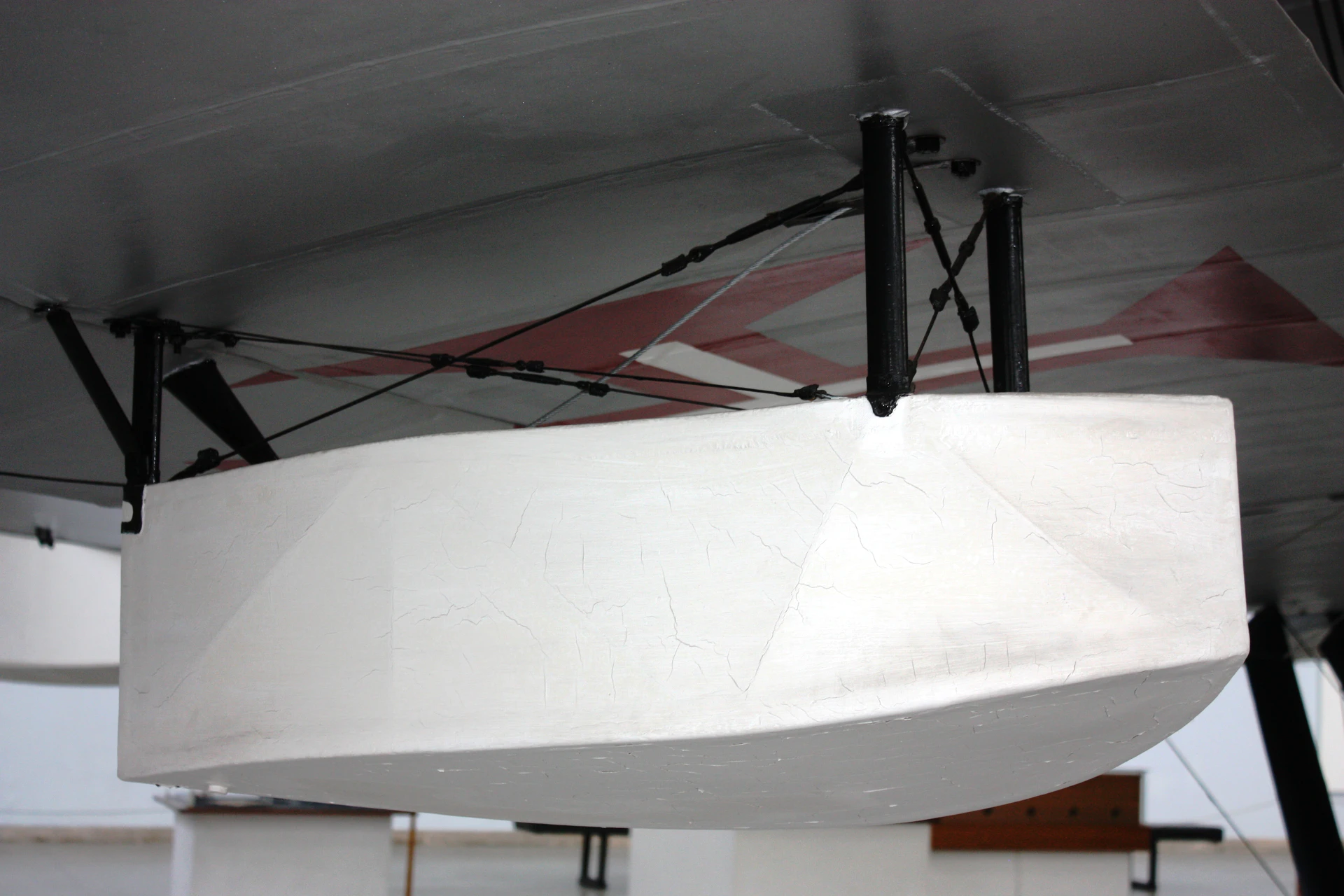
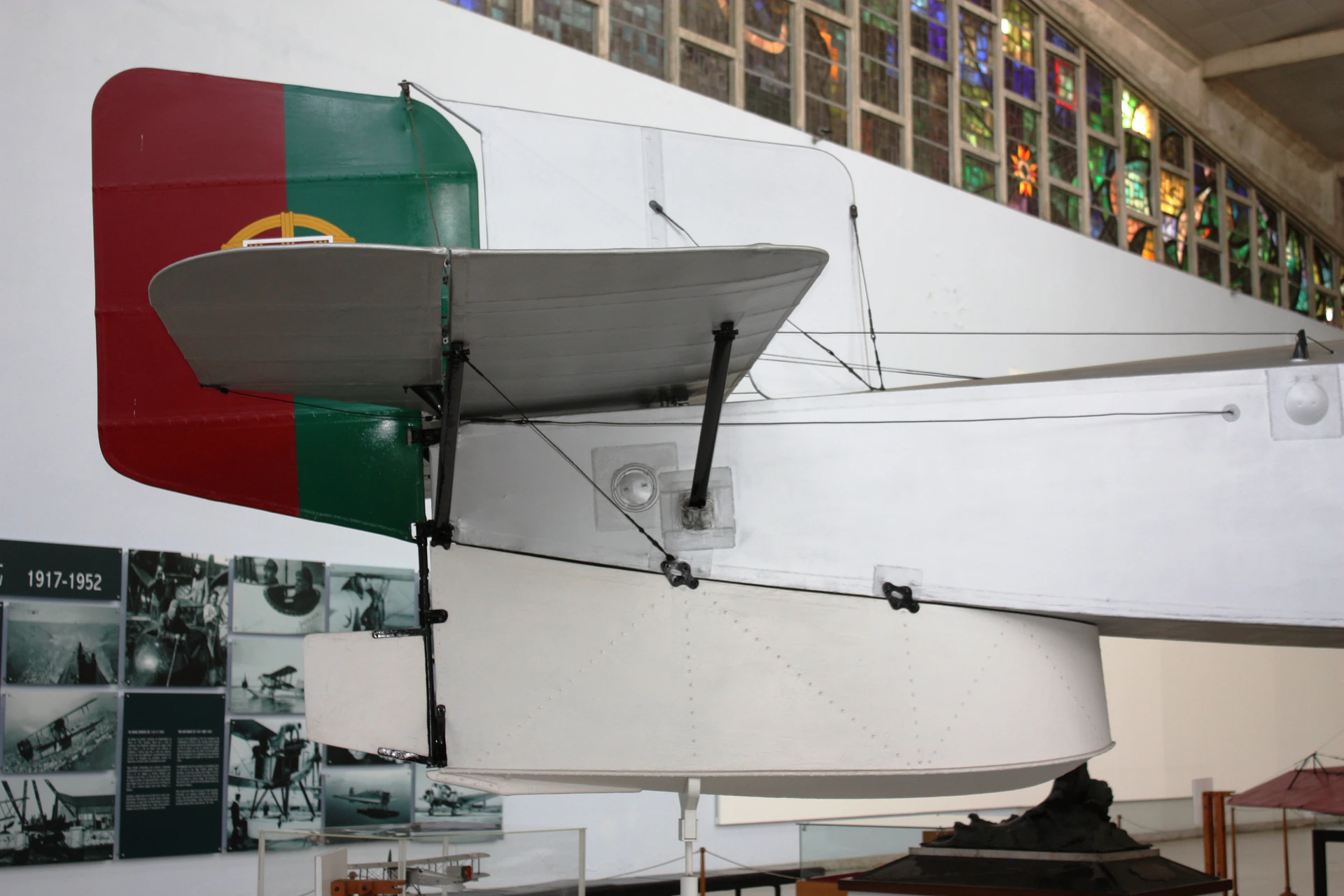
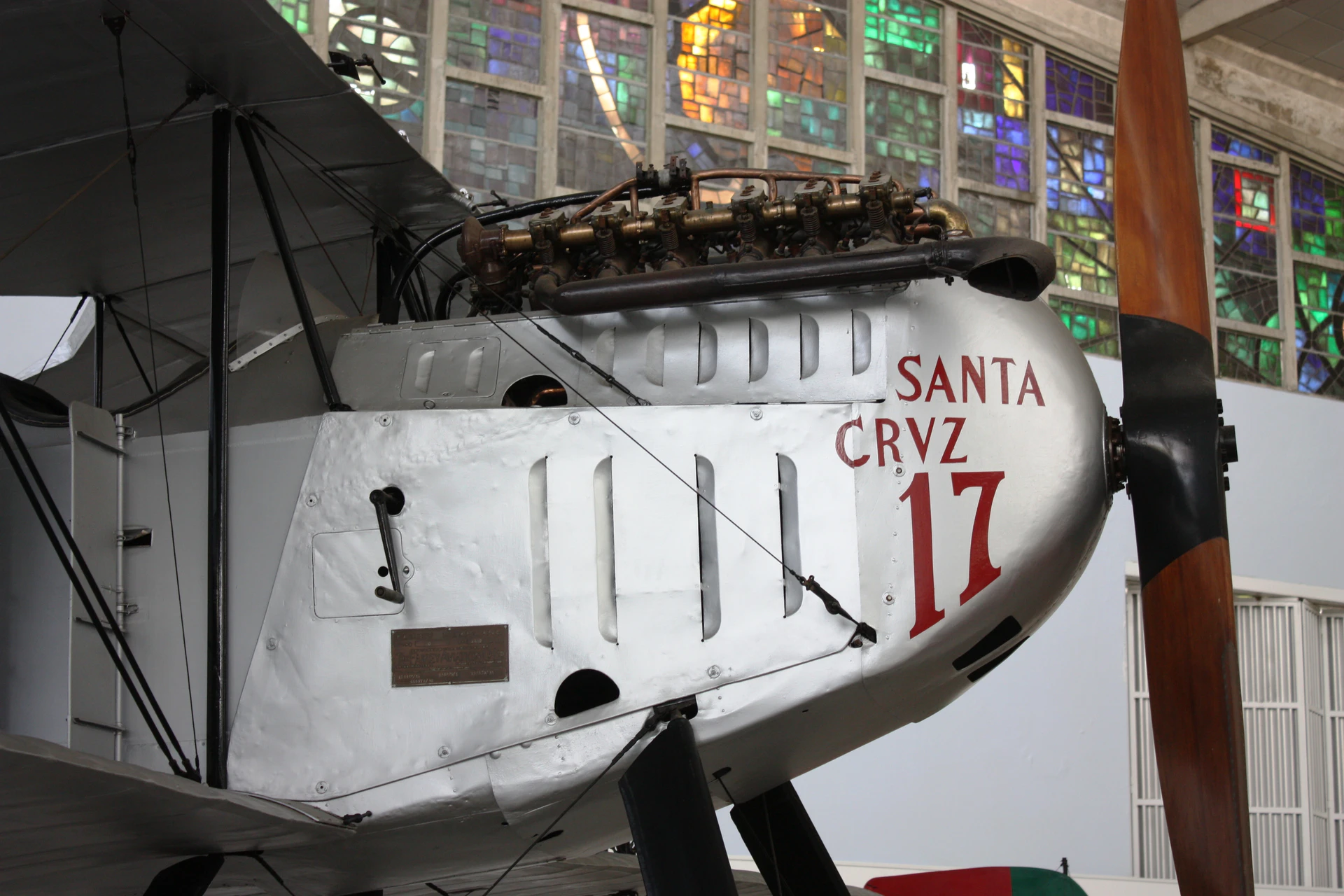
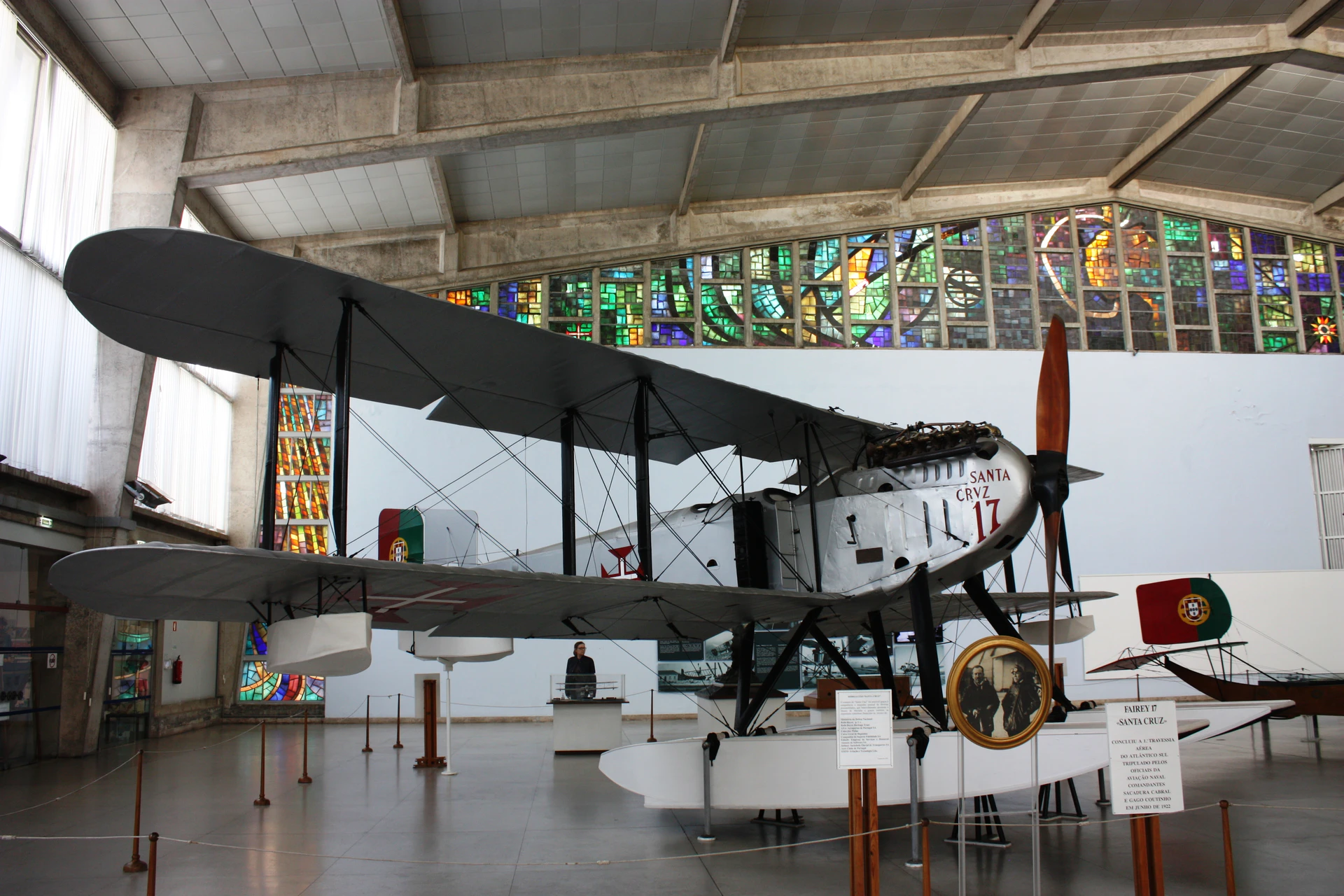
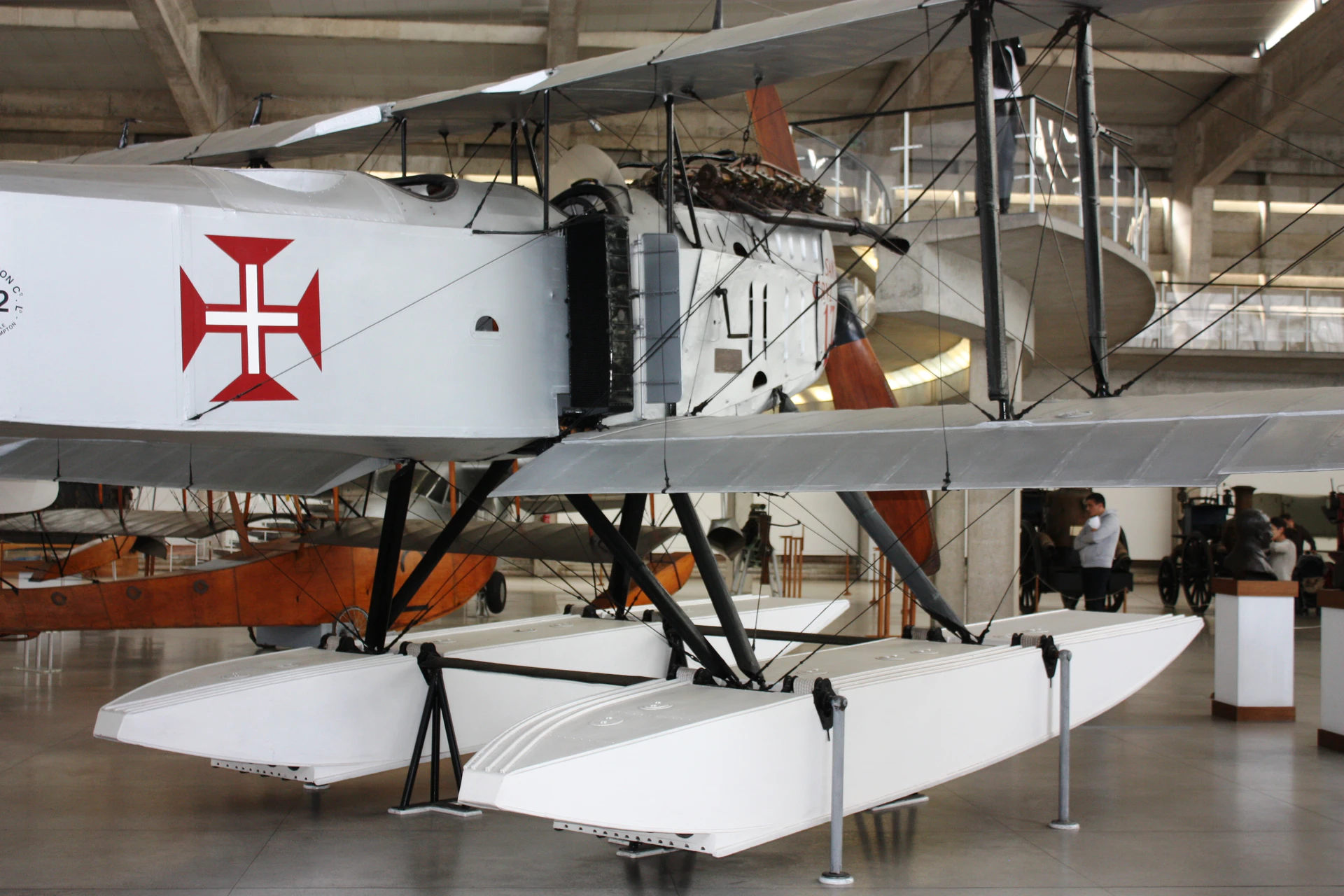


Vedi anche:


The Quintessential Interwar Workhorse
Le Fairey IIID was a three-seat spotter/reconnaissance aircraft that became a cornerstone of British naval aviation in the 1920s. An evolution of the earlier Fairey III series, the “D” model was significantly improved with a wooden airframe and the ability to be fitted with either a conventional wheeled undercarriage or large twin floats. Its reliability and adaptability allowed it to perform everything from artillery spotting and reconnaissance to long-range postal flights across the British Empire.
| Attribute | Standard Specification (Fairey IIID) |
|---|---|
| Ruolo | Reconnaissance / Spotter / Floatplane |
| Equipaggio | 3 (Pilot, Observer, and Gunner) |
| First Flight | 1920 |
| Primary Engine | 1 × Napier Lion IIB or V (W-12 water-cooled) |
| Horsepower | 450 hp (336 kW) |
| Velocità massima | 193 km/h (120 mph) at sea level |
| Service Ceiling | 6,100 meters (20,000 ft) |
| Armamento | 1 × fixed forward .303 Vickers; 1 × .303 Lewis gun in rear |
Design Features: The Napier Lion and Variable Camber
- The “W-12” Napier Lion: Most IIIDs were powered by the distinctive Napier Lion engine. Its “broad arrow” configuration (three banks of four cylinders) provided exceptional power for the era, though it required a massive frontal radiator that gave the IIID its blunt-nosed appearance.
- Interchangeable Gear: One of the IIID’s greatest strengths was its modularity. It could be converted from a ship-borne floatplane to a land-based airfield aircraft in just a few hours by swapping the floats for a split-axle wheeled undercarriage.
- Fairey Patent Flaps: The IIID featured “variable camber” trailing edge flaps. These allowed the pilot to increase lift for short takeoffs from aircraft carriers or water, while maintaining high-speed efficiency during cruise.
- Folding Wings: To save space on the cramped hangars of early aircraft carriers like HMS Aquila and HMS Argus, the IIID’s wings folded rearward alongside the fuselage.
Operational History & Record Flights
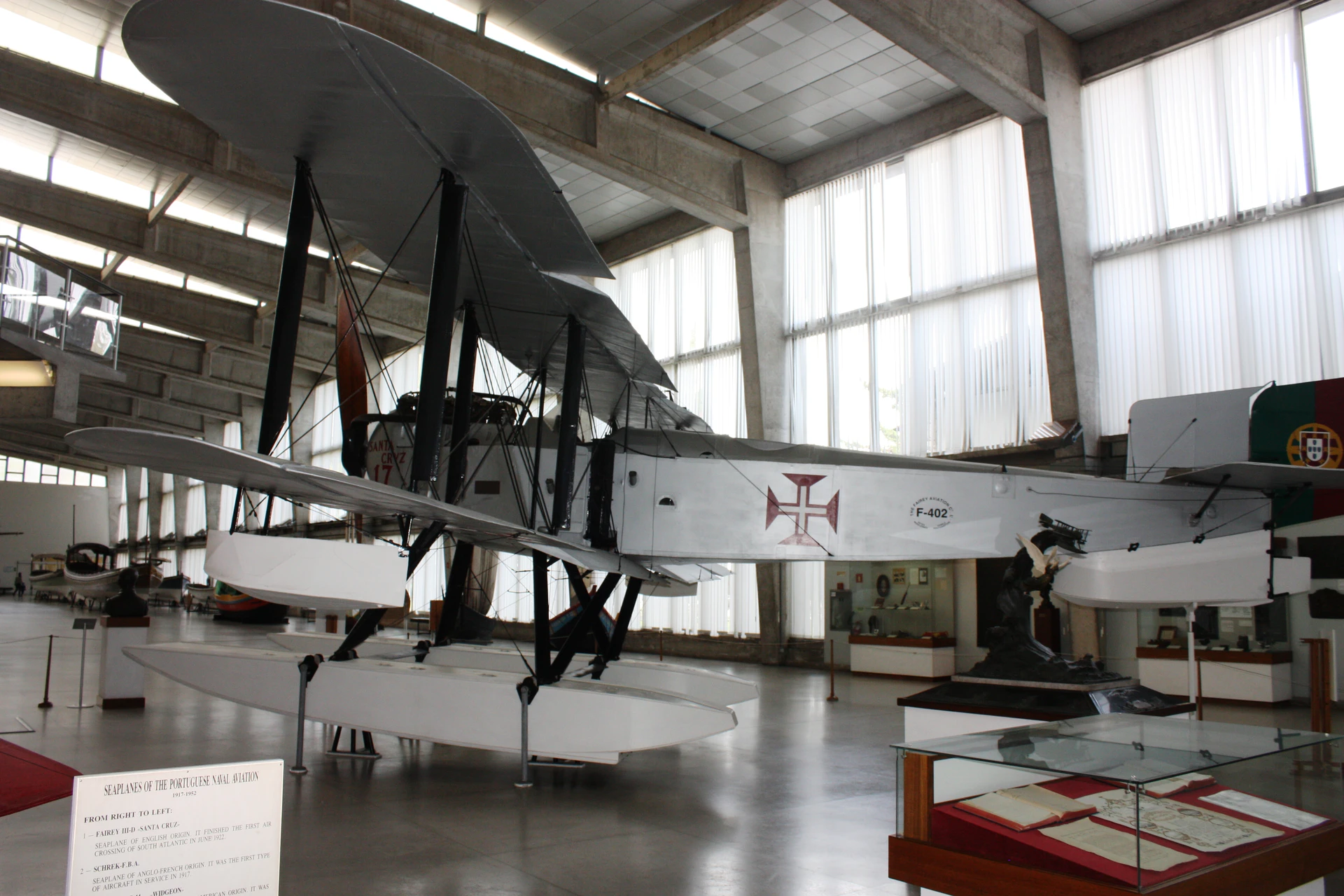
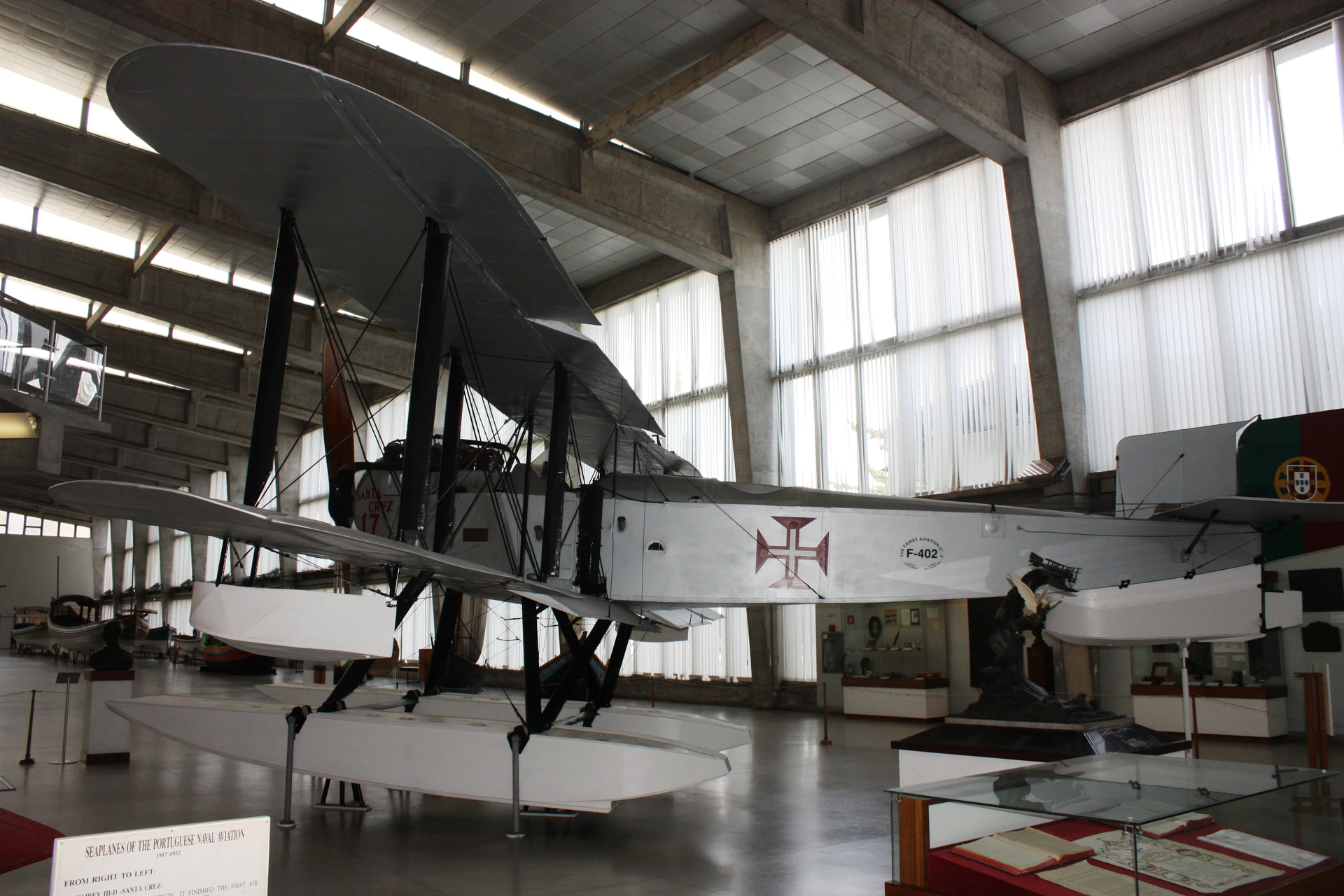
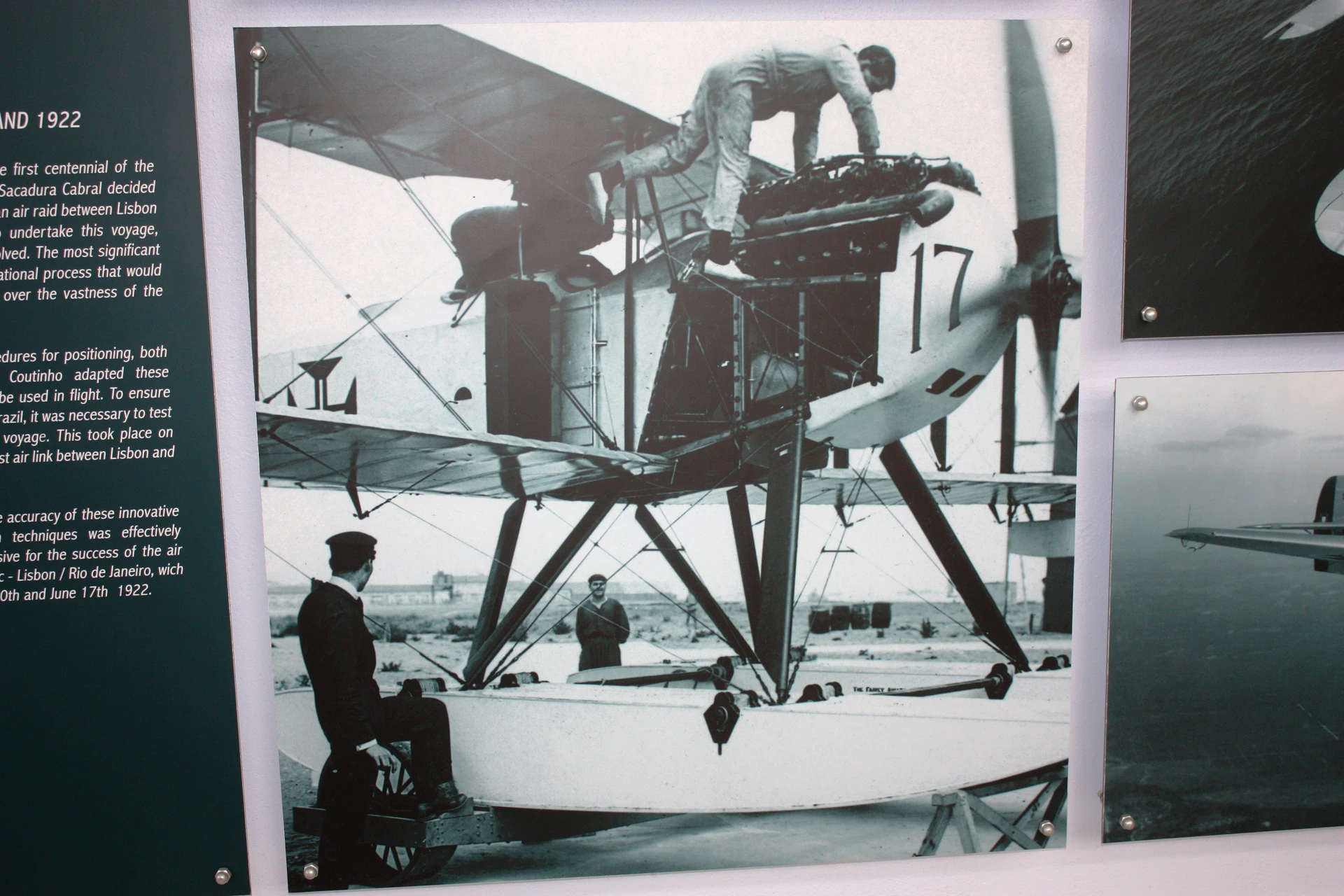
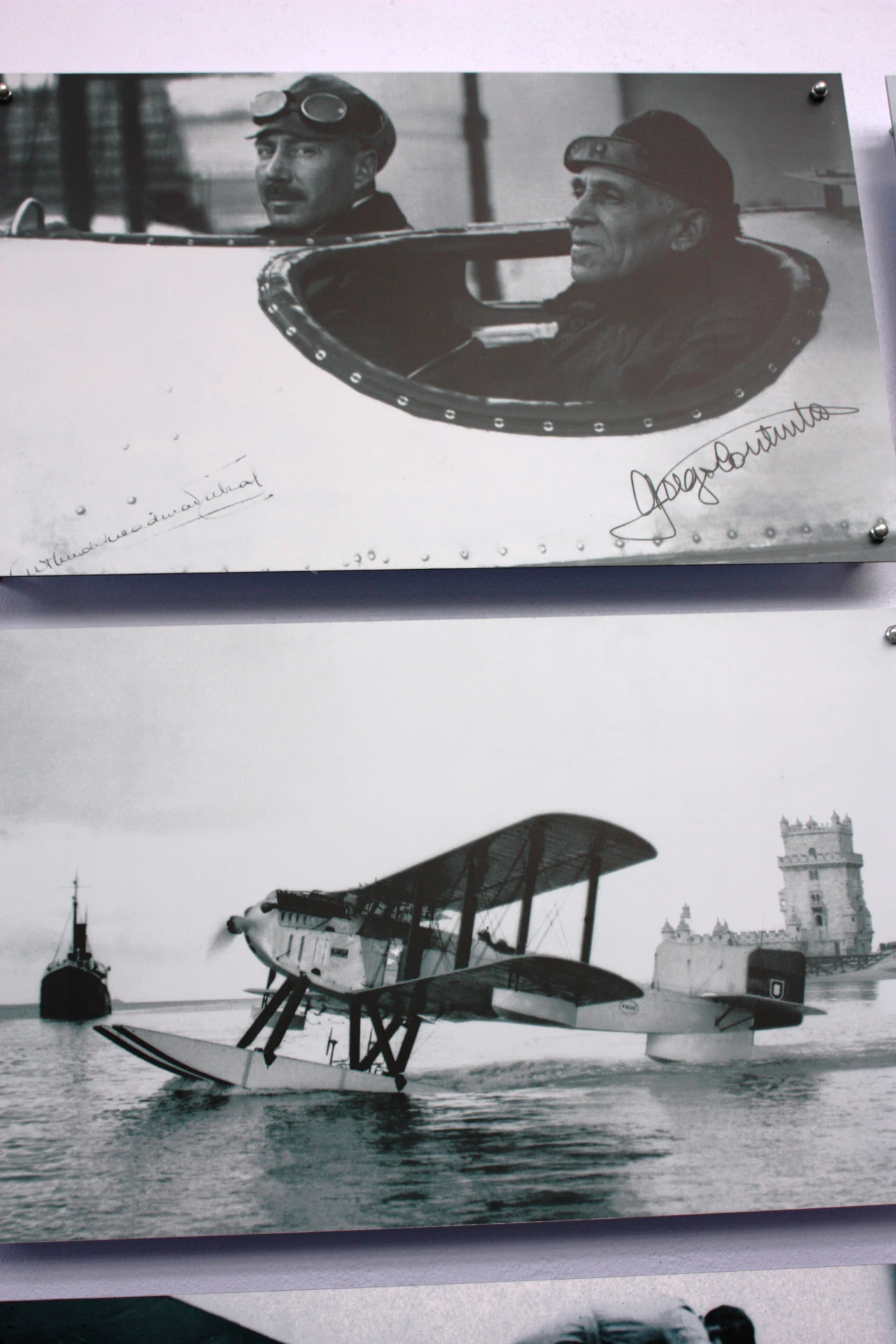
- The First South Atlantic Crossing (1922): Portuguese aviators Gago Coutinho and Sacadura Cabral used a modified Fairey IIID named Lusitânia to complete the first aerial crossing of the South Atlantic from Lisbon to Rio de Janeiro.
- RAF Cairo-to-Cape Town: In 1926, four Fairey IIIDs of the RAF completed a 22,000 km formation flight from Egypt to South Africa and back, proving the aircraft’s incredible durability in extreme climates.
- Fleet Air Arm Service: The IIID served as the primary spotter-reconnaissance aircraft for the Royal Navy throughout the mid-1920s, providing the eyes for the fleet before being replaced by the all-metal Fairey IIIF.
Views : 442