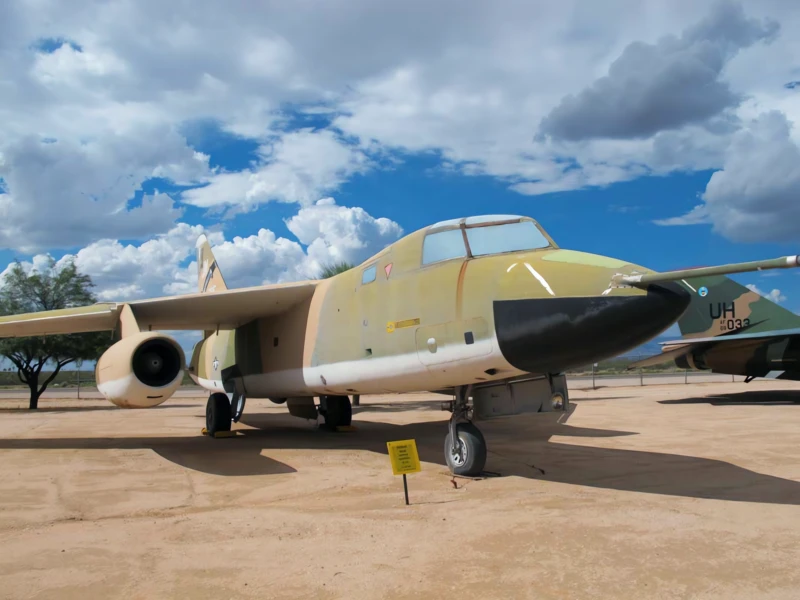
| Kraju | Stany Zjednoczone Ameryki |
| Roli | Lekki bombowiec |
| Pierwszy lot | 28 czerwca 1954 r. |
| Liczba zbudowanych | 294 |
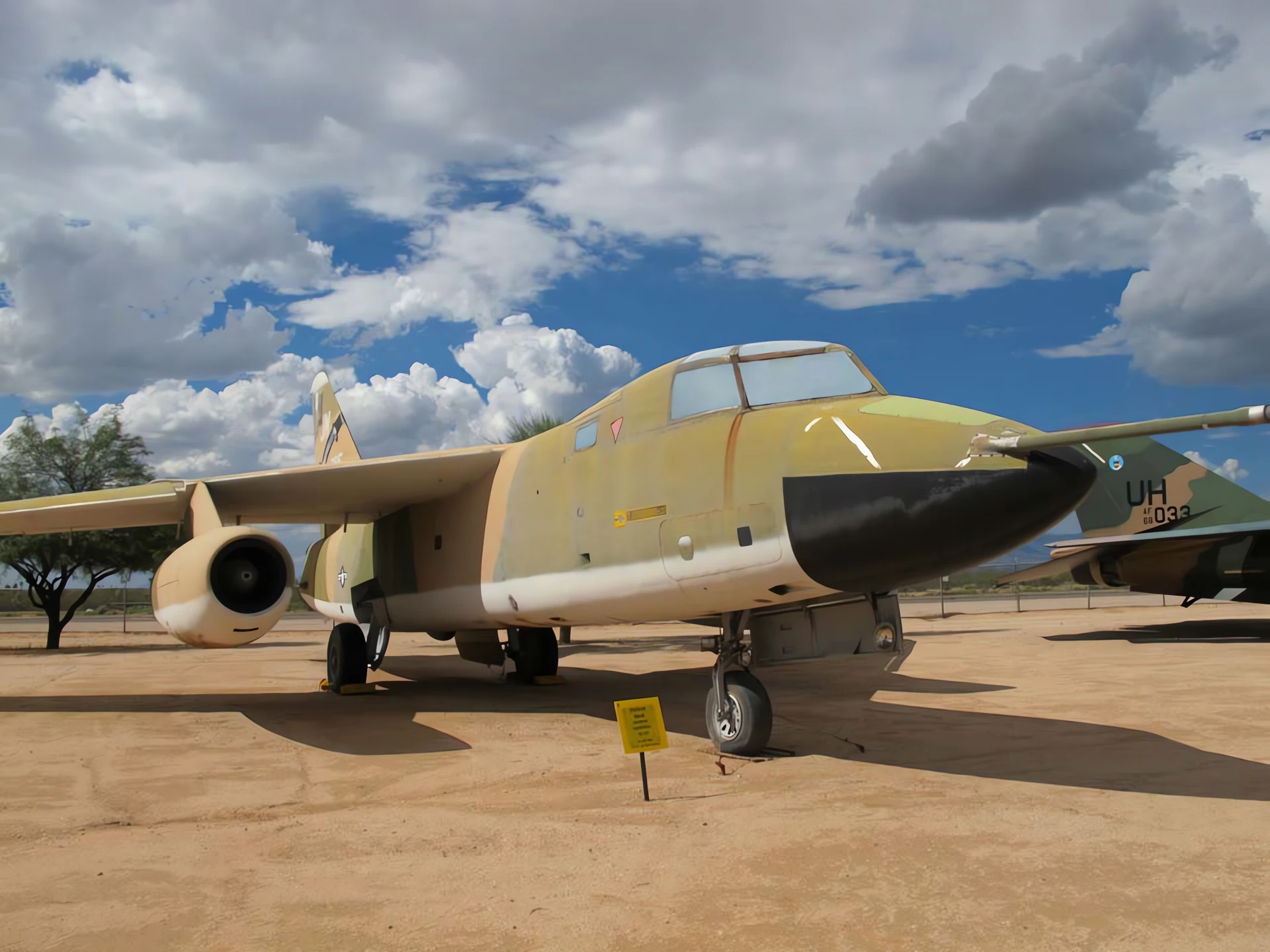
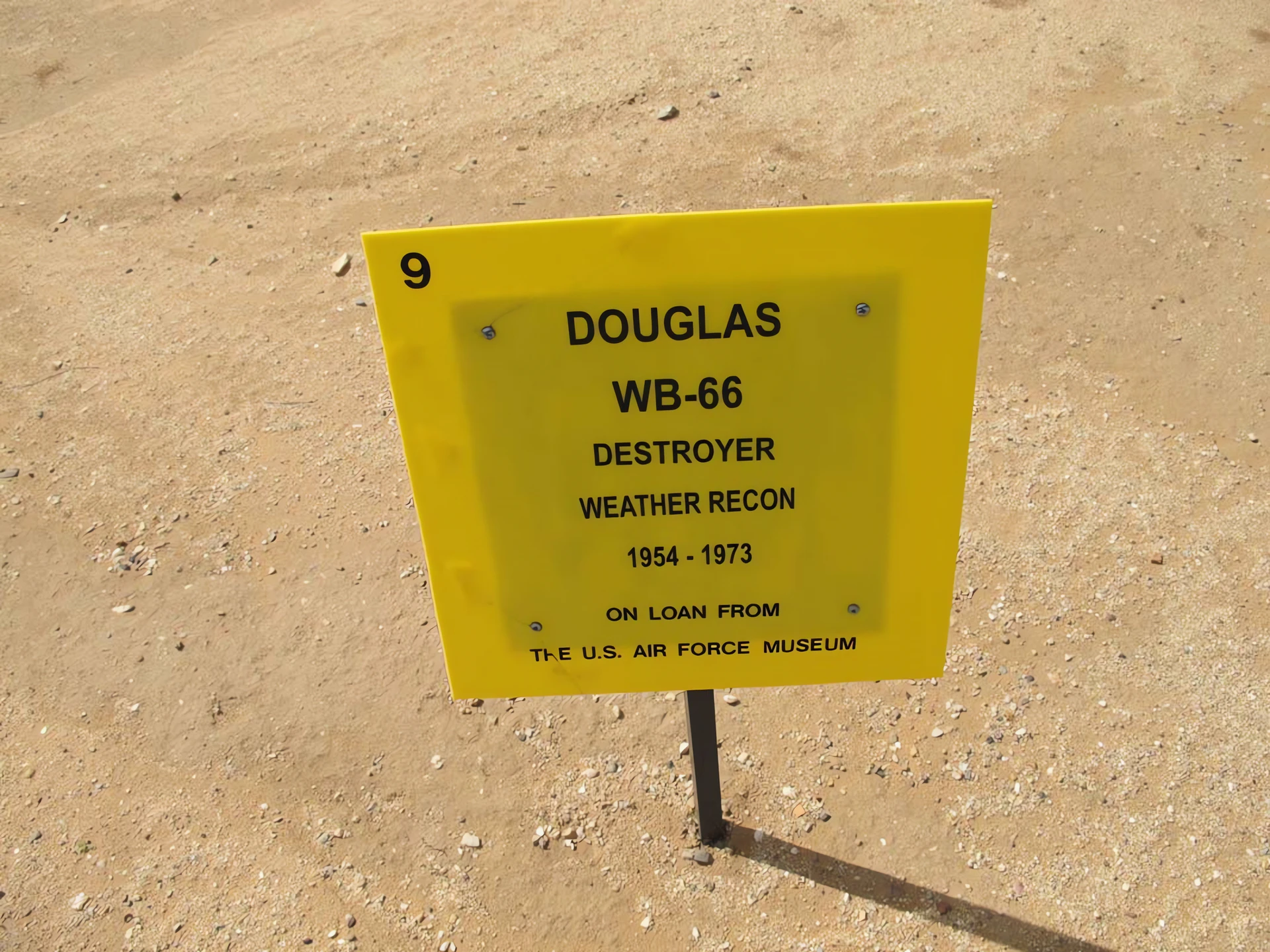
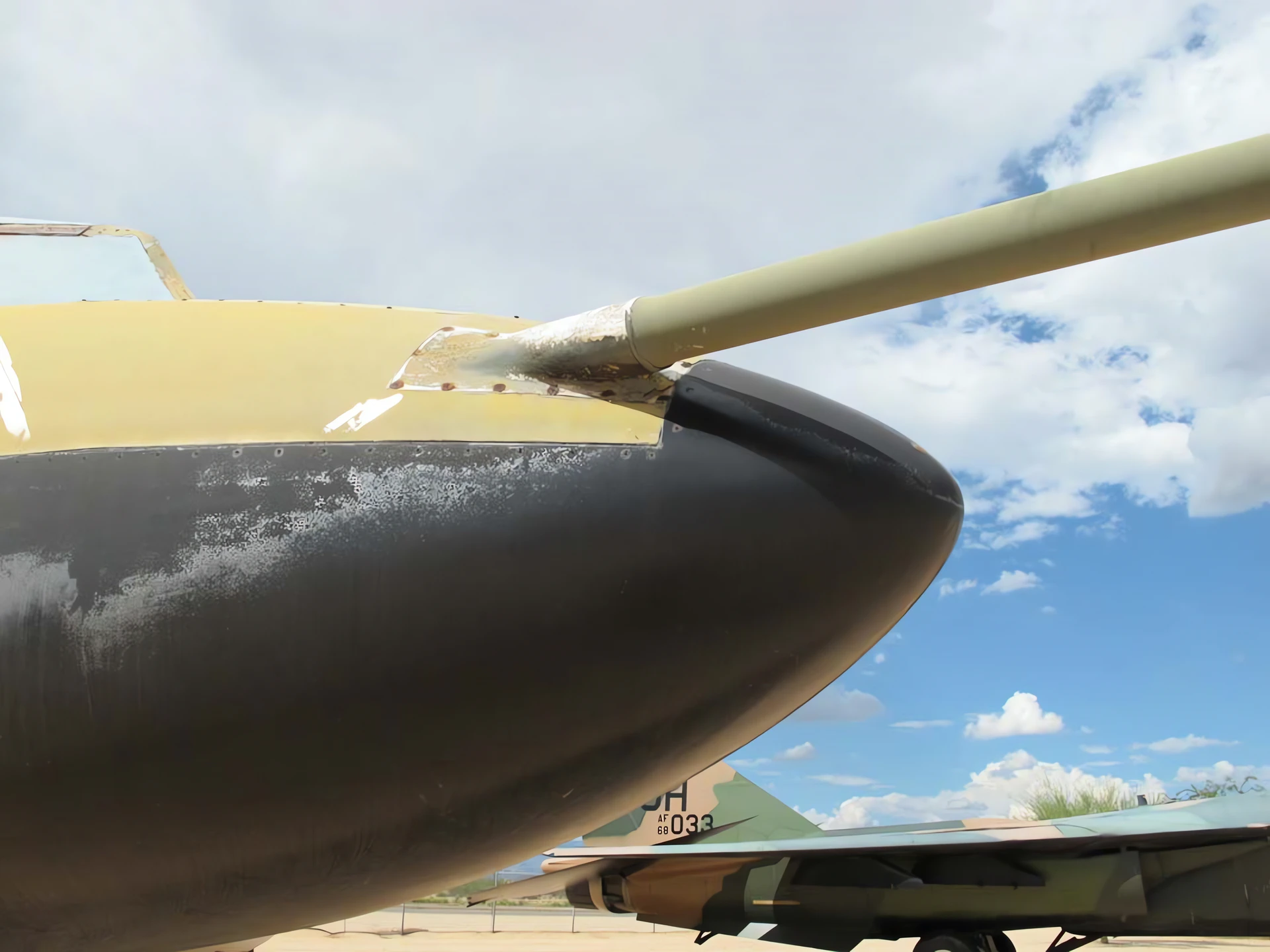
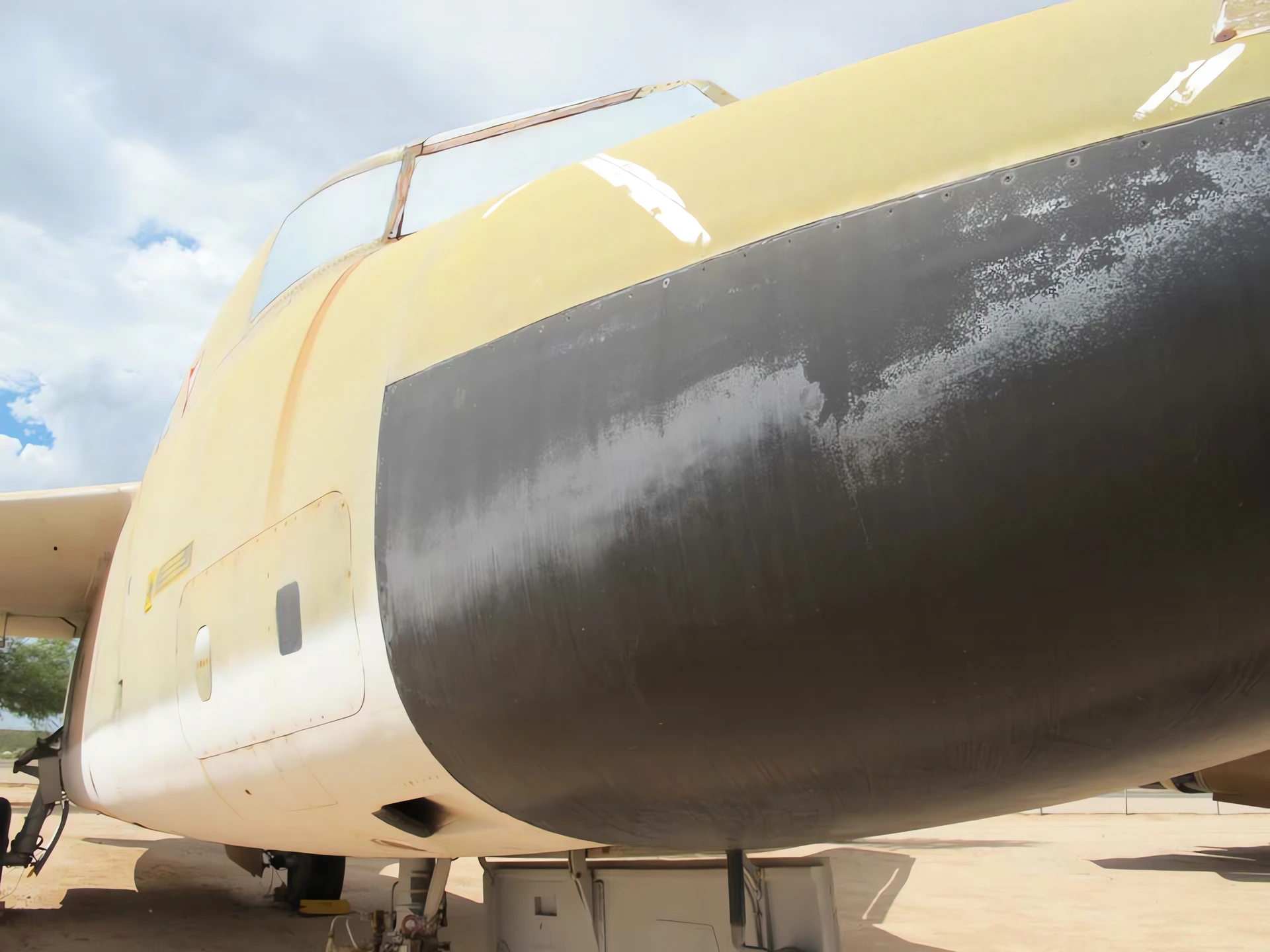
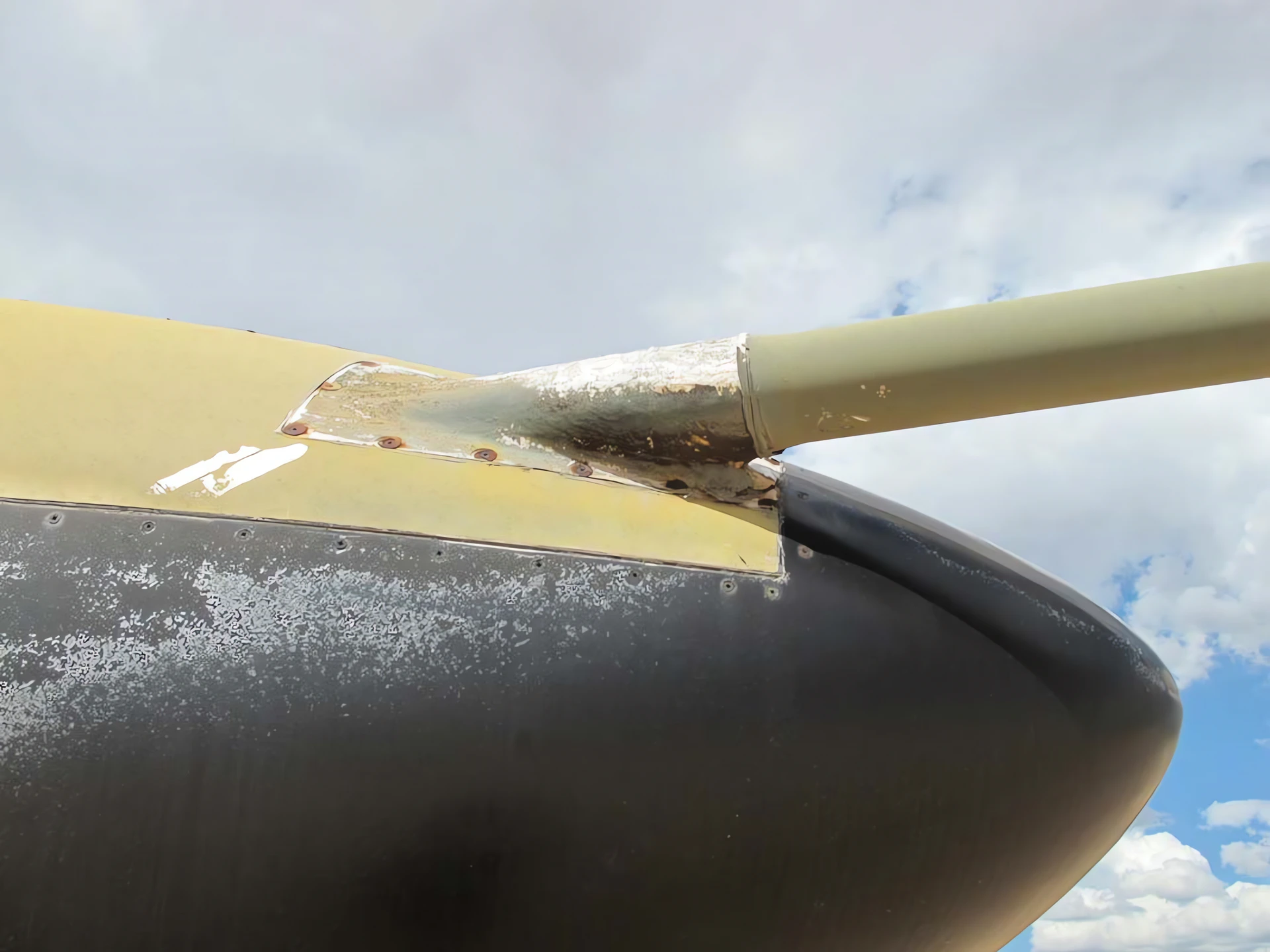
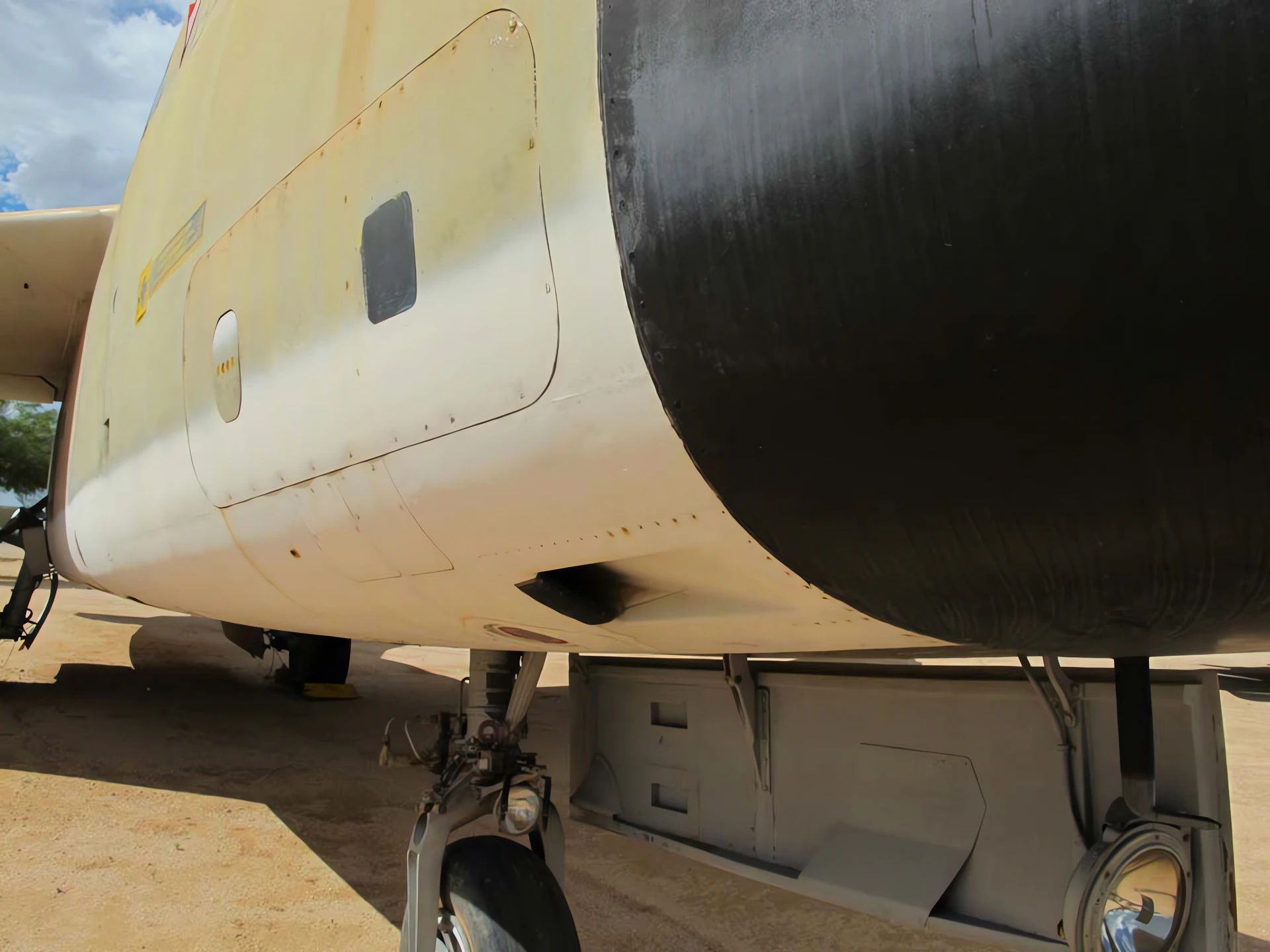
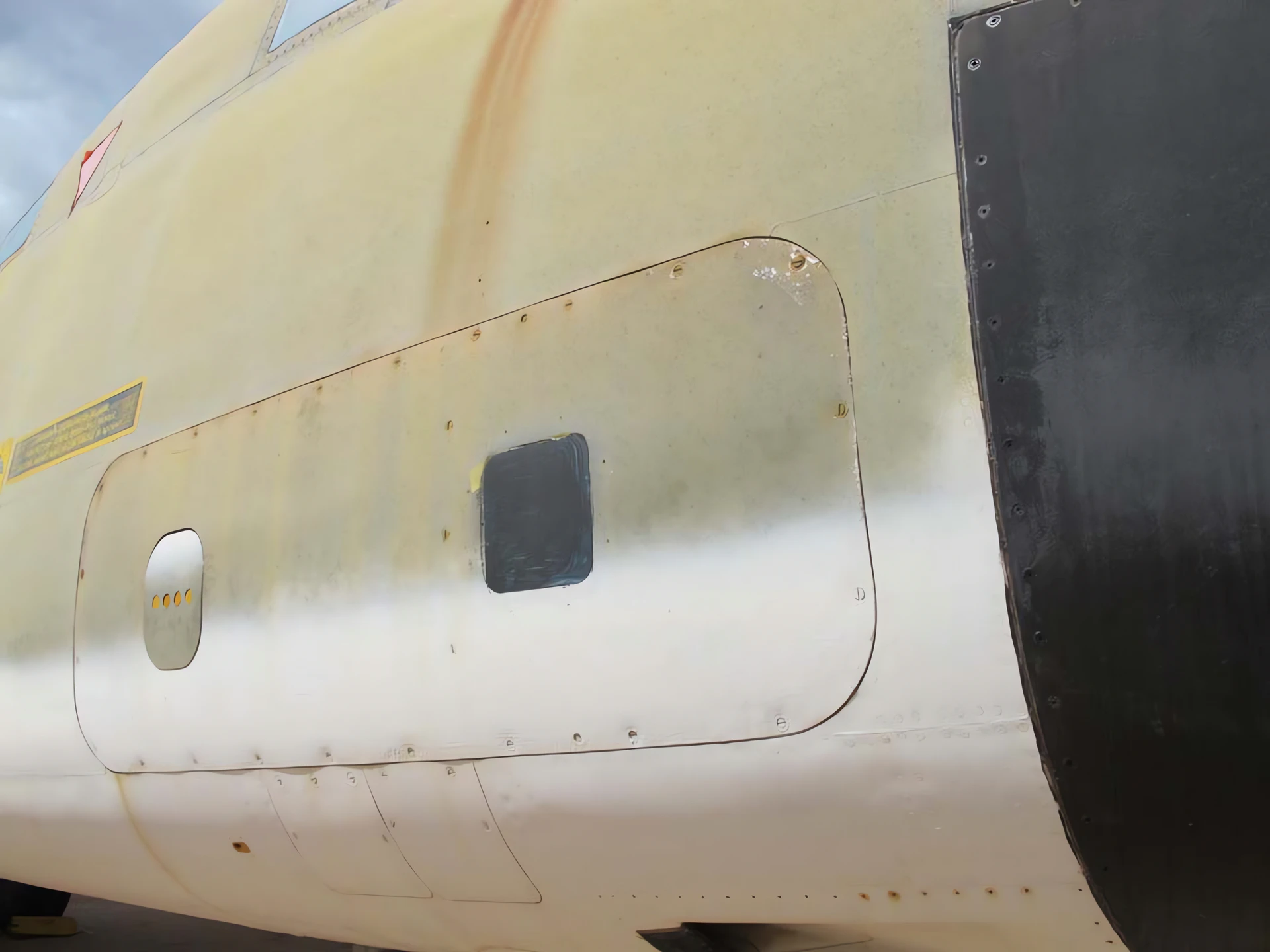
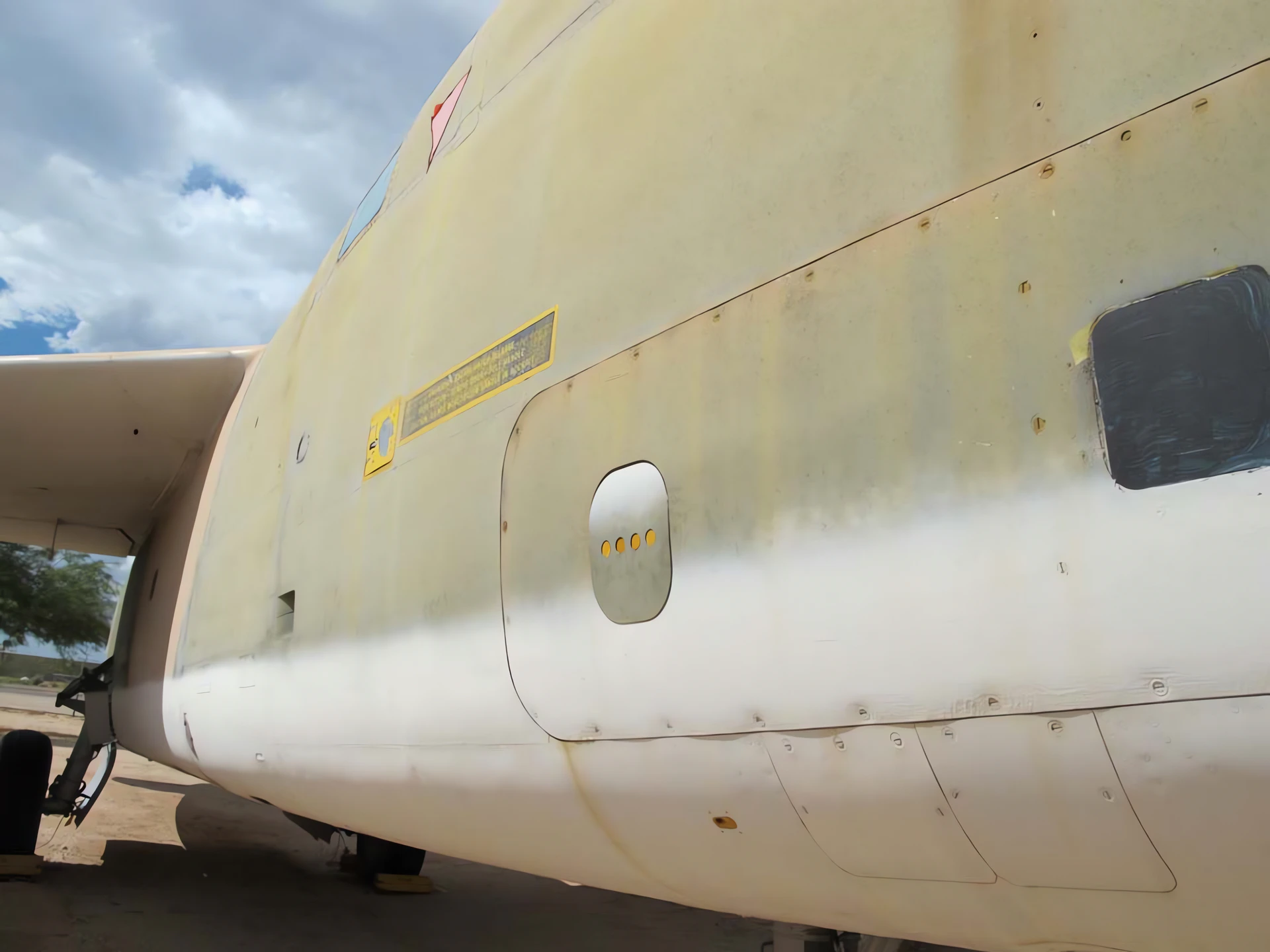
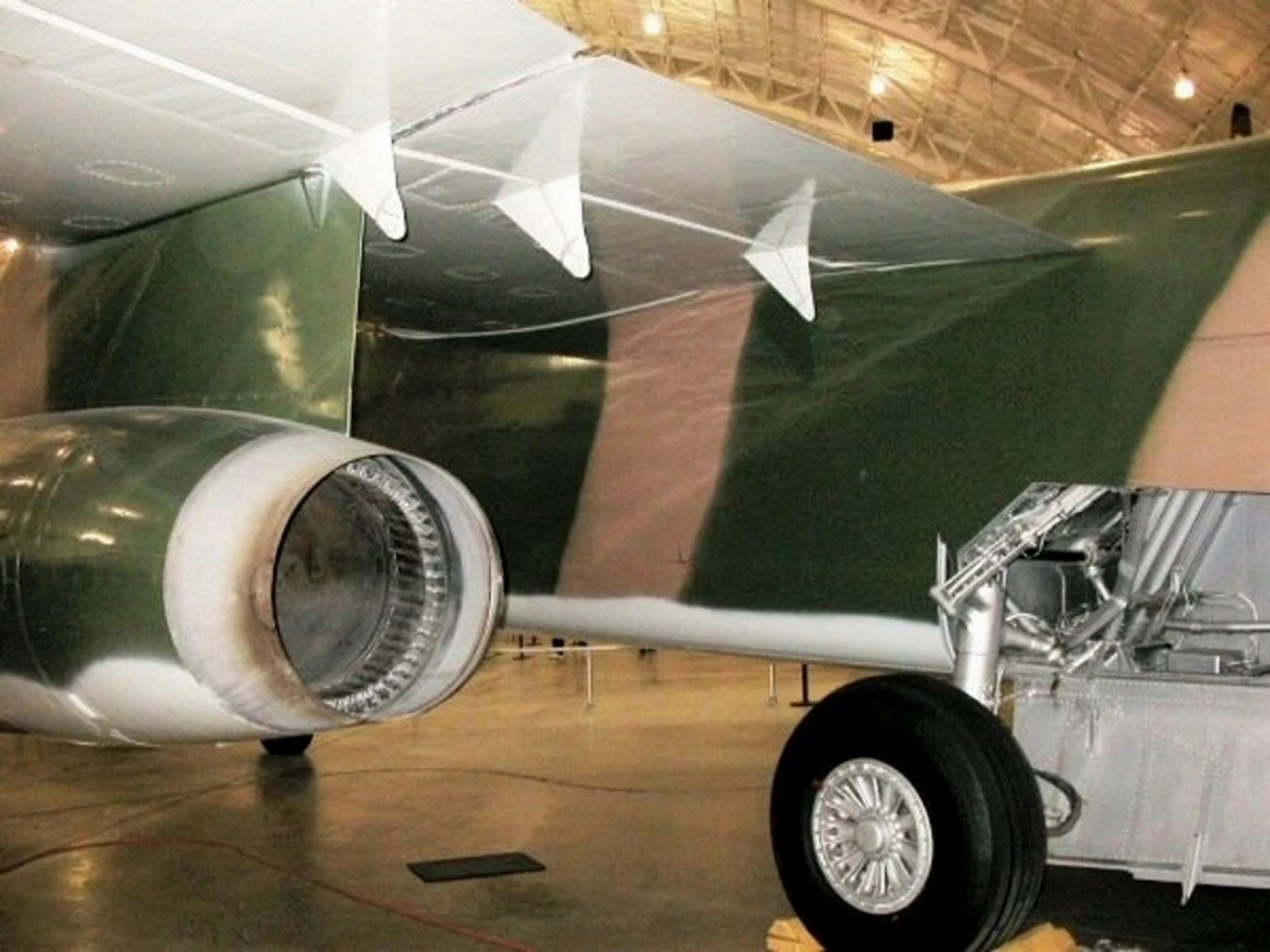
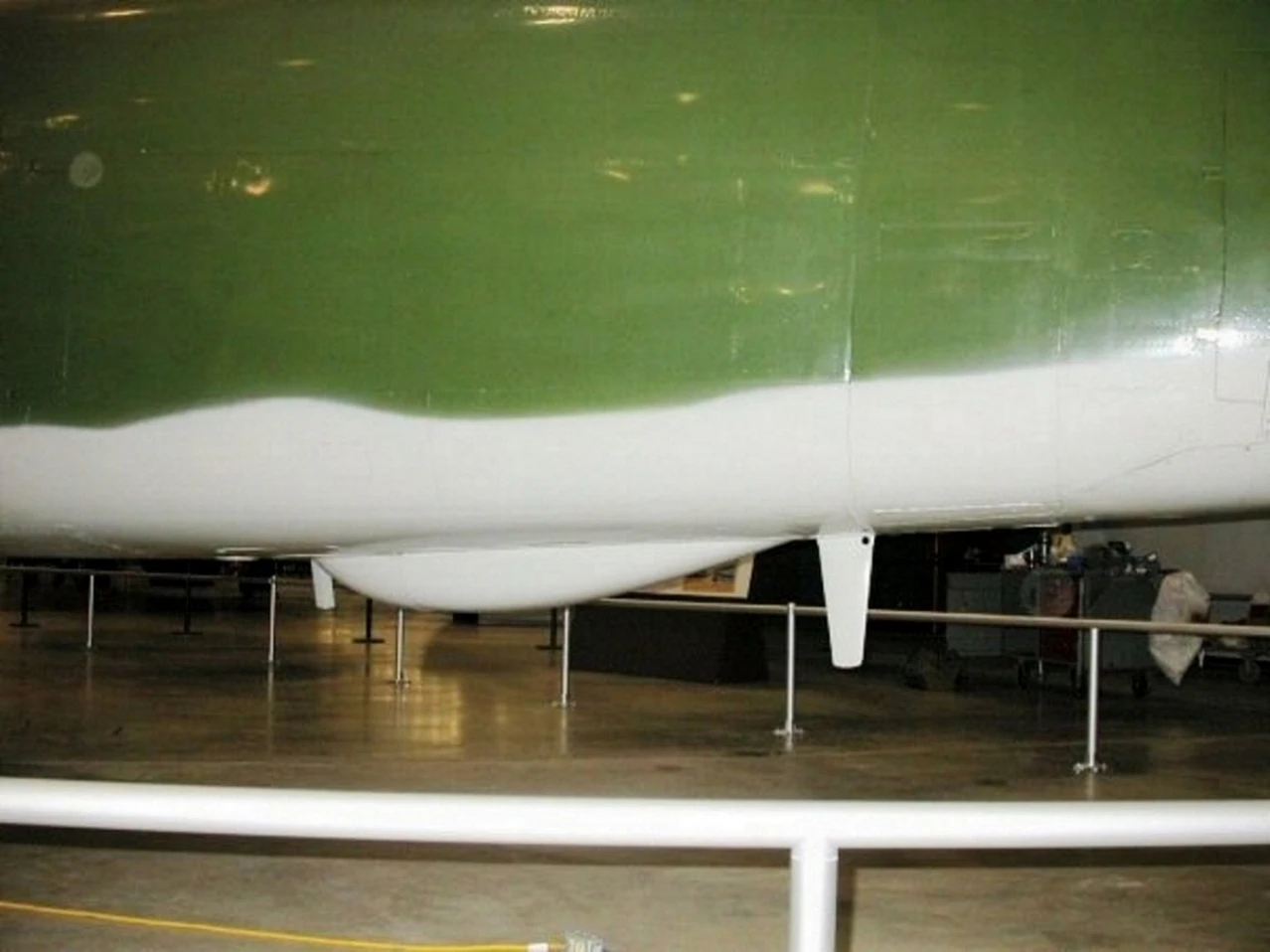
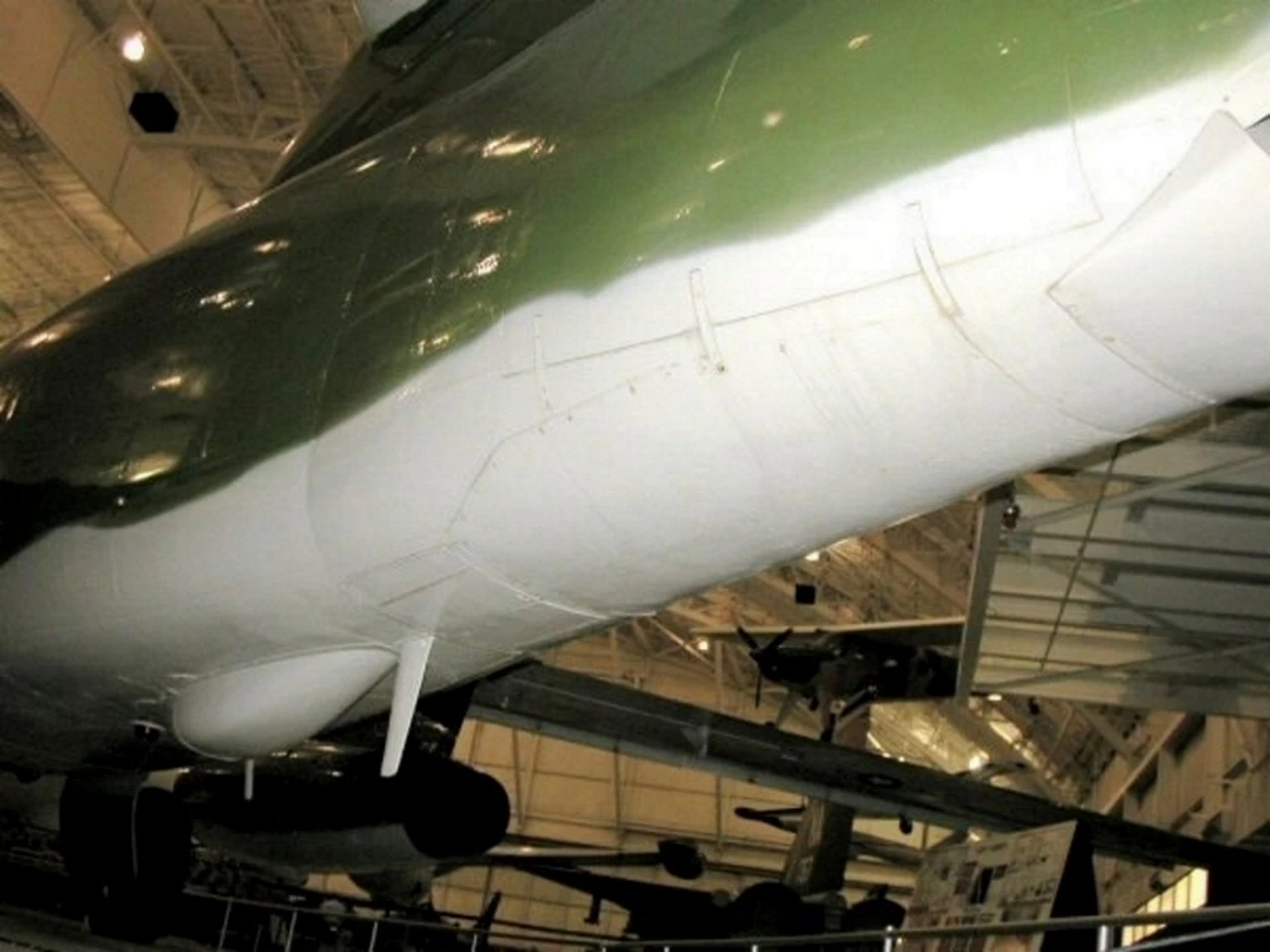
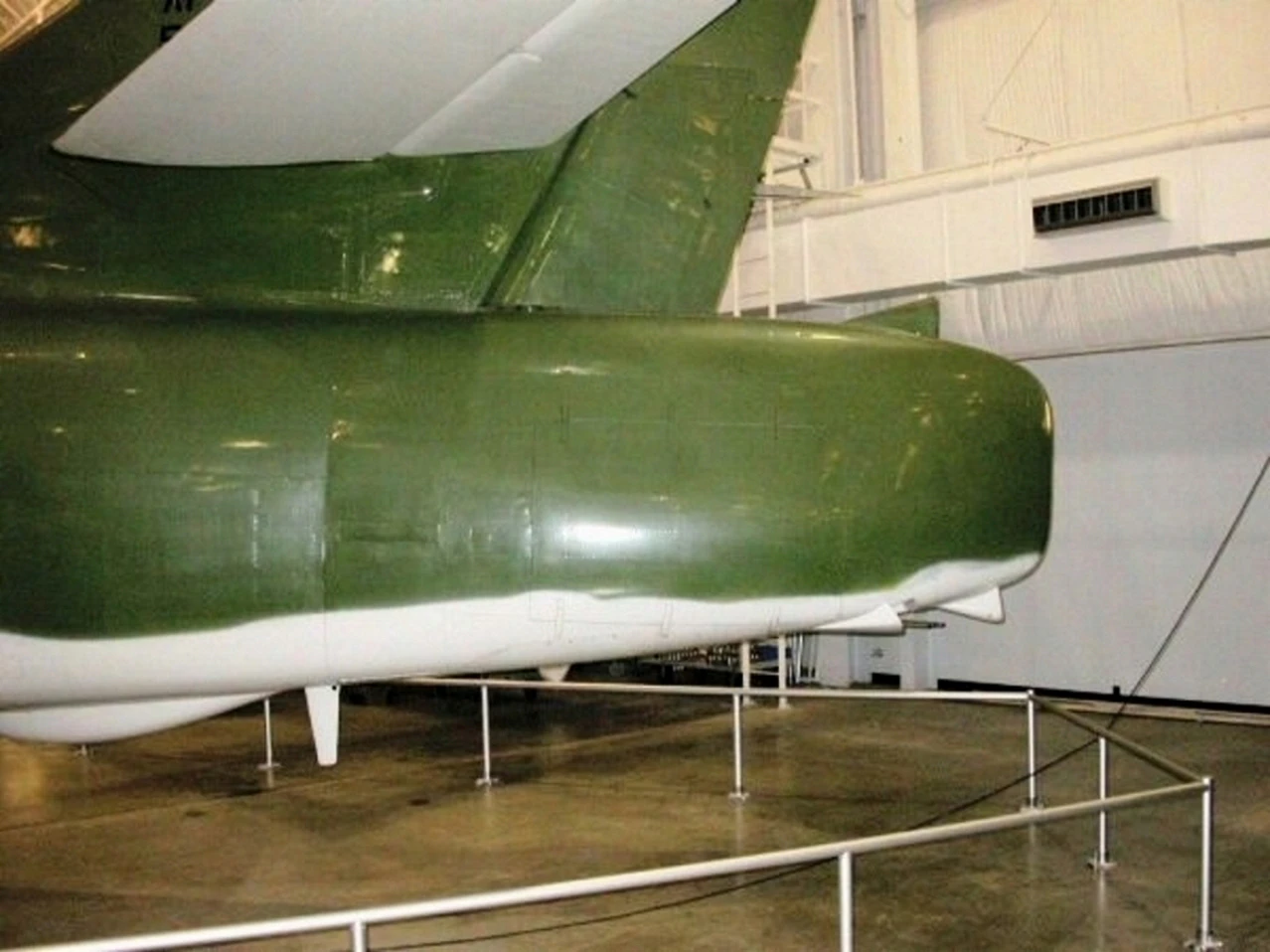
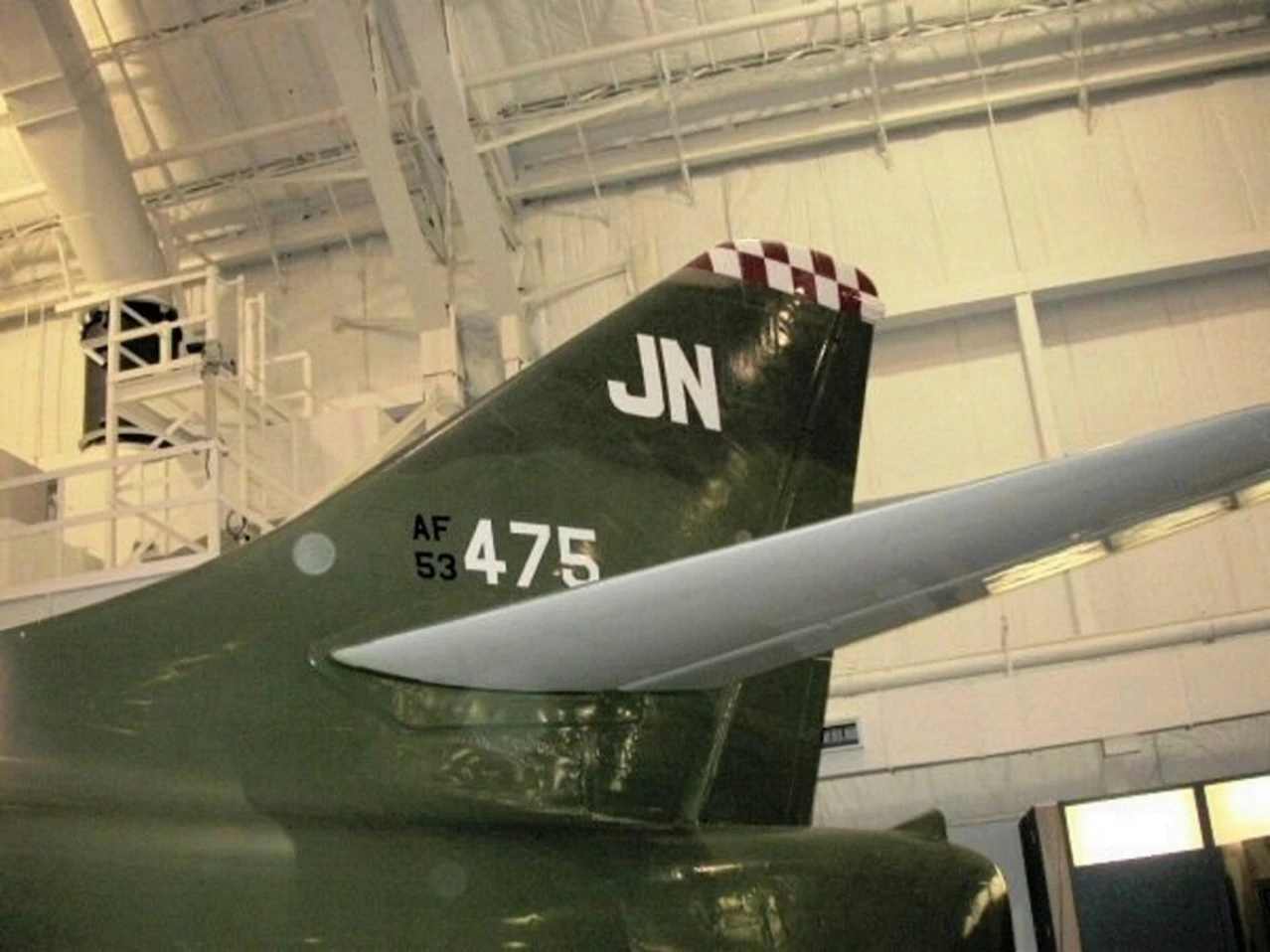
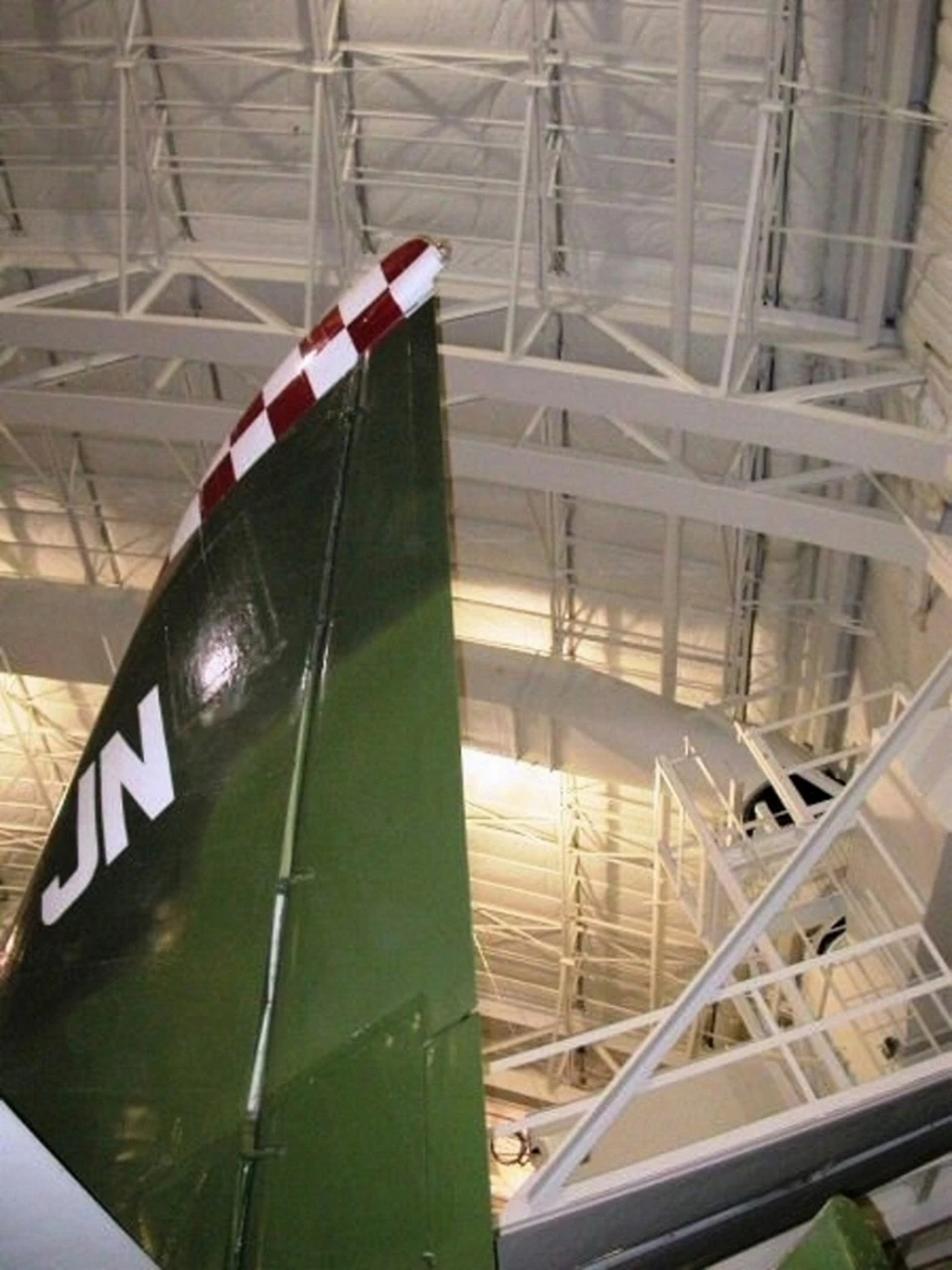
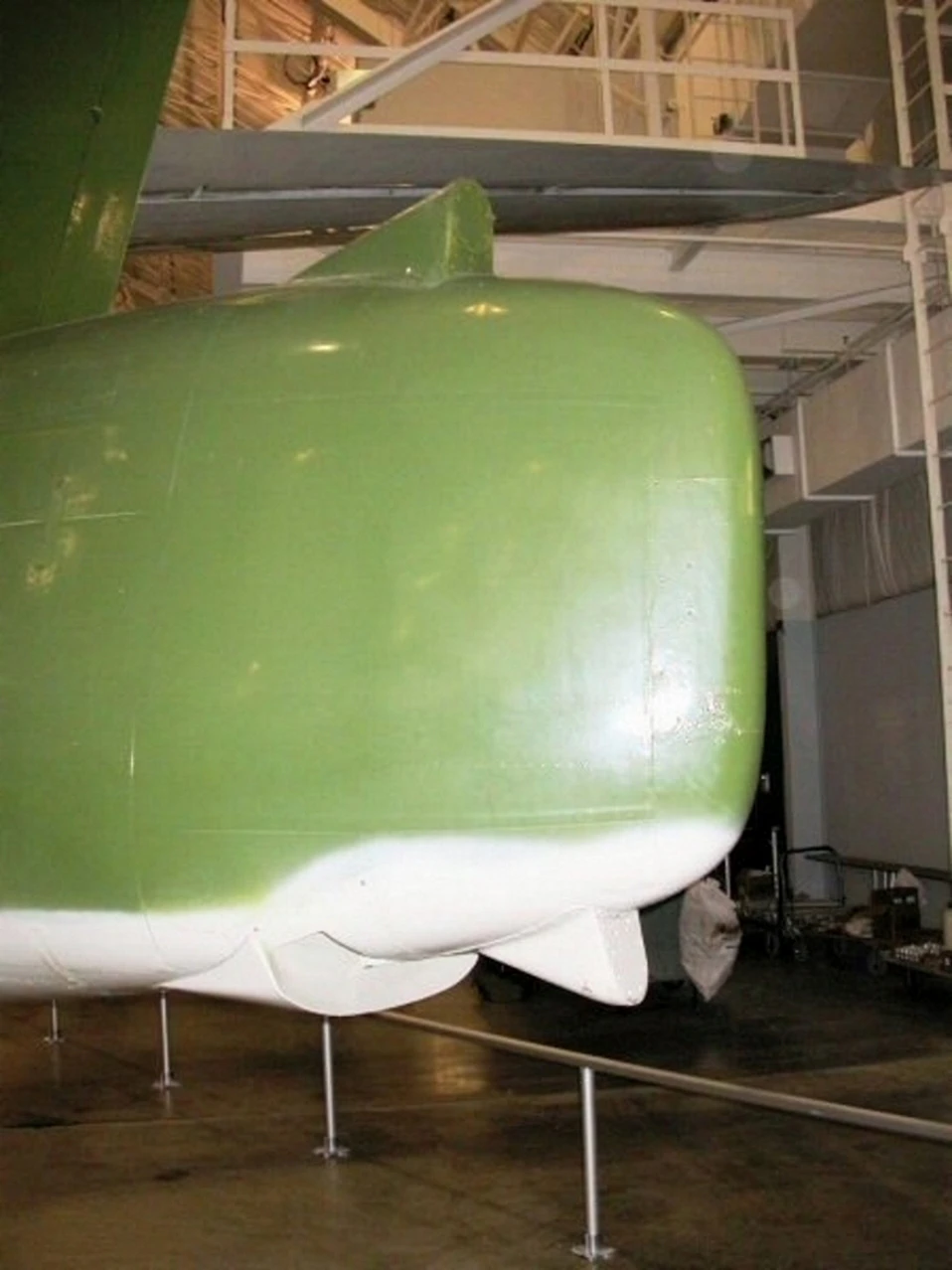
Galeria zdjęć Niszczyciel Douglas WB-66, The Douglas B-66 Destroyer was a U.S. Air Force Tactical Air Command light bomber based on the United States Navy’s A-3 Skywarrior carrier-based heavy attack aircraft. It was intended to replace the Douglas A-26 Invader. An RB-66 photo-reconnaissance version was ordered simultaneously. The USAF B-66 retained the three-man crew from the US Navy A-3, but incorporated ejection seats that the US Navy variant lacked. WB-66D: Electronic weather reconnaissance variant with the crew compartment modified for two observers, 36 built with two later modified to X-21A.
Źródła: Douglas WB-66 Destroyer na Wiki
| Douglas WB-66 Destroyer | |
|---|---|
| Fotograf | Władimir Yakubov |
| Lokalizacja | Muzeum Lotnicze Pima, Tuscon |
| Zdjęcia | 167 |

 Kup mi kawę
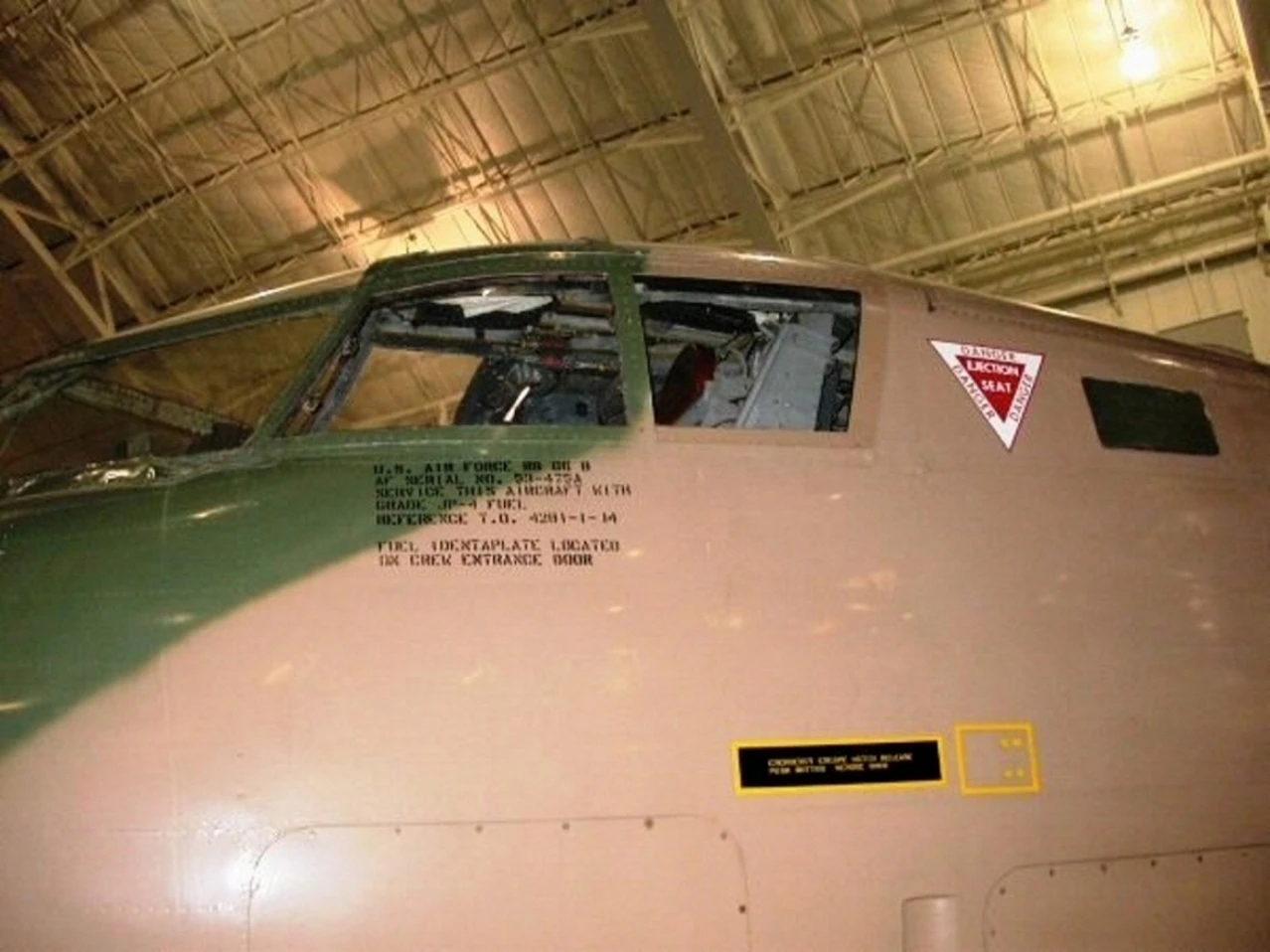
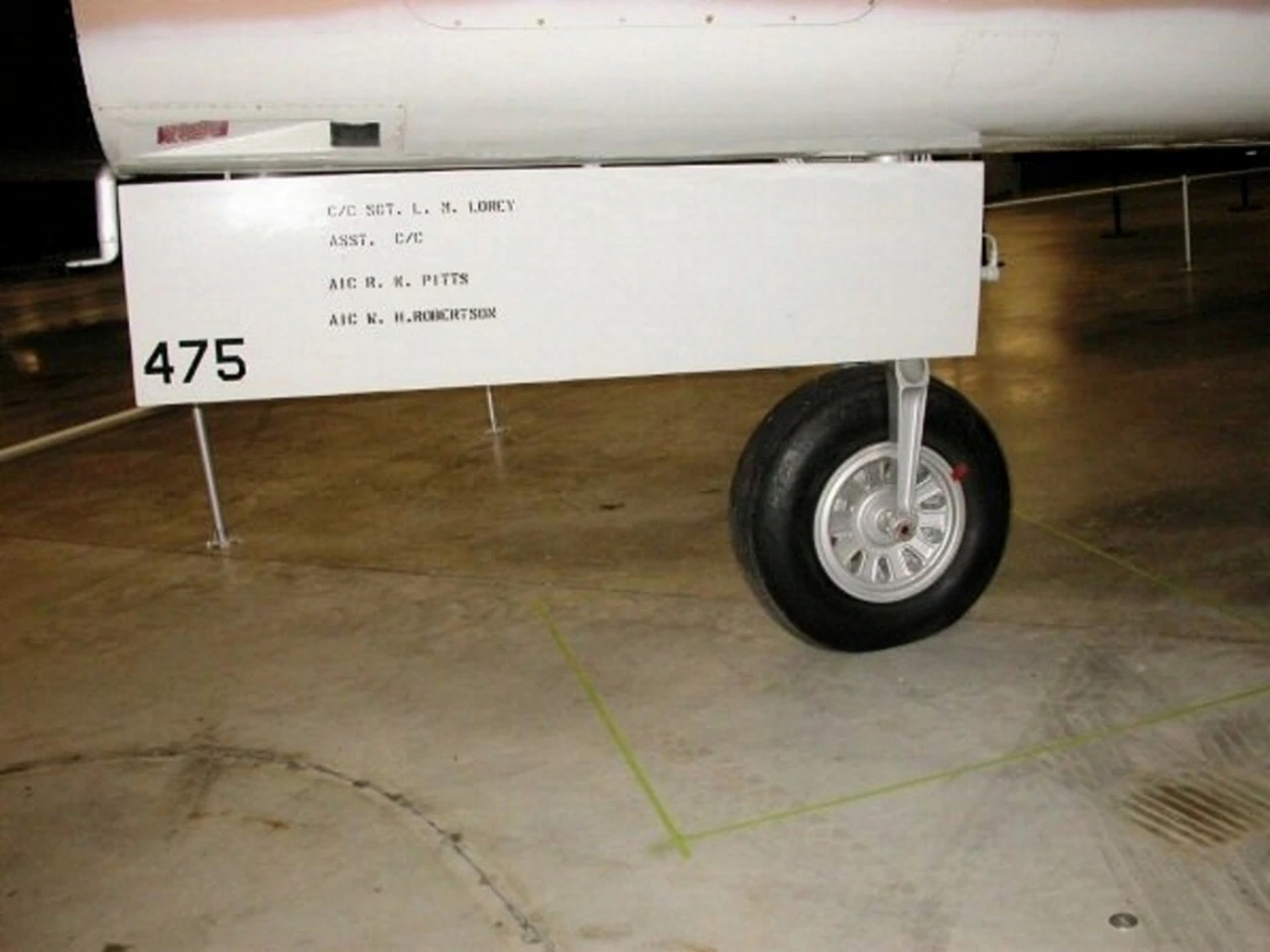
| RB-66C Destroyer Walk Around | |
|---|---|
| Fotograf | Fotios Rouch |
| Lokalizacja | Niewiedzy |
| Zdjęcia | 21 |
Zobacz też:


The All-Weather Eye in the Sky
Tthe Niszczyciel Douglas WB-66 was the weather reconnaissance evolution of the B-66 light bomber. While it shared a striking family resemblance to the Navy’s A-3 Skywarrior, the Destroyer was a significantly different beast, redesigned for the high-stress, low-altitude requirements of the U.S. Air Force. The WB-66D was the final production variant, tasked with flying into the path of storms and over battlefields to gather vital meteorological data. In an era before sophisticated satellite imagery, these aircraft provided the weather “intelligence” that determined whether a massive air strike could proceed or if a fleet should change course.
| Attribute | Technical Specification (WB-66D) |
|---|---|
| Roli | Weather Reconnaissance |
| Załogi | 5 (Pilot, Navigator, Gunner, and 2 Weather Equipment Operators) |
| First Flight (Series) | June 28, 1954 |
| Zespół napędowy | 2 × Allison J71-A-13 turbojets |
| Thrust | 10,200 lbf (45 kN) per engine |
| Prędkość maksymalna | 631 mph (1,015 km/h) |
| Combat Range | 900 miles (1,448 km) / Ferry: 2,470 miles |
| Service Ceiling | 39,400 ft (12,000 m) |
Design Engineering: From Carrier Deck to Concrete Runway
- The Allison Swap: Unlike the Navy’s A-3 which used P&W J57s, the B-66 series was fitted with Allison J71 engines. This choice was driven by supply chain needs but required a total redesign of the engine nacelles and internal systems, as the J71 generated more heat and had different mounting points.
- Ejection Seats: One of the most critical departures from the Navy design was the inclusion of ejection seats. The Navy version (A-3) famously lacked them, leading to the grim nickname “All Three Dead.” The B-66 crew enjoyed the safety of AMI-designed ejection seats for both low and high-altitude escapes.
- Redesigned Wing: To handle the turbulence of low-level flight, the B-66 wing was entirely redesigned with a thinner profile, revised ailerons, and greater surface area compared to the Skywarrior.
- The Weather Lab: In the WB-66D, the bomb bay was replaced with a pressurized, climate-controlled compartment for two weather specialists. They operated dropsonde dispensers and atmospheric sensors to measure pressure, temperature, and humidity while in flight.
Legacy: Electronic Warfare and Atmospheric Research
- The Vietnam Pivot: While the WB-66D focused on weather, its “sister” variant, the EB-66, became one of the most important aircraft of the Vietnam War. These “Electronic Destroyers” jammed North Vietnamese SAM radars, saving countless Allied lives.
- The X-21 Experiment: Two WB-66D airframes were sacrificed for science, being heavily modified into the Northrop X-21. They featured massive new wings with thousands of tiny slots to test “Laminar Flow Control,” a precursor to modern fuel-saving wing technology.
- End of the Line: The WB-66D was the last version of the Destroyer built, with 36 units completed by 1958. It remained a vital part of the Air Weather Service until replaced by more modern platforms and satellites in the mid-1960s.
- Logistics Heavyweight: Despite its “light bomber” classification, the Destroyer was a complex, heavy aircraft to maintain. It bridged the gap between the tactical bombers of WWII and the multi-role electronic platforms of the late Cold War.
Liczba wyświetleń : 3574
Możesz również zobaczyć:
 Douglas DC-6 – Zdjęcia & wideo
 Douglas X-3 Stiletto – Zdjęcia i filmy
 Douglas DC-3 – Zdjęcia i filmy
 Douglas B-23 Dragon – Zdjęcia i filmy
 McDonnell Douglas F/A-18 Hornet – Zdjęcia & Film
 Douglas A-4 Skyhawk – Zdjęcia & Wideo
 Douglas F4D Skyray – Zdjęcia & Wideo
 Douglas A-3 Skywarrior – Zdjęcia & Video
 A-7B Corsair II – WalkAround
 Douglas EA-1F Skyraider – WalkAround