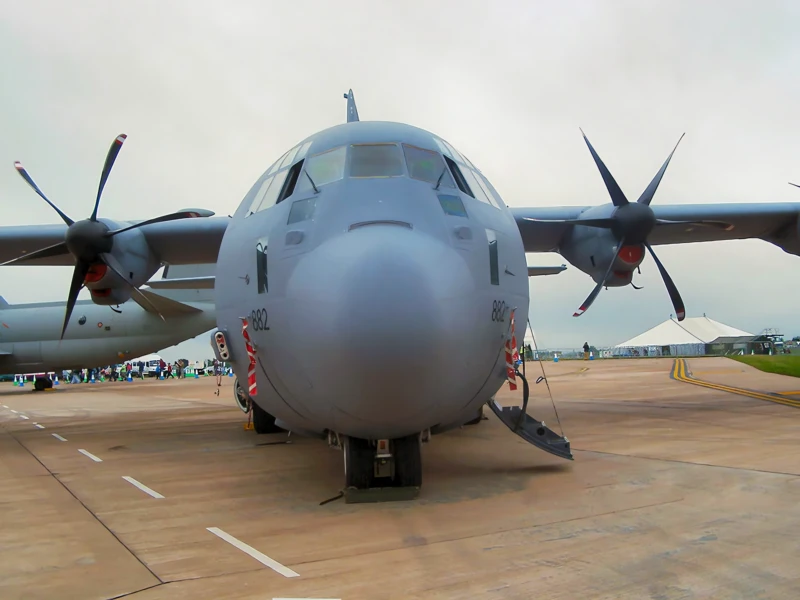
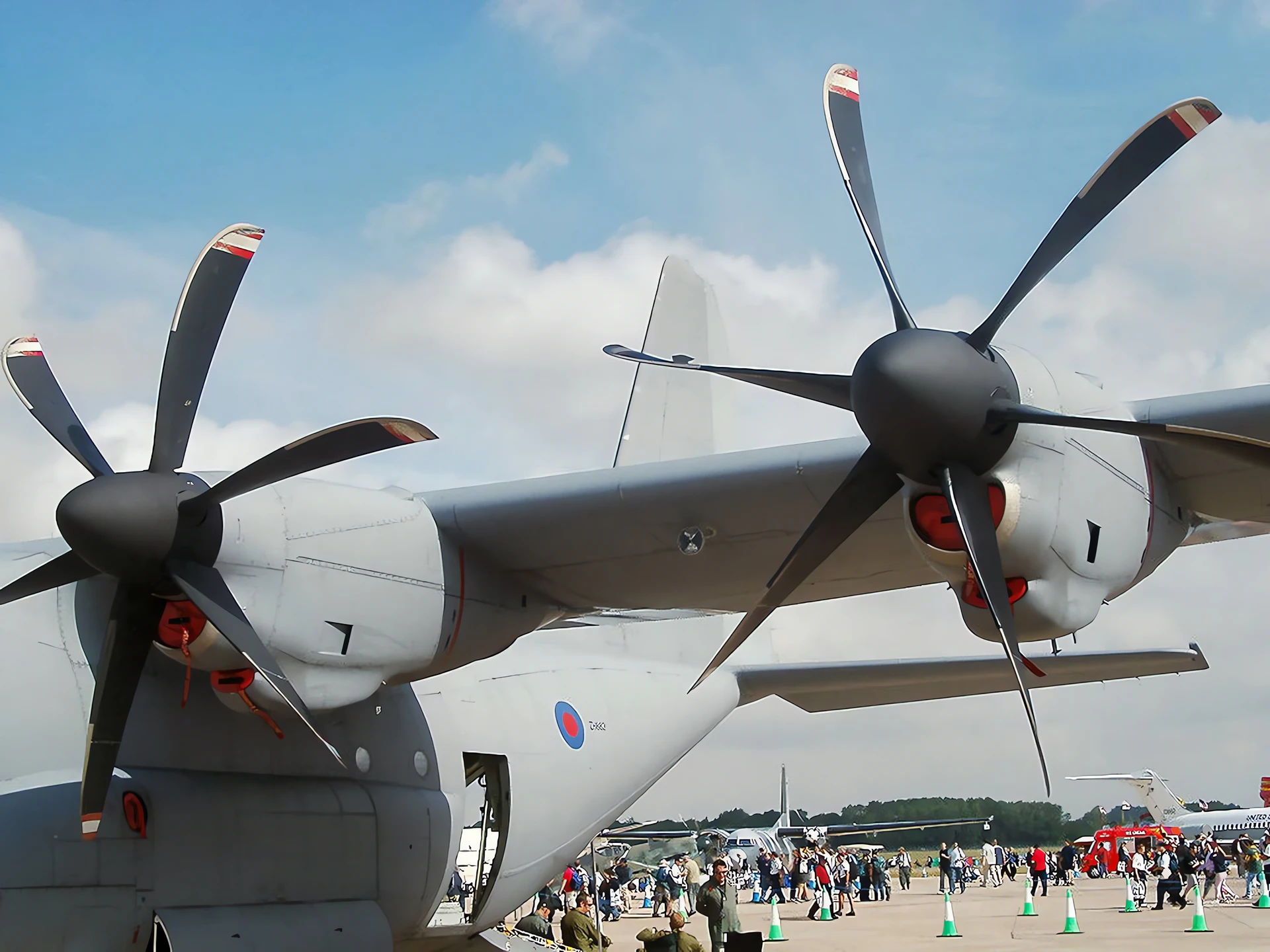
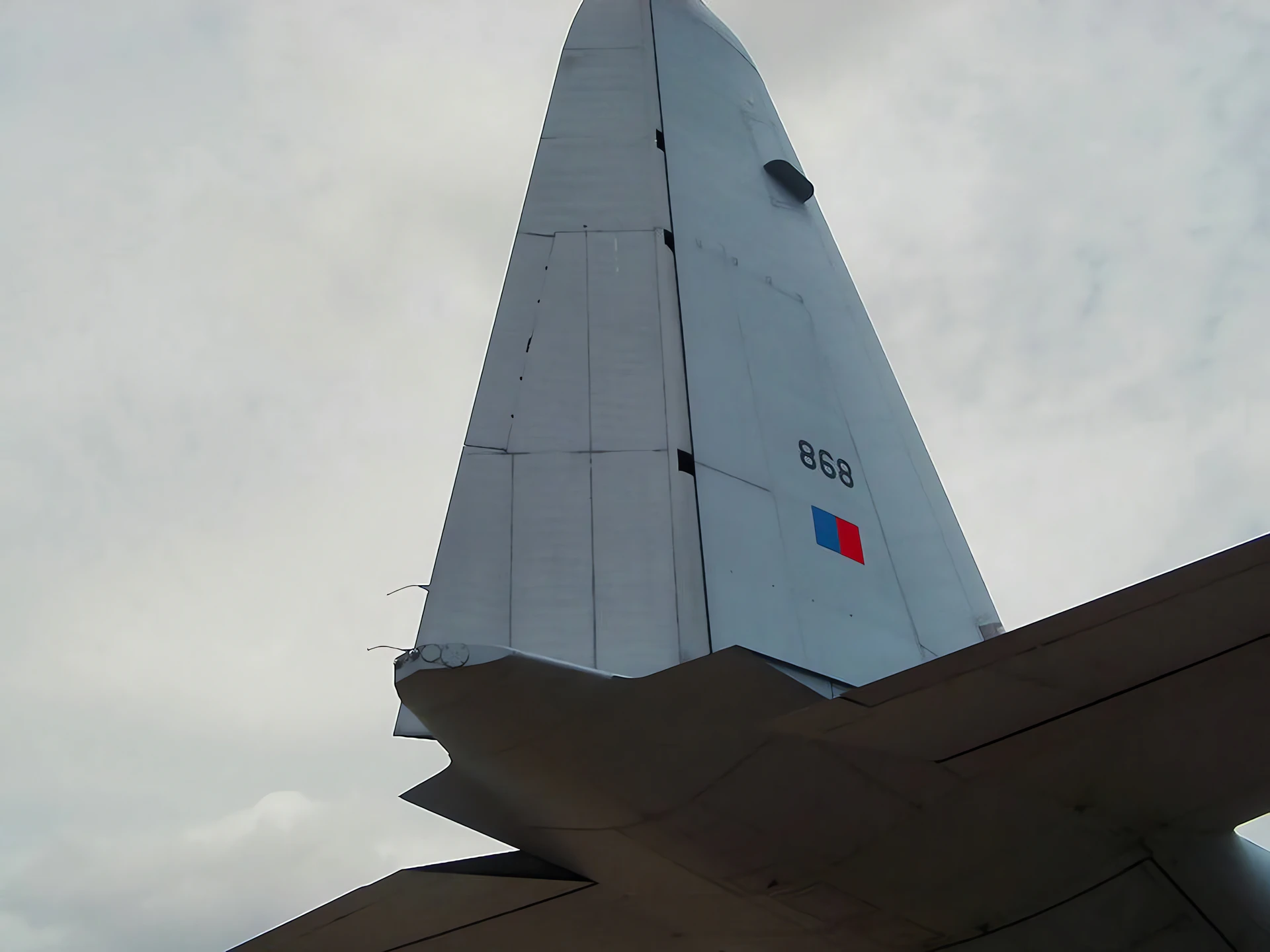
Tthe Lockheed Martin C-130J Super Hercules to czterosilnikowy turbośmigłowy wojskowy samolot transportowy. C-130J to kompleksowa aktualizacja Lockheed C-130 Hercules, z nowymi silnikami, pokładem lotniczym i innymi systemami. Rodzina Herkulesów ma najdłuższy ciągły przebieg produkcji samolotów wojskowych w historii. W ciągu ponad 60 lat służby rodzina uczestniczyła w operacjach wojskowych, cywilnych i humanitarnych. Hercules przetrwał kilka planowanych projektów następców, w szczególności advanced medium STOL transport zawodników. Piętnaście krajów złożyło zamówienia na łącznie 300 samolotów C-130J, z czego 250 samolotów zostało dostarczonych od lutego 2012 r.
Czekaj, wyszukiwanie C-130J Hercules dla Ciebie ...
Lockheed C-130H Hercules Walk Around
Fotograf
Meindert de Vreeze
Lokalizacja
Niewiedzy
Zdjęcia
36
Lockheed C-130 Hercules Walk Around
Fotograf
Bill Maloney
Lokalizacja
RCAF Królewskie Muzeum Kanadyjskich Sił Powietrznych
Zdjęcia
20
Zobacz też:
The Evolution of a Legend
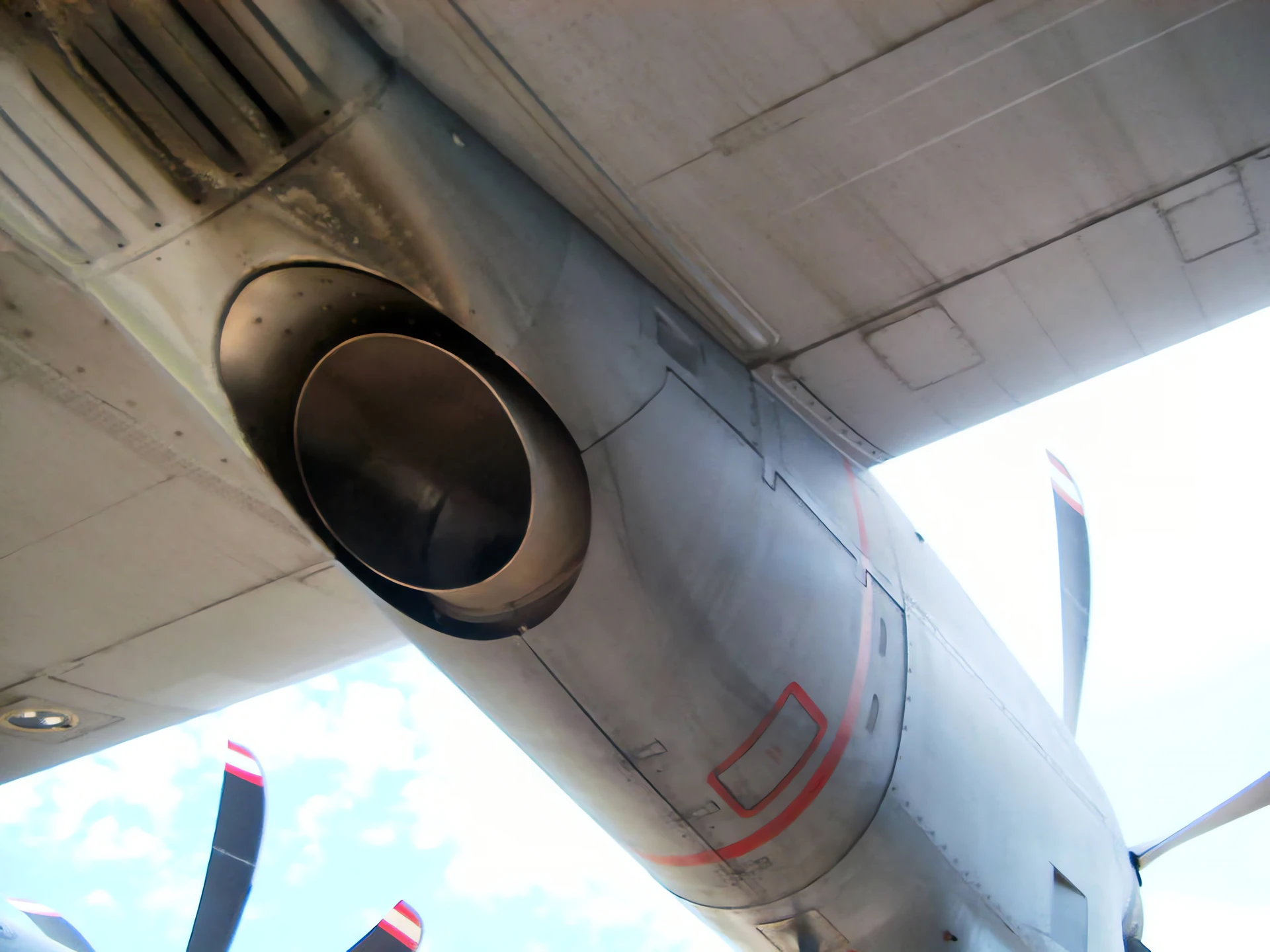
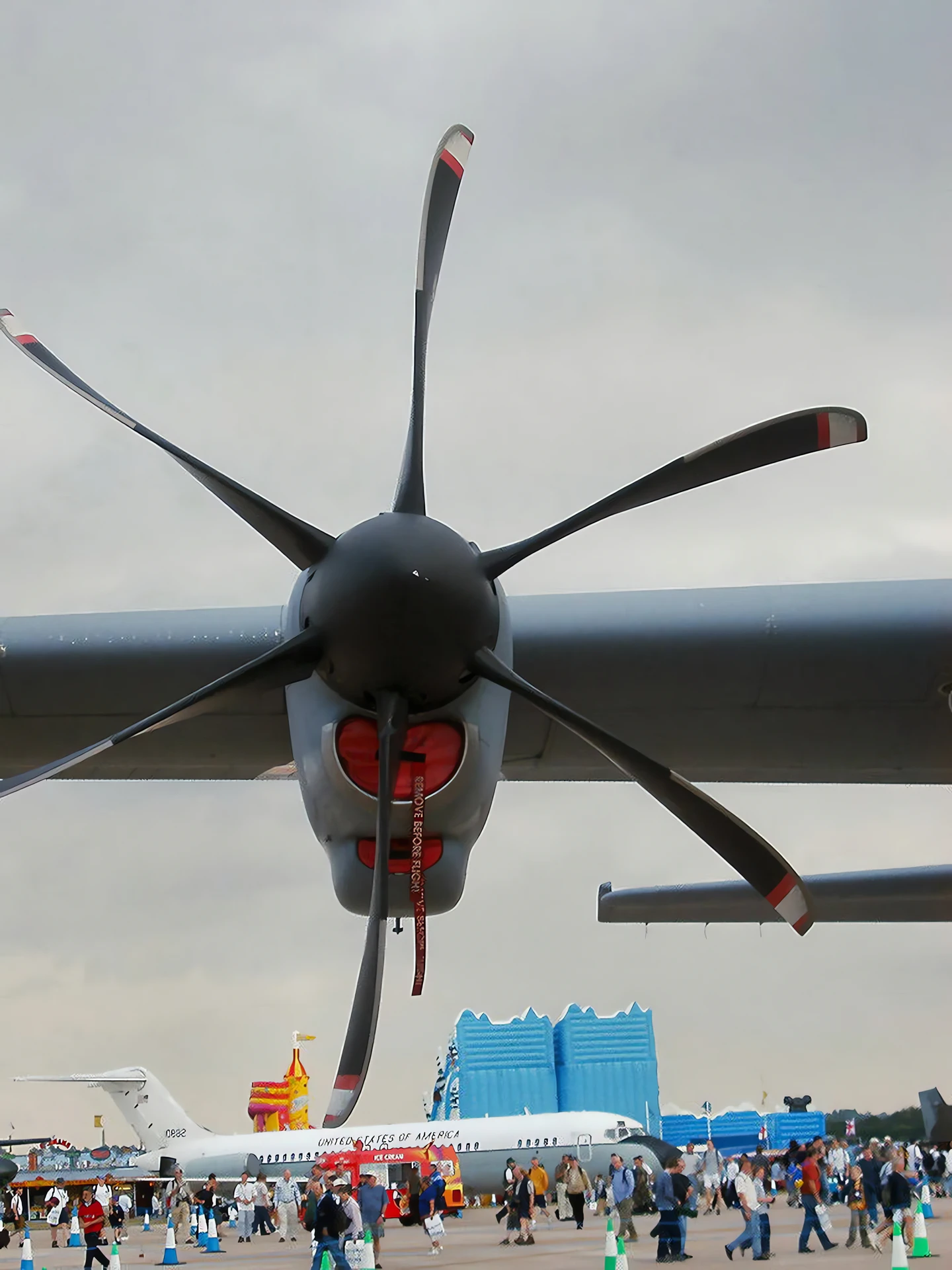
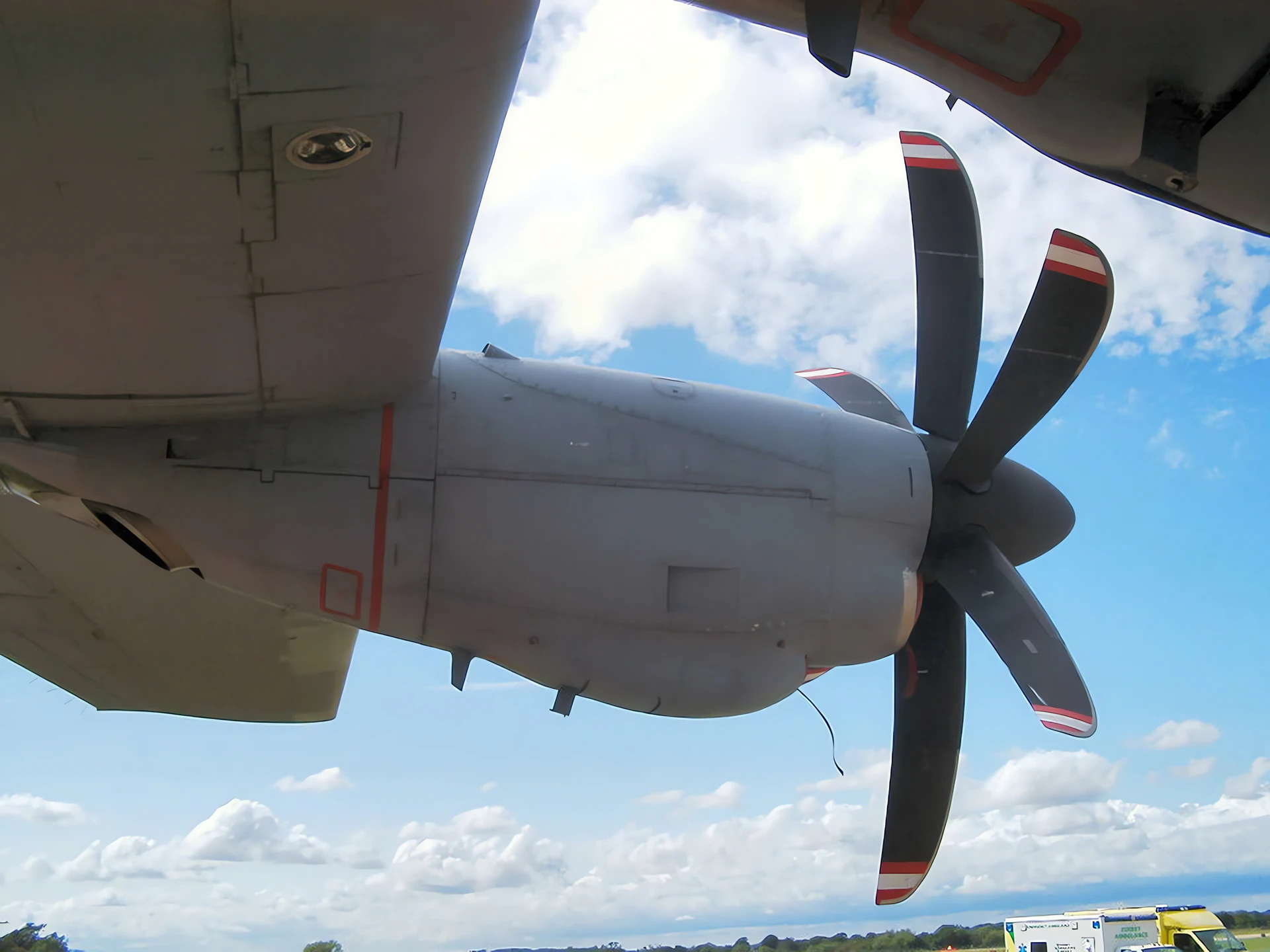
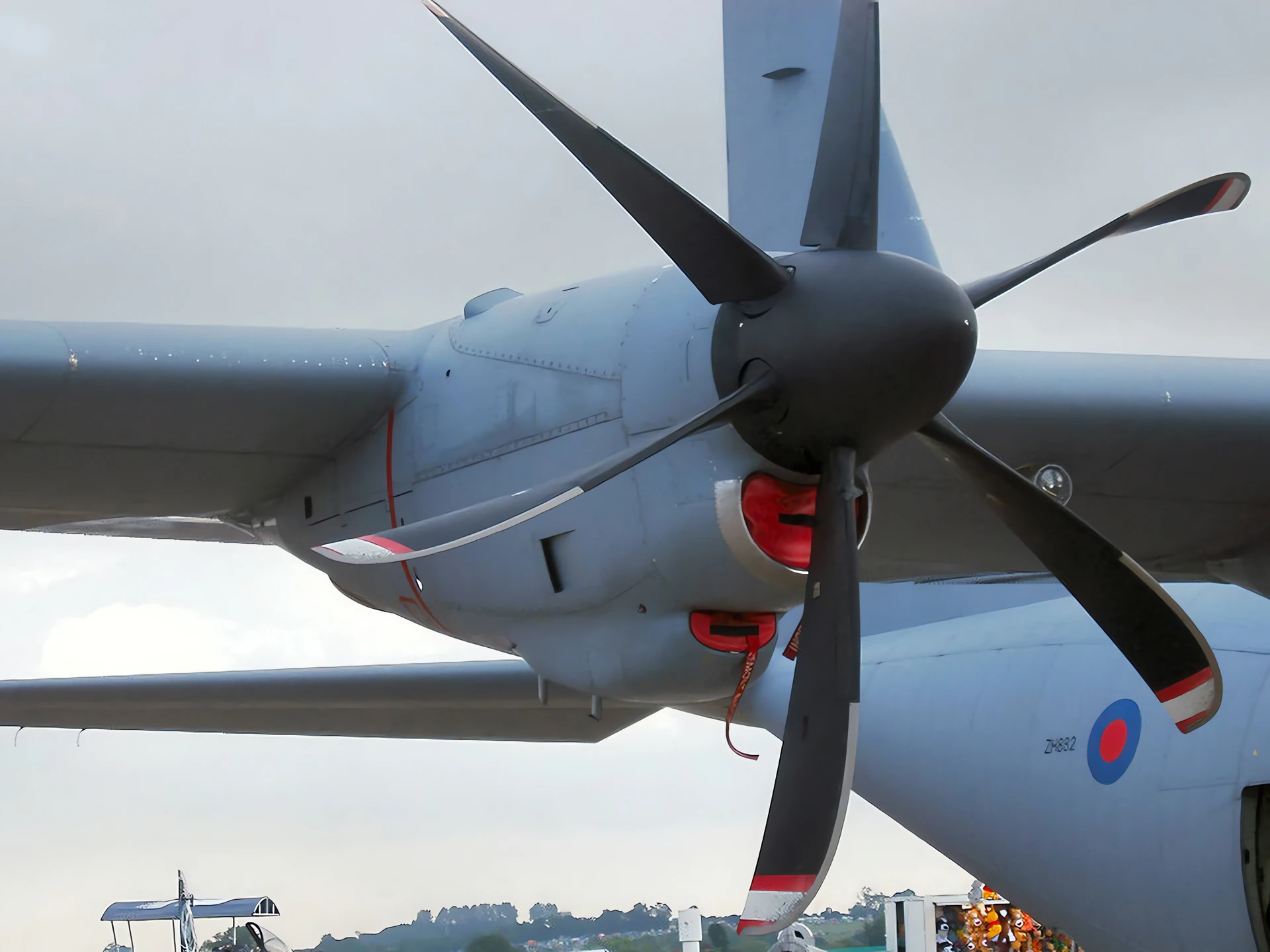
Tthe C-130J Super Herculesis the most recent and advanced version of the venerable C-130 family. While it looks similar to the “Legacy” Hercules from the outside, it is a completely different aircraft under the skin. Featuring more powerful engines, a digital “glass” cockpit, and automated systems that allow for a reduced crew size, the “J-model” flies higher, faster, and farther than any of its predecessors. It remains the only military transport aircraft in history to remain in continuous production for over 60 years.
Attribute
Technical Specification (C-130J)
Roli
Tactical Airlift / Multi-Role Transport
Załogi
3 (2 Pilots and 1 Loadmaster)
Zespół napędowy
4 × Rolls-Royce AE 2100D3 turboprops
Horsepower
4,637 shp (3,458 kW) per engine
Propellers
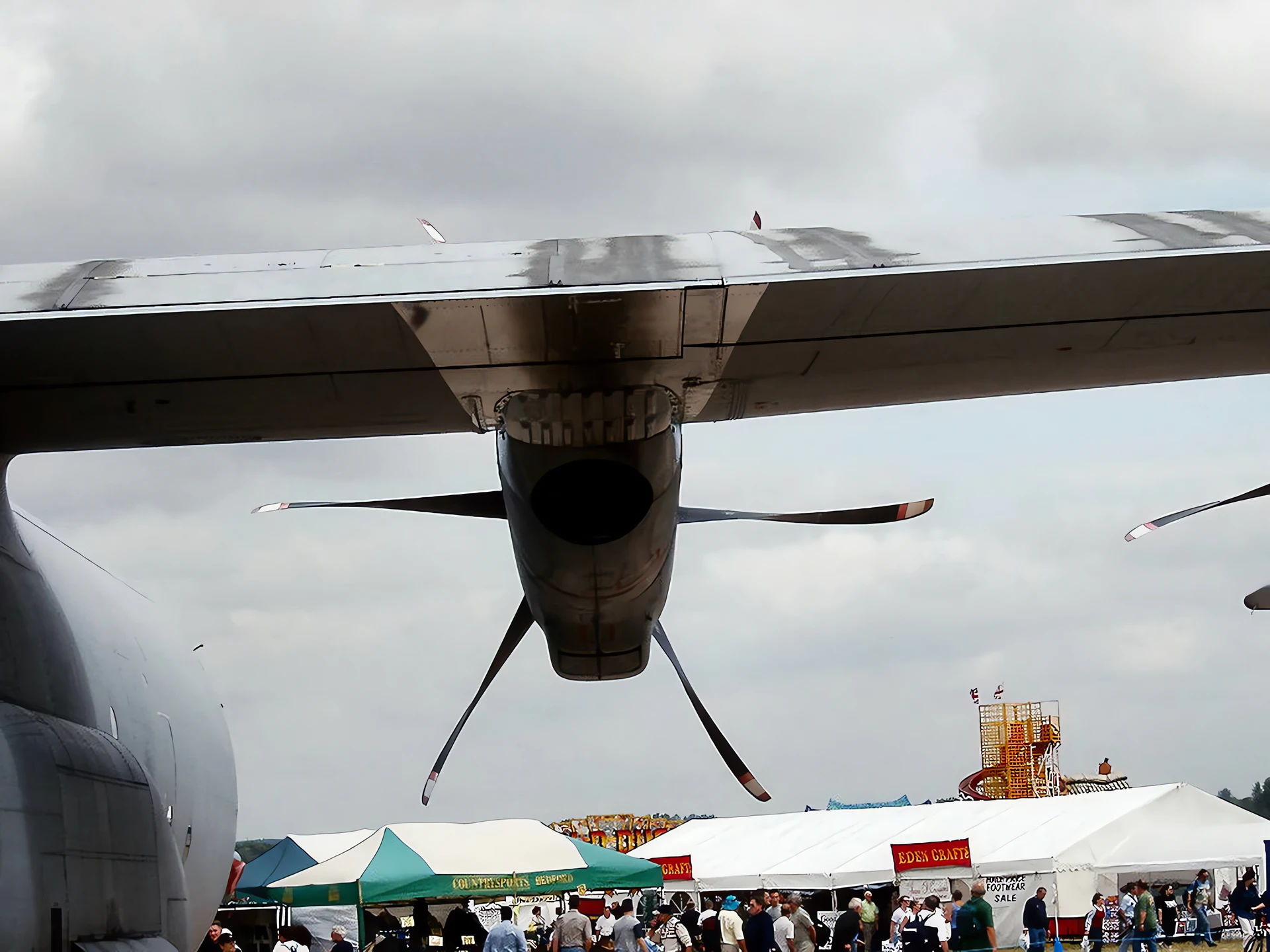
Dowty R391 6-blade composite “Scimitar”
Prędkość maksymalna
417 mph (671 km/h / Mach 0.59)
Max Payload
42,000 lbs (Standard) / 44,000 lbs (C-130J-30)
Service Ceiling
28,000 feet (with 42,000 lb payload)
Advanced Technology & Efficiency
Digital Glass Cockpit:The J-model replaced the hundreds of analog gauges of the E and H models with four large liquid crystal displays (LCDs). It also introducedHead-Up Displays (HUDs)for both pilots, allowing them to fly low-level missions without taking their eyes off the horizon.
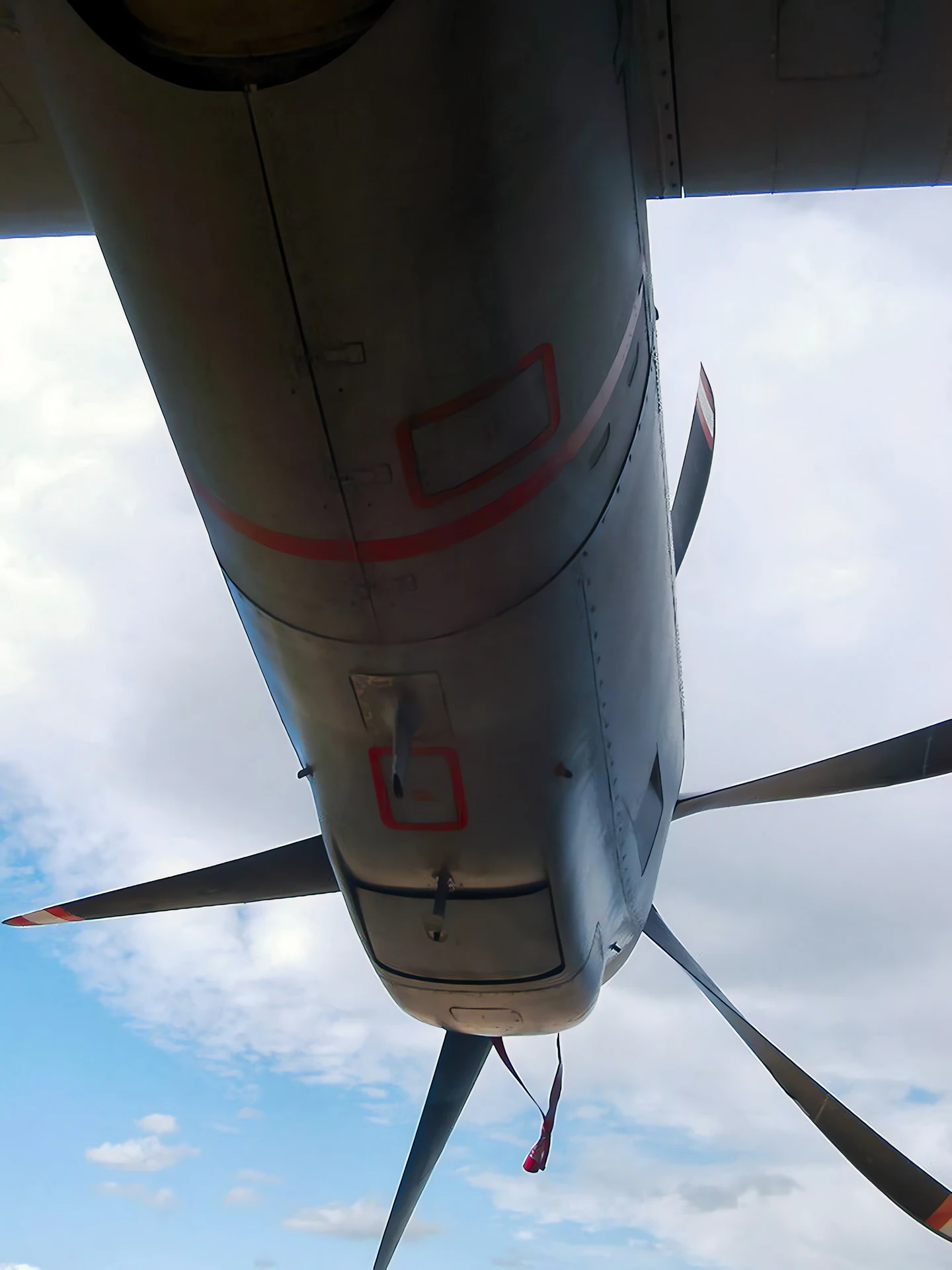
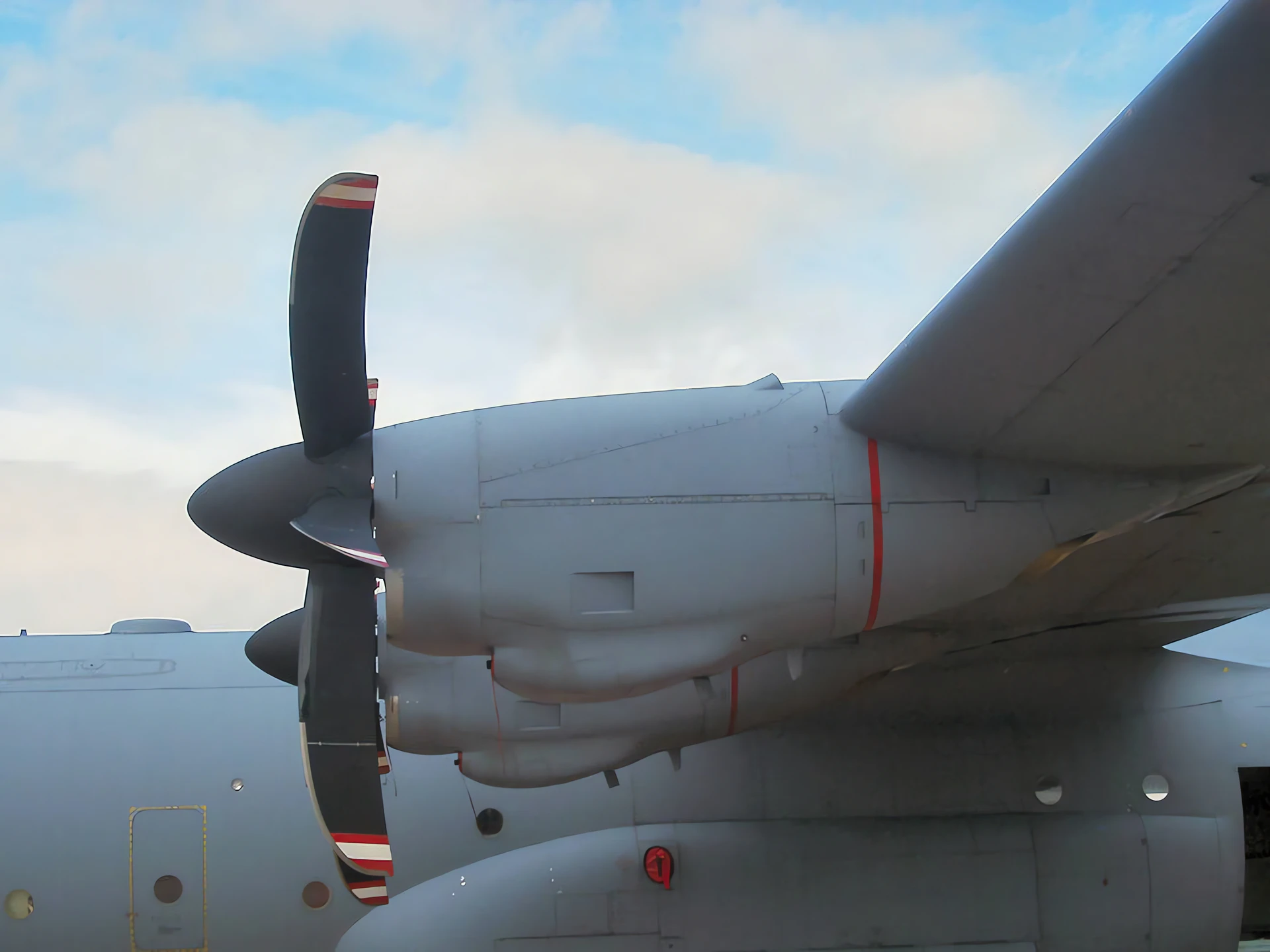
Advanced Propulsion:The AE 2100D3 engines are 25% more powerful and 15% more fuel-efficient than earlier models. The distinctsix-bladed composite propellersare lighter and provide much higher thrust at low speeds.
Reduced Crew:Thanks to the high level of automation and theStation Keeping System (SKS), the C-130J eliminated the need for a dedicated Navigator and Flight Engineer, reducing the standard crew from five to three.
Enhanced Cargo Handling:The J-model includes an Enhanced Cargo Handling System (ECHS) that allows for quicker reconfiguration between paratroop missions, palletized cargo, or vehicle transport.
Variations and Versatility
The “Stretch” (C-130J-30):The most common version in service today is the C-130J-30, which features a 15-foot fuselage extension (two plugs), allowing for two additional cargo pallets or significantly more paratroopers.
The Special Ops Fleet:The J-model airframe serves as the basis for theAC-130J Ghostridergunship, theMC-130J Commando IIfor special operations, and theHC-130J Combat King IIfor search and rescue.
The KC-130J:Used extensively by the U.S. Marine Corps, this version acts as a tactical tanker, capable of refueling both helicopters and fixed-wing fighters while also carrying cargo.
Worldwide Operator Base:The C-130J is used by nearly 20 nations, including the UK, Australia, India, and Canada, ensuring its status as the “backbone” of global tactical airlift for the 21st century.


 Mitsubishi G4M – Zdjęcia i filmy
 Nieuport 27 – Zdjęcia i filmy
 Martin 4-0-4 – Zdjęcia i filmy
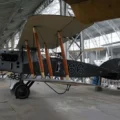 Bristol F.2 Fighter – Zdjęcia i filmy
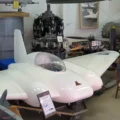 Northrop JB-1 Bat – Zdjęcia & Filmy
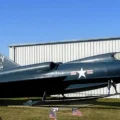 Convair F2Y Sea Dart – Zdjęcia & Filmy
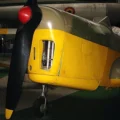 Miles Magister – Zdjęcia i filmy
 Lockheed Martin X-35 – Zdjęcia i filmy
 KFIR C-1 – WalkAround
 MiG-29 – WalkAround