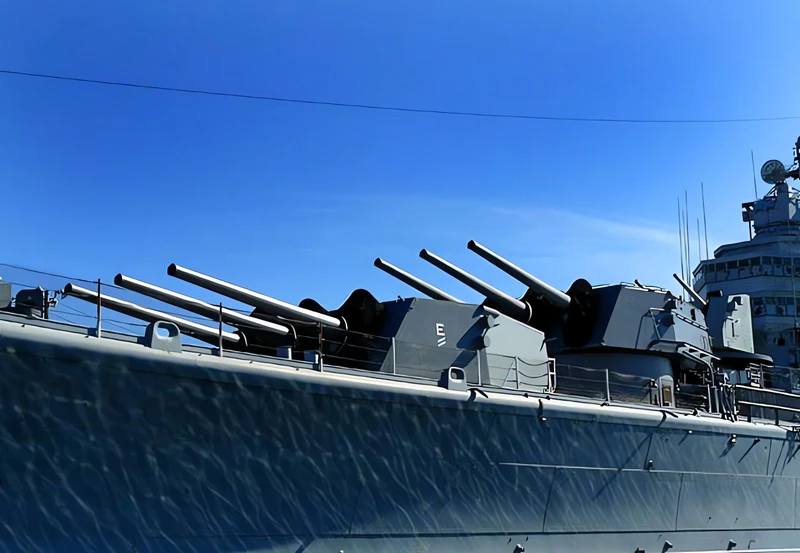
USS Salem (CA-139) | |
|---|---|
| Country | USA |
| Class – Type | Des Moines-class – Heavy cruiser |
| Launched | 25 March 1947 |
| Decommissioned | 30 January 1959 |
The third USS Salem (CA-139) is one of three Des Moines-class heavy cruisers completed for the United States Navy shortly after World War II. Commissioned in 1949, she was the world’s last heavy cruiser to enter service and the only one still in existence. She was decommissioned in 1959, after serving in the Atlantic and Mediterranean. She is open to the public as a museum ship in Quincy, Massachusetts
Source: USS Salem (CA-139) on Wikipedia
| USS Salem CA-139 Walk Around | |
|---|---|
| Photographer | Bill Maloney |
| Localisation | Unknow |
| Photos | 331 |
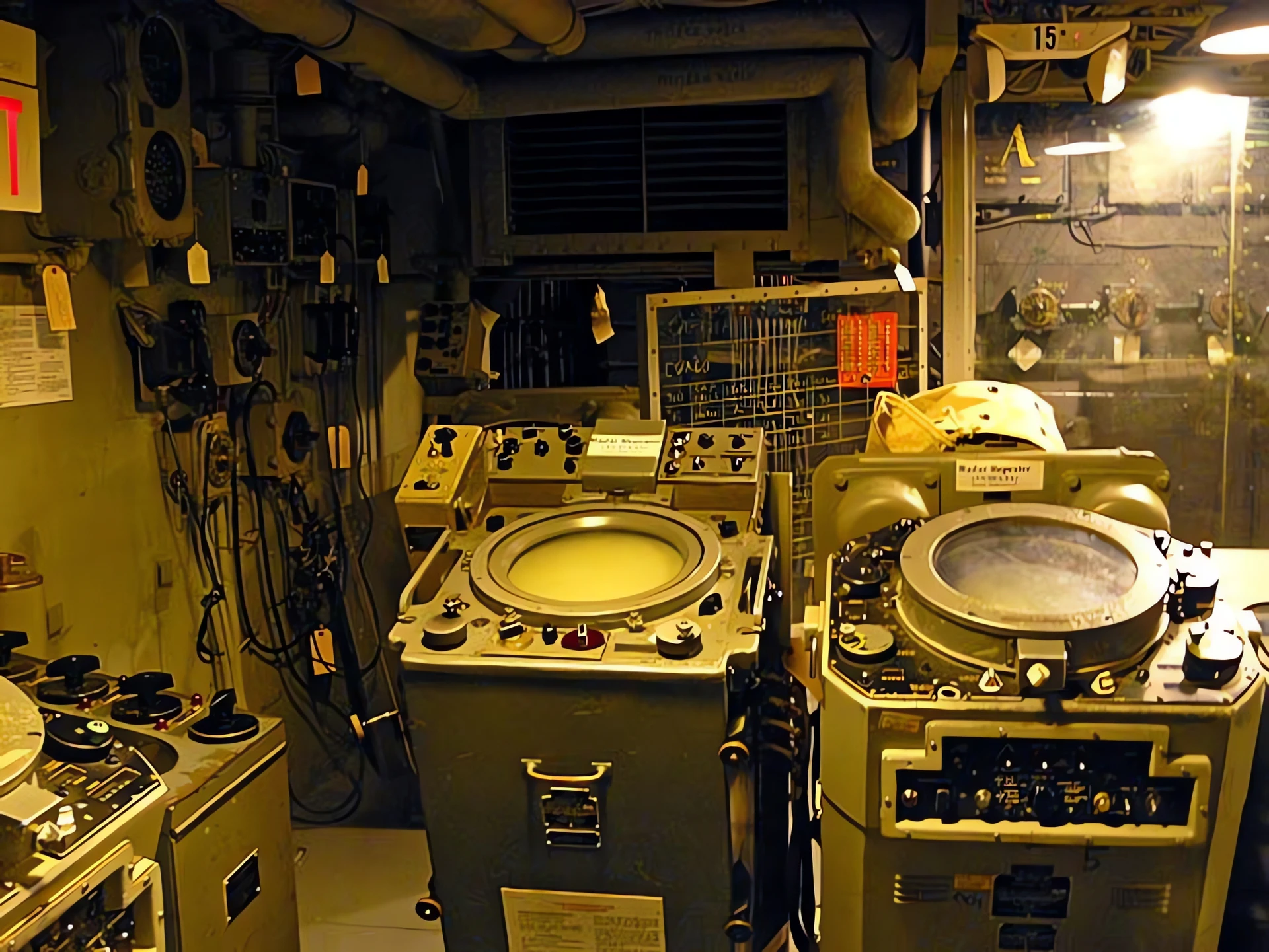
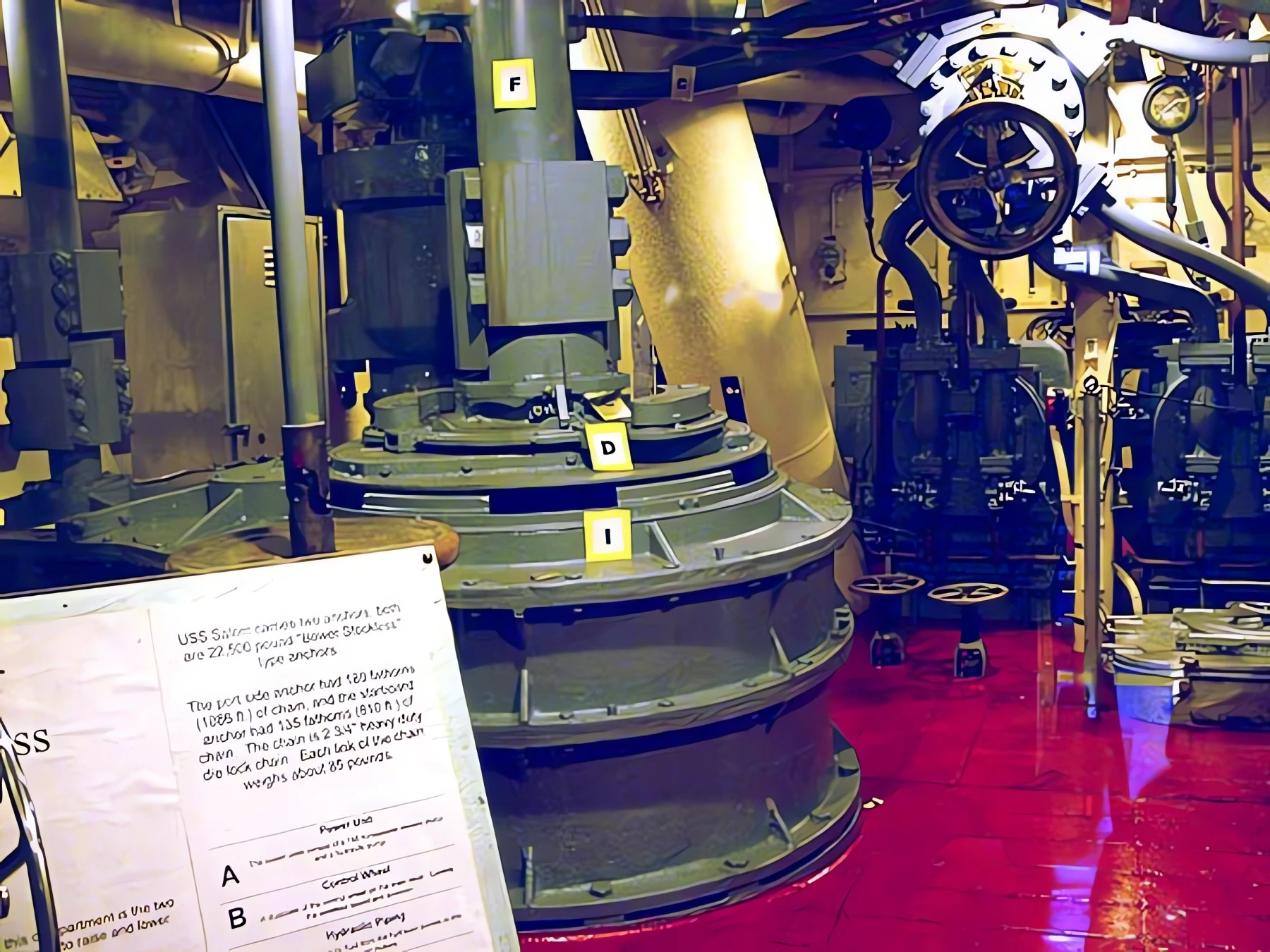
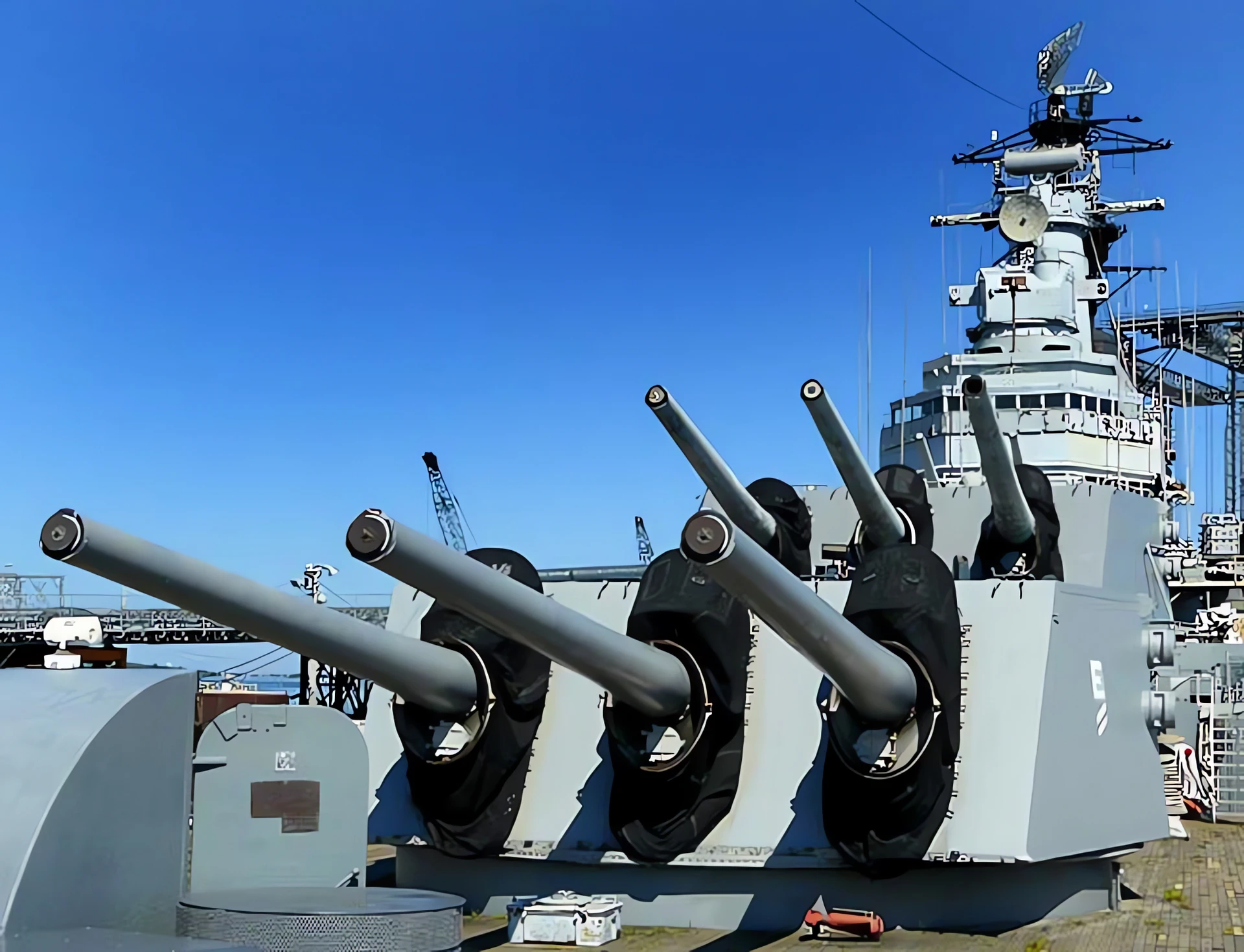
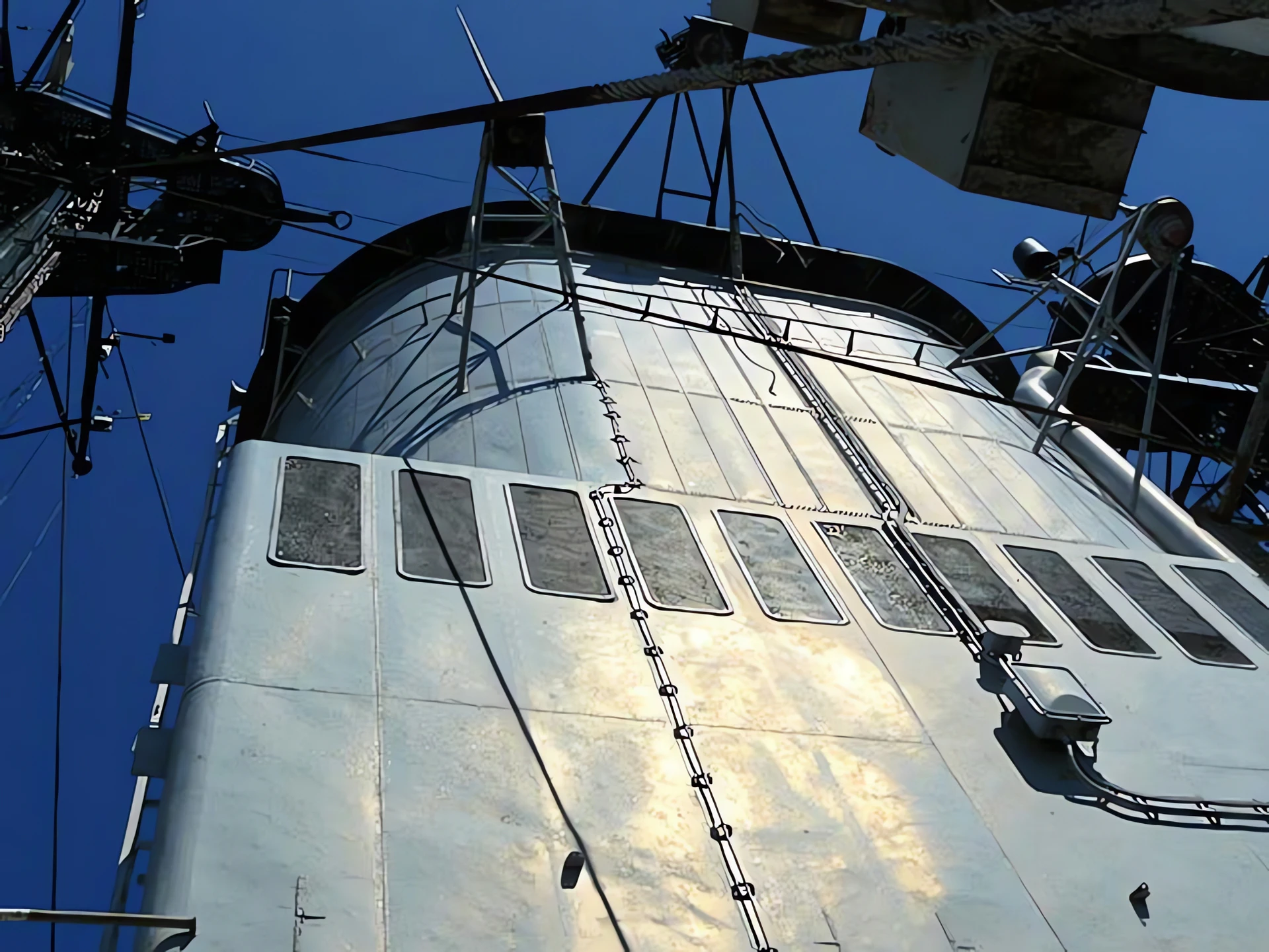

See also:


General Characteristics and Role
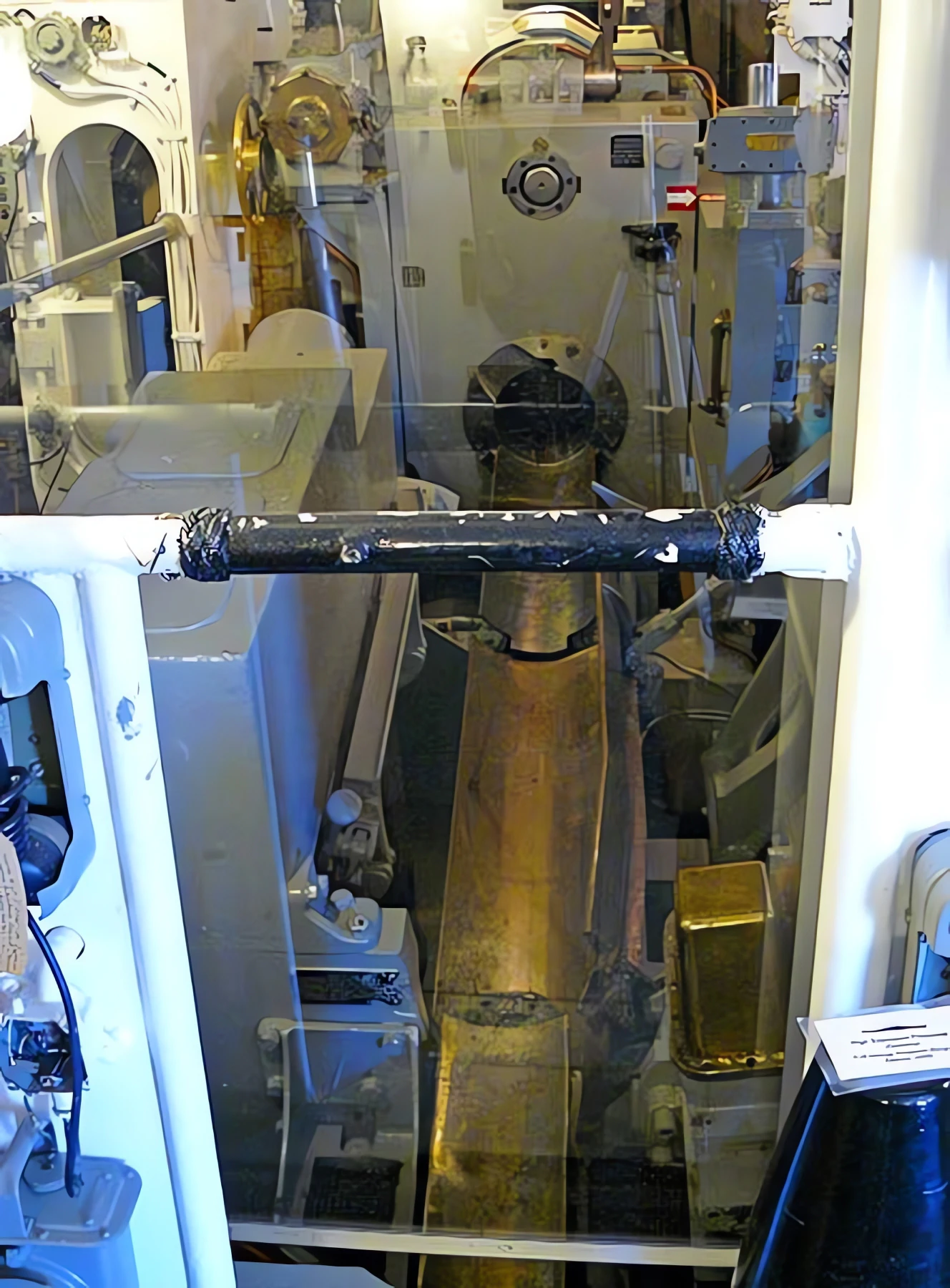
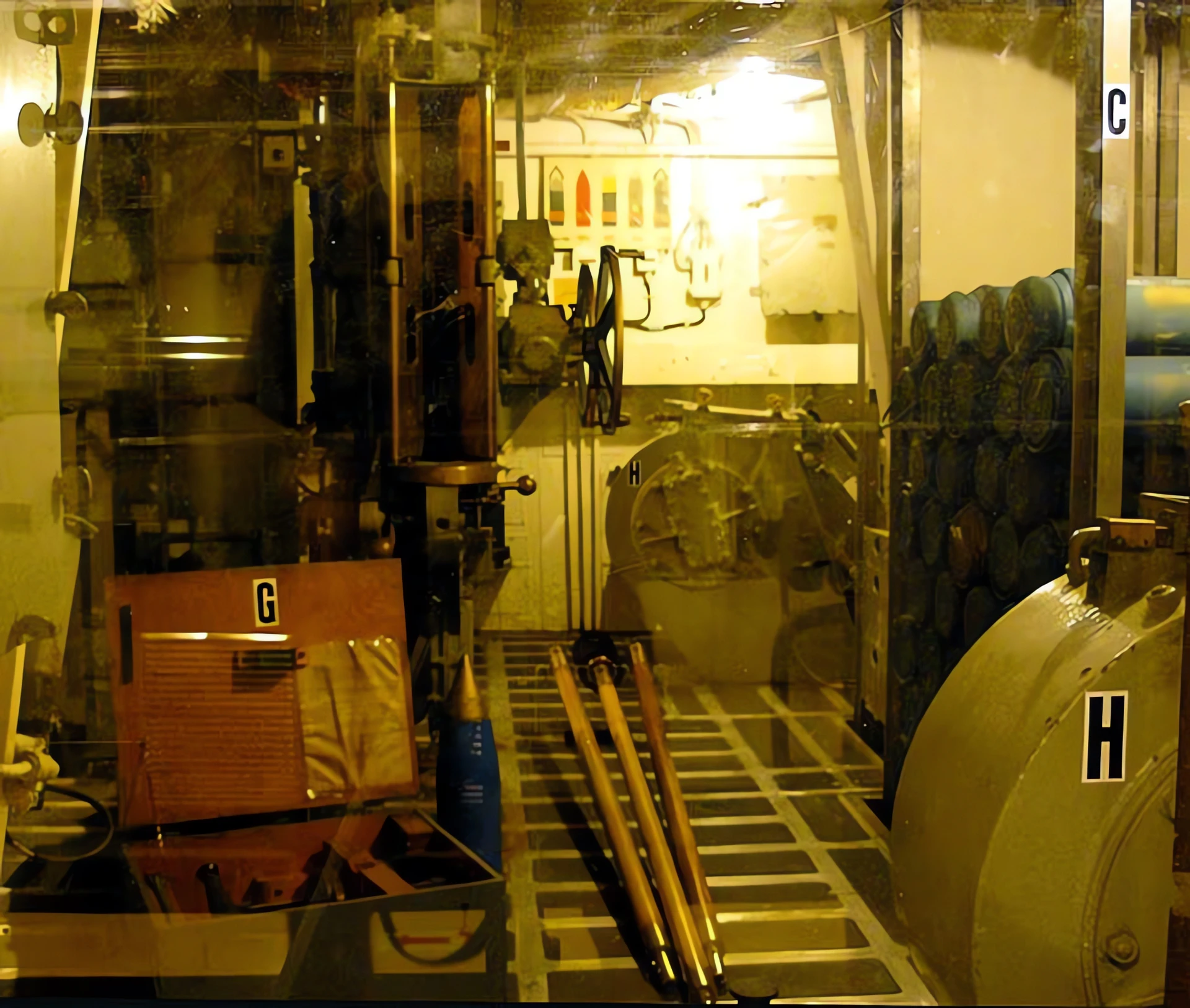
The USS Salem (CA-139) is a Des Moines-class heavy cruiser, commissioned in 1949. She holds the distinction of being the last all-gun heavy cruiser ever built for the United States Navy and the world. Designed to counter new Soviet cruisers, the Des Moines class featured exceptionally high rates of fire due to a revolutionary fully automatic loading system for the main 8-inch guns, allowing them to fire much faster than any previous heavy cruiser. She served primarily in the Mediterranean as the flagship of the Sixth Fleet during the early Cold War. Today, she is preserved as a museum ship in Quincy, Massachusetts.
| Property | Typical Value (CA-139) |
|---|---|
| Class & Type | Des Moines-class Heavy Cruiser |
| National Origin | United States |
| Commissioned | 14 May 1949 |
| Crew | Approx. 1,799 Officers and Enlisted |
| Propulsion | 4 x Steam turbines, 4 x Shafts |
| Power Output | 120,000 shp (89,000 kW) |
| Length | 218.4 m (716 ft 6 in) |
| Beam | 21.6 m (71 ft) |
| Displacement (Full Load) | Approx. 21,500 long tons |
| Speed | 33 knots (61 km/h) |
Armament and Protection
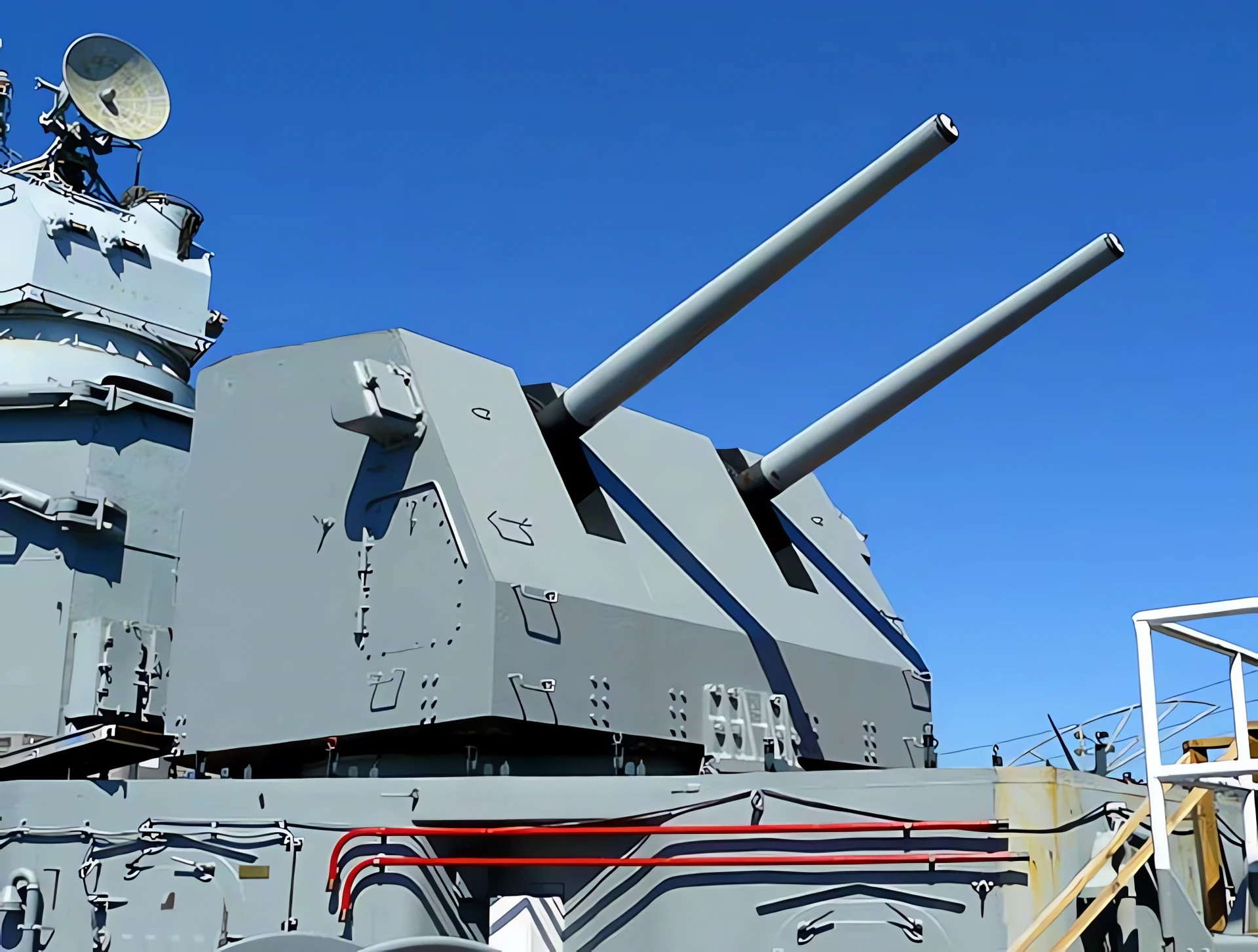
- Main Armament: 9 x 8-inch (203 mm)/55 caliber Mark 16 rapid-fire guns in three triple turrets.
- Key Innovation: The automatic loading system allowed for a sustained rate of fire of up to 10 rounds per minute (RPM) per gun, far exceeding previous heavy cruisers.
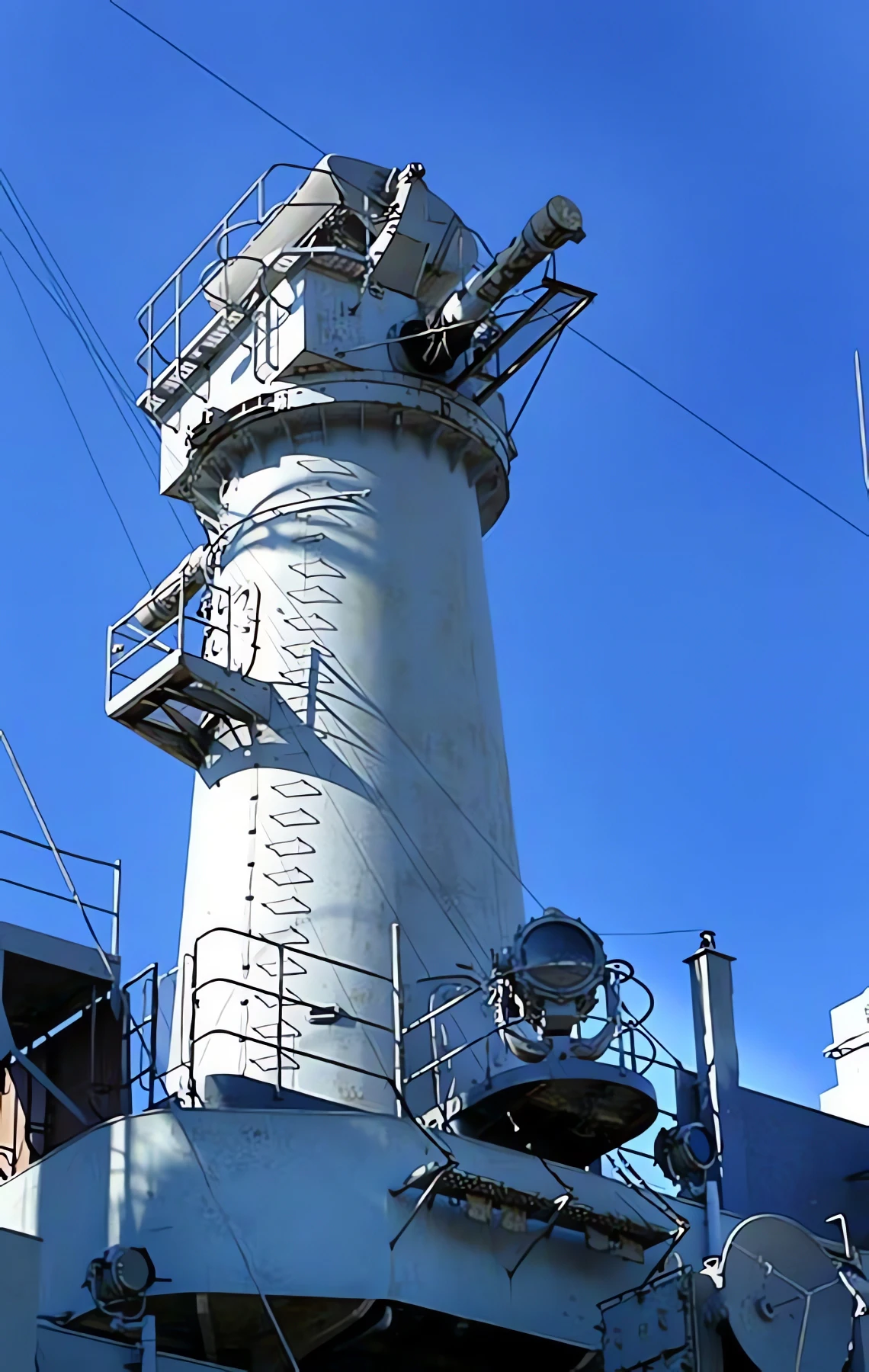
- Secondary Armament: 12 x 5-inch (127 mm)/38 caliber dual-purpose guns in six twin mounts.
- Anti-Aircraft: Extensive light anti-aircraft battery (40 mm and 20 mm guns) at time of commissioning, though later reduced.
- Armor (Belt): Up to 152 mm (6 in).
- Aircraft: Carried 2 x aircraft (usually Vought OS2U Kingfishers or Sikorsky HO3S helicopters) launched from catapults (removed later in her career).
Service and Legacy
- Cold War Service: Served eight tours as the flagship of the US Sixth Fleet in the Mediterranean and also operated in the Atlantic.
- Humanitarian Role: Famously served as the relief flagship after the 1953 Ionian earthquake, providing aid and assistance to victims in Greece.
- Decommissioning: Decommissioned in 1959 after a short but distinguished service life due to high operating costs and the shift in naval doctrine toward missiles.
- Museum Status: Since 1995, she has been a museum ship, serving as the centerpiece of the United States Naval Shipbuilding Museum.
Views : 2688
You can see also :
 Russian cruiser Aurora – Photos & Videos
 USS Little Rock – Photos & Videos
 PTF-17 Patrol Torpedo Fast Boat – Photos & Videos
 USS Bunker Hill (CG-52) – Photos & Videos
 JDS Yamagiri – Photos & Videos
 JDS Sawayuki – Photos & Videos
 USS Laffey (DD-724) – Photos & Videos
 USS Pampanito (SS-383) – Photos & Videos
 Type A Midget Submarine – Photos & Videos
 USS North Carolina (BB-55) – Photos & Videos