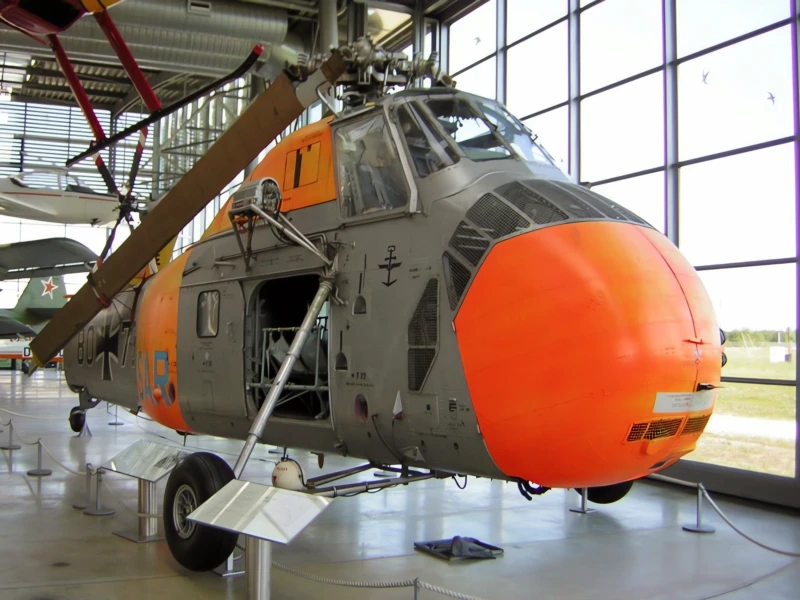
Sikorsky H-34 (S-58) | |
|---|---|
| Country | USA |
| Role | Military helicopter |
| First flight | 8 March 1954 |
| Built | 2108 |
Photo gallery of a Sikorsky H-34 (S-58), The Sikorsky H-34 (company designation S-58) is a piston-engined military helicopter originally designed by American aircraft manufacturer Sikorsky as an anti-submarine warfare (ASW) aircraft for the United States Navy. It has seen extended use when adapted to turbine power by the British licensee as the Westland Wessex and Sikorsky as the later S-58T. H-34s served, mostly as medium transports, on every continent with the armed forces of twenty-five countries. It saw combat in Algeria, the Dominican Republic, Nicaragua, and throughout Southeast Asia; other uses included saving flood victims, recovering astronauts, fighting fires, and carrying presidents. It was one of the last piston-powered helicopter designs before its replacement by turbine-powered types such as the UH-1 Huey and CH-46 Sea Knight. A total of 2,108 H-34s were manufactured between 1953 and 1970
Source: Sikorsky H-34 (S-58) on Wiki
| Sikorsky H-34 (S-58) | |
|---|---|
| Photographers | Eugeny Dedigurov, Andrei Zinchuk |
| Localisation | Unknow |
| Photos | 49 |
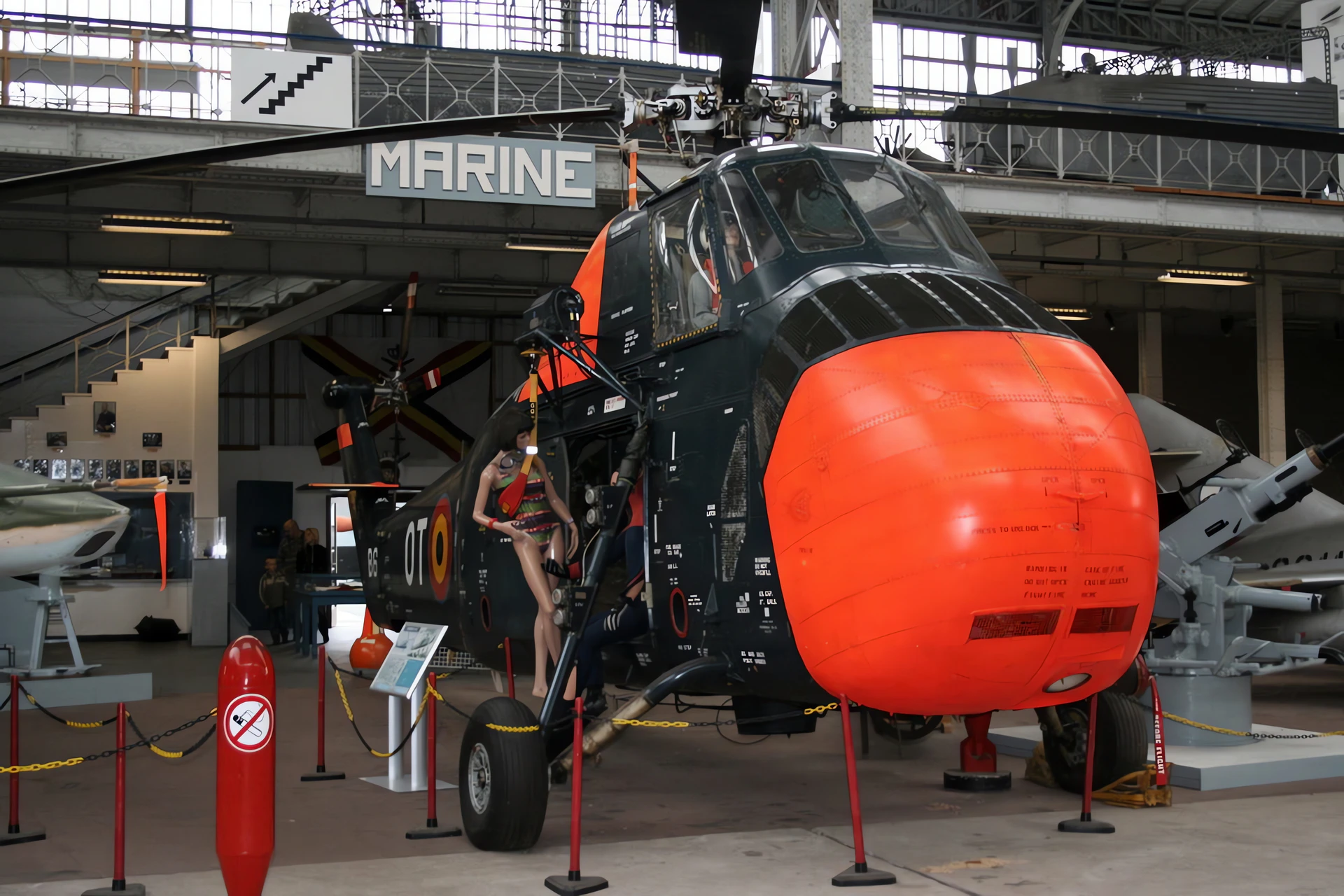
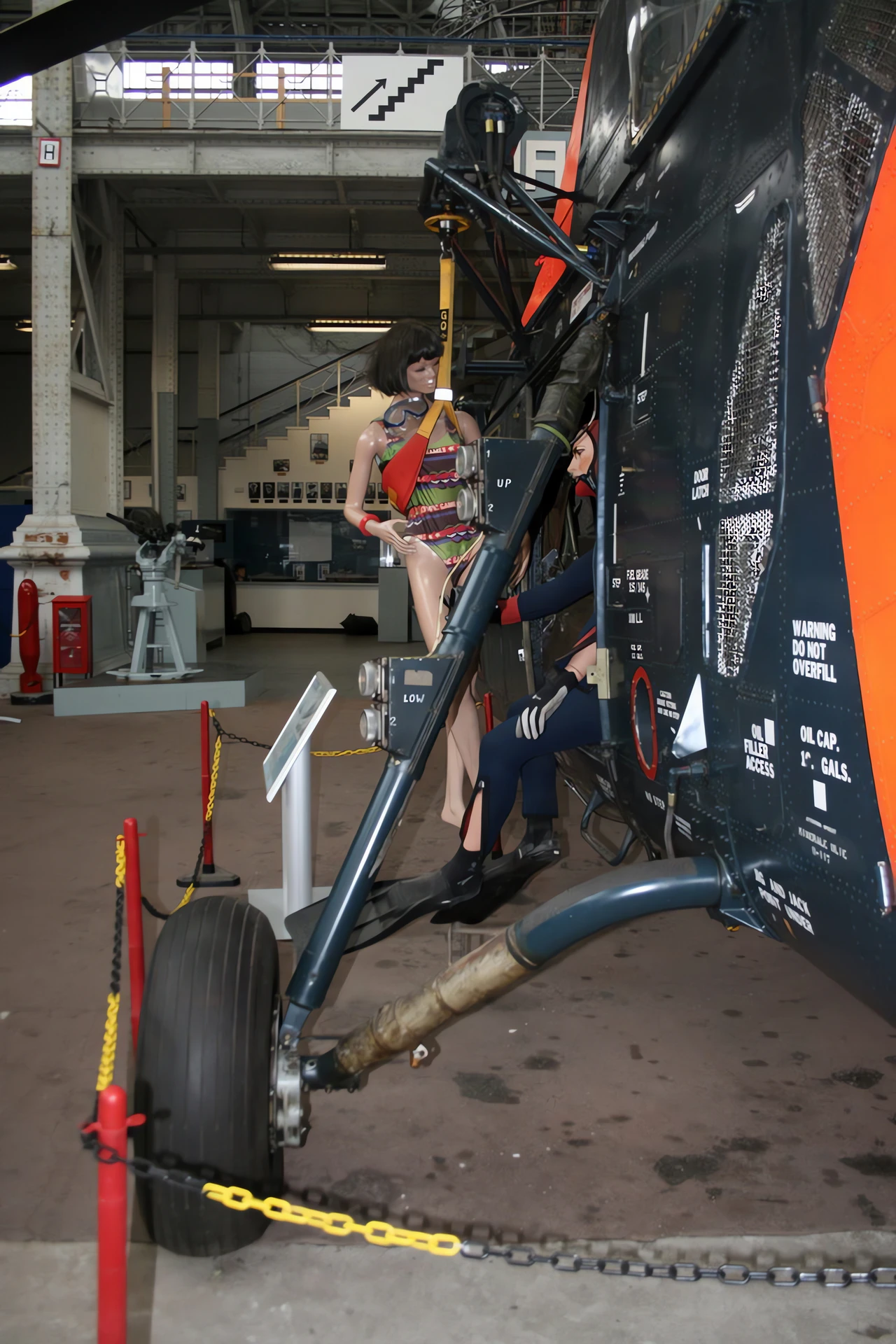
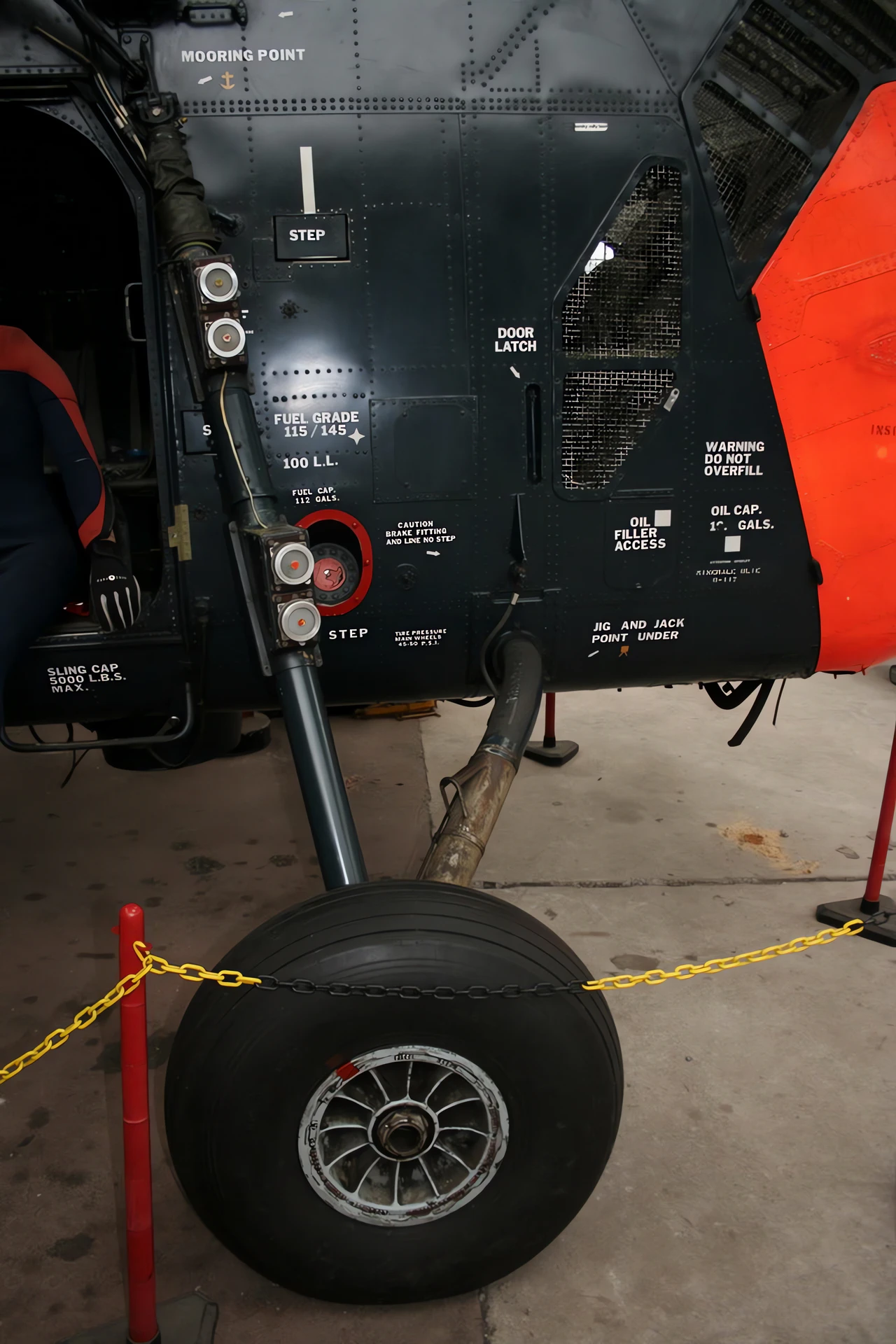
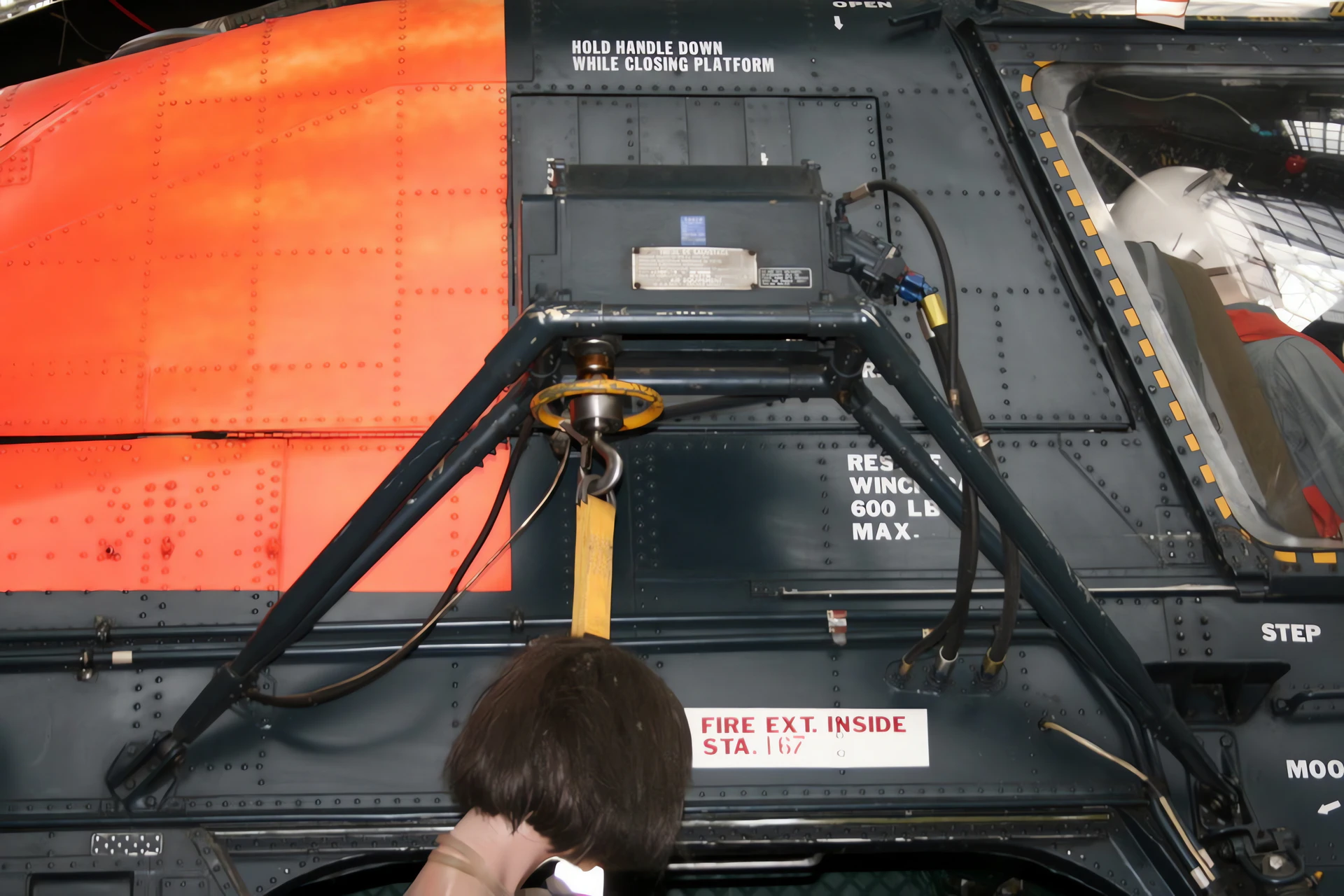
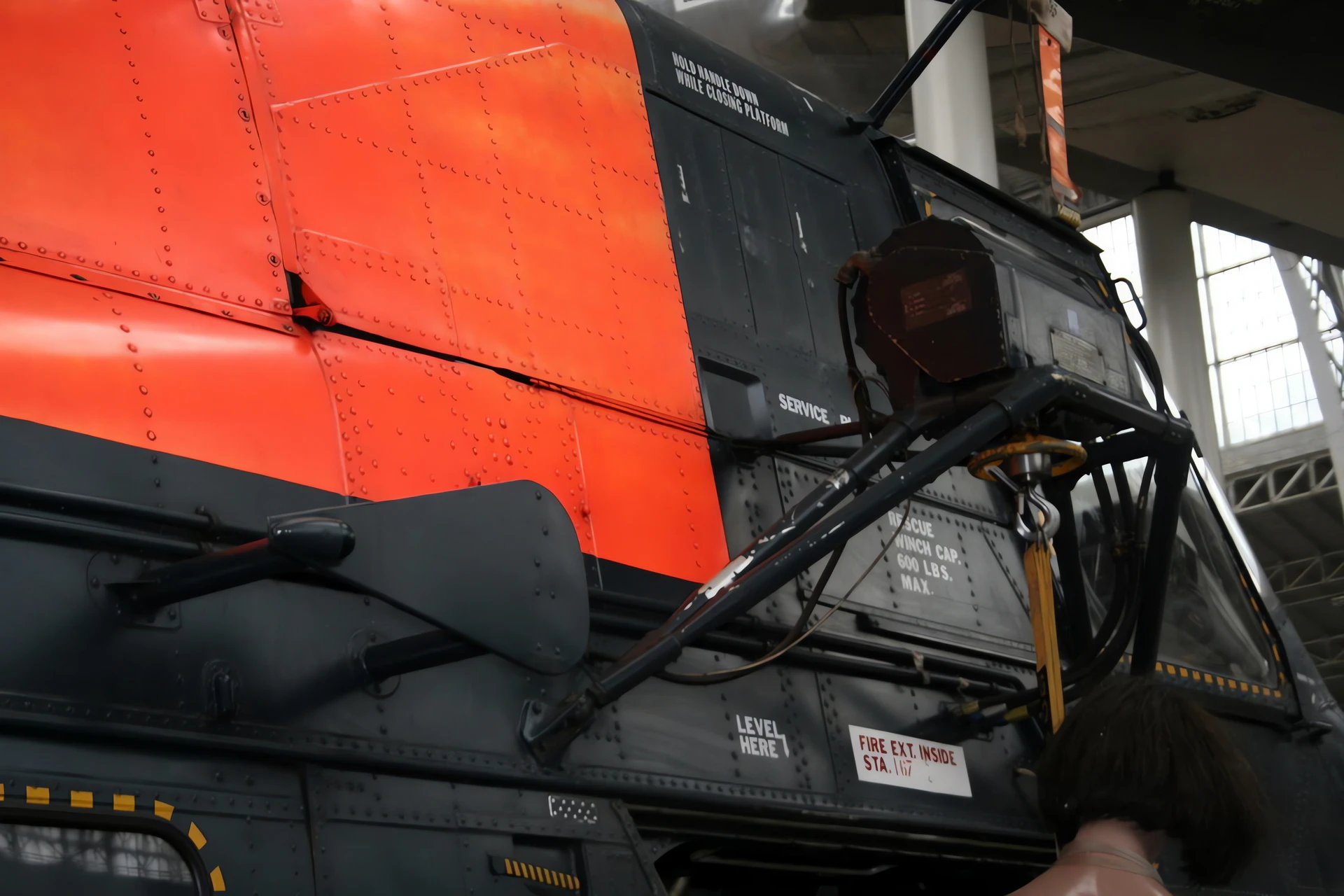
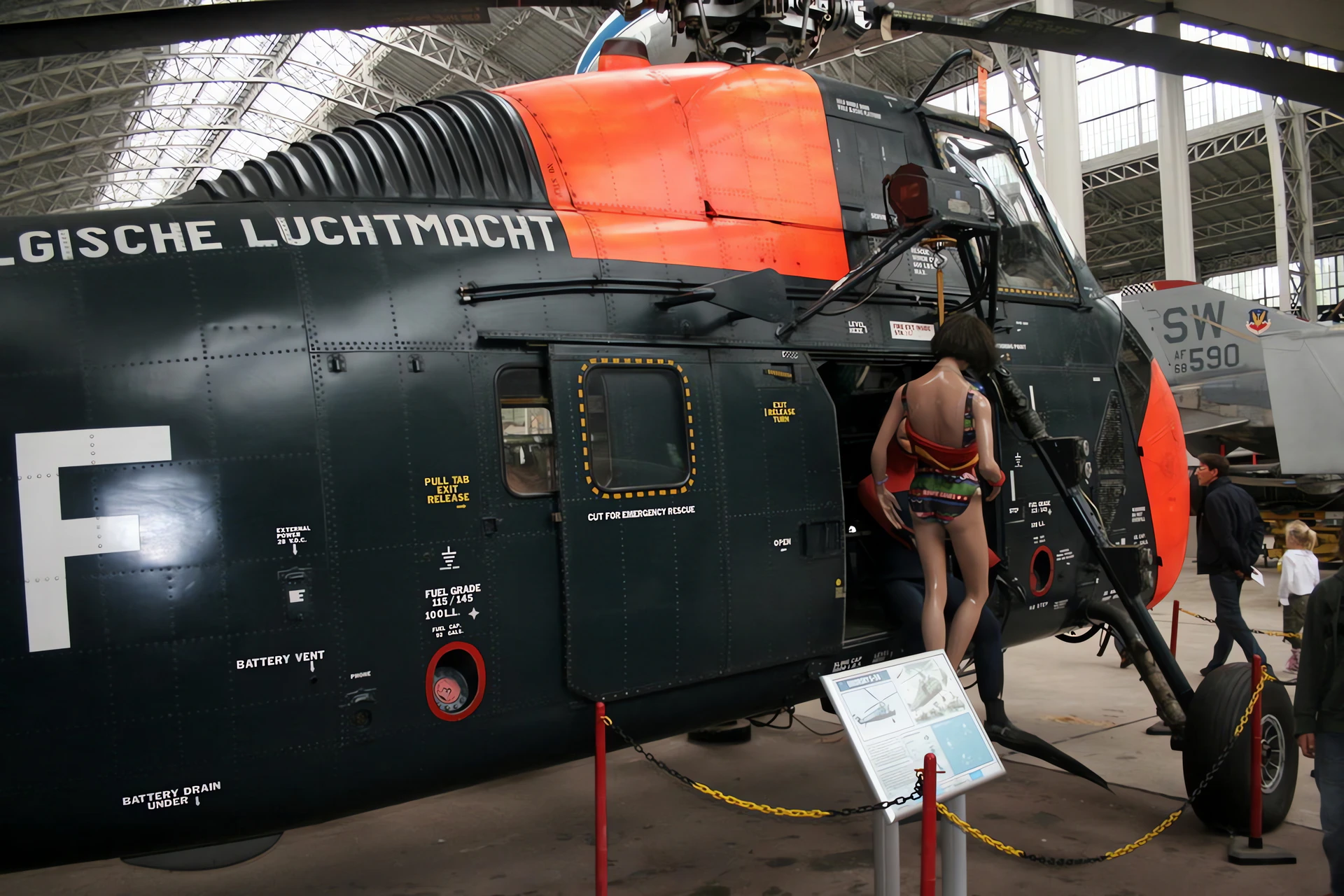

 Buy Me a Coffee
| Sikorski UH-34D Seahorse Walk Around | |
|---|---|
| Photographer | Vladimir Yakubov |
| Localisation | USS Hornet Museum |
| Photos | 51 |
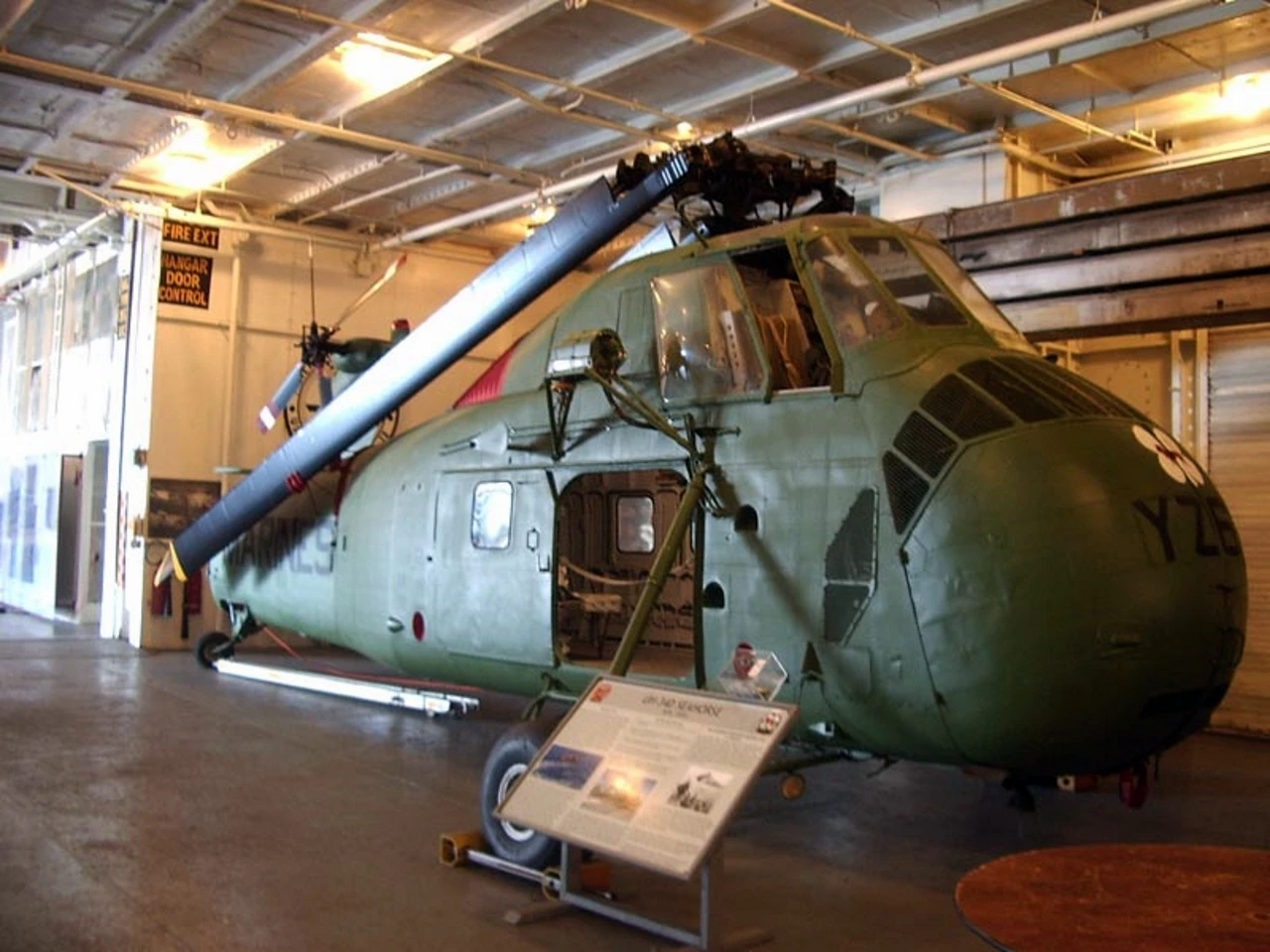
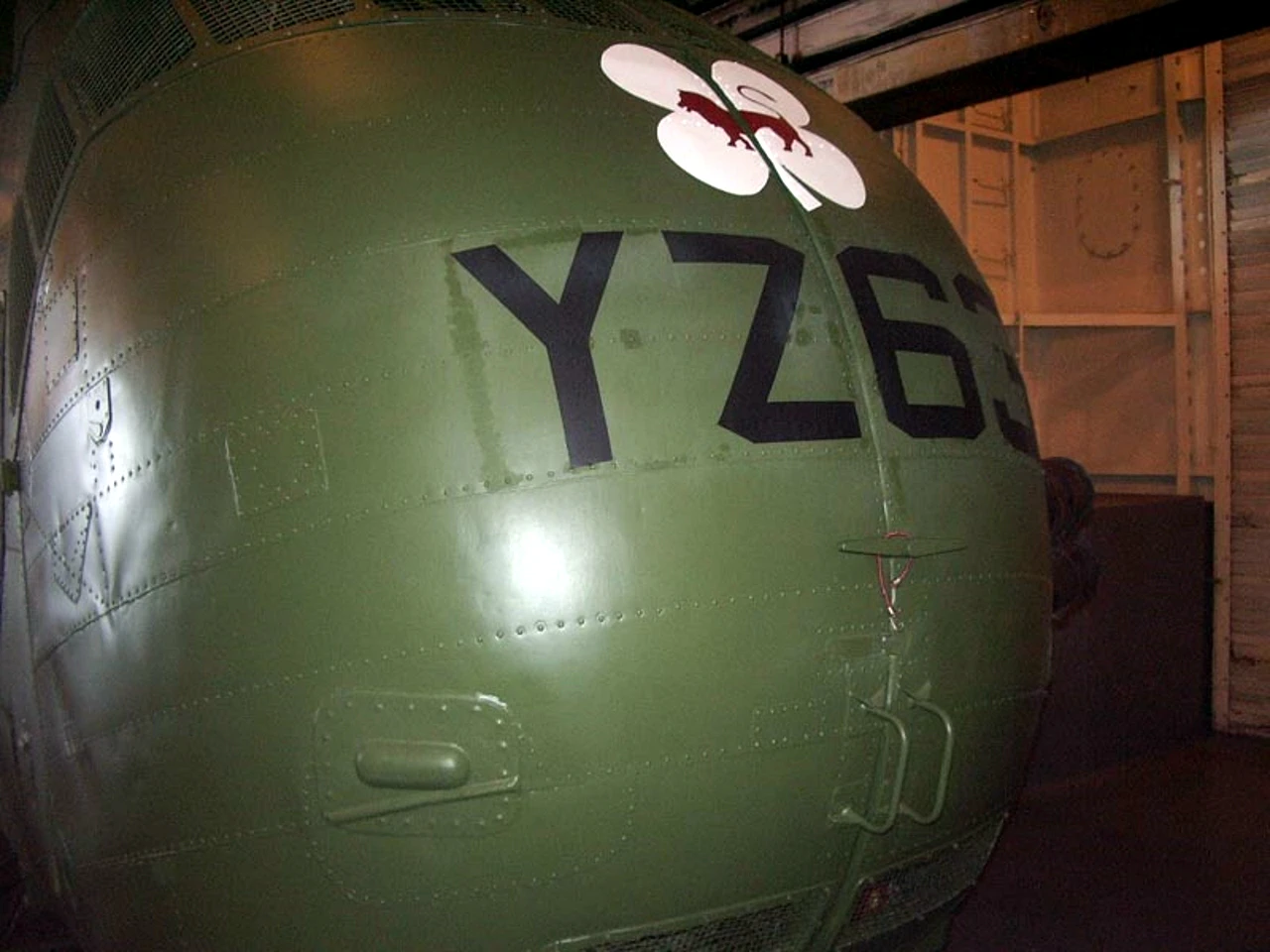
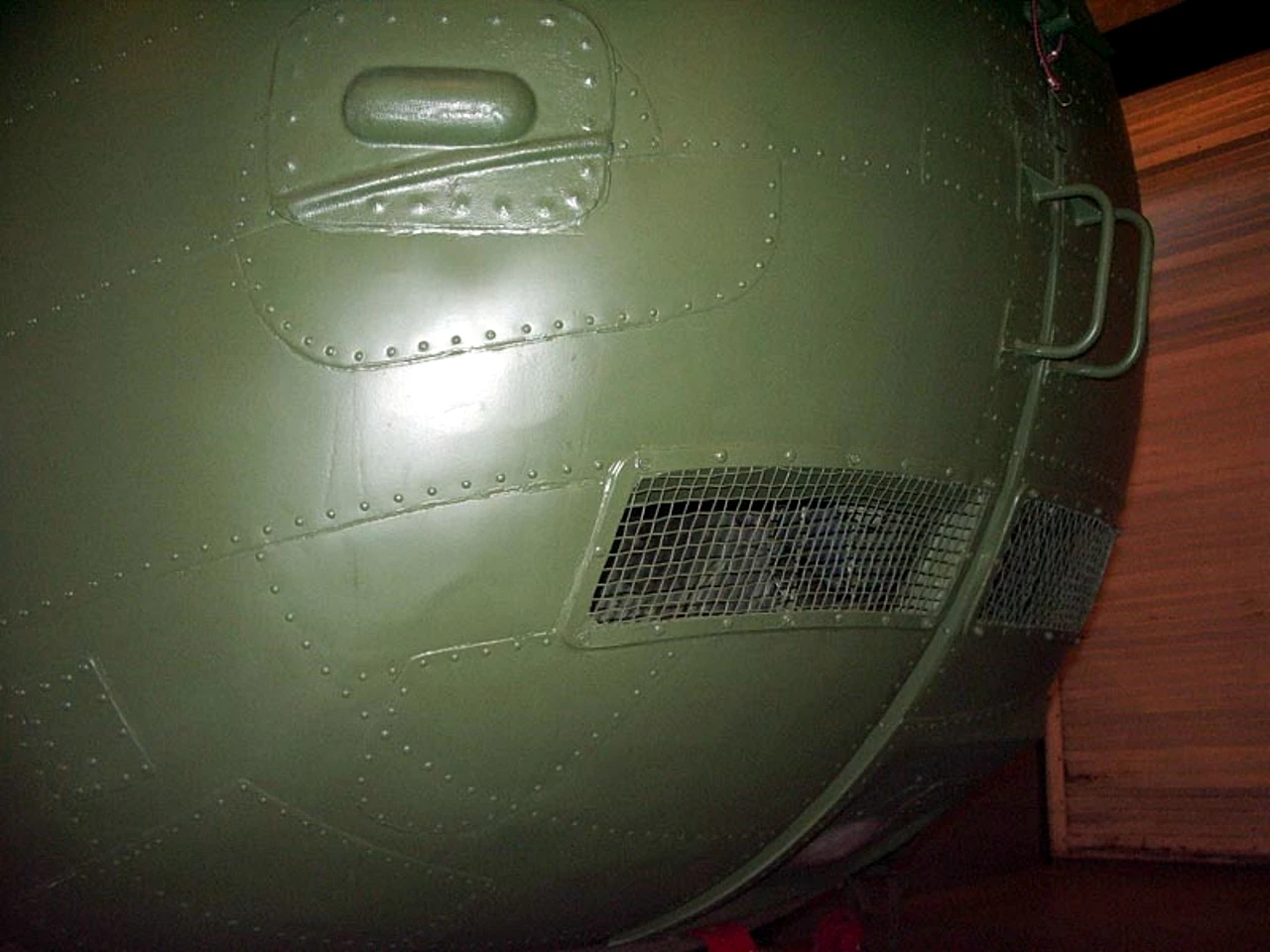
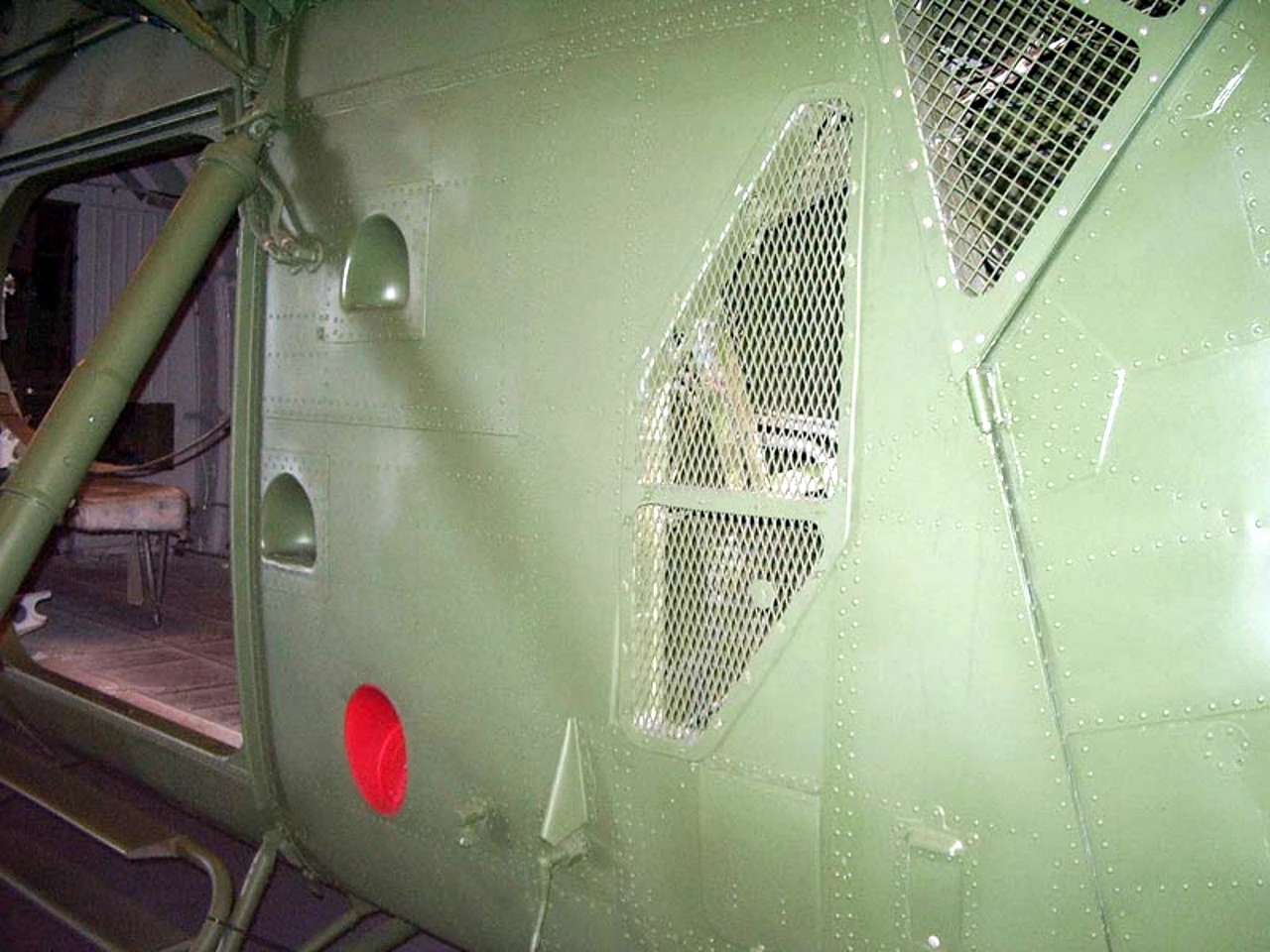
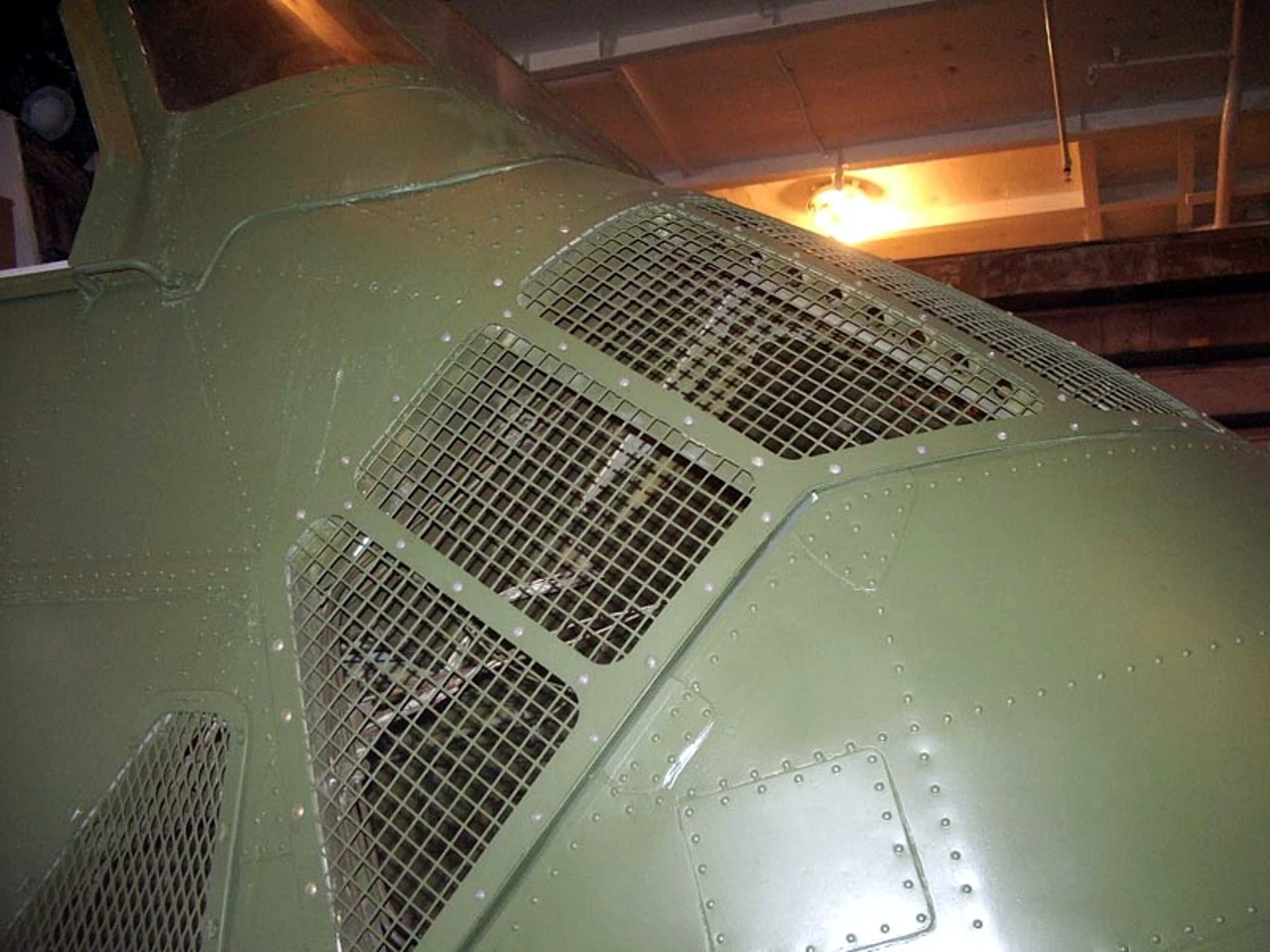
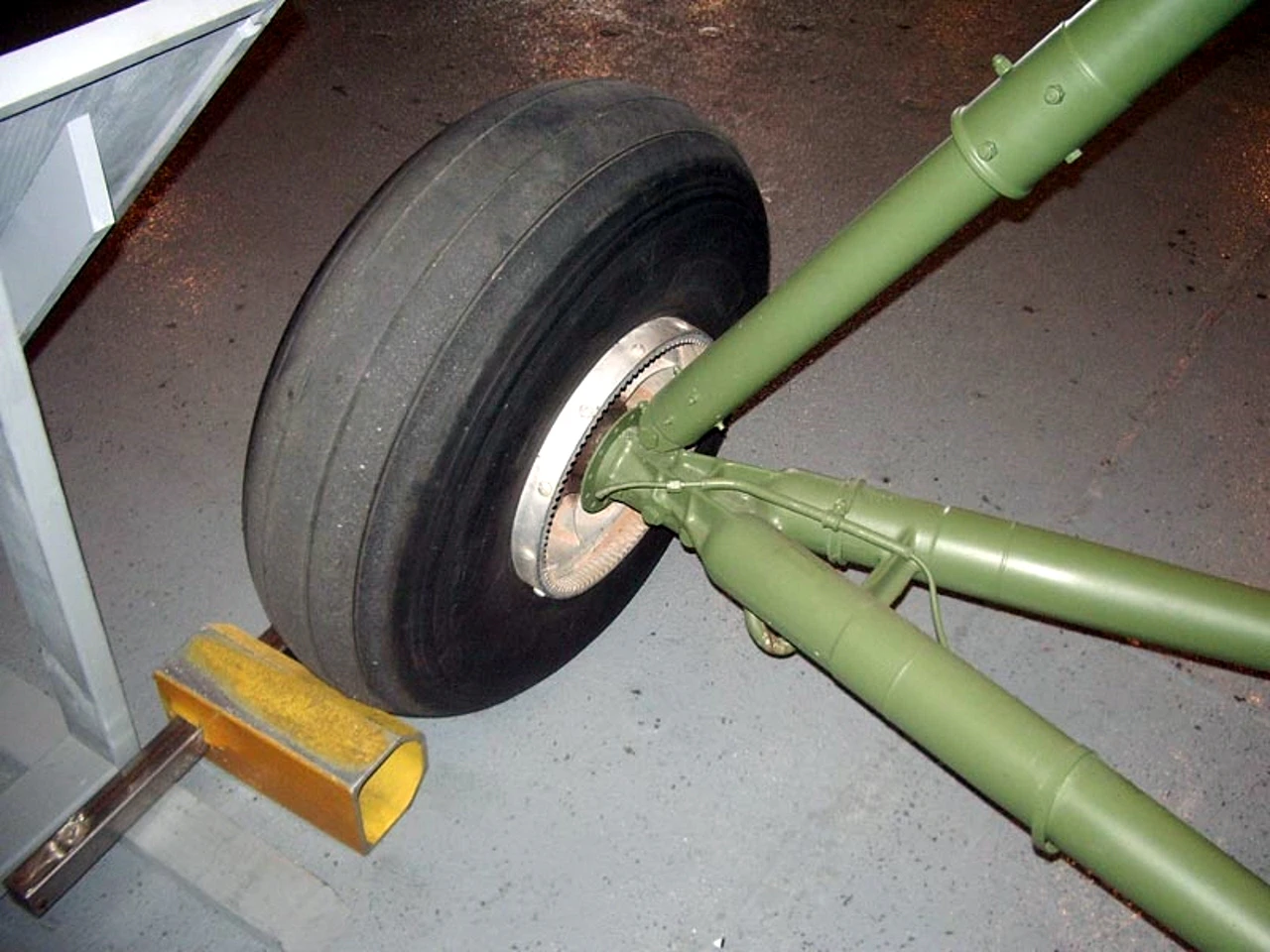
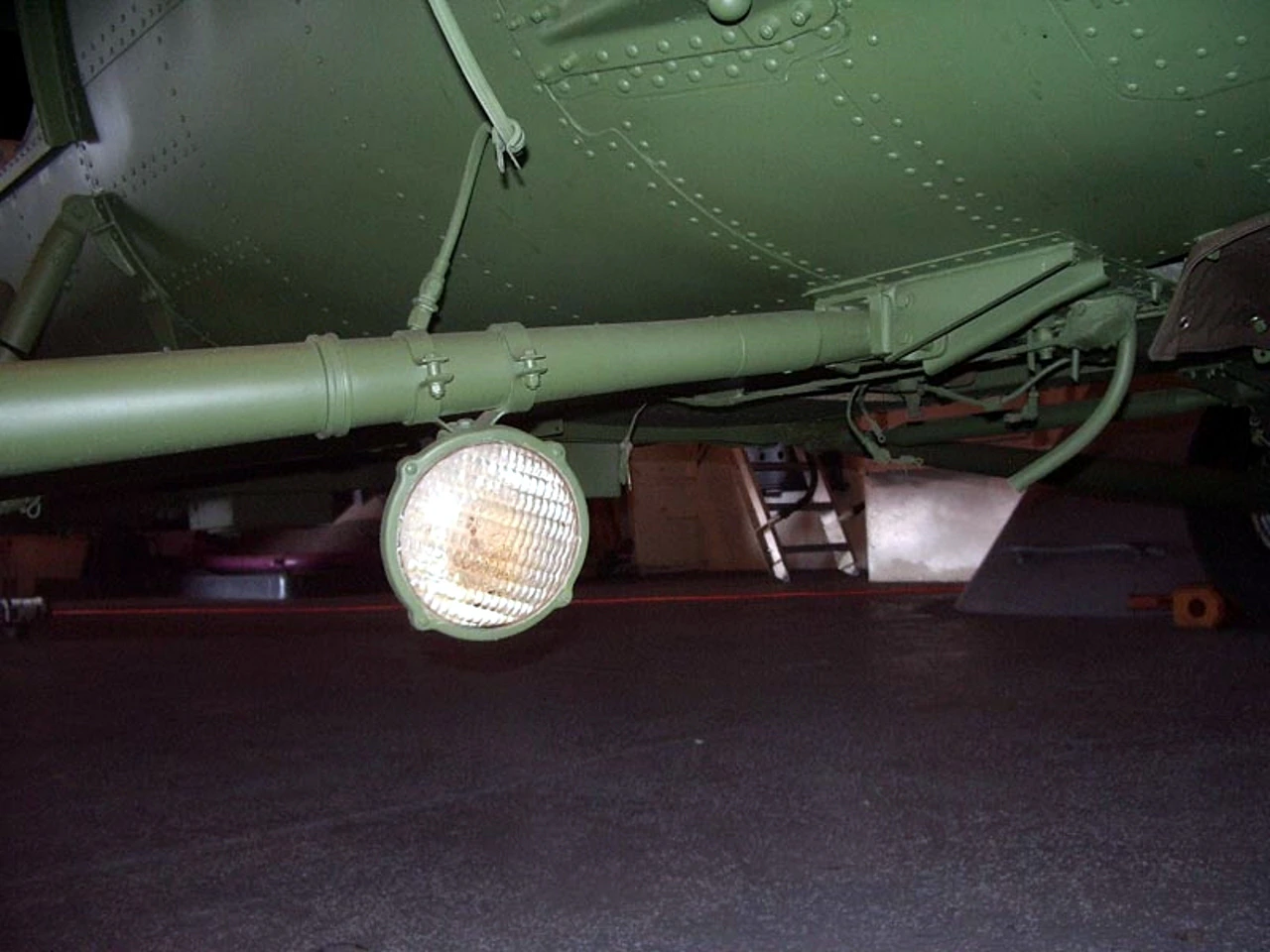
| Sikorsky S-58 Walk Around | |
|---|---|
| Photographer | Unknow |
| Localisation | Militaire Luchtvaart Museum, Soesterberg |
| Photos | 61 |
See also:


The “Hump-Backed” Legend
The Sikorsky H-34 (company designation S-58) was one of the most successful and recognizable helicopters of the mid-20th century. Originally designed for the U.S. Navy as an anti-submarine warfare (ASW) platform, its incredible ruggedness and lifting capacity quickly made it a favorite for the U.S. Marines and Army. Known as the Seabat, Seahorse, or Choctaw depending on the branch, it served as a vital bridge between the early experimental helicopters of the Korean War and the turbine-powered “Huey” era. It famously retrieved Mercury astronauts from the sea and pioneered air assault tactics that changed modern warfare forever.
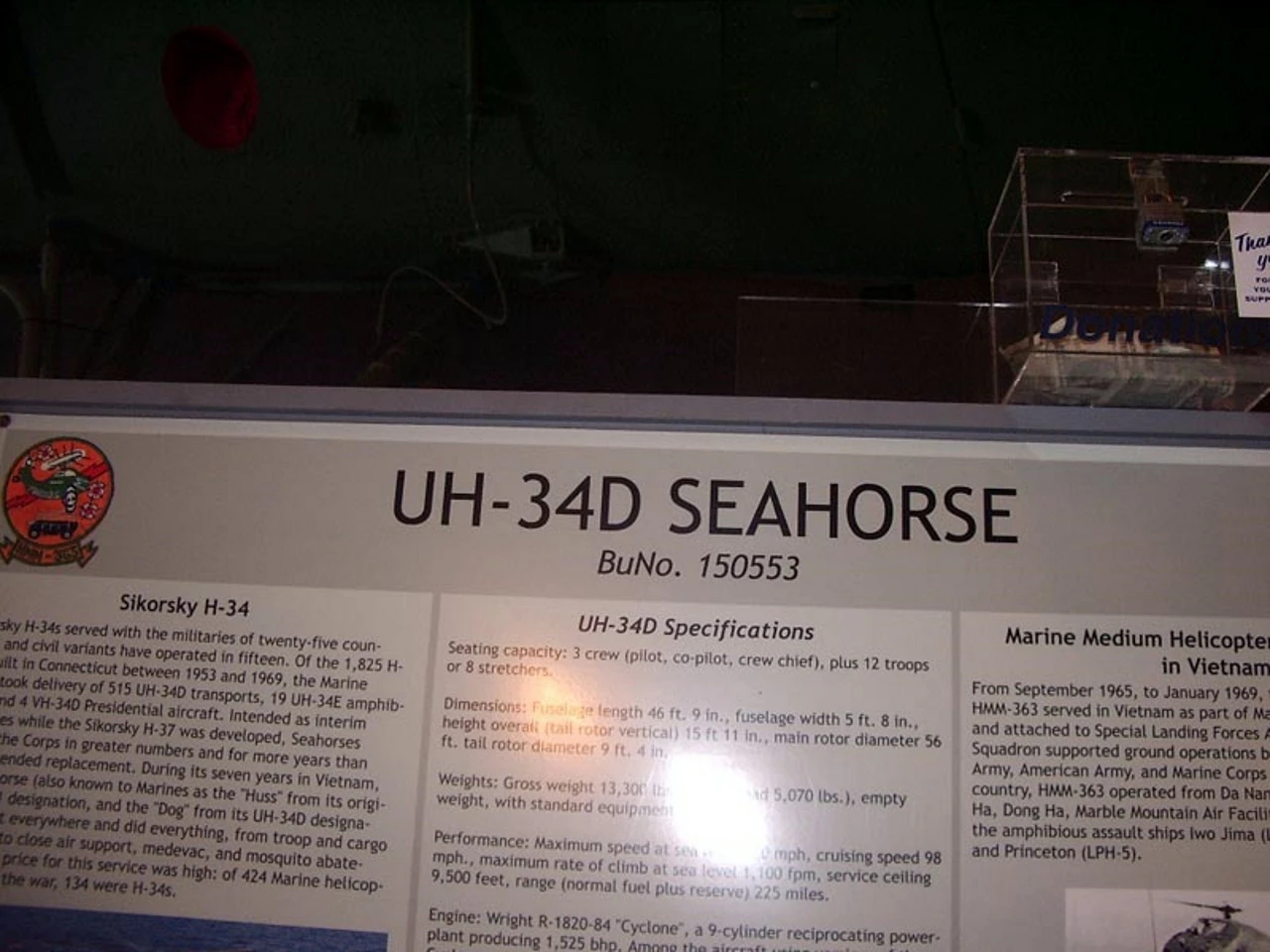
| Attribute | Technical Specification (UH-34D) |
|---|---|
| Role | Military Utility / Transport / ASW |
| Crew | 2 Pilots + 1-2 Crew Chiefs/Gunners |
| First Flight | March 8, 1954 |
| Powerplant | 1 × Wright R-1820-84 Cyclone radial engine |
| Horsepower | 1,525 hp (1,137 kW) |
| Maximum Speed | 122 mph (196 km/h) |
| Payload | 12–16 troops or 8 stretchers (2,300 kg / 5,000 lbs) |
| Main Rotor | 4 blades; 56 ft (17.07 m) diameter |
Design Engineering: The Nose-Engine Layout
- The Angled Drive Shaft: To keep the main cabin clear for troops and cargo, Sikorsky placed the massive radial engine in the nose, tilted at a 45-degree angle. The drive shaft ran upward between the two pilots’ seats to the main rotor gearbox above the cabin. [Image diagram of the H-34 drive train showing the nose engine and angled shaft]
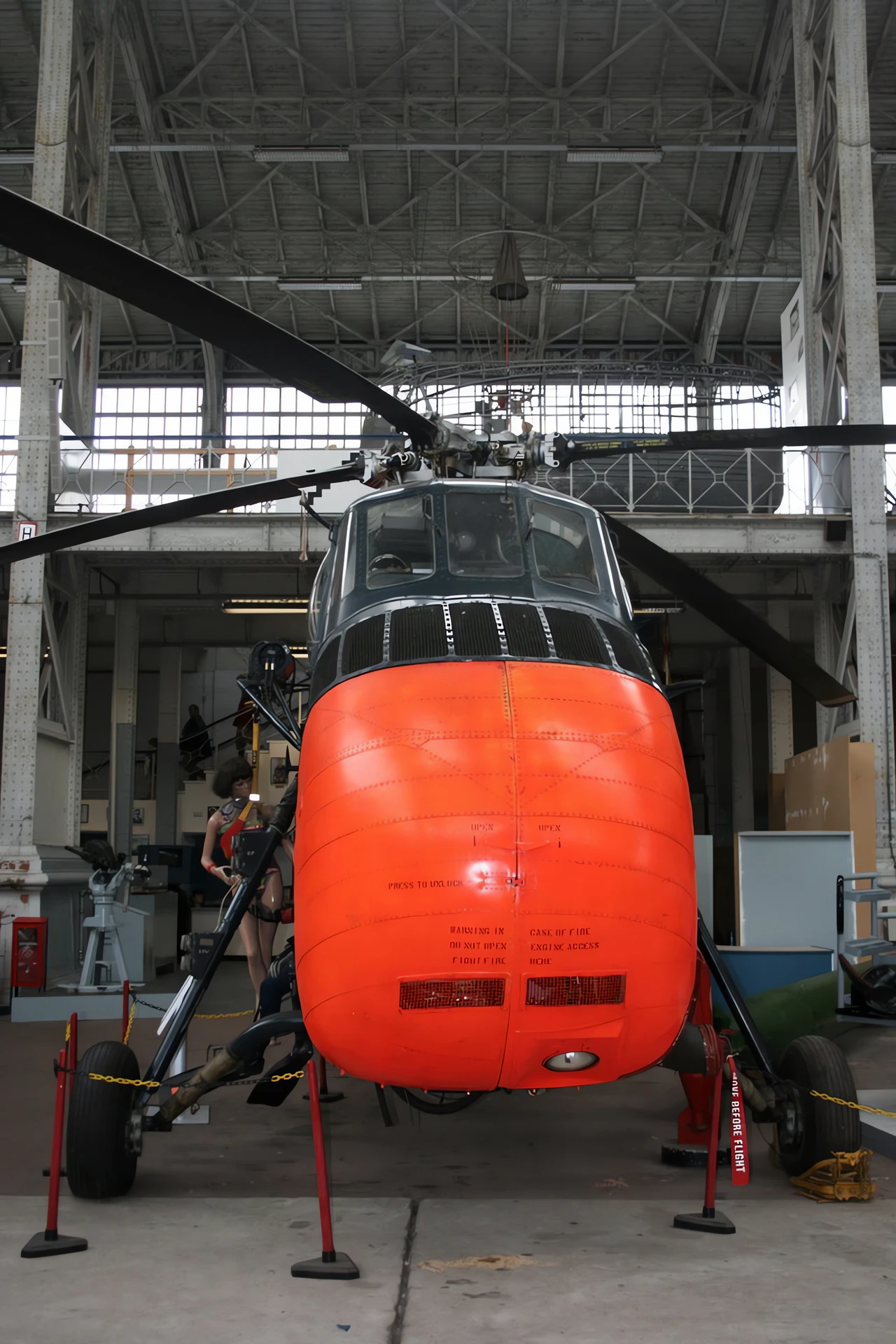
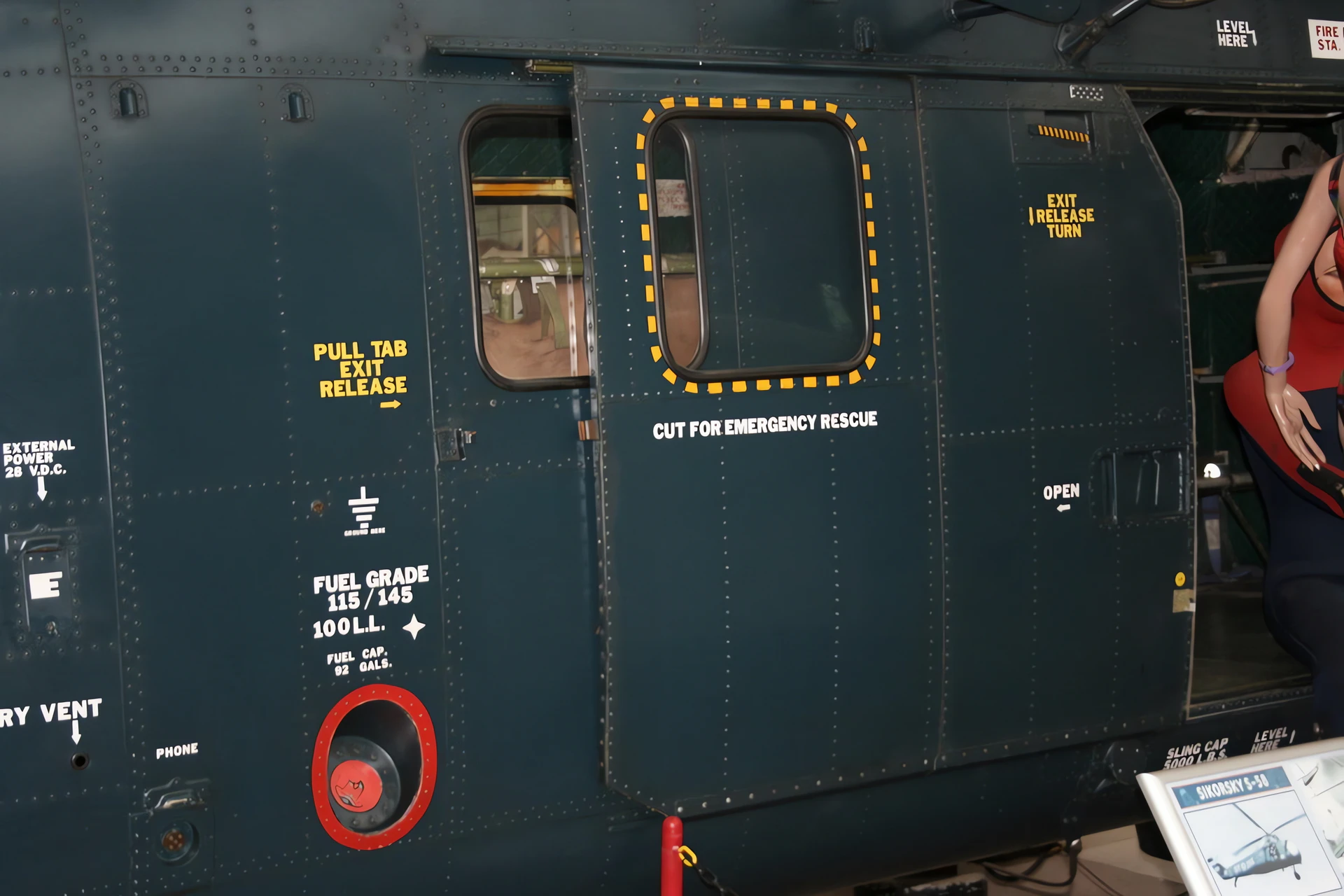
- Clamshell Doors: Maintenance was simplified by two large “clamshell” doors at the very front. Mechanics could stand on the ground and have full access to the engine without needing specialized ladders or scaffolding.
- High-Visibility Cockpit: Because the engine occupied the nose, the pilots sat very high up. This gave them an unparalleled view for landing in tight zones, though it also made them prominent targets for ground fire in combat.
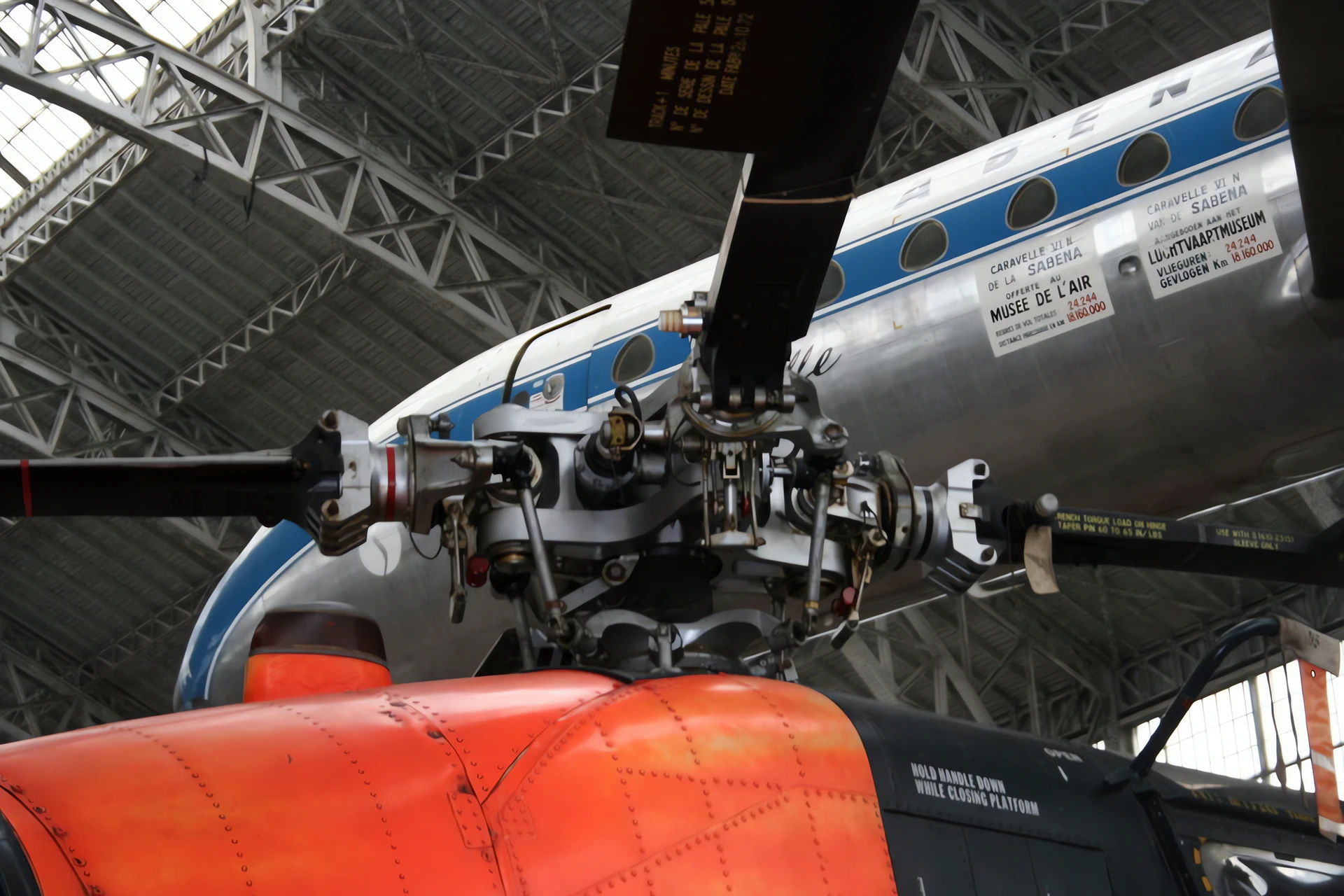
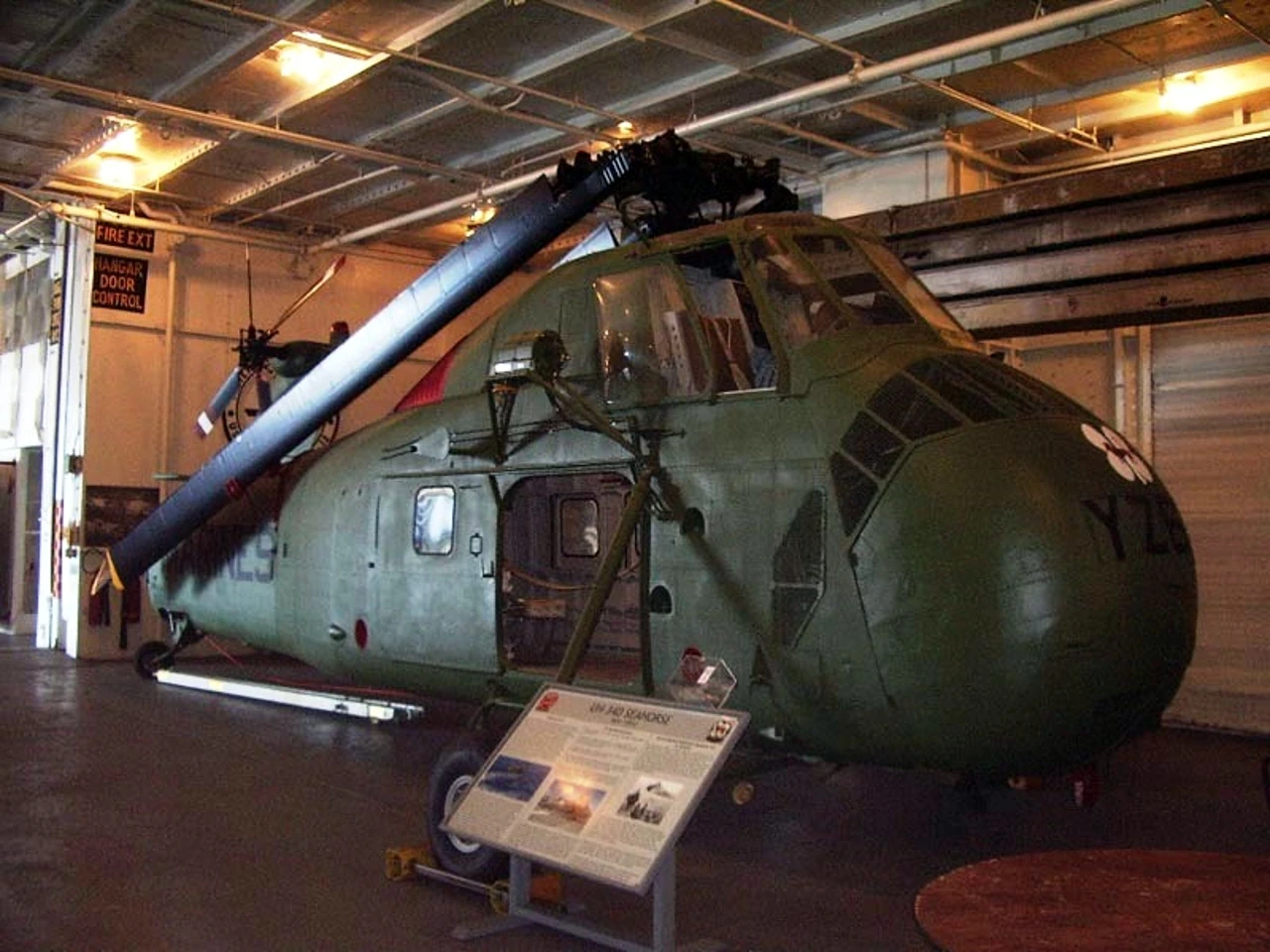
- Folding Tail and Blades: Designed for carrier use, the entire tail section (pylon) could be folded forward against the fuselage, and the main rotor blades could be stowed, drastically reducing its footprint on a ship’s hangar deck.
Combat and Global Service
- The “Pirate” in Algeria: The French Air Force used the H-34 extensively during the Algerian War. They were among the first to arm them with 20mm cannons and machine guns, creating the “Pirate” gunship and developing the “Air Mobile” tactics later used in Vietnam.
- The “Stinger” Gunships: In the early years of the Vietnam War, U.S. Marines fitted H-34s with the “TK-1” kit (M60 machine guns and 2.75-inch rockets). Known as “Stingers,” these were the predecessors to dedicated attack helicopters like the Cobra.
- Astronaut Recovery: The H-34 was the primary recovery helicopter for NASA’s Project Mercury. It famously attempted to save Gus Grissom’s Liberty Bell 7 capsule before it sank, and successfully retrieved Alan Shepard and John Glenn.
- The Turbine Evolution: The airframe was so good that the British licensed it as the Westland Wessex, replacing the piston engine with a turbine. This gave the aircraft a new “nose job” and decades of additional service life with the Royal Navy and RAF.
Views : 8220
You can see also :
 Sikorsky S-76 – Photos & Videos
 Sikorsky HH-60 Pave Hawk – Photos & Videos
 Sikorsky HH-52 Seaguard – Photos & Videos
 Sikorsky SH-60B SeaHawk – Photos & Videos
 Sikorsky H-5 – Photos & Video
 Sikorsky S-64 Skycrane – Photos & Video
 Sikorsky S-61R – Photos & Video
 Sikorsky MH-53 – Photos & Video
 UH-19D Chickasaw – Photos & Video
 UH-60A Blackhawk – Photos & Video